

This episode is actually a bonus one. From the title, it might not immediately sound like Highway-related episode, but first, let’s take a step back. One of the distinctive features of Highway — among many — is the theme of friendship. And that wasn’t just on-screen
Off-screen, Michael Landon and Victor French, were close friends in real life too. As French remarked in an interview, they spent “more time together than a married couple“.
So, this moment is as good as any to look back at their history and see how it all began for them.
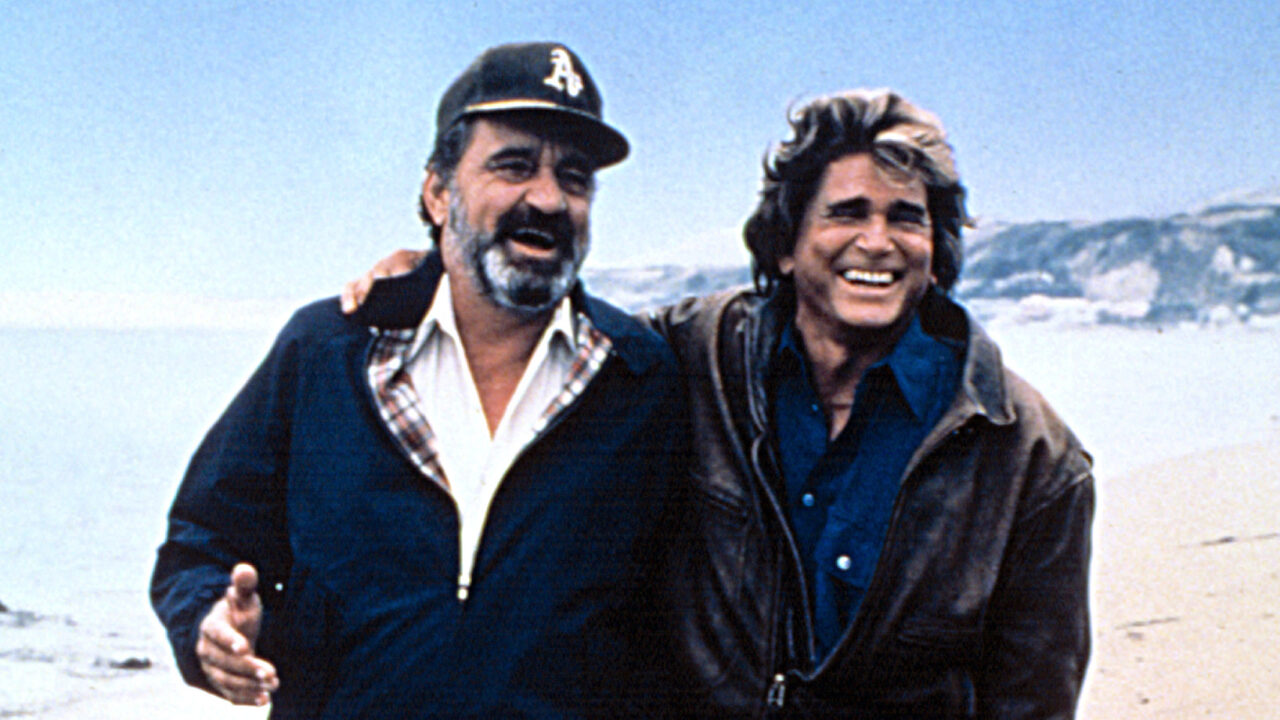
Hopefully they didn’t become friends on a beach (considering the curse this series has of people becoming friends there).
Anyway, most people know them as the duo of Charles and Mr. Edwards from Little House on the Prairie (from 1974 until 1983), of course.
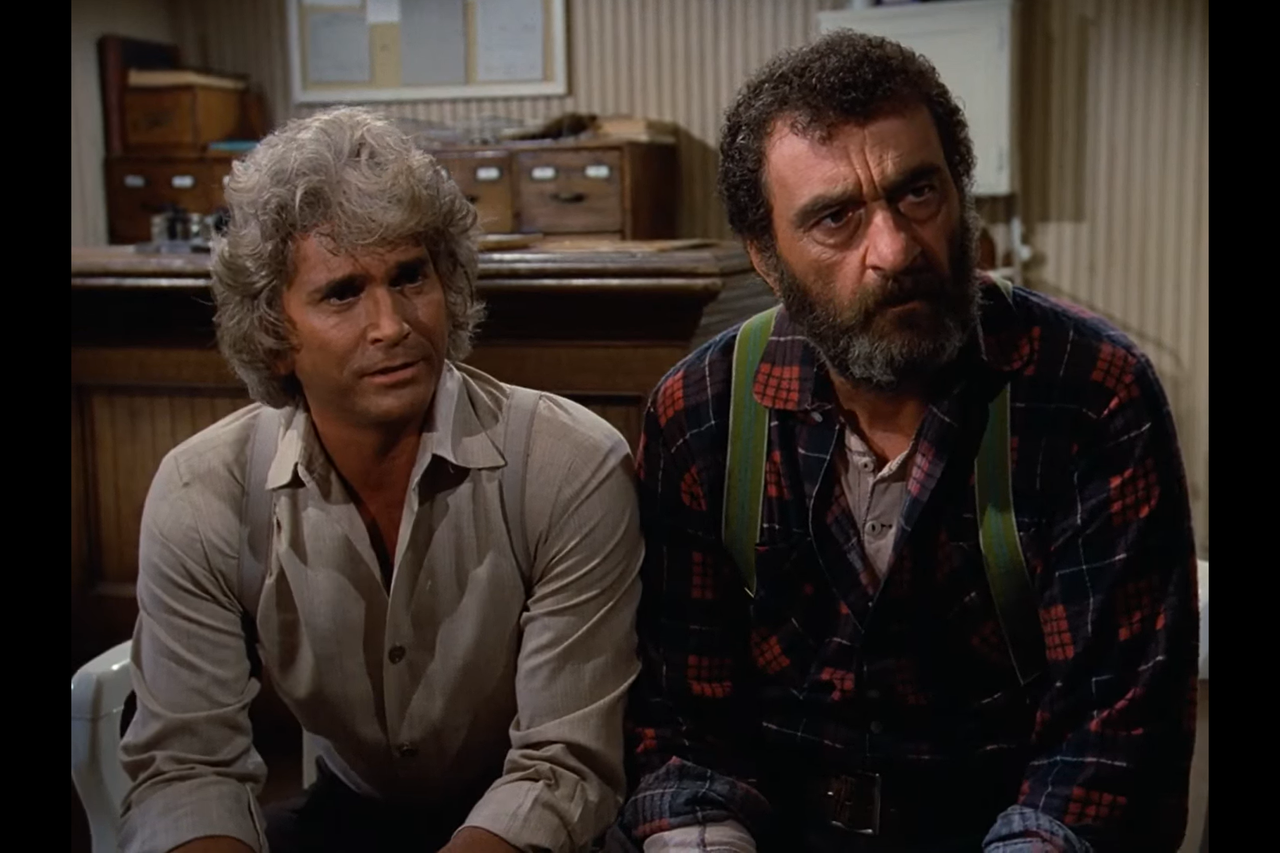
But their collaboration actually started even earlier—on another Michael Landon TV show: the classic western Bonanza, aired from 1959 to 1973, and currently (behind Gunsmoke) the second longest running western in history. Basically, it is a western about the daily adventures of some ranchers, the Cartwright family, who live in the fictional Ponderosa land (somewhere in Nevada).

Today, it’s remembered as the first American TV show broadcast in color (regularly and right from the start, not for occasional episodes), but in those years, it was a major cultural phenomenon, just like Little House would become later.
Landon starred as Joe Cartwright, one of the main characters (the youngest son of the Cartwright).
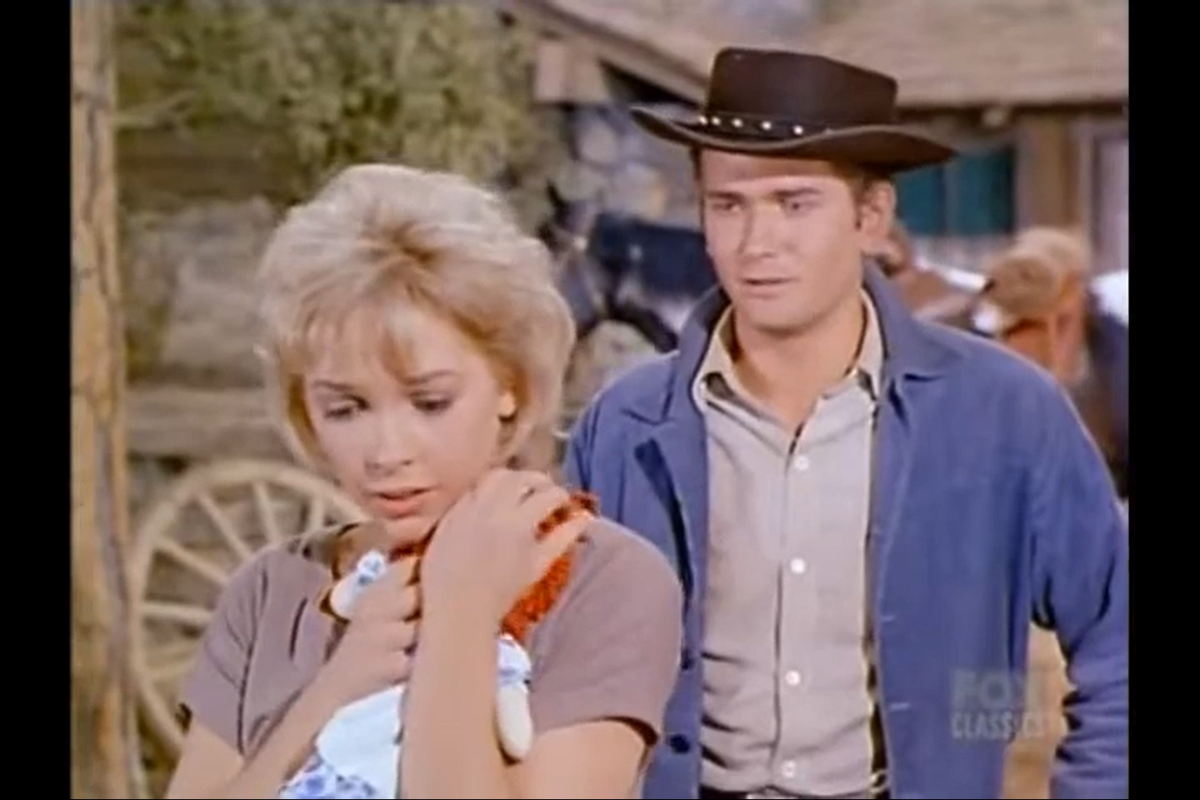
Instead, French made five guest appearances throughout the series, portraying four different characters. His first role was in the fourth season, for the 1962 episode “Gallagher’s Sons“, playing a gunman looking for the titular characters—but it was a very small part where he appeared in just one scene, and not even alongside any of the main characters. Actually, on that occasion Landon didn’t even appear (one of the only fourteen episodes in which he’s absent, out of over 400 episodes on that series), and of the four protagonists, only Dan Blocker was featured in that whole episode. So, let’s move on.
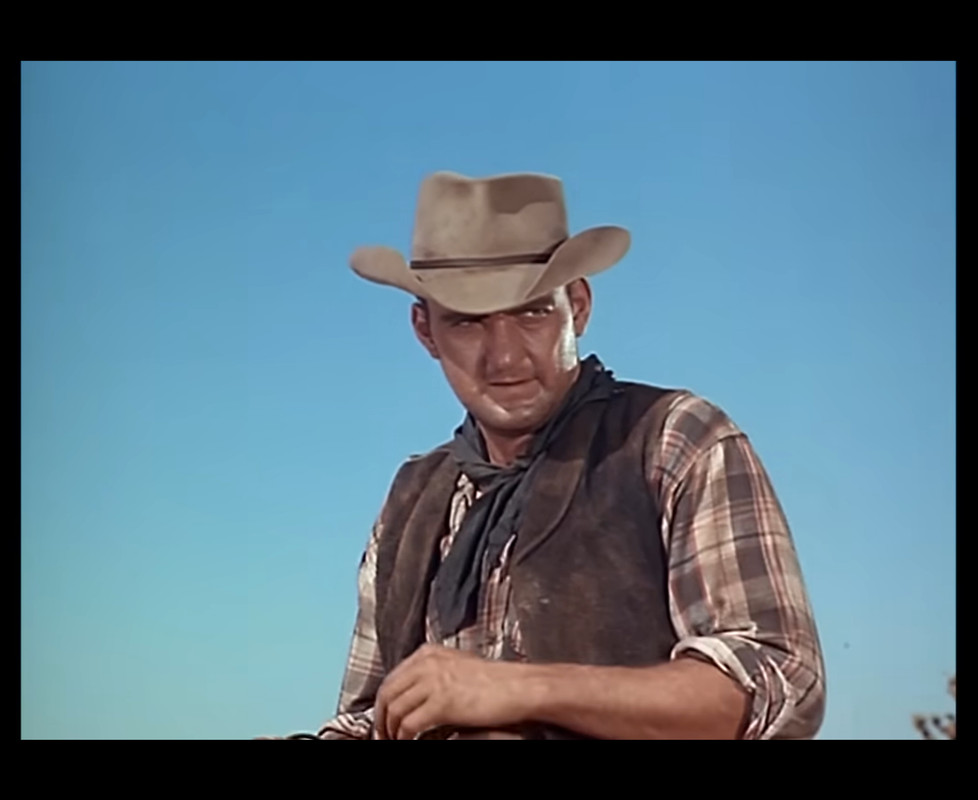
Then, French returned in the ninth season, in 1968, this time in a meatier role— the antagonist of the episode “The Burning Sky“, where he played a racist farmer who harasses a Sioux woman that just moved in on the Ponderosa ranch. And then it turns out he hates her because he’s also Sioux, at least from his mother’s side.

So, in his first two roles on Bonanza, he played two bad characters.
Then in 1969, he appeared in the comedy episode Meena, this time playing a background character (yet a bad one, again). He would reprise this same role in another episode (The Horse Traders) later that same season, 1970 (although the character will be a clumsy antagonist, not a bad and ruthless one).


At this stage, a pattern is clear: early in his career, French was often cast as either a villain or a comic relief—nothing in between.
During those times, physical appearance meant a lot for producers: the “role model” had to be played by good-looking actor while the antagonists had to look “bad”. And the way French has always described himself was not “good-looking”, as in an interview with The Knight Ridder dated 1979, also adding that when he started out he believed he’d be doomed to play those kind of bad characters for most of his TV career.
However, this paradigm changed when he met Landon, as he discussed in 1985 during an interview with The Associated Press (around the same time as the beginning of Highway’s second season), where he credited Landon not only as a dear friend but also as the person who changed his career. On that occasion, he explained that “Michael was the first to see beyond my looks” and fought to cast him as Mr. Edwards in Little House despite skepticism from the producers, who believed French wasn’t popular enough and lacked the range for a serious, nuanced role — on TV he had mostly played either antagonistic characters or plain silly ones. In the interview, French reportedly confessed that it wasn’t easy for producers to give him the role, but eventually Landon got it his own way: “The network wanted a ‘name actor’, but Michael stood by his guns” —and he was right.
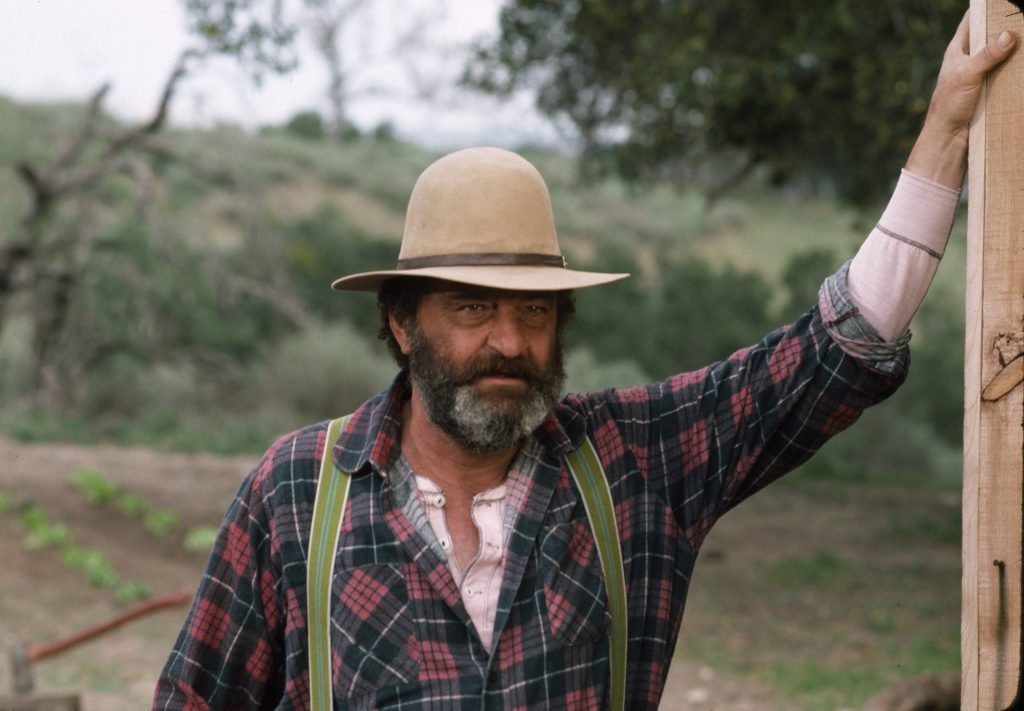
There, French finally had the opportunity to showcase his depth no longer just as the “bad guy” or the comic relief but as an all-round actor, and people started taking him seriously. As he remarked in the interview, when he was offered the role, he “Nearly fell over… That role changed my career. Michael is really my angel“. That was 10 years before Highway, anyway.
So, what this all boils down to is that maybe everyone deserves a chance.
Anyway, it was still early in his career when that lifelong friendship with Landon really began to take shape: in the 1985 interview, French reported that by the early 1970s he had already done a number of Bonanza shows, but the gentle side was noticed by Landon in the last two of them, which were humorous shows (actually, they were three episodes, as explained earlier). And one of these was the season twelve finale of Bonanza, titled “An Earthquake Called Callahan”, where French played the eponymous character T. Callahan (yet a comedic one).
Though lighthearted, he got to play a central figure prominently featured throughout this episode (not in just one or two scenes, as his other Bonanza roles) and Landon and French had the chance to work closely and spend time together — laying the foundation for their future collaborations on Little House, and later, Highway, of course.
This character— Callahan—seemed to echo throughout French and Landon’s later roles in their career. Just to give an idea of how important it was: upon completion of the third season of Little House in 1977, French was offered the lead role in the new sitcom Carter Country on a rival network. Accepting the offer meant leaving Little House and parting ways with Landon. So, French took the job, and his character disappeared from the show (justified in later season by just having him move away, supposedly) — while Landon reportedly “felt betrayed” by his friend’s choice, and they seemingly argued over that.

But just two years later, the sitcom was cancelled, and French spent some time working on TV productions of dubious quality, until he came back to Little House—first for a guest appearance in the sixth season, and then as a regular again by season eight (then becoming lead in season nine). It’s unclear whether it was Landon who wanted him back, or if it was French who asked to come back.
Anyway, his return episode in season eight was Chicago, aired in 1981 (ten years after the Bonanza one).
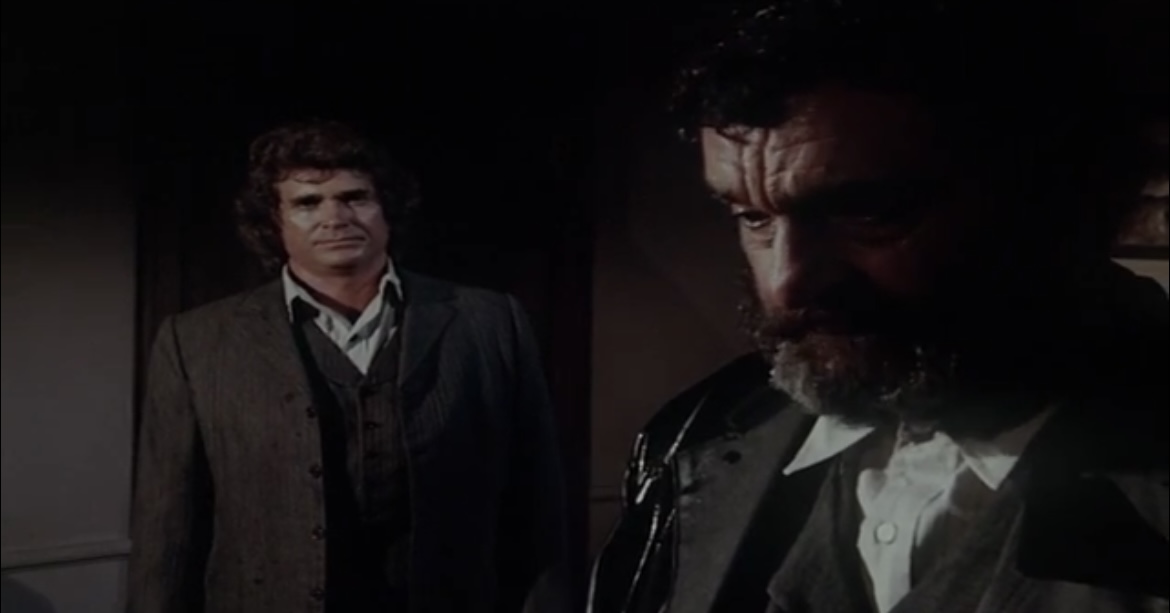
Now, we won’t go into the plot details here, but the important thing is this: French and Landon’s characters are brought together again due to a tragic event they need to shed a light on. And one of the key supporting characters in that episode that helps them with some investigations (and basically acts as a catalyst to have them back together again) is a reporter called T. Callahan, just like French on Bonanza.
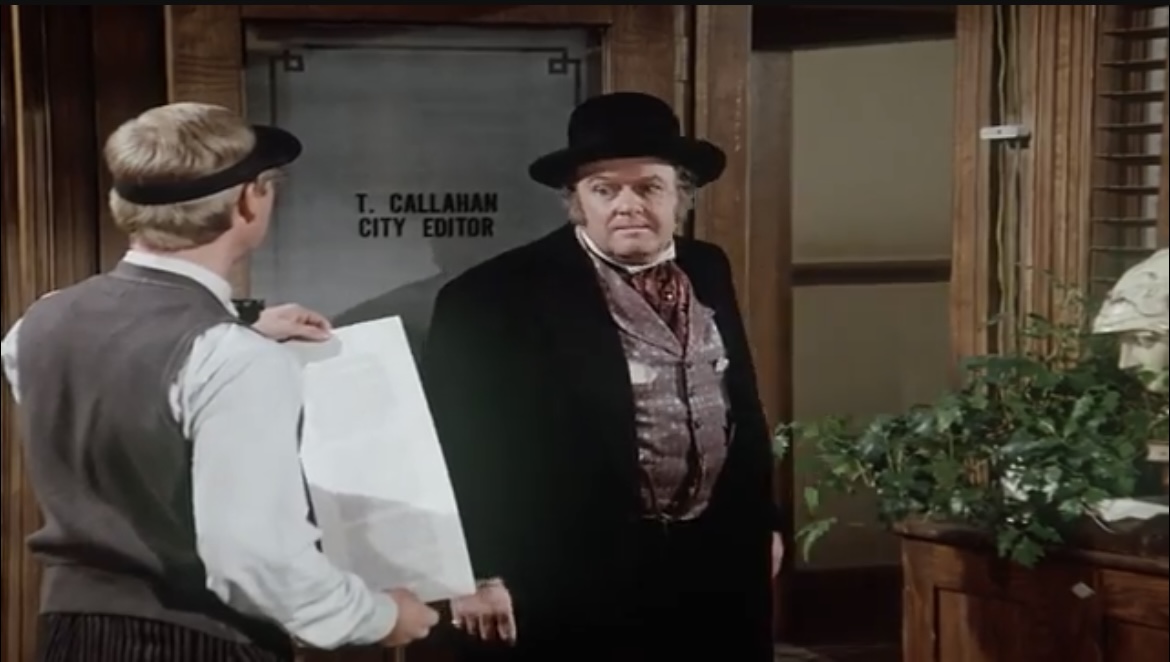
Sure, it can be a coincidence, but the same surname and the same name’s first initial? It’s likely a deliberate callback to the role that kickstarted their friendship—and the one that brought French and Landon together the first time. Because, in 1971, when French was struggling to move away from being identified as the bad character, he befriended Landon and his career changed forever; ten years later, French is now moving from struggling TV projects to another when Landon got him back to Little House, leading all the way to Highway.
So, once again, Michael Landon had his friend’s back.
Bonanza: An Earthquake Called Callahan
Now, about the Bonanza that kicked off it all: it aired on April 1971, and served as the season twelve finale that year. There’s no need to go over all the events of the previous twelve seasons.
The episode begins — but something feels off.
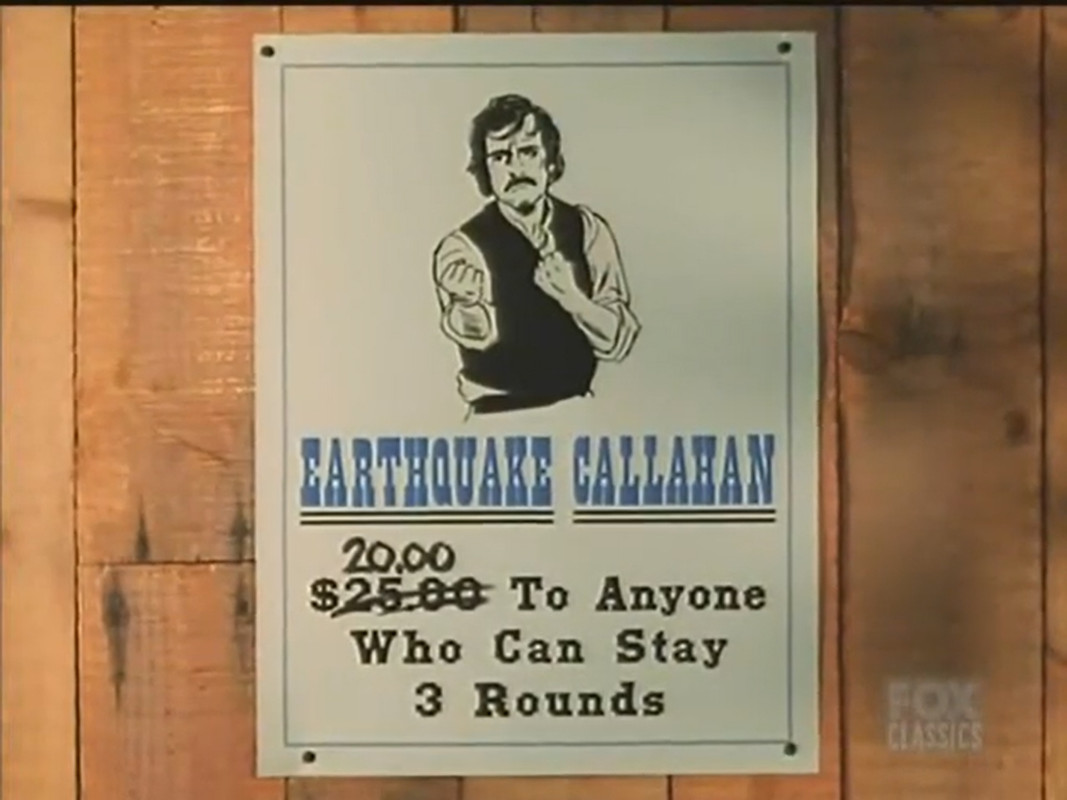
It seems like it’s already started. No introduction, no opening credits, anything. Just a bit of context, in case this seems unusual: in the early 1960s, it was common for TV shows to begin with a “cold open” — a short scene or prologue that jumps straight into the action before any opening titles or theme music. This scene usually features key characters and sets up the main conflict. Suddenly, something unexpected happens, and only then does the official opening sequence play out.
This technique became very popular through the 1970s. Then, many TV shows (especially “drama”) moved away from it, opting instead to start directly with the opening credits — a format used for instance both on Little House and Highway. Sitcoms held onto the cold open longer, up until the early 2000s, when it began to feel outdated and was gradually phased out. Today it’s mostly featured in sketch comedy.
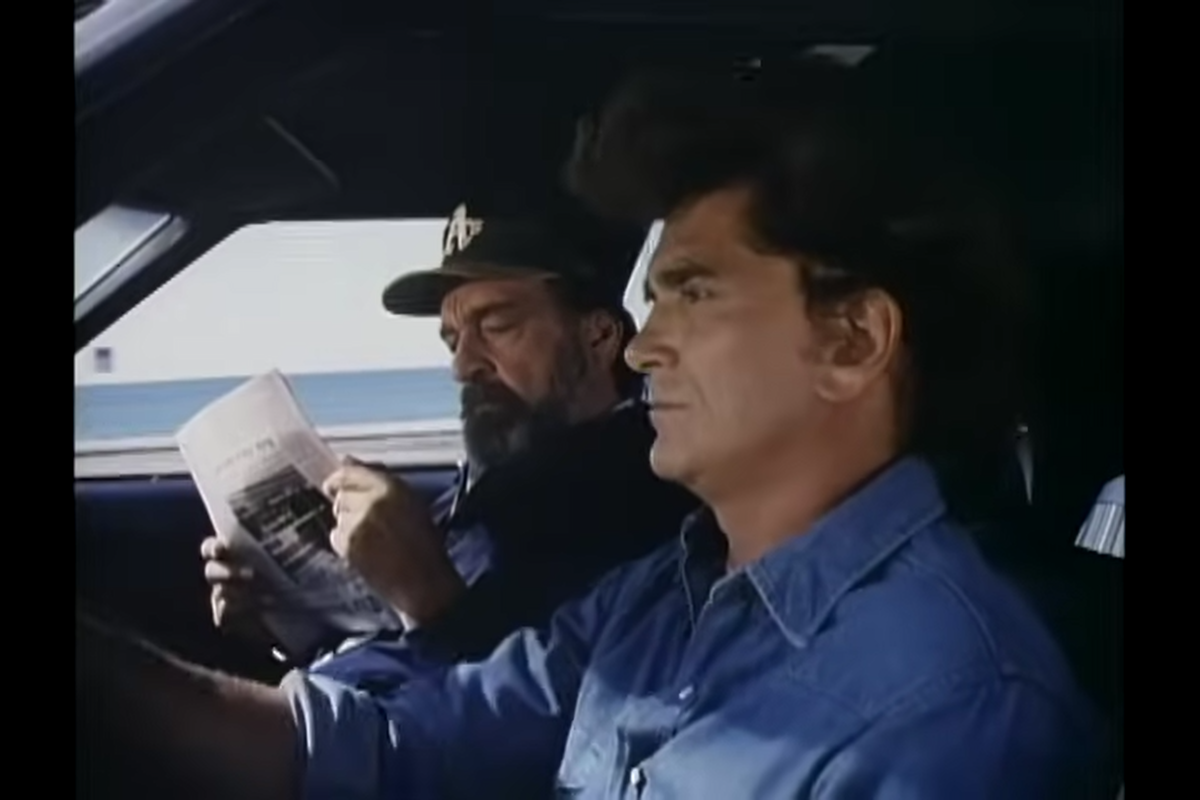
Curiously, the term “cold open” is now often used more broadly to describe the first few moments of an episode — even if they come after the intro — but still before the main storyline kicks off. For instance, in Highway, scenes at the beginning of each episode showing Jonathan and Mark driving to a place — or the ones in which Jonathan and Mark are waiting for their next assignment, or when Mark reads the newspaper and drops his opinion on anything he reads (like death penalty) — could be considered a cold open.
And some episodes in the series (especially in season three) begin with a cold open that is partly unrelated to the actual episode. (On most occasions, the cold open was added later because the episode turned out to be too short otherwise). In this particular episode, the cold open introduces the character of Callahan, who appears in the background observing a tense interaction. Dusty, a recurring character in the series, is arguing with another man — a random cowboy — over a bet Dusty claims to have won.
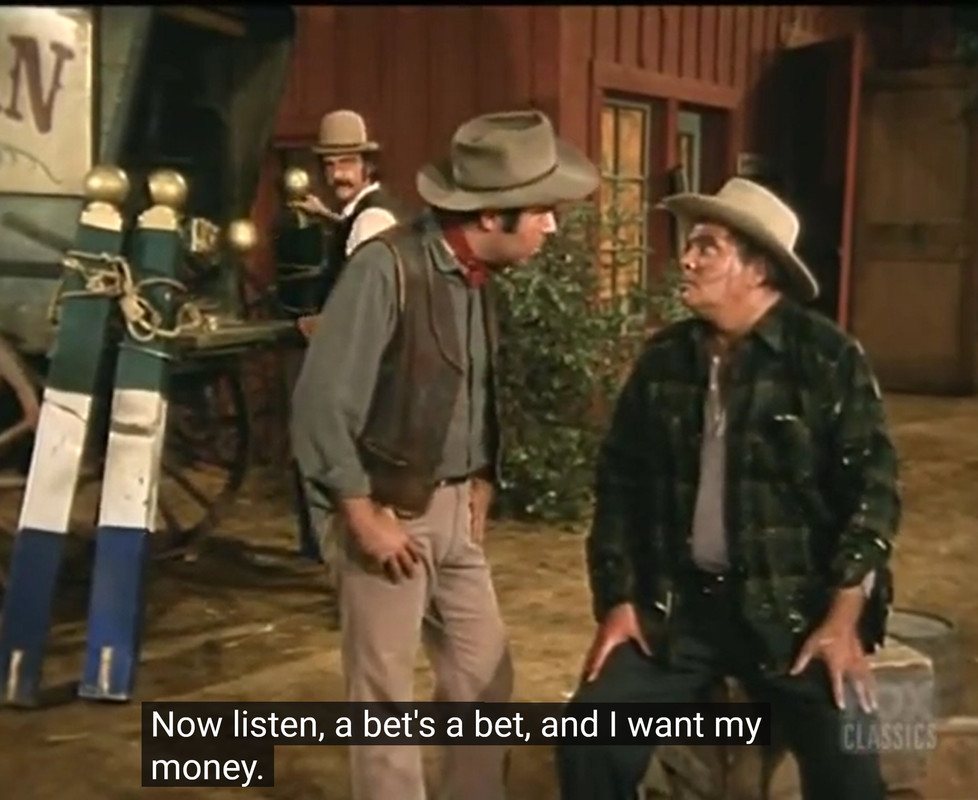
Eventually, the man gives in and pays Dusty, while Callahan silently watches the scene in the background.
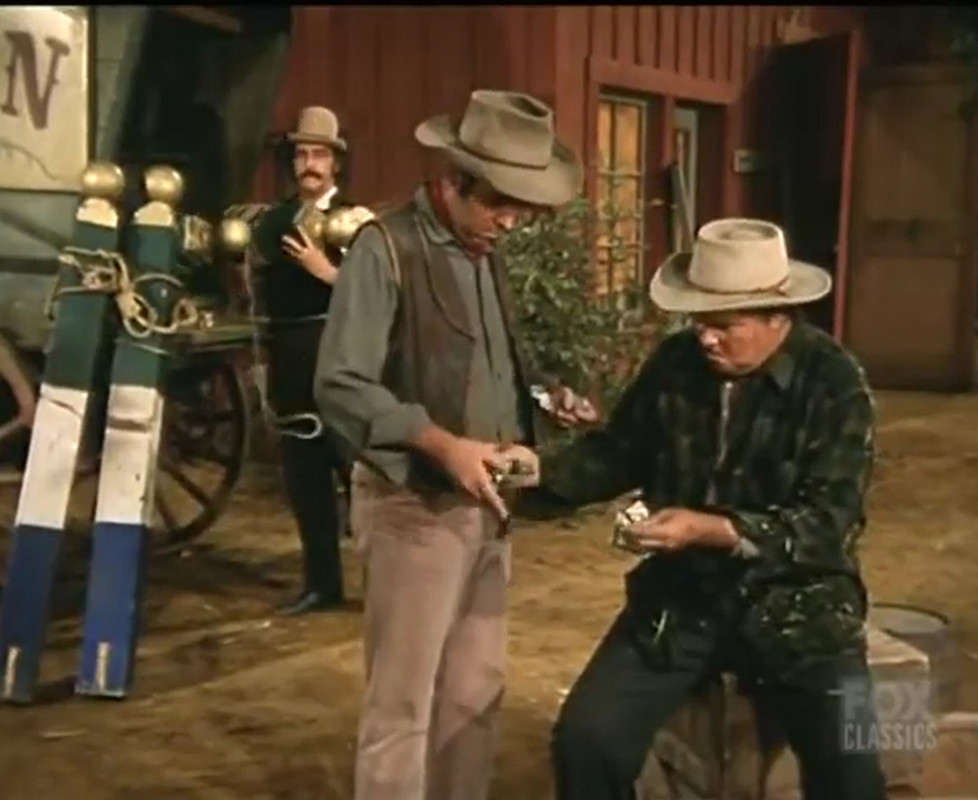
Then, Dusty smugly walks away.
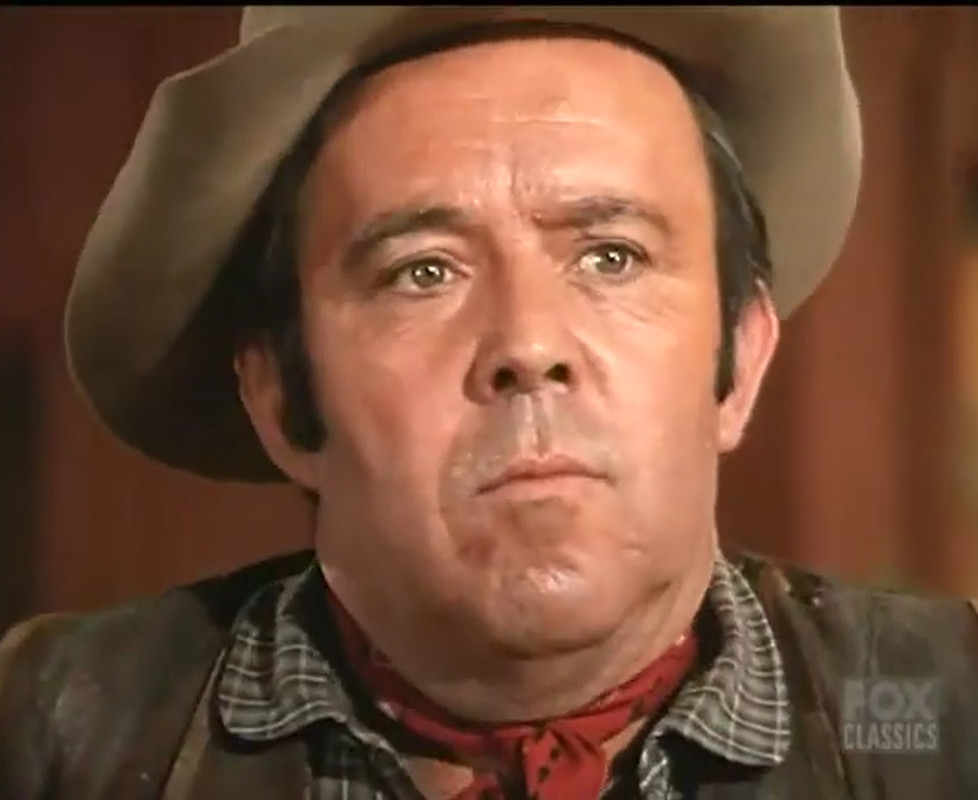
Next, Dusty’s in jail.
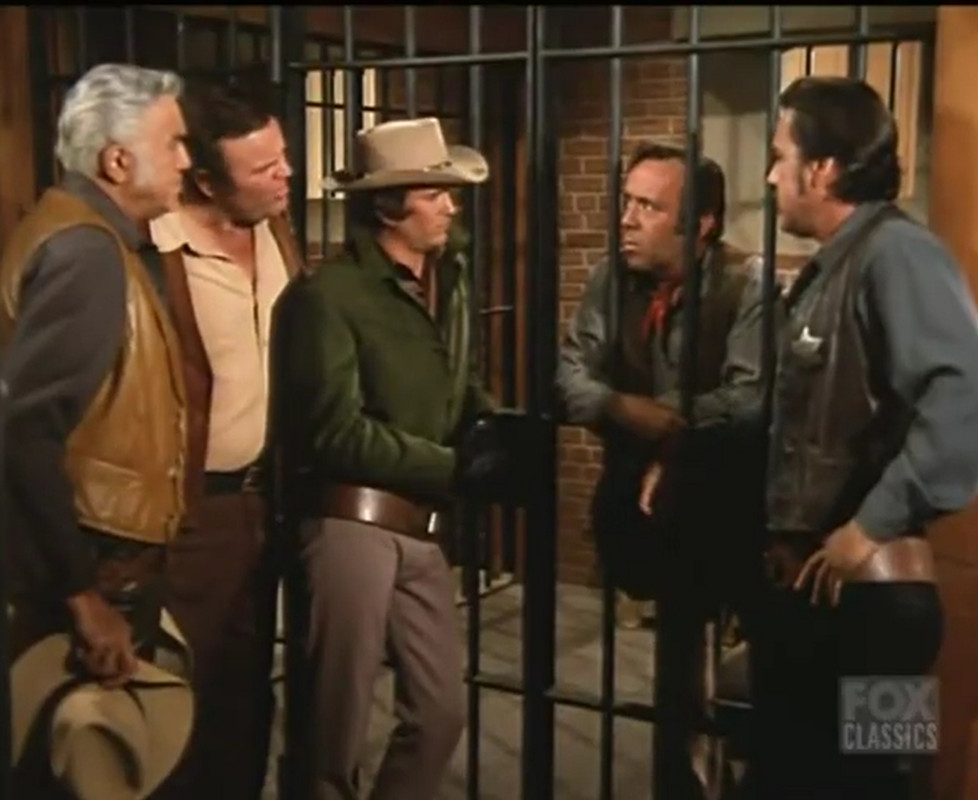
This comedic trope of showing a character really confident saying like: “No one can do anything to me” and then seeing him in jail was pretty common in Bonanza.
So, apparently the cowboy falsely reported Dusty to the police, accusing him of stealing the money. Dusty is then visited by Landon (here, Joe Cartwright) alongside the other protagonists, Ben and Hoss (Ben is the father, Hoss and Joe his sons) — all Dusty’s friends who want to help him out of this situation.
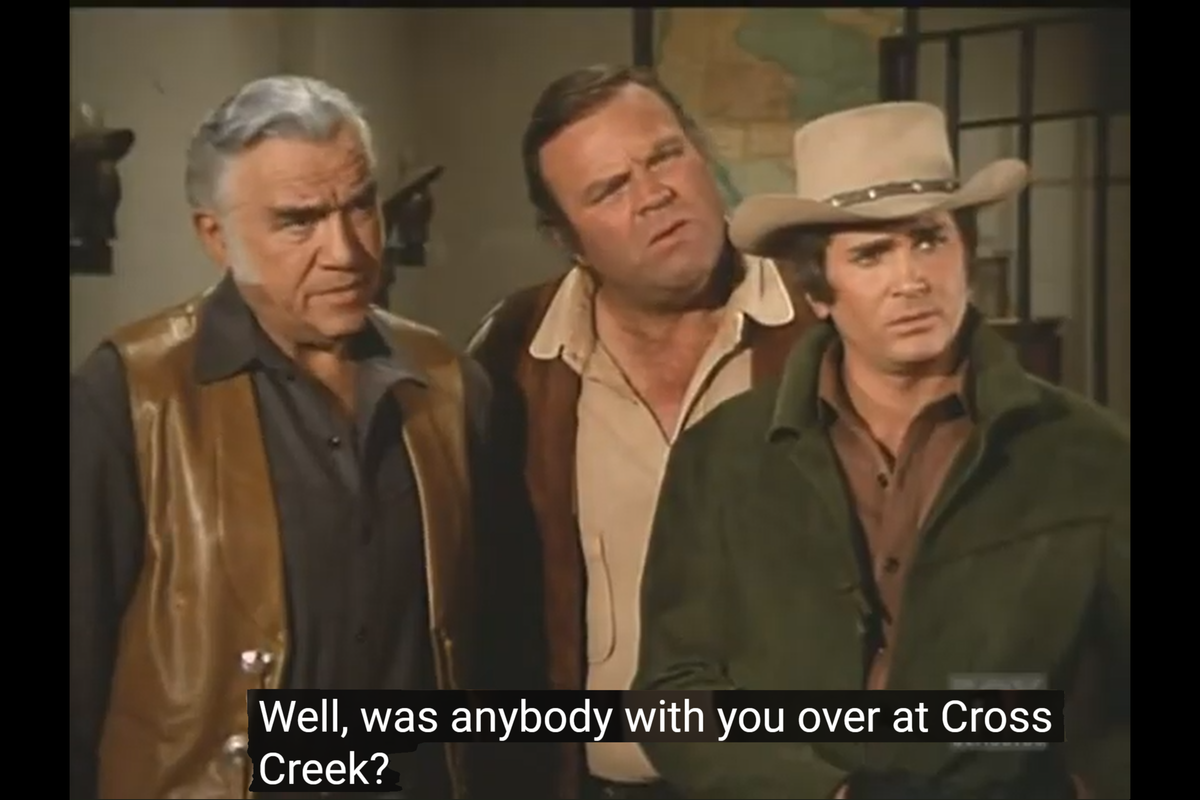
Also, Ben is played by Lorne Greene, who would later appear on Highway in the second season—but let’s stay in order.
Anyway, Ben asks if there were any witnesses when Dusty allegedly robbed the man and Dusty remembers Callahan, a traveling wrestler who had been passing by. The group realizes they need to find Callahan and get him to testify in Dusty’s defense, so Joe sets off to track him down.
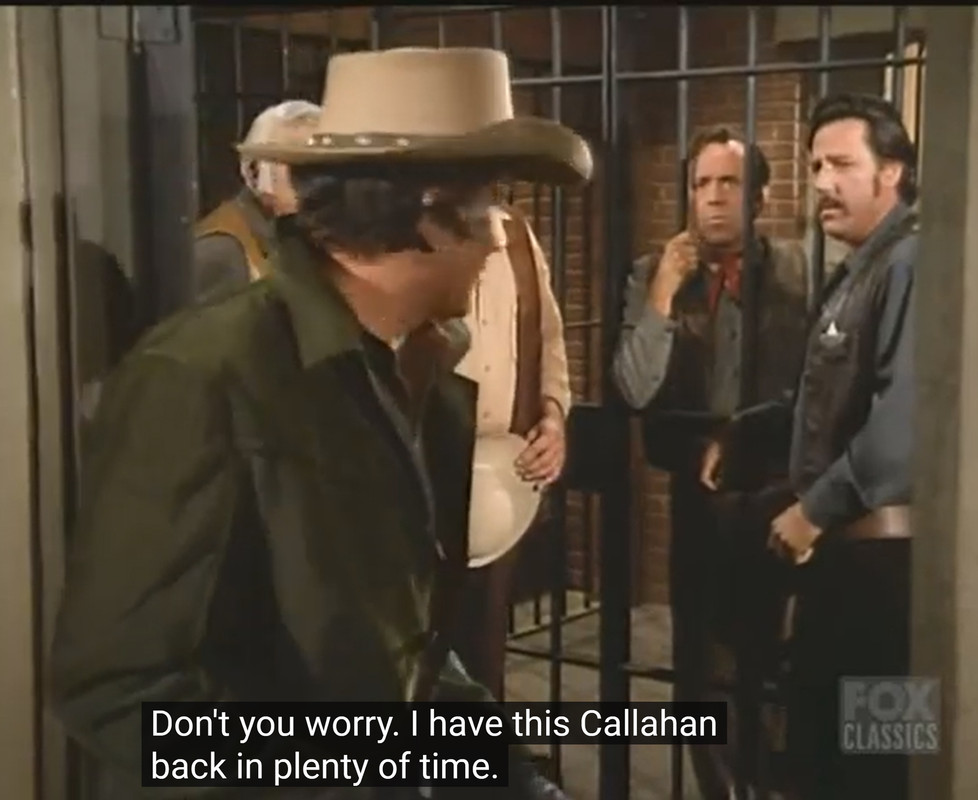
And it’s around this point that the introduction finally plays out.
It’s hard to believe Little House on the Prairie was only three years away— that was significantly more refined than this. But keep in mind that Bonanza was an older show that had been on air for 12 seasons by then, so it’s actually the opening of a 1959 that remained basically the same throughout the years. Its age shows here.
Anyway, Joe begins a long horseback ride.
Eventually, he finds Callahan, who has set up a wrestling ring in a barn and is about to begin his show.
But first, one of his assistants attempts to play something.
He must be playing it bad on purpose, because he’s laughing too.
It’s even less convincing than Landon’s fiddle on Little House. Really, something like that would never pass on TV today.
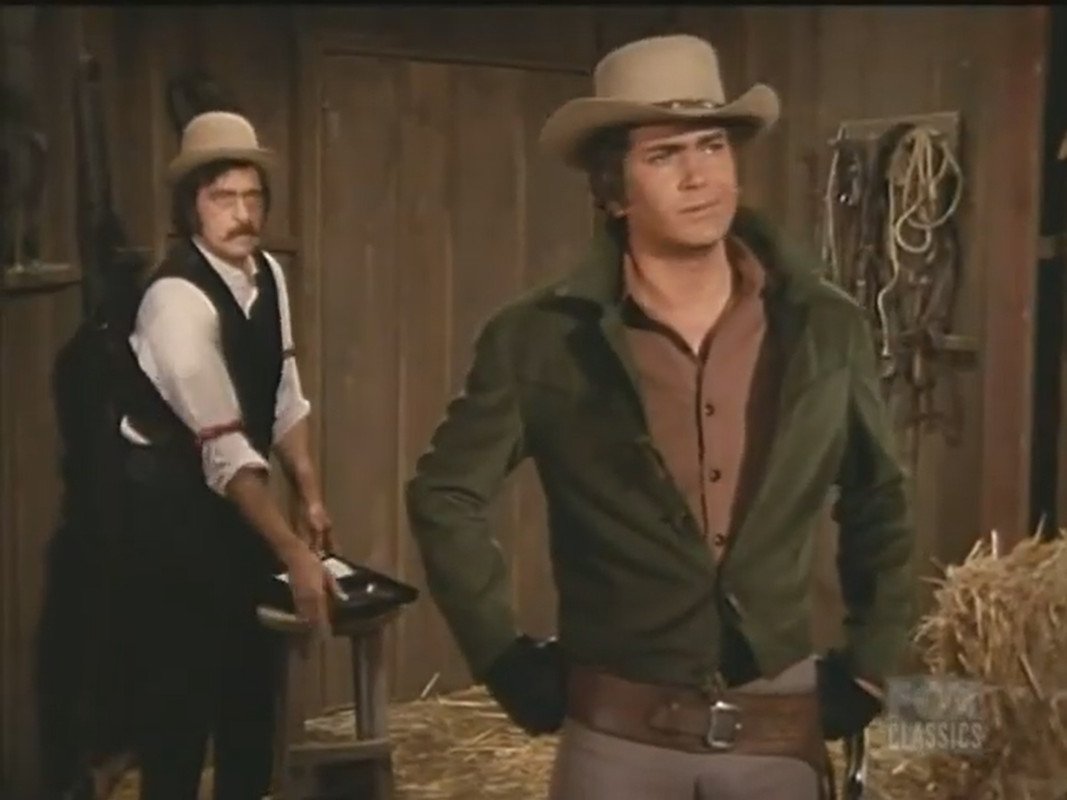
They must be thinking the same; but at least, here they are now.
Curiously: this jolly, incredulous assistant Otto is played by Dub Taylor, who had already appeared in Bonanza on multiple occasions, including the episode Meena (who also had French in it).

But he had also collaborated alongside French before this episode of Bonanza, on another series: they both made a number of guest appearances on Gunsmoke on many of its shows, including for its 15th season, in the Kiowa episode. There, French played a racist farmer looking for his daughter who has been kidnapped by some Indians, and Taylor played a priest who helps him.

Actually, that is the same episode with Jean Allison, who also appeared in one Highway episode in season one, and she’s a Highway Lifetime actress (the role in Highway marked the conclusion of her career). Curiously, this Kiowa episode is similar to the Bonanza’s one The Burning Sky: both times French plays some racist farmer who despises Sioux, and then in both episodes it turns out he’s half Sioux by his mother, and that’s where the hate stems from.
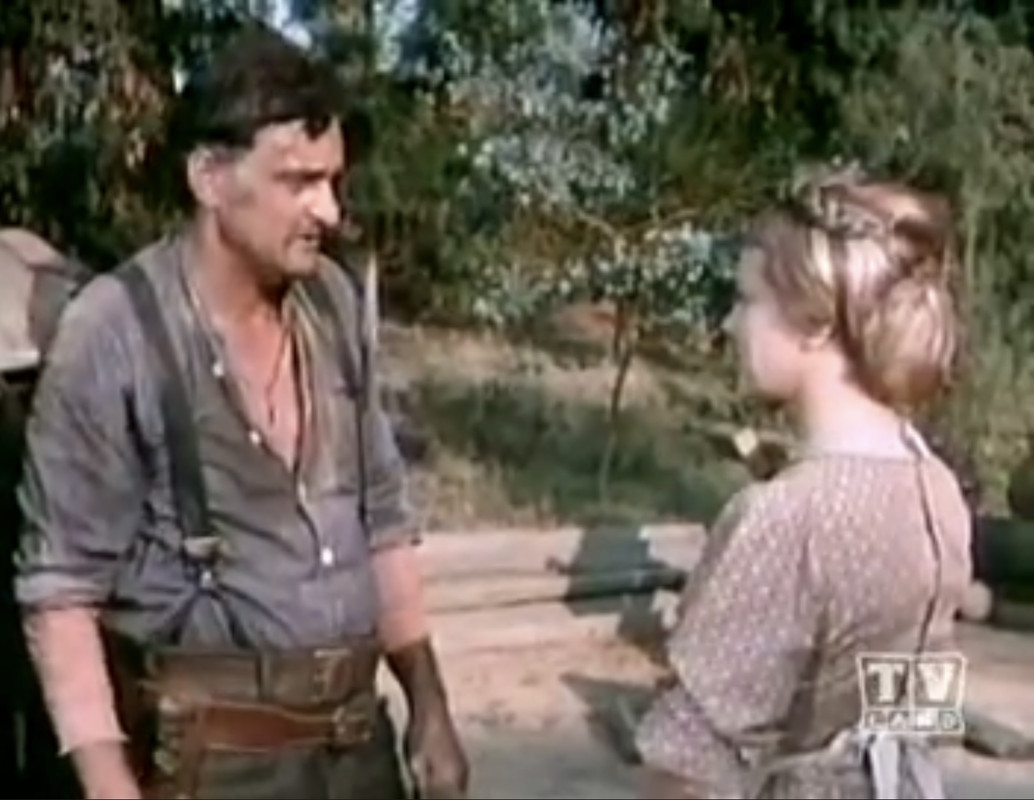
Also, it’s curious to see how, back in the day, actors often bounced from show to show in similar roles—some, like Michael Landon, Lorne Greene, or James Arness (Gunsmoke), only took leading roles, while others, like Victor French and Dub Taylor (even Jean Allison, for that matter) moved from series to series in smaller parts always playing the same type of character (in the case of French, either some ruthless criminal or a comic relief) until someone gave them a chance (as Landon to French on Little House) to play something different. Nothing wrong with that—it just must’ve been tough, always getting the same roles or being overlooked in case they tried to branch out. Still, those kinds of actors are the backbone of many classic western TV episodes.
Back to Bonanza, Joe approaches Callahan before the show and explains the matter.
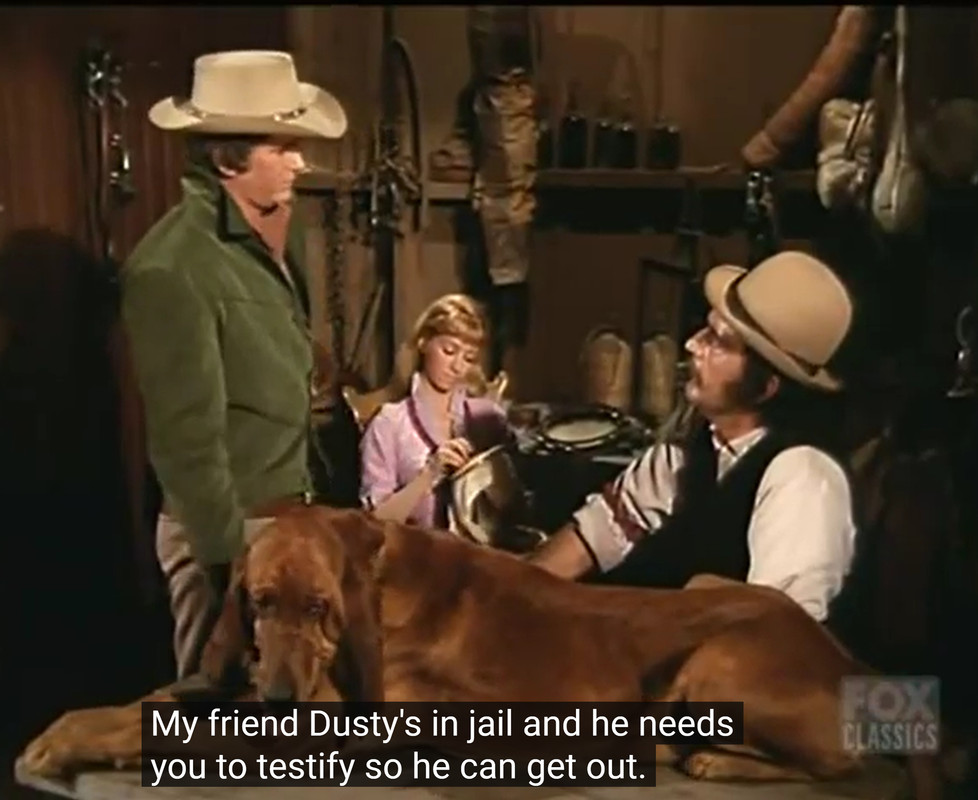
However, Callahan dismisses him, as he’s about to begin his act.
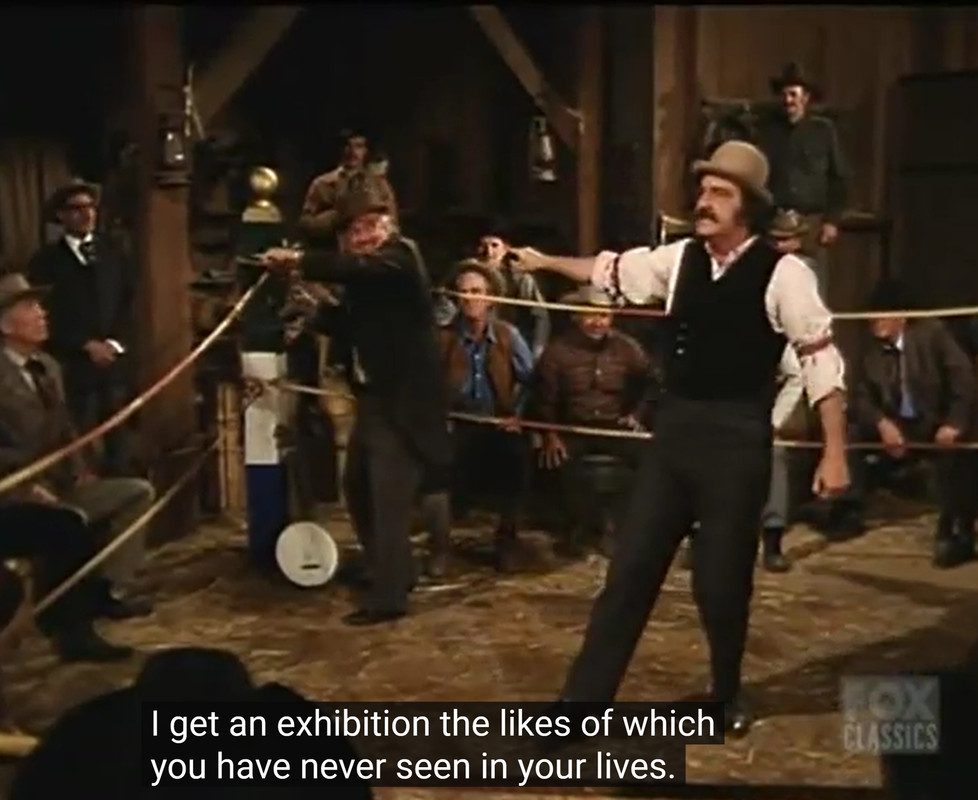
A man pretending to play the banjo the least convincing way possible.
Maybe that’s part of the show: pretending to play while someone hidden actually provides the music somewhere.
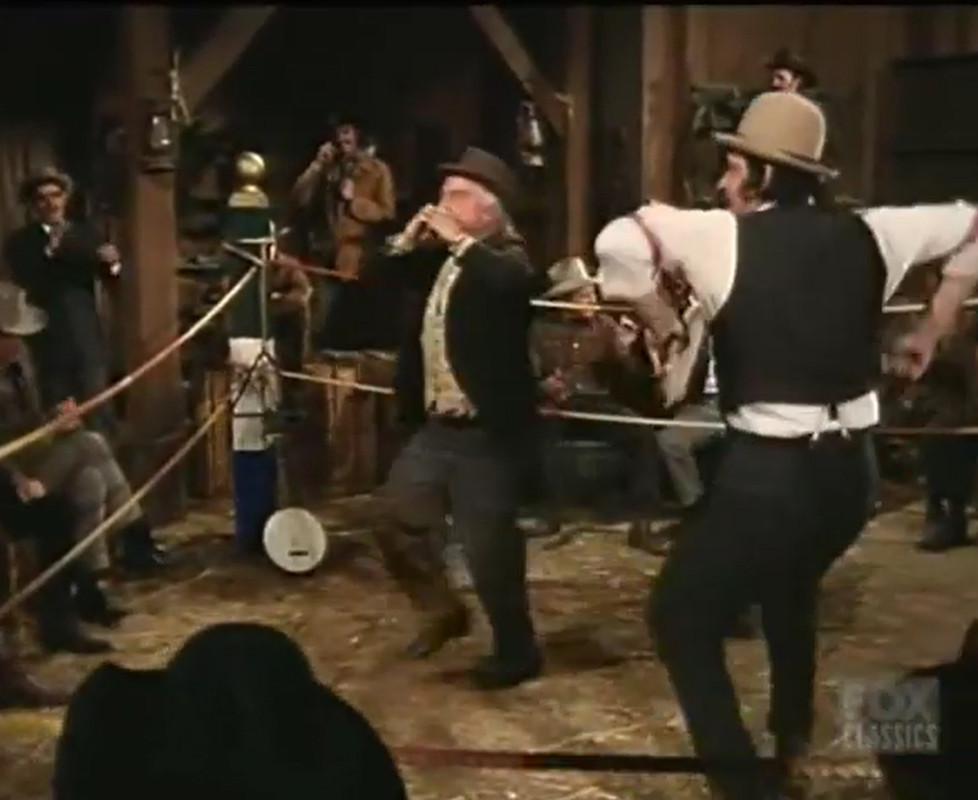
And French is definitely too into it
But no matter the instrument Otto plays, he has no increasing credibility.
Then, Callahan introduces his second assistant—Angeline, a young woman whose “talent” is charging at anything red like a bull and smashing it with her head. Not exactly the iconic image people think of when they picture a Western — and surely when people remember this series they overlook this part.
Here, one thing to notice: the music David Rose uses during when the girl sees red and charges at people is the same as the Little House one of the third season episode “Fred” (you know, the one with the drunken goat), that played every time the goat attacked somebody. But again, this Bonanza show was composed by David Rose, the same as Little House and Highway, so for those familiar with him, it’s not any news that he frequently recycled his music between shows.
Actually, the Highway opening music came from a ninth-season Little House episode.
And the Little House opening itself was a rearranged version of a Bonanza track—somehow, it all comes back here.
But there’s a difference: the Fred arrangement in Little House was meant to be a reference to this Bonanza episode; actually, that whole episode was meant to be a tribute to this show (in many ways, like they both feature someone charging people), so David Rose used his composition for Little House on purpose. That is similar to an episode of Highway of the first season taking the same premise of a Bonanza one (actually, from this very same twelfth season), acknowledging the existence of an inspiration from Bonanza.
Instead, the opening of Highway coming from Little House (and the opening of Little House coming from Bonanza) are probably some recycles to save time and efforts.
Anyway, once the woman, Angeline, finishes her act, it’s time for Callahan’s match, and one man volunteers to fight him.
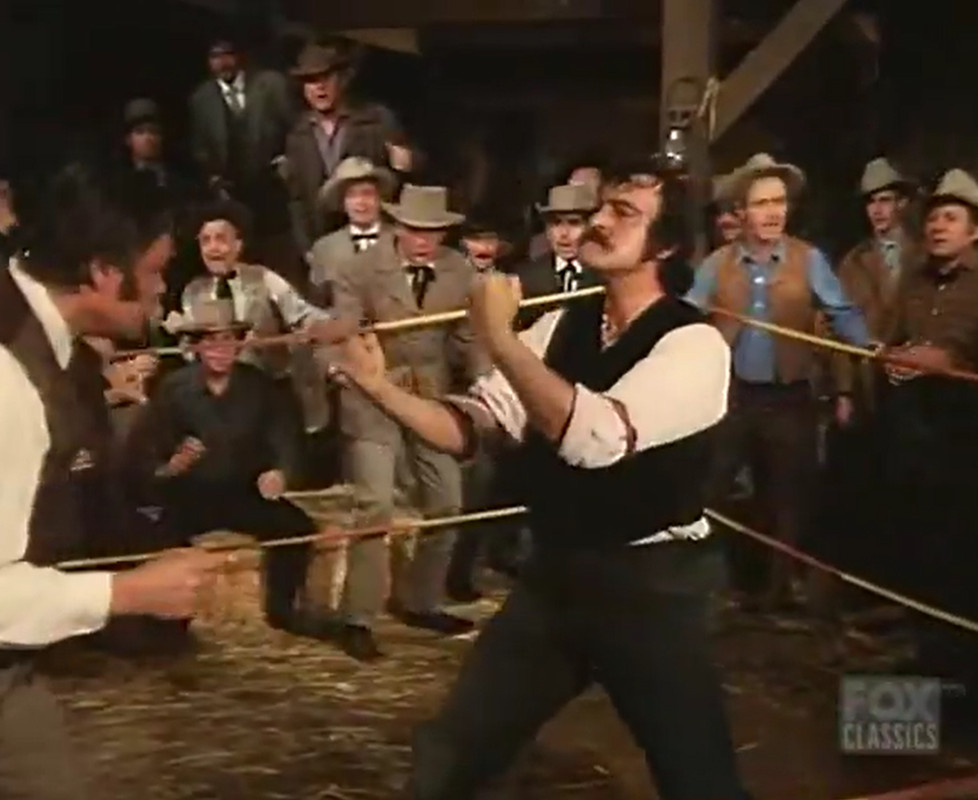
They start wrestling but are interrupted by the sheriff—you know classic Western figure tasked with keeping order (and who doesn’t exist on Little House)—who declares the event illegal.
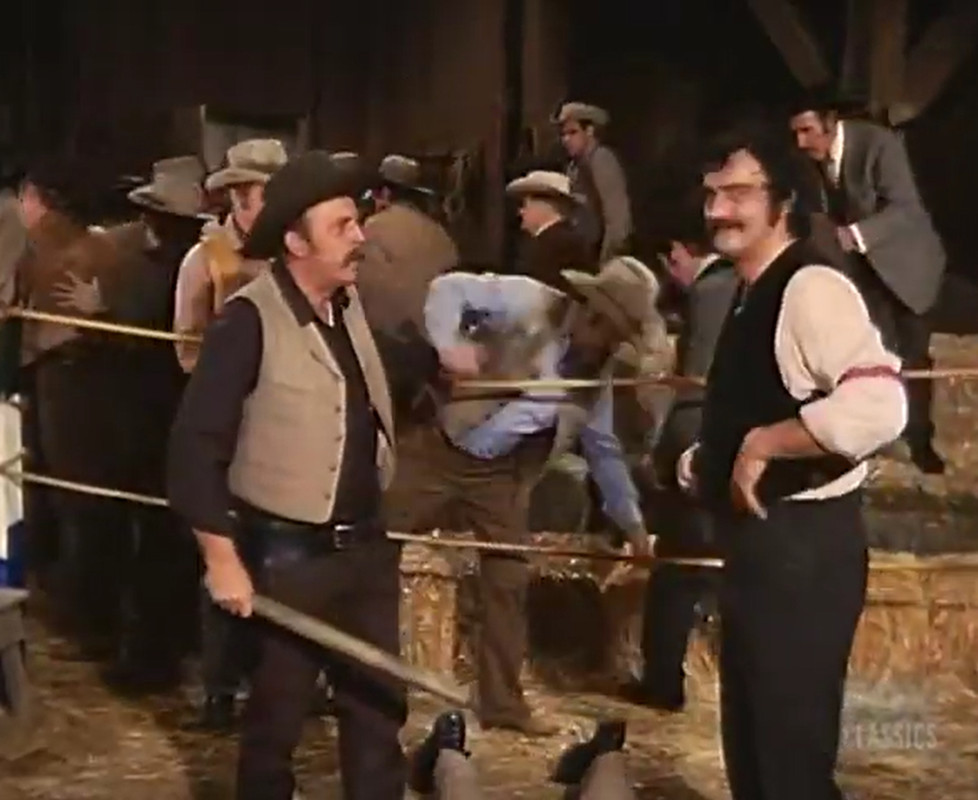
So, he brings everyone in and fines Callahan for 100 dollars.
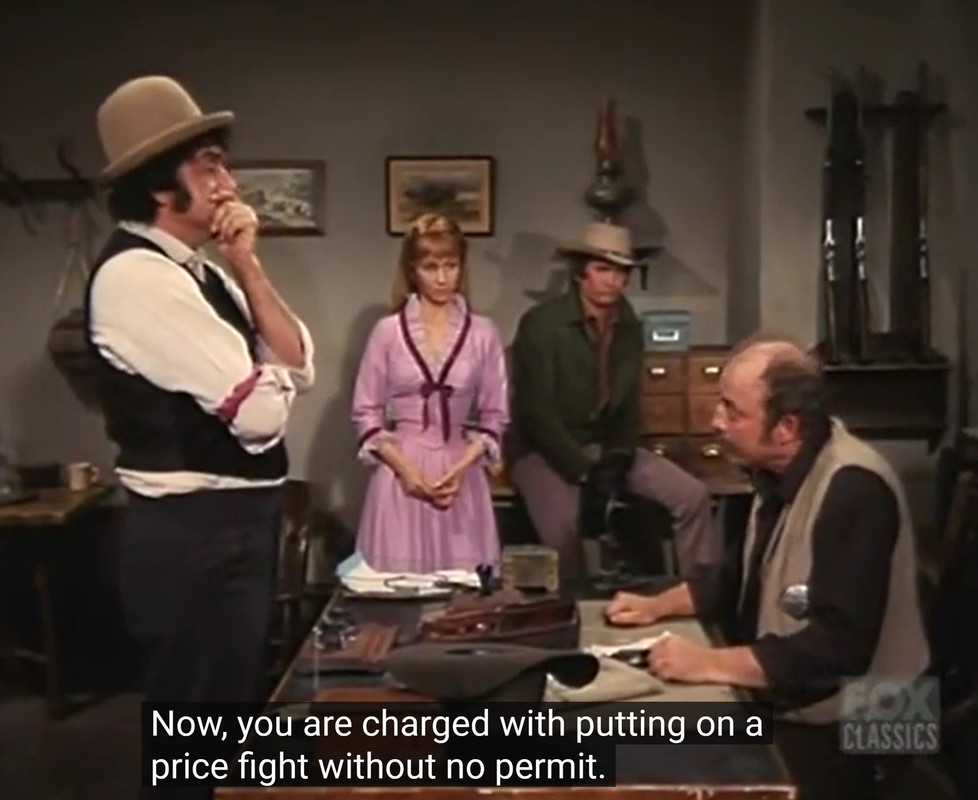
But Callahan is good at negotiating.
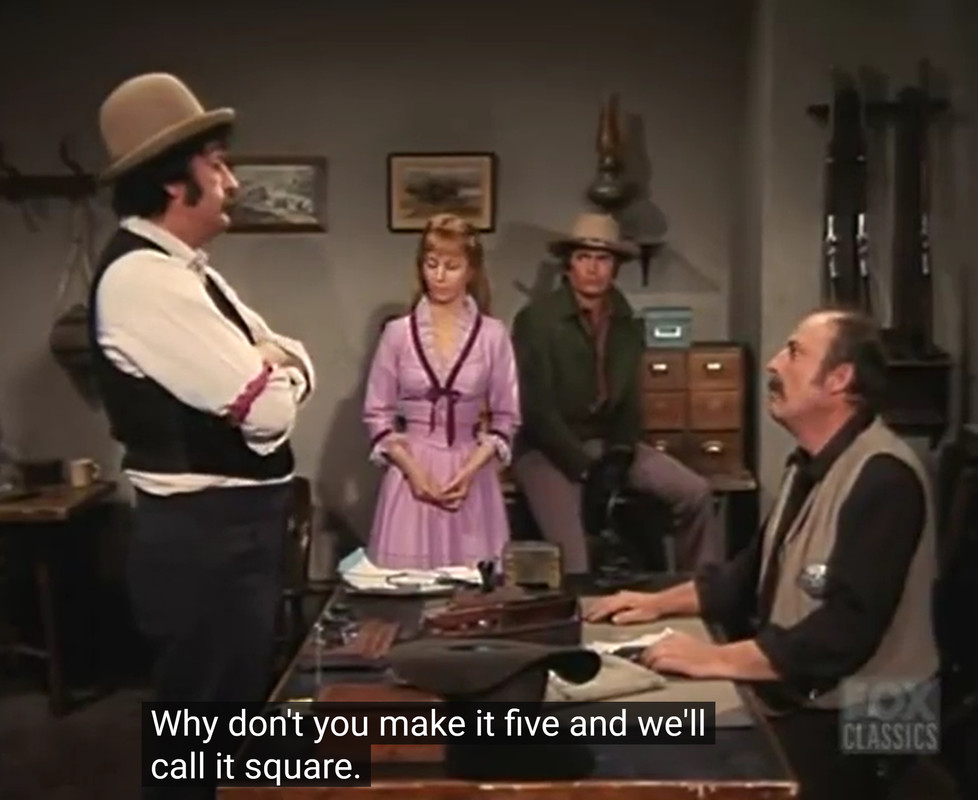
That’s how it used to be in the western America.
Eventually, he only gets away with an expulsion from the town.
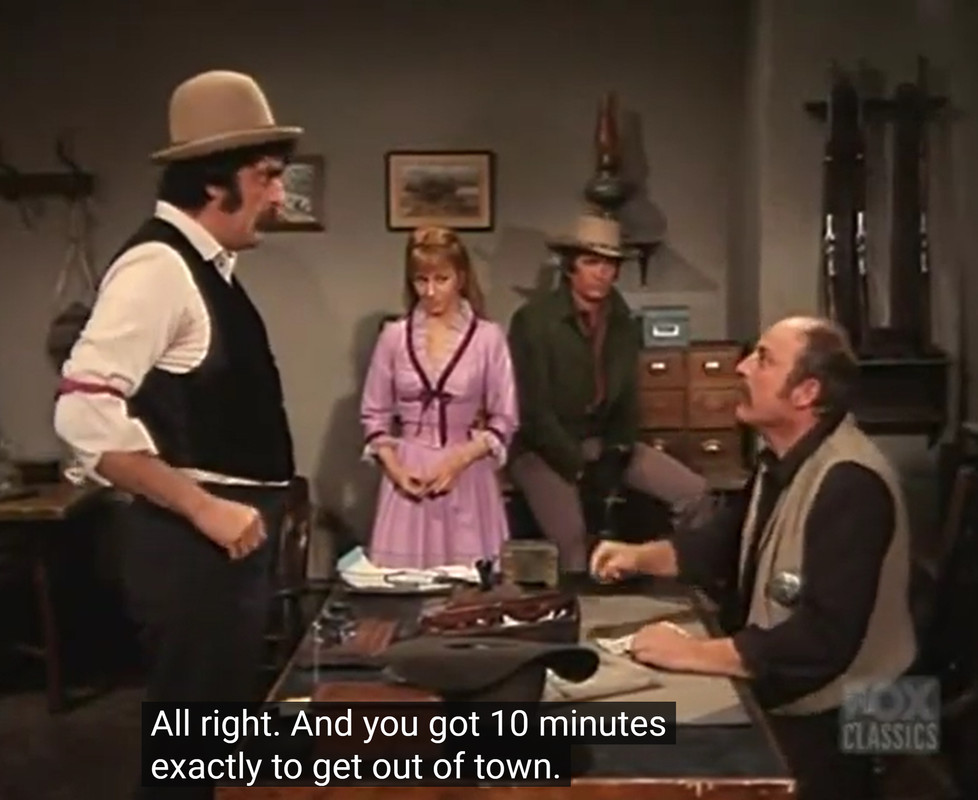
So, Callahan and his group leaves town.
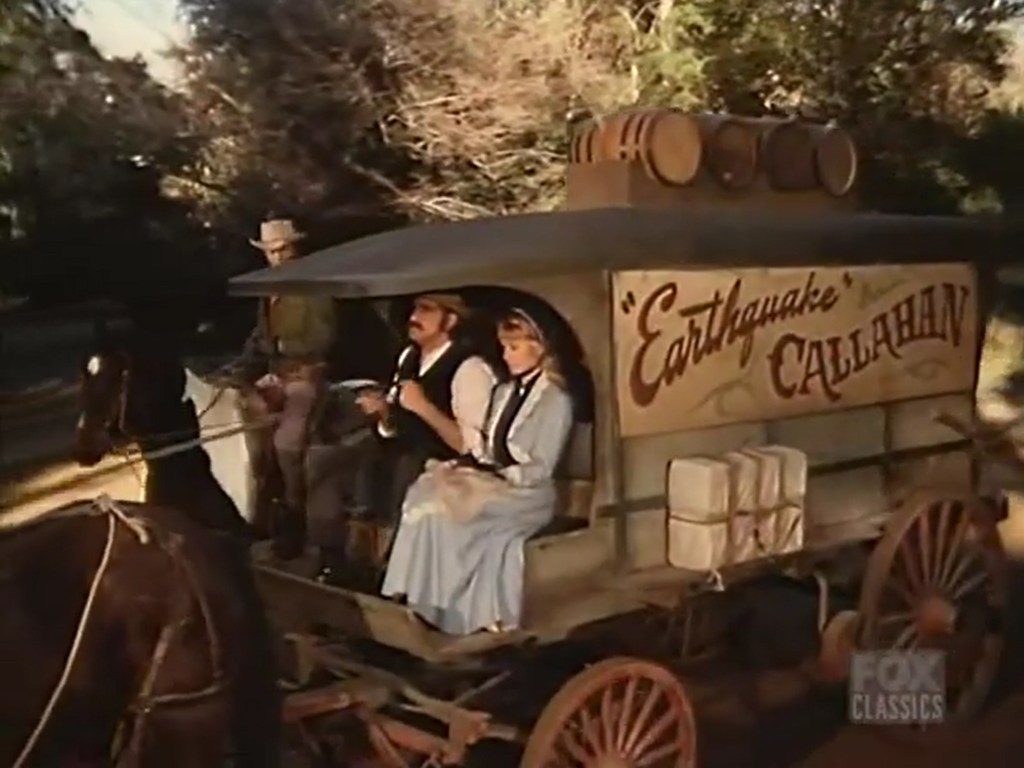
But then he realizes he forgot his dog, so he sneaks back in with Joe.
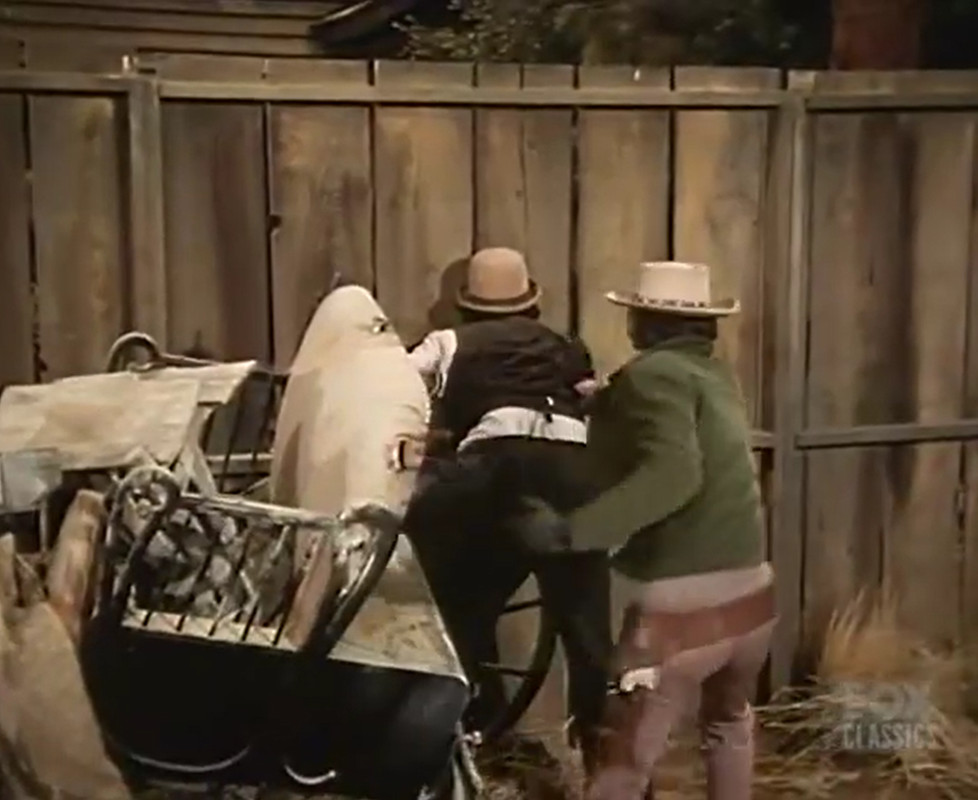
They return quietly, and Joe helps Callahan gets over the fence.
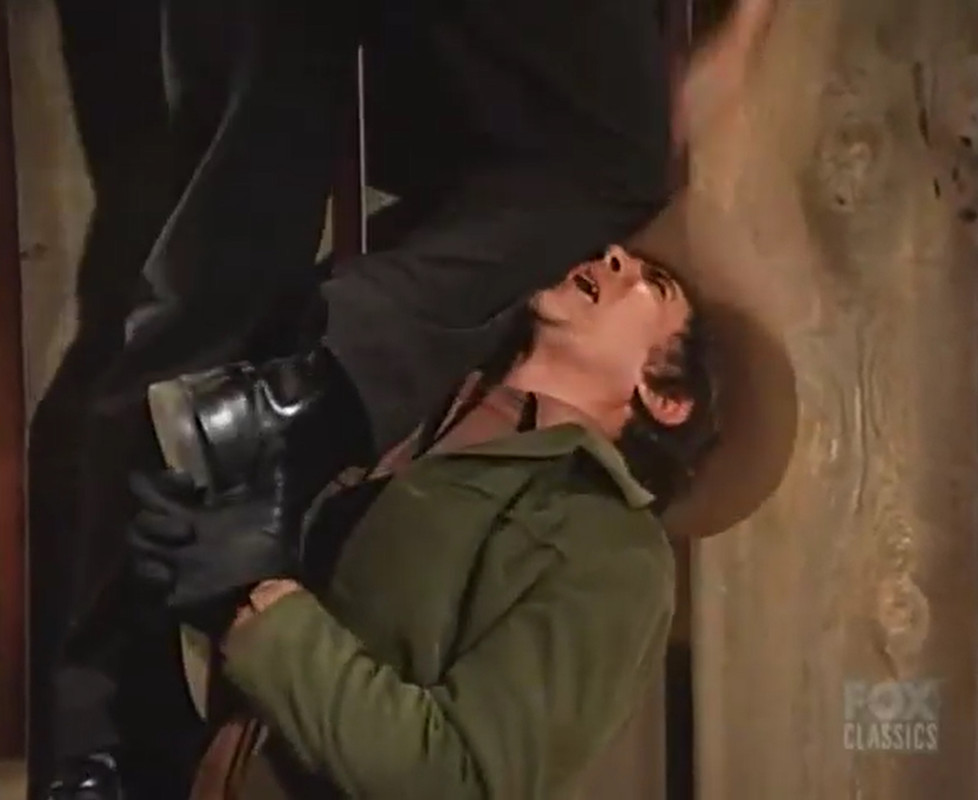
No idea of Callahan’s weight, but that was back in the days when actors never had double.
However, the dog tries to chew Callahan.
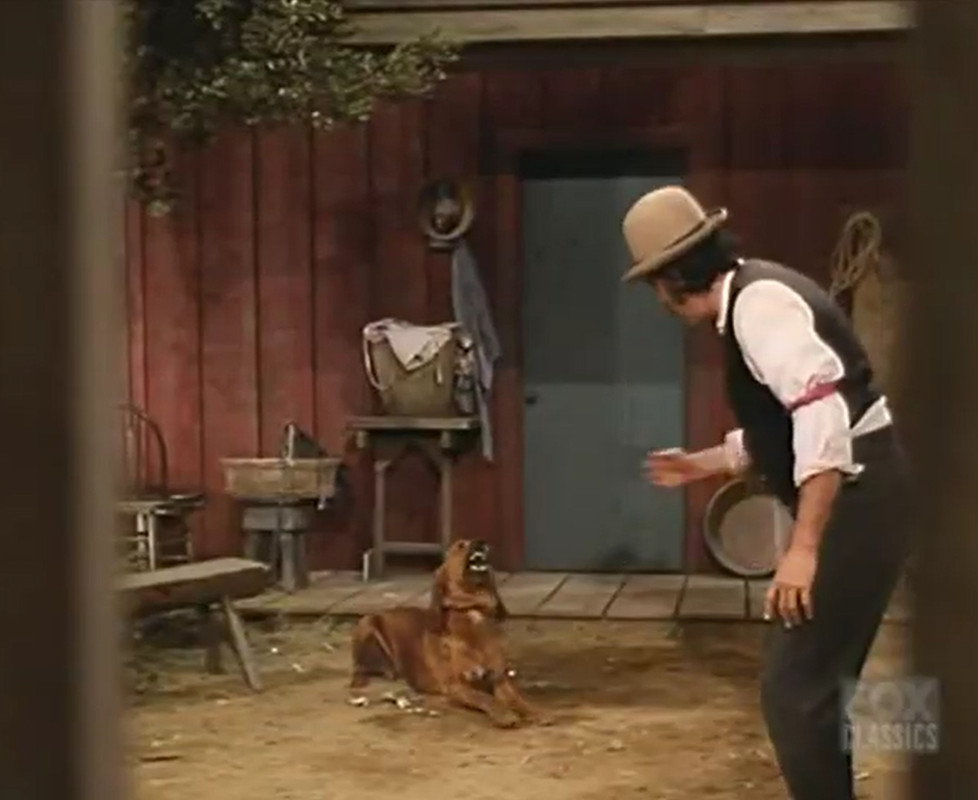
Apparently, the dog has found a new owner and is happily living with another dog.
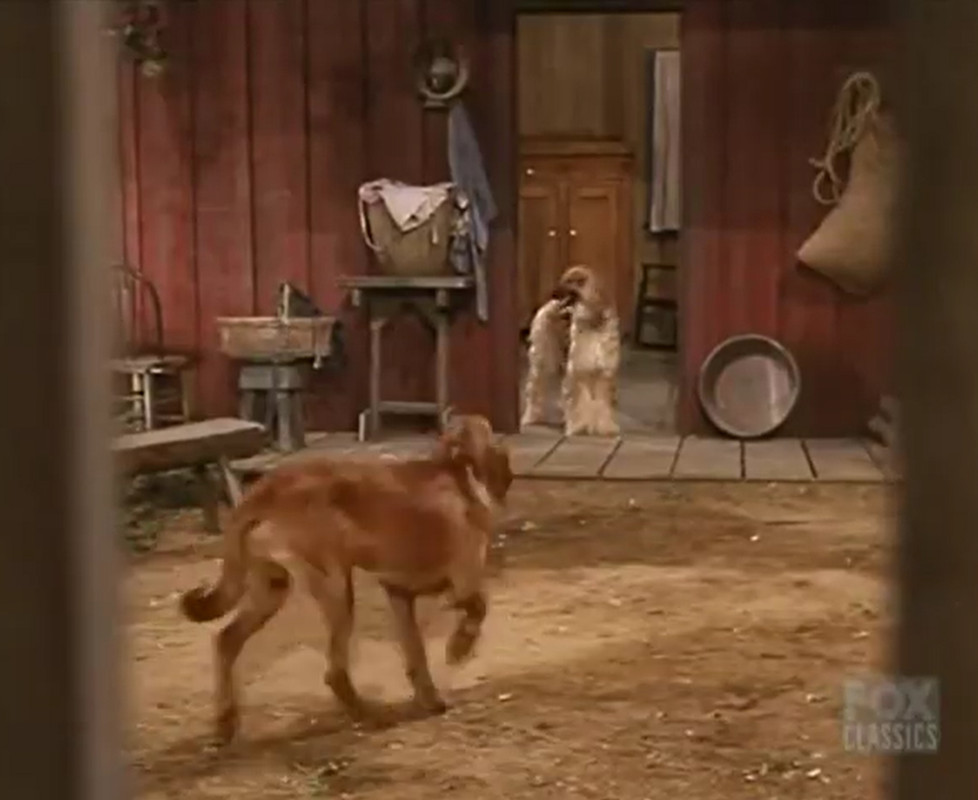
This wasn’t written by Landon, he would never make a dog a traitor (and on Highway he’ll talk about that).
Anyway, they try to sneak out of town.
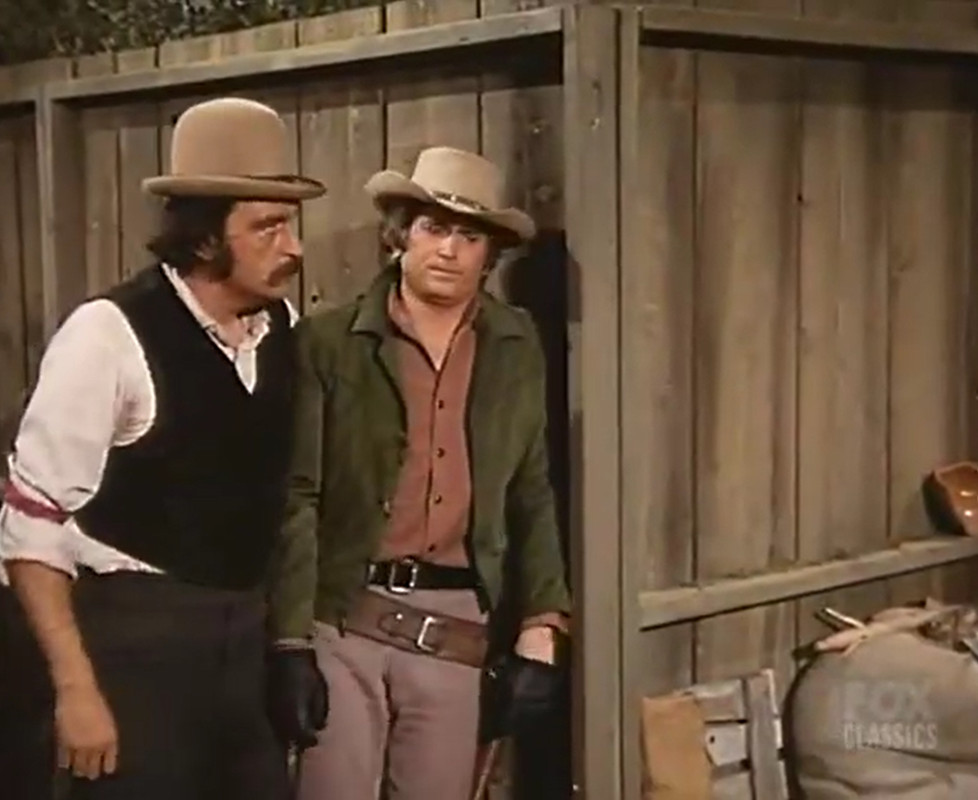
But the sheriff catches them.
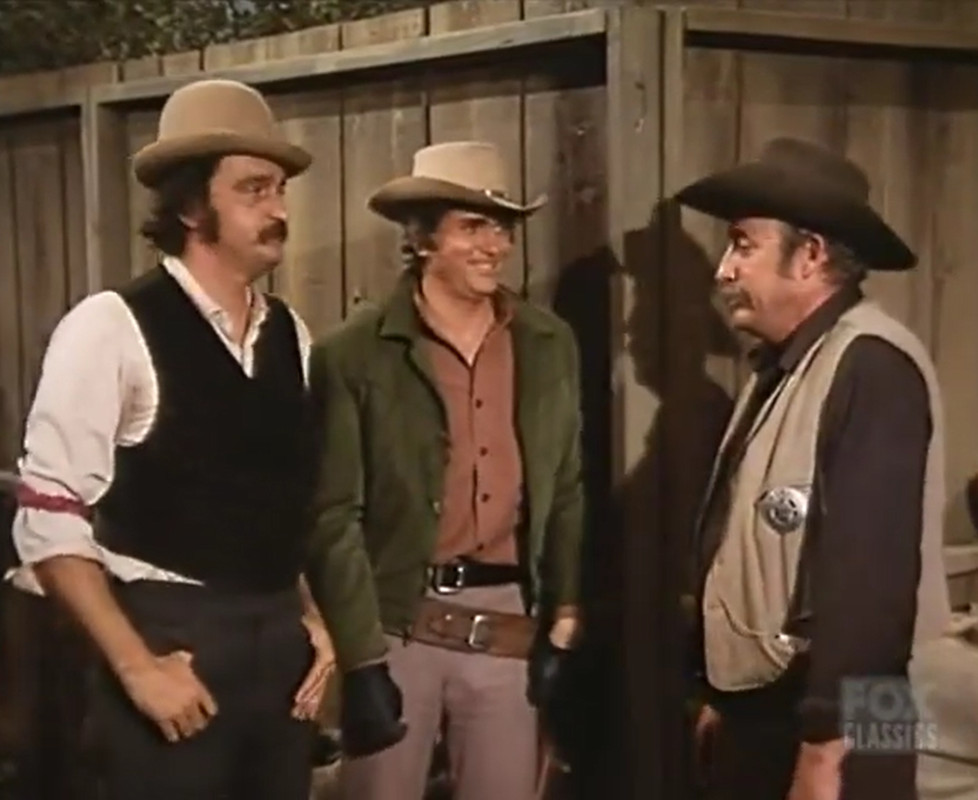
And he expels them, again.
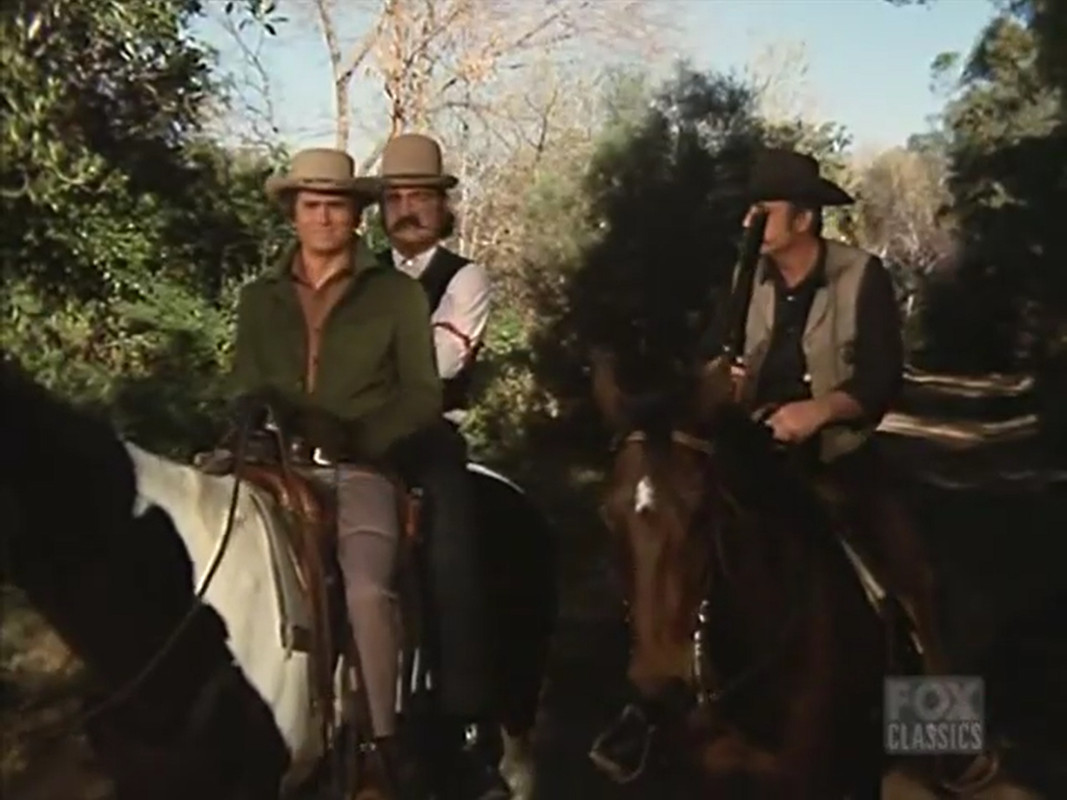
Cute, Cartwright, that’s cute.
Furious, Callahan blames Joe for his recent misfortunes, the loss of his dog and the fine.
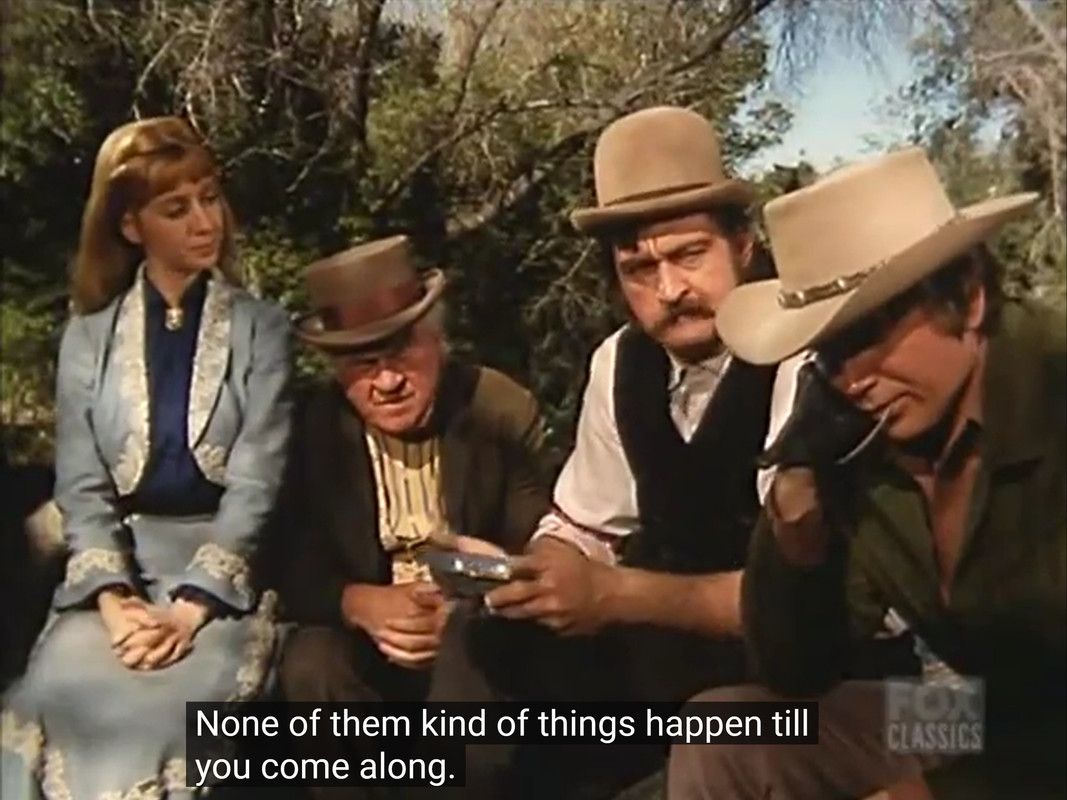
Then, he refuses to return to Ponderosa to testify for Dusty; rather, Callahan heads to another town to continue his wrestling shows. So, Joe comes up with a new plan: he follows Callahan from town to town, volunteering to fight him in each match.
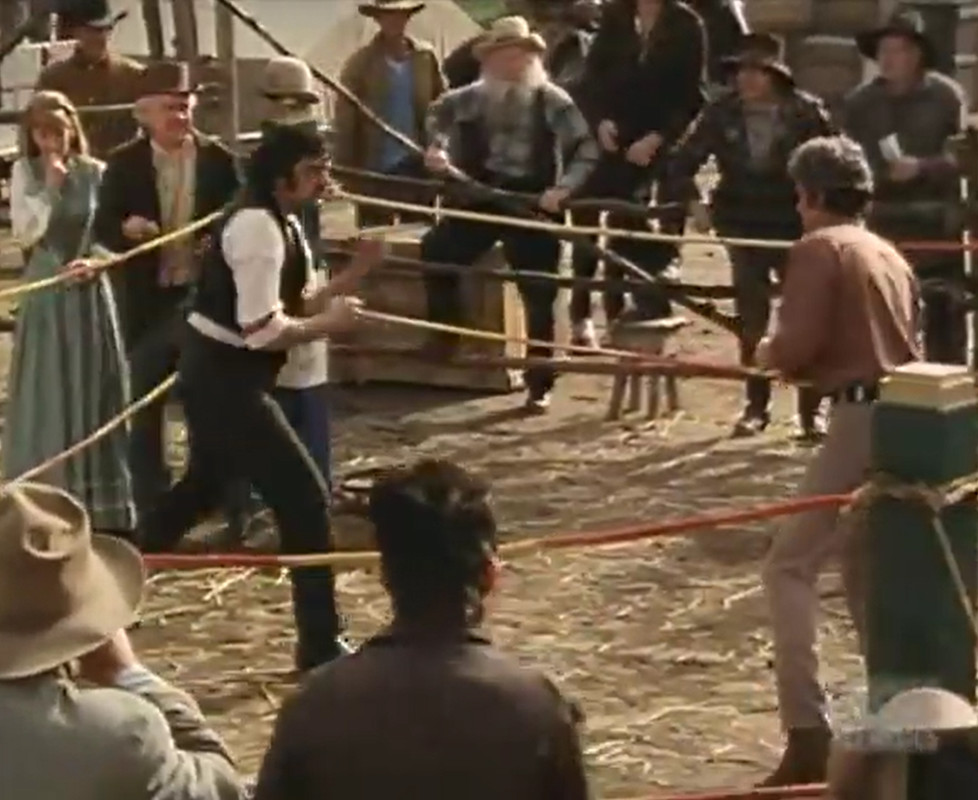
And winning every time.
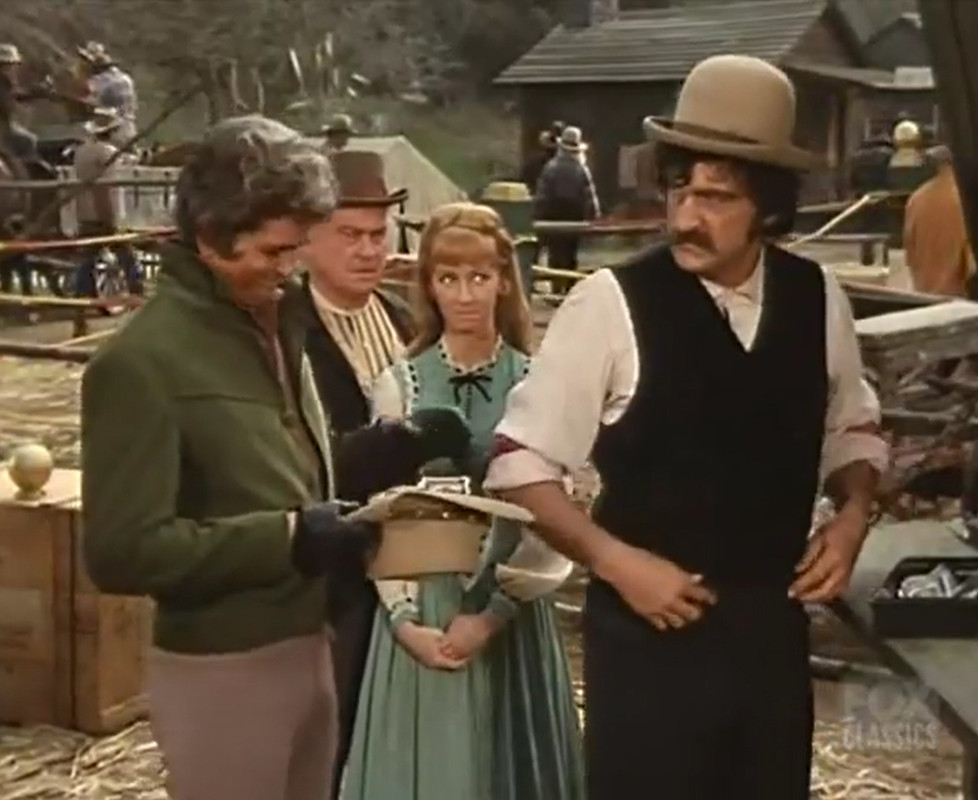
It’s actually pretty impressive. Joe risks getting hurt over and over just to help his friend Dusty. That’s serious dedication. And it’s probably Landon’s commitment to friendship.
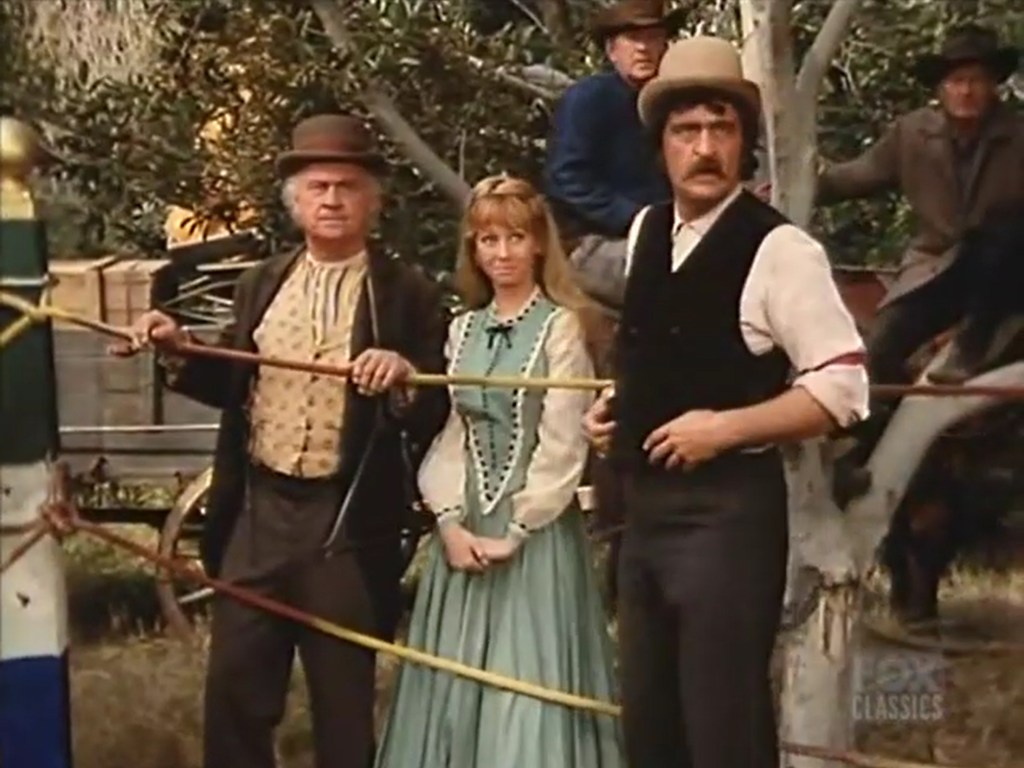
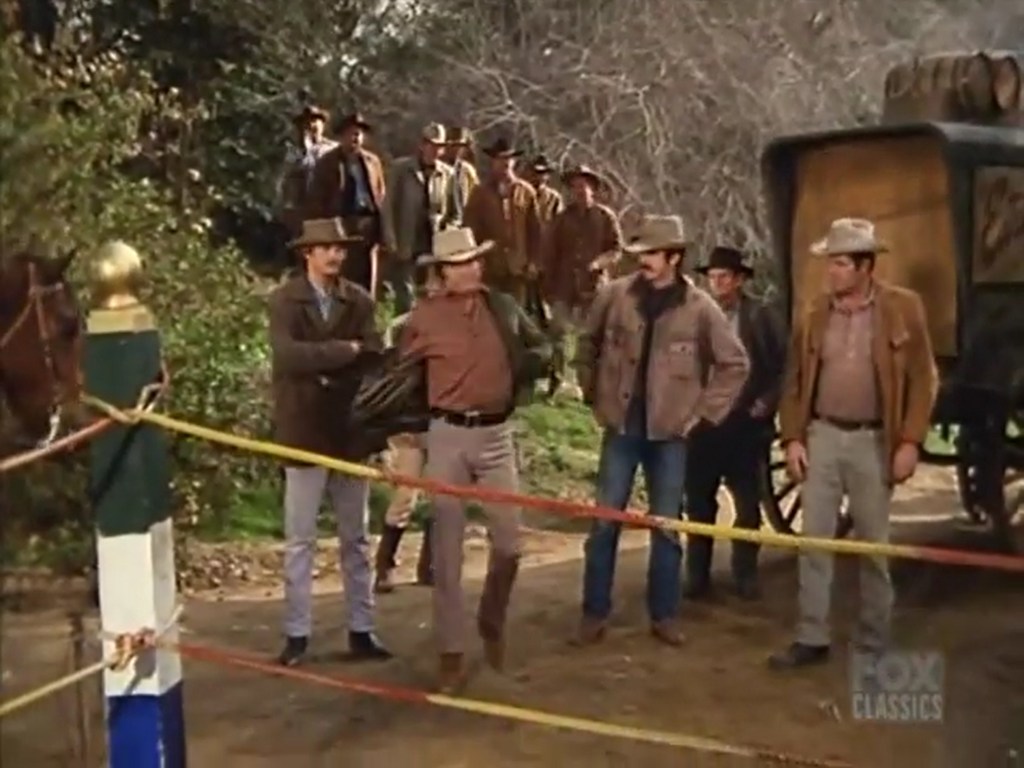
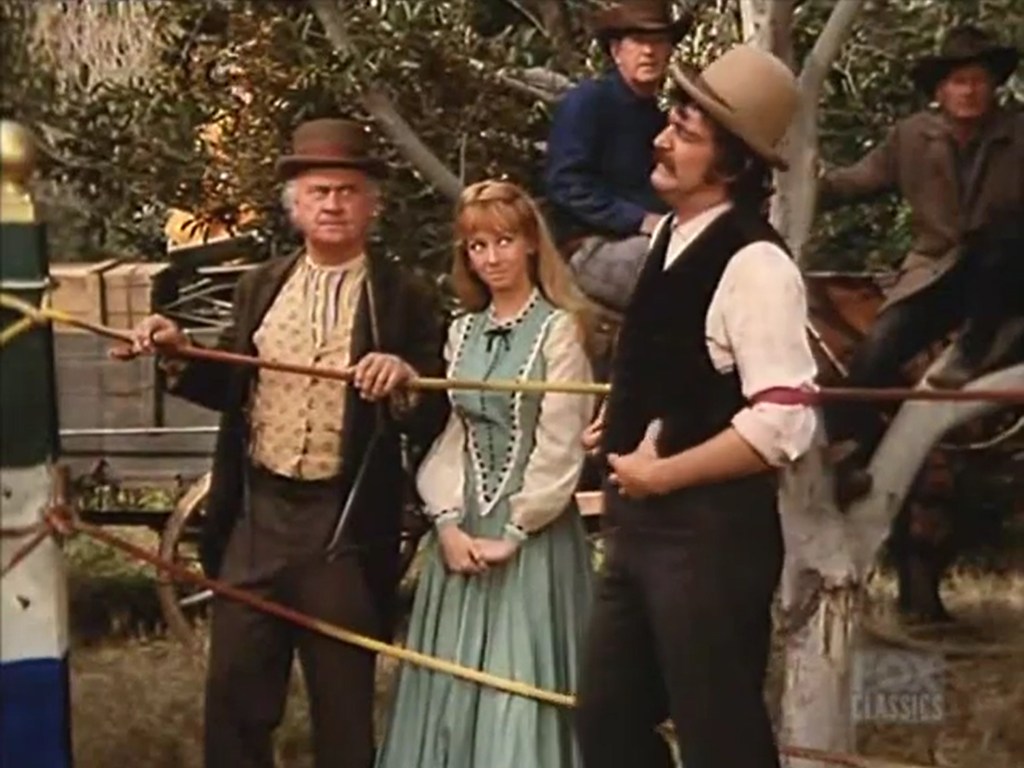
Anyway, this goes on for days or even weeks (that’s quite unclear) until Callahan eventually runs out of money and can no longer afford to pay Joe’s winning in the matches.
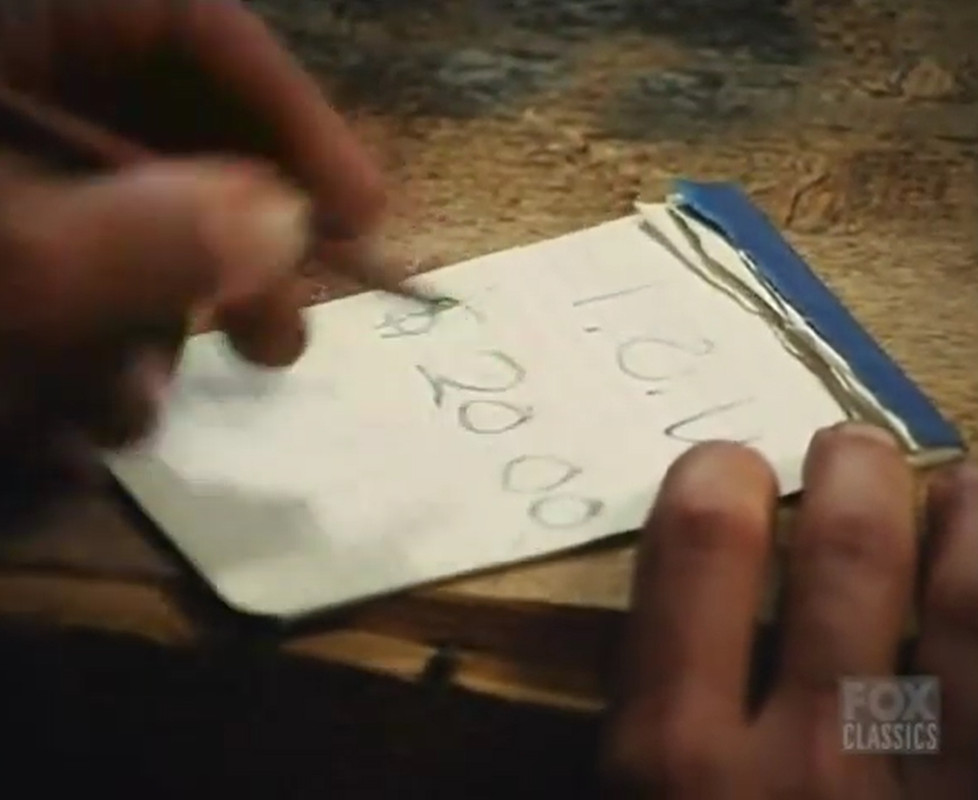
However, it is not enough for Joe.
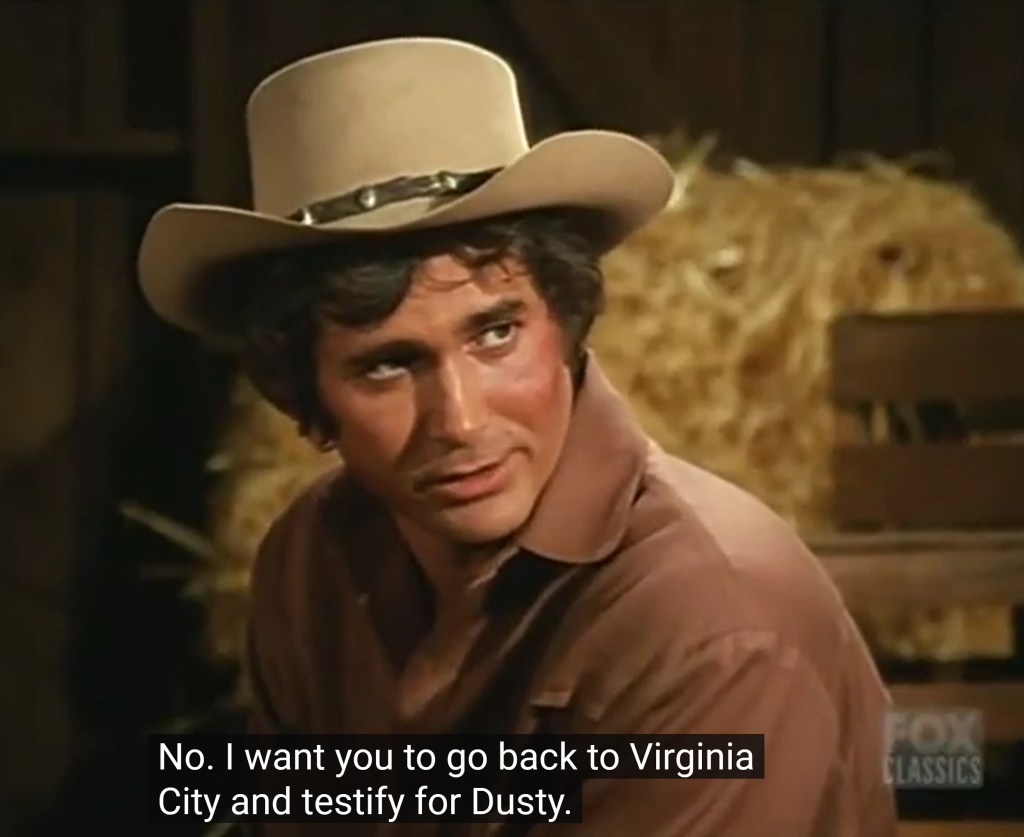
But Callahan won’t give up, and has a better plan.
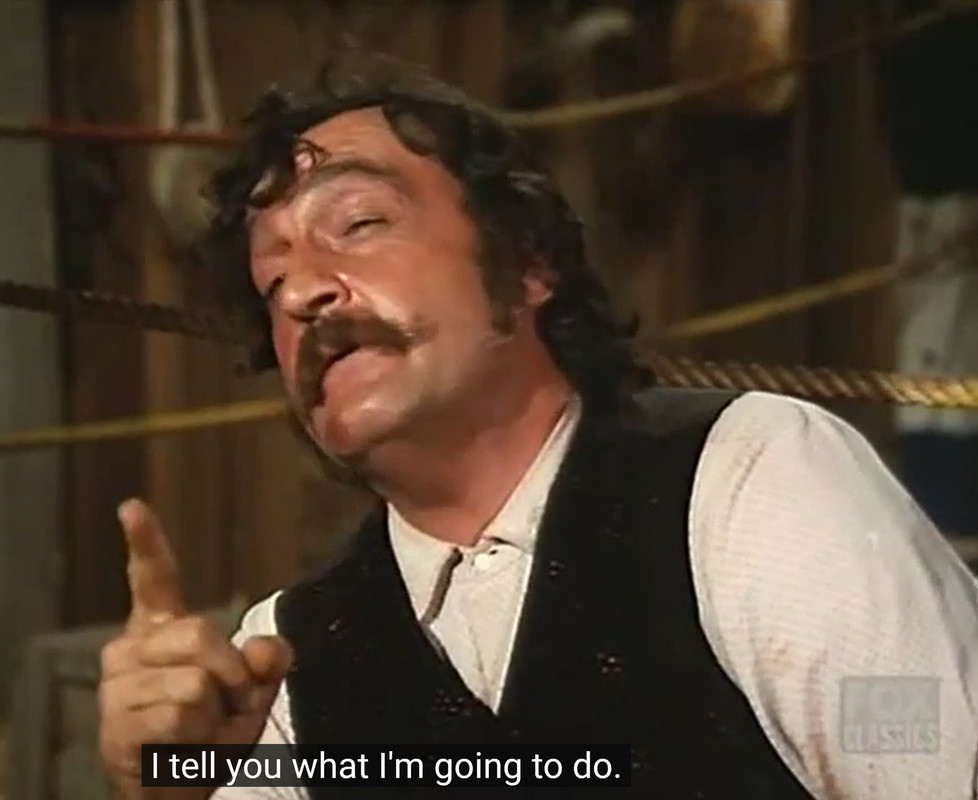
I’ll go back if you pay me.
Which is reasonable, considering Cartwright’s family is quite a wealthy one.
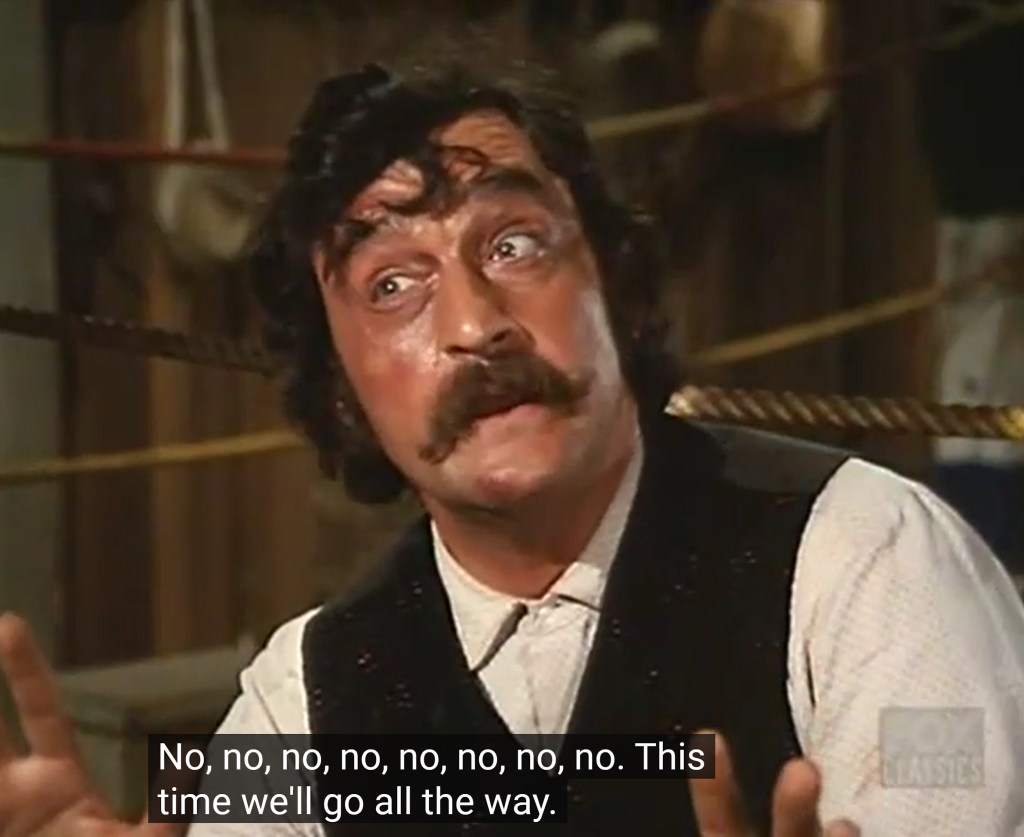
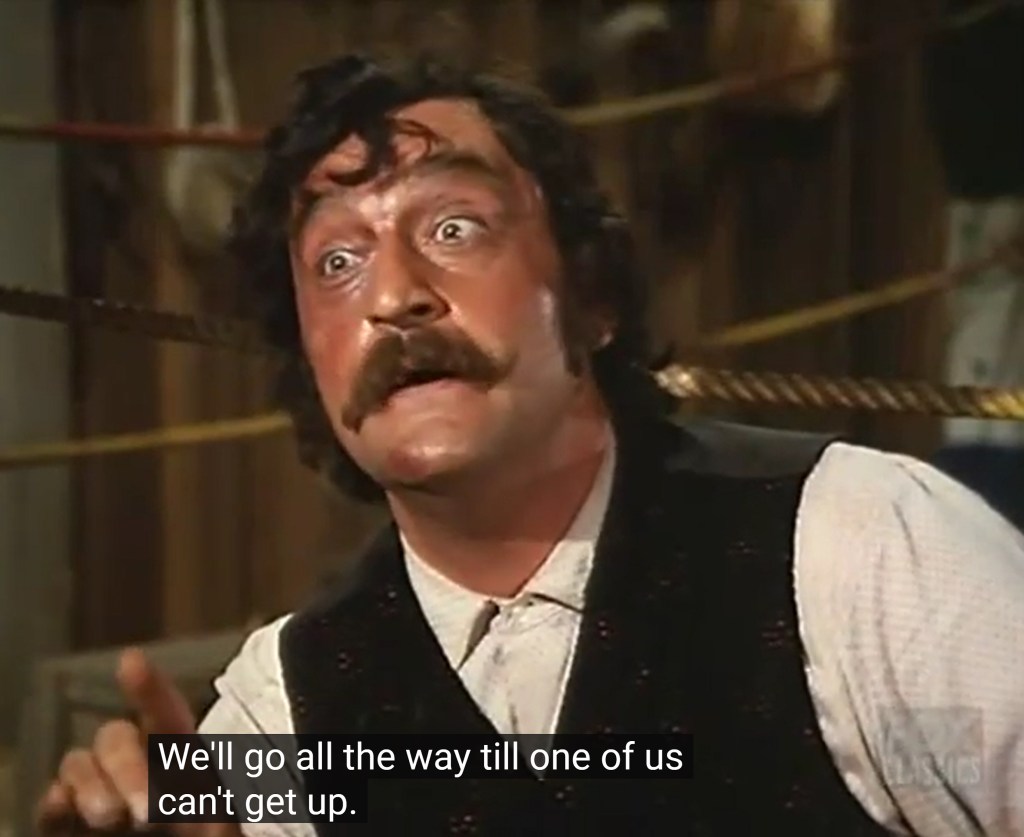
As if he hadn’t had enough —Joe has beaten him repeatedly, so why would one more fight go any differently?
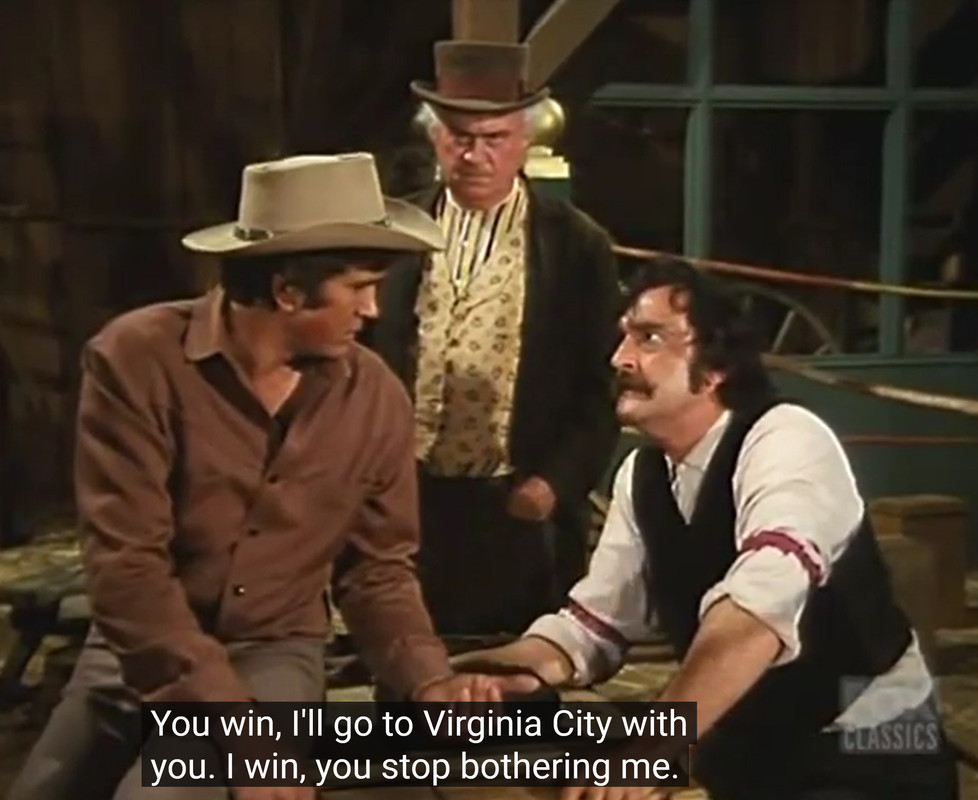
Anyway, Joe agrees, and they begin the fight Callahan starts with a punch—without warning.
Luckily for him, it’s clearly a staged punch. I mean, it’s definitely visible Callahan intentionally misses Joe’s face aiming at a completely different direction well ahead of Landon’s nose.
Imagine if he had actually hit him—French accidentally striking Landon across his face. Probably they wouldn’t have never become friends anymore, and Highway would have never existed now.
Anyway, they begin this comical fight.
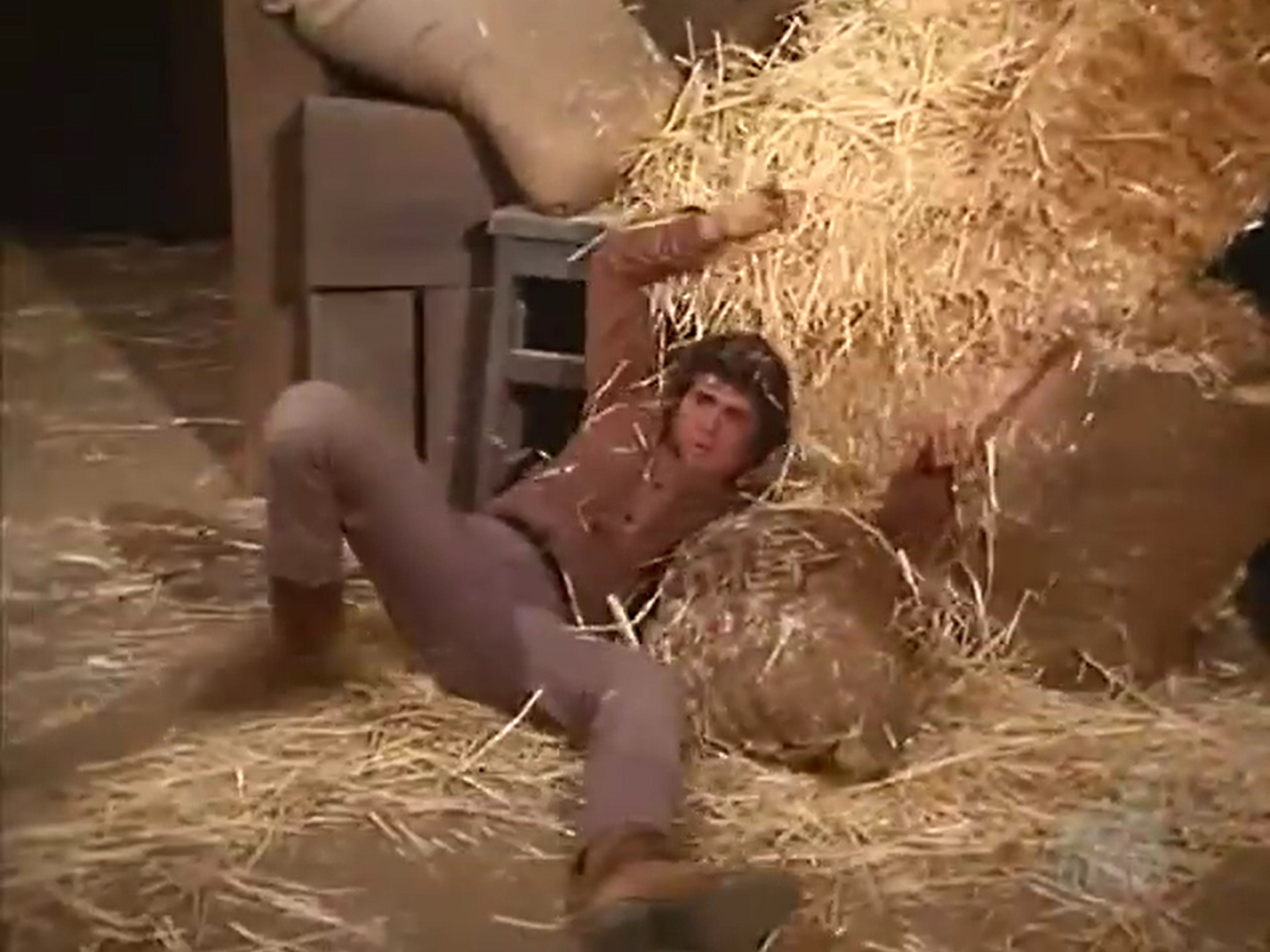
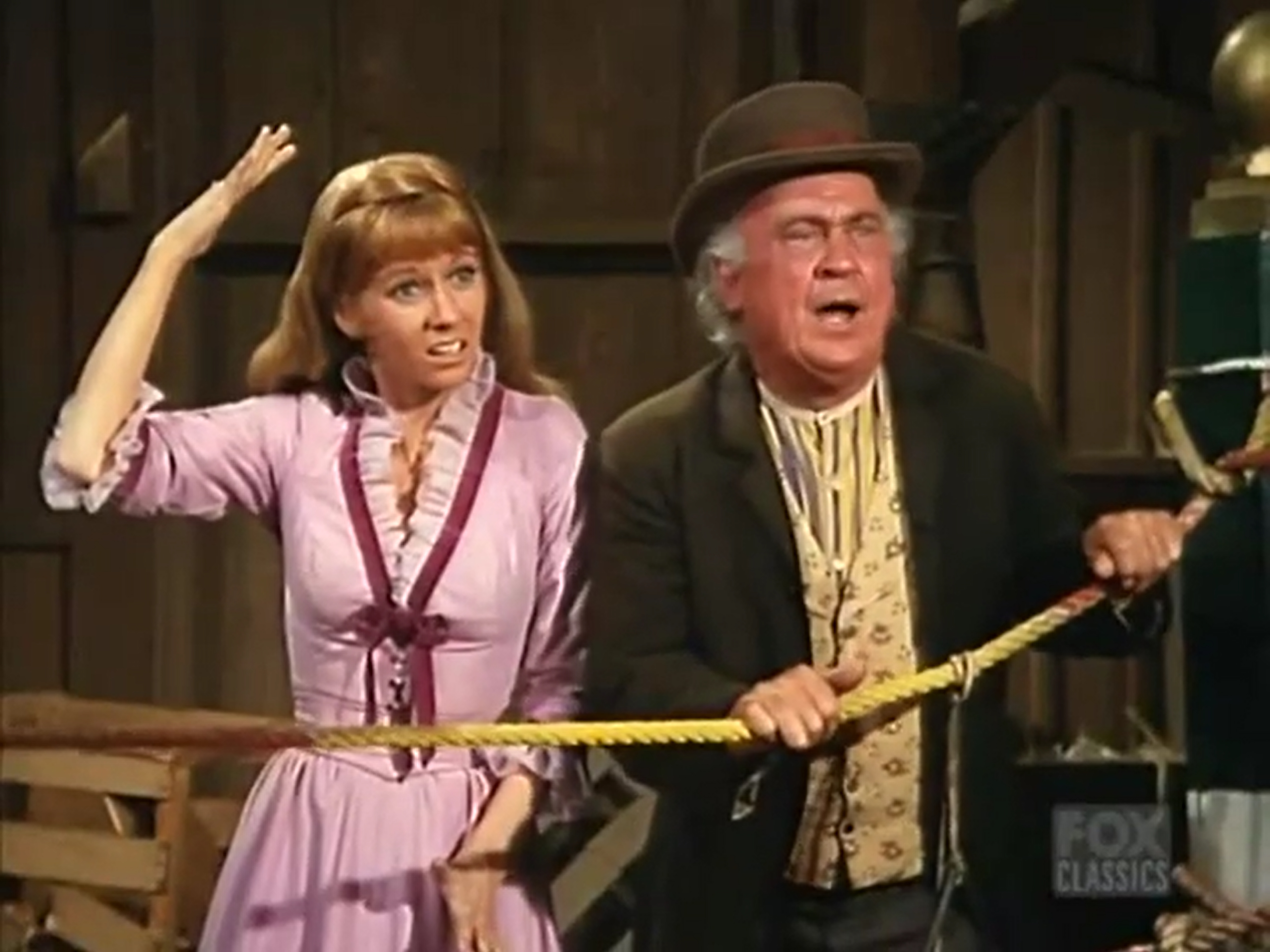
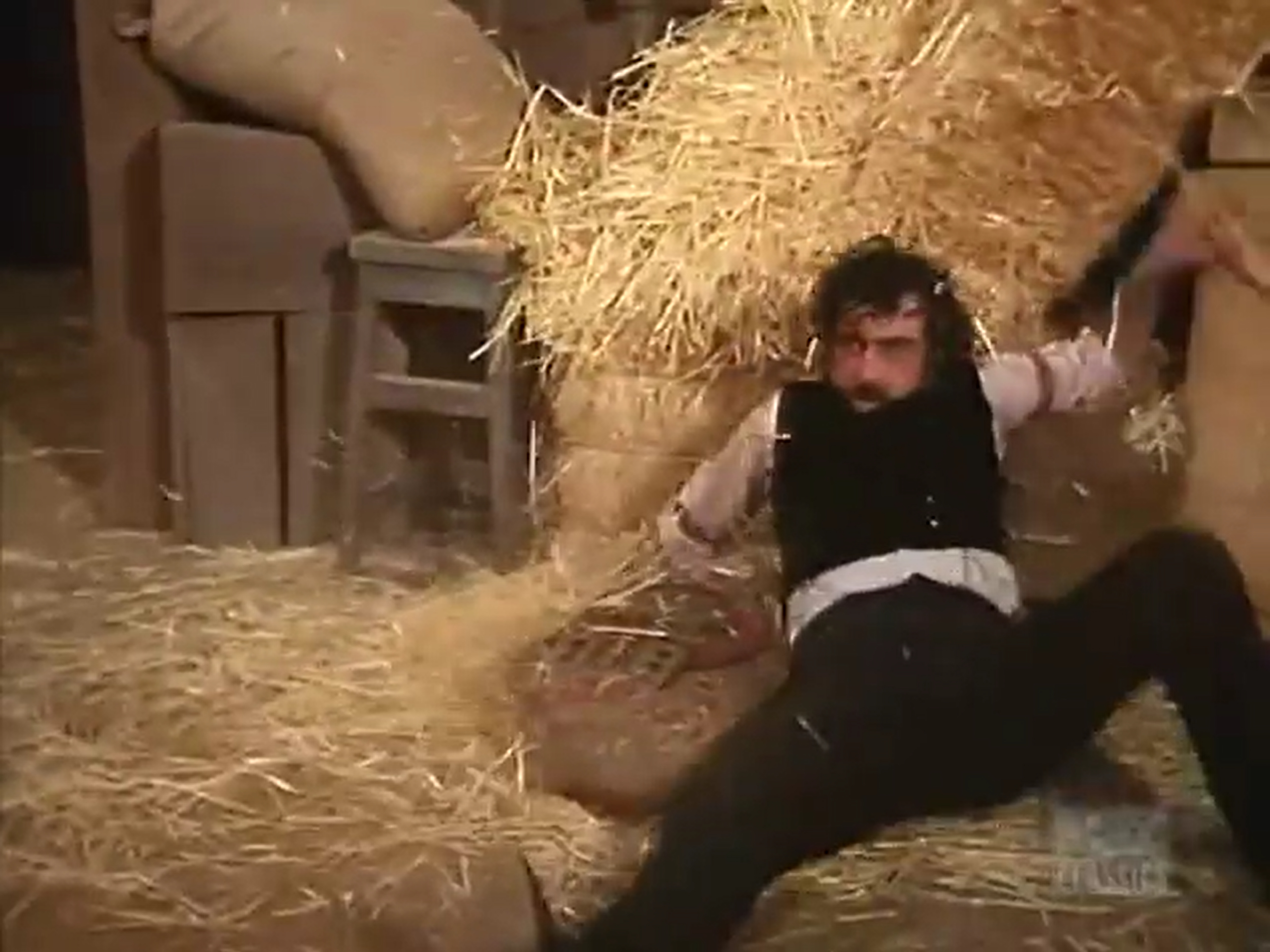
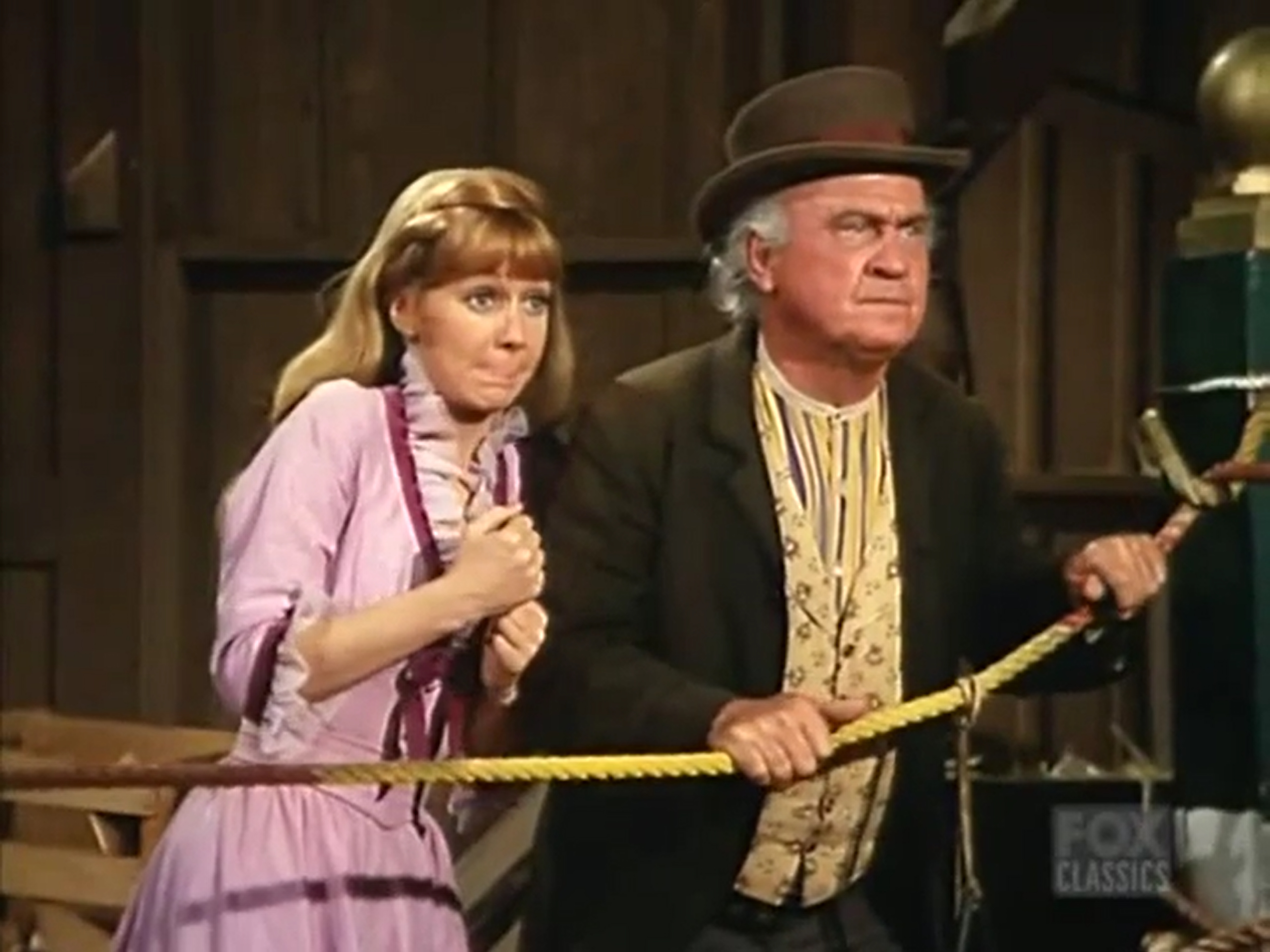
Then, they go fighting all around town, wrecking buildings, shops, and pretty much everything in sight. It’s over the top—but by now, nothing can really catch you off guard.
There’s even a blooper: as they walk, the shadow of a man over a cart following them.
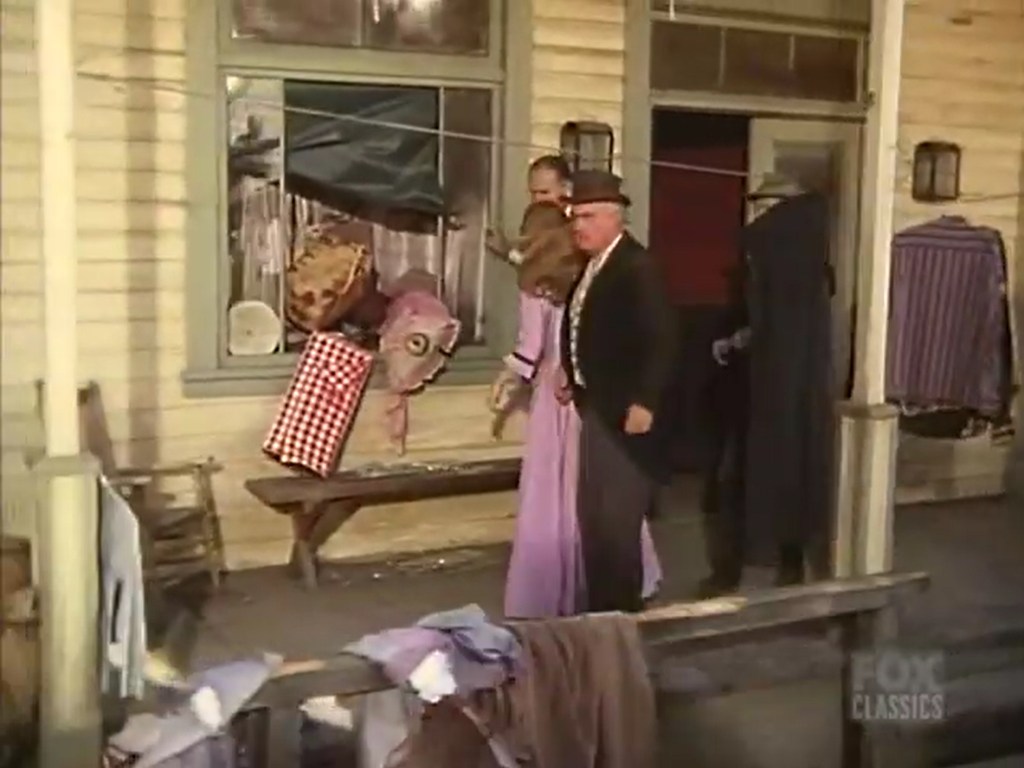
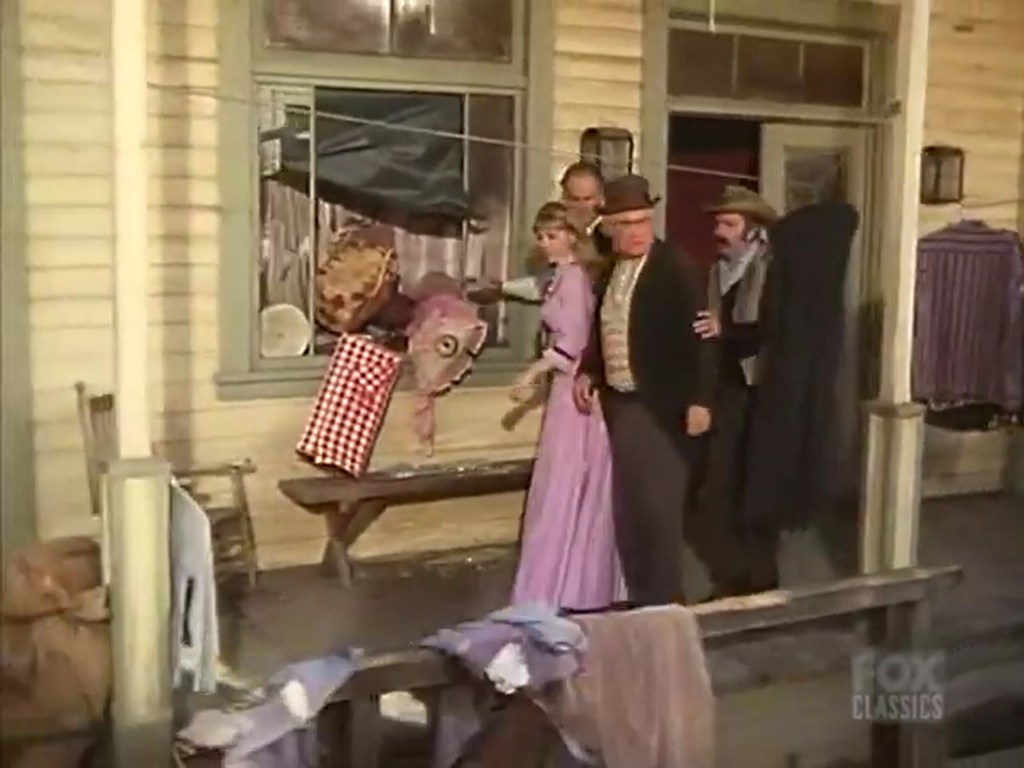
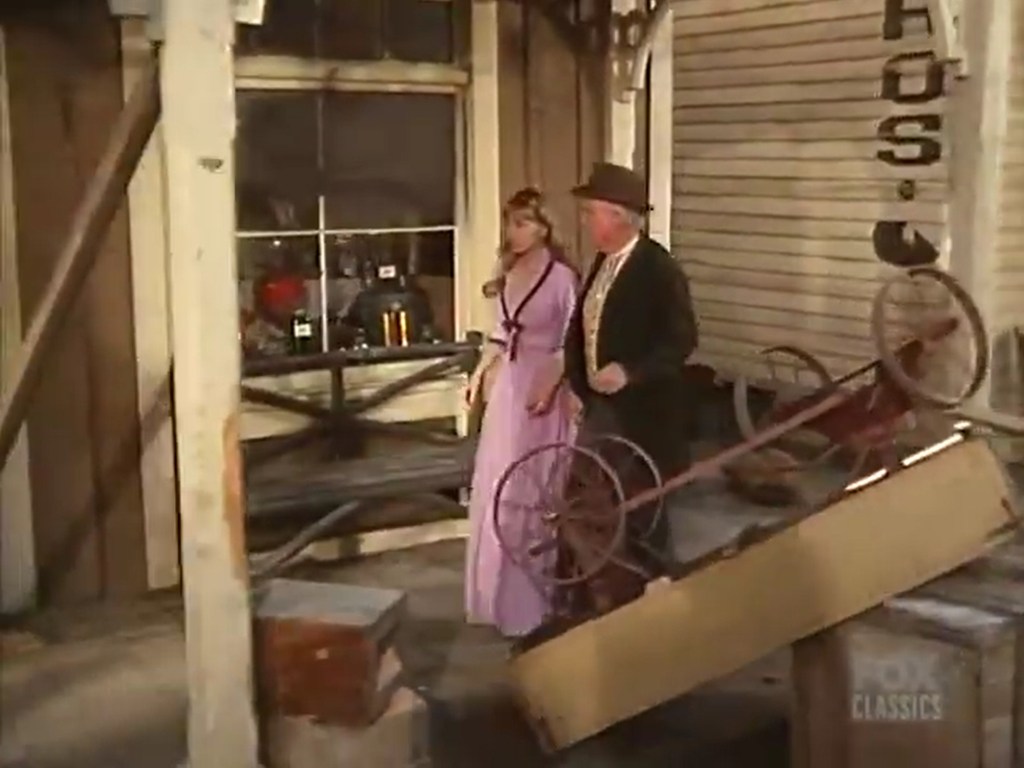

Eventually, they all get arrested by the sheriff.
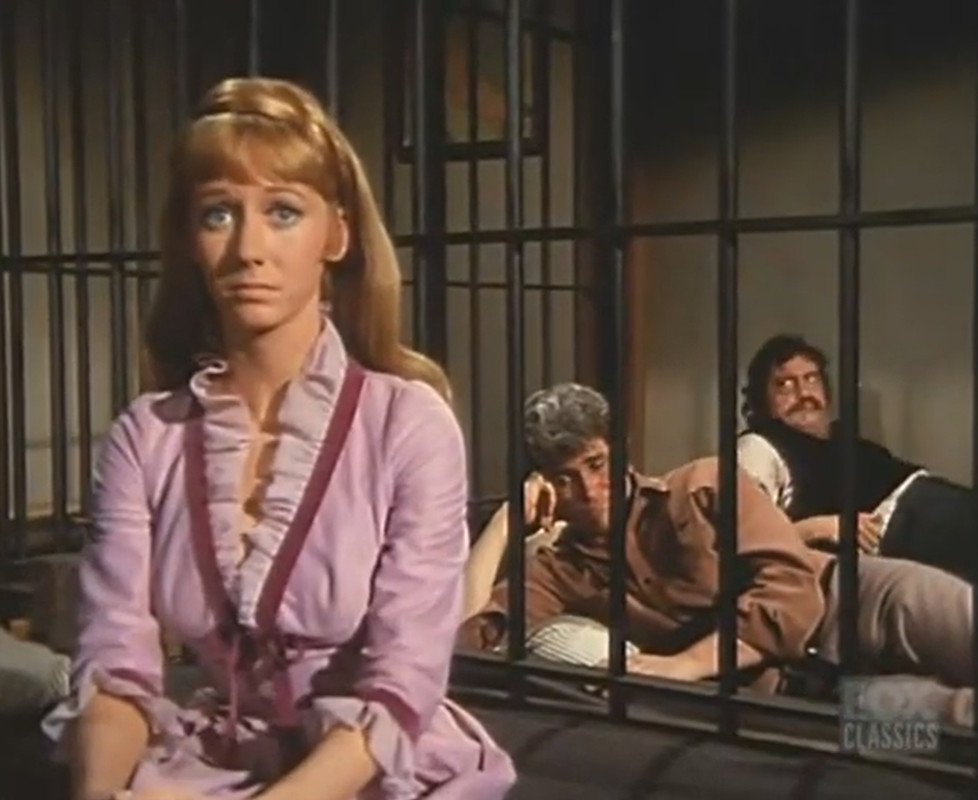
But they are soon bailed out by Dusty, who had also been released from jail.
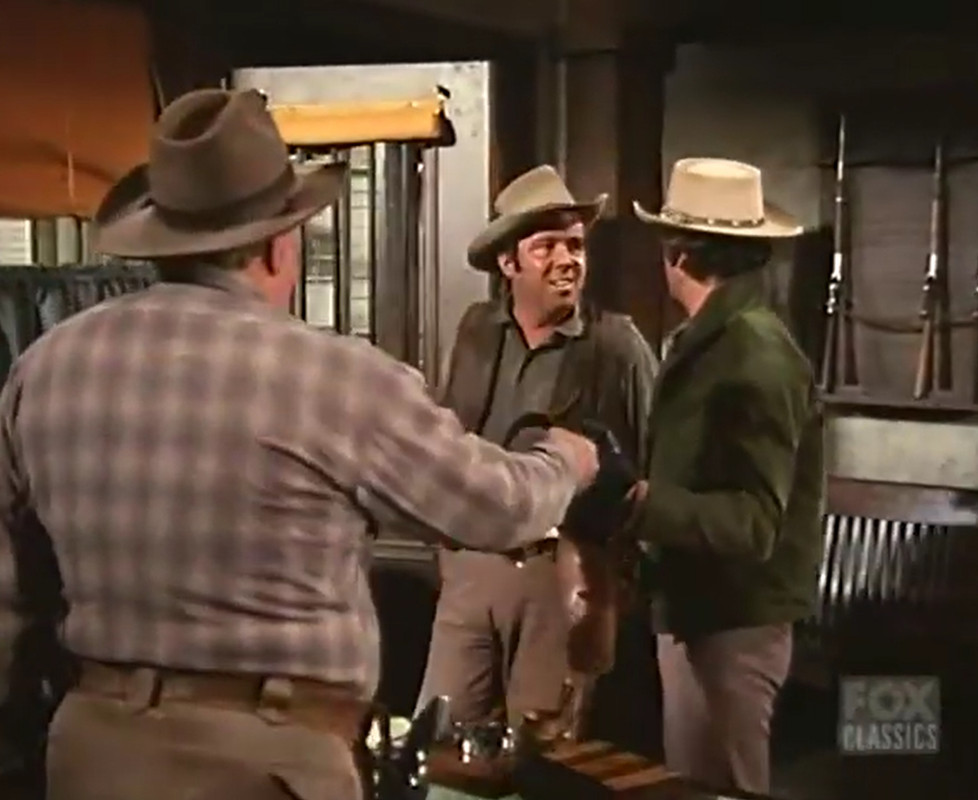
It turns out the other man finally confessed to making up the allegations, and Dusty was released shortly after Joe went looking for Callahan—making the whole wild goose chase rather pointless. Except it gave Landon and French a chance to spend time together and become friends.
In the end, Joe gets his revenge by giving Dusty a red handkerchief to bring over to Angeline.
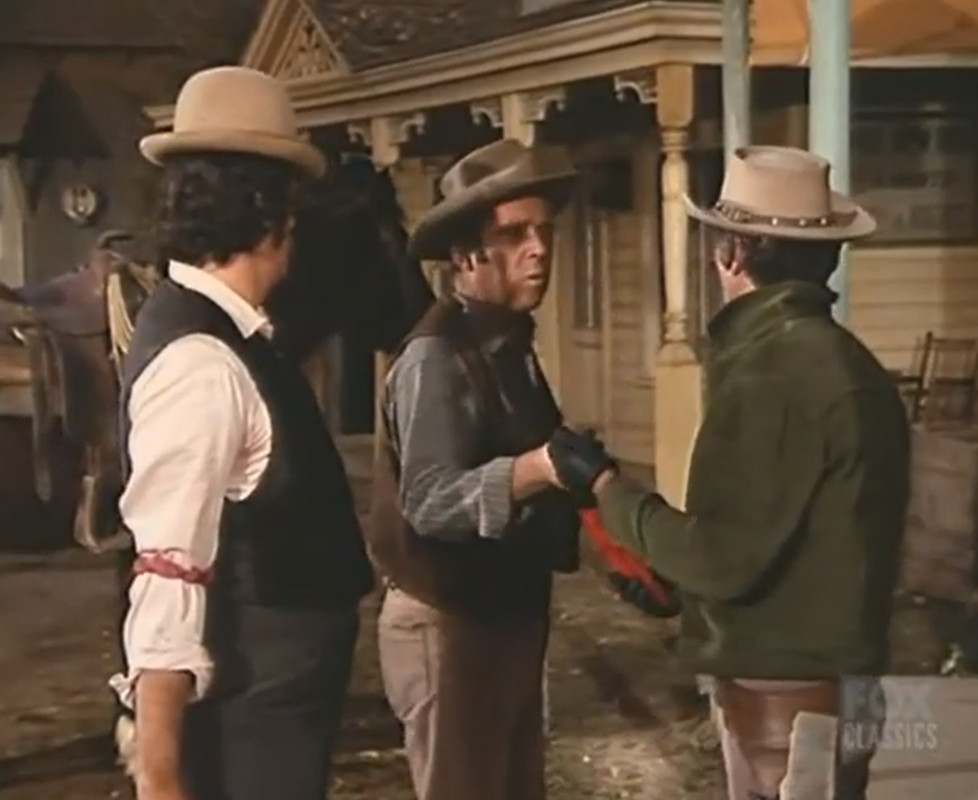
That causes Angeline to attack him like a bull and toss him out the window.
While Joe and Callahan laugh (that’s probably the types of jokes Landon and French played to each other on set, like scaring Landon by attacking him with a chair and more).
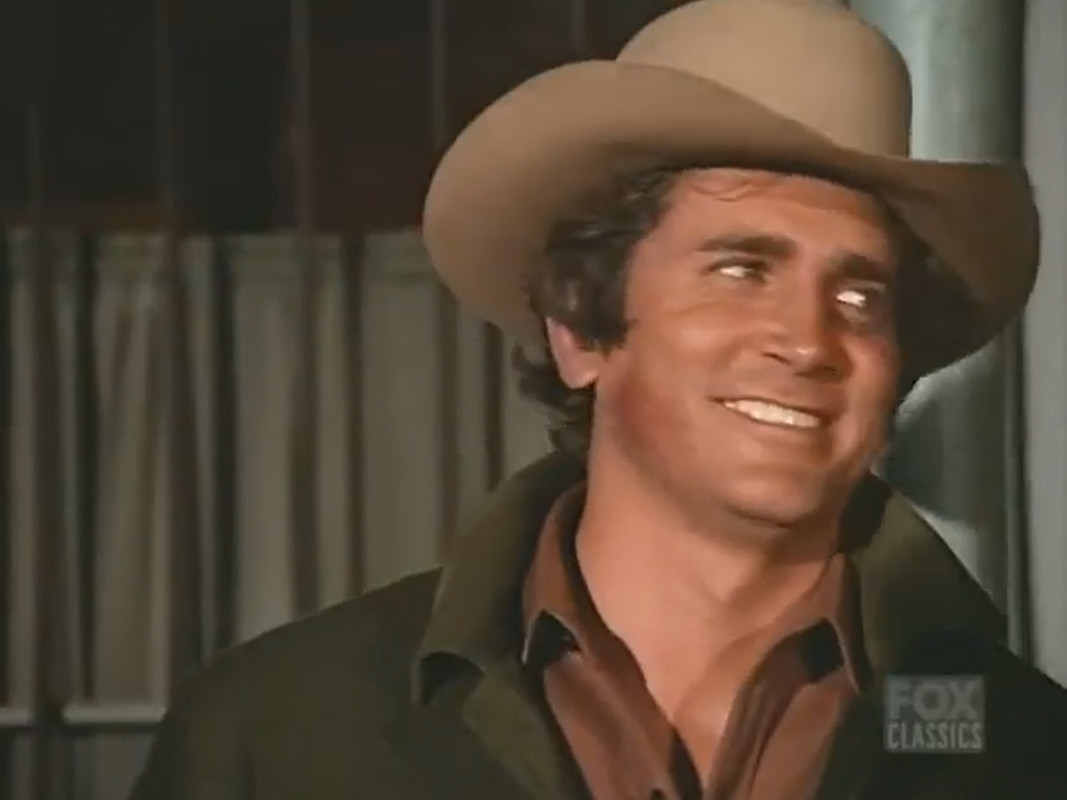
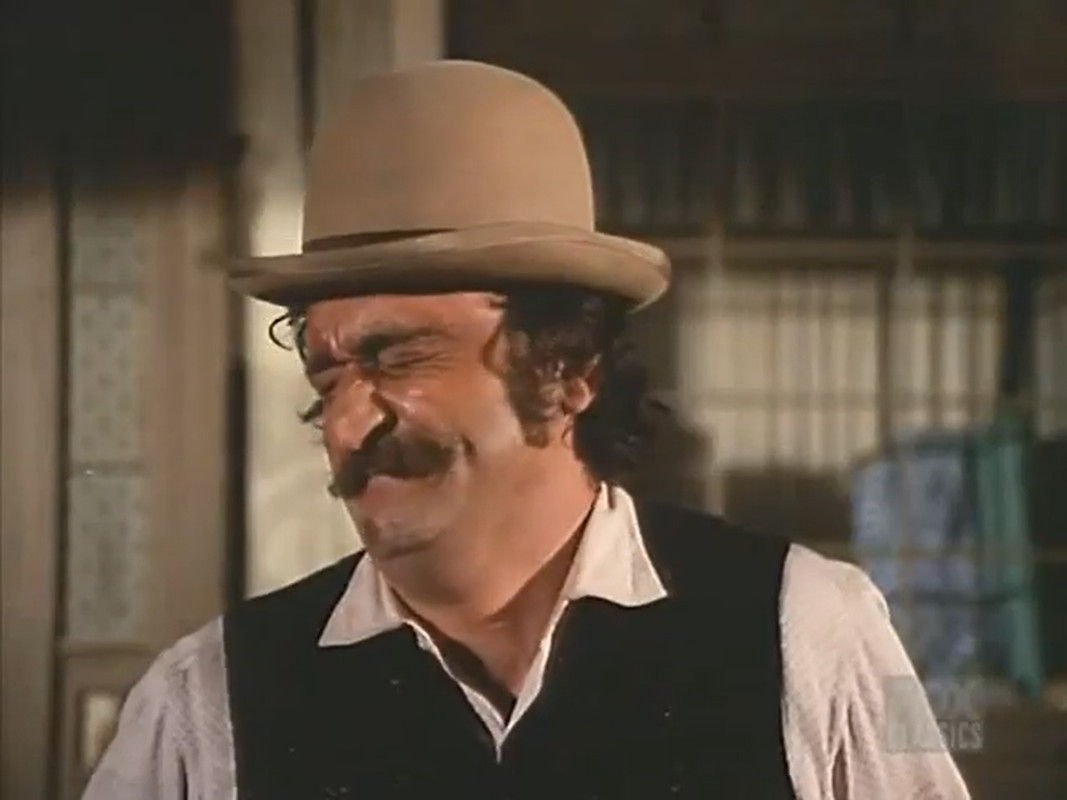
Eventually, Joe offers Callahan a drink, and even invites him to Virginia City, which is highly unlikely Callahan will ever set foot in considering he refused to do so this whole episode.
Actually, in the original script, Joe was just supposed to walk with Callahan after inviting him for that drink, and the part in which Joe adds that he’d like Callahan to come to Virginia City and meet his brother was Landon’s improvisation. That surely doesn’t make sense, considering that Callahan said he couldn’t go back there because he was ran out of it (otherwise, he’d have followed Joe there in the first place, and this episode would have concluded after ten minutes). So, they probably never see each other again for the rest of the series. But Callahan accepts nonetheless.
Maybe it was some reference to his friendship with Dan Blocker (who played his brother), and now they broke out of characters, so it was Landon talking and saying French he wants to introduce him someone.
Also, this final part feels more like an anticipation to the budding friendship between the two actors, and it might just be the one good moment in an otherwise quite goofy episode. But it’s just the way of Bonanza.
It’s definitely something very different from other Western programs—unexpected, certainly silly, and yet still important (in the context of the actors’ future collaboration). This marked the very beginning of the friendship between the two actors and, viewed that way, it’s just a harmless Western spoof. Also, this gives an idea of what audiences used to watch back then.
 Highway To Heaven Cast
Leave a comment