
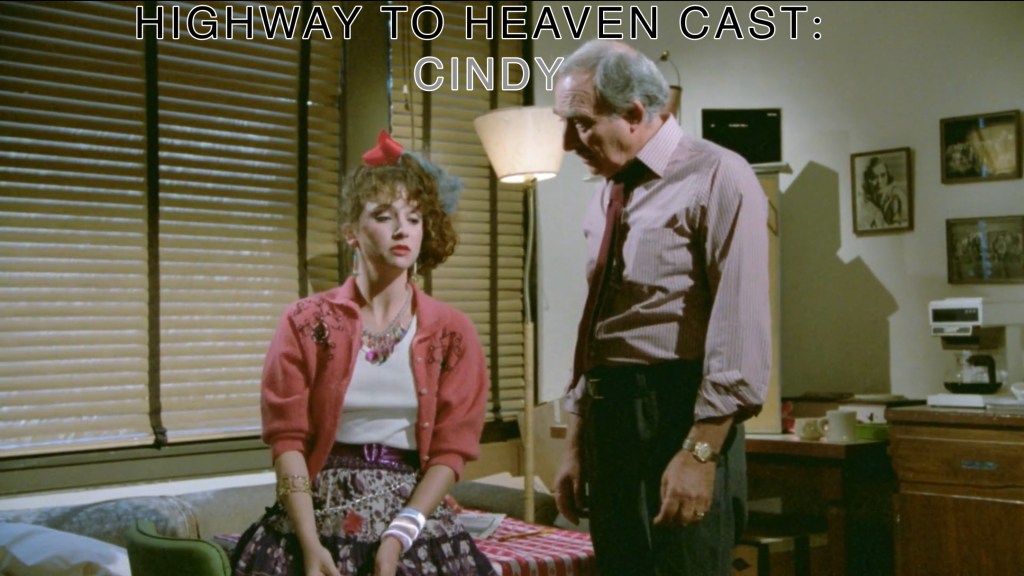
Airdate: 10/23/1985
Directed By: Michael Landon
The angel and the former cop are back to revisit an all-time classic. If this episode feels like Cinderella, that’s because it is. In fact, this isn’t the first time the series has explored this fable. The last time, it was more of an inspiration—supposedly, at least. Anyway, Landon must’ve had some unresolved issues with the story back in school, and the Christmas one too.
Complete show available here.
Assignment: Jonathan and Mark are assigned to help an aspiring actress reconcile with her estranged father.
Now, as the episode’s title suggests, it’s yet another modern version of Landon’s dear Cinderella (probably the story he read the most when he was a kid, second only to the Christmas Carol), just set in Hollywood, and dealing with acting and other Tinseltown problems. Actually, the whole assignment takes the Cinderella story and turns it into a satire of how Tinseltown operated back then.
It’s not the first time an assignment is based on a fable or a book (see Another Song For Christmas in Season one). Actually, it’s not even the first time it’s about that story in particular: the episode Hotel Of Dreams in the first season was a partial modern take on Cinderella. However, there are some differences: that episode featured many unrelated assignments, and just one was about Cinderella. Also, that episode was only a covert ripoff of Cinderella, while on this episode they directly acknowledge their inspiration.
That is apparent by the premise and the characters: the protagonist is “Cindy”, who dreams of becoming an actress (because it’s Hollywood), and the cruel stepmother and stepsisters are actually her employers, the family Schtepmutter (just in case somebody in the audience didn’t get where that come from, Mark is there to make it clear).
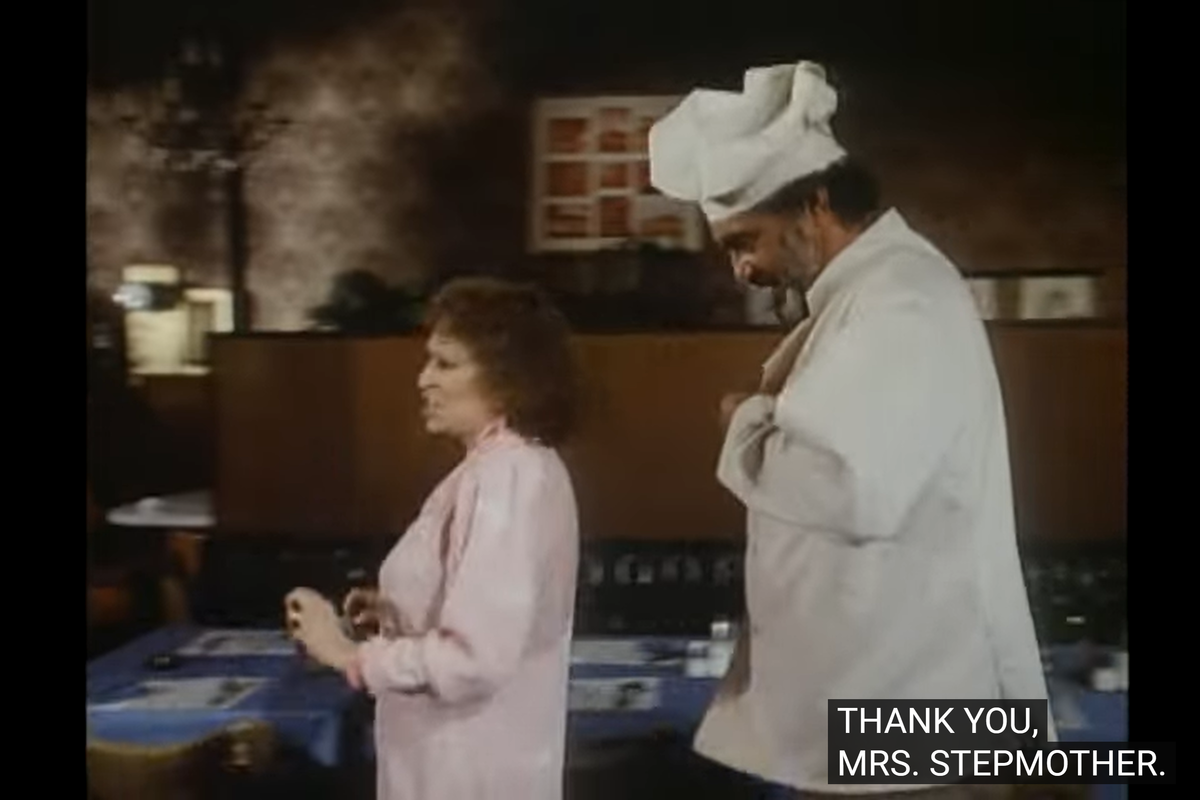
It was so necessary to have him mispronounce her name like that, otherwise the audience would never get what it stands for.
Then, Mark playing the role of the helping mice (just one), apparently. And the prince is actually a screenwriter — and is called Mr. Prince.
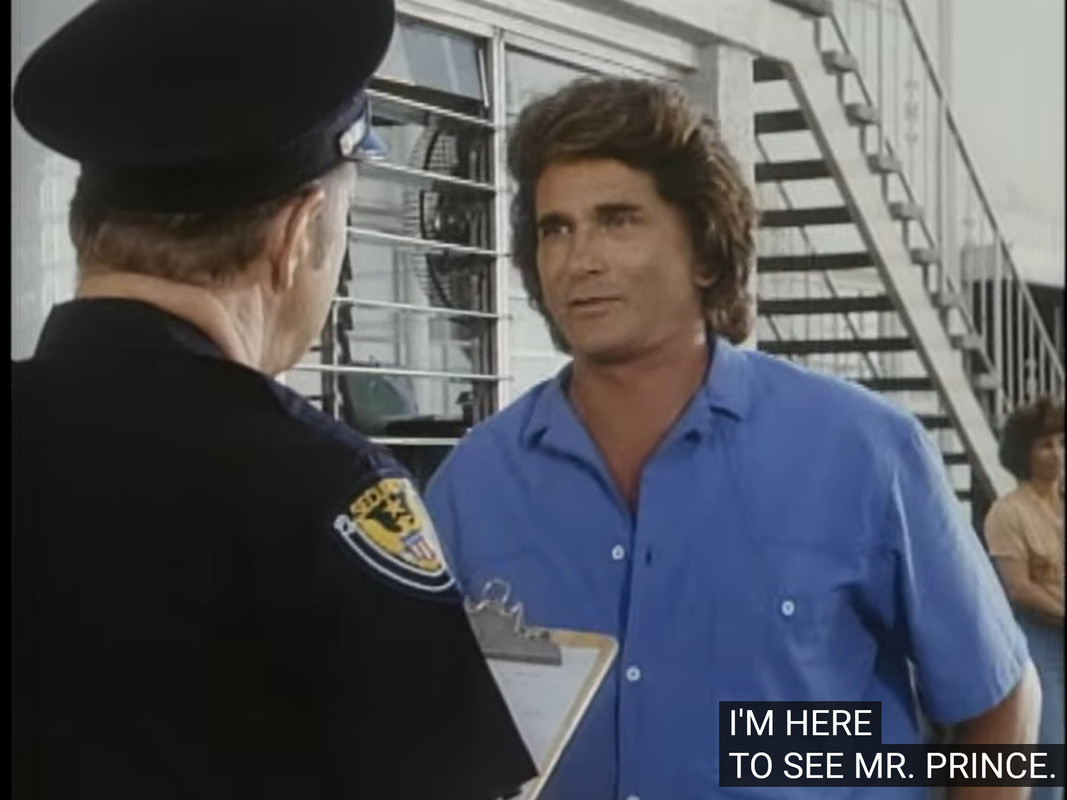
They ran out of complicated name for him.
Then, Mark plays the role of the helping mice (just one), apparently, while Jonathan is just himself: apparently, in Hotel Of Dreams, he was the fairy godfather, but here it seems like he is just a friend. Or maybe he is the godfather in a way that he has the role of helping her fulfilling her dream, but not in the same way as in the classic.
Instead, the big difference compared to the Cinderella fable is that now Cindy has a father, who supposedly acts as the fairy godfather who tries to change her personality into a Cinderella one.
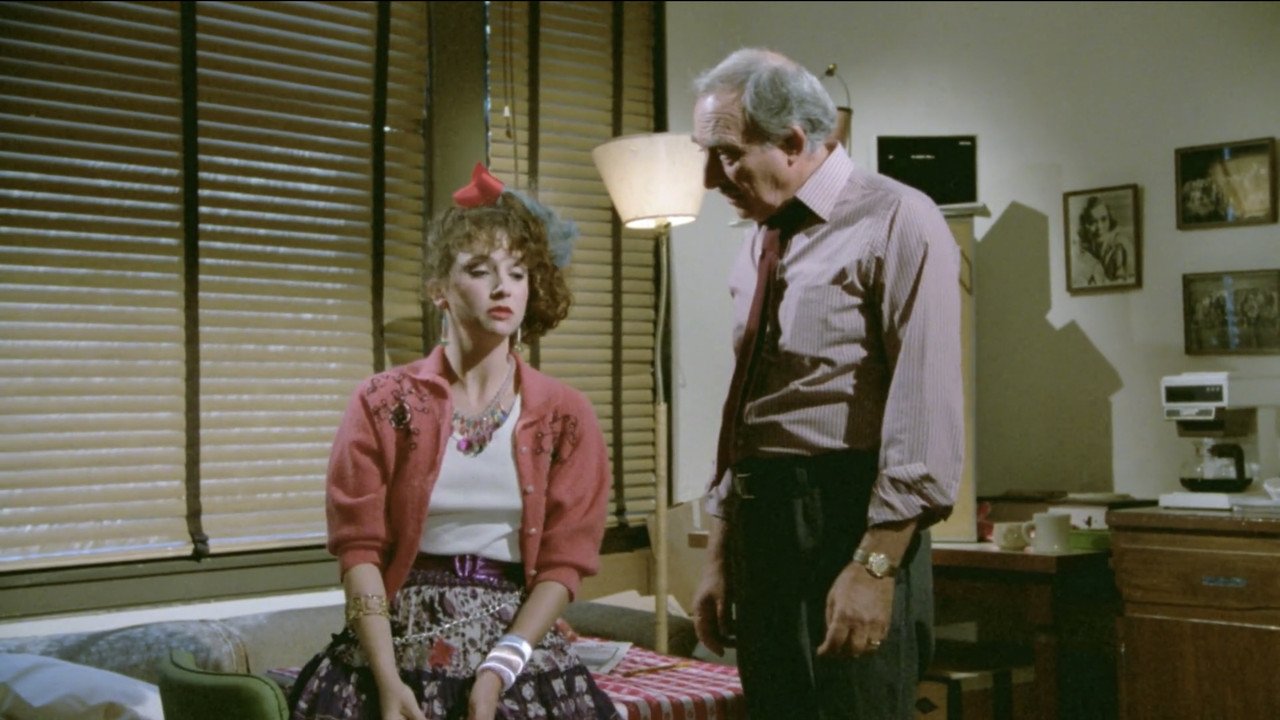
He probably called her “Cindy” when she was born as he knew one day she’d become Cinderella.
So, as soon as she turns to a Cinderella, much of the story in the assignment seemingly follows the fairy tale: a Prince falls in love with her as Cindy and she attends a ball organized by him as Cinderella.
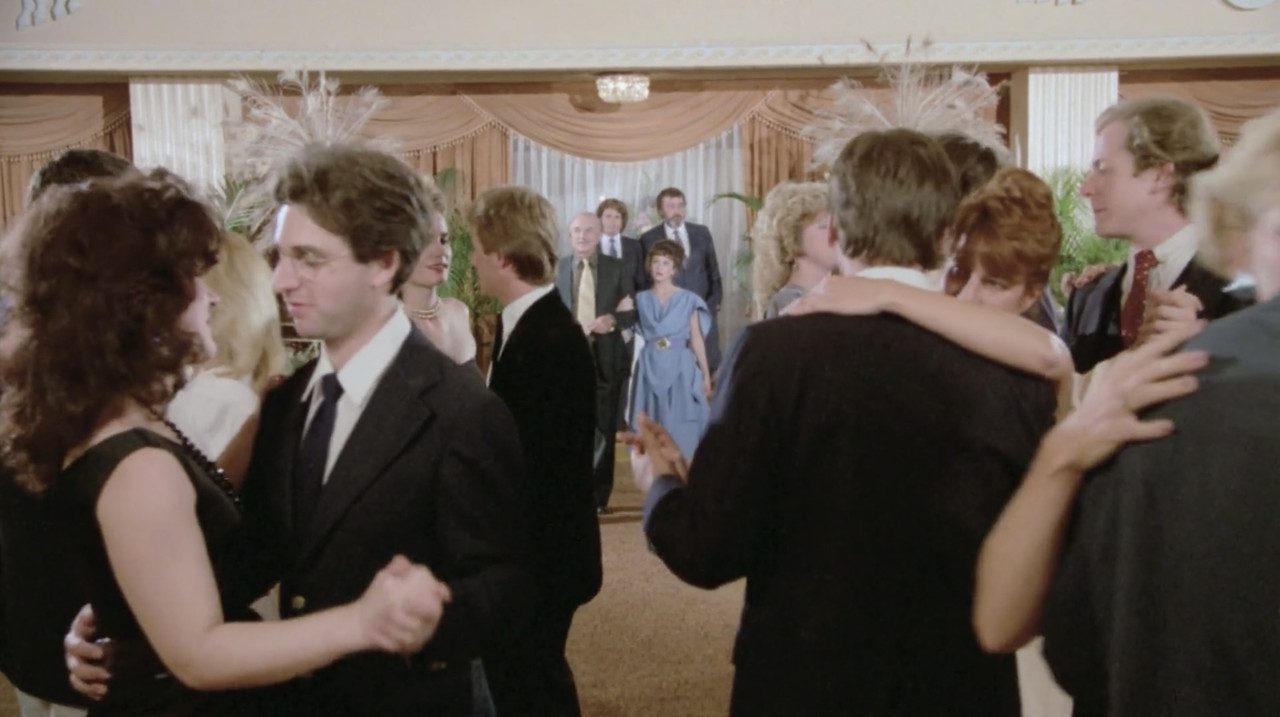
Then, it takes a different turn when, at the ball, the Prince scolds her for being a Cinderella rather than a real person, and she runs away.
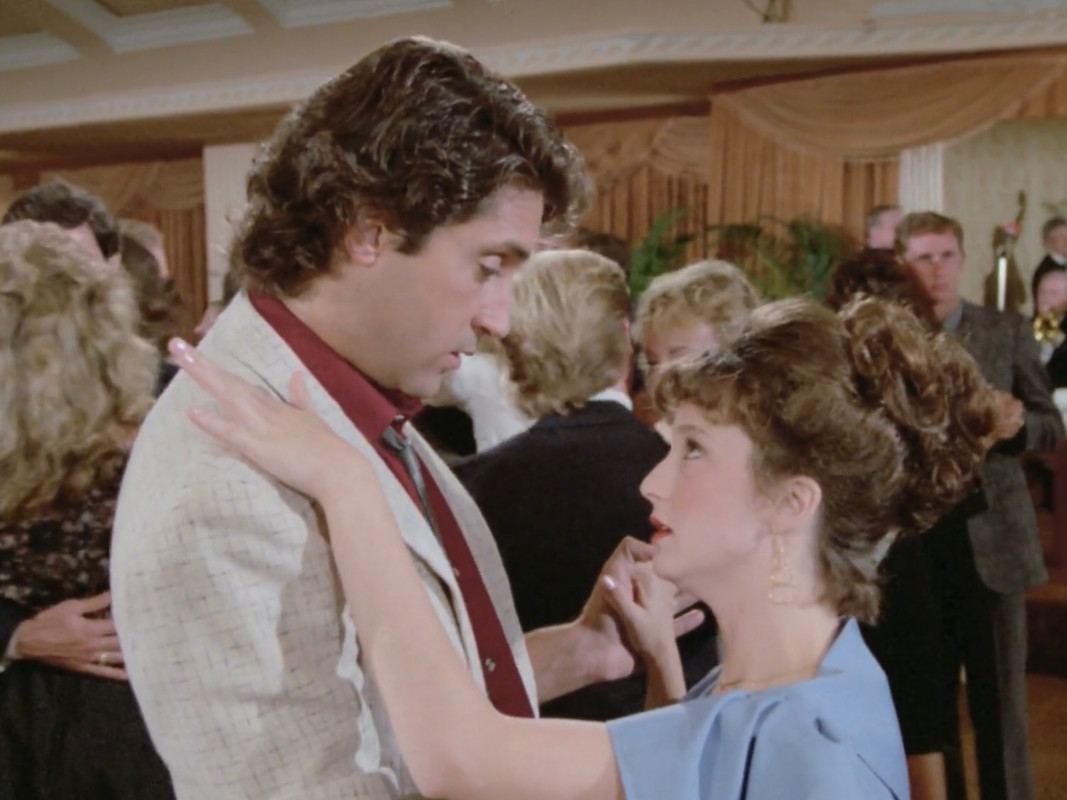
Of course, her running away is partly because the fable goes that way, but Jonathan offers Cindy’s father a different explanation.
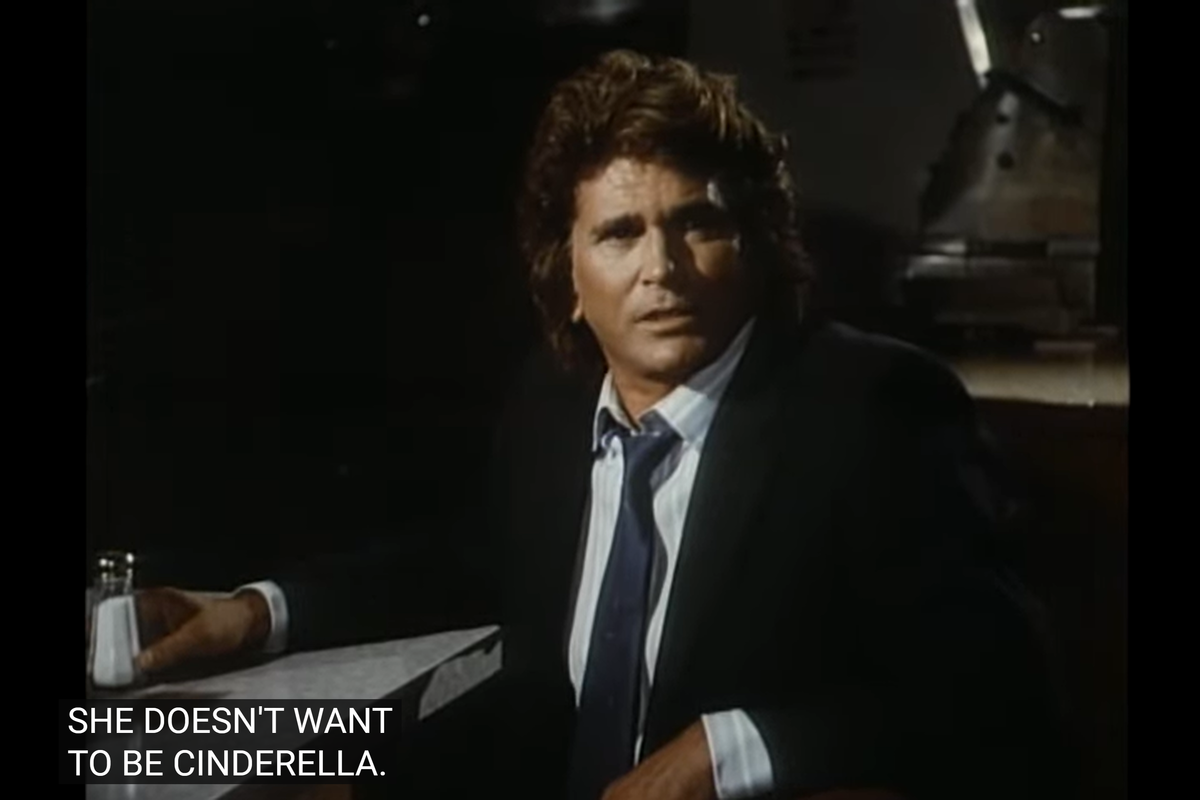
That’s important for many reasons: the first one is that it reveals the whole story is actually about family issue between Cindy and her father (and it’s not just a ripoff of Cinderella, as in Hotel Of Dreams). The second one is that they played with the audience: they made people believe this was a straightforward Cinderella story—complete with Mrs. Schtepmutter and similar arc—until the protagonist openly rejects that role of Cinderella, a “Princess” who dreams of finding love with a prince.
That free, independent vision of Cinderella both mocks the original version of the story (which is quite outdated for a modern audience) and updates it in process.
And the Prince forgives her and tells his producer she can have the part as Cindy, not as someone else.
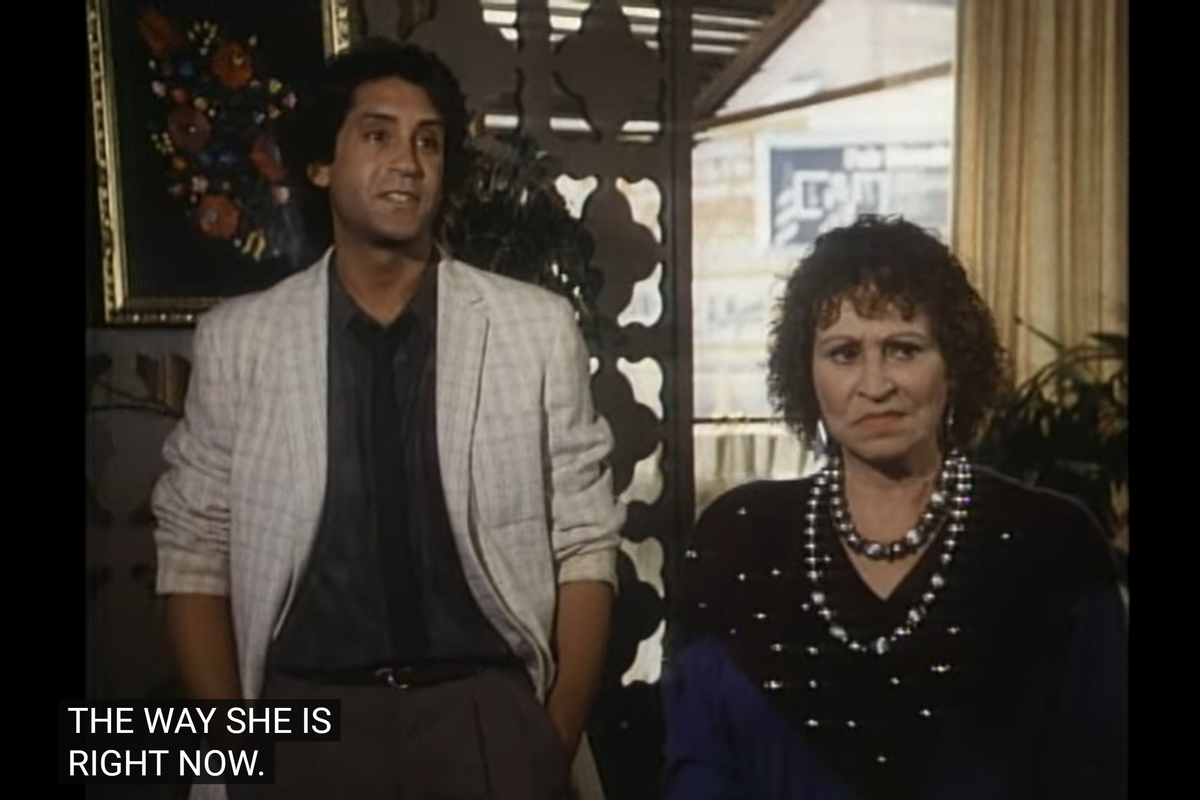
Not sure that’s how the process of choosing an actor works: he should evaluate her performance, not her as a person, and being a “Cindy” or a “Cinderella” shouldn’t matter much when it comes to acting — that’s where she has to show them. I mean, you don’t want a character of a picture or a TV show to be played by someone who is exactly the same, or that wouldn’t be acting no more. So, if she’s a good actress, then she’d be good for the role, and the way she was at the ball or “the way she is right now” shouldn’t matter when it comes to acting, because it’s not the person you’d have to care about, rather the actor.
But again, the assignment takes the Cinderella story and then it turns it into a satire of Tinseltown, so maybe the way Prince wanted Cindy for her part was a jab at weird casting process in the 80s, where people are unfairly selected based on their appearance and personality (like Stella in Help Wanted: Angel, although that was a weird episode).
And the Prince even argues with the producers that if Cindy doesn’t get the part, he’d sell the script to someone else.
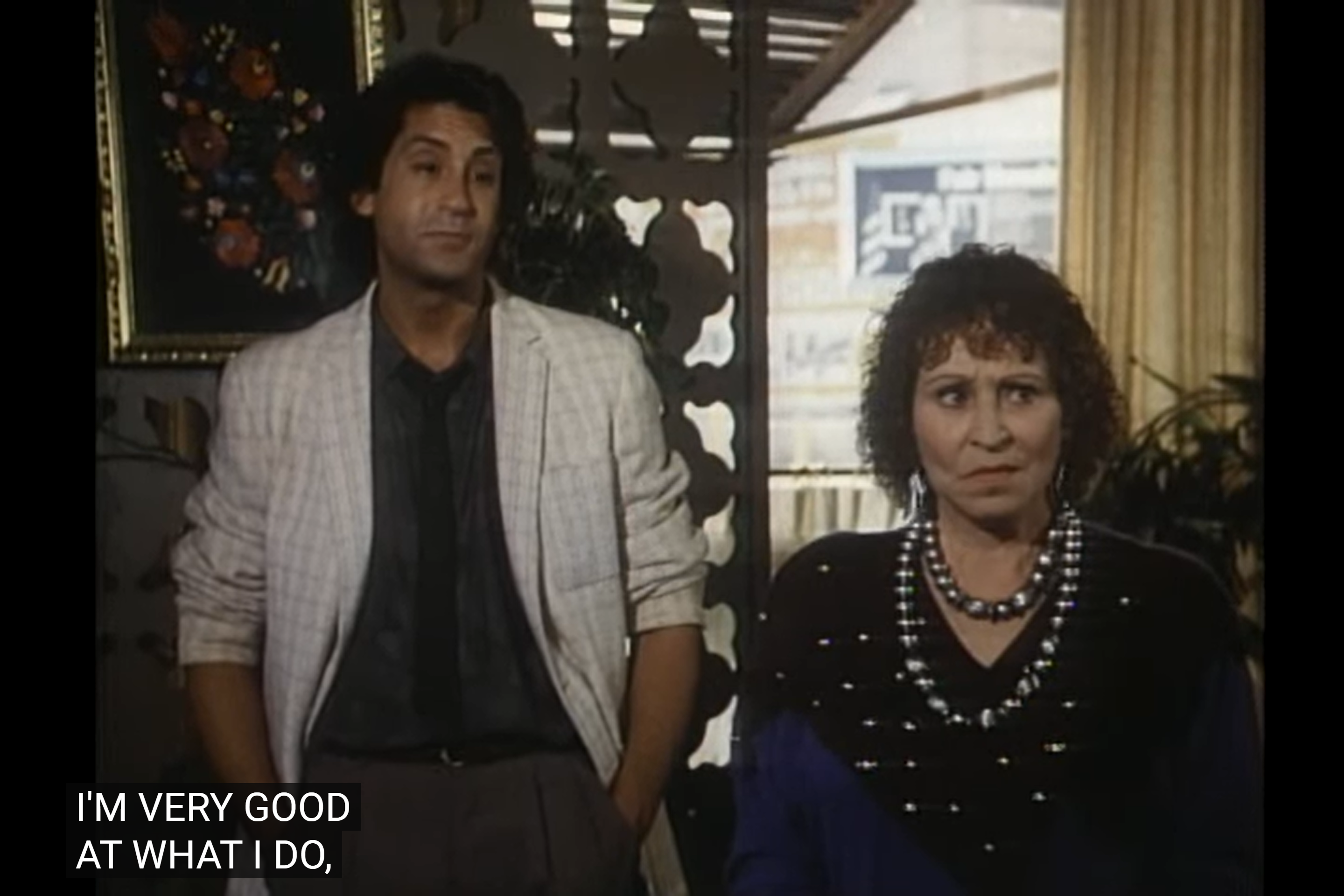
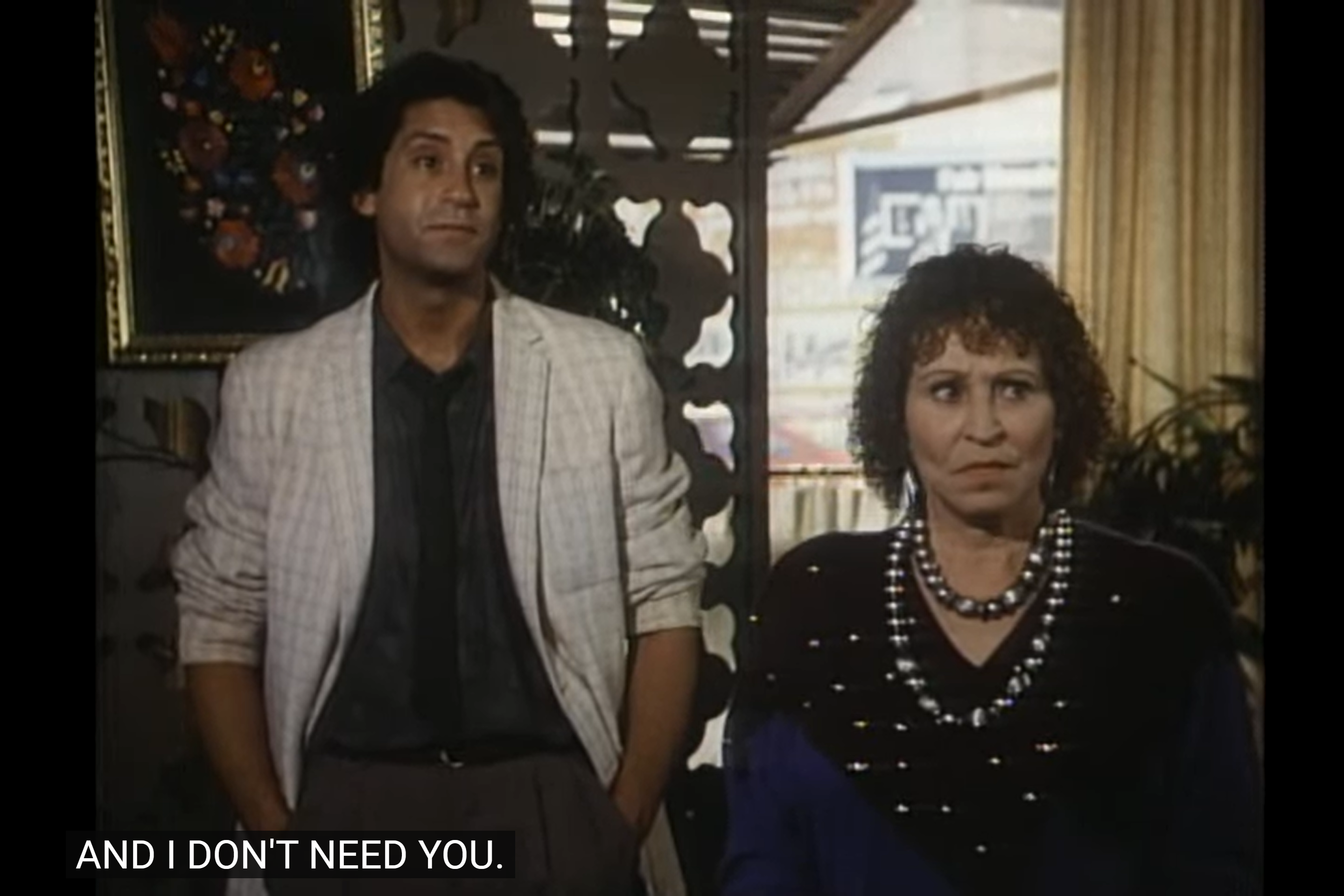
Surely, if Prince didn’t need a producer, he wouldn’t be working for one in the first place.
But he is the Prince, he had to show off to win her love.
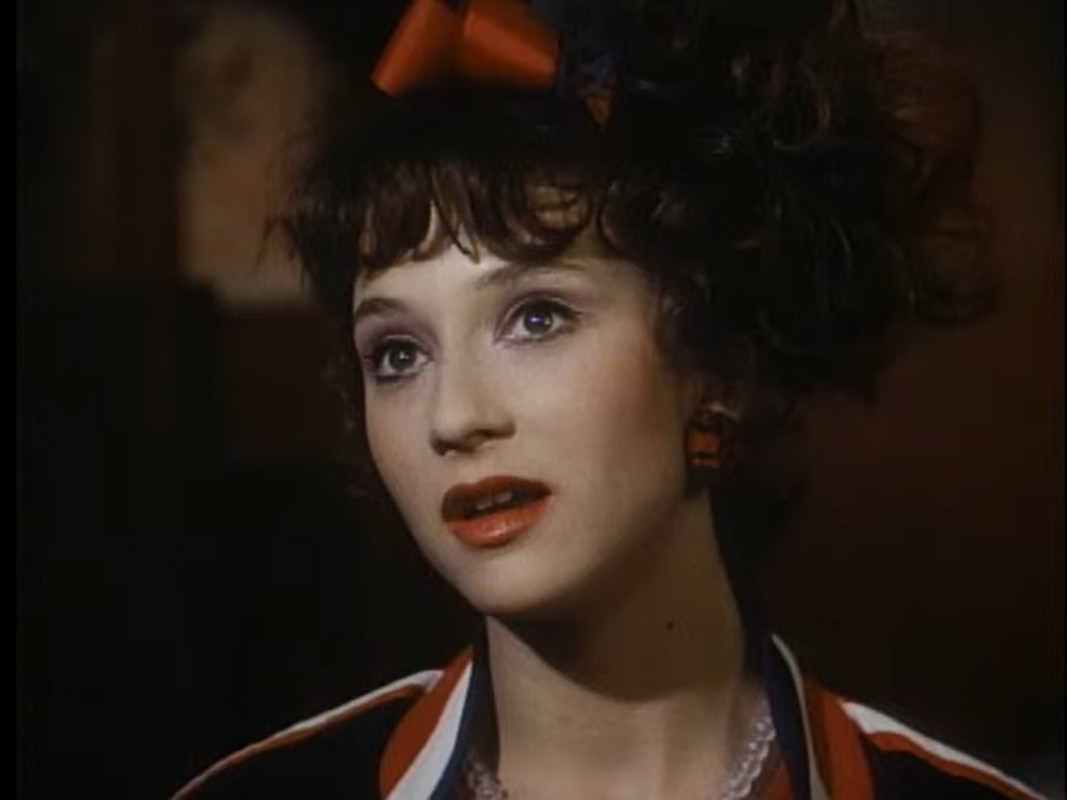
And he succeeded, apparently.
- Background
The episode is set in Hollywood, as immediately cleared out.
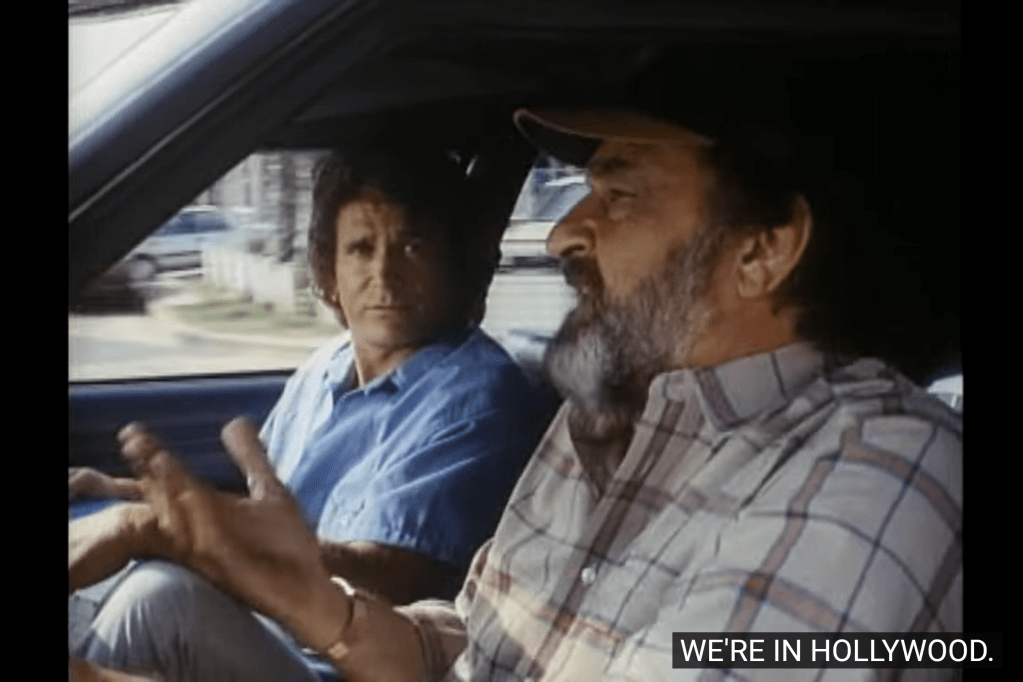

As if they hadn’t done already, considering all the time they have worked in Hollywood before (including Catch A Falling Star and The Brightest Star, just to name a few).
The timespan is seemingly a week or something, although it’s unclear. Instead the setting is in September, as suggested by the calendar behind an agent.
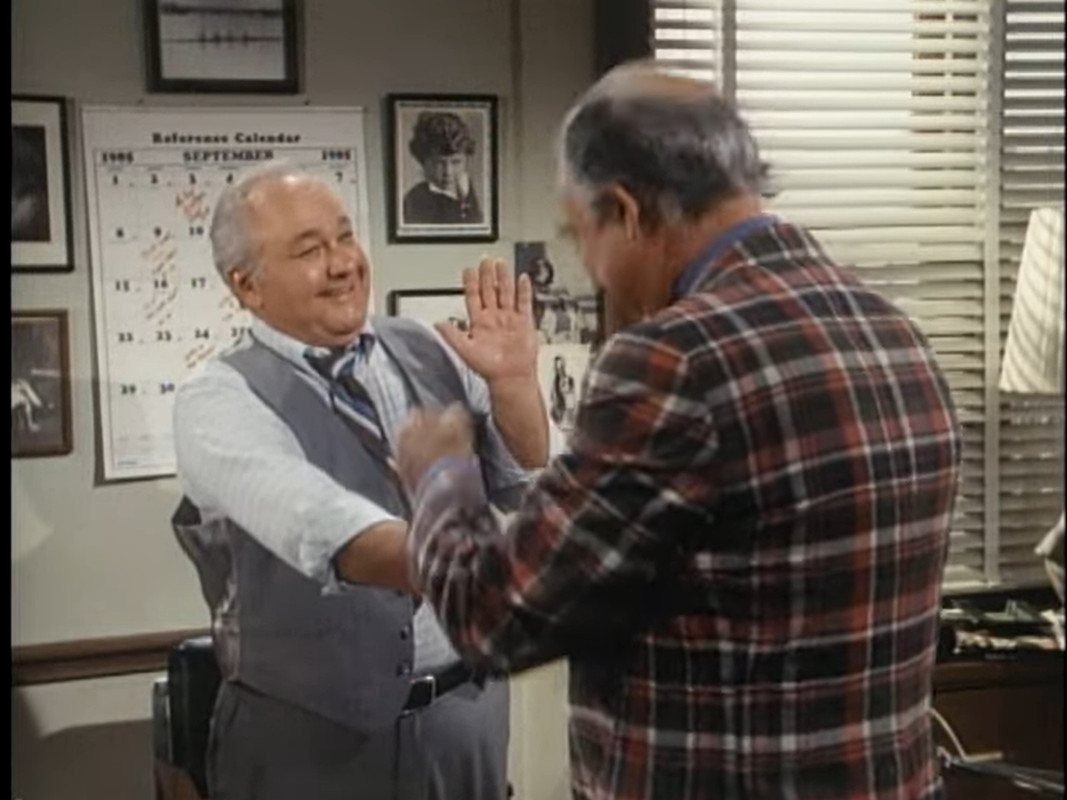
It’s unclear when the assignment of Bless The Boys In Blue took place, although it was likely September. In that case, it is possible the assignments are consecutive and, considering both episodes take place in Hollywood but just here Mark is complaining about going to some sights, it is possible Cindy takes place immediately before the cops one.
- Character
Now, the character of Jonathan acts very oddly in the episode. First, at the beginning, he only orders Mark to go working at some grill, without saying a word about the assignment. Fortunately, Mark is quick on the uptake and, during his job, he understands that the assignment is Cindy, and not helping Mrs. Schtepmutter be a better person, for instance. Still, just leaving him with no indications is weird.
Then, at some point Jonathan randomly walks on set. Just like that. At least the security works now
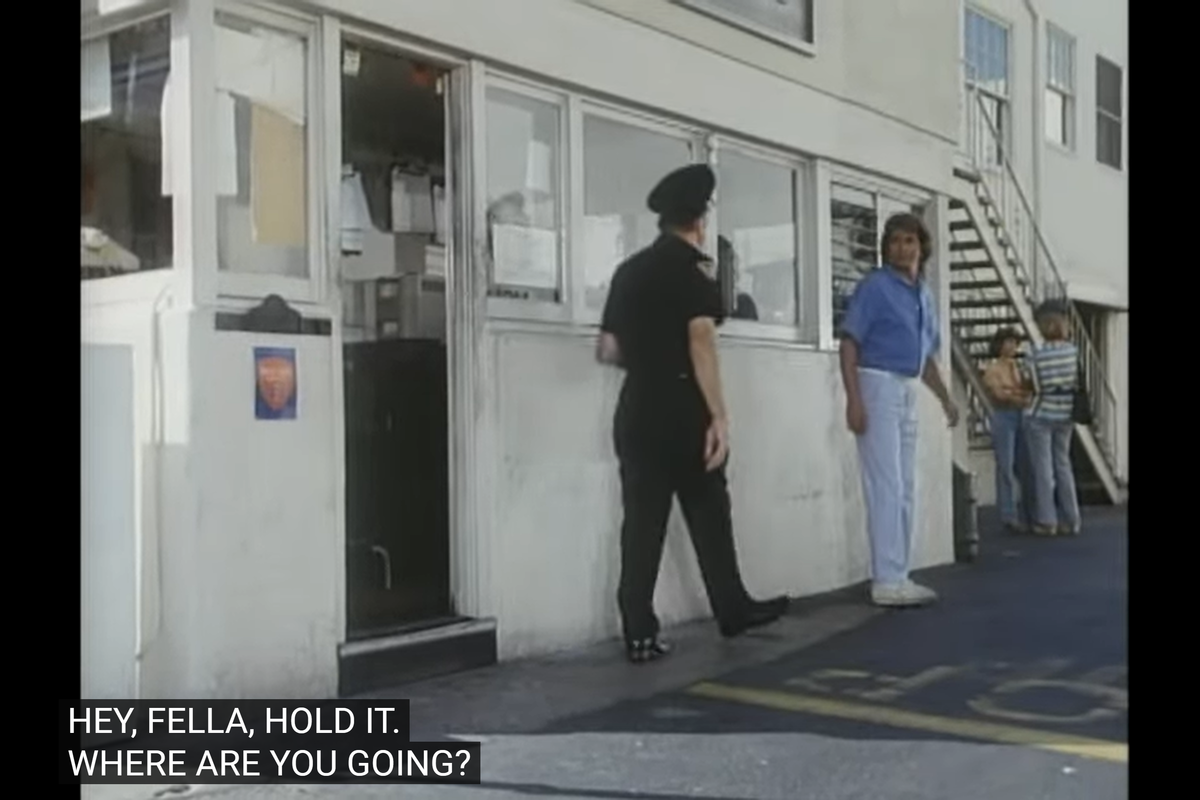
If that weren’t weird enough, he even replies his superior still has yet to tell him.
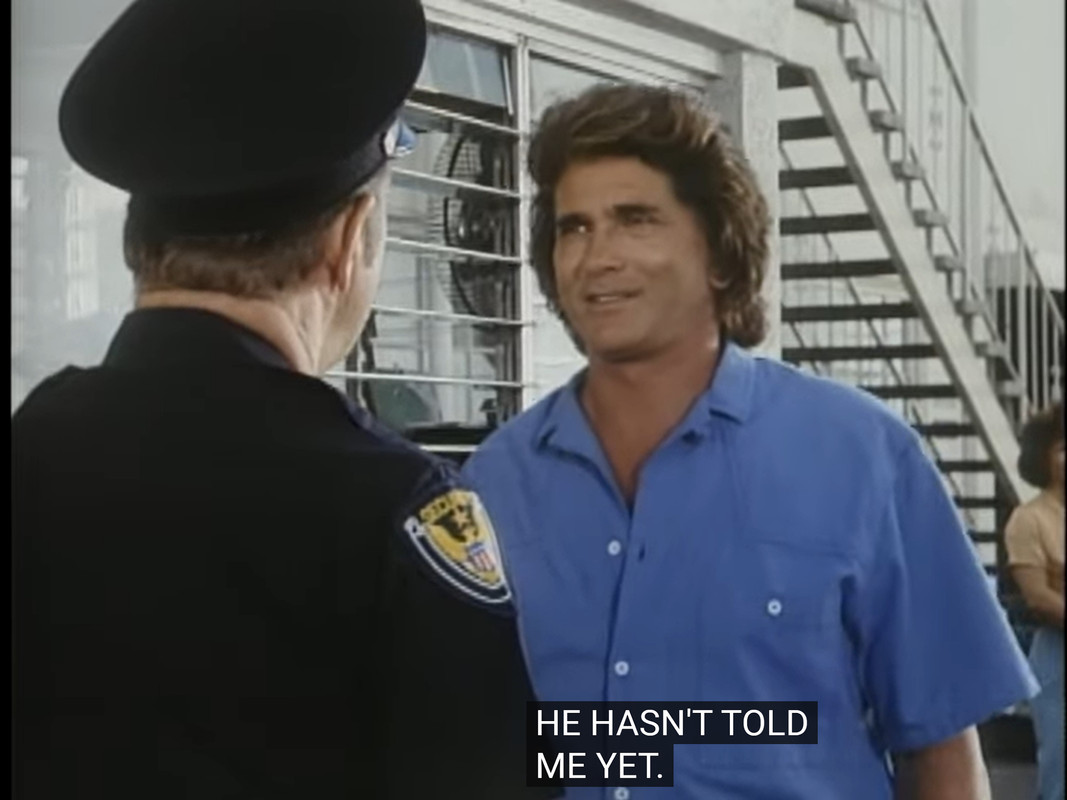
Now, what’s wrong with him. He walks on set, unsupervised, and when a guard rightfully stops him, Jonathan doesn’t even have any justifications for it. Why would he walk on set in the first place if he doesn’t know where he’s going; maybe he was waiting for a “sign” or something (like when he picked up the horse), but then he could have just used his powers to become invisible, avoiding getting caught. Or he could at least use his Sunday suit, which had already allowed him in old instances to walk on set unsupervised without having people asking questions because they assumed he’s a nice fella if he has a nice suit on.
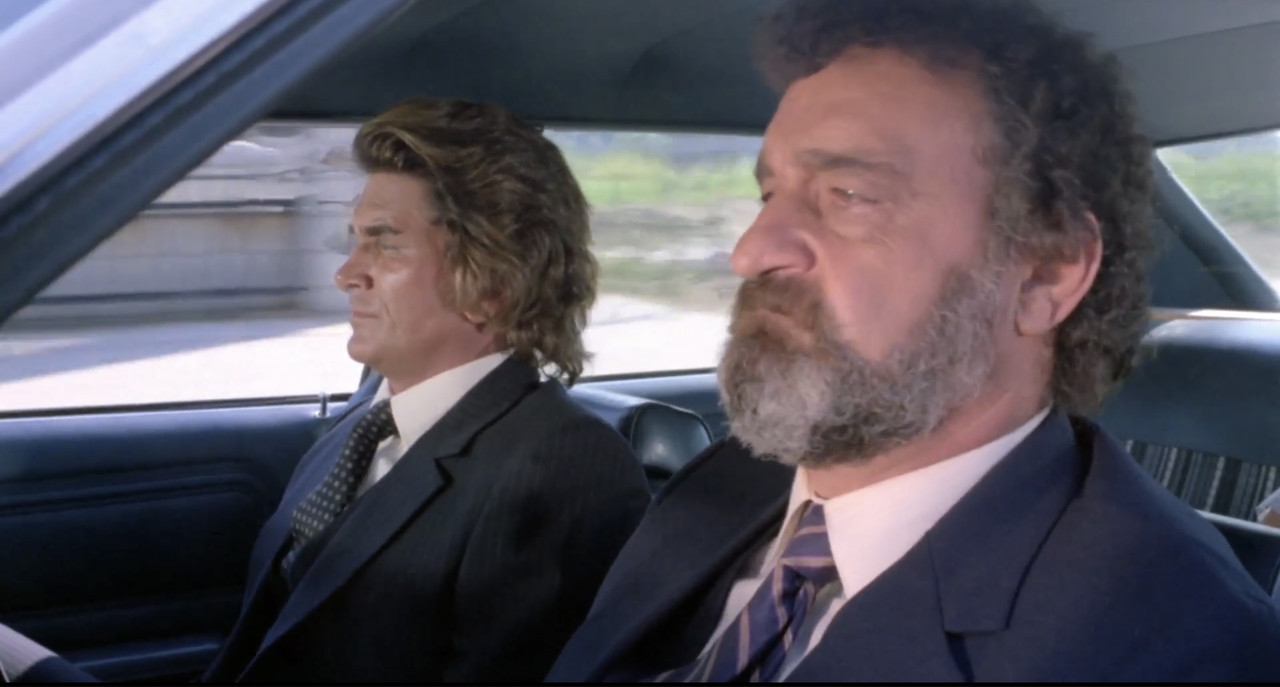
On that occasion, dressed up like that, he got anywhere he wanted to. Then, as soon as he came back to his regular clothes, a guard stopped him.
But the weirdest behavior is his general attitude towards Cindy’s father: first, when he gets invisible and tells him that he’s a good person.
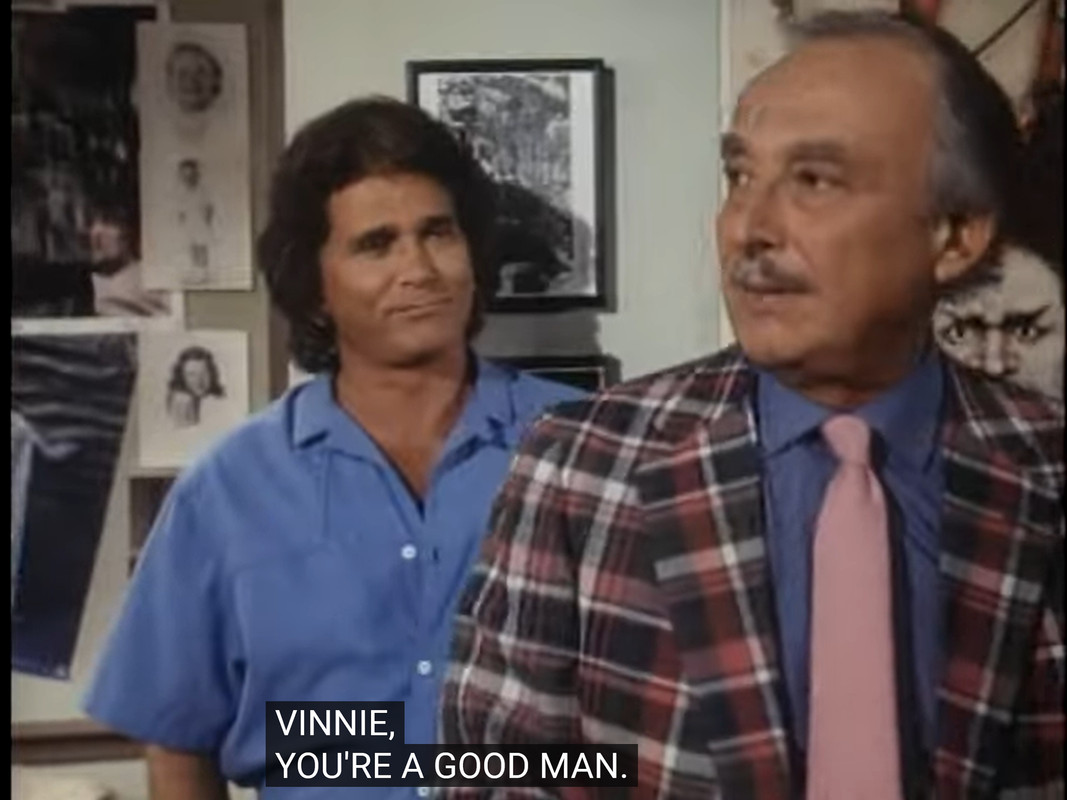
That’s so random, and he’s invisible except for Vinnie, so that has and no purpose other than making Vinny look crazy when he replies back and finds out nobody said anything — which is exactly what happens anyway.
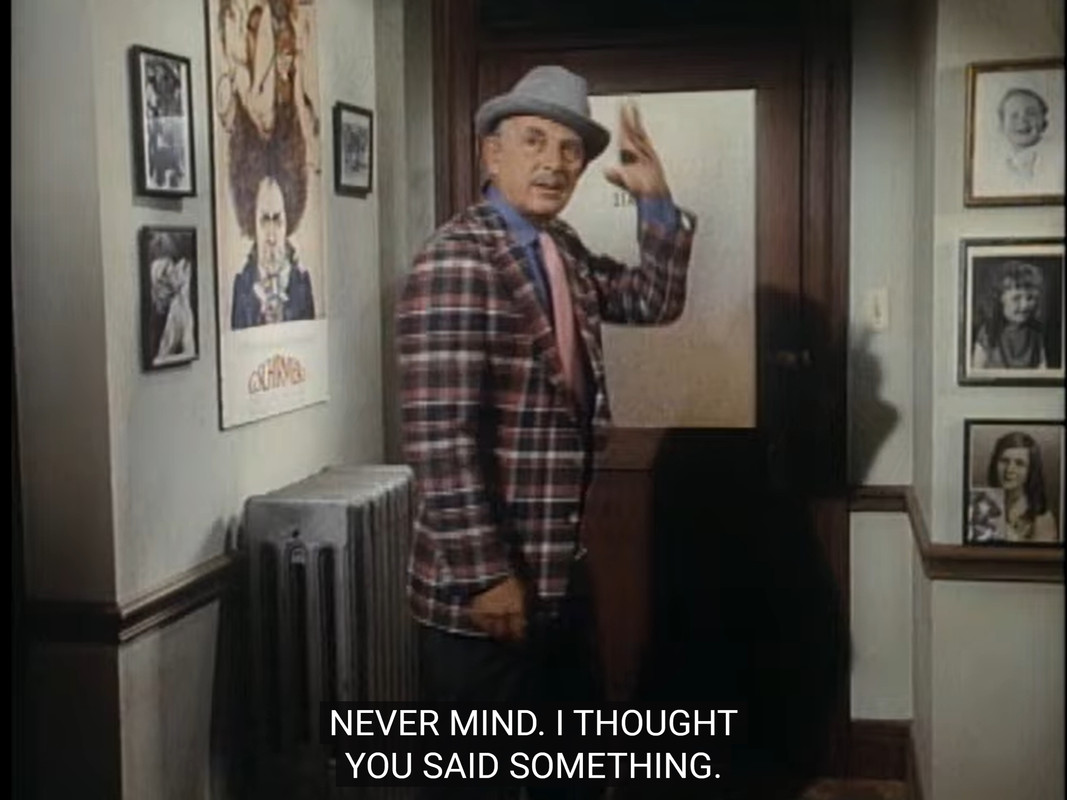
And then, of course, there’s the angel revelation: Jonathan telling Vinny his identity.
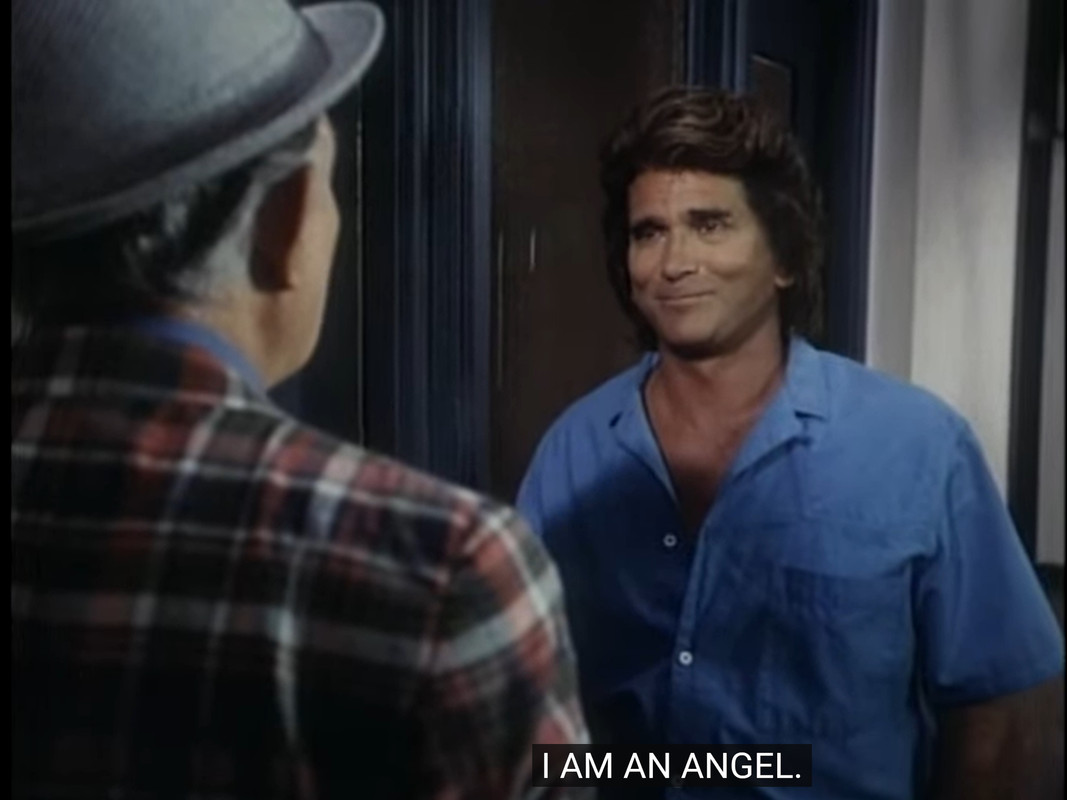
Like Petros Hadiar, supposedly.
Anyway, it’s the just the second time in the series, excluding the Pilot, in which Jonathan reveals his true identity as angel (see The Banker And The Bum for the first time). And it’s better to get used to it, because he’ll be doing that multiple times over the season. Apparently, in the first season of Highway, the angelic background of Jonathan was part of the premise but remained secondary in the assignment — Landon described the character in an interview with the Los Angeles Times, he’s just the “catalyst” that brings people together, and his angelic origin shouldn’t distract the audience from the purpose of the story, showing there’s another way. Instead, for the second season and third season, Landon overlooked that principle and decided to make his angelic biography as an integral part of the series, making countless “unrealistic” episodes where he ostensibly uses the powers to carry out assignments.
- Highway Actors
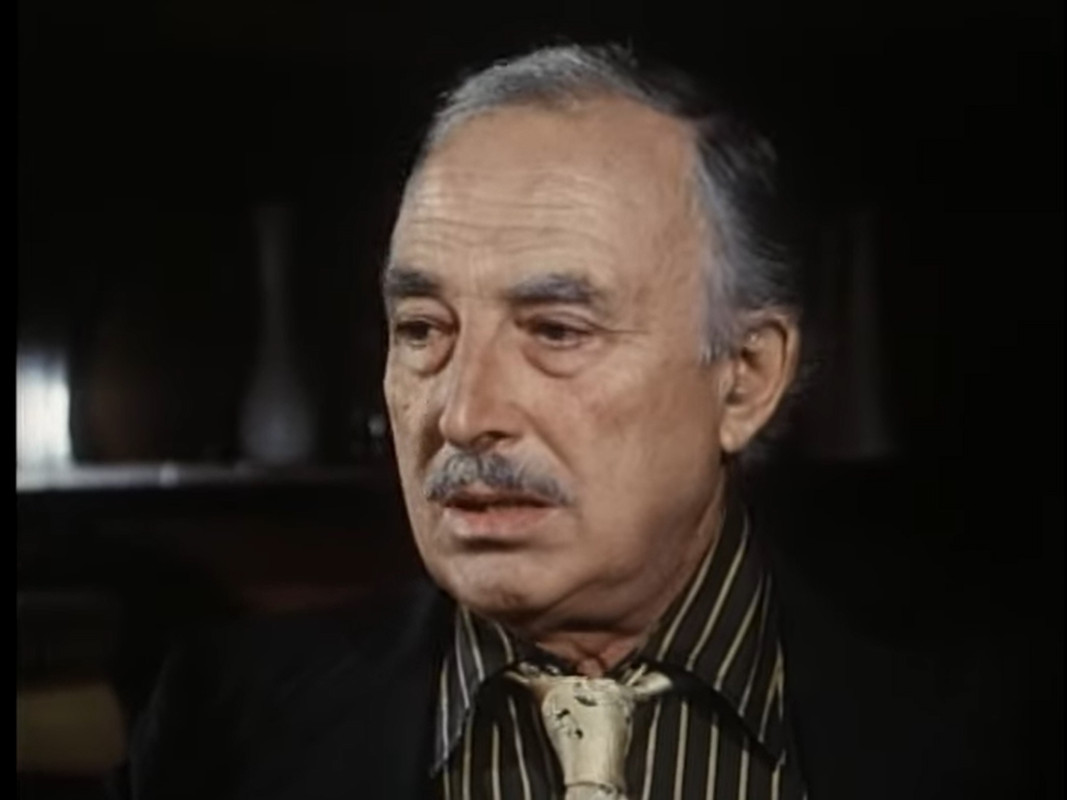
The character of Vinnie (Cindy’s father) is played by actor Bill Macy, who had never collaborated with Landon and French before, yet he is coming back in the fourth season.
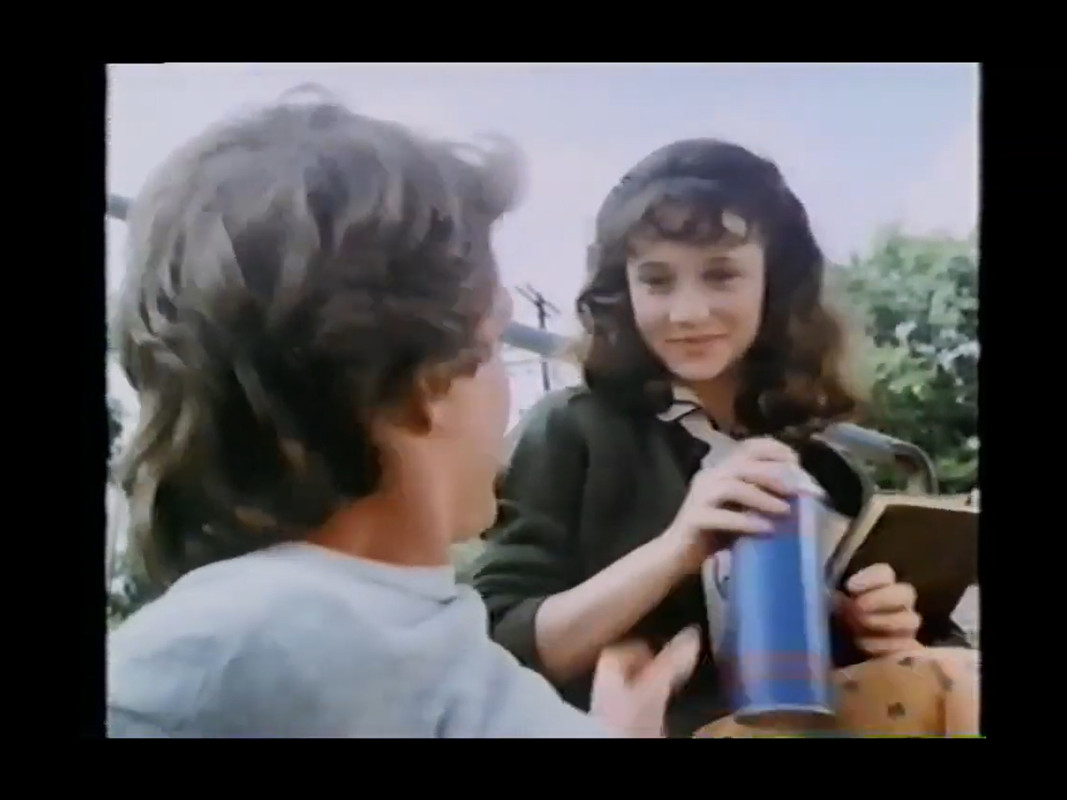
Someone who was already familiar with them instead is Hallie Todd, here playing Cindy, who had already worked with Landon for Sam’s Son, his autobiographical project released in 1984 (a couple of months before the Pilot aired). There, she played Landon’s girlfriend (actually, her surrogate).
- Production and Setting
Of course, as the episode is all about Hollywood, much of it is set there or Los Angeles as well. For instance, the final ball scene was produced at the Ballroom of the famous Ambassador Hotel, a renowned place in the early 1950s and 1960s for its exclusive facilities.
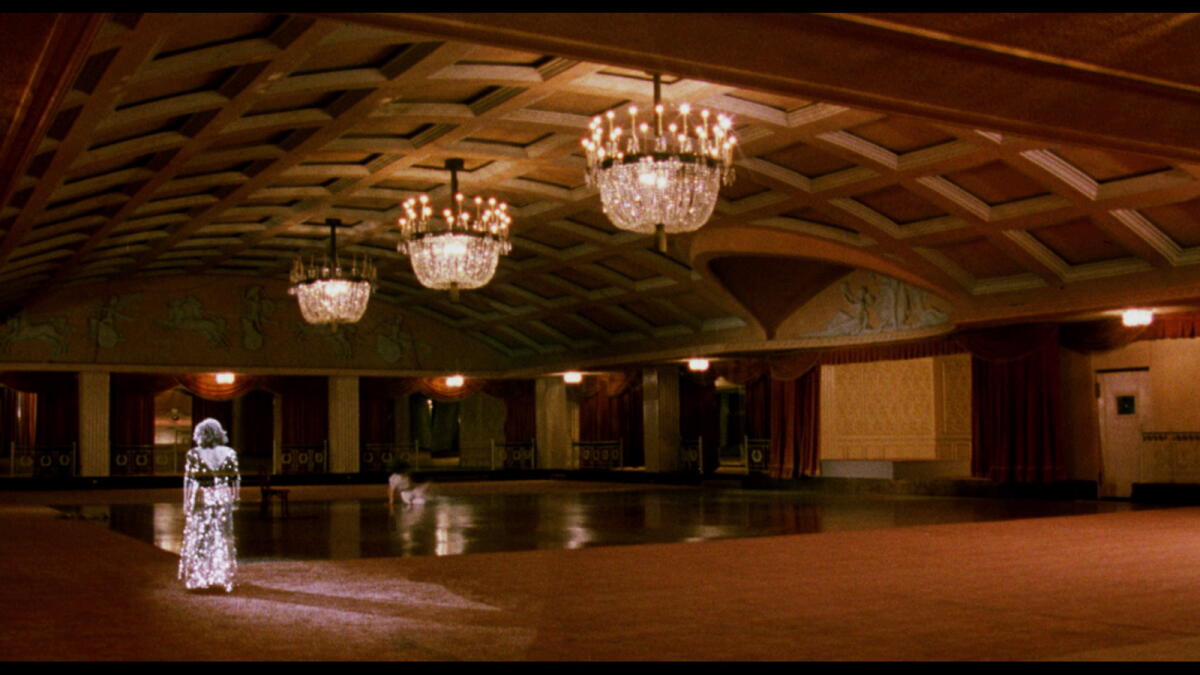
However, it then became sadly known as the place where Kennedy was murdered in 1968, which quite tarnished its popularity. From that moment on, it began decaying and closed down in 1989 eventually.

In 2009, it was converted to a school by Kennedy’s son.

It seems like Highway got a curse for that, as it’s not the first place that its production selected as location and that dramatically closed down later on: the same occurred to the Langham Huntington Hotel used for Hotel Of Dreams and, before that, to the Castle Malibu of A Divine Madness, both in the first season.
Also, the hotel will be used again for another episode of Highway by the fifth season, less than a year before the place’s foreclosure.
Anyway, not all the episode was produced in Hollywood nor Los Angeles: the first scene, where Mark is trying to see some “sights” but can’t find any, it’s supposedly set in Hollywood, but it was actually produced in Culver City. That explains why Mark can’t find any spots: he’s oi the wrong city. Or he bought the wrong map.
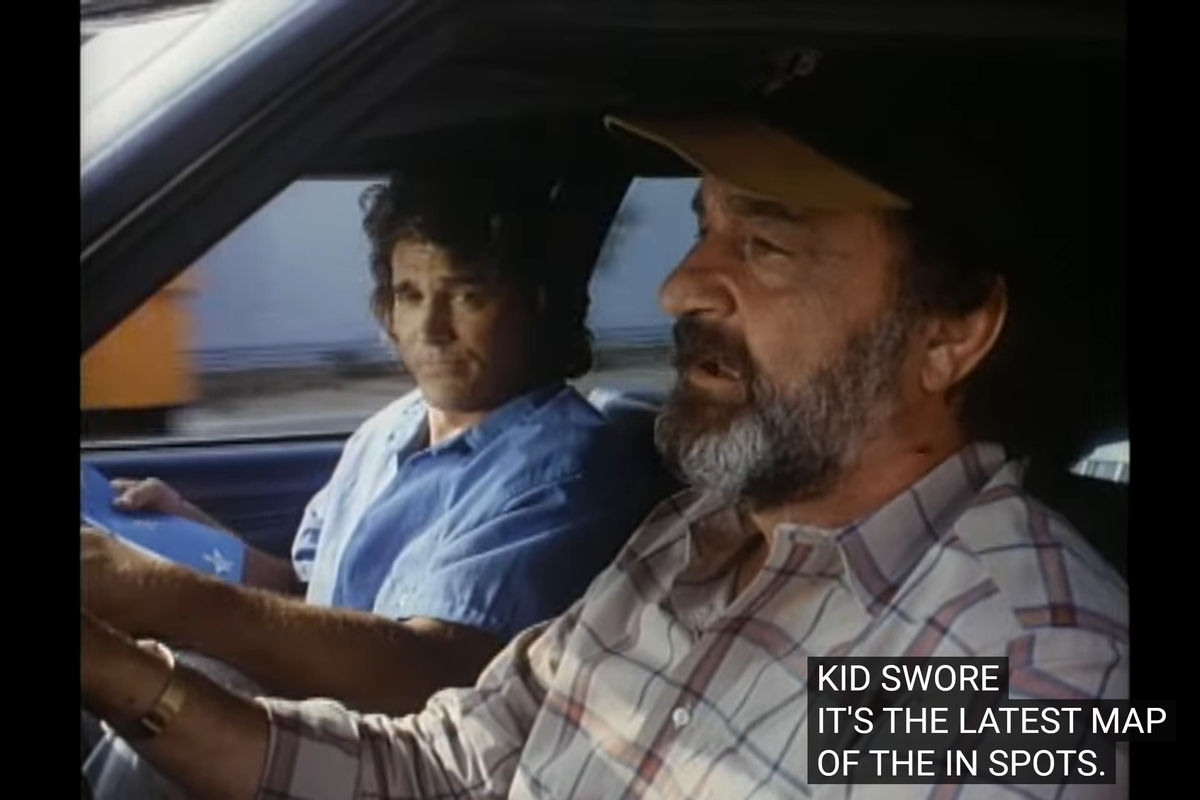
Of Culver City, maybe, including sights as the Landon’s Productions headquarter.
As for the production, the script was concluded on June while production began on August 8, immediately after the conclusion of Bless the Boys in Blue (without even taking a day break) and lasted one week, as usual.
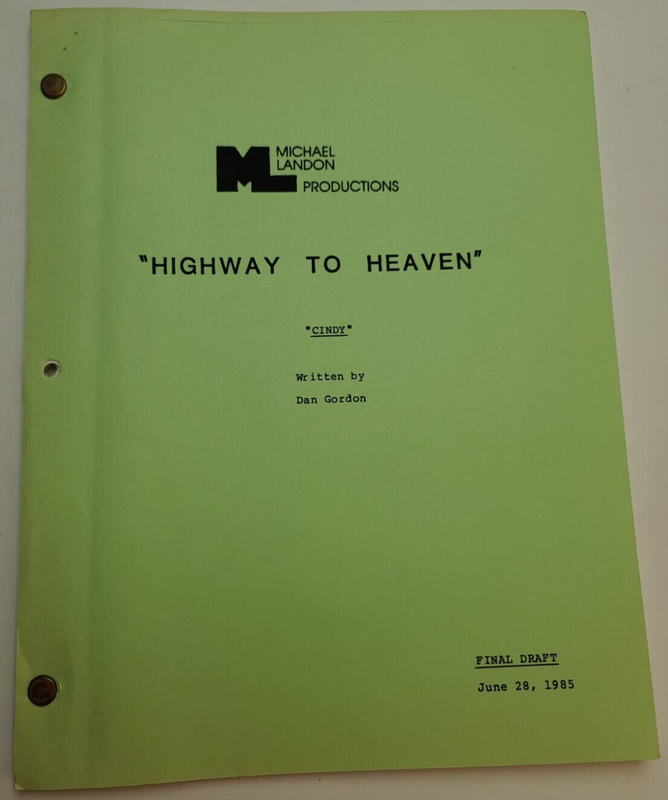
One curious detail: at the beginning of the episode, when Mark refuses to admit he was stiffed, he claimed to have paid five bucks for that map, but in the original script, he was supposed to say fifteen bucks. Either French couldn’t remember the exact line and made it up, or production told him to change it when they likely realized it was quite implausible that a map would cost that much.
Glossary
Angel Revelation: when Jonathan tells Vinny his identity. It’s only the second time in the series that happens. So, now, there are three characters knowing Jonathan’s identity: Mark (of course), Melvin Rich (from The Banker And The Bum) and Vinny now. There would be also Willy from The Banker and the Bum, but he died at the conclusion of that episode.
BBD: and the three issues are back. They started the season with a random bum, and now they moved to a different obsession. Following the angel revelation, Vinny believes Jonathan has some problems with drugs. It’s just a mention, and not part of the assignment, yet it’s so random that it feels like a way to force that problem in here.
Friendly Jonathan: one instance at the beginning, when he orders Mark to go work at a grill, and then disappears to avoid listening to Mark’s grumbling that he has to be the one stuck doing the grunt job while Jonathan’s never helps him.
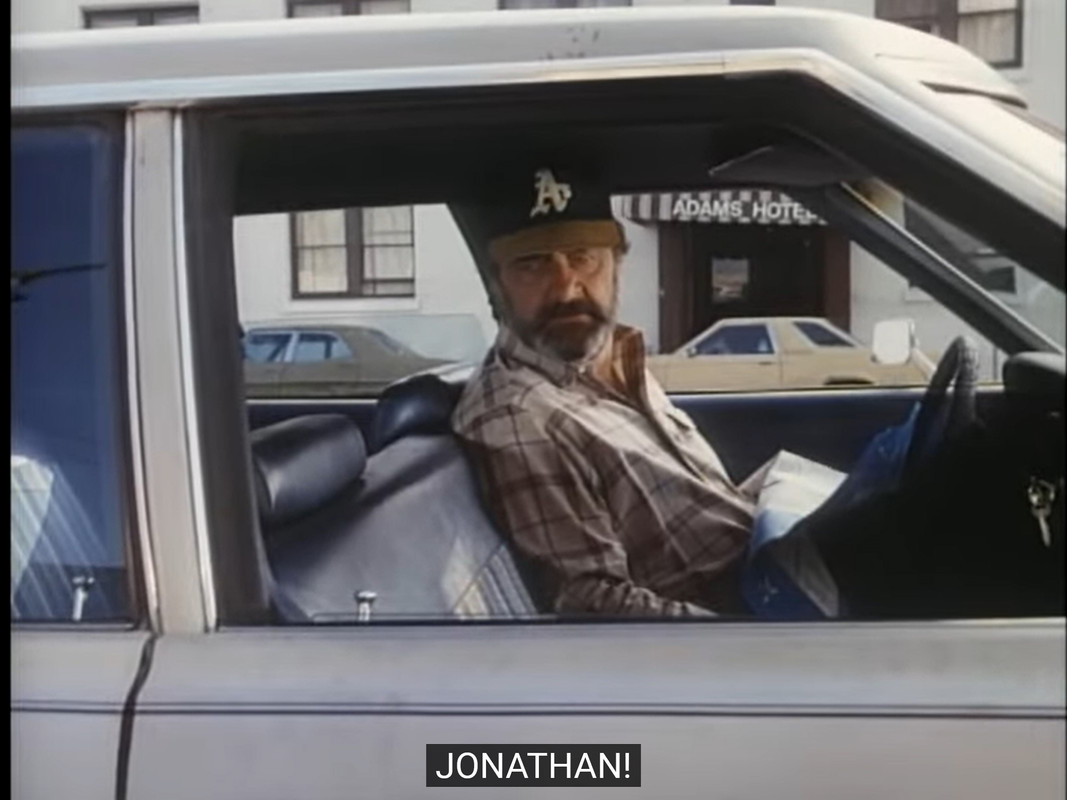
There is actually another instance, when Mark bought the map and Jonathan keeps on making fun of him because he got stiffed, while he could have just used the power to tell the map was outdated and prevent him from buying it in the first place. Or, he could have avoided him buying the map by using the powers to tell him where are the bets sights.
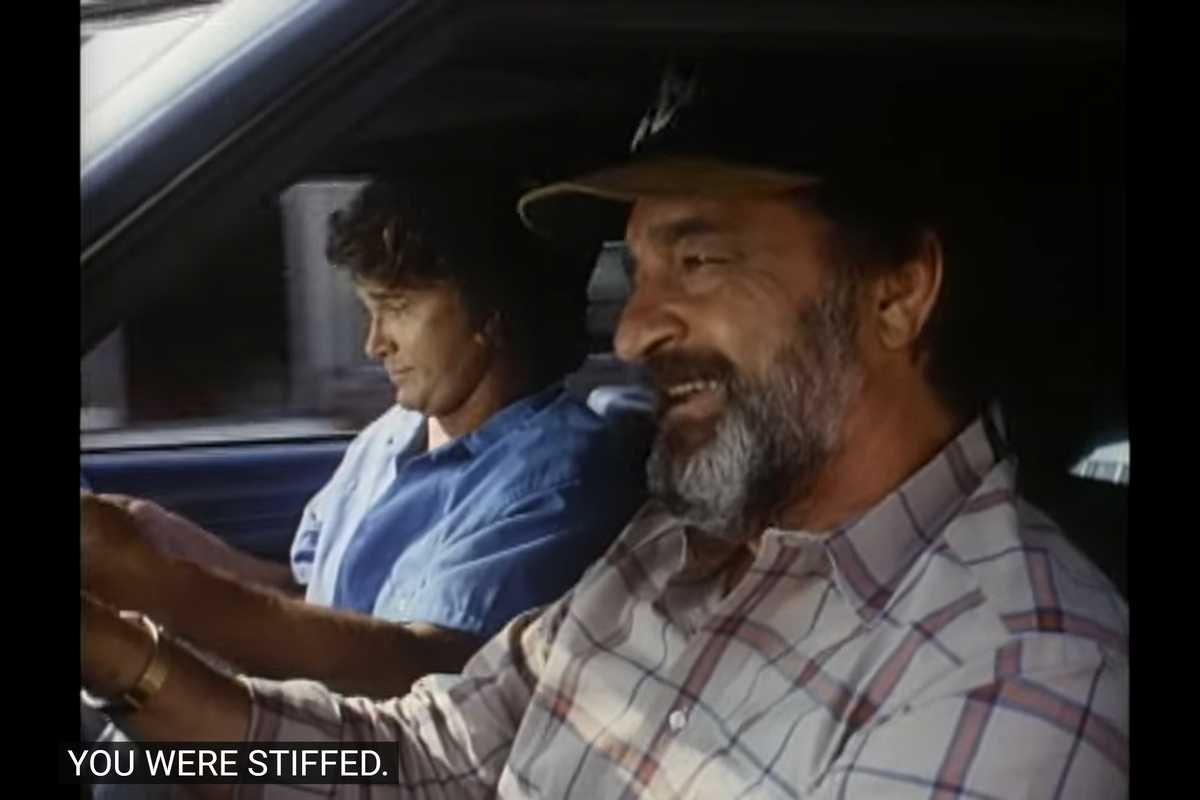
And you could have helped him.
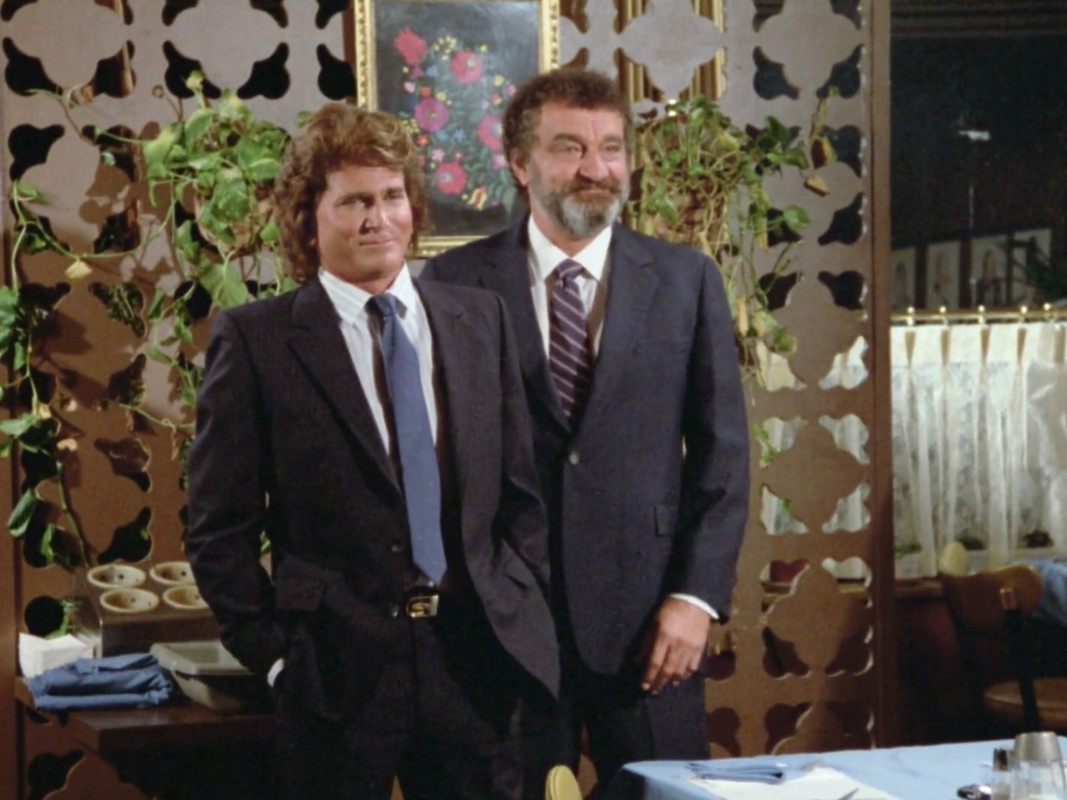
Sunday Suits: when Jonathan and Mark go to the ball.
Recycle: there are two recycles in the episode, both coming from the opening of Catch A Falling Star, and the same moment.
So, from this opening David Rose first recycled the composition and used it to show Cindy’s workplace here.
Then, later on, they even recycled the entire opening, yet with a different score now and cutting it short before getting to show the highway.
And it’s not that they made the scene twice: you can clearly see the cars from the highway are the same.
So, an episode featuring a double recycle from the same scene of another episode: that has never happened before (the closest they got to that was in One Winged Angels, but at least the recycle came from two different scenes then).
At this point, considering the double recycle from the same scene, it’s unclear whether even the score from the second “Hollywood sign” part was actually composed for Catch A Falling Star but wasn’t used then and Rose used it for Cindy now. Or maybe the score was directly composed for Cindy because he thought recycling exactly the same scene leaving even the same score maybe was too easy to find out.
Landon Mechanic: when Mr. Prince’s car breaks down and he offers to fix it.
Ratings: 32 million audience, 18th tie weekly TV programs, 5th TV genre show.
The episode aired on October 23, skipping Highway for two weeks in a row for the 1985 MLB games. That partly explains why the episode suffered compared to its immediate predecessor (which got approximately six million more), as in general, when a TV series airing each week skips one for any reason (excluding the Holiday breaks), the first episode to air is always disadvantaged in ratings. Also, that same day there was the baseball World Series, which on 1984 aired on NBC (and forced Highway to skip one week), while on 1985 moved to a different network.
Thus, combining the one week skip with the overlapping to a major sport event, it’s easy to see why this episode’s ratings couldn’t keep up with the two episodes before it. However, exactly because of that, it’s even more impressive to realize that it achieved that ratings, the same as A Song For Jason Part One, and still more successful than many programs airing that weeks (and of most episodes of season one, for that matter). Again, it would take some weeks to get to the same level as the earlier episode, but the second season already got off on the right foot.
 Highway To Heaven Cast
Leave a comment