
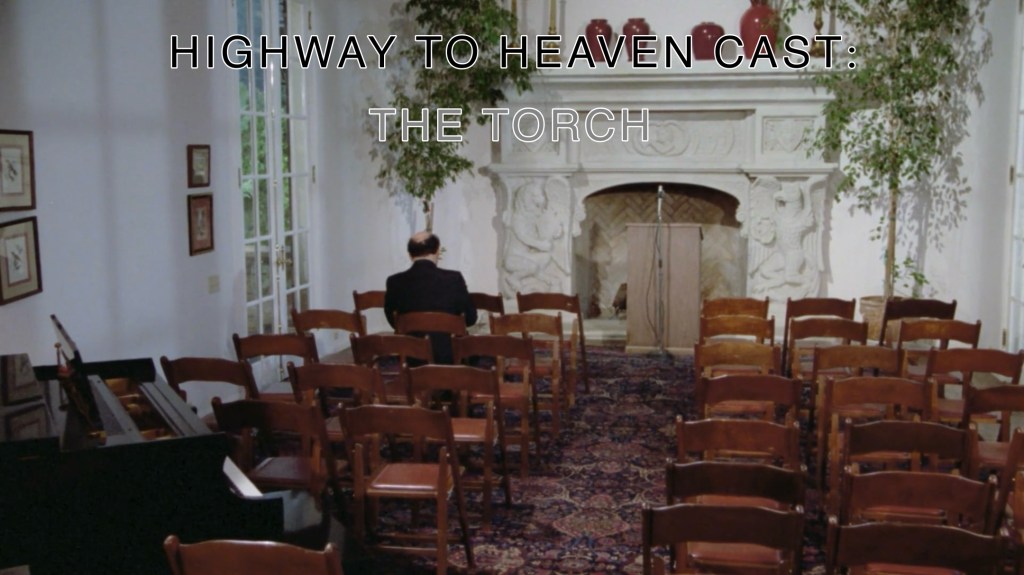
Airdate: 03/12/1986
Directed By: Michael Landon
The second season is drawing to a close, and the show has taken on a very challenging assignment. If the predecessor episode was already much relevant today, this one certainly is even more so. It’s likely the least “whole family” episode of the entire series in terms of its subject matter — and the gritty, uncompromising depiction of it. Definitely not for youngens.
Complete show available here.
Assignment: Jonathan and Mark are assigned to help a Jewish activist deal with a group of terrorists.
The assignment is quite heavy: it’s about religious intolerance, racism and supremacy. While Jonathan and Mark work as paramedics, they receive a call by a man who is suffering from a heart problem, and they learn the man is Everett Soloman, a Jewish Death Camp survivor who has now become a prominent advocate for world peace and spokesman against antisemitism.
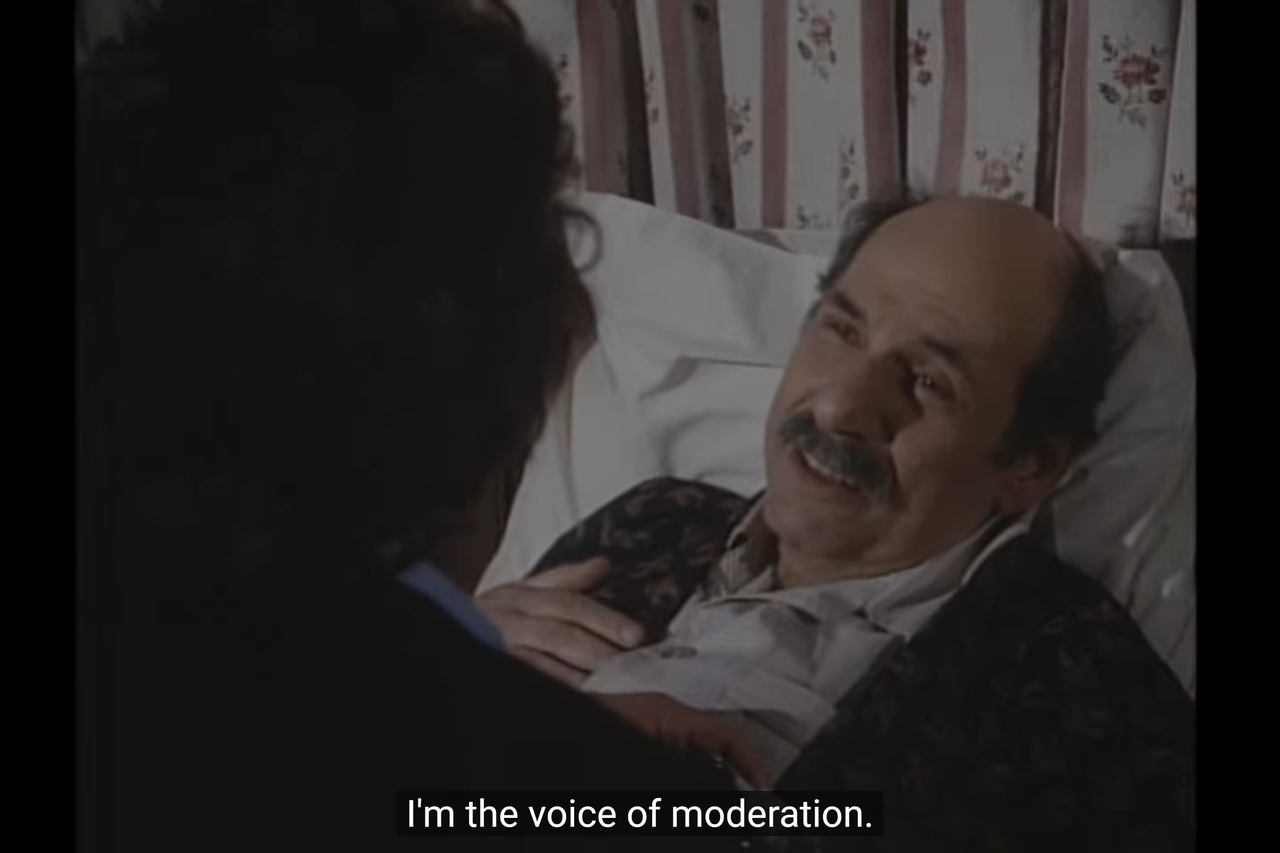
Jonathan and Mark, as part of their paramedics job, need to stay with him and make sure he’ll be alright for an international conference due in two days.
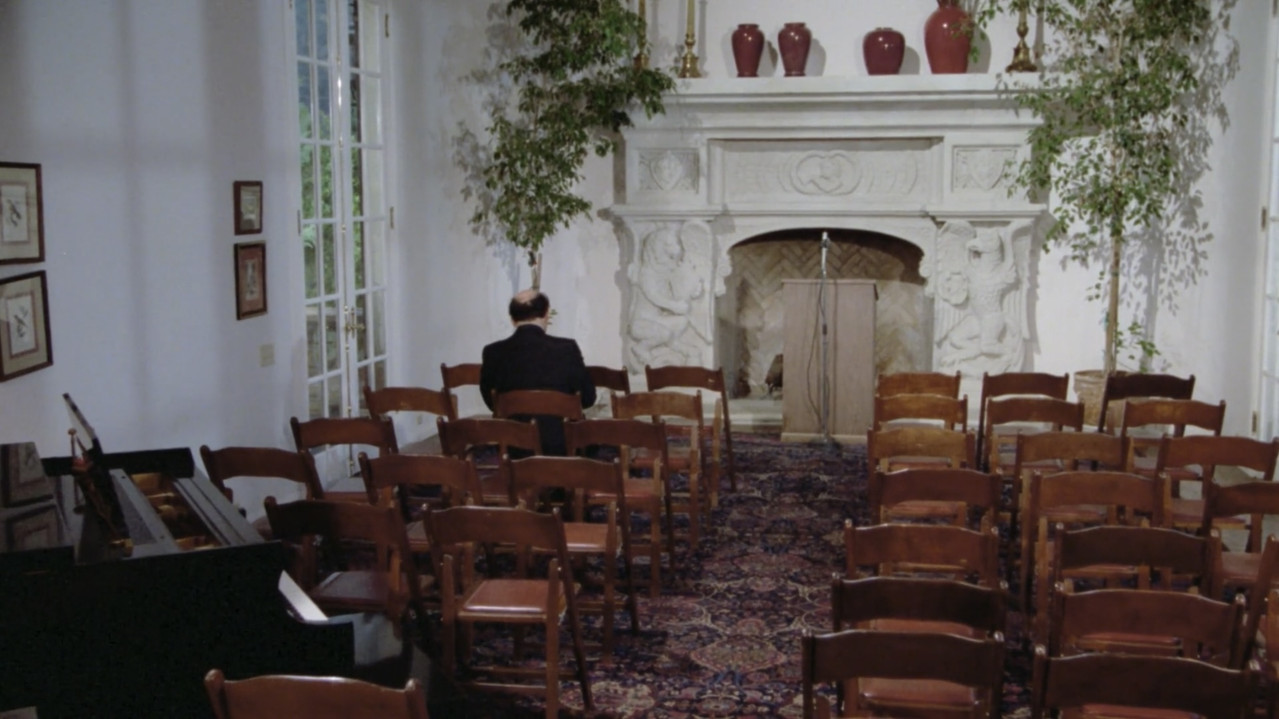
However, at the same time, the Neo-Nazi leader of an antisemitic group who despises Everett and Jewish people, is planning to make his own conference the same day.
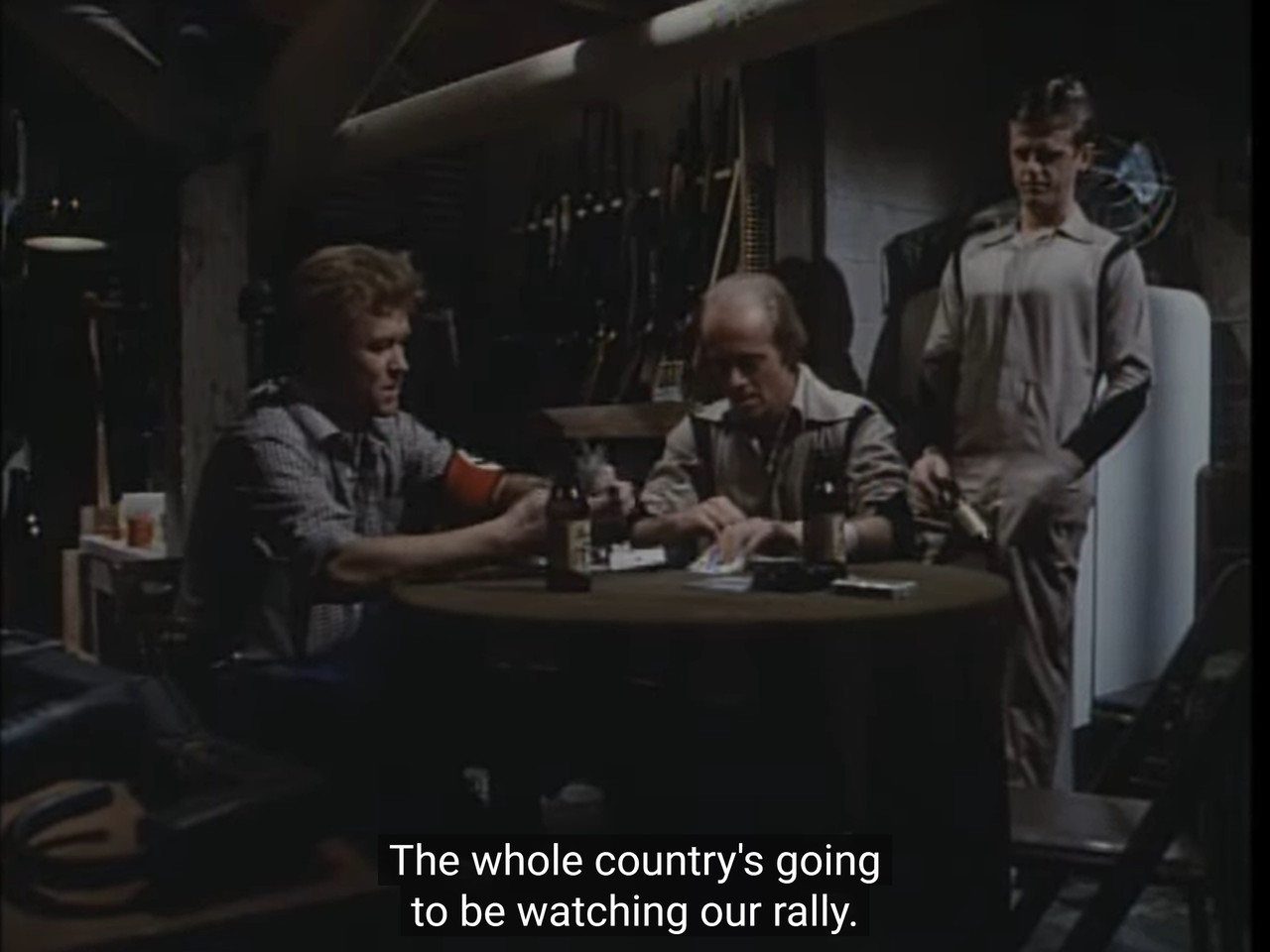
Actually, Jonathan and Mark are not required to get that Nazi straightened out, but to protect Everett from any dangerous threat by that fanatic group.
- Background
The background of the episode is unusual for many reasons: one, is that it uses a real context, but it’s not based on a true story, at least entirely. Apparently, the Neo-Nazi movement in the episode is revealed to be called “The Order”, the same name of a white supremacy group that operated from 1983 until 1984, when their leader Jay Matthews was killed in a raid upon declaring war to the US government. Actually, they changed the name of the characters (the supremacist is called Jan Baldt in the episode).
Also, they never even reveal the name of the group as “The Order” until later into the episode, when a TV anchor reports it while breaking the news of a shootout at Baldt’s house — and that’s literally the only reference to the name. So, neither Baldt nor any other characters of the episode ever mentions the name of the group before that scene, nor they mention it again later.
But that’s not the only mention to that group or to real events in the episode: at the beginning, during a TV interview, Everett is asked to explain the reason behind the recent, alarming rising of Neo-Nazi movements.


And, to this answer, the TV anchor brings up some Gary Yarbrough to exemplify what Everett is talking about. That name is not a random one: Gary Yarbrough was a white supremacist active in the 1980s and a member of that Order group; then, in 1985 (one year after the dismantlement of the group), he was arrested for assaulting three federal agents, and was sentenced to 25 years — although he remained in jail longer, until his death 33 years later.
Now, in the episode, that name is just mentioned once in that interview and never again, and it’s even left in the background — upon mentioning it, they immediately divert to Jonathan shouting at Mark to wake up and watch the TV with him, and their voice overlaps with Everett’s answering what he thinks of that man. So, it’s really just a quick reference, and nobody mentions that man after that, the same way no character directly involved in the assignment reveals the name of Baldt’s group.
It seems like they wanted to make references to those real events, yet only indirectly; maybe it’s because the real story of that group was still too recent (it had occurred just two years before this episode aired) and hurtful to some, or maybe Landon didn’t want to talk about those people on primetime TV (something like refraining from showing criminals pictures on the news), to avoid making them look famous or important.
Actually, the only direct reference to a real event is at the beginning, when a friend of Jan Baldt sends a threat message to Everett’s house.
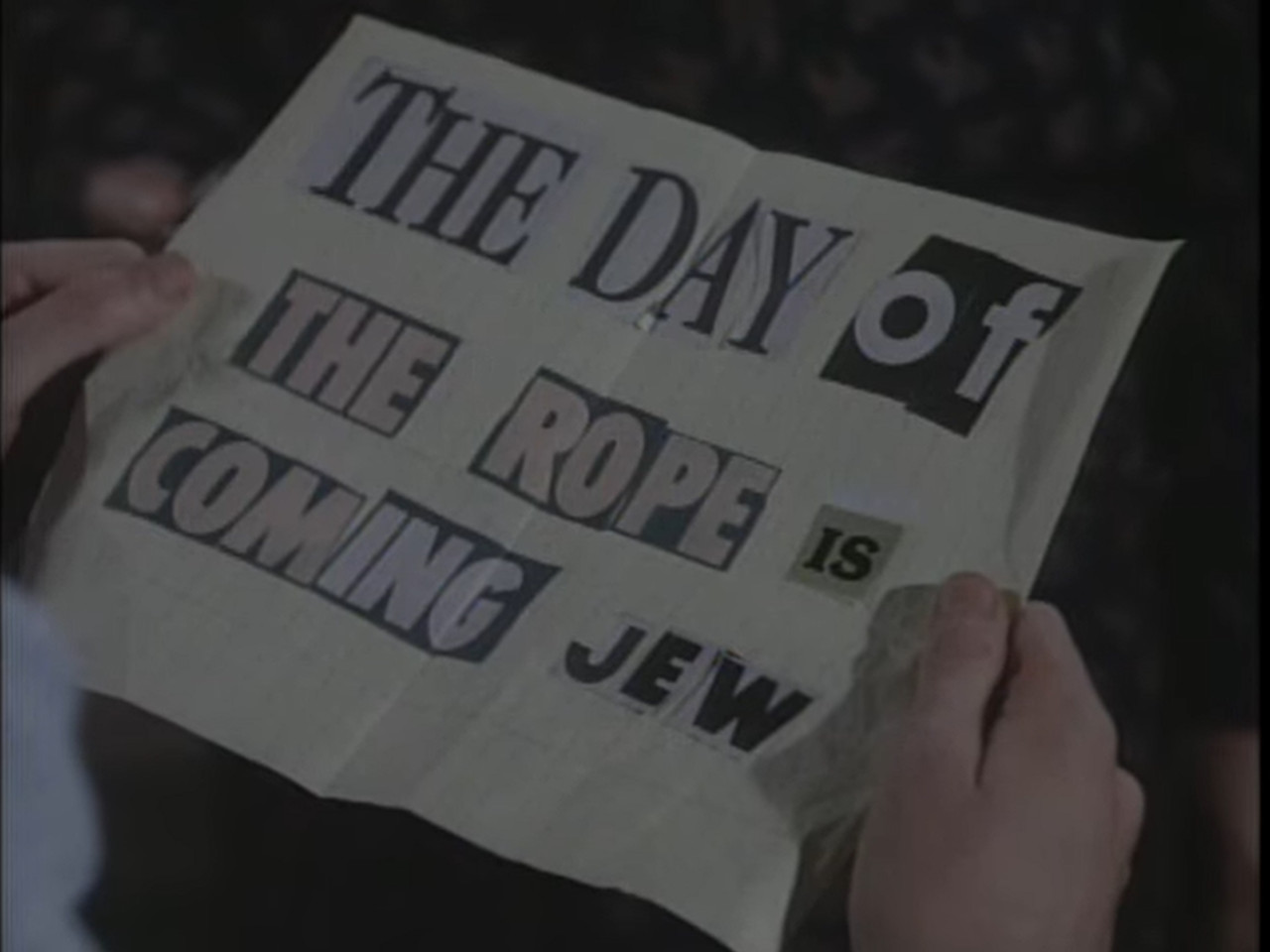
As then explained in the episode by Everett’s son to Jonathan and Mark, the threat is a reference to a real 1970s dystopian book, “The Turner Diaries“, about a group of white extremists who organizes a revolution to wipe out all minorities and perceived “white traitors” of the world — and the eponymous “day of the rope” is the conclusion of the book, when the supremacists conquer the country. Of course, it was not written by Orwell, nor it was meant to follow his intention: actually, the very same Order group apparently took inspiration from the book, as well as other terrorists with a similar ideology behind. But the references to this book are the only, direct ones of the episode to a real context: the rest is mostly a background connection.
Either way, it’s the second time in the series an episode is set on a real context, yet it’s not directly based on a true story: the first time was Popcorn, Peanuts and Crackerjacks using the real Toros baseball team as the context for an otherwise fictional assignment. There are also episodes of the series that are entirely based on a true story — not like this episode, which is set in a real context and just occasionally makes references to real events but it’s actually a fictional assignment (more details about the episodes based on a true story or episodes making references to a real setting here, at the “True Story” entry, the last one).
Anyway, as for the rest of the background in the episode (besides the real context), it’s unusual because it’s unclear: in the assignment, Jonathan and Mark work as paramedics when they are called by Everett’s son.
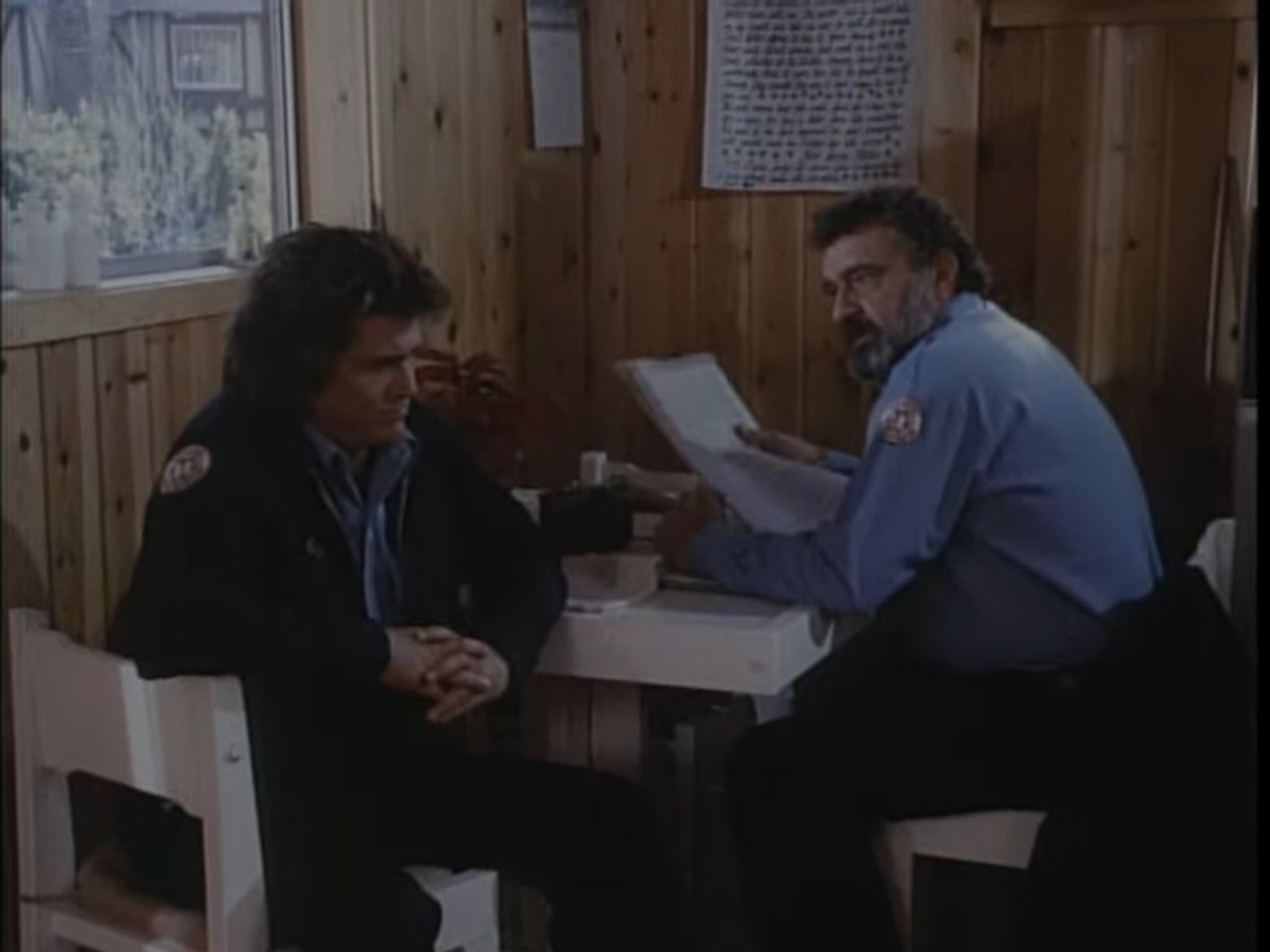
But for some reason, the episode skipped the part where they are driving somewhere, talking about something that is somehow related to the assignment, and then getting the job through Jonathan’s references (as it has happened on almost every episode of the season so far). Rather, now it begins when they already have the job (similarly to the way the very early episodes of the series began in season one) — making it difficult to figure out when it takes place, and how it is weaved into the rest of the season.
Also, the Summit episode’s setting was uncertain (though likely on the East Coast), while this episode takes place in California (actually, there’s no explicit information given, but California is generally assumed as the backdrop in these cases).
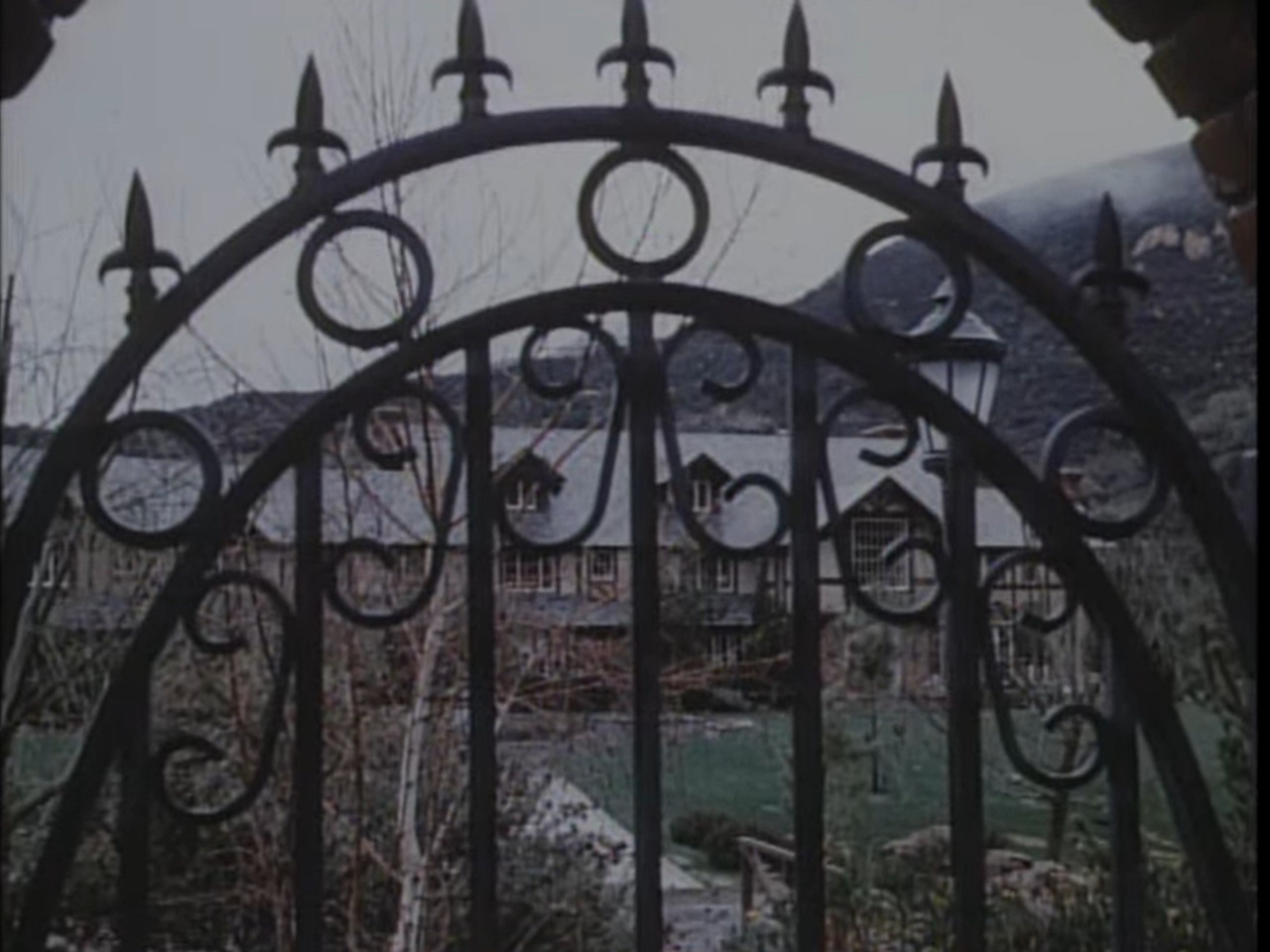
Very L.A. like.
This implies that Jonathan and Mark have returned to California, and must have taken some time before starting their paramedic roles. Of course, it’s also possible this episode occurs earlier in the season — it wouldn’t be the first time an episode is out of chronological order compared to the airing one within the season (more details about it at The Assignments and Episodes list, at the “Assignment’s Order” entry).
The timespan is the usual one or two weeks: there are two days to the peace conference at Solomon’s house when Jonathan and Mark first meet him, and then the time it takes him to recover when he’s at the hospital, making the timespan of ten days reasonable.
- Characters
The attitude of the characters, particularly Jonathan, is very weird: it seems like he’s particularly drawn to the subject matter, yet there’s no particular reason for it. At the beginning, he’s watching the TV interview to Solomon, and wakes up Mark to have him listen to that.
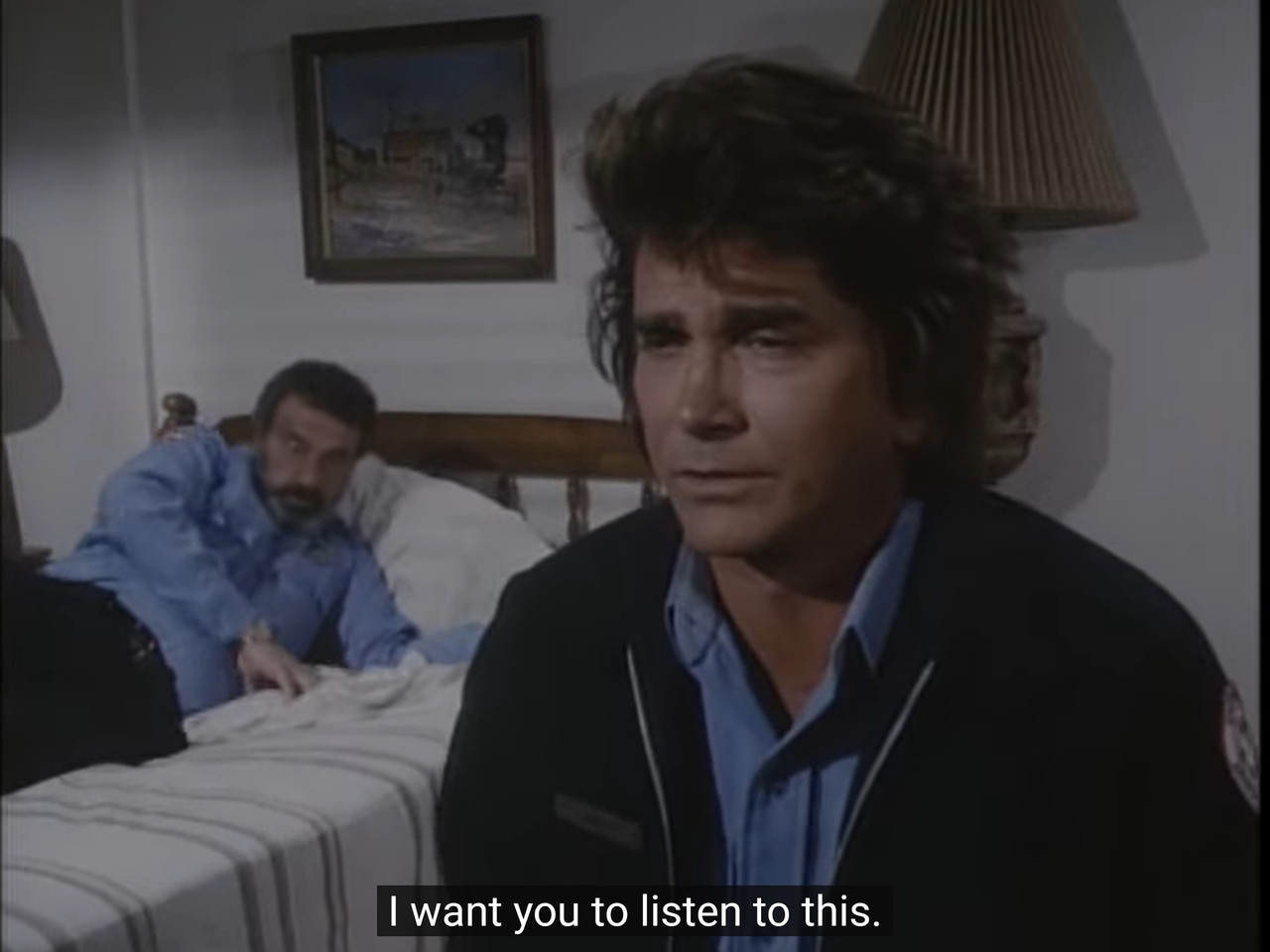
That’s incredibly random: it’s as if Jonathan has always admired Everett and has known him as a prominent activist a long time. He seems so much involved in that figure that he has to wake Mark up and calls for his attention to Everett’s speech. Yet Jonathan has never talked about Everett before, nor has ever been shown watching television alone (for that matter), as he usually reads while Mark is asleep.
Also, Everett is introduced as “one of the world’s foremost thinkers,” who frequently speaks publicly against antisemitism; thus, it’s unlikely this was his first televised speech. But then, why Jonathan feels so compelled to listen to him, and forces Mark out of his sleep to listen to him as well. Unless Jonathan has always done that and never missed any interview to Everett, but they just hadn’t shown it on any episode. Yet, this relationship between Everett and Jonathan feels more like those episodes of Little House which randomly introduce a bunch of characters implying they had been there all along, even though they have actually never appeared before — and when the episode ends, it’s implied they stay around, though they are never seen again.
Anyway, the way Jonathan reacts in the episode is similar to his attitude towards animals, like when he worked on that assignment about pollution that was improvised just because he cared about that matter. But later he began eating animals.
- Production and Setting
The episode was produced between late January and early February 1986, although the exact dates are unknown (possibly it was around the same time as The Banker And The Bum one year earlier). It was written by Lan O’Kun, his second of the series; and maybe that’s why it is so unusual in Jonathan’s behaviors and in its heavy atmosphere (he’s probably the only recurring writer of the series that made some of the most bizarre episode, even without being a highwayman). Instead, as for the setting, it’s all in Los Angeles, on various neighbors: for instance, the extremists’ conference takes place at the Los Angeles City Hall, not a fictional set.

Curiously, the school attended by Everett’s son Joseph and his friends is actually a Middle School, the Joseph Le Conte one.
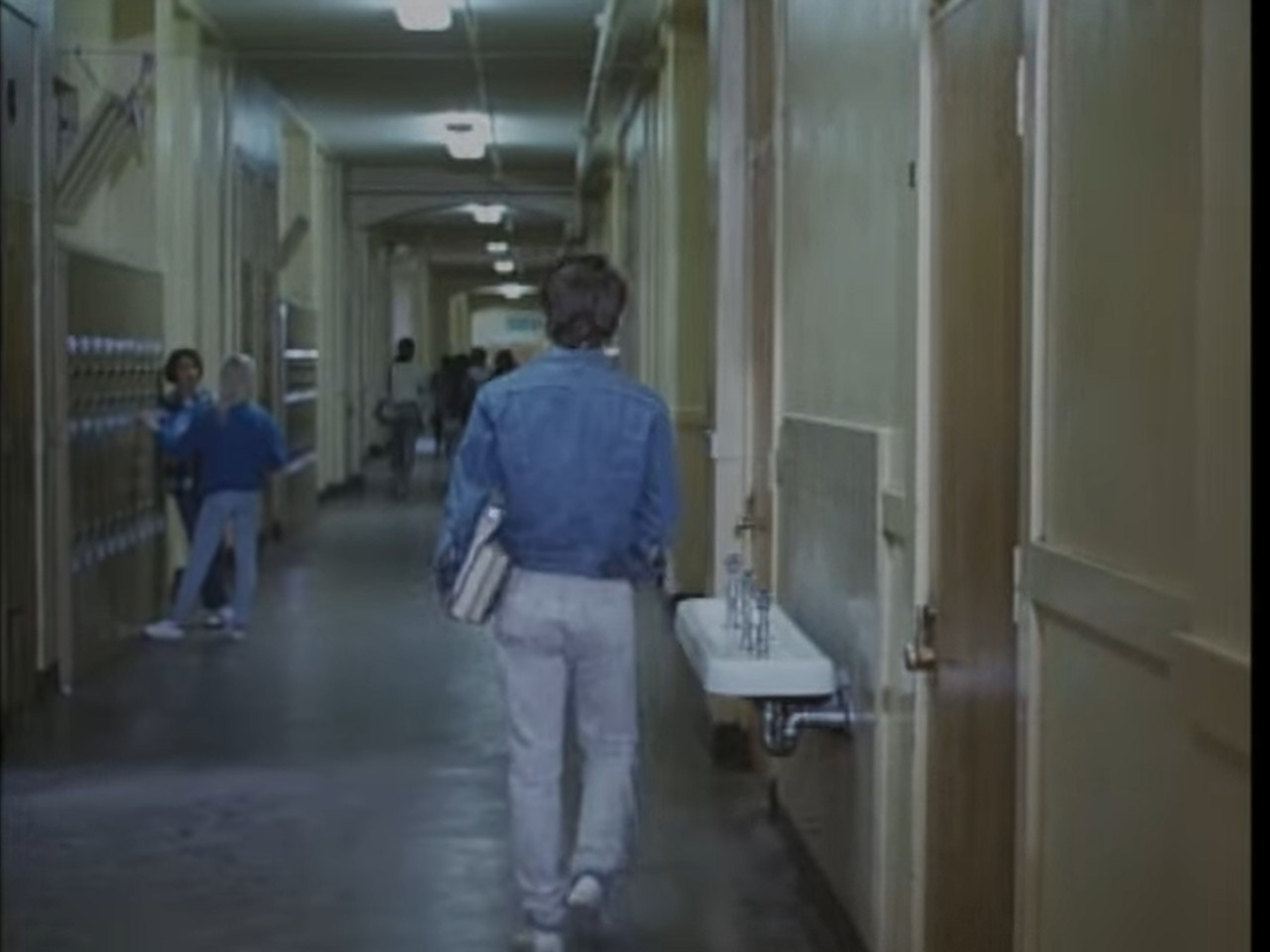
As if those actors didn’t look too old even as University students.
- The “Stuff”
About the Stuff, there’s an odd moment: when Joseph doesn’t come back from school, Jonathan and Mark sense there’s something wrong.


So, they immediately leave to find him. But Jonathan could have used the Stuff to get there immediately (the power of vanishing and appearing in different places has already been unlocked before); instead, he has to waste time driving there with Mark’s car. Now, it’s likely that Jonathan couldn’t have done anything to save Joseph’s life: maybe what happened to Joseph was bound to happen the moment Joseph freely decided to attend the Nazi’s rally, and that decision was beyond Jonathan’s control (Jonathan often taught Mark that they only help people do the right thing, but the final choice is up to the people all the same). So, maybe even if Jonathan had used the Stuff to get there earlier, he still couldn’t have saved Joseph’s life. However, what’s puzzling is that Jonathan could have at least tried to use the Stuff, instead of going the human, normal way.
Of course, there’s that rule that Jonathan can only use the Stuff when his superior allows it, and maybe Jonathan didn’t use the power because he wasn’t allowed to. However, there’s also that other rule that he has to learn from his mistake, and likely there are some power that Jonathan can use even without asking for his superior’s permission (as it happens in The Secret and The Last Assignment too). Instead, here, it’s unclear whether Jonathan didn’t ask for his superior’s permission (hard to explain the reason), or whether Jonathan asked for it but didn’t receive it. Actually, it could be possible Jonathan asked for his superior’s permission (somehow, because they do not show it) and was simply denied it. If that was the case, then it means that Jonathan’s power to quickly move around places has always been used with a prior approval by his superior.
Glossary
Friendly Jonathan: one instance at the beginning. During the TV interview to Everett, there’s Jonathan watching it while Mark sleeps right there.
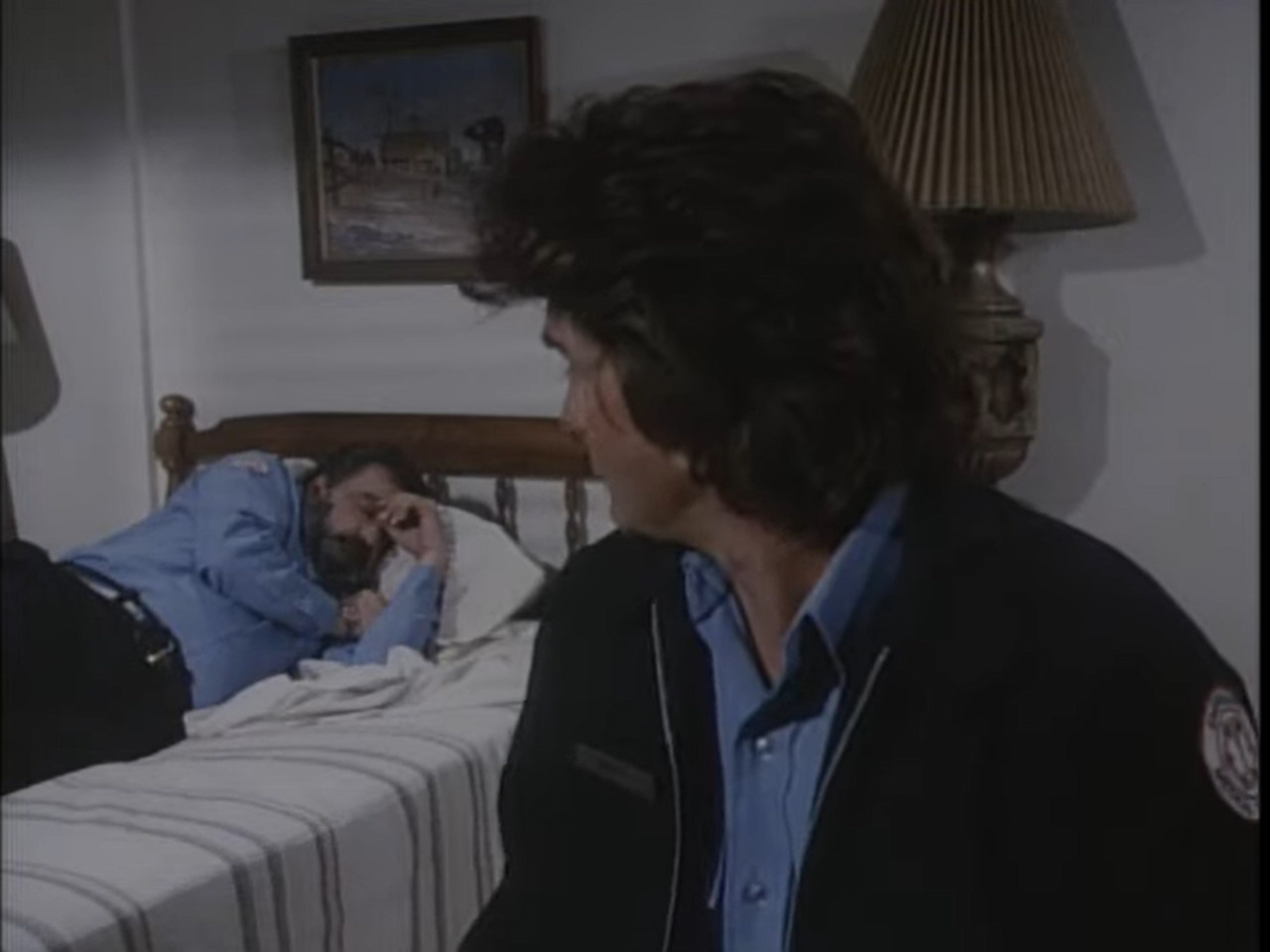
If it weren’t impolite enough to watch the TV while your friend is sleeping in the same room, Jonathan is even worse, and purposely wakes Mark up to watch the TV, even though Mark has to remind that, if a man sleeps, there’s a reason.
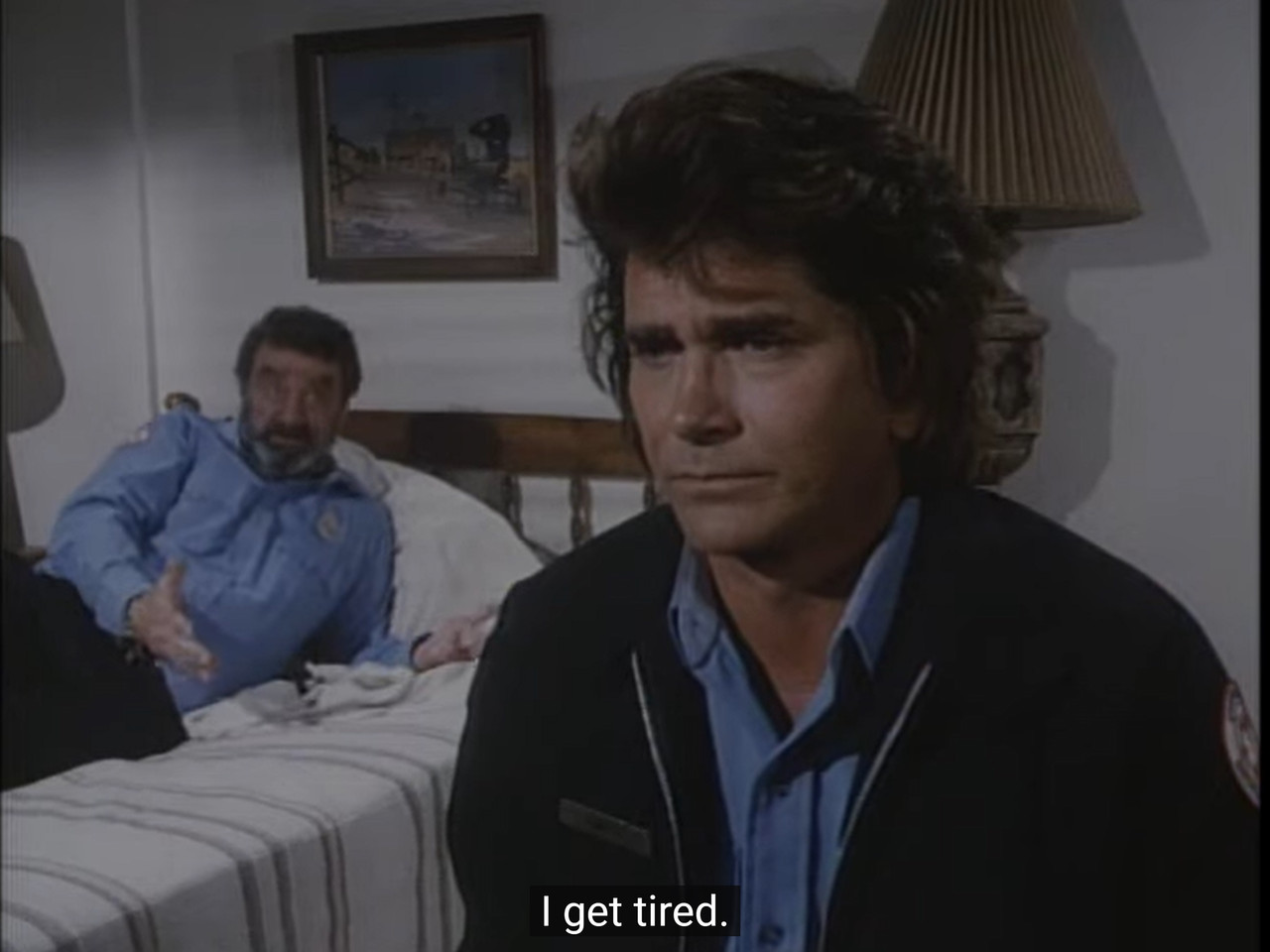
But Jonathan even scolds him for it.
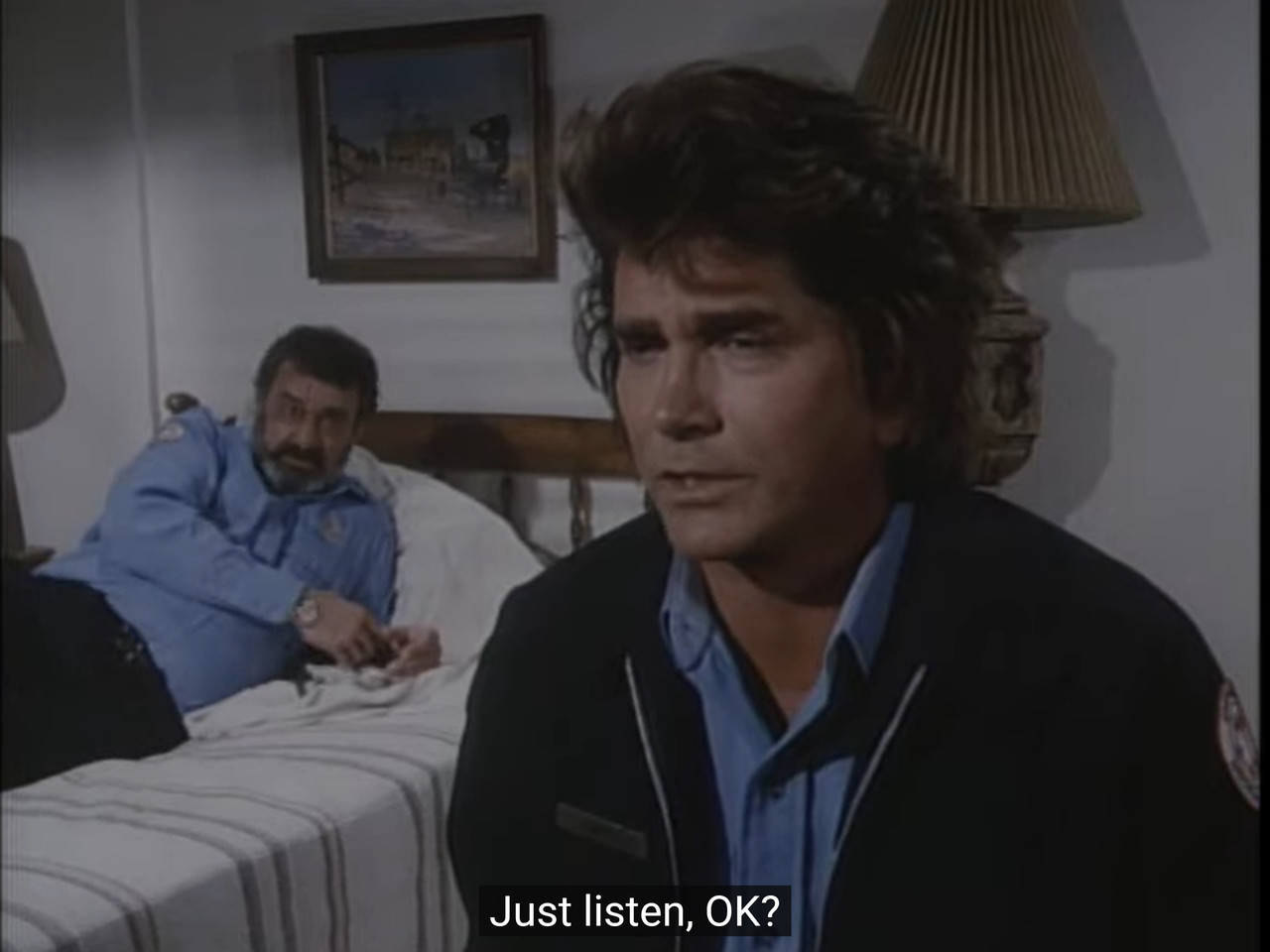
Imagine if Mark said “No” and then fell back asleep; that would have been something.
That’s a rare Friendly Jonathan instance without using the Stuff.
Actors (Little House Actors, Highway Actors): there are some actors with multiple connections to Highway featured in this episode. One Highway actor is Dennis Pratt, who plays Cory — a Nazi collaborator. Actually, Pratt is not a new Highway actor: he previously appeared in the first season episode of Catch A Falling Star as Junkie, the bum who tries to rob Jonathan and Mark — and gives Jonathan the chance to show off his bullet-catching powers too. It was a brief scene completely unrelated to that episode’s assignment, but nonetheless memorable.
Also, Pratt would returns again in the third season. However, in all the three appearances his character doesn’t play a relevant part in the assignment (here, he only appears in two scenes in the background), unlike Lew Ayres and David Spielberg, who are the most recurring Highway actors playing different characters, and each time they are directly involved in the assignment too.
Then, there’s a Little House actor, who is a new Highway one as well: Joseph, the son of Everett, is played by David Kaufman, who should look familiar to the Little House audience.
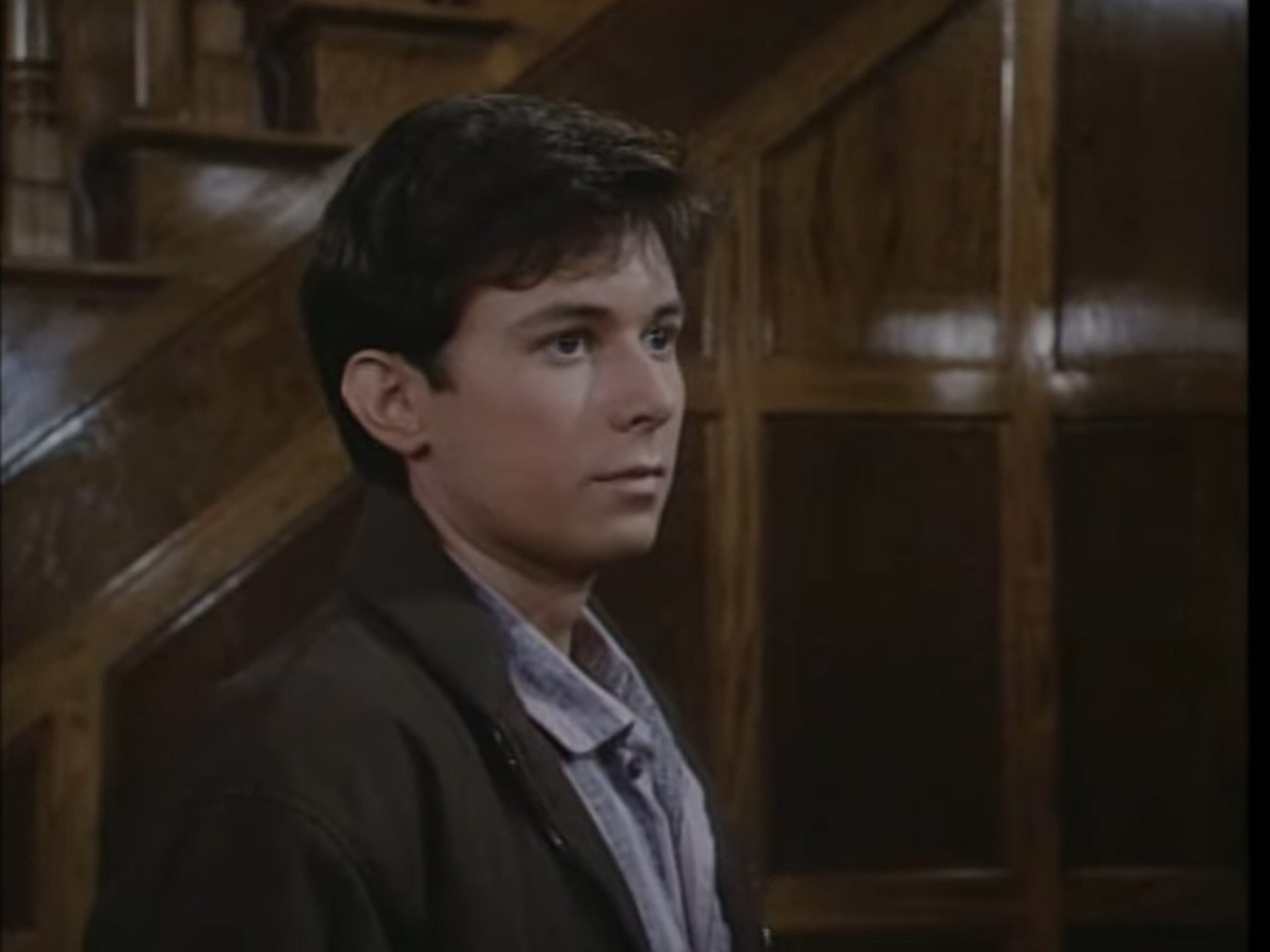
Before this series, he had already appeared in one episode of Little House during the eighth season, where he played Carl—the adopted son of Mr. Edwards from the second and third seasons. Actually, Carl was originally played by another actor, Brian Part, but when French left Little House after its third season to get in the sitcom Carter Country, they decided to write Mr. Edwards and his family out of the show, and Part retired from acting then. Two years later (after the cancellation of Carter Country), French returned for one guest appearance in an episode of the sixth season alongside the rest of the actors playing the original family — except Carl’s character, who was mysteriously absent from that episode (and no explanation given). Later, in the eight season, they decided to make French a regular again, while the rest of the actors playing his character’s family were brought back just for a single episode (basically to give the character a pretext to leave them and go back to Walnut Grove). And for that occasion, Carl was back too—but he looked changed, in more ways than one.

Actually, Kaufman’s role was quite brief (less than ten minutes), and he only shared one scene with French, while Landon did not appear (but directed him). Instead, now, he can work with both of them (directed by Landon, again). It wouldn’t be the last time either: Kaufman will appear in another Highway episode of the fifth season, playing a different character (of course). So, he’s one of the four Highway actors (those who have appeared in multiple episodes of the series) to be a Little House ones too: the other actors like him are John McLiam, Richard Bull and Lew Ayres (who is coincidentally going to be with Kaufman on that season five episode).
Curiously, around the same time the same as this series aired, Kaufman was the regular for Down To Earth, a sitcom about a probationary angel who has to earn wings to ascend to Heaven by helping a struggling family on Earth; and Kaufman was the eldest son (who is not the angel).

The curious part is that the first season of Down To Earth was released on March 1984, before Highway (which began on September that same year). Of course, it’s impossible that Highway took something from that series (the Pilot was written in February), nor they were the only programs about that: in 1979 there was the Out Of The Blue short-lived sitcom, about a probationary angel sent to Earth to help a struggling family (it was the sitcom with Eileen Heckhart, who had appeared in one episode of Highway too). So, Down To Earth took more inspirations from that one, if anything. And there are many differences all the same: both Out Of The Blue and Down To Earth are a sitcom revolving around the same family, they shy away from the touchy problems Highway tries to explore instead (and this episode about Nazi is just one example). Also, Highway is a bit more religious than those (although it’s not really a Christian series, at least it isn’t strictly one).
Either way, it’s amusing to see that Kaufman started working on that sitcom about a probationary angel, a couple of months later the word is out that both Landon and French (two actors he had collaborated with on Little House) were also making a TV series with the same premise, and two years later he would actually become part of their series, while Down To earth was still on air (more details about series with “probationary” angels here). And as Highway Actor, he makes multiple appearances too. Surely he must like working around angels.
Besides the two Highway actors, there’s a Highway Lifetime (those who concluded their acting career with an episode of this series): the character of Mrs. Baldt is played by Mary Ann Chinn, who retired from acting after this part.

It’s currently unclear what she has been doing since then. But she’s the fourth Highway Lifetime actor of the season, and the last. More will add up in the next.
Newspaper: the episode introduces another fictional newspaper in the series, the fourth one. And this time, they didn’t even try to think of the name.

That must have been Landon jabbing at how journalism has lost credibility.
Now, that’s just wrong: one reason is how that journalist got into that emergency room. Like, they are at the hospital, there’s supposed to be some area inaccessible to anyone journalists included; Jonathan is there as paramedic, but that man can’t have used the same way to get in. Unless he has The Stuff too, although he’s not an angel, of course. Maybe he works for Jonathan’s great enemy, like almost any other journalists in this series.
Then, about the name: it’s impossible to believe it’s a real one. At least on other newspapers they used names that sounded plausible, like “Rose Beach Sentinel” (even though Rose Beach was a fictional place) or “New York World“, but now it seems they didn’t even try to think of one. Maybe it’s because this episode take place in California, and they couldn’t use the name of some California town, or they’d have given away the setting of the episode (unlike those other fictional newspapers, which were featured in episode all taking place in other states, and they just used the name of those cities).
KA Network: that’s a peculiar feature. Basically, the are two programs the character watch in the episode: one is the informative show Everett is in at the beginning.
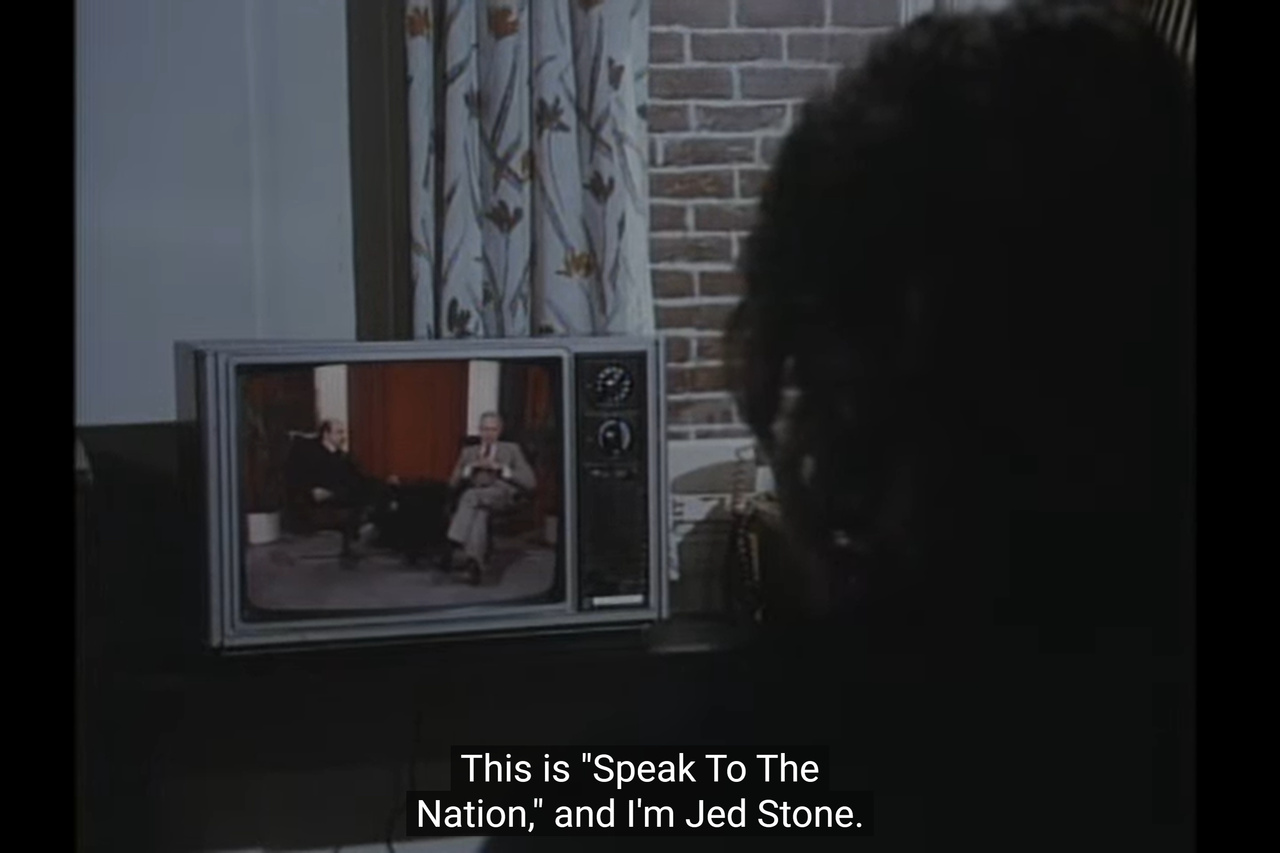
It’s a fictional one.
The second, instead, is the TV news channel “KACF News“, featured on multiple occasions (when they break the news that of the shootout at Baldt’s, and when they report Everett’s severe health condition).

Now, that station (or network) is fictional, and it’s not the first time in the series they created a fictional newspaper (like the “Journal” of this same episode, or The Tucson Tribune some assignment ago), place (like the King’s Studio) or TV programs (as the Gary Fox Show or the “Speak to the Nation” of this episode).
However, unlike those newspapers or programs that change in each episode, this KA station will remain the same for the rest of the series: every episode in which the characters (especially Mark) will be watching a News report on TV, it’s always going this same station, with that same set of white walls and red letters behind (just the anchor will be different each time). It seems like some Easter Egg or something, because that station is fictional. Yet, maybe it’s because Landon didn’t like the current state of TV journalism, and he decided to create his own ideal station. I mean, Landon made countless episodes (on Little House too) rightfully attacking the mishandled, sensationalistic way people do modern journalism (and this episode is partly about that too), but he never actually made an episode about the positive impact of journalism and how it’s done. So, maybe this station was a was a way to make up.
Either way, this marks the first episode in the entire series with such TV network, which will be a recurring feature in the series.
The “Stuff” Power: Jonathan seemingly uses the Stuff when Everett he gives up on life and has visions of his relatives dead in the war.
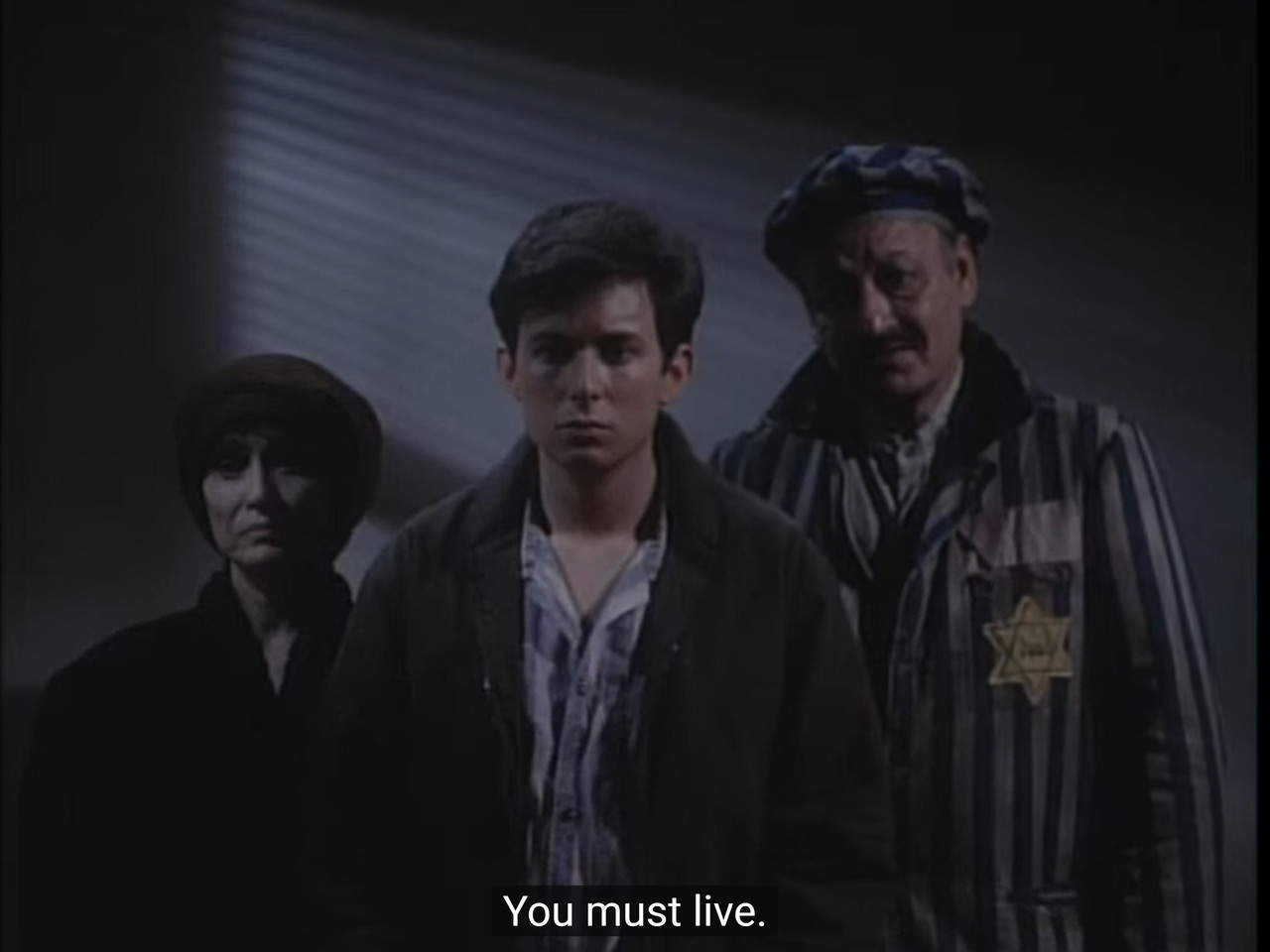
It’s unclear whether they are actually his family, or if Jonathan is just making Everett have some hallucination (it’s certainly not the first time Jonathan makes people have them, as in Going Home, Going Home or in Heaven On Earth, or when he invades someone’s dream). Likely it’s that one, and it’s Jonathan that’s angeling on Everett. Unless there were some rule stating that people go to Heaven with the clothes they have by the time of their death, or maybe that just happens when someone is murdered, or when someone who has been murdered then comes back.
But it’s likely they are not real, or they are some hallucination and Jonathan is behind this, making them look that way to be more convincing in his attempt.
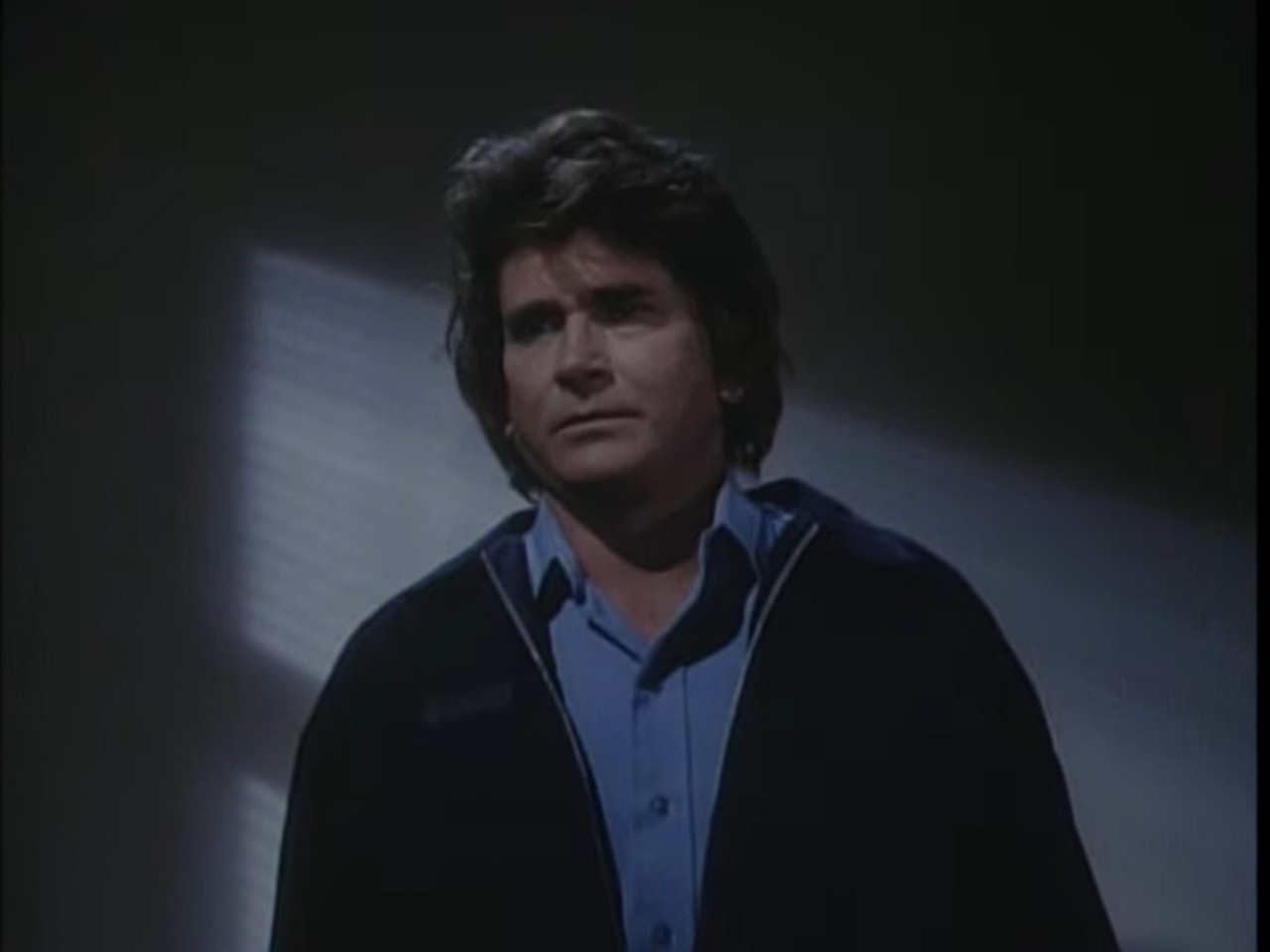
He’s a manipulative angel.
He also uses The Stuff to get into Baldt’s house and convince his wife to be a donor.
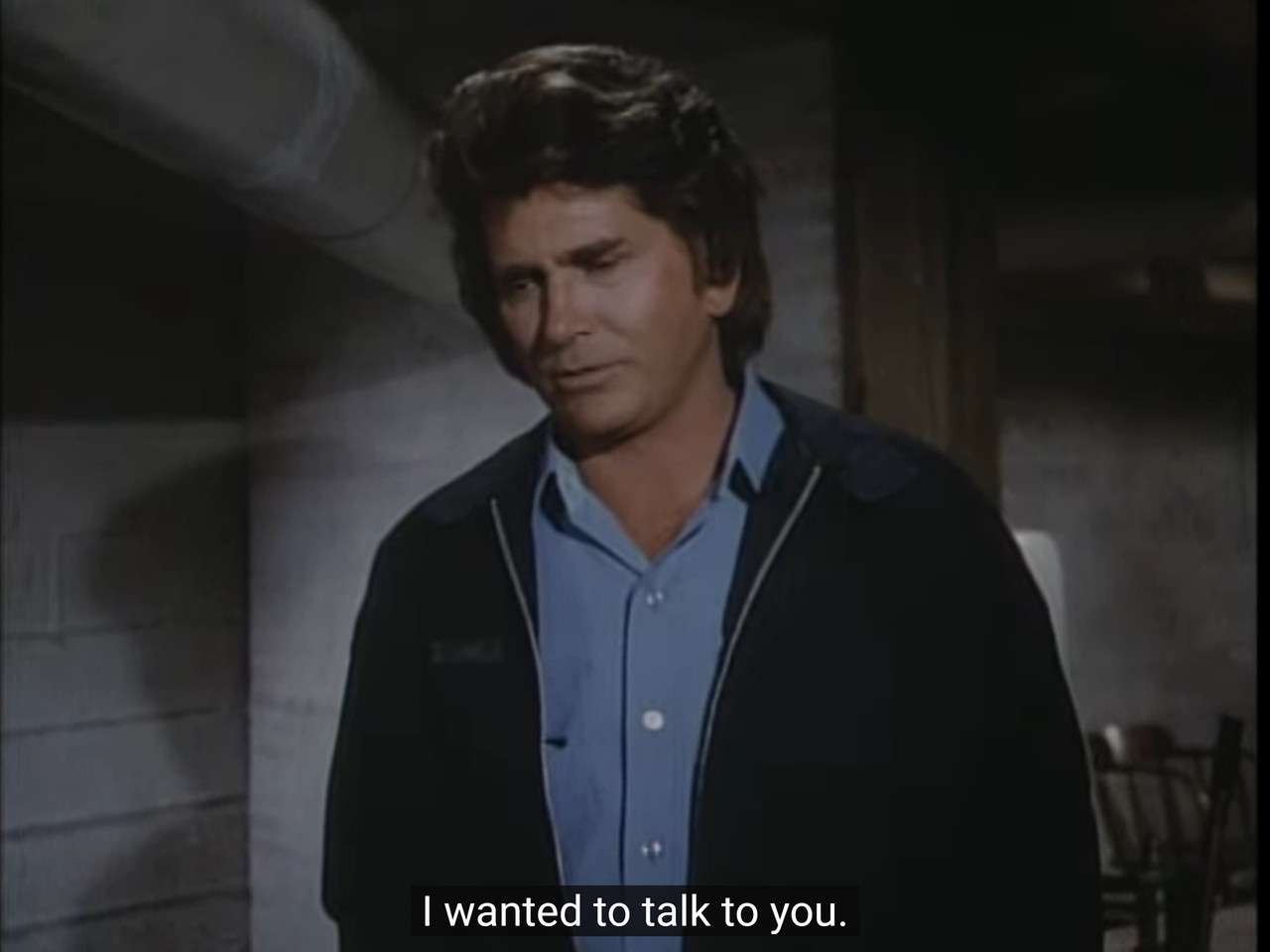
Again, if he got into that house (even though there was the police all around), he must have used his vanishing power. But he didn’t use it when he went with Mark to the rally.
The Job: they work as paramedics, though it’s unclear how long they’ve been doing that.
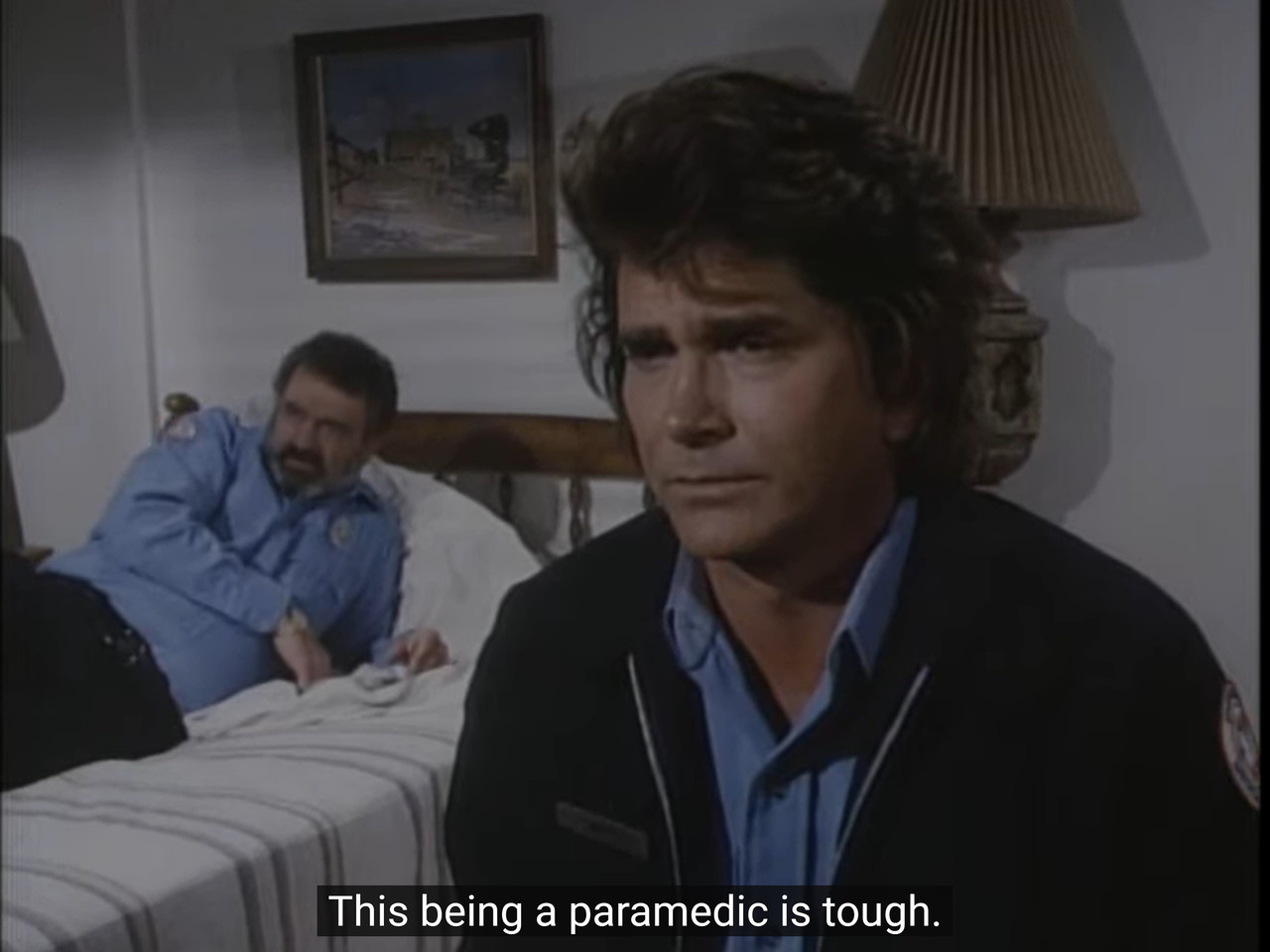
Especially if your friend wakes you up to watch some TV program.
Ratings: 35 – 36 million, 11th Weekly programs, 2nd TV genre show.
This episode originally aired on March 1986 and maintained roughly the same ratings of its predecessor, though not for much longer. Actually, it would be the last episode of the season to score those high ratings, and only one more episode in the entire series would come close afterward. In a way, this episode marks the end of the show’s peak success; with just one exception in season three, the series would never again reach the same level of popularity during its original broadcasts. It will still be a success though, for another season at least, and maybe more.
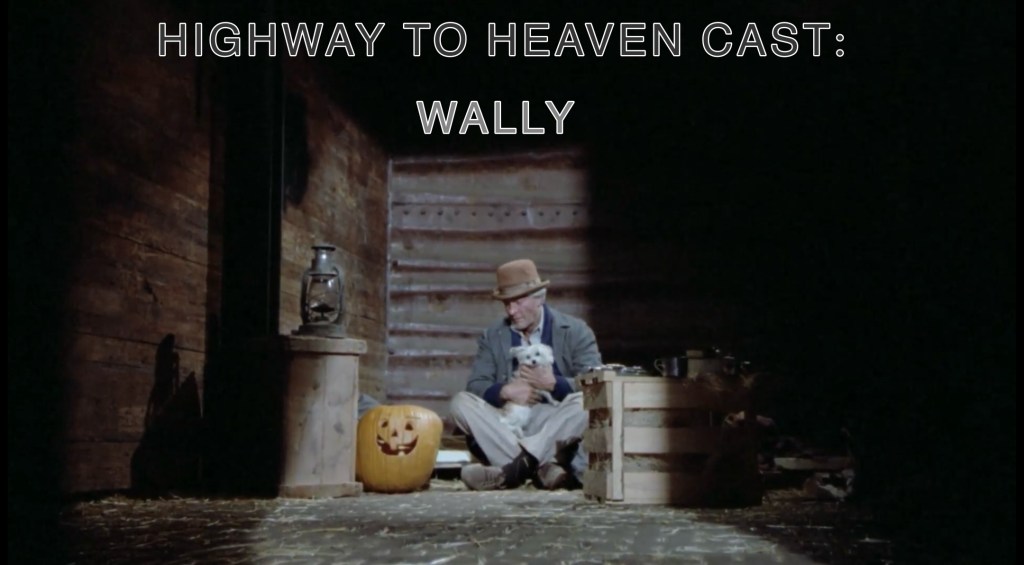

 Highway To Heaven Cast
Leave a comment