
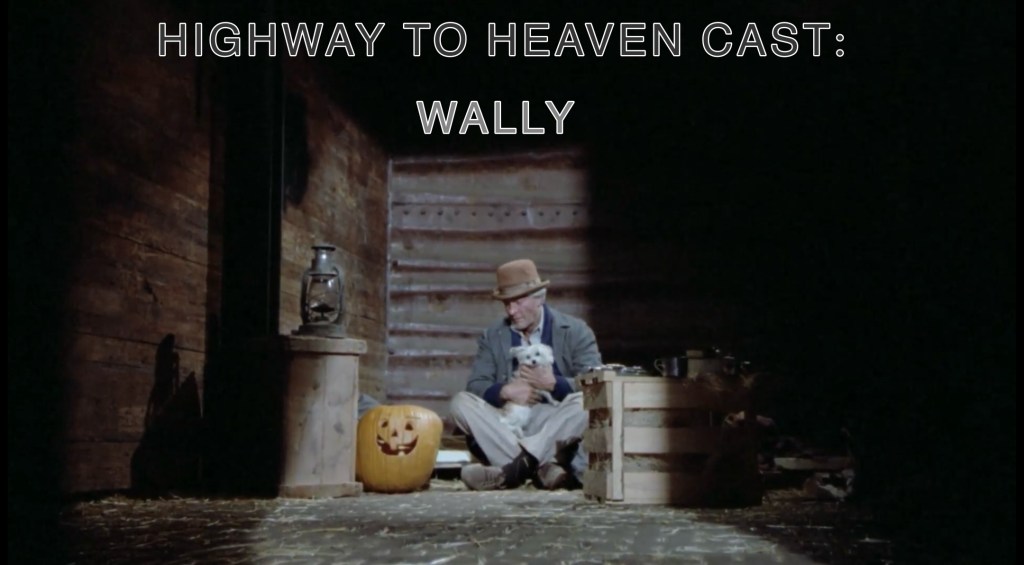
Airdate: 01/14/1987
Directed By: Michael Landon
This episode is one of the most popular one—the definitive “bum assignment” of the entire series. Unlike earlier episodes that touched on similar themes (such as The Banker and the Bum), this story adopts a more serious and reflective tone.
Warning: the word “Bum” is extensively used in the episode. And putting it any other way just wouldn’t be accurate.
Complete show available here.
Assignment: Jonathan and Mark are assigned to assist a bum in his daily errands.
It’s a peculiar assignment in several respects. Rather than helping someone at a decisive crossroads in life, they are assigned to Wally, a street puppeteer who appears to have no major personal crisis at all.
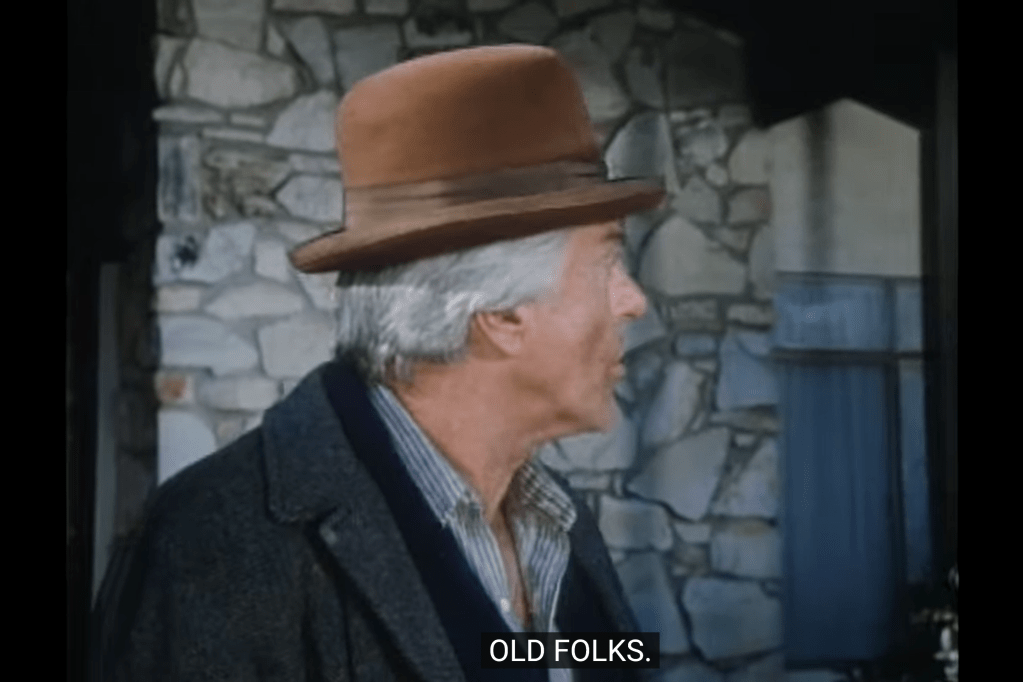
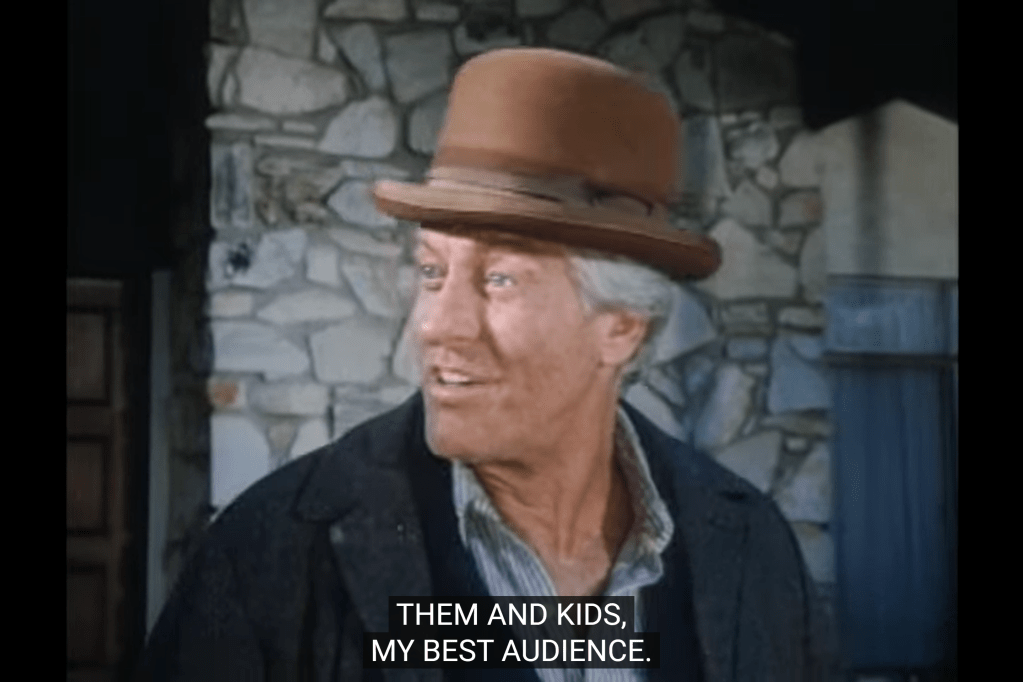
On the contrary, Wally spends most of his time helping others: he cheers up lonely old folks with his puppet shows.
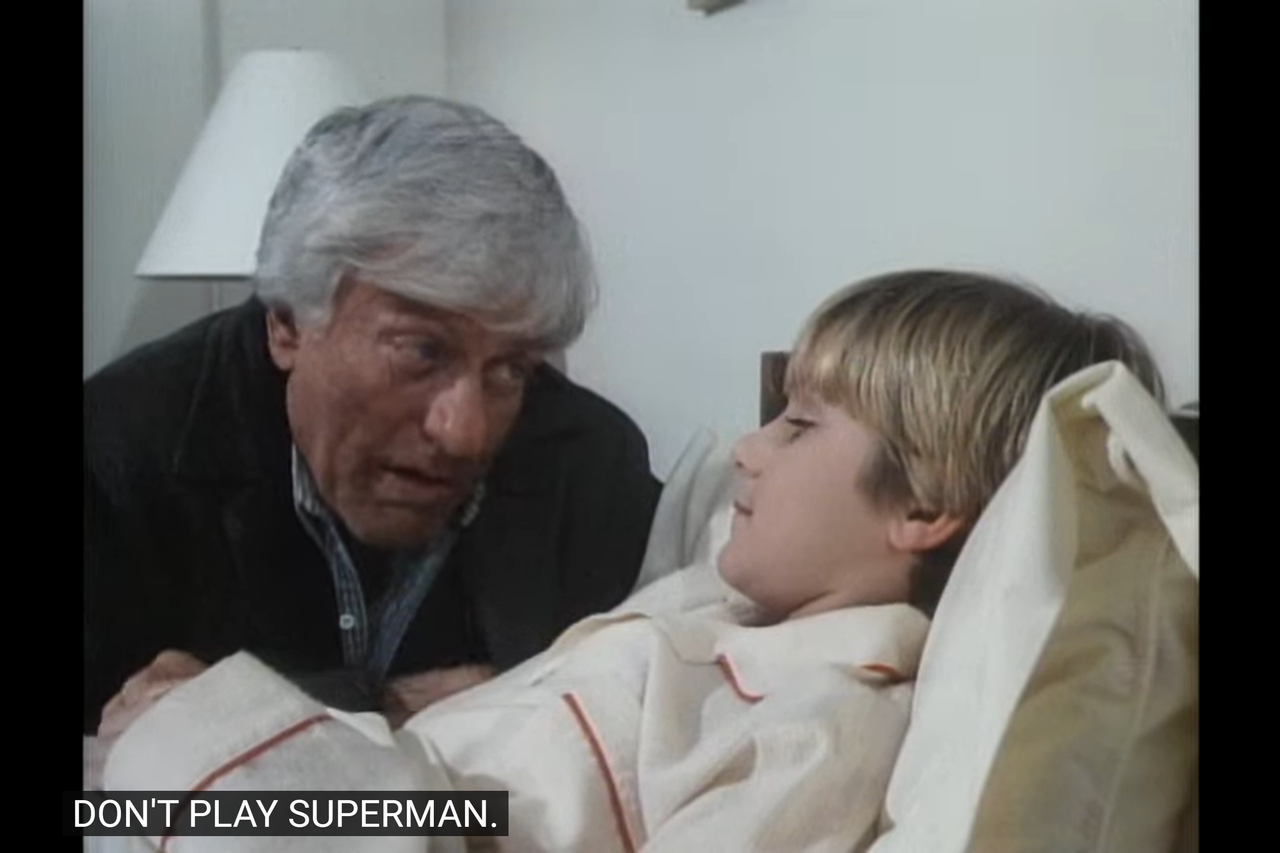
He encourages a sick child named Stevie who undergoes difficult treatments.
And even gives away the little money he earns to fellow homeless people.
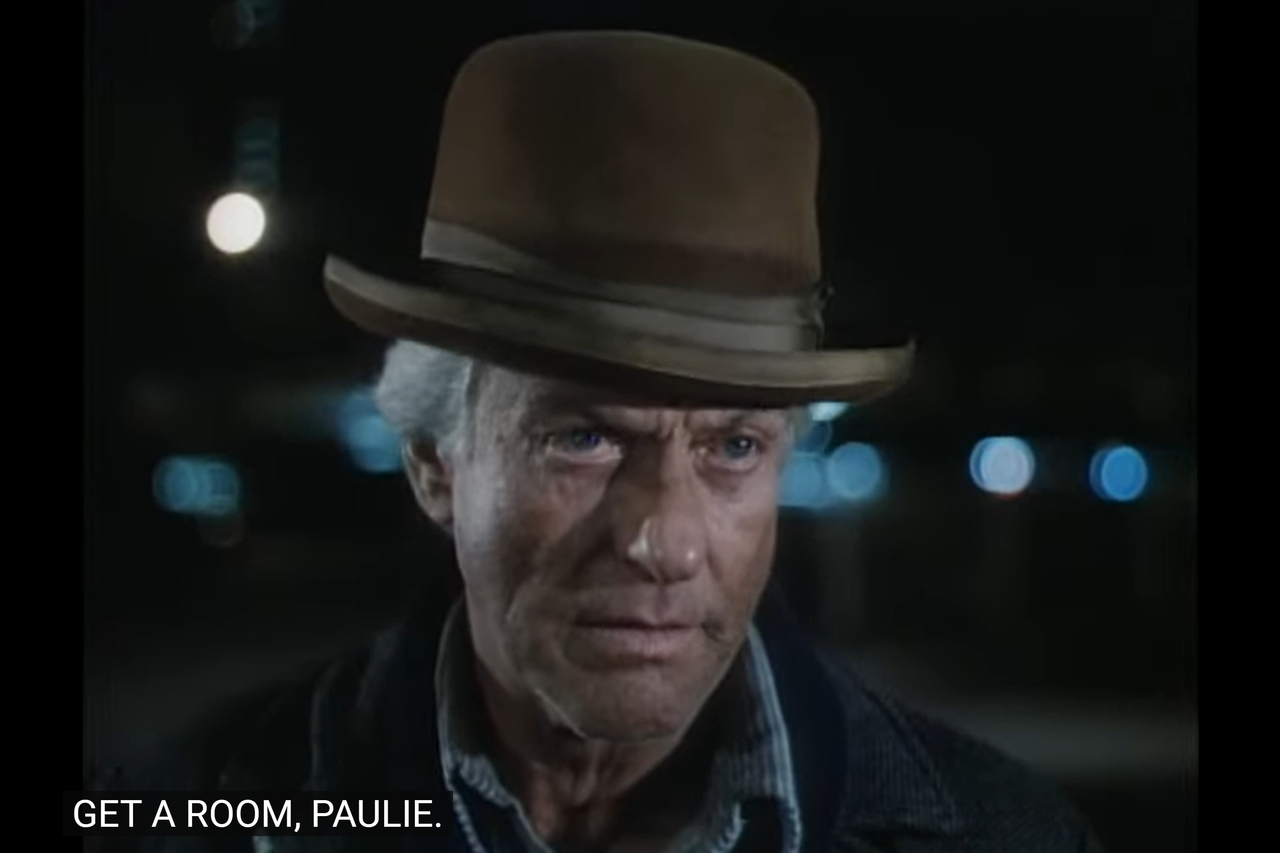
In fact, Wally is not struggling in the conventional sense, and Jonathan and Mark mostly follow him around, witnessing his quiet generosity.
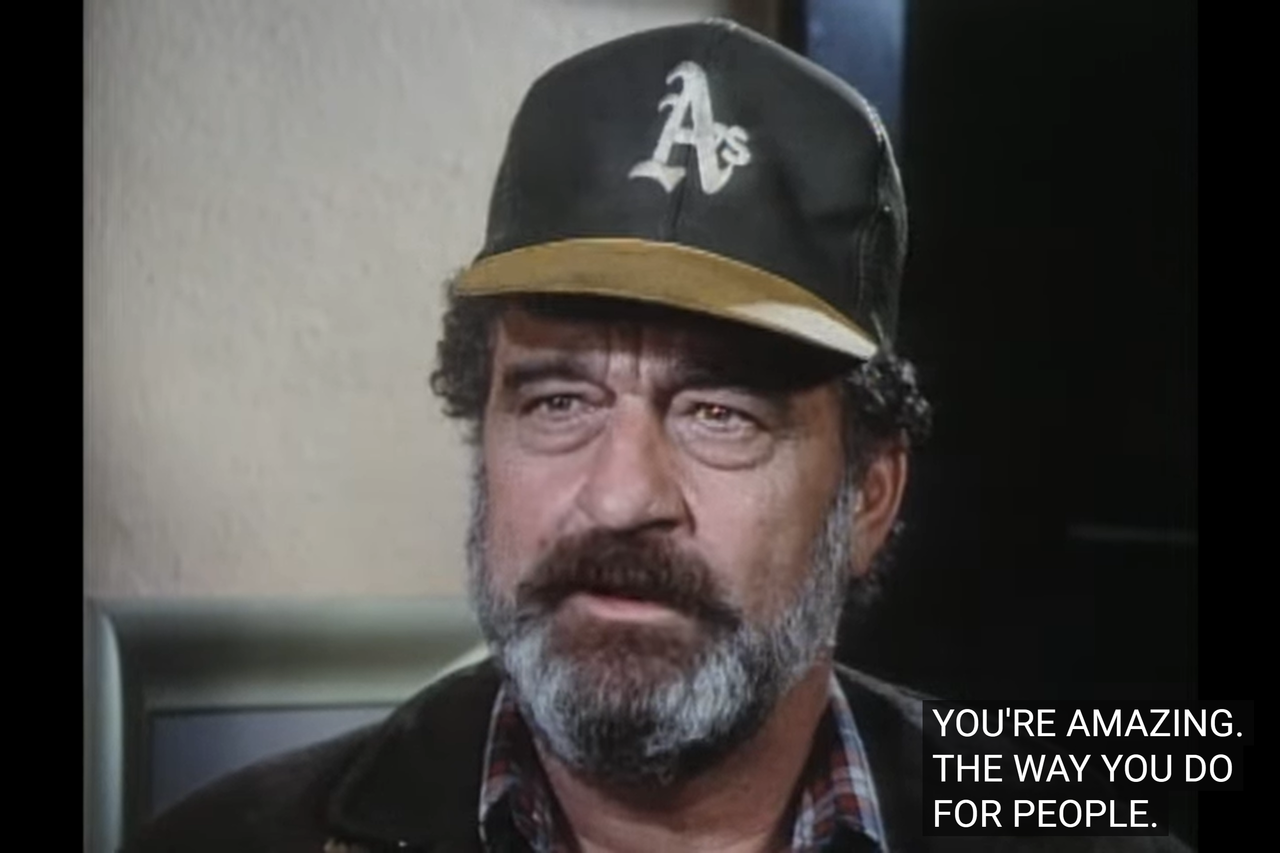
At one point, he experiences doubts about his religious faith, and they step in to restore it—but again, it’s not like a difficult moment of his life in general.
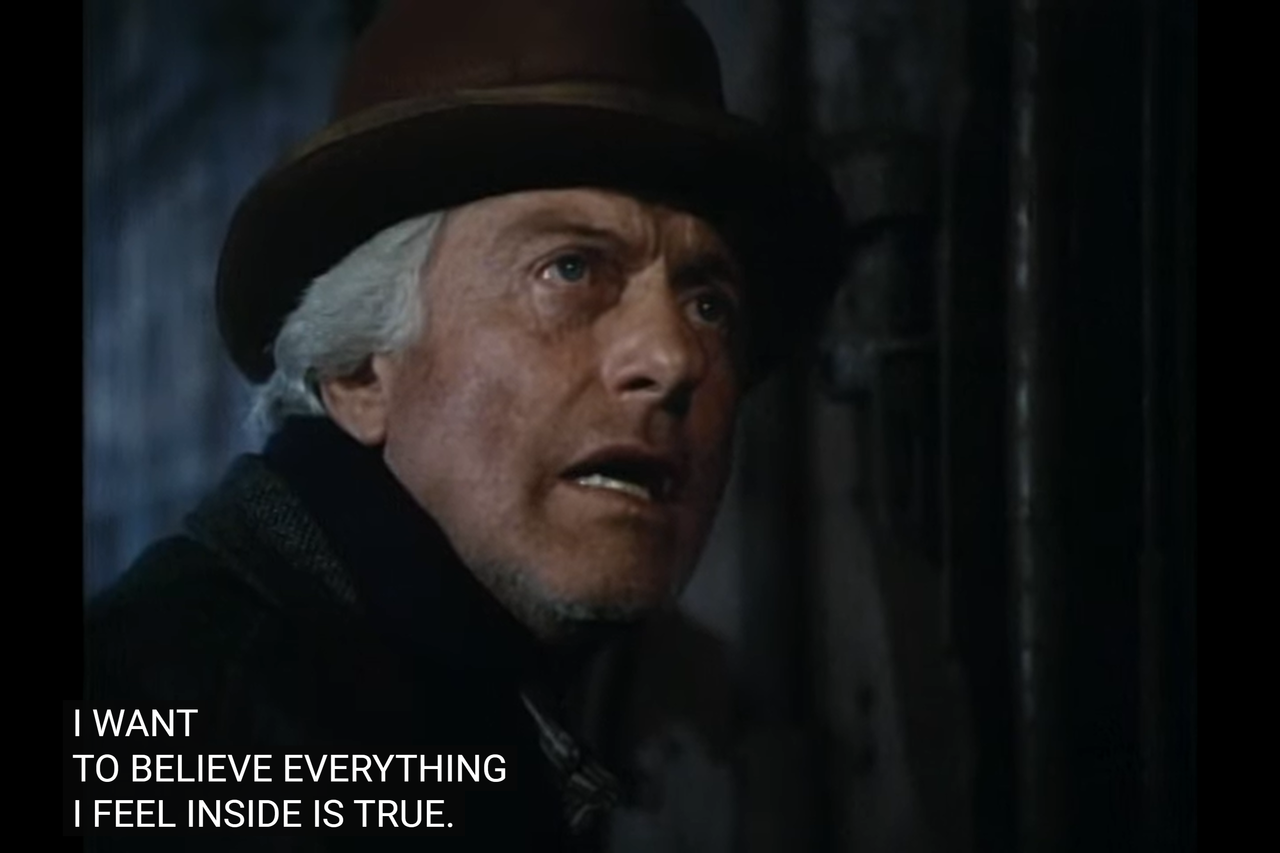
Actually, the episode feels as though Jonathan and Mark are the ones meant to learn something: it seems like the assignment is actually observe Wally and learn something from him on how to do their own angelic job better.
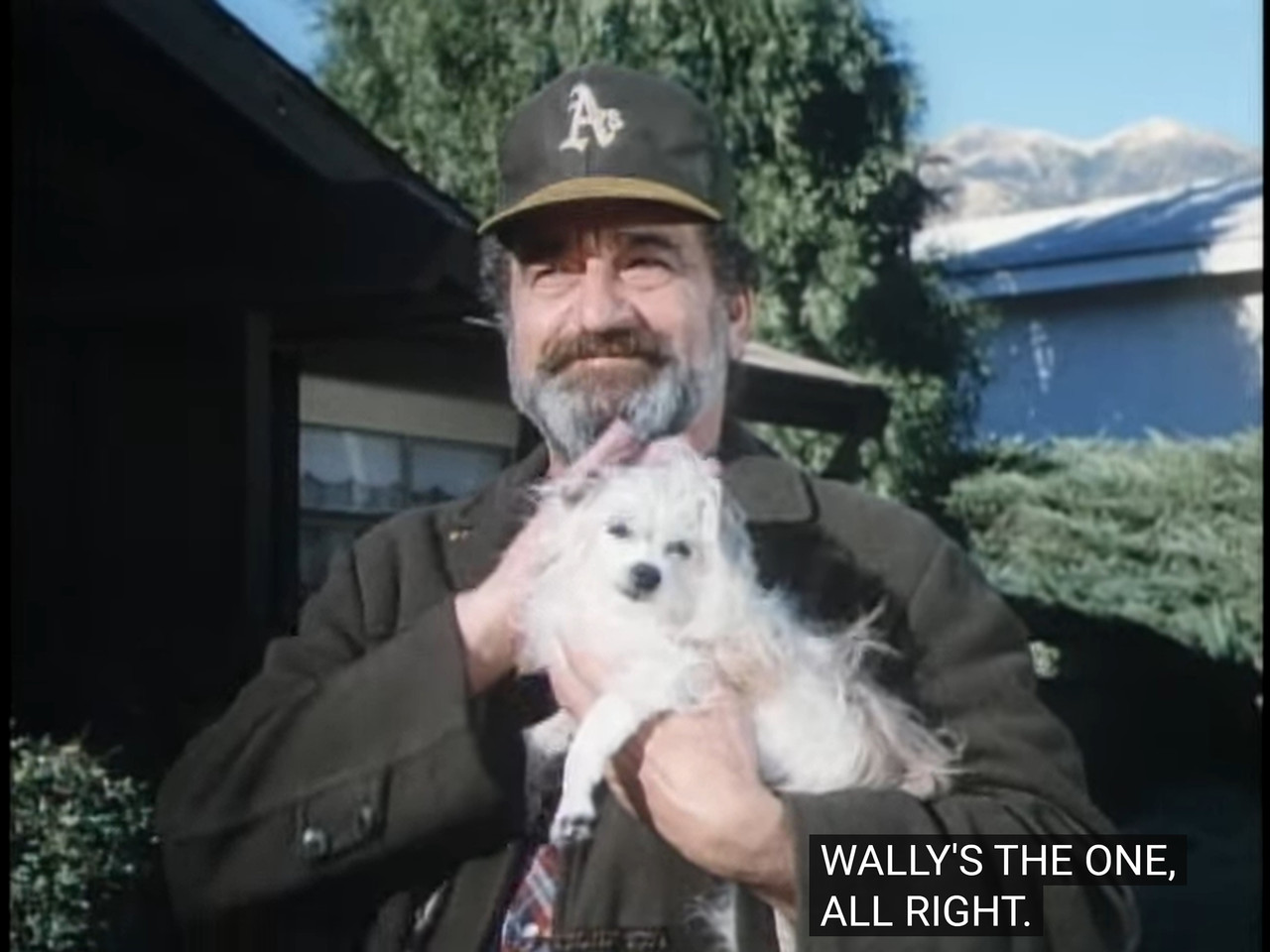
As Wally, in spirit, is already living like an angel. And, eventually, he becomes one.
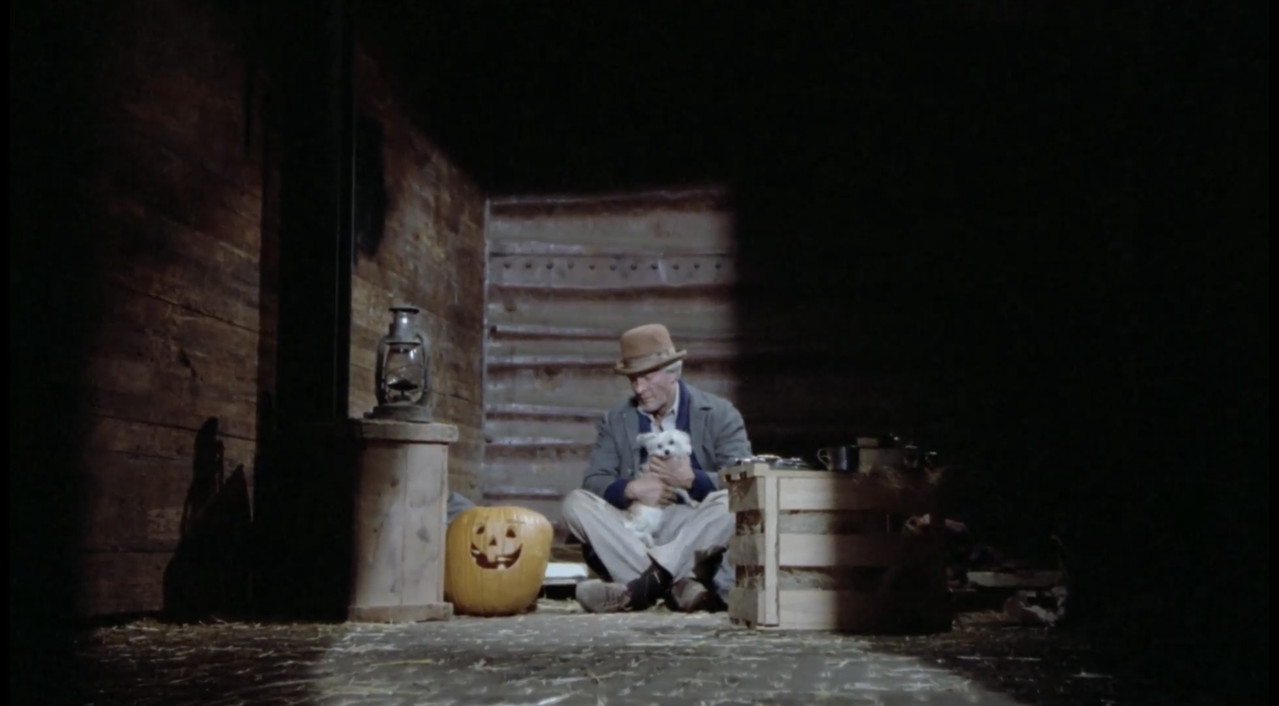
Or maybe he’s just a bum. Or maybe all bums are angels.
Either way, things take an unexpected turn when it turns out that Wally is actually a living angel.
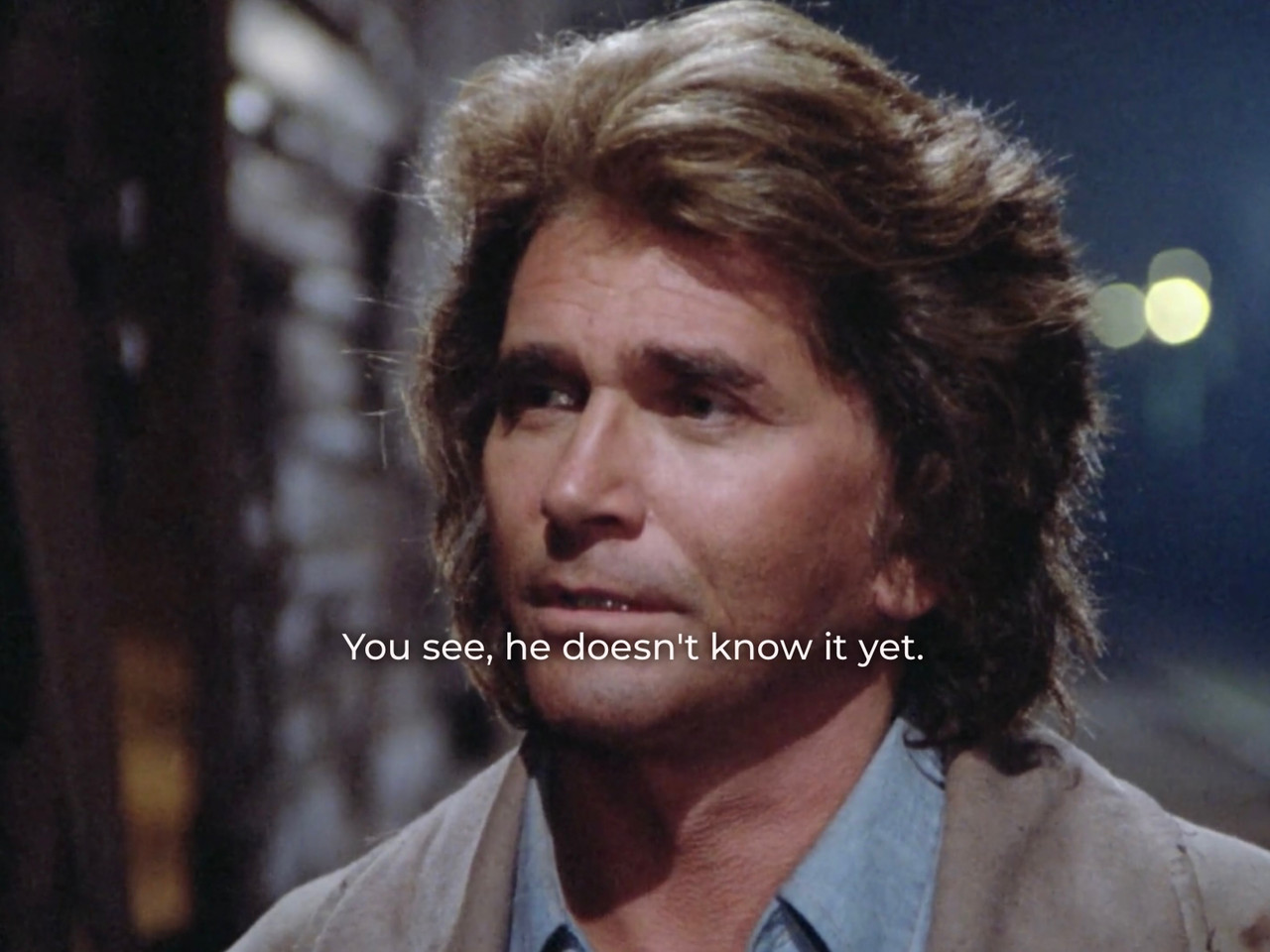
Just like Mark, supposedly.
That further confirms the assignment is actually more about Jonathan and Mark learning from him.
- Background
The background of the assignment is never clearly explained. The episode opens with Jonathan and Mark already observing Wally on the street—and dressed as bums themselves.
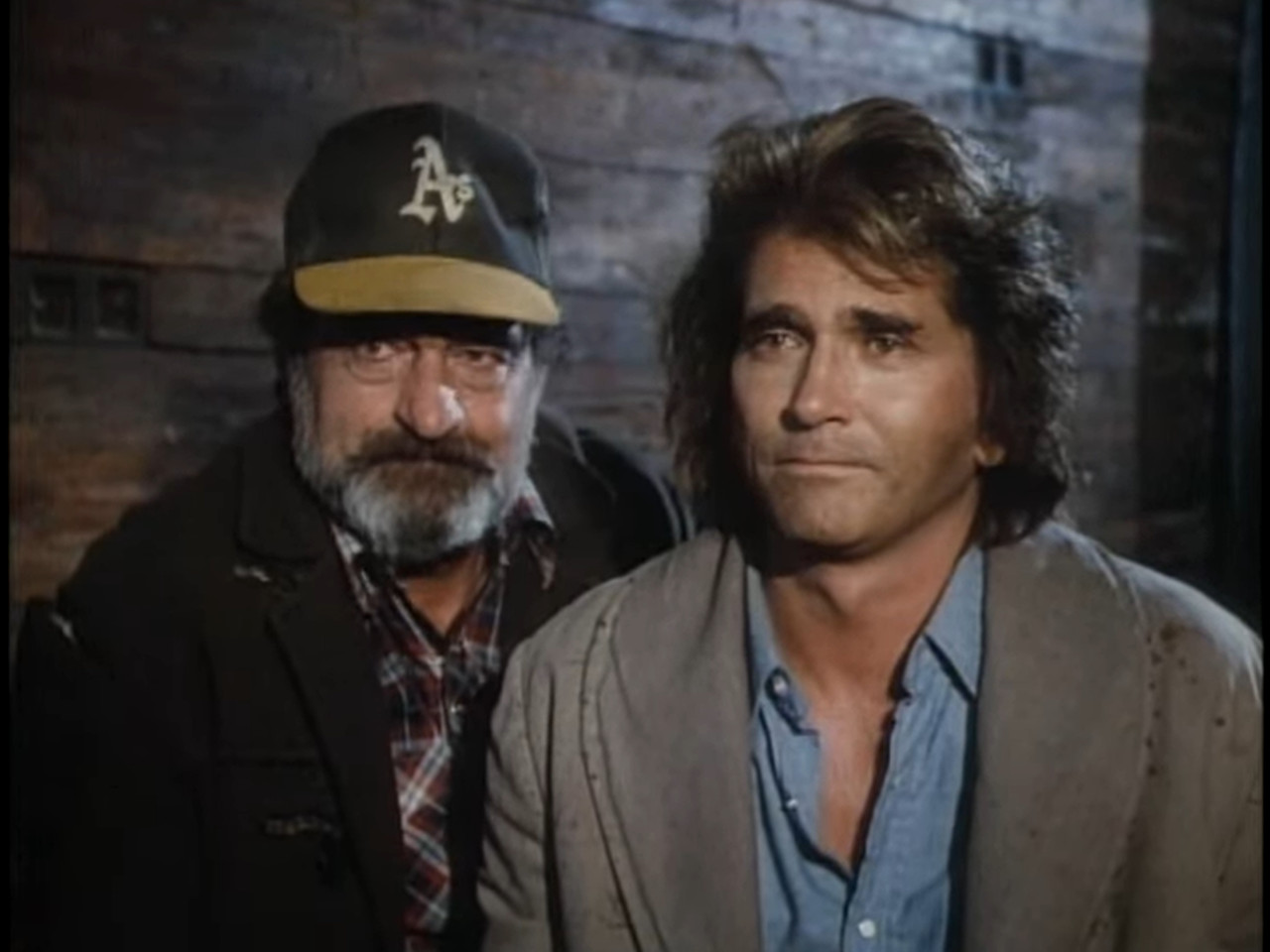
Presumably, they adopt this appearance to blend into the bum setting. However, the transformation happens off-screen: they are never seen preparing for it, nor is it explained where those clothes come from. And the episode begins right away, when they spy on him.
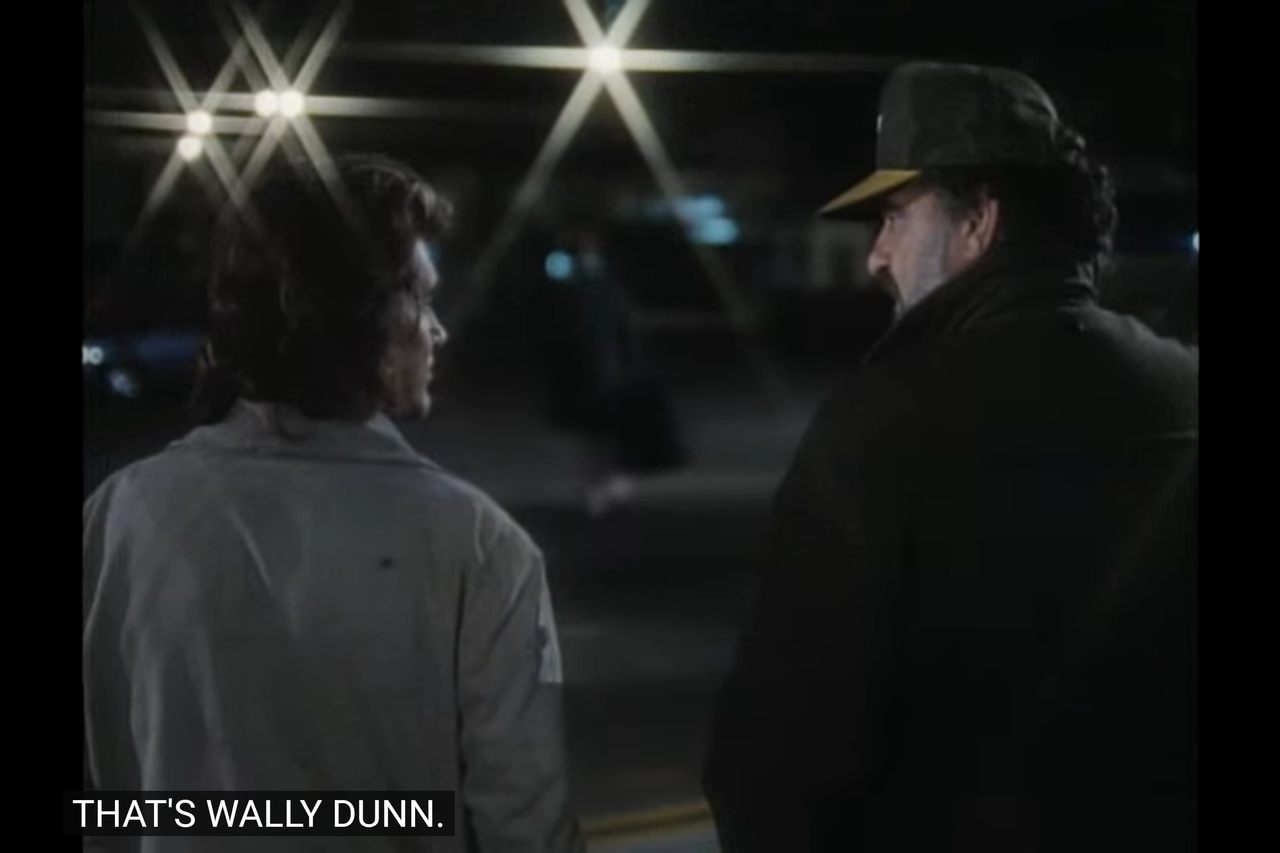
Considering this episode follows the previous thief assignment, it’s amusing to imagine Jonathan telling Mark something like “We’ll need to tear up our usual clothes to fit in with the homeless for this one.”
But this costuming choice also feels slightly at odds with Jonathan’s earlier lesson in Catch a Falling Star, where he reminded Mark not to judge people by appearances.
And here, they fully embrace the stereotypical look of homelessness in order to “fit in,” if that was the purpose.
- Characters
This episode is quietly weird: not a mystery, but something peculiar. In particular, it’s unclear what the assignment is about precisely, whether it’s Wally struggling with his faith or Jonathan and Mark learning to be better angels.
Some of their attitudes are weird: for instance, at the beginning of the episode, when Jonathan points Wally to Mark, for some reason Mark replies if Jonathan is sure about it.
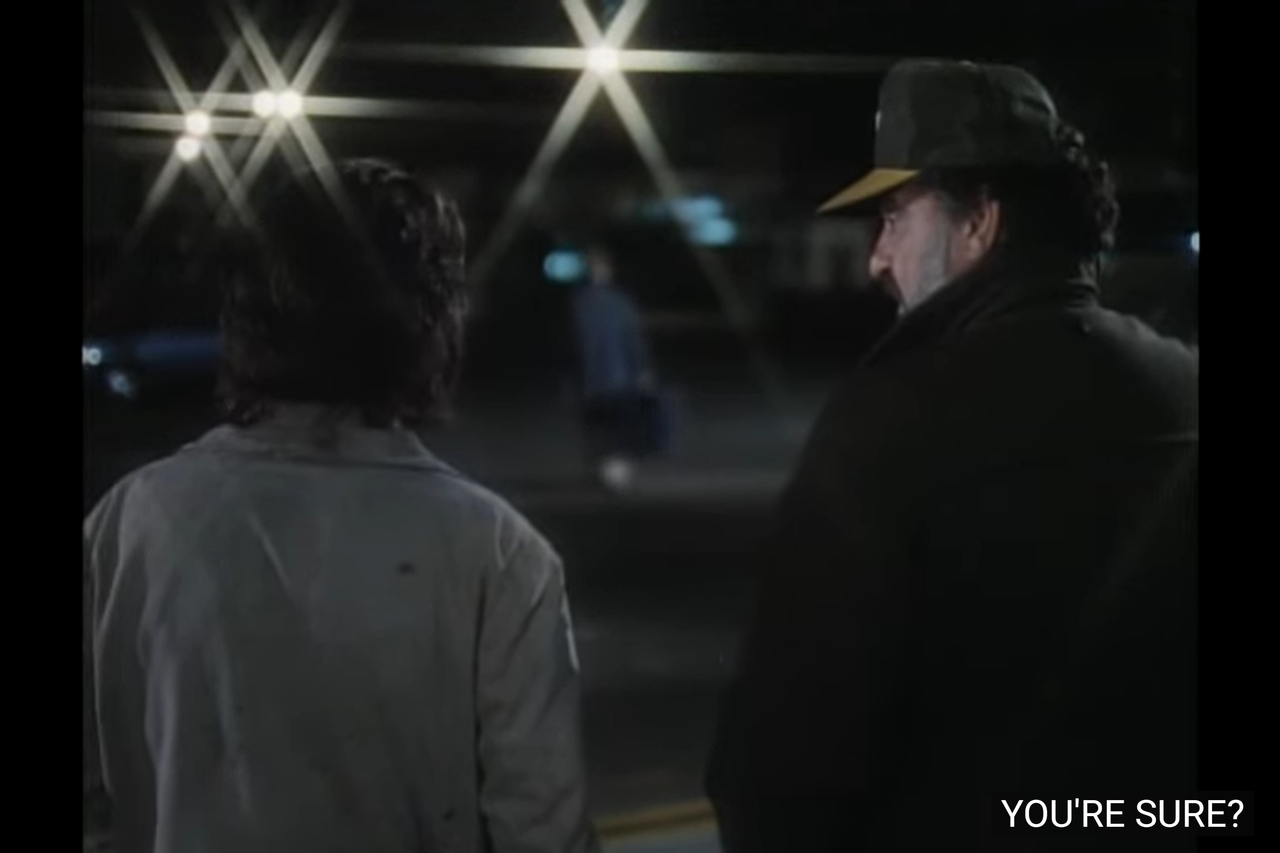
Because Jonathan might be wrong, you know.
It feels out of the place: Mark has never asked Jonathan who the assignment was, and now this episode begins with Mark doubting what Jonathan has told him.
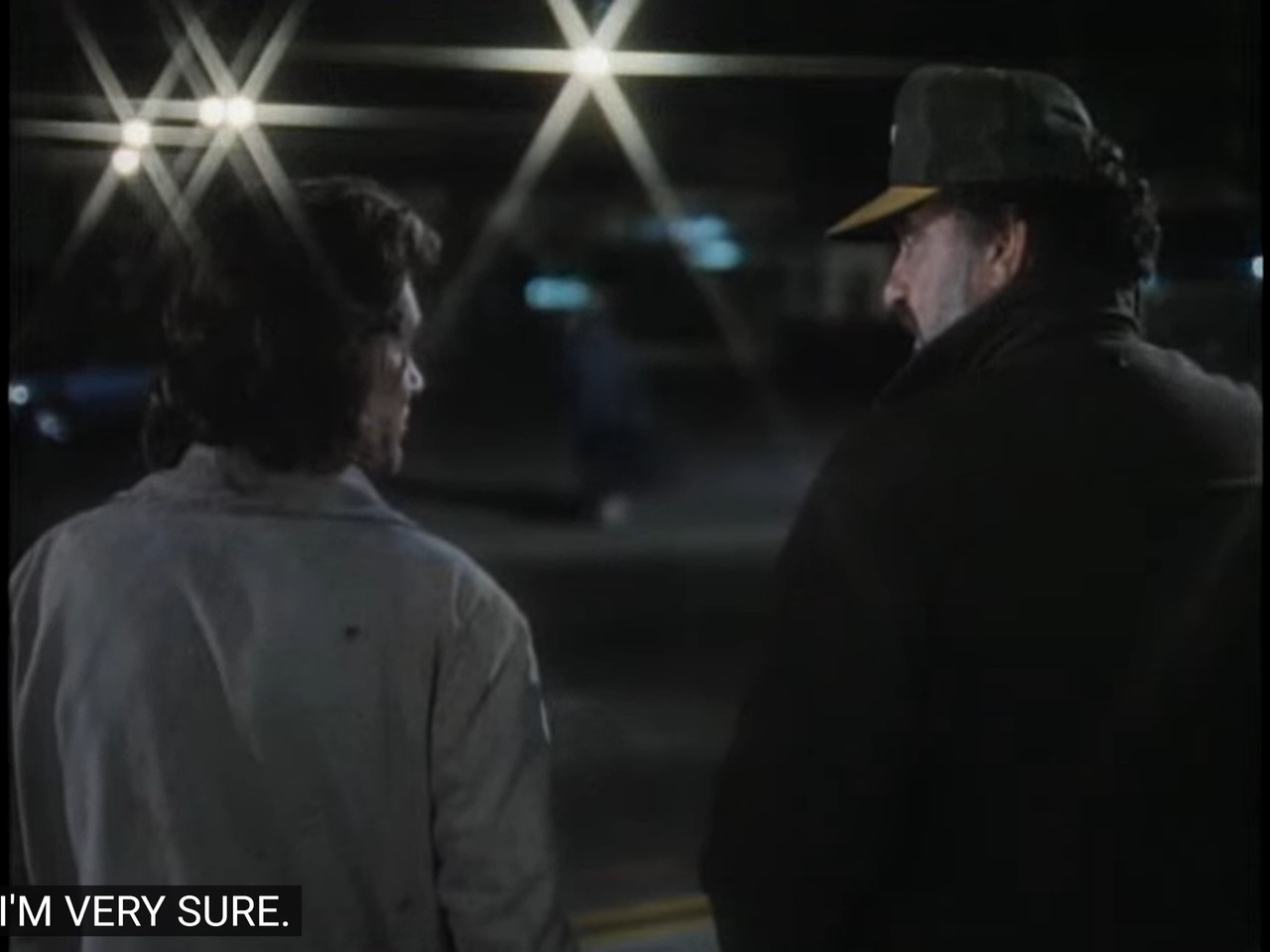
No worries: you won’t be working on an assignment that turns out to be the wrong one.
It’s possible that Mark would be asking that because he had been told at some point that it was going to be a different, special assignment somehow. Maybe Jonathan had warned Mark and told him that Wally was going to become an angel too. Then, Mark just wanted to be sure.
But it’s unclear whether Mark knows: at some point, he’s told that Wally will become an angel.
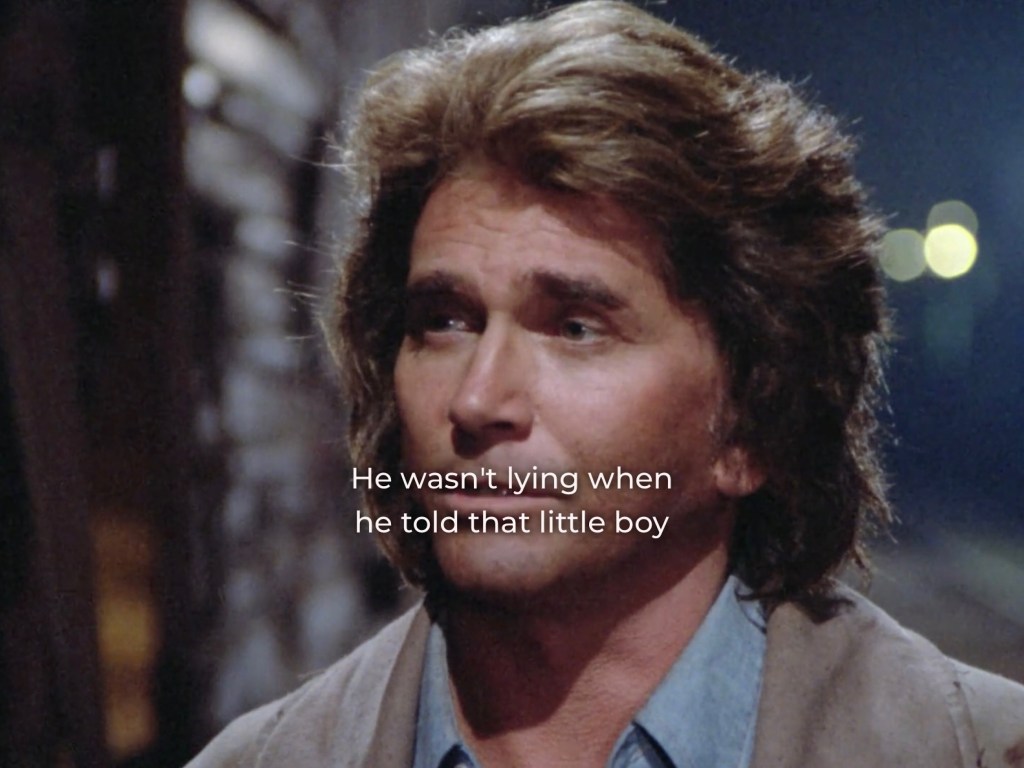
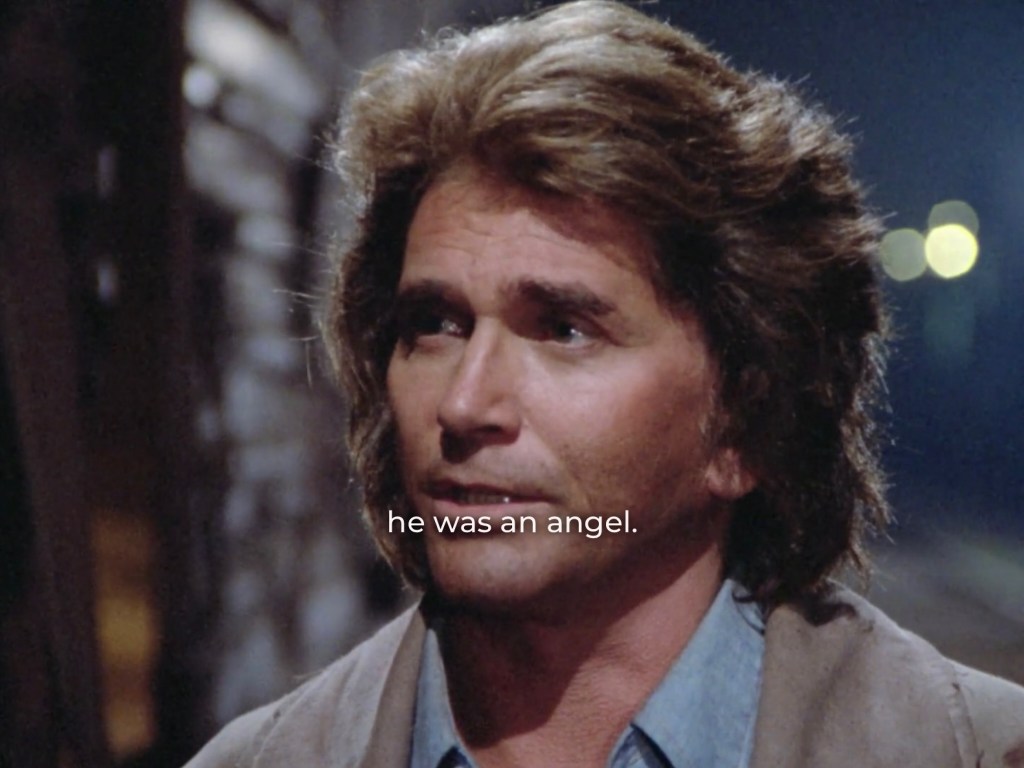
But then, at the end of the episode, he’s not there when Wally trades his soul for the sick kid’s one. Yet, somehow, he knows what’s going to happen all the same.
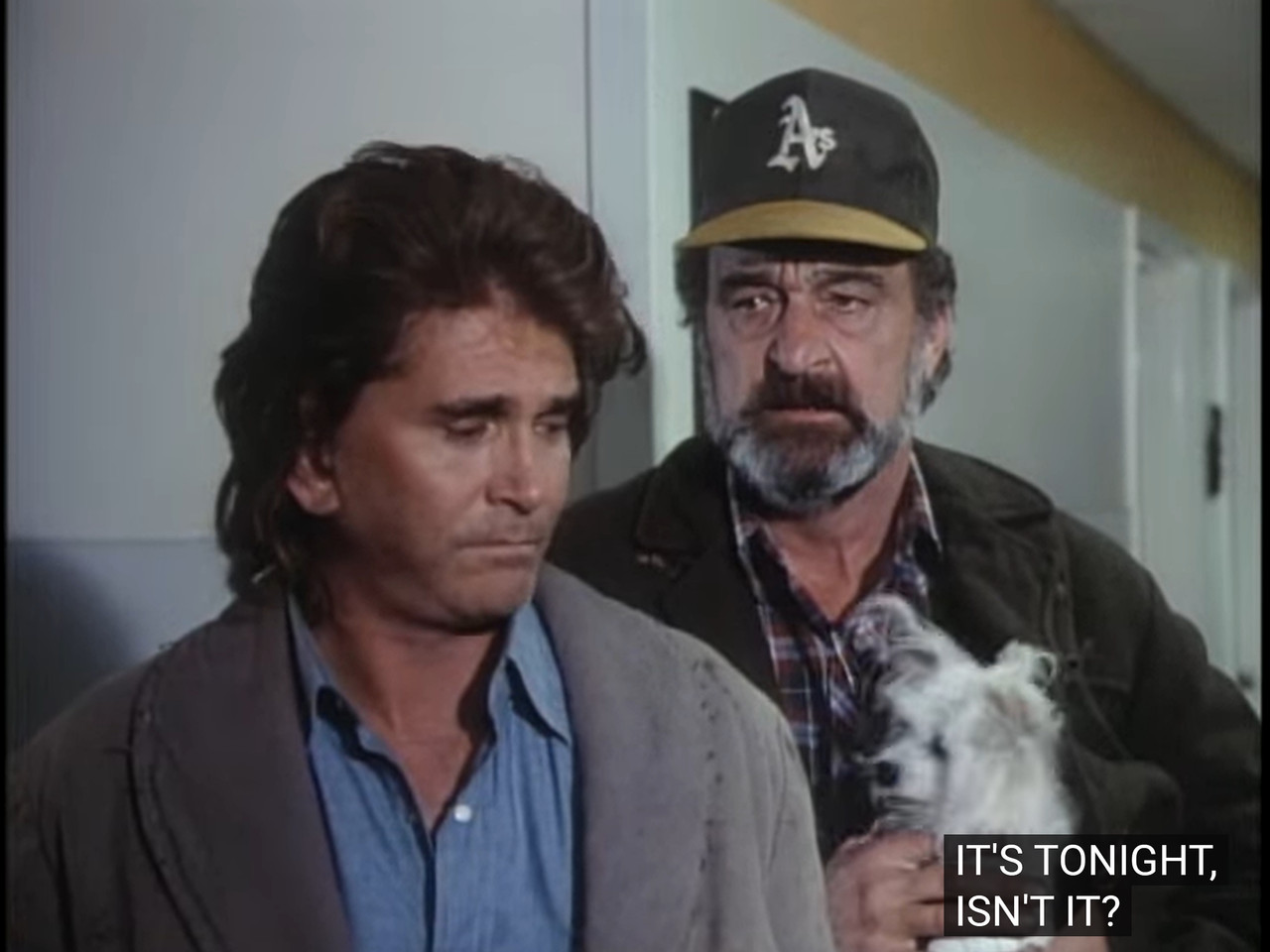
How do you know?
Really, Mark wasn’t in the room.
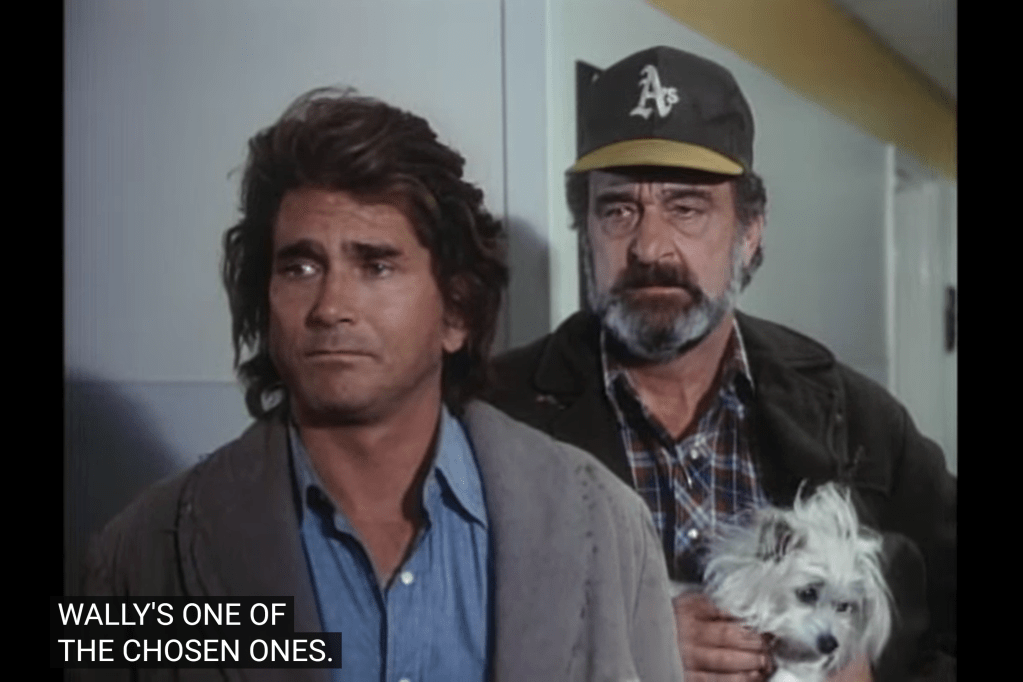
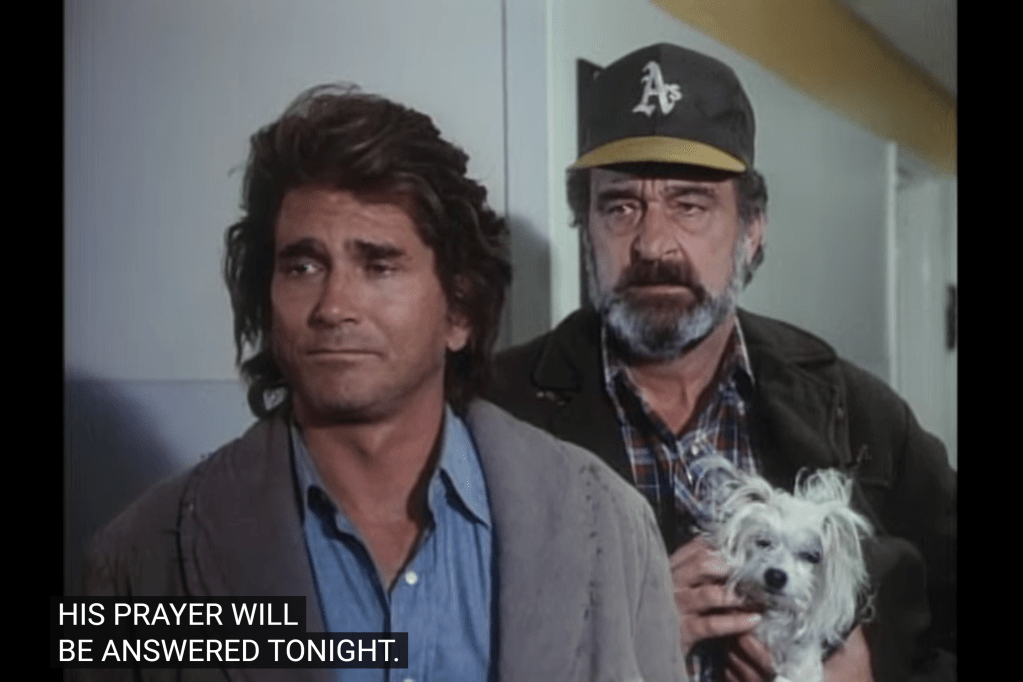
Anyway, what’s probably even more striking is Jonathan’s attitude. In the episode, he seems quite smitten by Wally, as though he has always been deeply involved in the bums cause (like when in The Torch Jonathan remembered he was susceptible to antisemitism). But there’s one peculiar detail to point out: the moment Wally doubts his religious faith, Jonathan steps in.
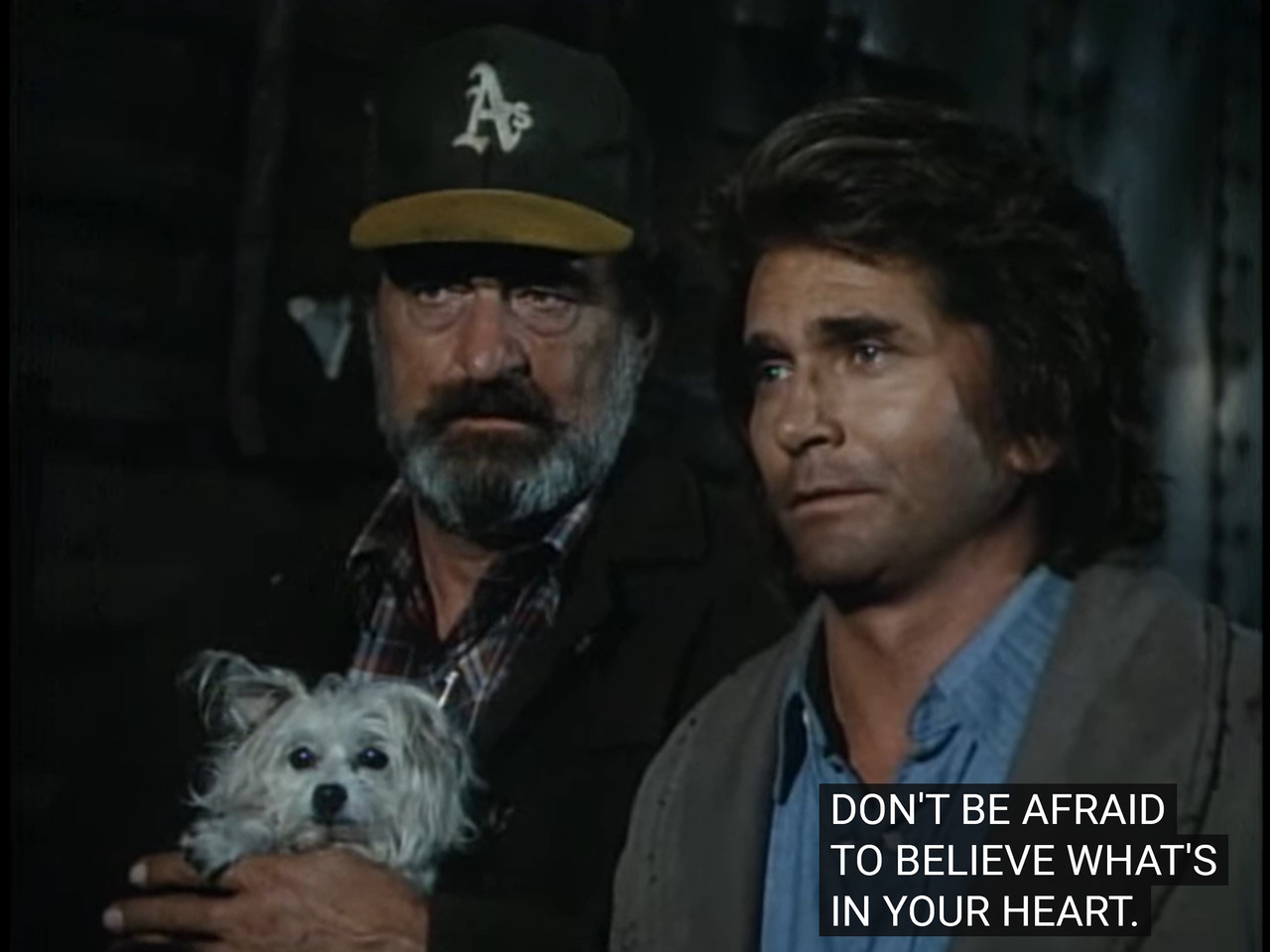
And when Wally asks him how Jonathan knows that, the answer is puzzling to say the least.
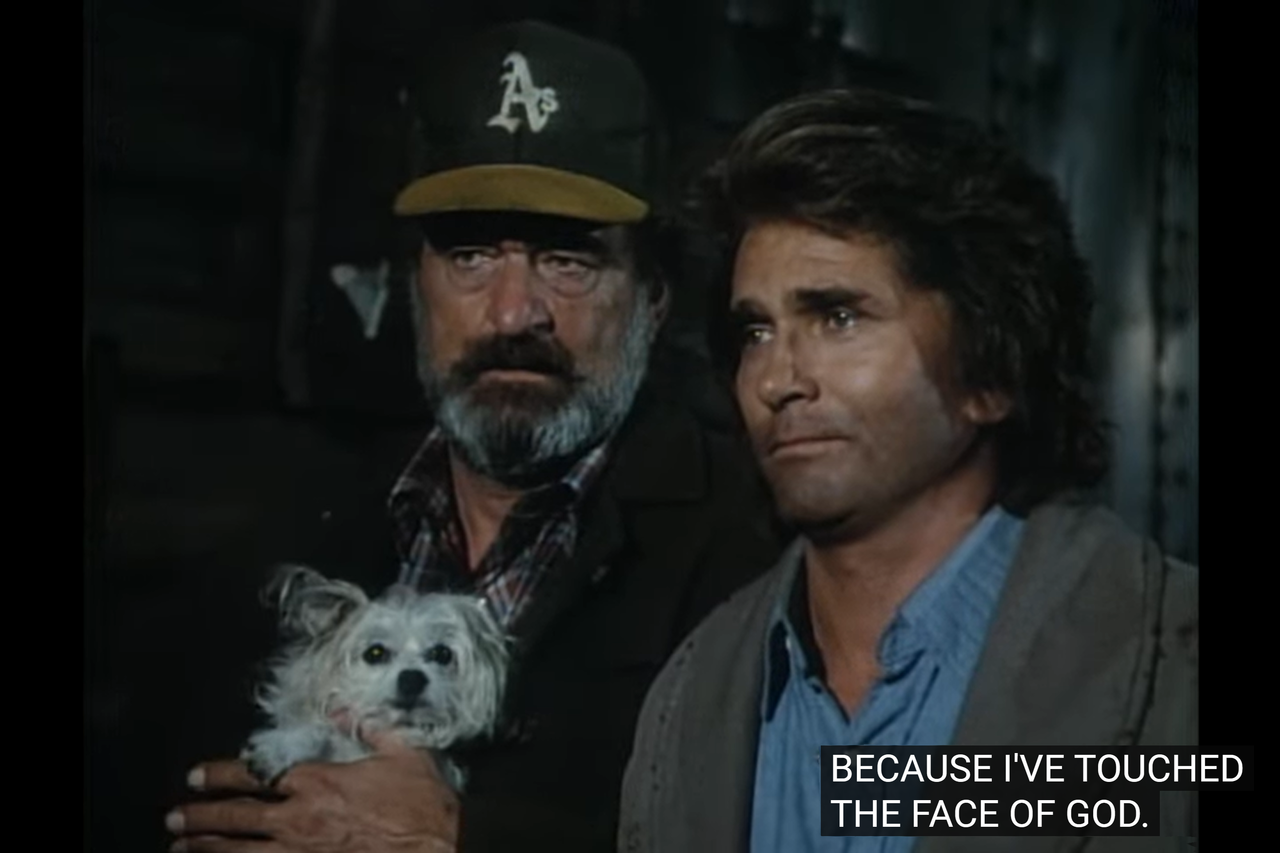
What.
Now, this part is odd both for Wally and Mark: one, Wally doesn’t know (yet) the truth about Jonathan, that he’s an angel. And if someone you think is a bum tells you something like that, it’s hard to take it serious.
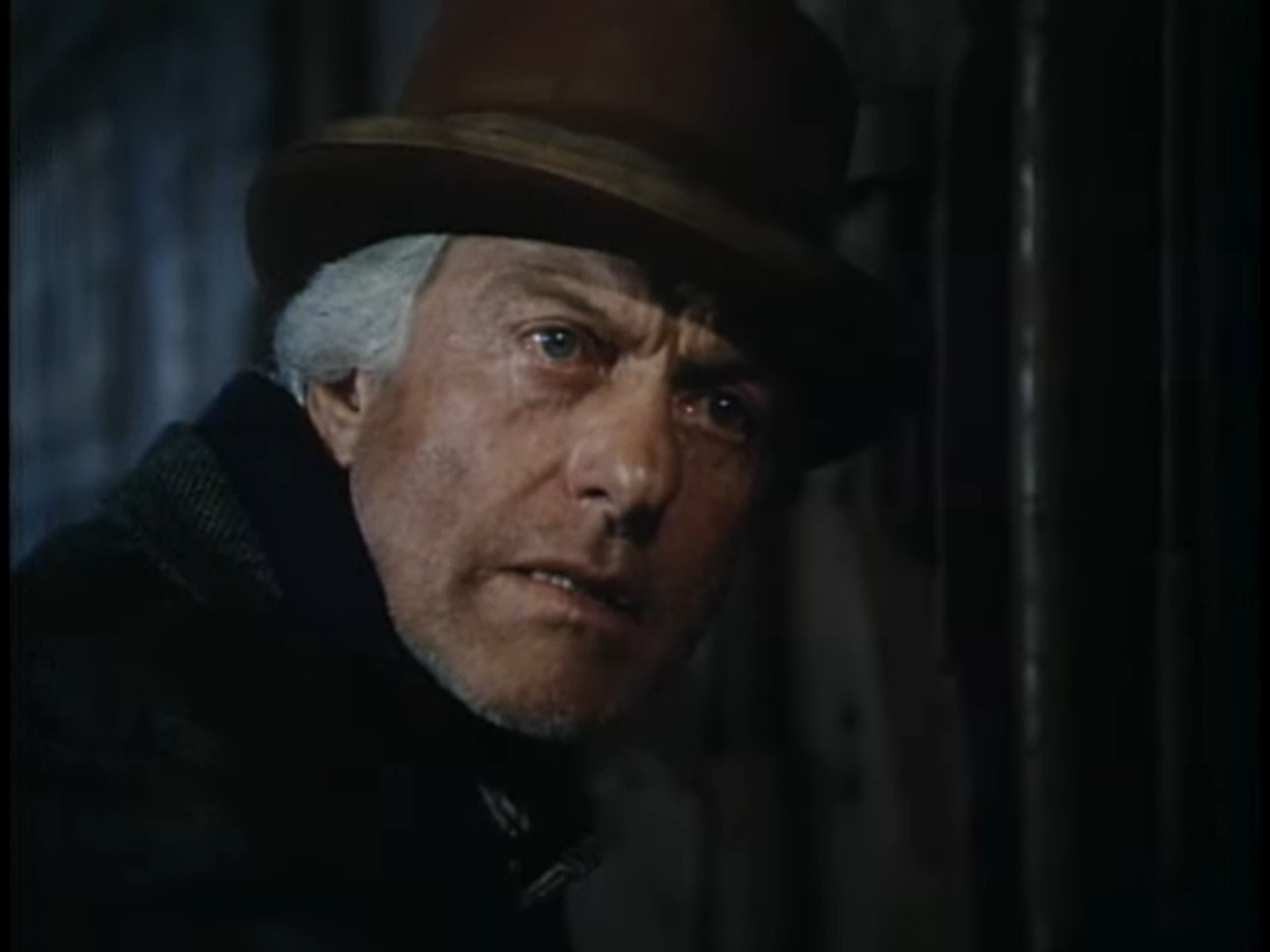
He’s like: “Jonathan, where did you get booze?”
But then, about Mark, there’s a problem. In the second season episode The Smile In The Third Row (helping an actor who had religious visions), Jonathan was skeptical about the actor because, his words, he had never see his superior in the first place.
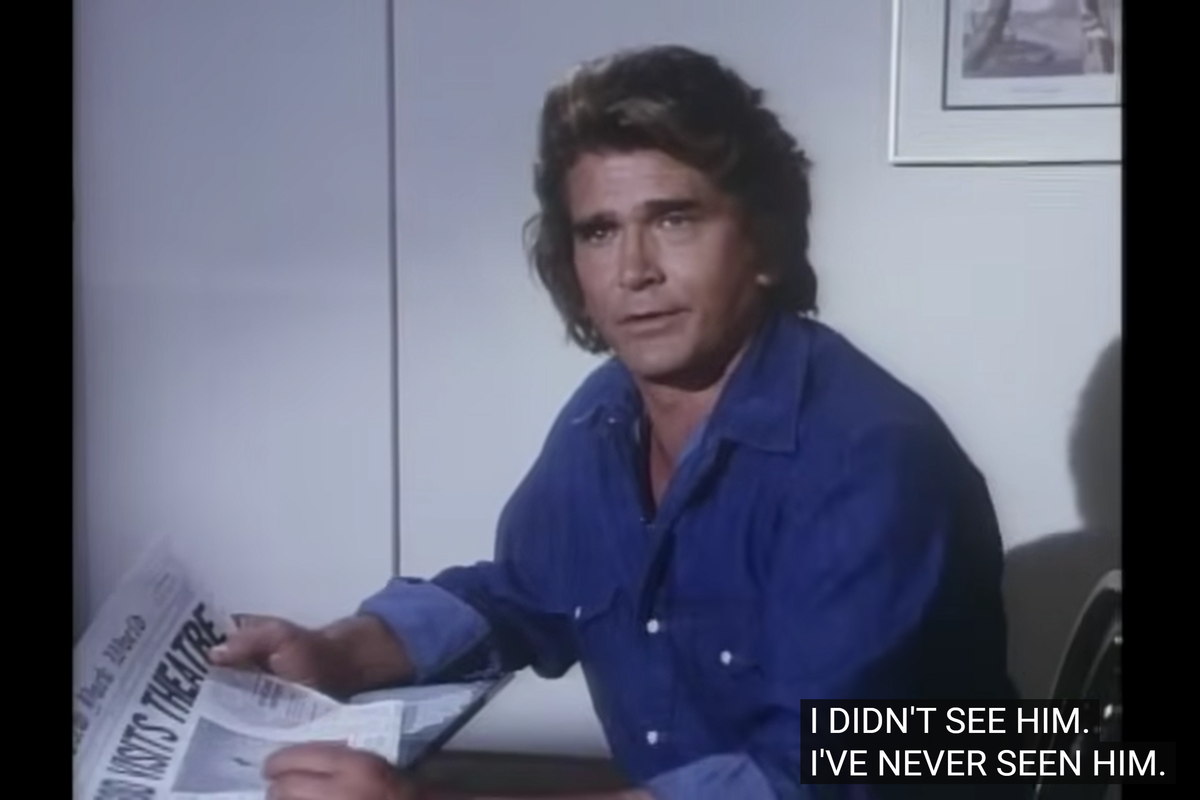
Now, it’s not really a contradiction—he’s not saying the exact same thing—but it’s weird. Either Jonathan didn’t mean it literally, or he has met his superior at some point in the last season. Or he’s a liar.
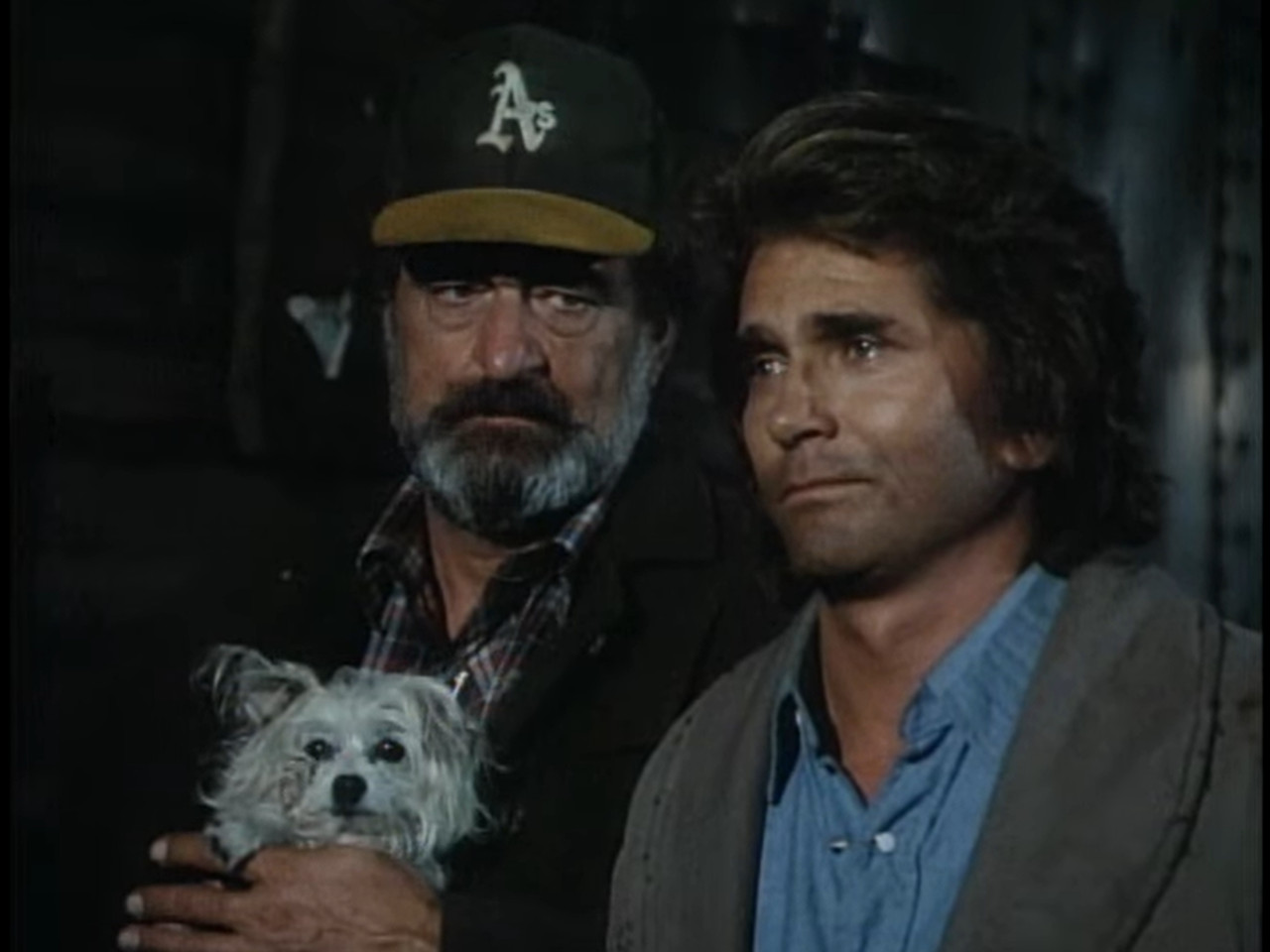
Mark looks at him like: “Jonathan, that’s not what you told me one year ago”.
- Production and Setting
The episode is set in Los Angeles. In particular, the retirement home Wally visits is the Auguste R. Marquis residence in South Los Angeles, where much of the episode is set.

As for the production, it was written by Landon on late October and made on early November 1986 in one week.
One curious thing: in the original script, Wally’s character is described as a man “In his 50s or 70s, who knows the street life has been hard“, as the script puts it. It’s unclear why Landon was so mysterious with the age—keeping the span that large instead. Perhaps he didn’t have a clear idea of what the actor would look like, and he didn’t want to narrow down the scope. Or maybe he wanted to emphasize that it’s hard to tell the age of someone who has been living on the street for a long time. Either way, he got Dick Van Dyke for the part—who was about to turn 61 by the time they made this episode. Perfect choice.
Curiously, in a 2003 interview promoting the first DVD release of Highway to Heaven, producer Kent McCray and Landon’s wife Cindy both admitted this episode was the best of the series. And McCray’s wife Susan placed it tied with Basinger’s New York as the two best episodes.
And they were not the only one who liked it: in an interview, Dick Van Dyke—the actor portraying Wally—revealed that during the powerful scene in which a man shoots and kills a homeless woman and Wally breaks down in tears, Landon was so moved by Van Dyke’s performance that he began crying as well.
According to the shooting schedule, that was also the first scene they made in the episode, the very first day.
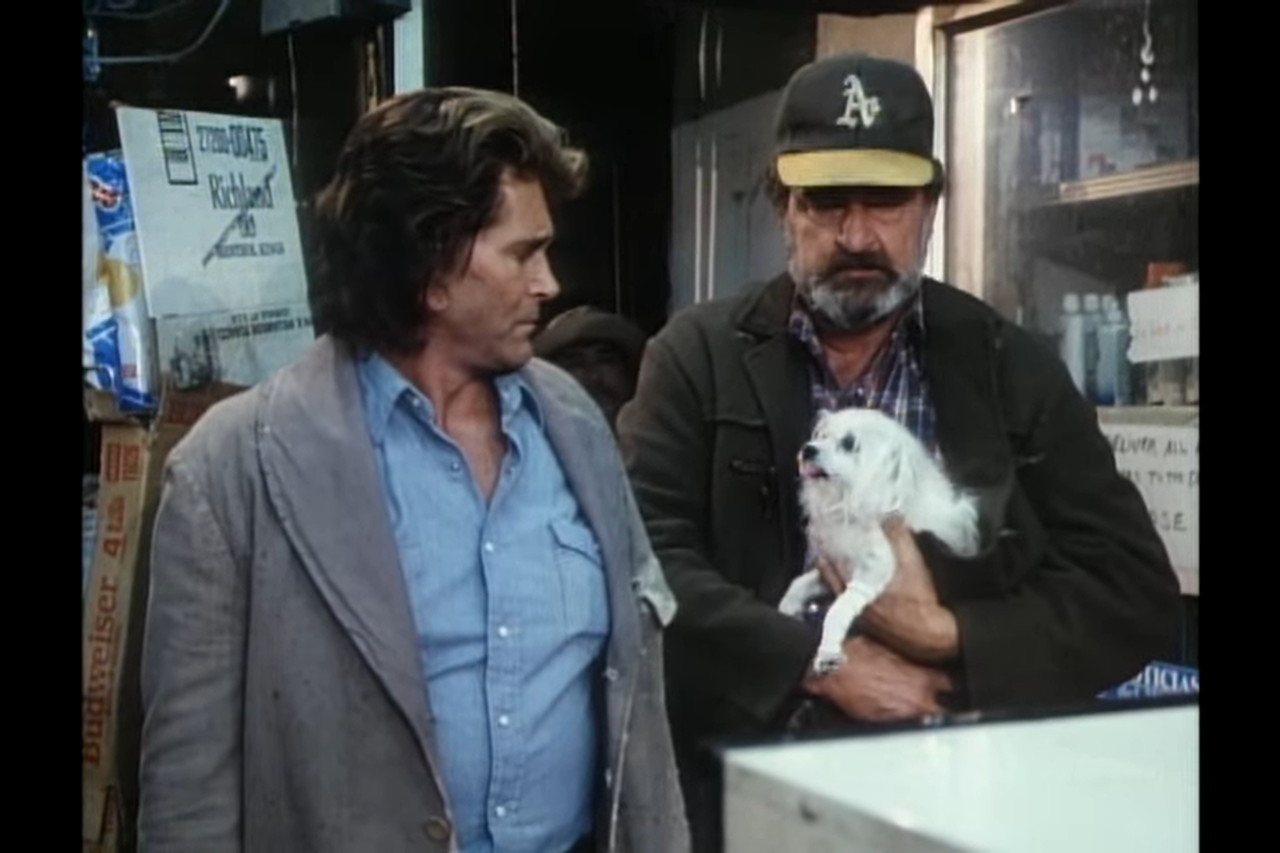
They wanted to start on something very emotional.
And Landon was felt this episode particularly dear (of course, bums are one of his three obsessions), and he decided to bring his daughter Leslie on set, in a background role as a girl listening to Wally’s ramblings about people judging bums.
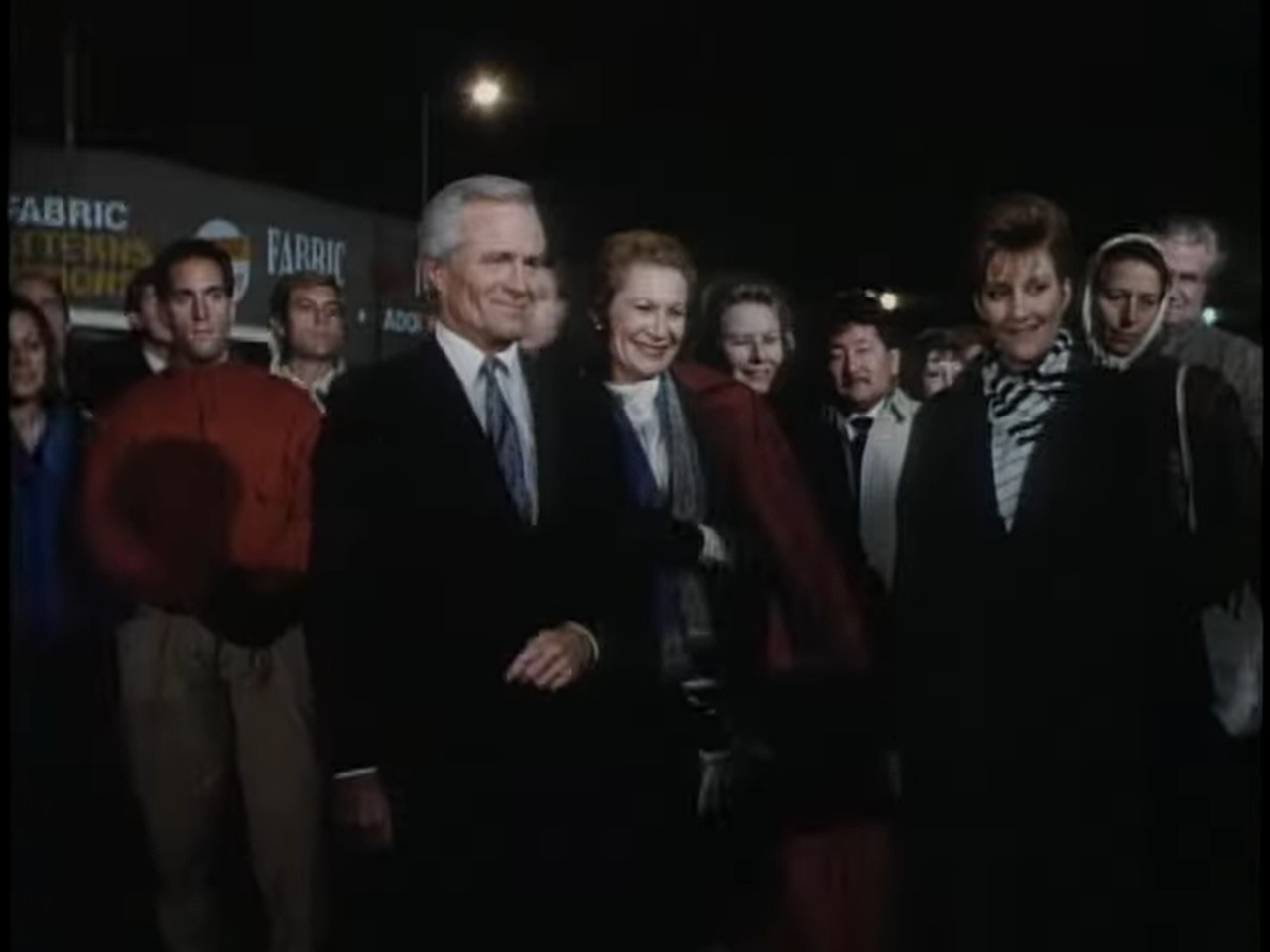
The girl on the right.
She had appeared in Little House playing multiple characters, including a recurring role in season nine, and retired from acting at the conclusion of that series.
Now, she was actually uncredited here for Highway (likely because she had already retired from acting by then, and there was no use in crediting her as “woman”), and that makes it hard to confirm whether that woman is actually her. But she looks just like Mrs. Plum from Little House then. Maybe her father thought she might learn something from this.
Glossary:
Angel Revelation: one particularly unusual element is the double angel revelation to Wally. Early in the episode, Wally pretends to be an angel to comfort Stevie. And Jonathan plays along—though Jonathan, of course, is telling the truth.
But then it turns out that Wally is going to become an angel too. Just before Wally’s death, Jonathan makes the official angel revelation, and also adds that Wally will indeed become an angel.
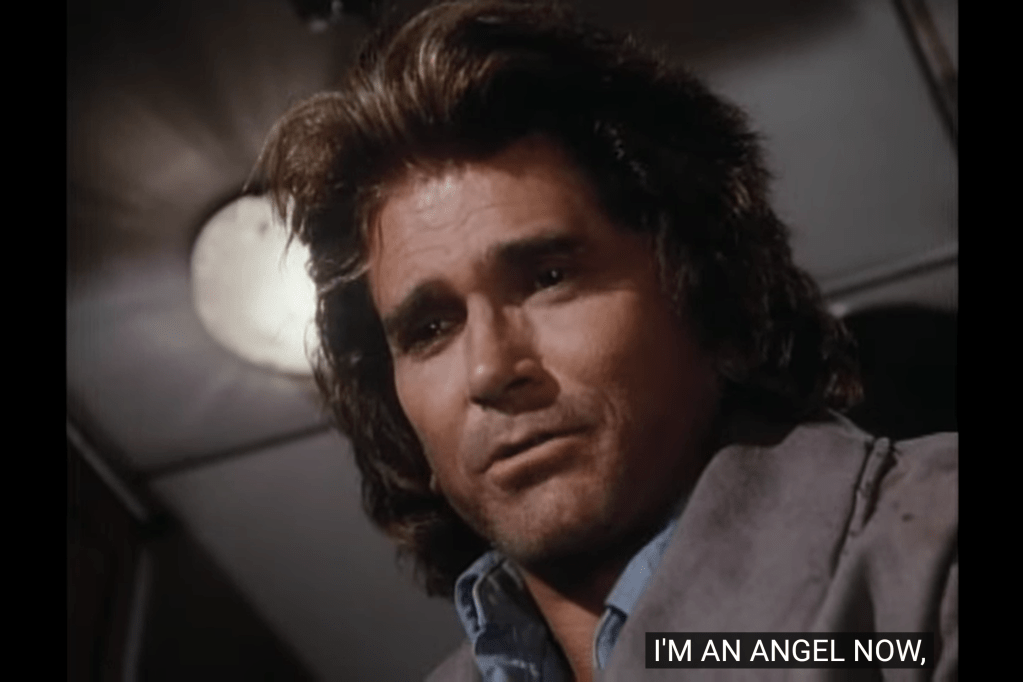
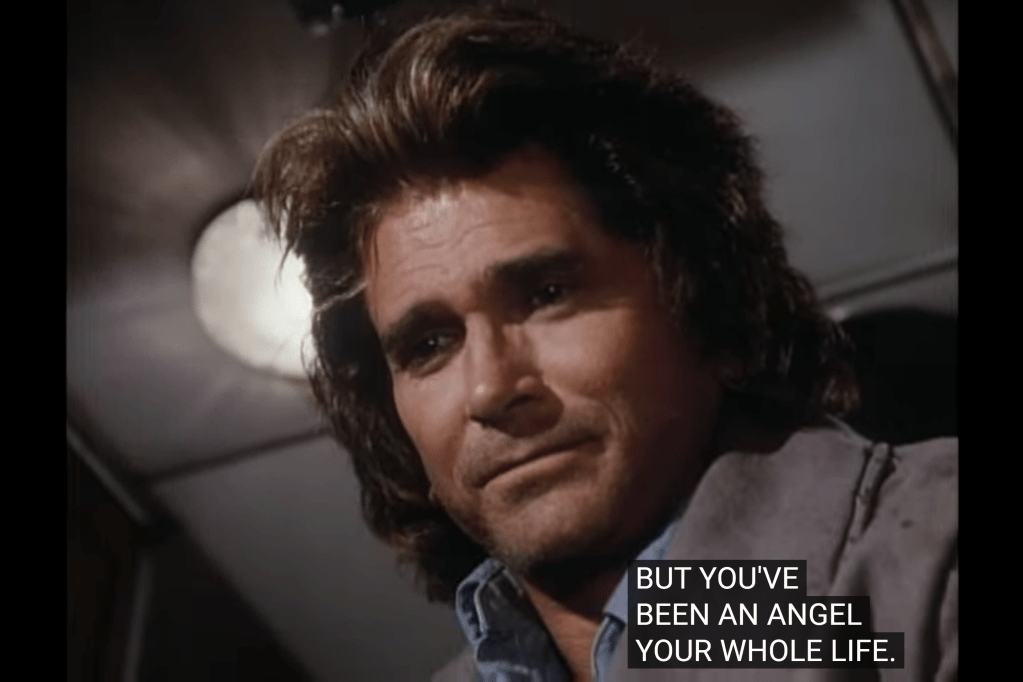
However, the mechanics of this transformation remain unclear. Is Wally a probationary angel, or does he bypass probation entirely because he was already living an angelic life on Earth? The episode never specifies. If Wally must still undergo probation, it seems almost unfair—after a lifetime of selfless service, to begin again at the lowest rung of the angelic hierarchy. Maybe that’s what will happen to Mark (who doesn’t die in the series, but it’s likely that at some point he will become an angel.)
Bums: it’s the definitive bum assignment of the series. Normally, bums sporadically appear in the background without doing much. In some episodes, they can be the subject of the assignment (Alone, Basinger’s New York), but the episode being about something else, not their conditions (for example, Alone was actually about adoption).
Instead, for this episode, they went for it all: it’s entirely about being a bum.
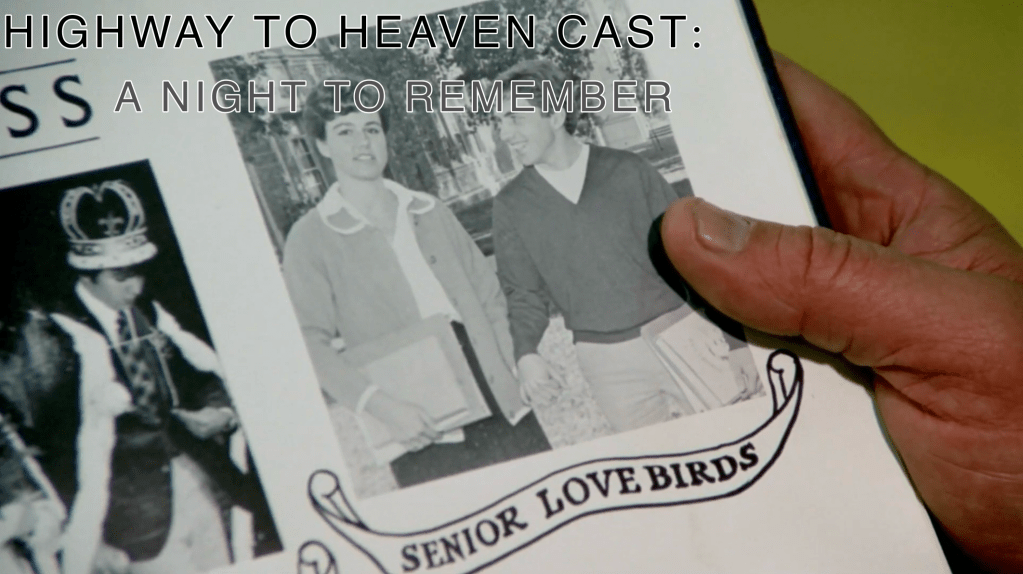
Also, someone must have particularly liked this, because they took multiple scenes from this episode to promote the series. In particular, when Jonathan and Wally are preparing to go out from Wally’s boxcar, there’s Landon smiling compassionately.
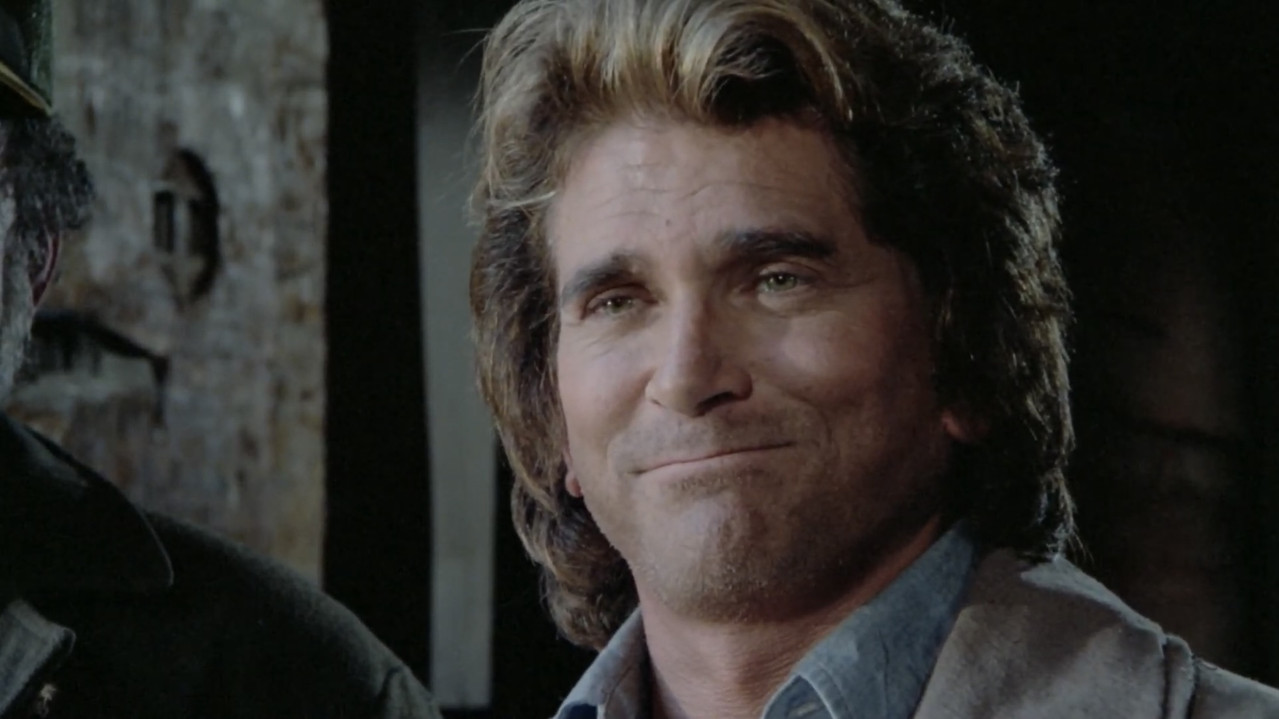
If that seems familiar, it is because they used this as the official promotional image, but for the wrong season.

That’s right: they used the scene from this season three episode in the official promo for season two.
Actually, that was quite common at the time: many DVD of 1970s and 1980s series used the image of a season to promote a different one, even Little House had the same mistake, when they used a picture of the entire family to promote season two, except they got the wrong dog (that was corrected in the following releases though).
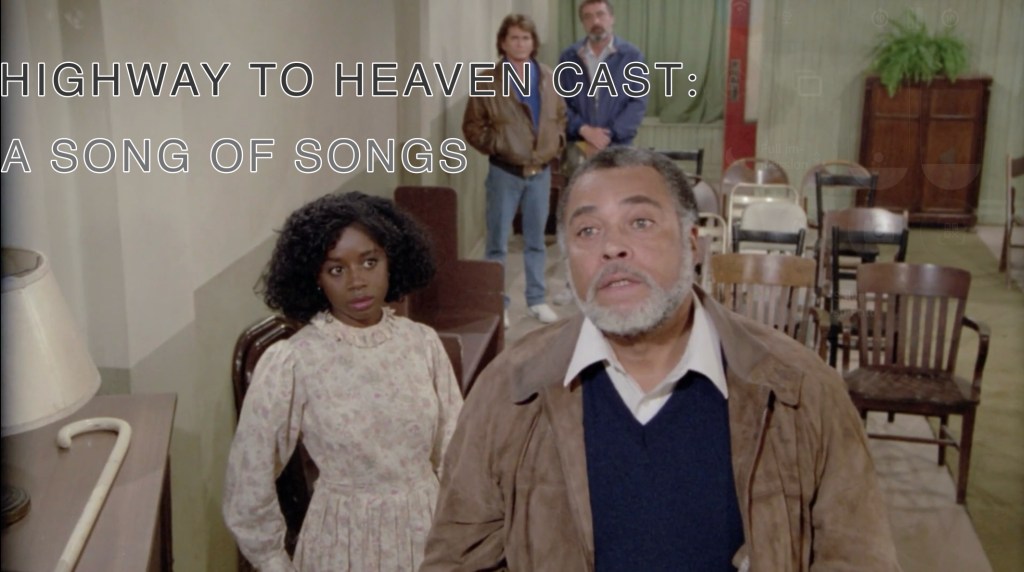
However the striking part is that there’s more: the scene when there’s Wally, Jonathan and Mark observing a bum should look familiar as well.
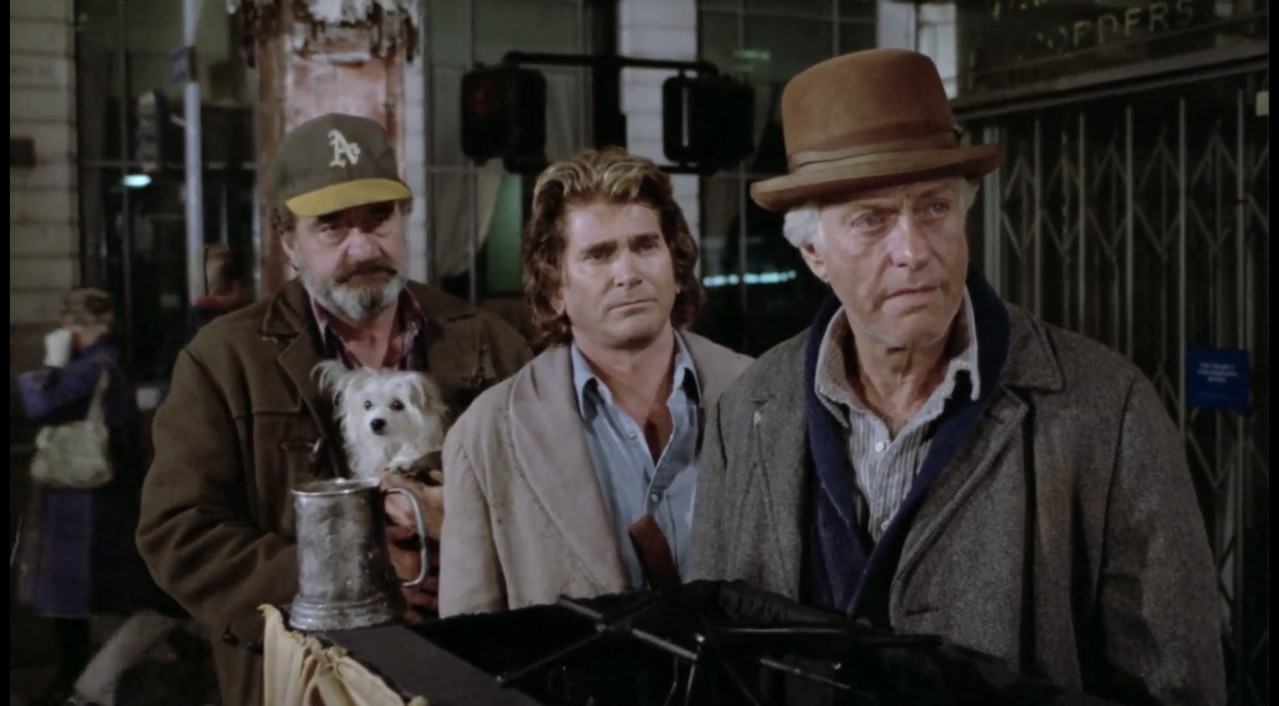
Again: that was used as the official promotional image, but not for this season.

There’s someone who must like this episode so much.
Maybe it’s because it’s the most popular episode of the series (and the best, according to Cindy Landon and Kent McCray, at least), so they decided to use it everywhere.
But, despite being recycled for later promotions, this episode was not actually used to promote its own season.

That’s from another episode later on.
And, of course, they got the season four promotional image wrong as well, using a season two episode instead.
So, they used a season two episode in the official promotion of season four, two different scenes from a season three episode to promote season two and five, and yet a different season three episode for season three. No idea who was behind this.
Again, it was common at the time to mess these things up (they even got Little House wrong). The striking part, though, is that they used two scenes from this episode to promote two different seasons, none of which is this episode’s— to then take a different episode from its same season as the promotional image. Someone should watch the series.
Highway Lifetime: the actor who plays Paulie—the blind homeless man who trades in alcohol— is played by Ed Bakey in the final appearance of his career in this episode, as passed away roughly a year after it aired.
References: the song that Wally sings to cheer the old folks up, the one idolizing the actor’s life, doesn’t come from this series. It could have been, it’s not the first time someone write one specifically for the series (Ronee Blackley and Barry Williams did it, and other actors will do it in the next season).
But Van Dyke didn’t do it. And the tune is actually from Pinocchio, the 1940 one.
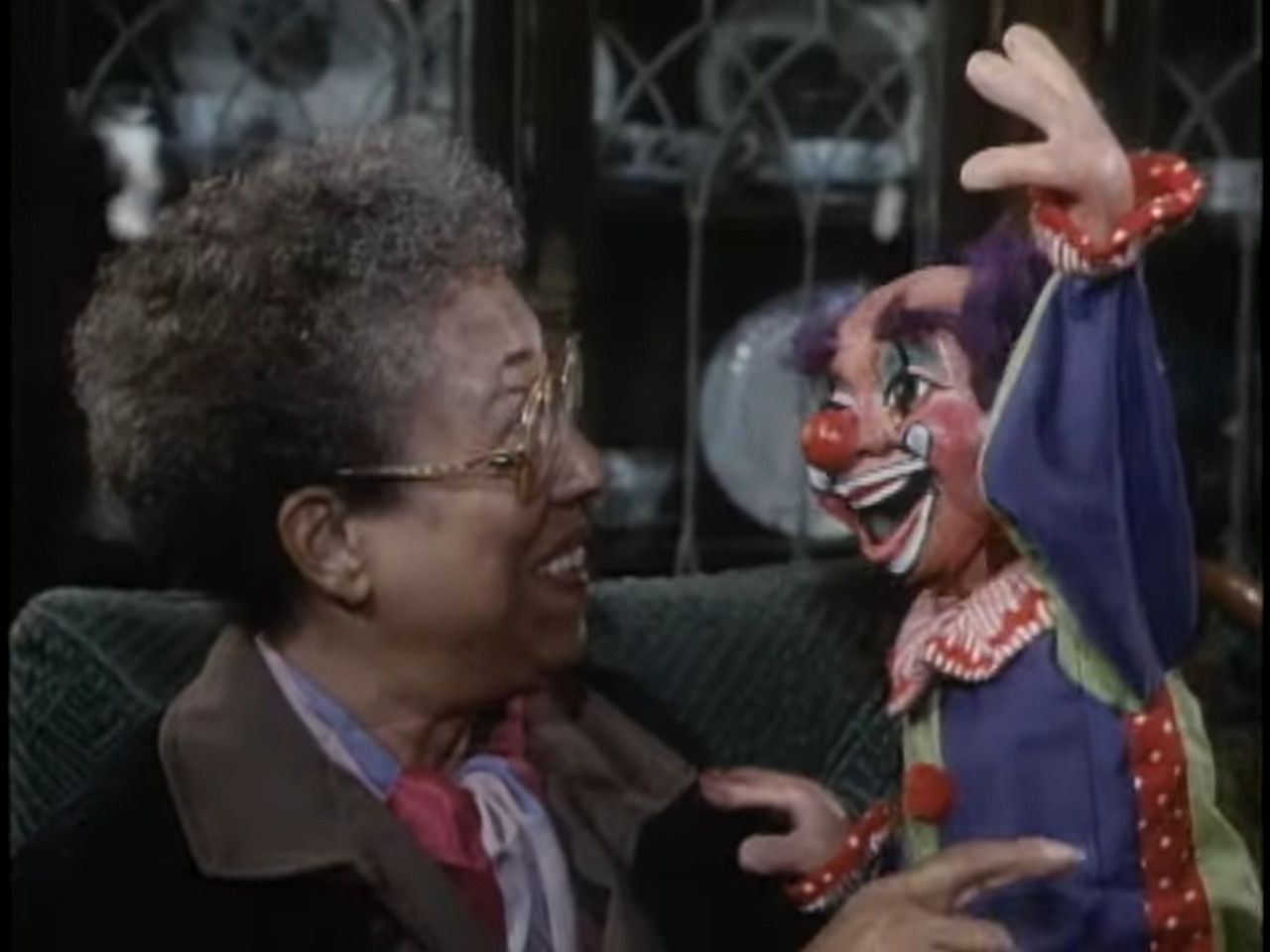
The puppet kinda looks like him.
Even bums know that character.
Also, the titular character’s name is “Wally Dunn”; maybe it was really intended to be a reference to that
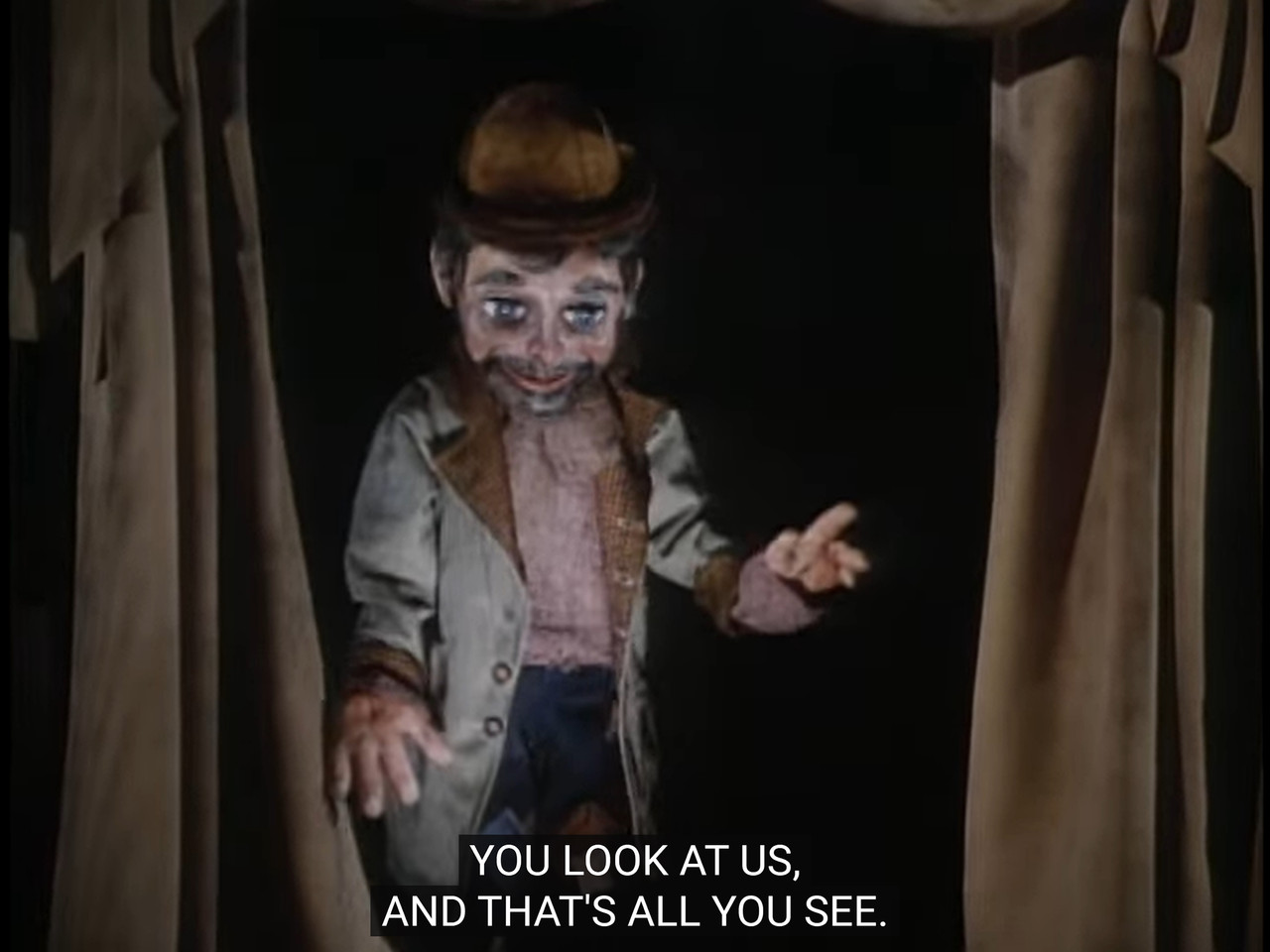
Punchline: in the episode, Wally is the angel, so he has most of the punchlines. In particular, there’s one that he recycles in every one of his creepy puppet show, like the one he performs to the audience that includes Landon’s daughter at the beginning of the episode.
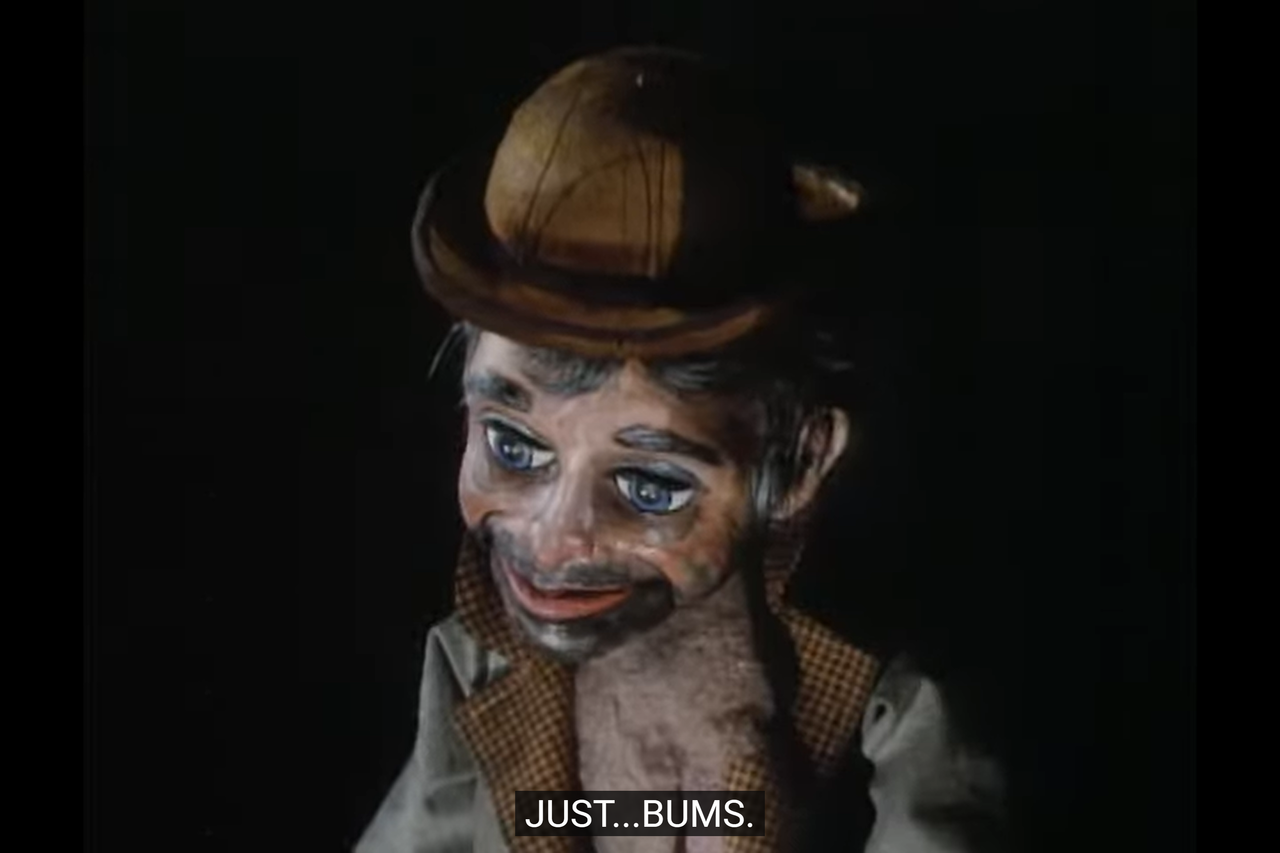
That’s the title of his monologue.
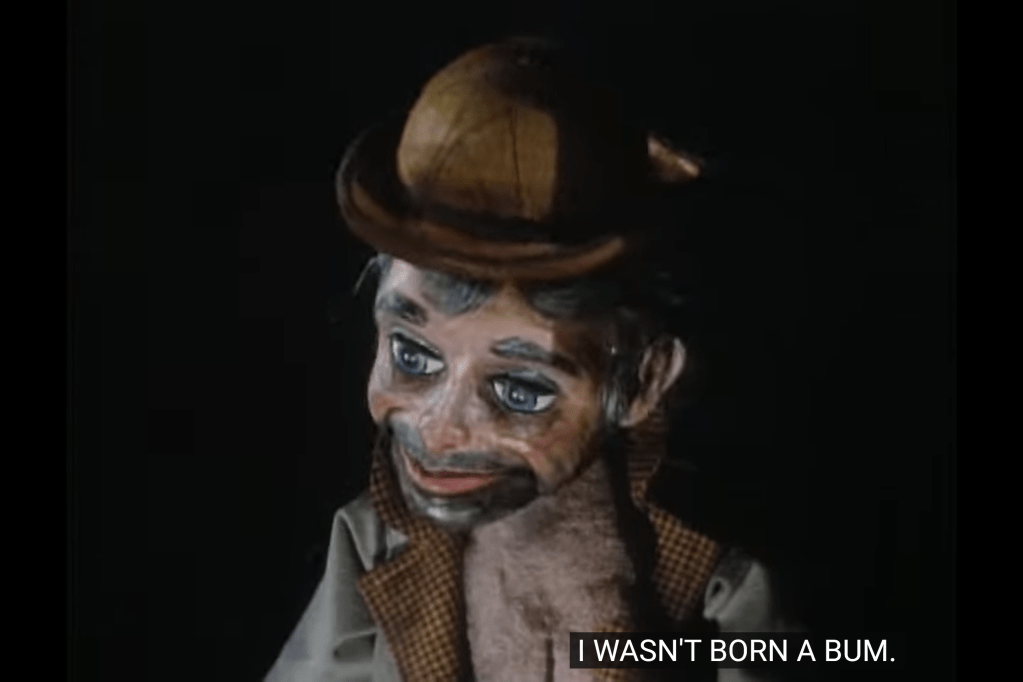
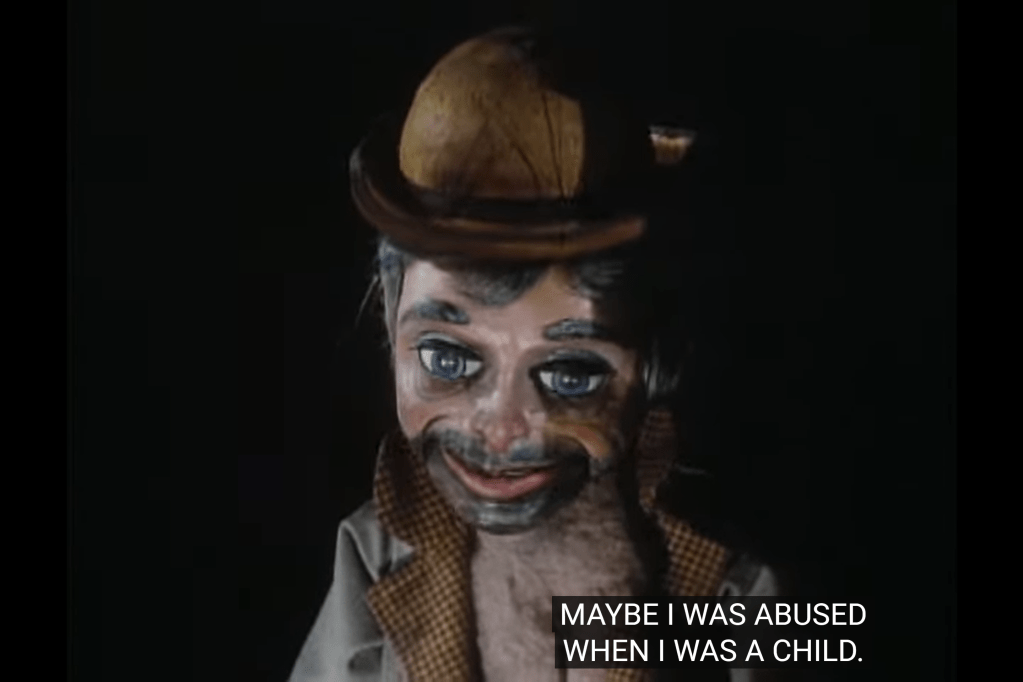
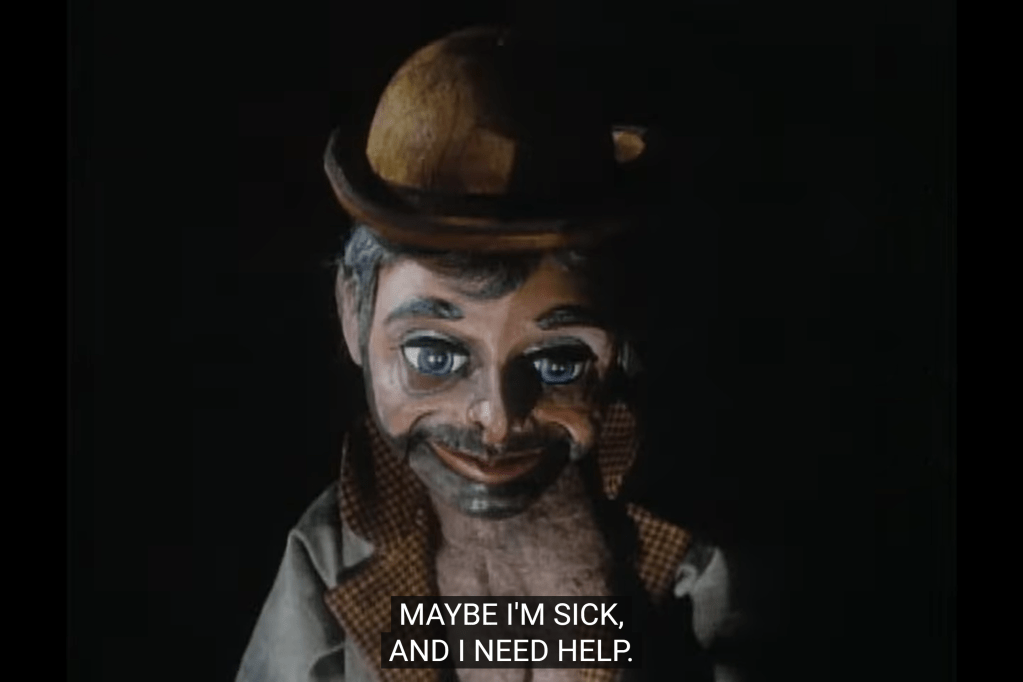
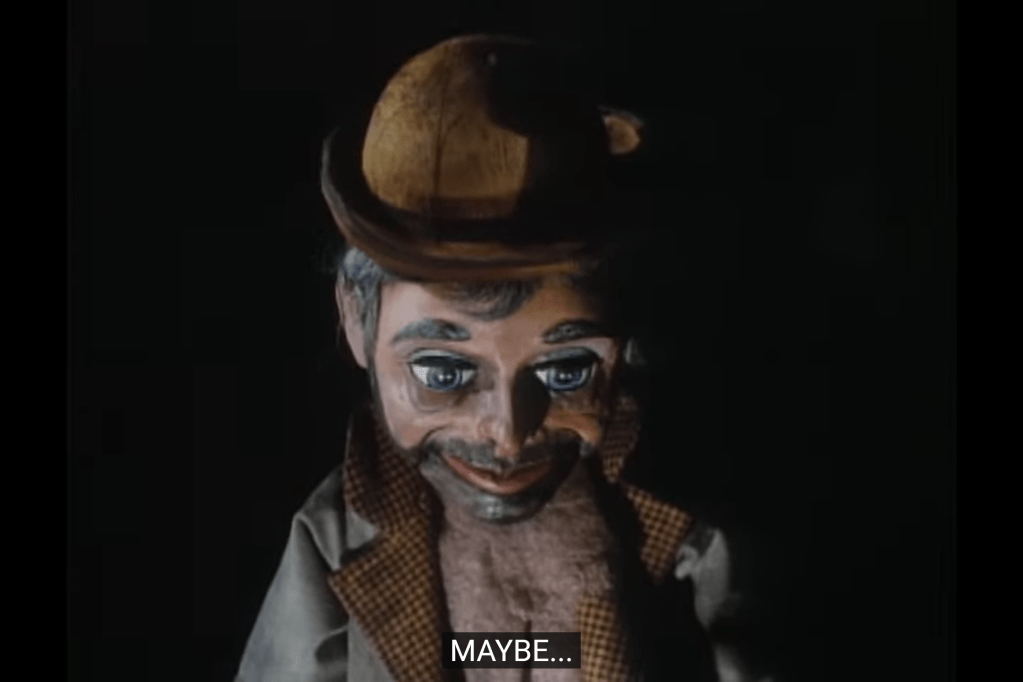
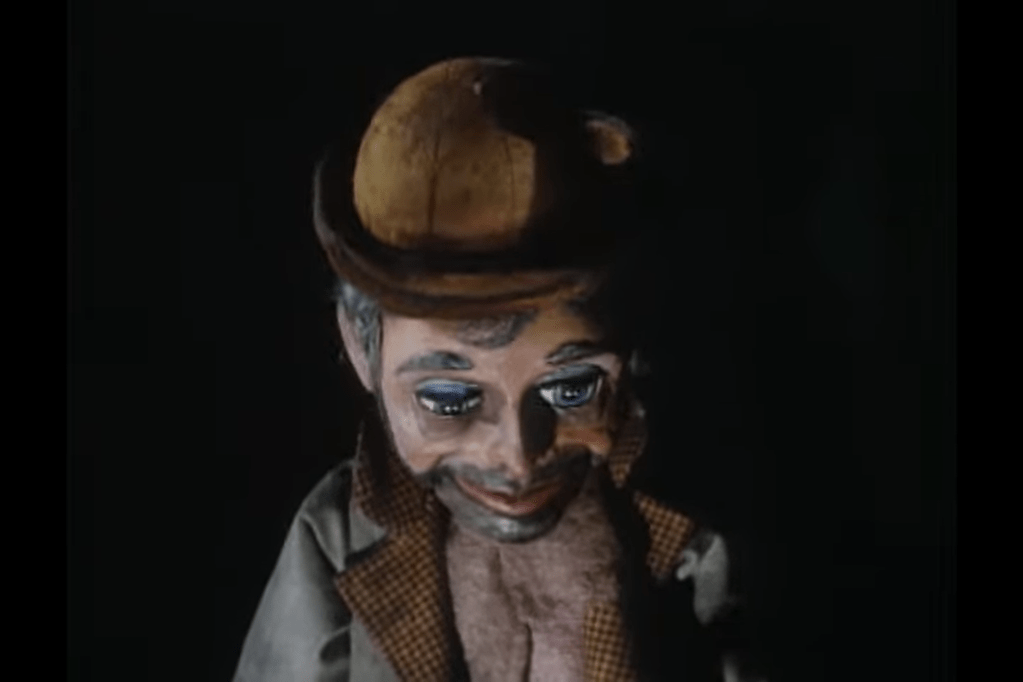
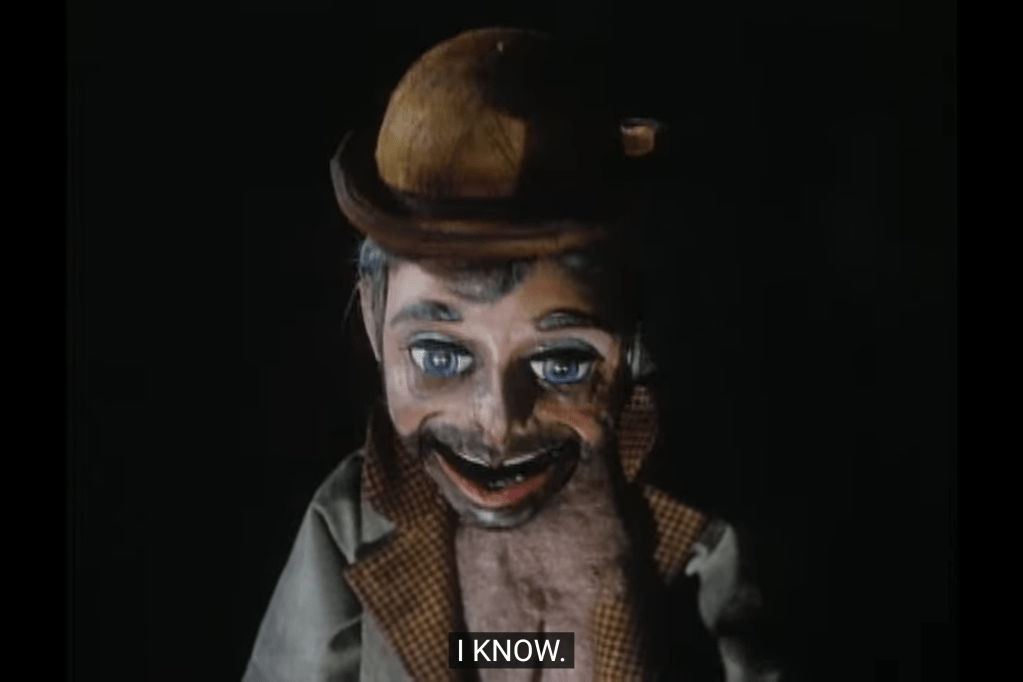
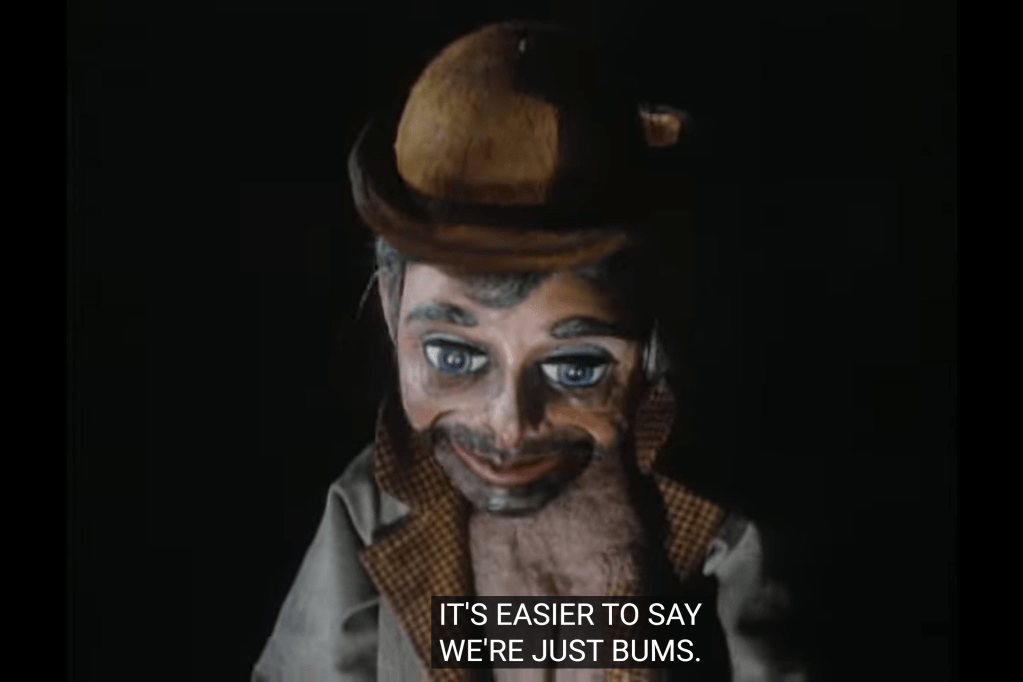
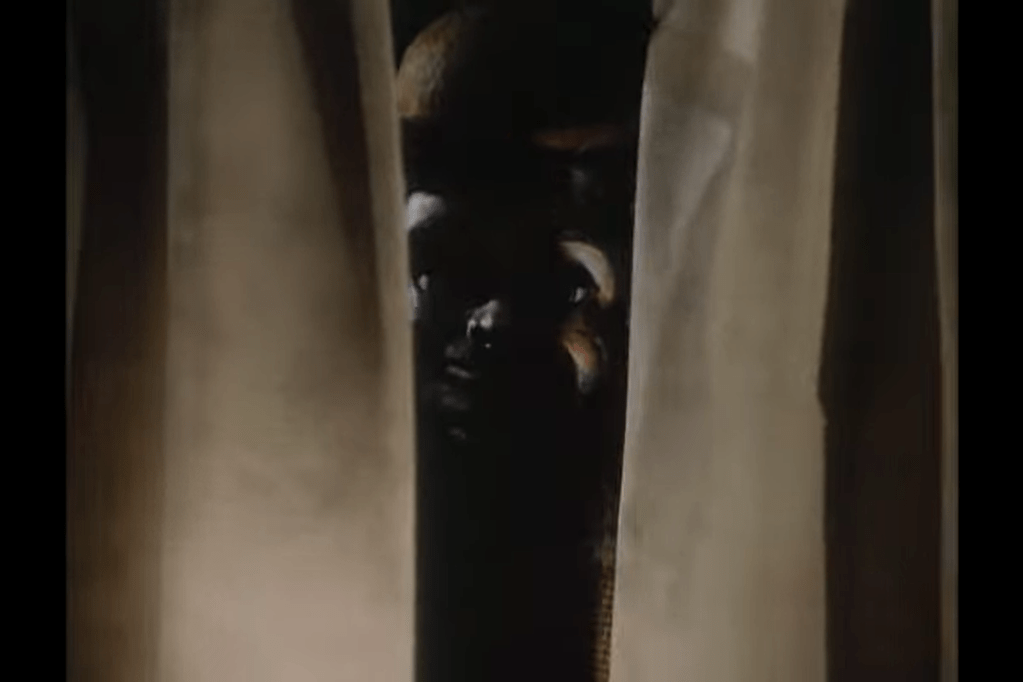
Landon was very committed writing this.
And people must have liked it, because they are going to recycle this the next season.
The “Stuff”: the only moment in the episode Jonathan uses the Stuff is when he materialize a dog collar.
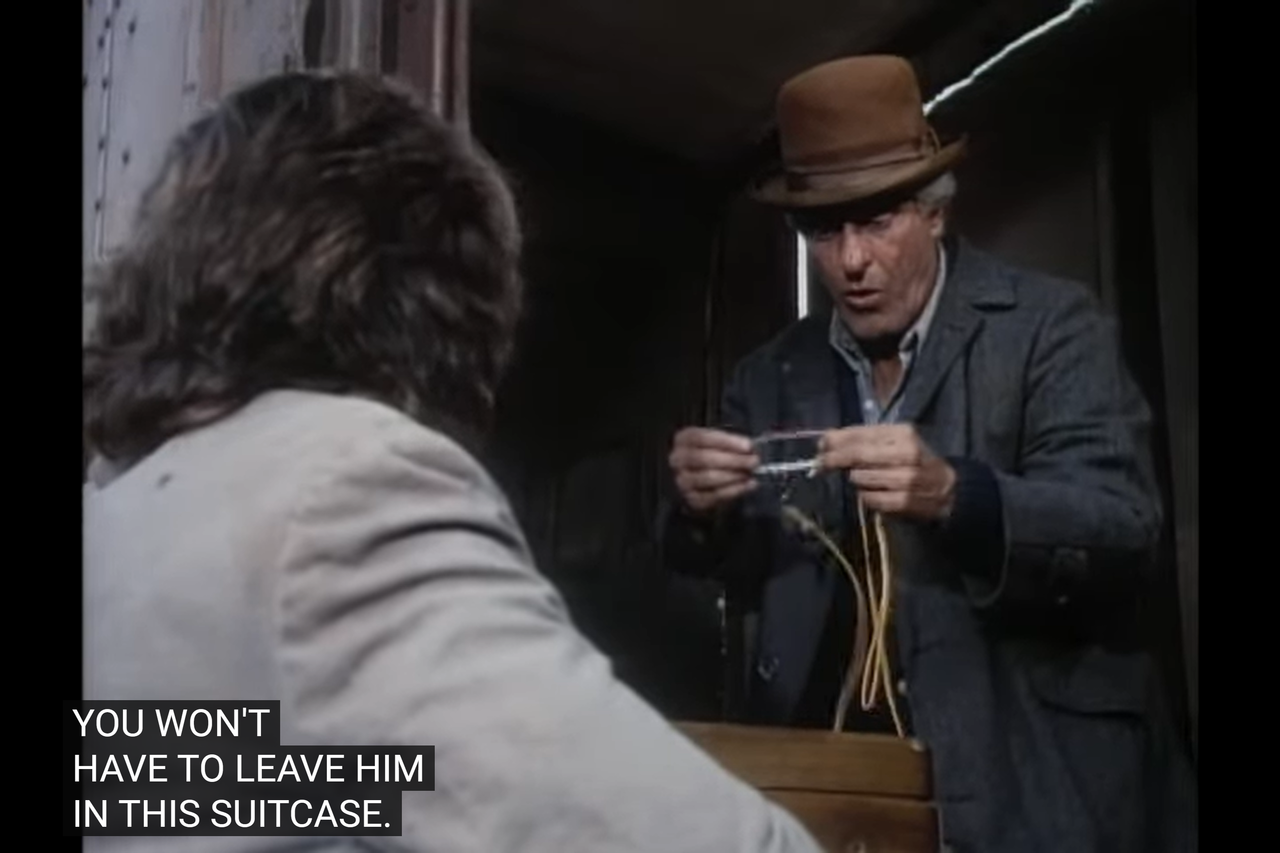
And then when he visits Wally who is dying on the ambulance.
Yet the most curious moment comes at the end. At the hospital, Jonathan pretends to be a doctor in order to grant Wally special access to the sick child’s room.
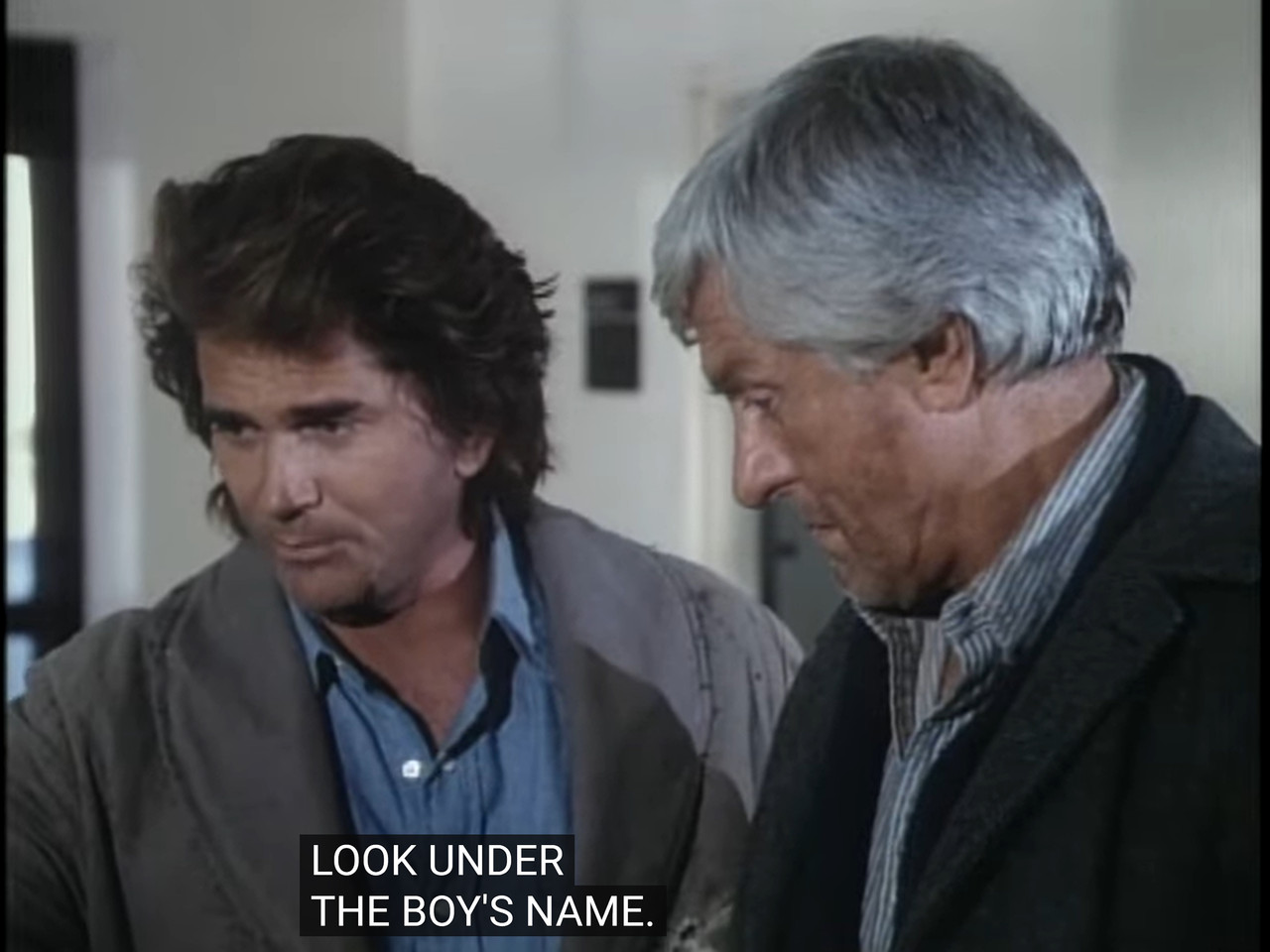
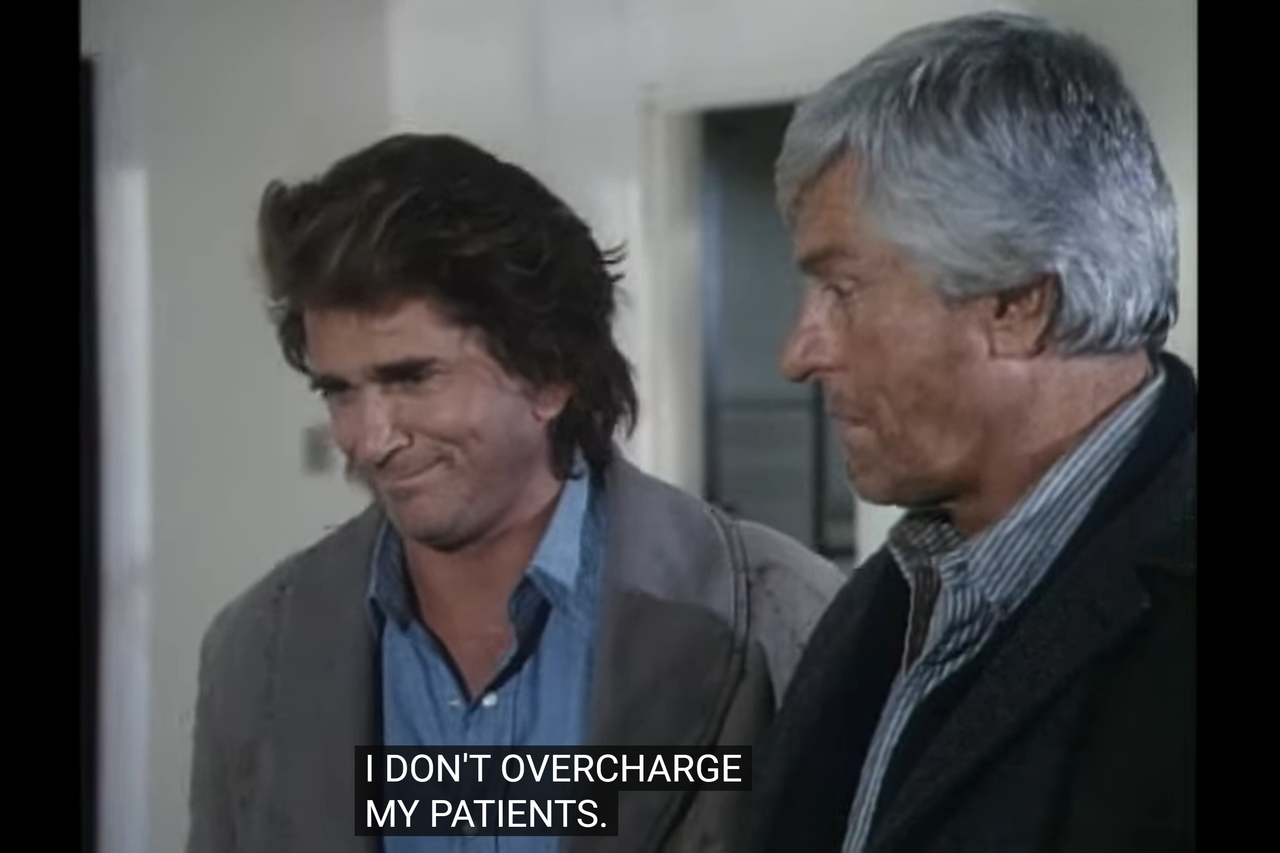
Normally, Jonathan’s miracles are more overt or symbolically timed. Here, however, the power is used almost administratively—to bypass hospital protocol. That is problematic because Jonathan is not actually the assigned doctor—he is only pretending to be one temporarily. The odd part is that when they meet the child’s parents, they tell Wally that the boy is in a coma and that the doctor fears he may not recover. But Jonathan had already told the secretary that he was the doctor in charge of the child. So now it almost seems as if the boy has two doctors: the real one (who spoke to the parents) and Jonathan, who previously pretended to be the doctor when speaking to the secretary.
Just imagine if the real doctor had walked into the room and seen Jonathan there, or if he had casually spoken to the secretary and discovered that a man dressed like a bum was with the child. But that never happens—likely because Jonathan somehow kept the real doctor away long enough for Wally to intervene.
The Job: they are bums. Except at the conclusion, when Jonathan becomes a doctor.
Ratings: 33 – 34 million audience. 17th weekly TV programs, 5th TV genre show.
This episode aired in January 1987, the second one of the new year, and it slightly improved on the ratings of its predecessor: it scored roughly the same as the second episode to air in the new year of the first season. Once again, the two seasons show very similar ratings, especially in the second half.
However, it did not reach the heights of the second season, which by that point had already aired its most successful episodes. Actually, even the episode of last week was not as strong as the others broadcast that same month, though it still performed better than most shows. In general, that’s positive for the season.
 Highway To Heaven Cast
Leave a comment