

An episode that is very peculiar. It’s a very emotional one—arguably one of the most unique in the entire series for several reasons that will soon become apparent. To name just one: most episodes either revolve around a single assignment — like Catch a Falling Star, the previous one, where they had to help a man reconnect with his children. Other, two different but interconnected missions — like To Touch the Moon, with Barret Oliver as an ill kid and Tony LaTorre as his runaway, surrogate brother. Others start with one large assignment that leads to several smaller ones—such as that random elderly that refused to see his son until Mark’s help during the broader Deke’s assignment, which had nothing to do with it but was like a secondary quest in the episode.
Well, this time, none of this happens — actually, the whole setting of “big assignment and then smaller ones” is reversed somehow.
New features:
–Actors’ jokes, Easter Eggs and references. On many occasion throughout the series Landon and French make references to their own career or personality by jokingly taking distance from it. In this episode, Jonathan’s character states he’s “no director”, though Landon was an accomplished one at the times — and directed this episode too. Similarly, Mark’s character firmly claims he’s “no actor” and balks at the idea of being one, while French was already an experienced and trained stage actor, and even graduated in drama acting almost thirty years before this episode.
–On angels and probation. So, Jonathan and Mark find another angel in disguise, for the first time in the series. Apparently, all angels were born human and turned to angels upon their death. When it happens, they are given a different body in order to go unnoticed among those who knew them, but their “soul” is the same nonetheless.
Moreover, not all angels are equal: apparently, there is a distinction both in terms of tasks or assignments and in terms of importance. Some angels hands out the assignments to those on probation, then those probationary one — such as Jonathan — have to carry them out. Finally, another category of angels (supposedly the most important ones, like “Petros Hadiar” in the episode) instead overview the entire process.
It is possible that angels on probation can only work on the assignments they receive and they can’t choose them for themselves nor can hand them out to somebody else. That’s because, as Jonathan reveals in the second season, they have to earn their “wings” — implying they can’t go to Heaven (as angels at least), nor they can perform the job of handing out assignments, though more details will be revealed in the fourth season. Either way, a single, univocal definition of the terms of “probation” and its entailment is never provided in the series, nor it is ever stated whether it is up to angels like Hadiar to decide when the probation terms is concluded for the other angels.
–Characters’ background. For the second time in the series, Mark spends most part of the episode without his A’s cap. The first time was Catch a Falling Star, and that’s just one episode ago — though on that occasion he didn’t have it for different reasons, at least.
–Reverse assignment. This time, Jonathan and Mark’s main assignment begins after the secondary one. Also, two related features about the assignment: it’s the first episode beginning without a clear assignment for Jonathan and Mark, who receive it only after some minutes into it, and even the first episode where the assignment partly revolves around one of the two protagonists. In this case, Mark is directly involved in the following events.
Assignment: Jonathan and Mark are assigned to help an aging screenwriter fund his own film and assist an entire community along the way.
In a busy highway, there are multiple cars.
This part will be recycled on multiple future instances in later seasons.
Anyway, right from the start, the episode signals that it’s going to be different: Jonathan is the one driving.
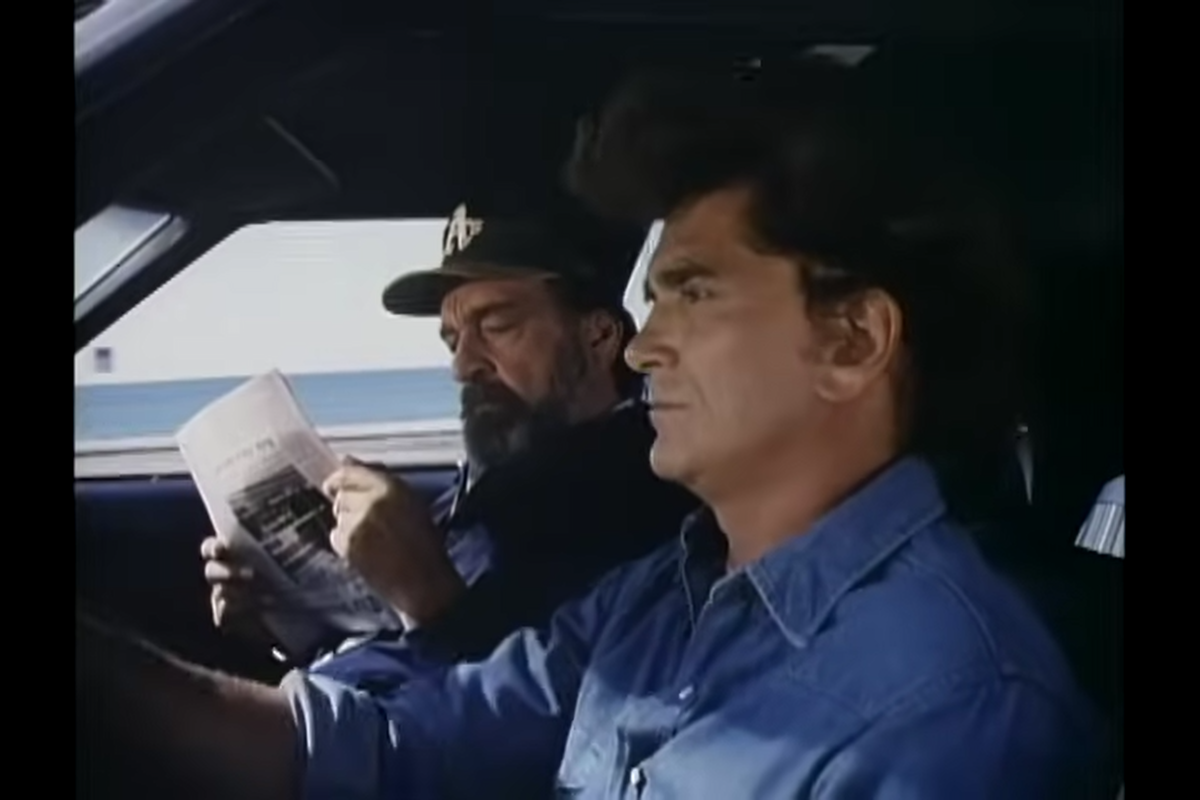
Strange setup, isn’t it? And yet, that’s far from the strangest thing to happen in this episode.
Also, this episode is the first one in which Mark wears for the first time his official clothes: a blue sweater, which replaces the blue squared shirt he’s been wearing in the early episode.
Anyway, Mark is reading a newspaper out loud.
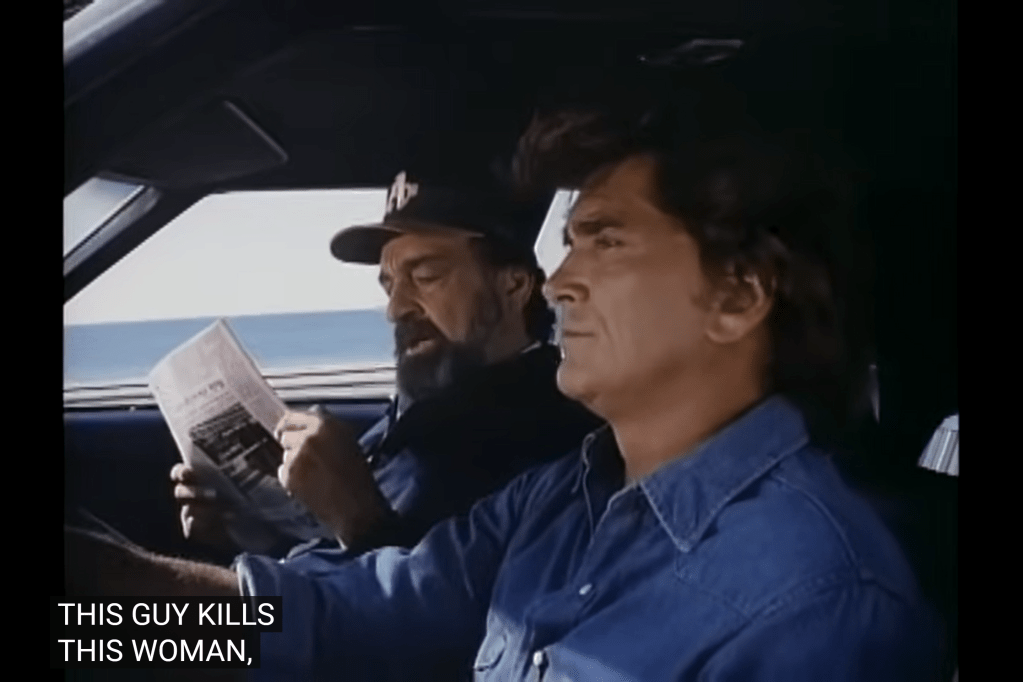

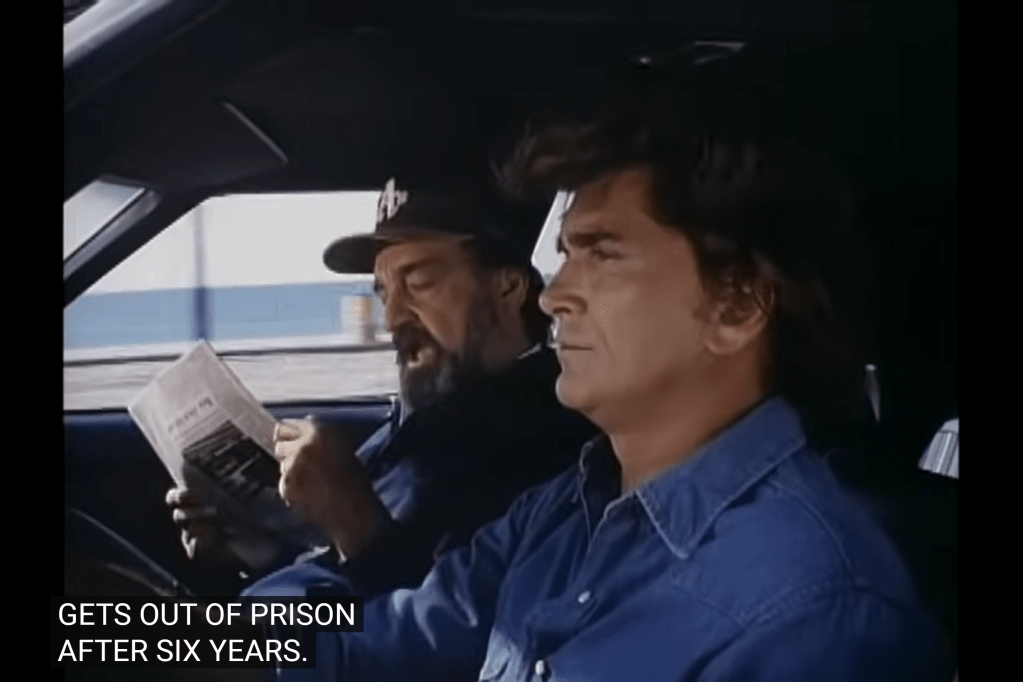

Then, he casually voices support for death penalty.


Instead, Jonathan is uncertain of where their assignment will lead them, and stares aimless at the road. We’re never told exactly where they are, but it definitely feels like Los Angeles—not just because the previous episode was set there (continuity between episodes is often unclear), but because of the setting itself.
Meanwhile, there’s David — an elderly screenwriter — who is being scorned by some random guy shooting pool.
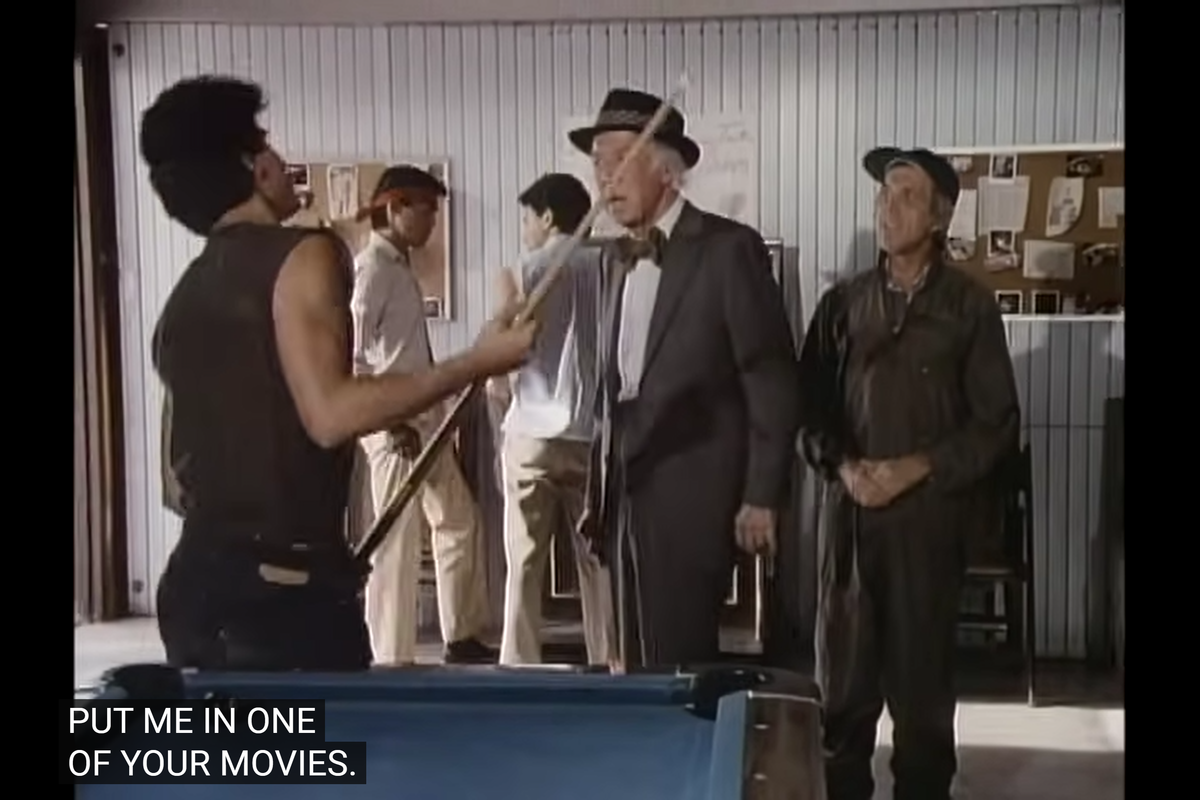
And the guy has some neat references.
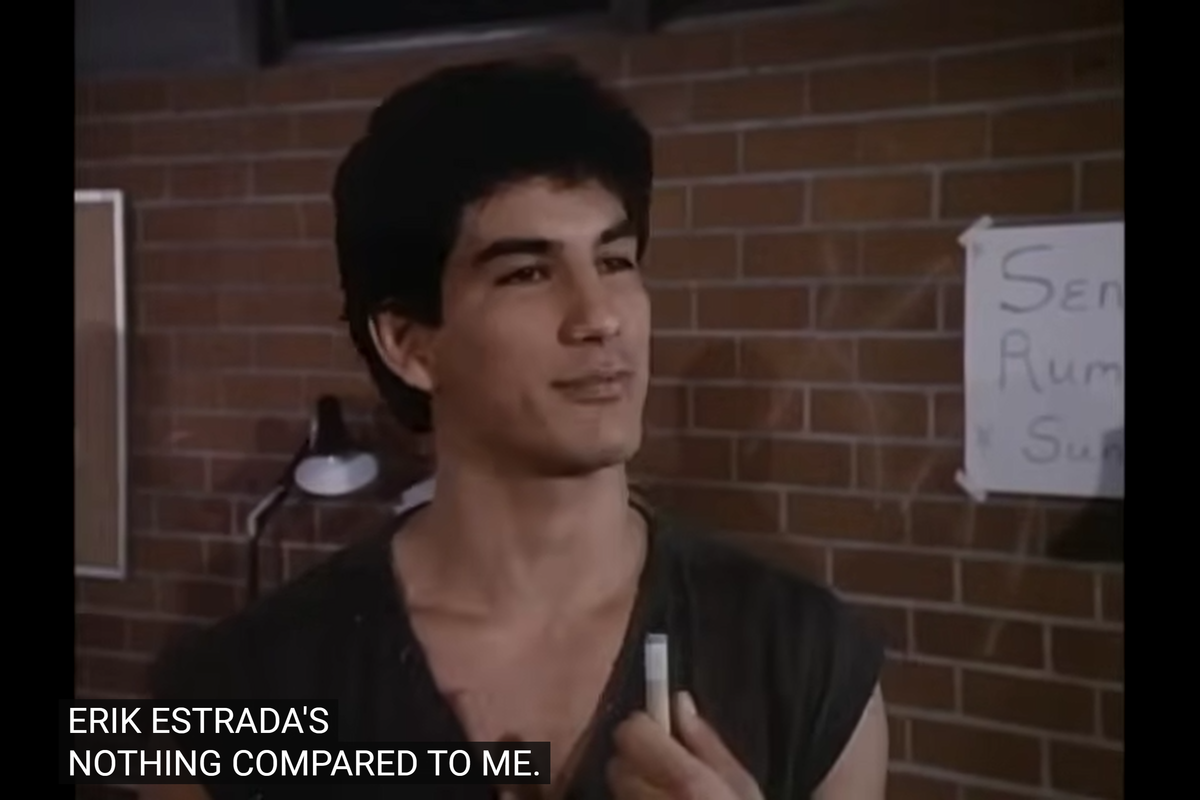
One curious thing: he’s actor and director Randy Vasquez, and this was his first role.
Just for the record, Erik Estrada is a 1970s actor mostly known for starring in the famous comedy Chips, a parody of police shows.
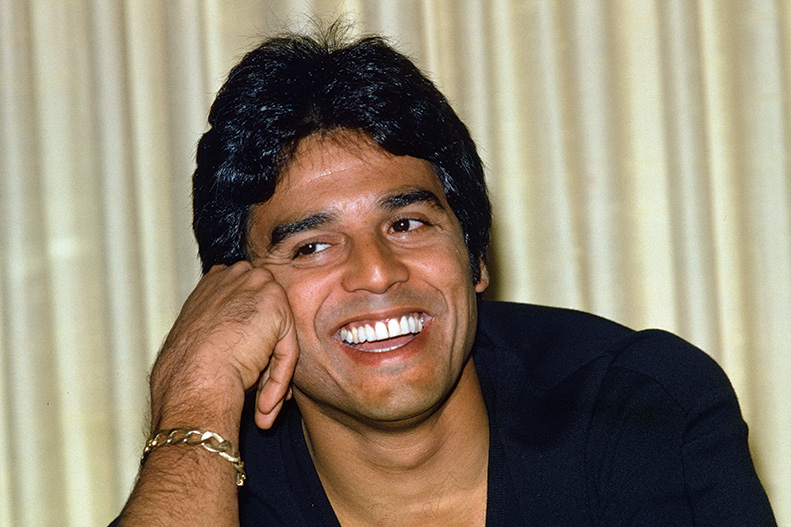
And, for the record: there is one episode on Chips where French made an appearance — probably the most awkward guest appearance of his career.
It was 1979, around that time he left ABC following the cancellation of the show in which he was the protagonist, Carter Country — the sitcom he abandoned Little House for 2 years earlier.
Here’s just some, for those who have the guts for it.
He appears halfway into the video.
Just, look at his face.
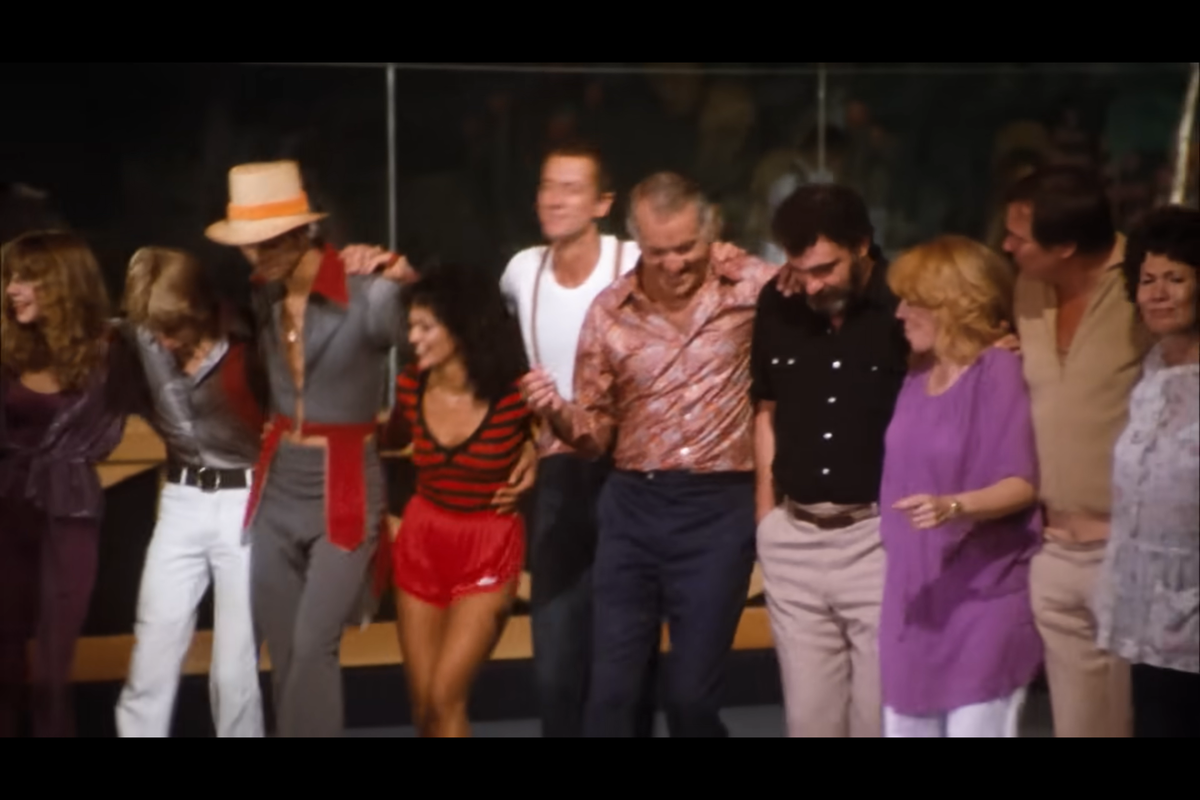
He’s like: “Get me out of here, please”
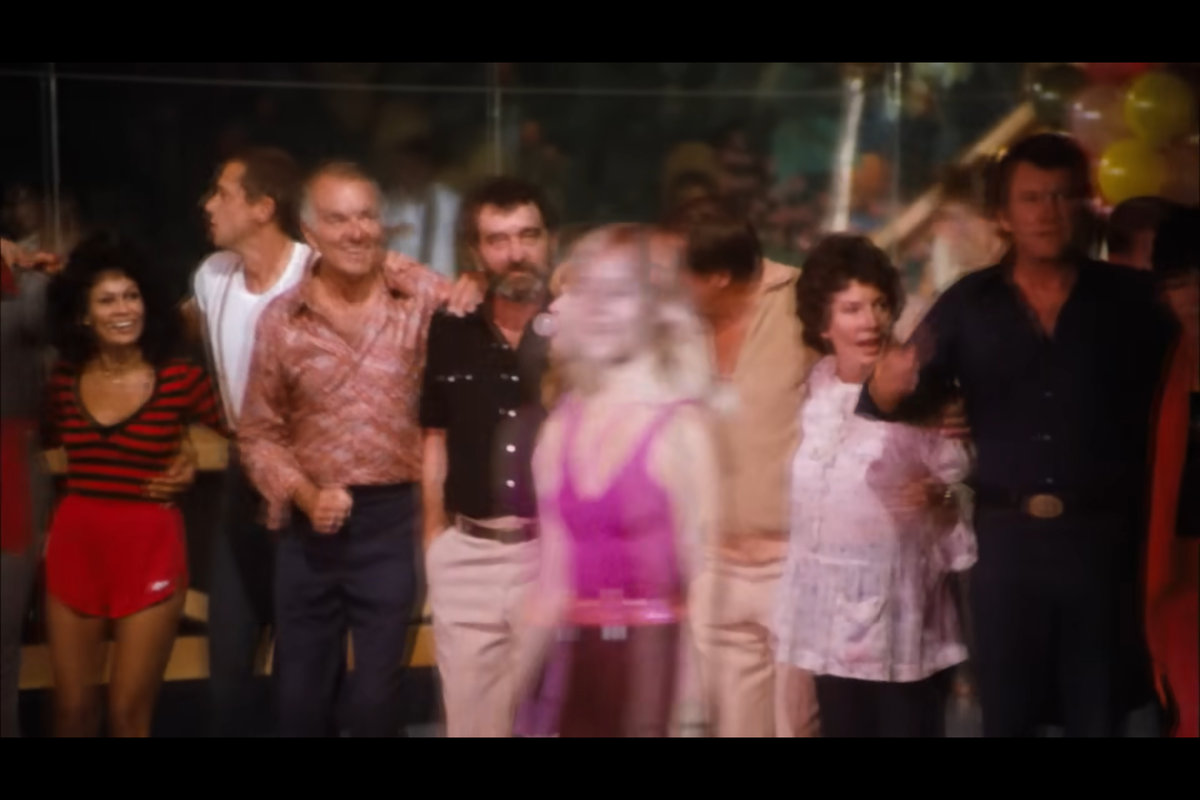
Who put him up to this?
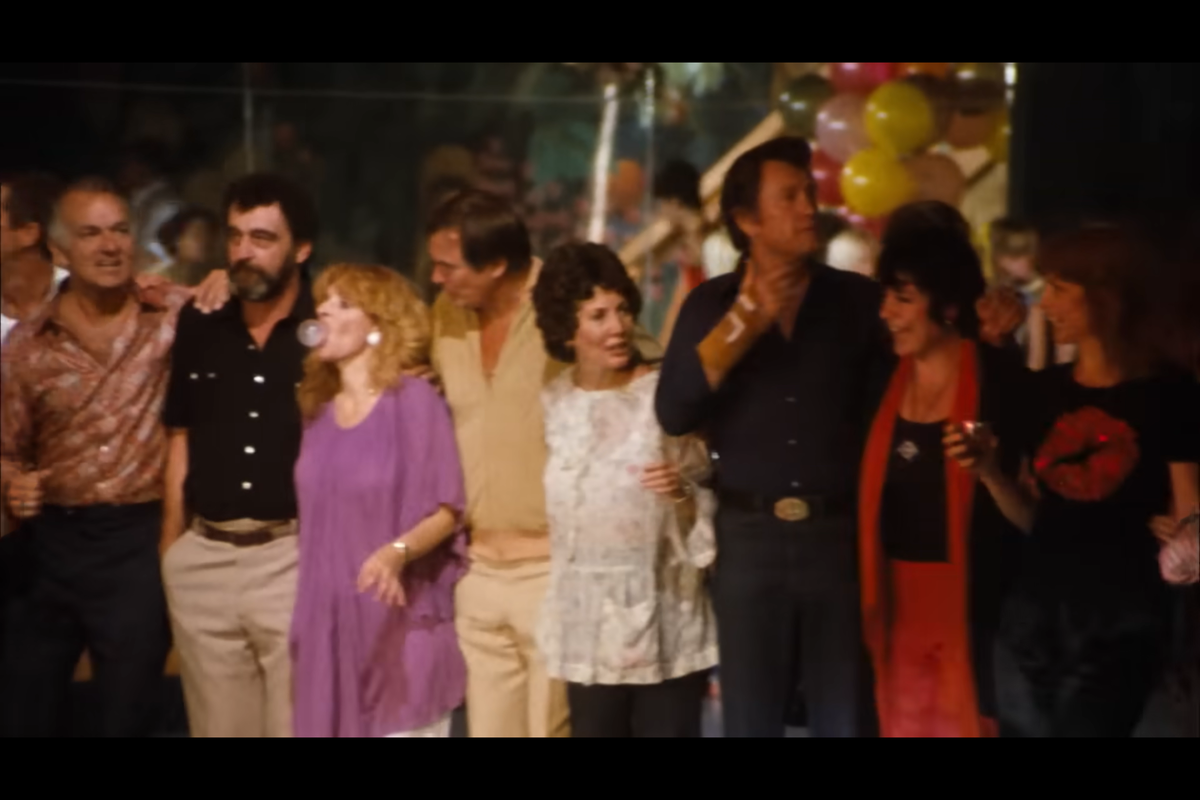
His character is actually credited as “Victor French” in the episode, so he should be playing himself — or, at least, a fictionalized version of him.
And that’s not all.
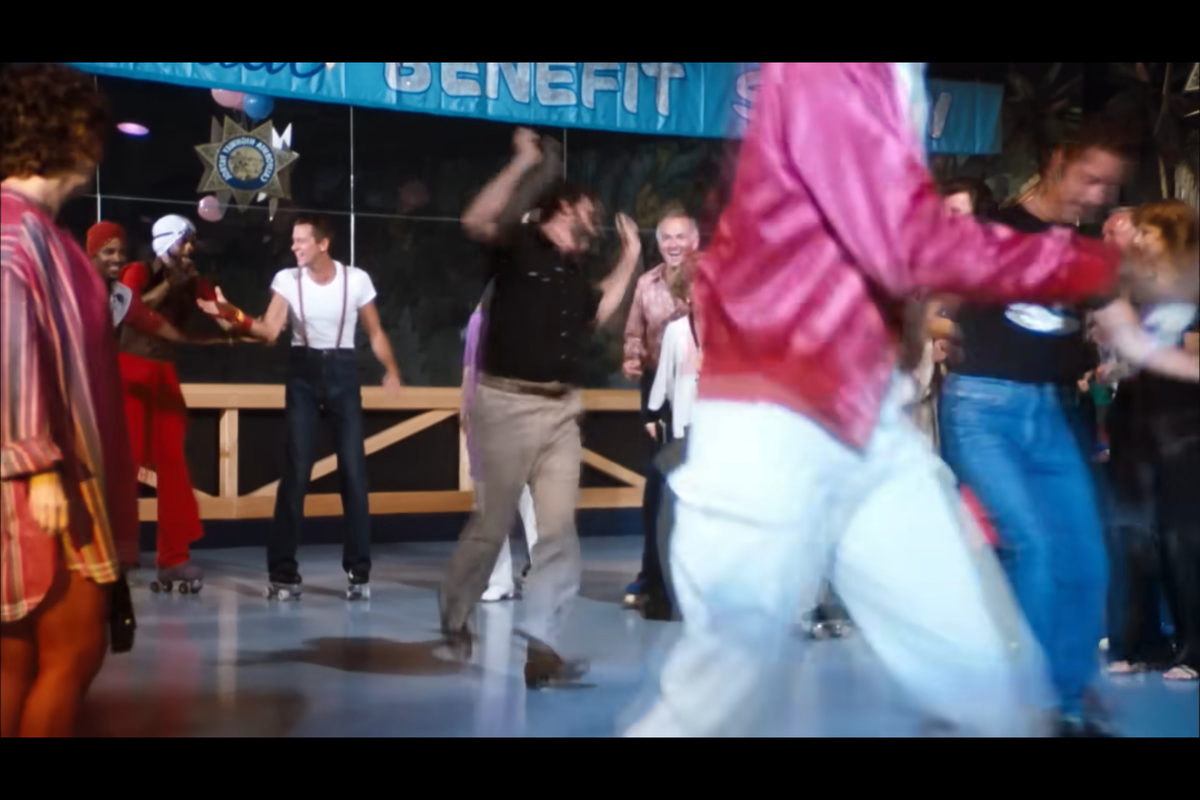
That’s a dance move.
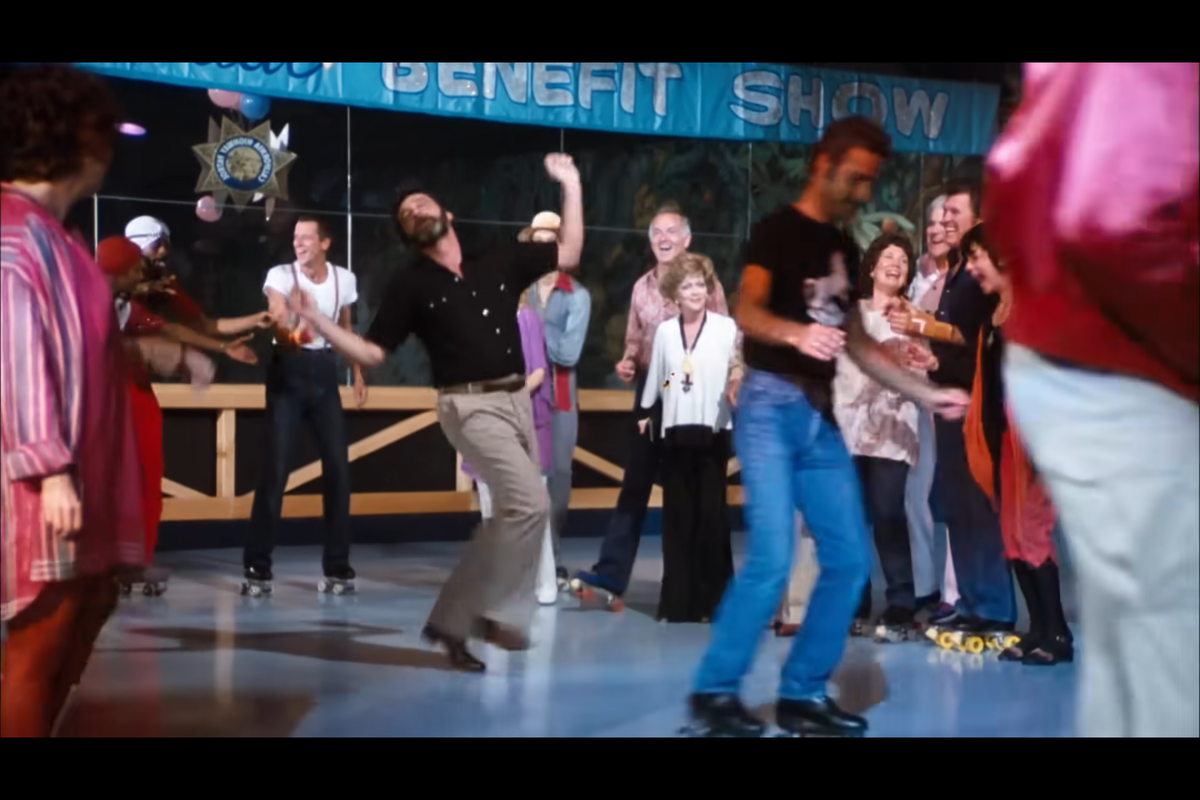
He was definitely willing to accept anything just to come back to NBC. Or he was just drunk.
No idea how they convinced him, or how they set it: were they told it was documentary? Are they improvising? And who are those extra.
Really: the only reasonable way to justify this would be that NBC created this episode of Chips as a punishment for those actors that had abandoned the network over the years, and make fun of them. I mean, there’s even Richard Paul there, who was also on Carter Country.
Much likely French knew they were trying to make him look like a fool, but he committed himself to it all the same — because he’s professional, you know. Or maybe he knew this was all a way to make fun of him and he just played along — indirectly defying them . That subtle way to make fun of NBC trying to make fun of him may be also evident because he’s like the only one there who is not on rollers — in a roller disco.
Anyway, enough of this.
Now, back to Highway: David doesn’t let himself being hurt by that prick who mentioned Erik Estrada, and leaves him a Jonathan-like punchline.
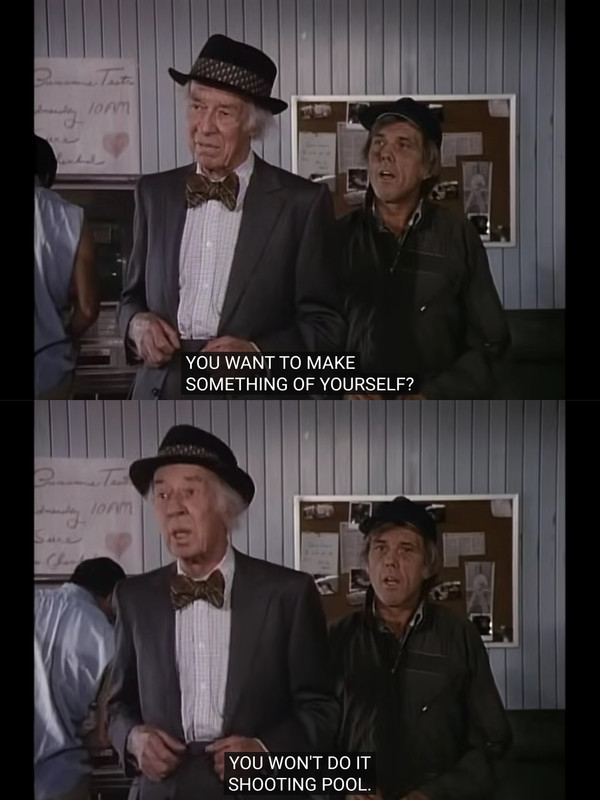
Then, David leaves with Joey, a homeless and mentally impaired young man. Joey excitedly asks David to cast him as the star in his unfinished movie, tentatively titled The Wizard of Venice. David, who seems quite at ease with Joey, agrees without hesitation, and explains the purpose of it all.
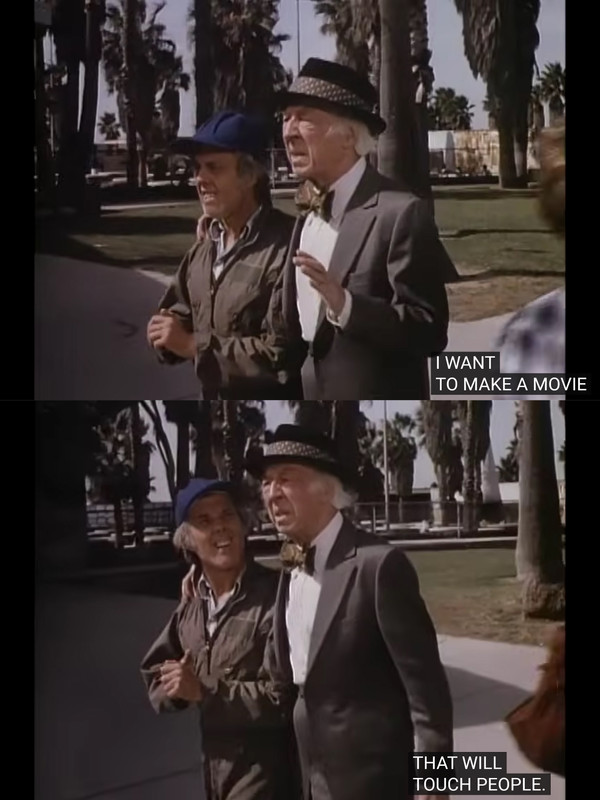
That’s pretty much what anyone would like to accomplish with it, isn’t it. Nothing particularly bold or unusual.
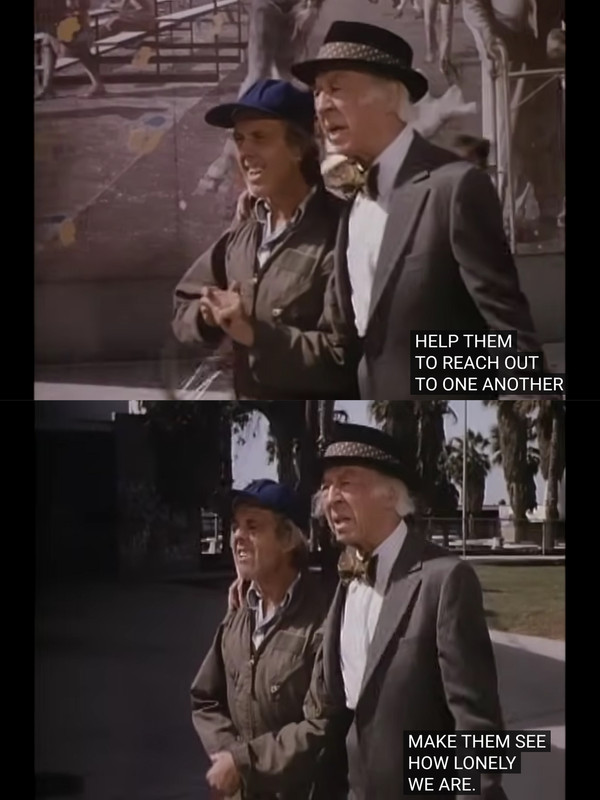
And they stop walking for a moment.
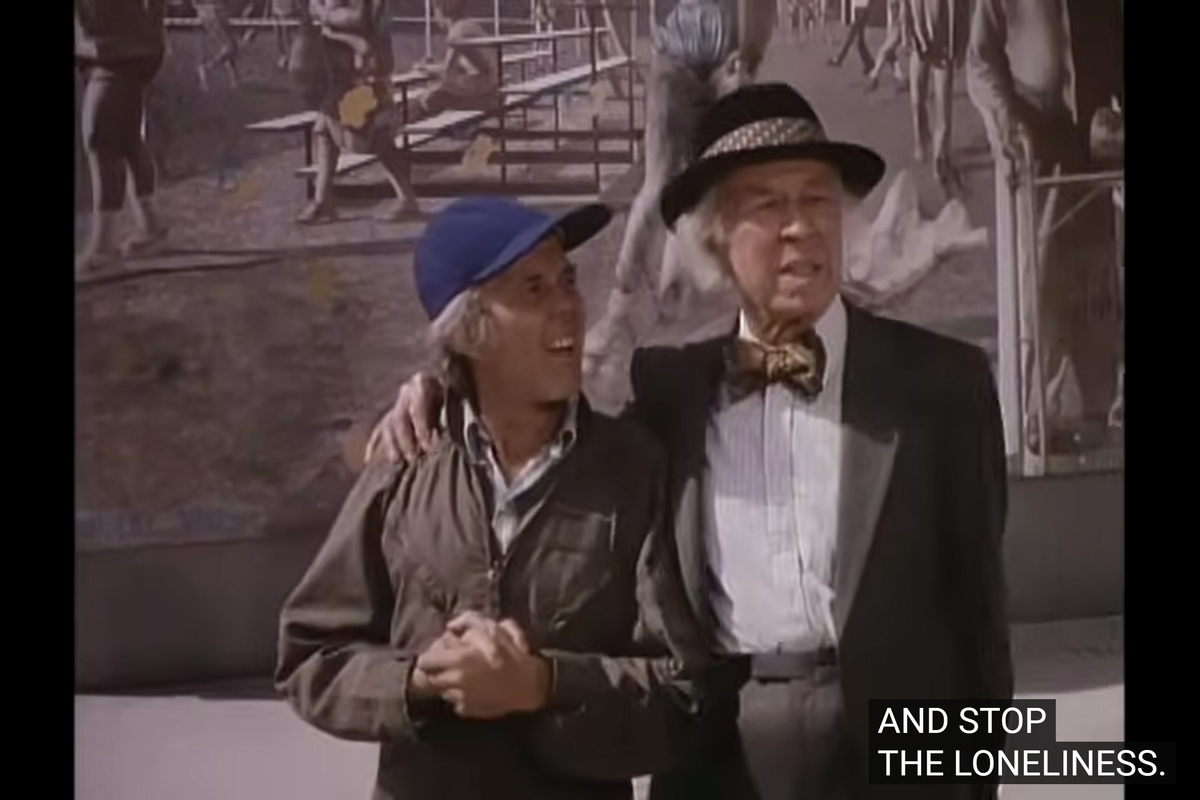
It sounds like pretty heavy-headed stuff. And, of course, nobody wants to produce that, but David can’t do his picture alone.


In the meantime, Jonathan and Mark are still waiting for an assignment while aimlessly wandering the street. But, suddenly, they come across something peculiar.
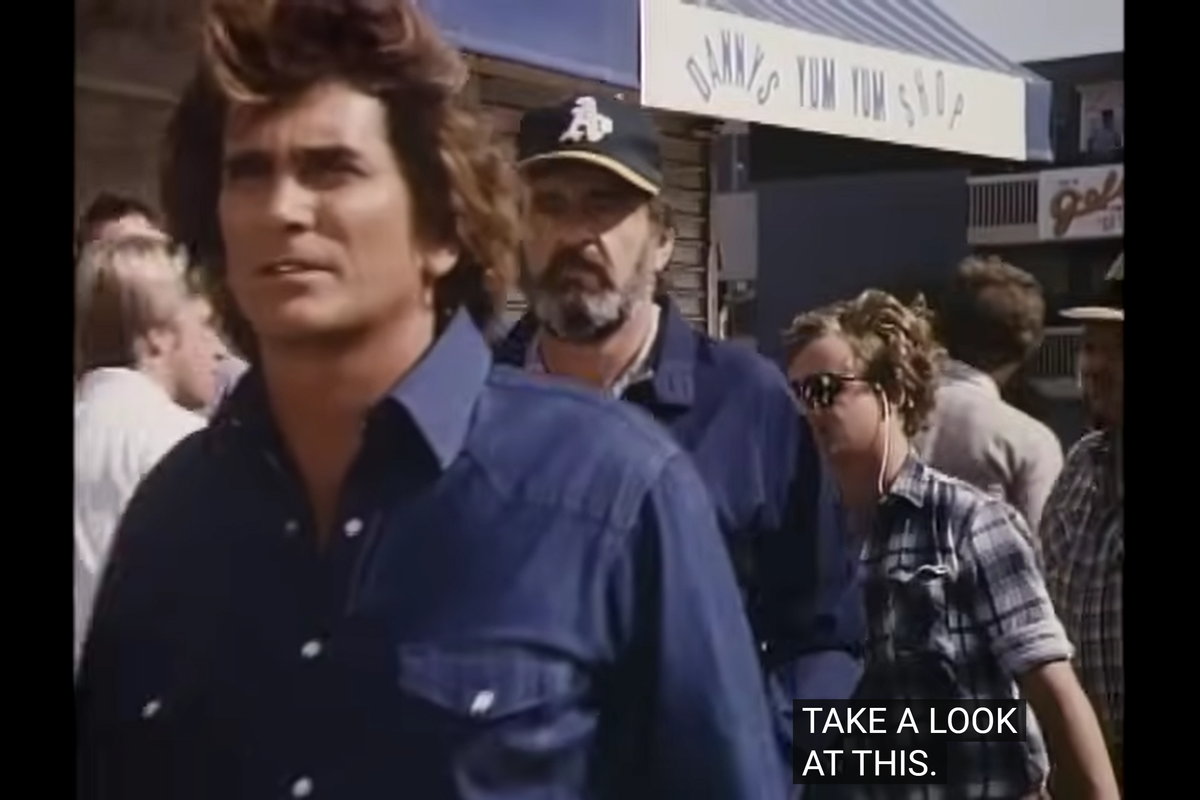
What’s that? A TV playing Victor French dancin’ on Chips?
Well, it’s not. Even tough by their face it looks like it.
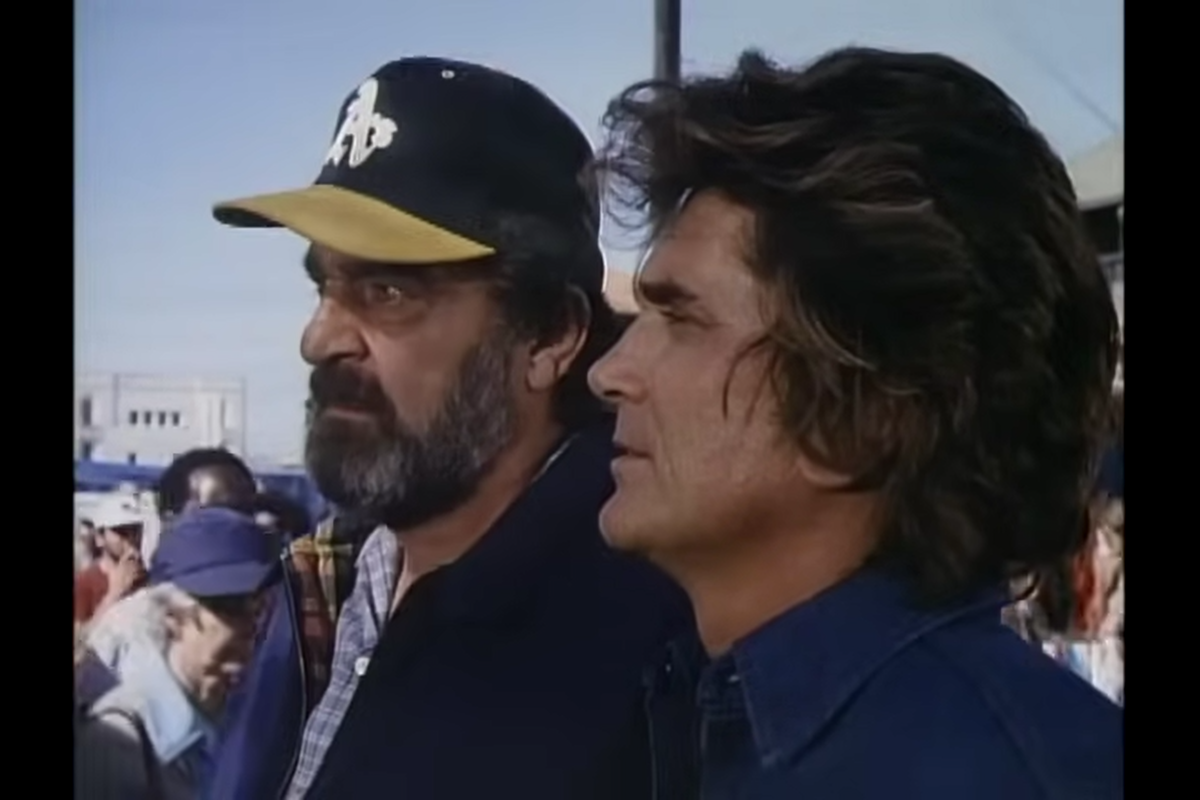
Mark is like “Boy, I must have drunk too much that night. What was I thinking back then?
Sure it must be hard being an actor.
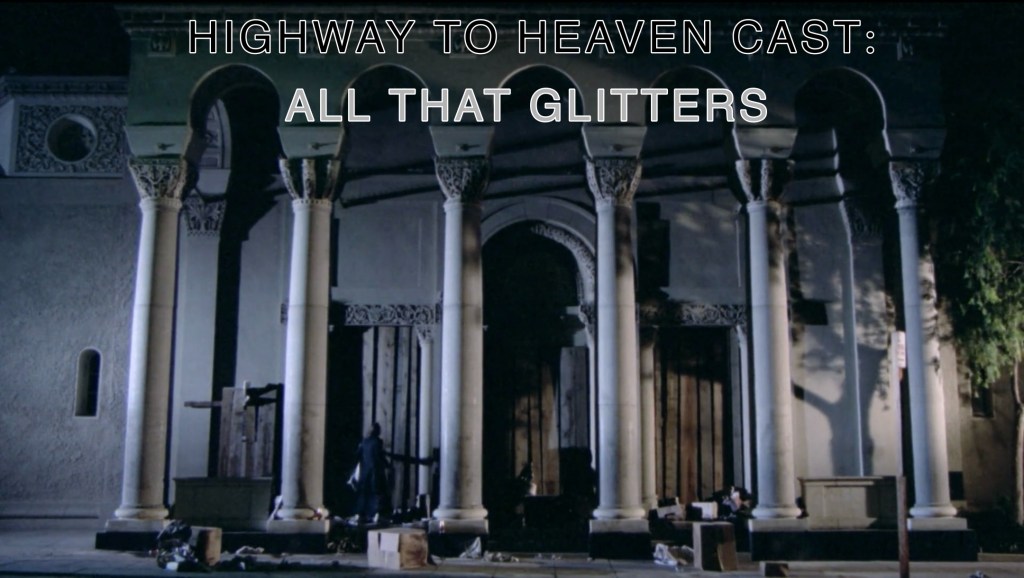
Anyway, it’s Joey who took David’s comment literally and put up a sign outside their makeshift studio bearing the episode’s title.
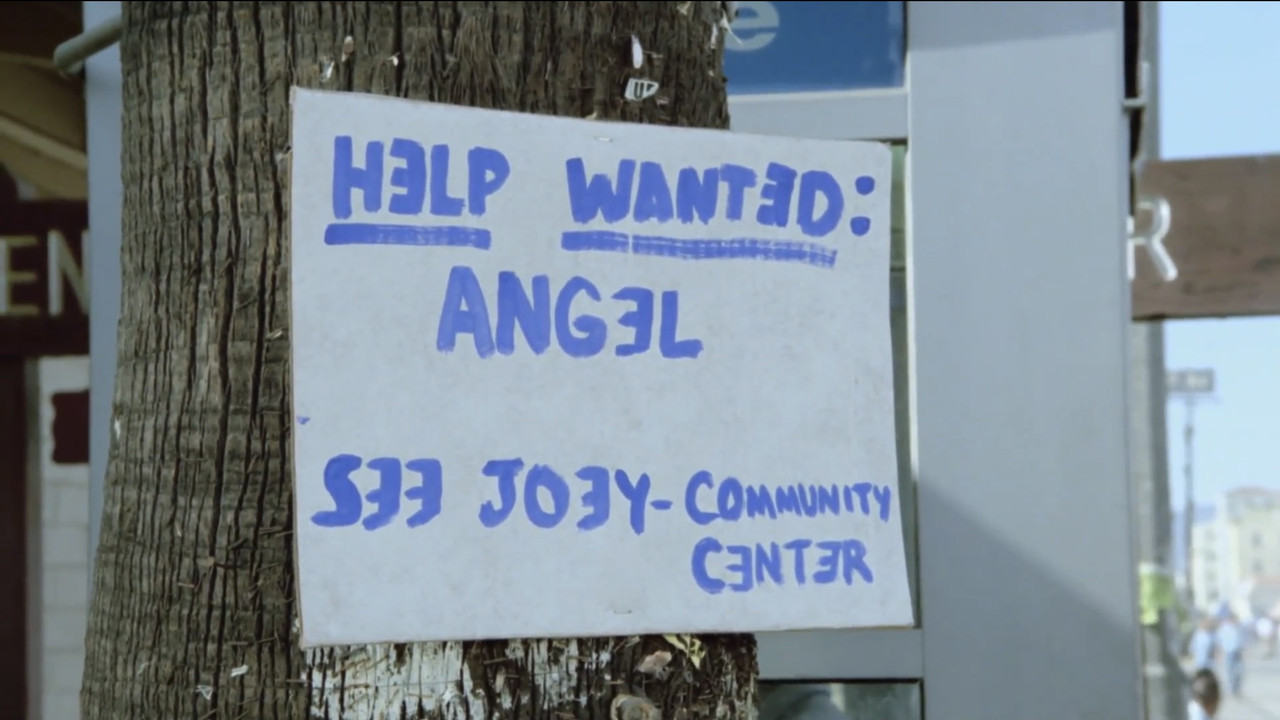
And if it’s an angel they need—well, look no further than this series. Except, they might just get a probationary one. And his human friend included, too.
Or so you’d think. I mean, it’s a series about an angel, isn’t it. But remember: this episode is one of a kind—and many things the audience believes to know are about to be turned upside down.
Anyway, Jonathan and Mark assume it’s a cue for their next assignment. So, they go looking for Joey inside.
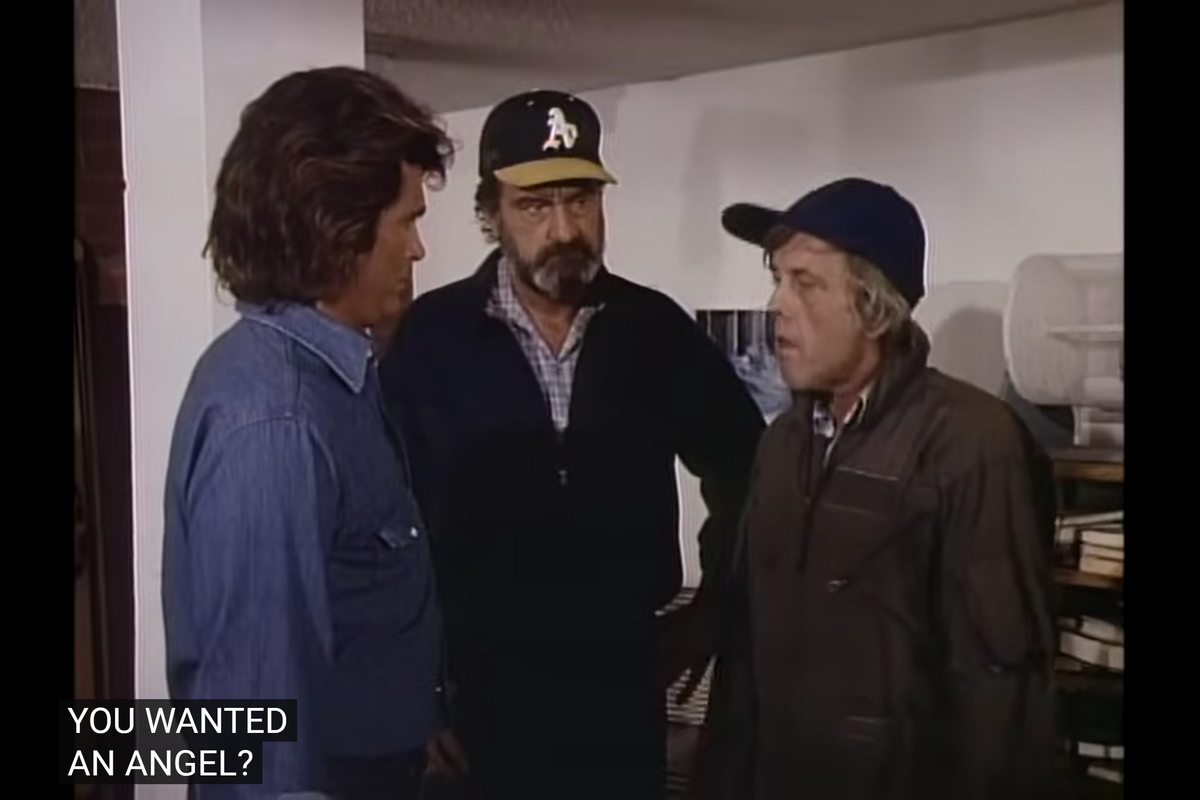
But Joey is quite skeptical, with all the people trying to make a fool out of him..


And Mark stares at Jonathan quite puzzled by the answer. However, just before Jonathan further compromises himself and reveals his identity, they hear someone walking behind them.
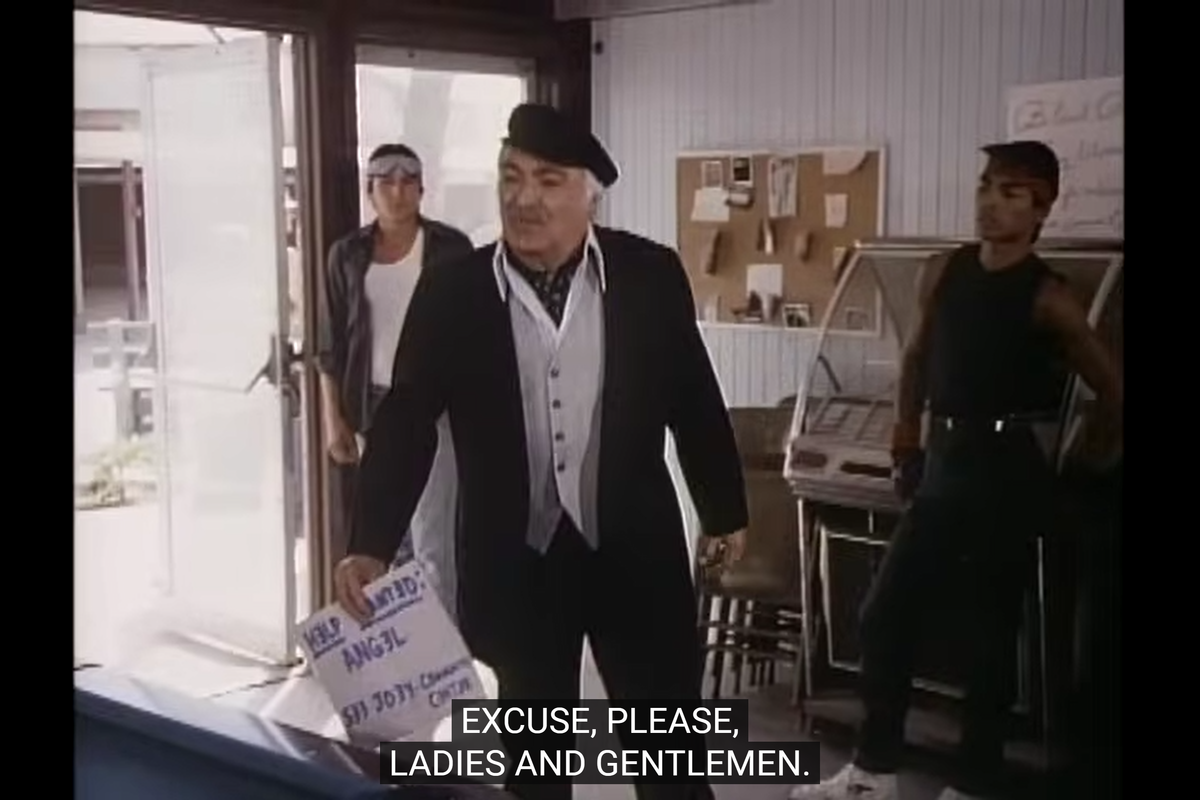
The man takes Joey away from them.
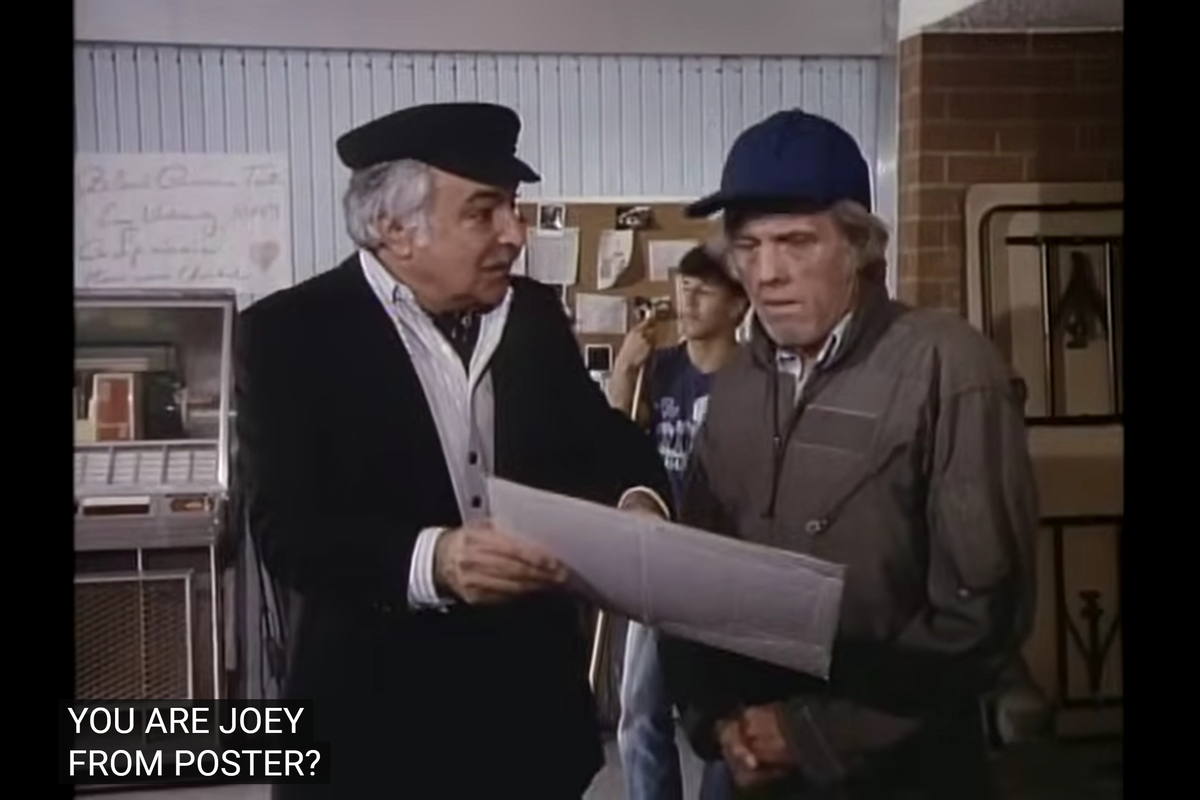
Why?
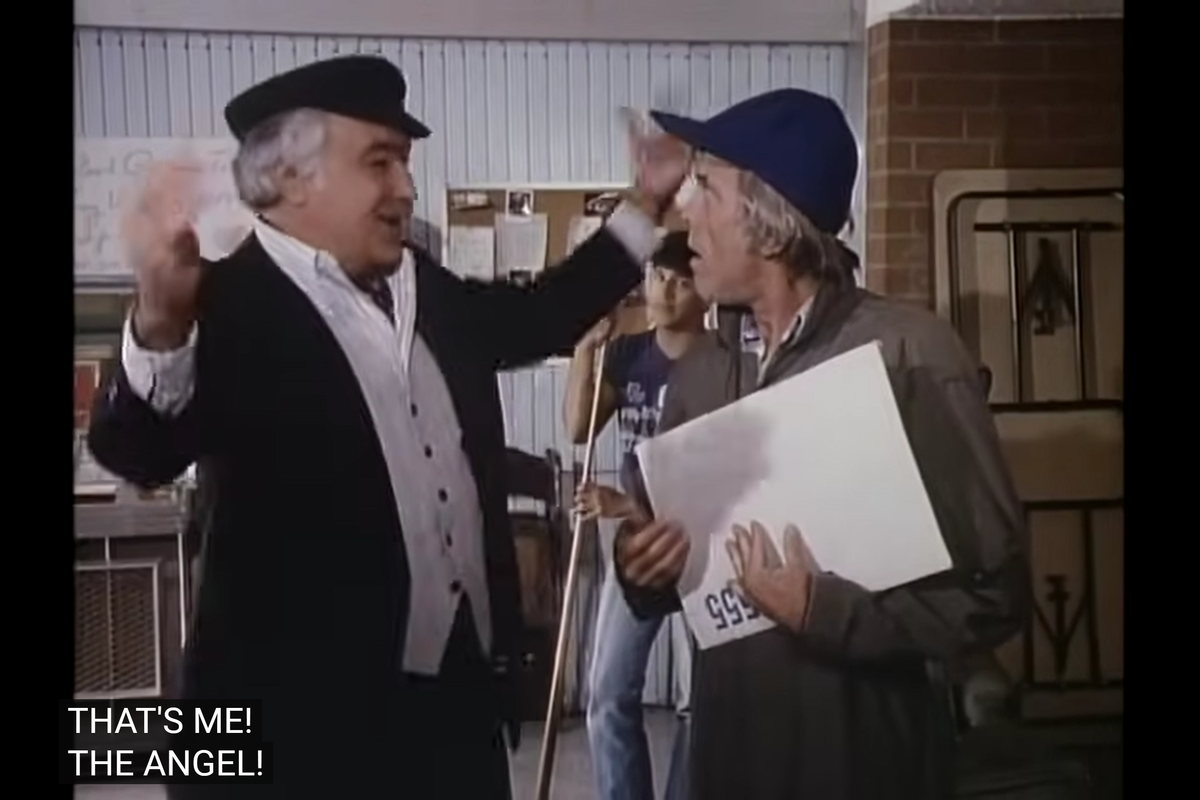
What?
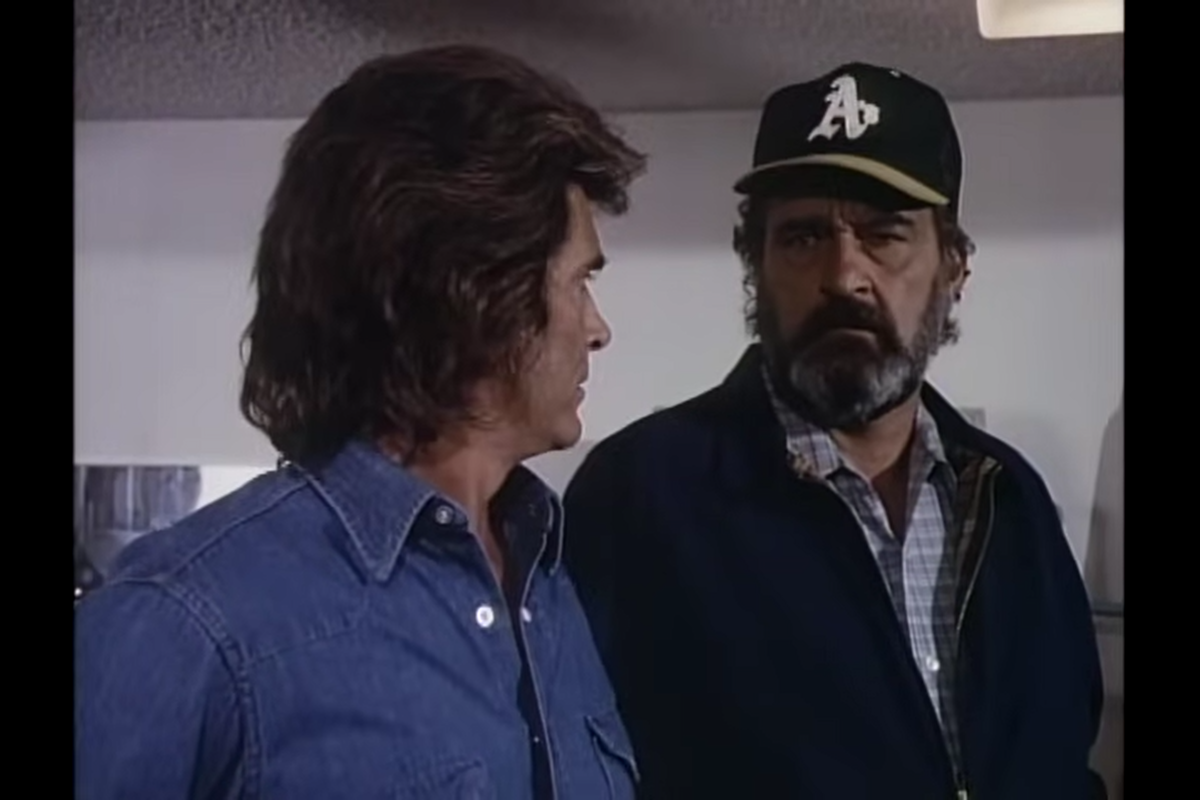
What on Earth is going on here.
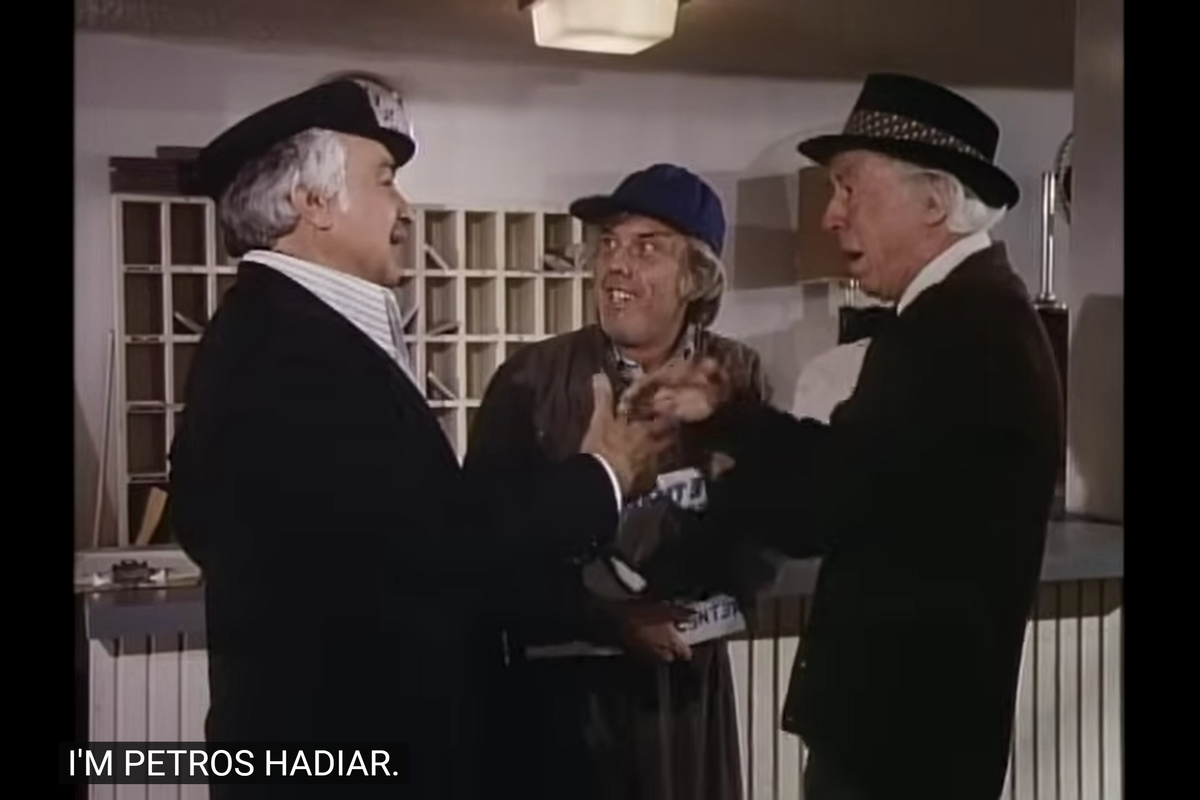
So, a mysterious man that goes by the vaguely riddling name of “Petros Hadiar” is applying for Jonathan and Mark’s position there. And he claims that since he got first, he wants the job for himself and offers finance the film.
Well, he didn’t come there first, but I suppose Jonathan and Mark are now too confused to say anything.
Then, Petros Hadiar keeps on talking to David about the production.
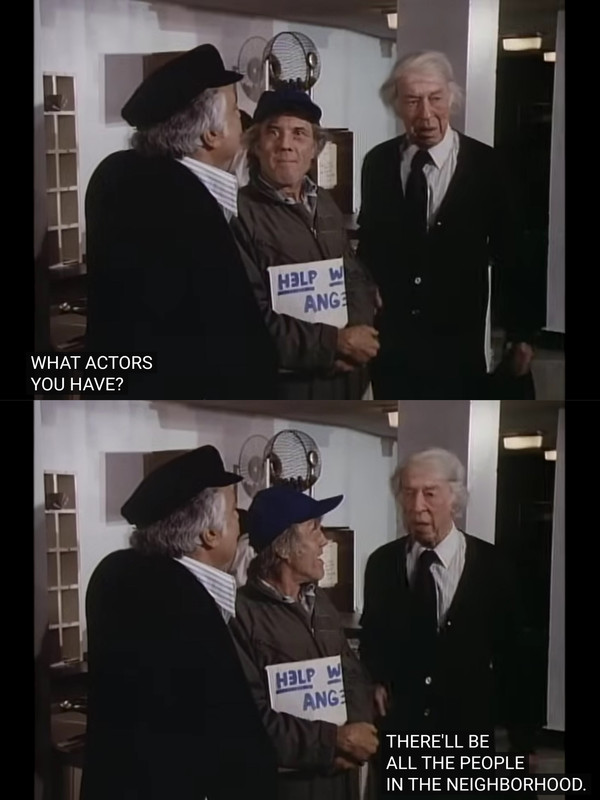
And they immediately argue on that.
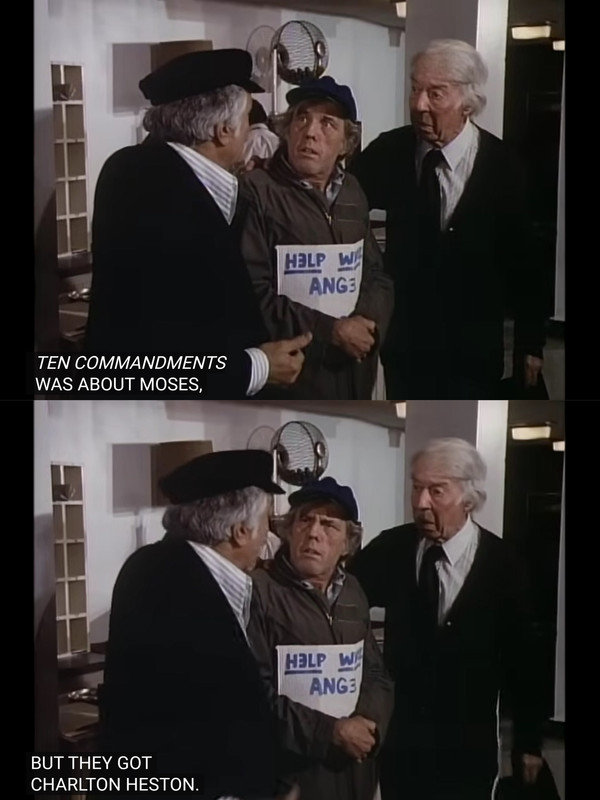
So, just a relatable, normal clash between producers and writers in modern Hollywood.
Also, not sure that picture can be considered religiously accurate enough to be worth mentioning in a Christian TV show.
Now, Jonathan interrupts them.
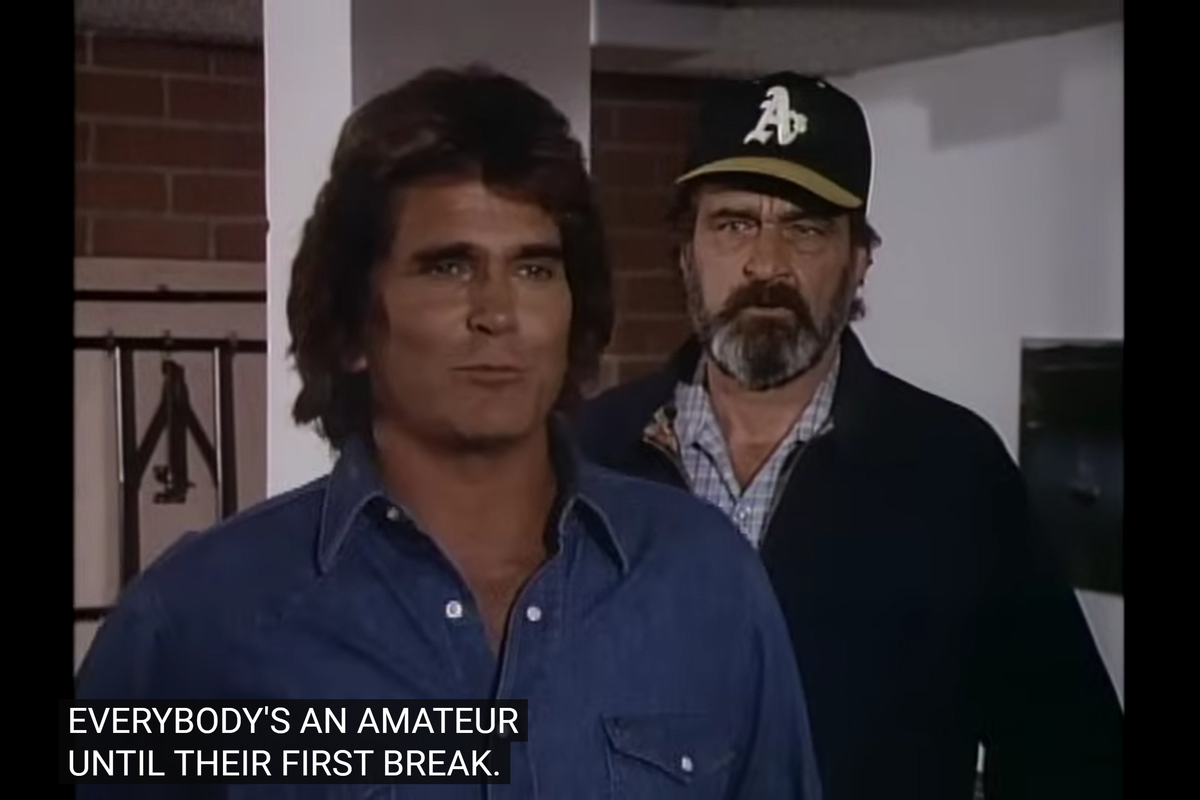
Which is a similar punchline he used in the previous episode.
Petros is unsure, and Jonathan stands up to him.


One for Jonathan, zero for “Hadiar”.
So, Petros is convinced by Jonathan’s punchline.
Now, they need a director.
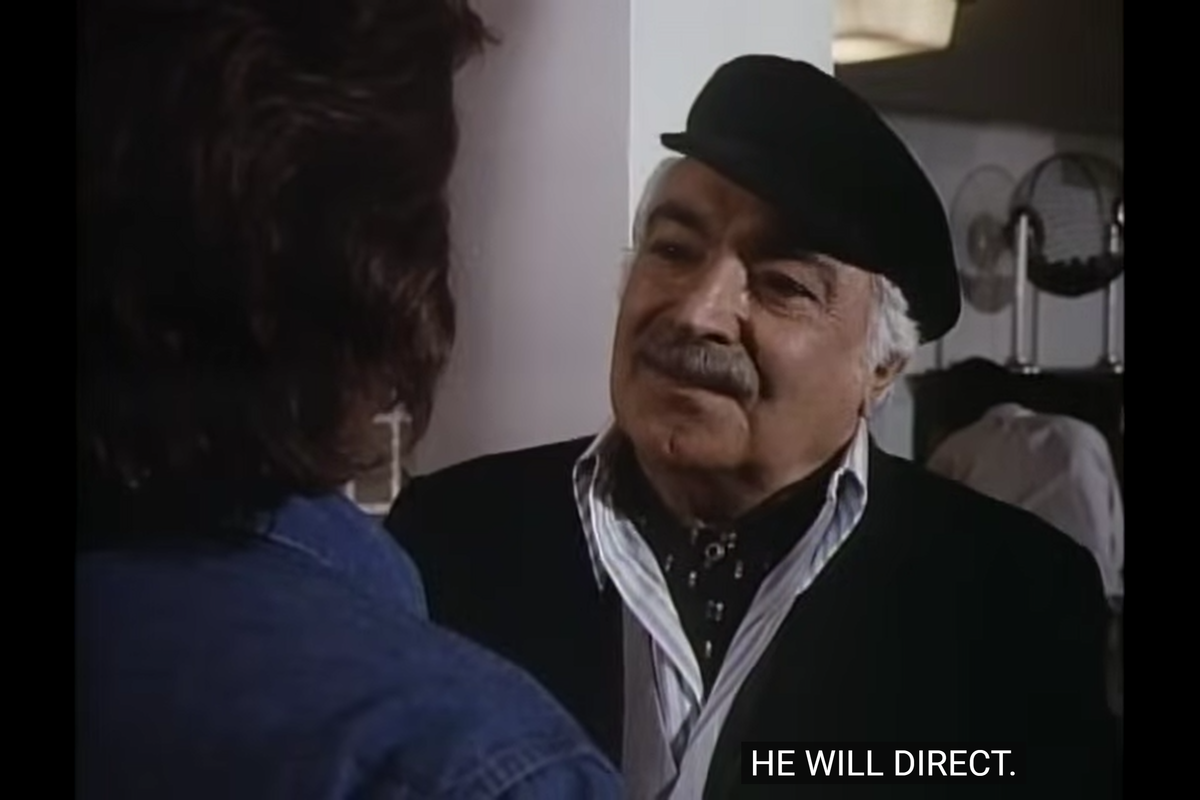
And that catches Jonathan off guard.
But, pause right here for a moment: nobody still has questioned the identity of this mysterious man, whether he is actually a real angel or just a crook. Because, you know, I assume Jonathan doesn’t have a clear idea of what a real angel looks like. I mean, Petros might be a true angel—not a probationary one. Or just somebody who was actually looking for a job and mistakenly thought they were casting for someone to dress up like an angel for some weird costume birthday party (akin to the one Gwen thought King Arthur was having when she first met him) — or like putting up a sign looking for somebody to play Santa Claus in a mall, and eventually the real Santa applies there. Or maybe he’s just a random lunatic who happened to wander by.
It’s also been speculated by three guys that Petros was a real washed-up producer who saw the sign while randomly passing there decided to drop in. But the episode will actually prove them wrong later on. Also, nobody uses the term “Angel” in the context of Hollywood productions anymore, maybe just for theater. Still, it would sound like a joke.
Anyway, Mark doesn’t take part into the argument and seems rather amused by the tensions between Jonathan and Petros and careless about whether that “Petros” is a real angel or not. He probably has seen so many things in the past few months that nothing would ever surprise him anymore.
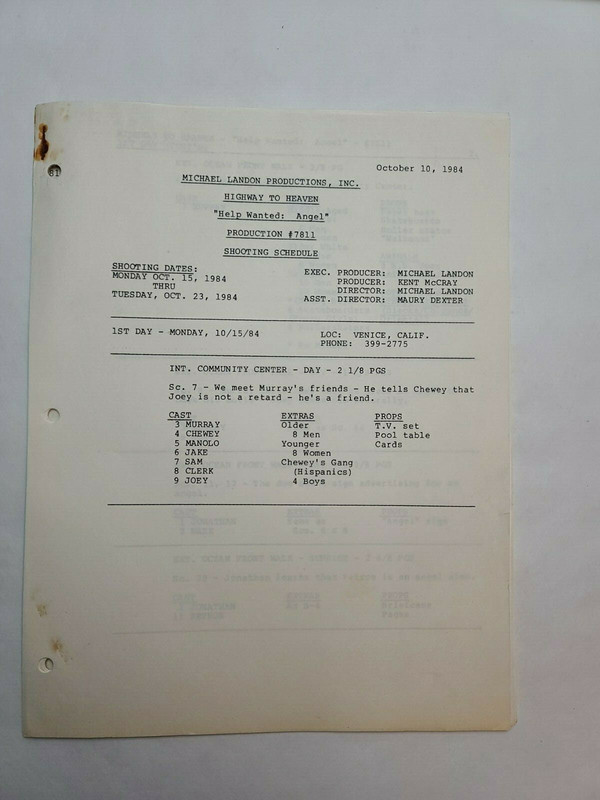
Actually, during the production, they intended to give Mark a few lines about it: in the original episode, there was supposed to be a scene in which Jonathan and Mark are at some motel and Mark confesses Jonathan that he suspects Petros is trying to swindle them or something. Curiously, this scene was even produced (as it appears in the official production schedule), but for some reason they cut it from the final episode. So it remains unclear what Mark actually thinks of Petros and this whole matter.
Anyway, Jonathan balks at the idea of being a director.
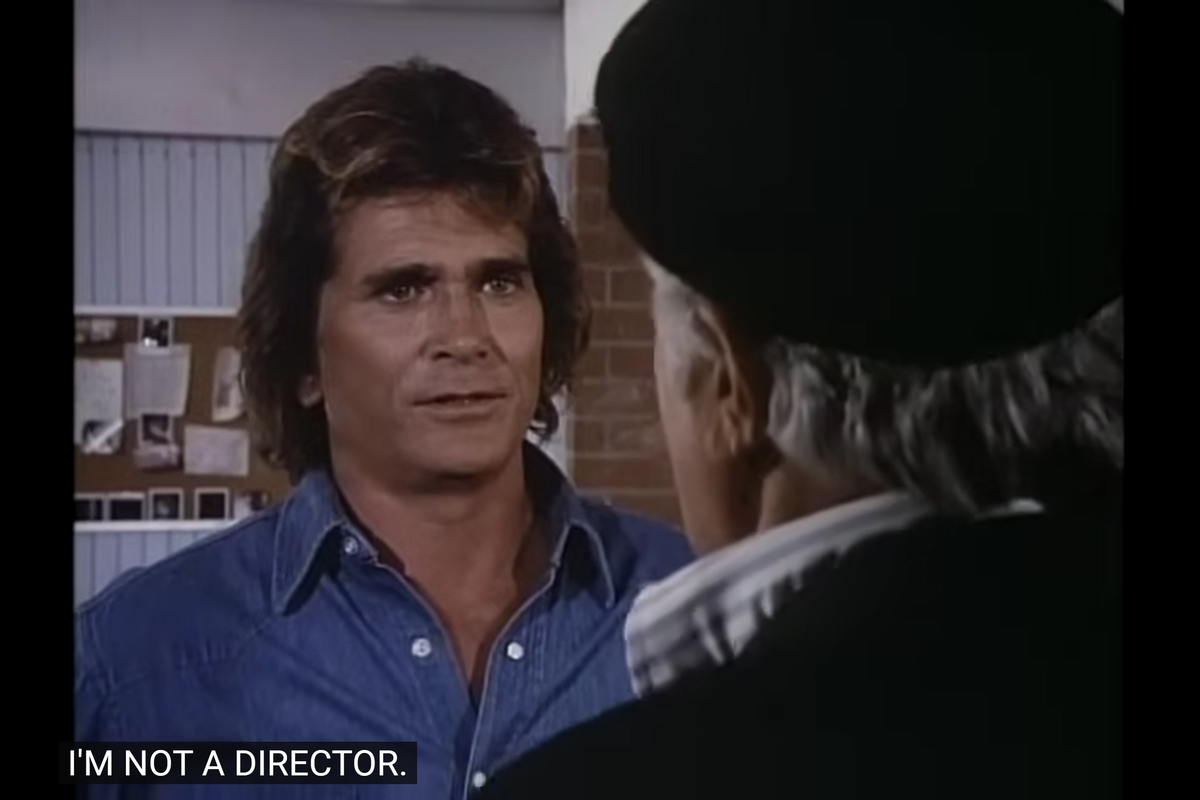
It’s amusing to point here that Michael Landon was already an experienced director by this point. And this wouldn’t be the last time he makes tongue-in-cheek references to his own real-life persona by jokingly distancing himself from it — though more of that would come in the final season.
Anyway, Petros is persuasive and Jonathan accepts it.


So, we’ve got: an unfinished screenplay, a lunatic producer who might even be connected to the Mafia (never trust strangers, Dan Gordon), and a reluctant director. Basically, just another Hollywood production.
And it couldn’t possibly be a classic Hollywood production without throwing a party—so they all head to a restaurant.
While there, “Petros” notices a good-looking pianist.
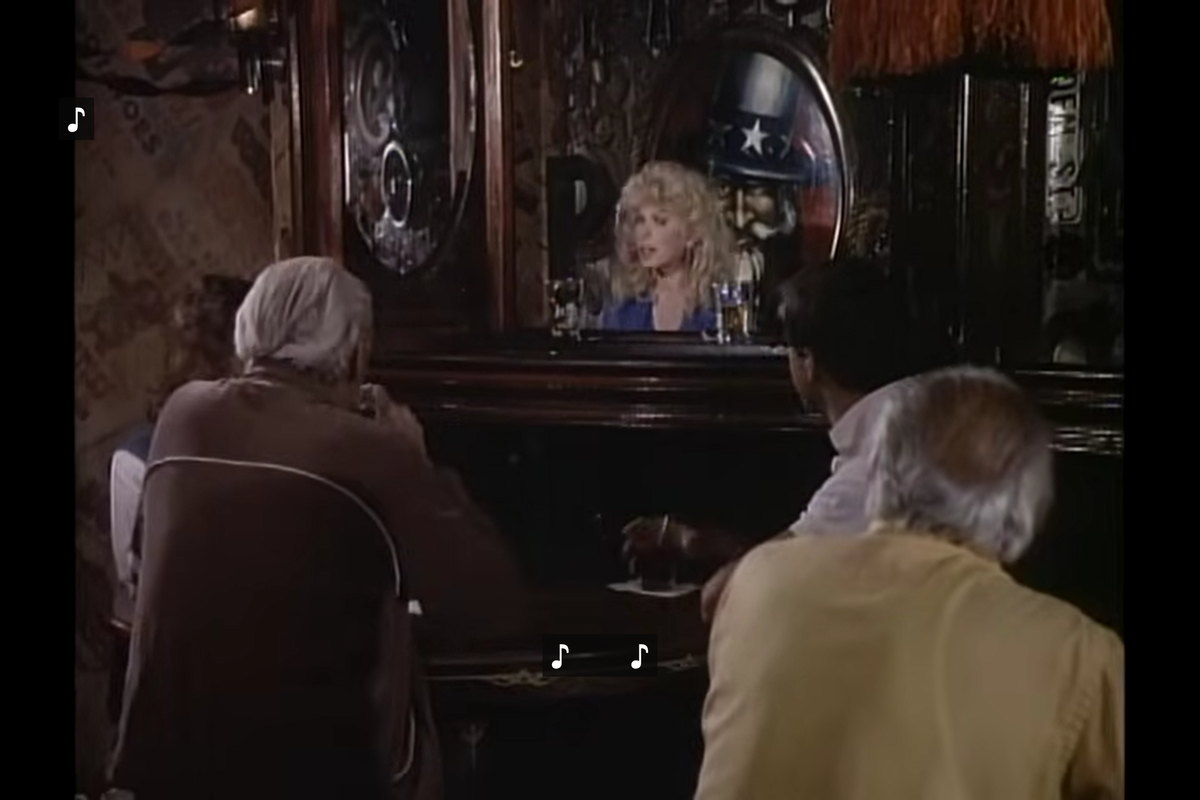
David tells him she’s Stella.
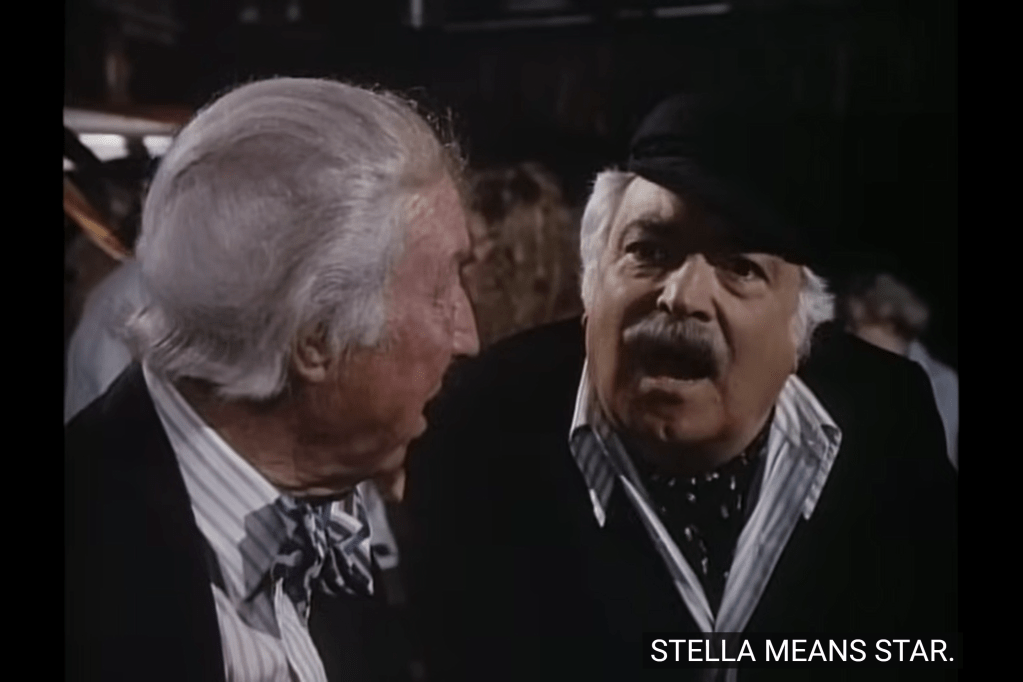


So, she’s pretty enough to play a background character in the production. Maybe it’s a nod to 1980s casting practices. Or perhaps that Petros shares the same value of Jonathan that appearances matter more than references.
Anyway, the pianist, Stella, is played by actress and model Stella Stevens.

The fact that the character shares the actress’s real name might be a coincidence—or maybe they deliberately changed the name of the character once they chose the actress as a meta-reference or something. Or maybe, it’s a playful mirror-game suggesting her striving to be a “star”. Again, it may be just a coincidence.
But, one thing to point out: Stevens had previously worked with Michael Landon back in 1960 in one episode of Bonanza, during the second season.
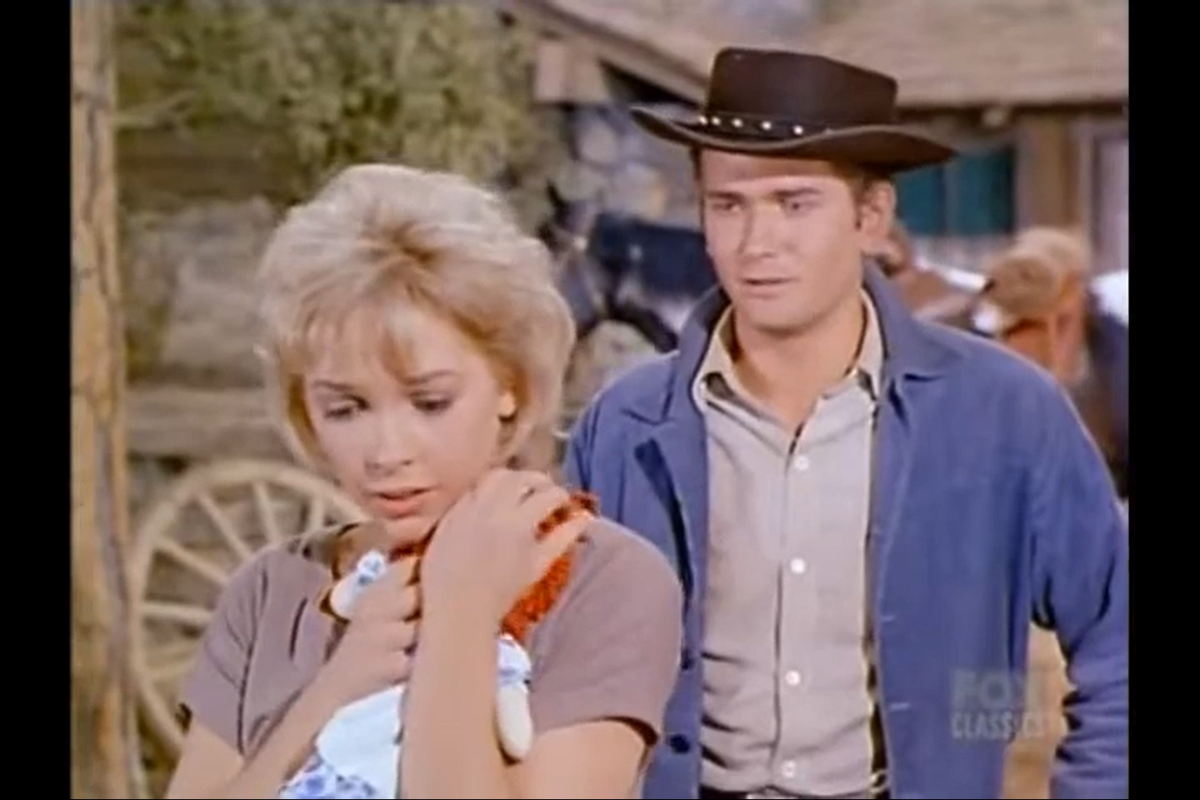
She also has a prior appeared in an episode of Hawaiian Eye, a show on which Victor French made an early-career appearance—though they were not in the same episode.
Back to Highway, Mark quietly suggests that casting someone based on looks alone is unfair—a wise comment.
Even though he doesn’t put it that way.


As he does, “Petros” abruptly stands up and grabs Mark’s chin.
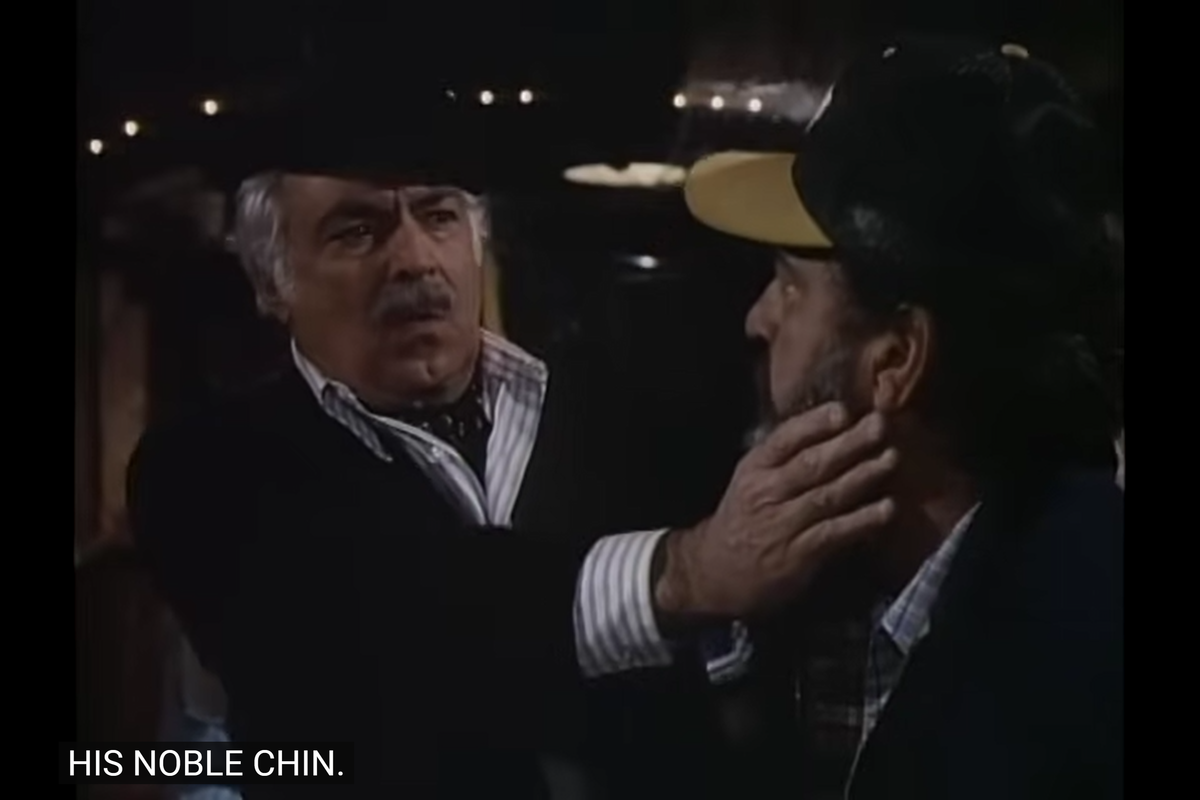
Finally somebody else noticed how French is good at it. The way he could twist his chin as Mr. Edwards. He was so good.
Anyway, Petros decides he’s the perfect fit to play Stella’s lover in the film. Again, that’s how you land a role.
Mark is hesitant about acting.
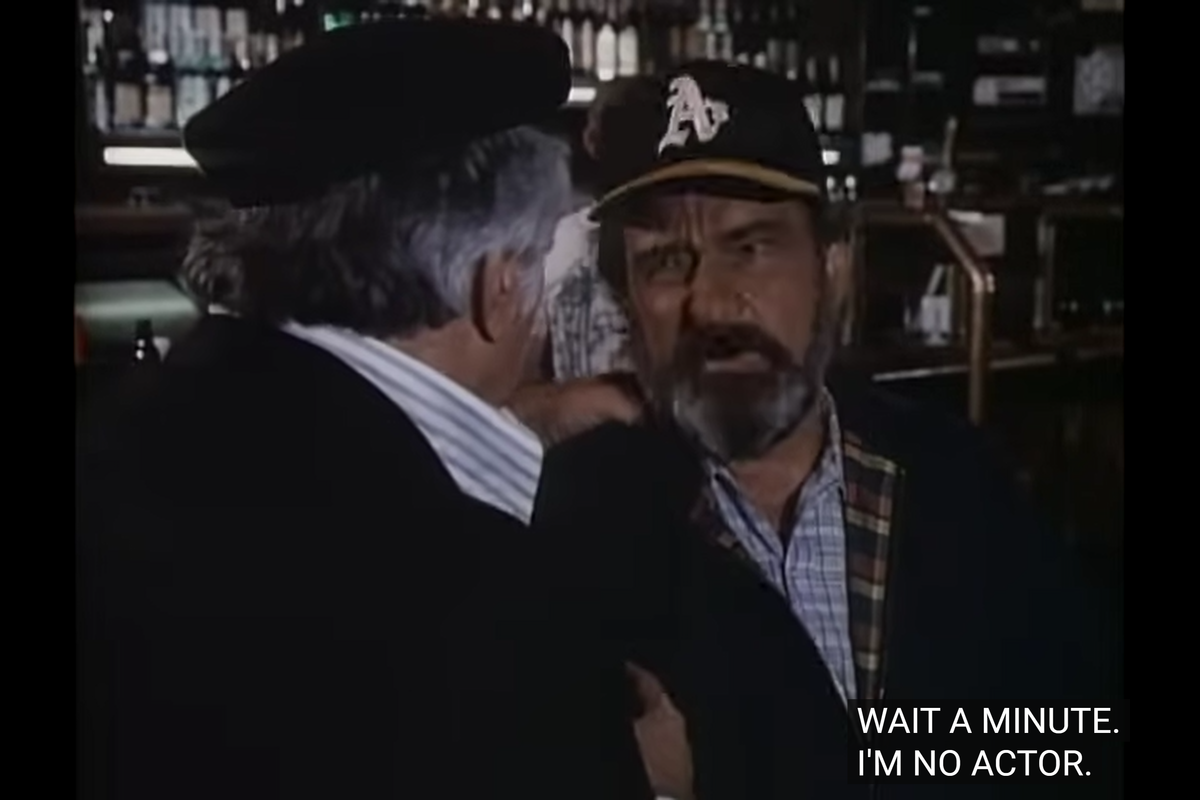
Again, it’s amusing to see such an accomplished actor like French playing a character afraid of acting—just as Landon plays a character hesitant about directing.
Eventually, he eventually accepts and they move on.
Now, they need more actors.


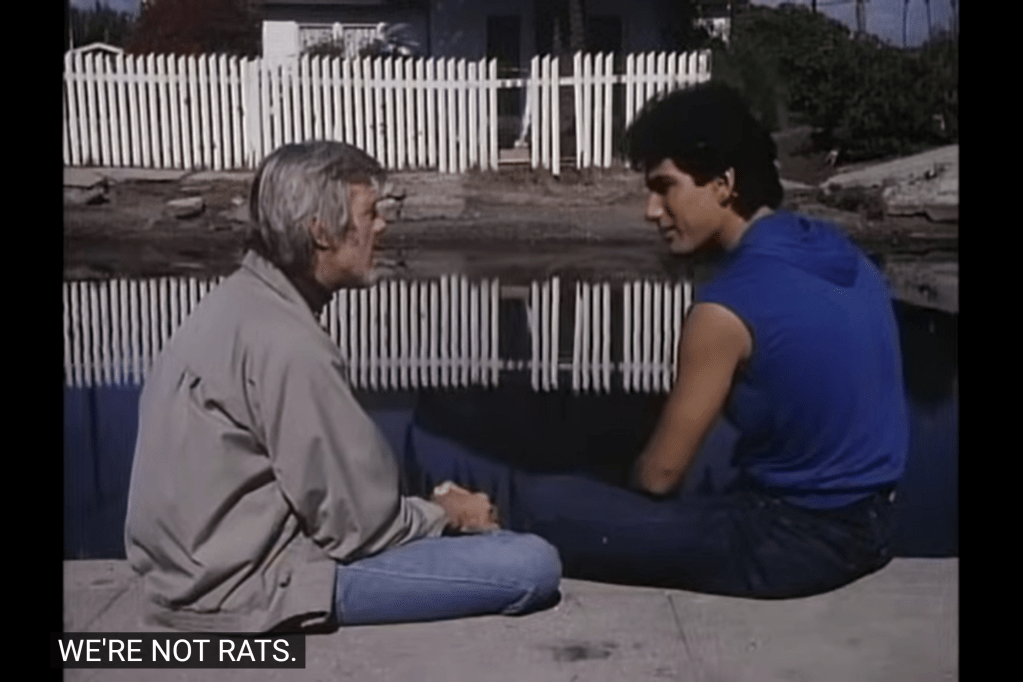

And Joey is ready for some punchlines.
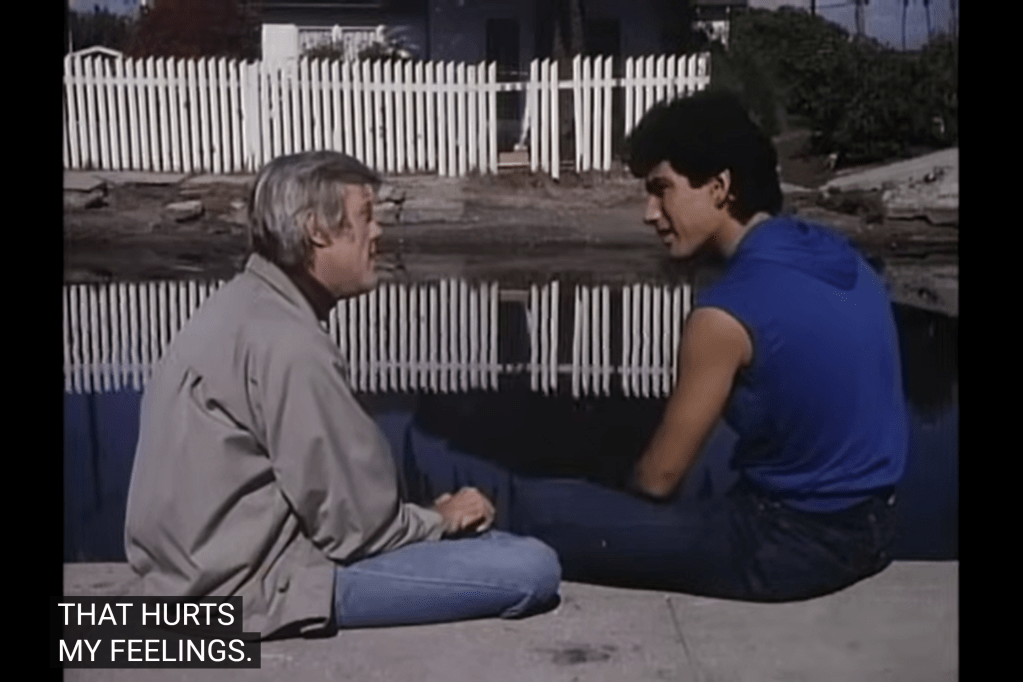


But he has something more.
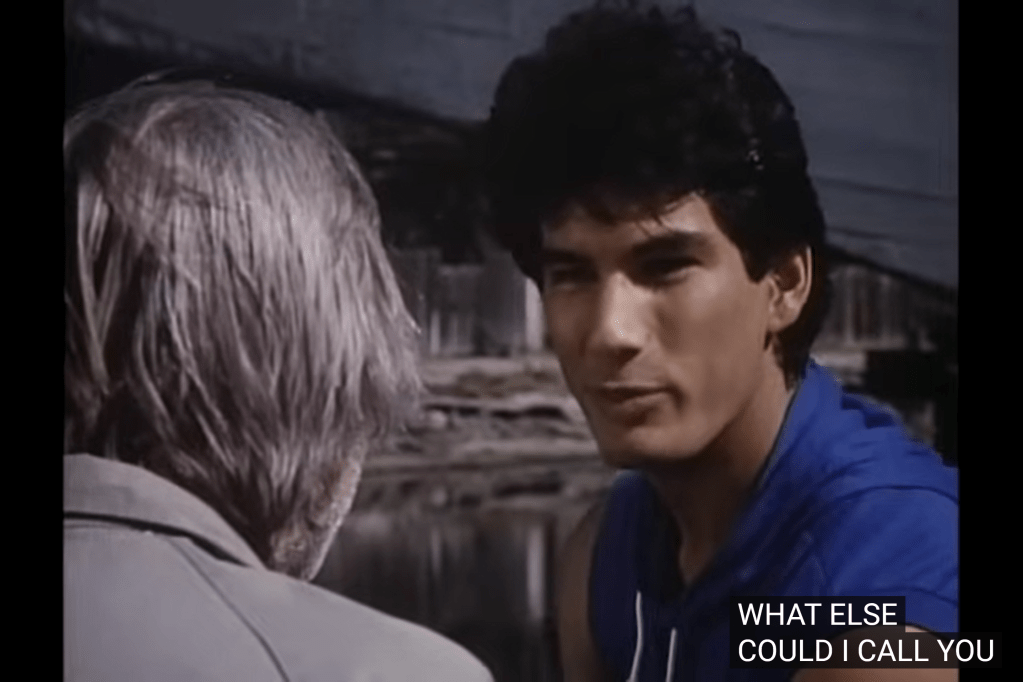


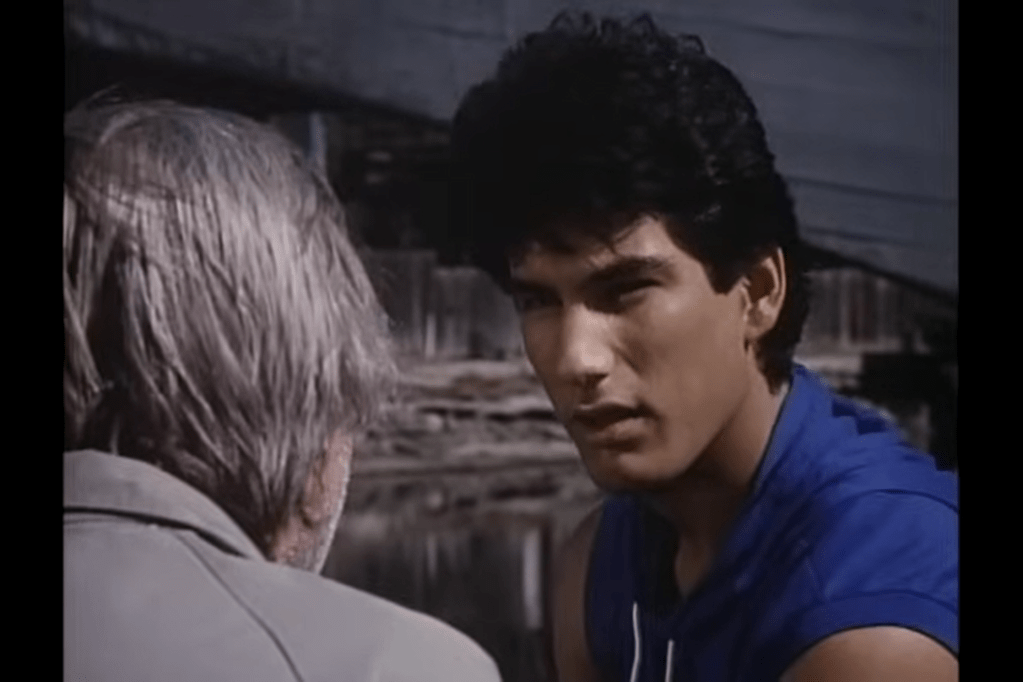
Then, Jonathan interrupts them.
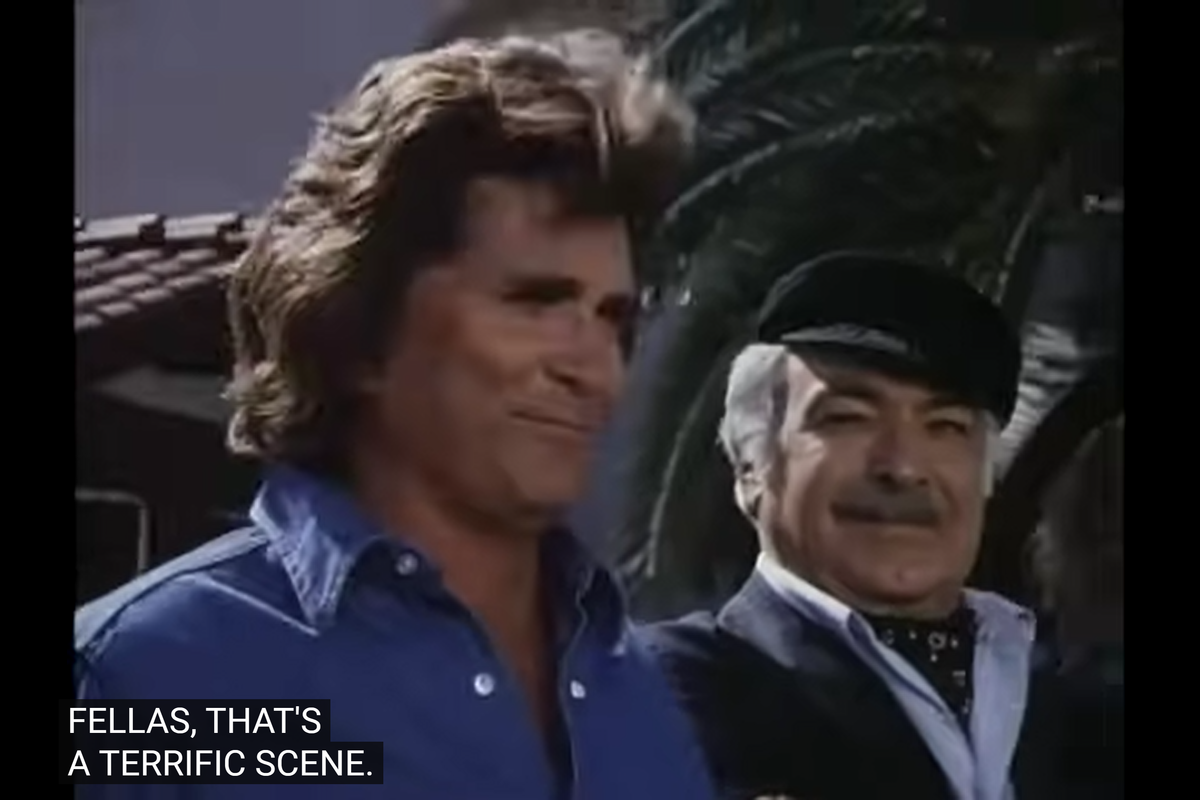
Exactly: that was just a scene. They got me there for a moment.
However, that may be intentional. The scene appears to be a genuine confrontation about the importance of generosity and helping others. Only at the end is it revealed that they were actually rehearsing lines for the picture.
Afterward, the bully compliments Joey on his acting. Joey admits he was improvising—even though what he said matched the script exactly.

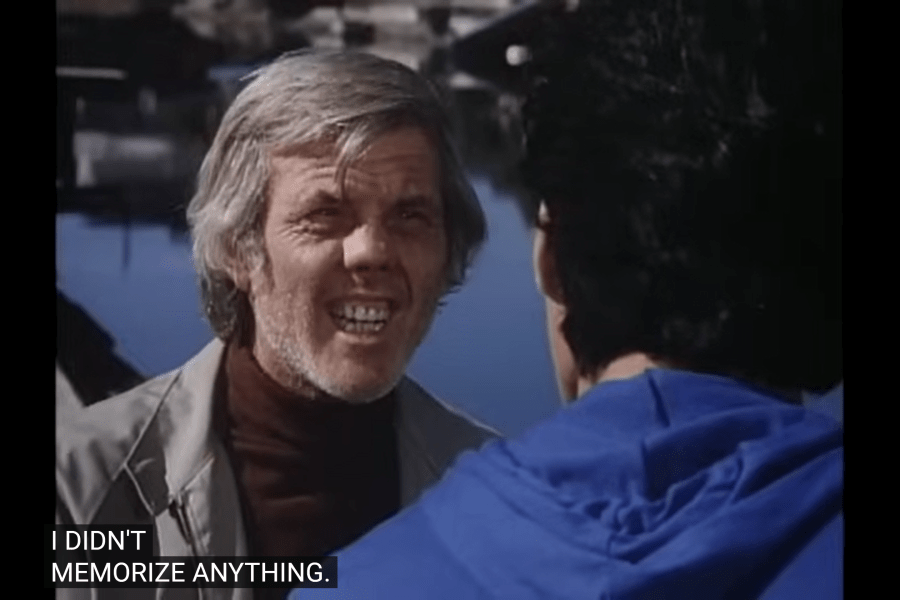


So, he was improvising. That’s a surprisingly subtle moment for Highway, but this episode is unusual in many ways.
Once the scene wraps, the former bully apologizes to Joey and offers to have lunch together.
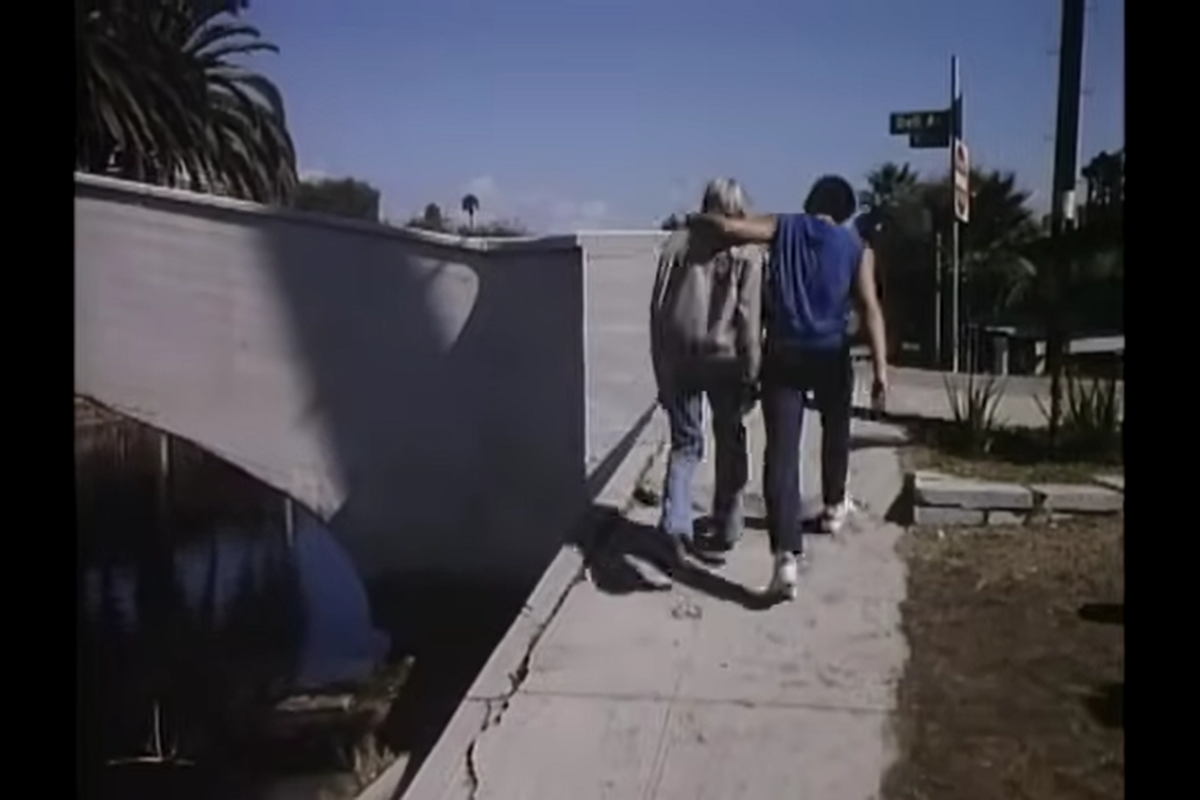
Meanwhile, Jonathan moves on to the next scene with Mark’s character proposing to Stella’s one.
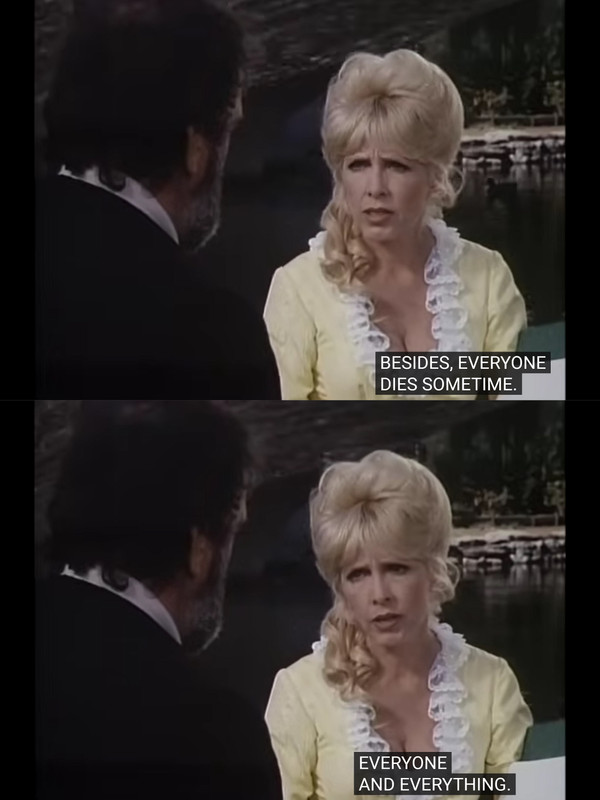
However, Mark find his lines too syrupy — and he’s not entirely wrong.
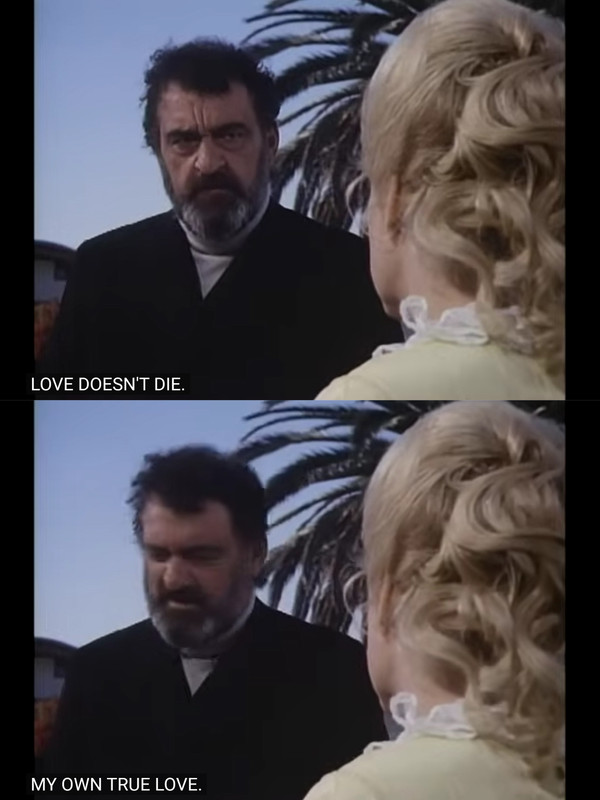
And he breaks the character.
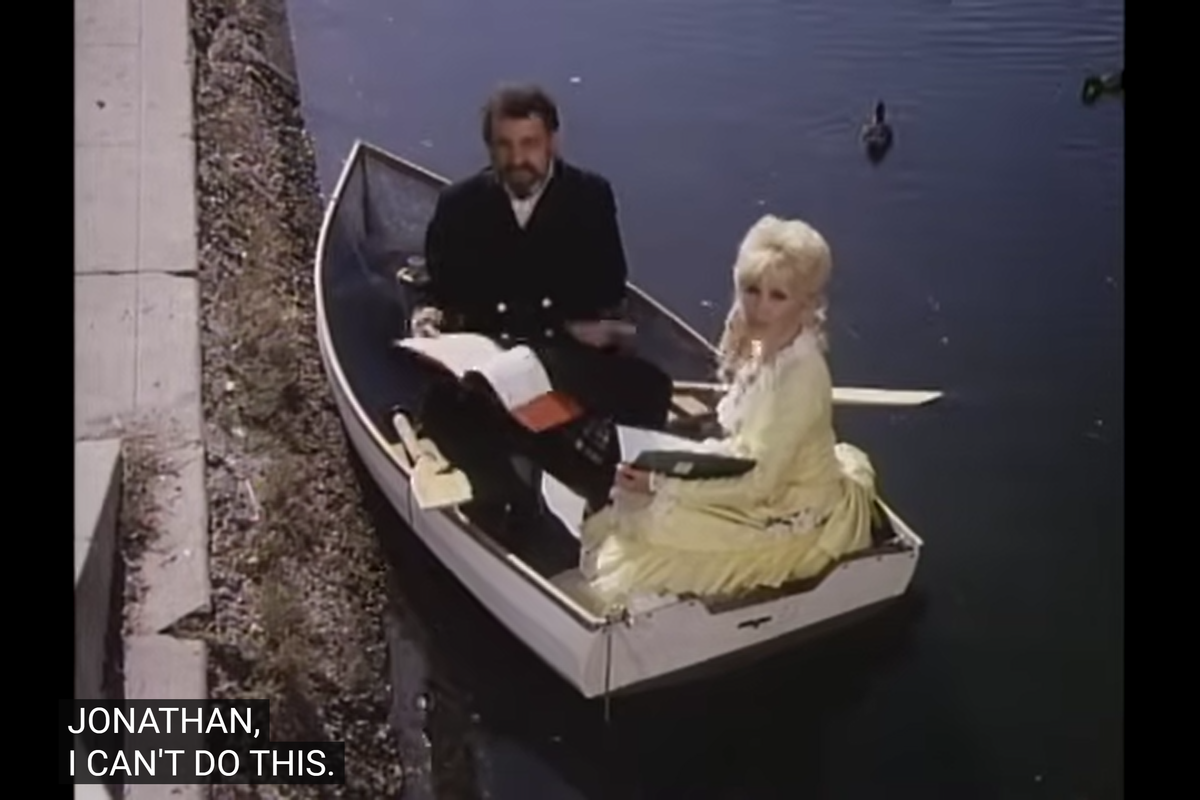
But Stella, who is more professional, invites him to a dinner on the beach to help them connect and build chemistry.
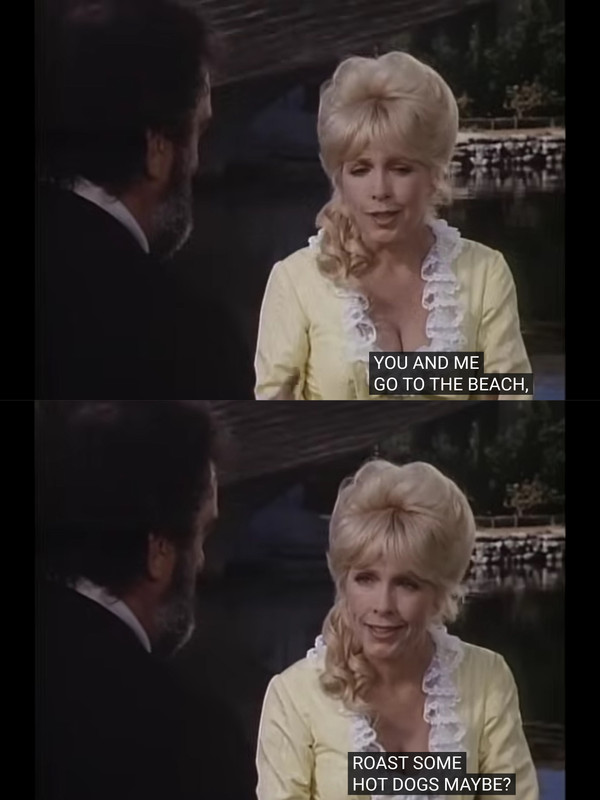
Eventually, they spend the entire night there, and she talks about her life.


And about heartbreak.
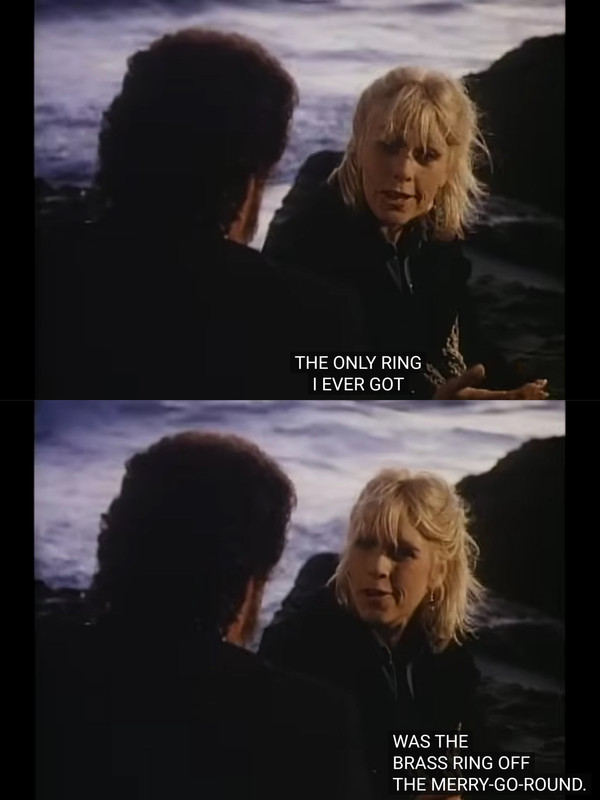
Now, she asks Mark if he ever got married before, and he opens up too.
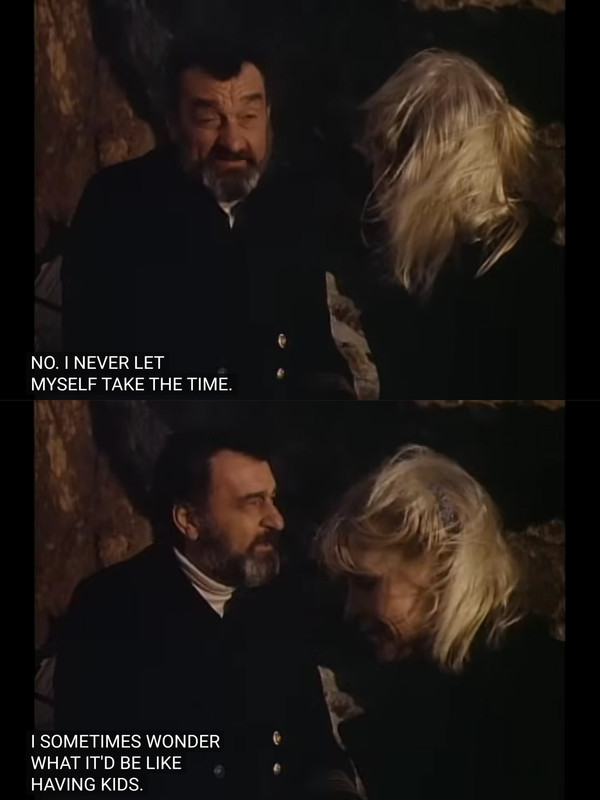
And she drops something totally unexpected here.
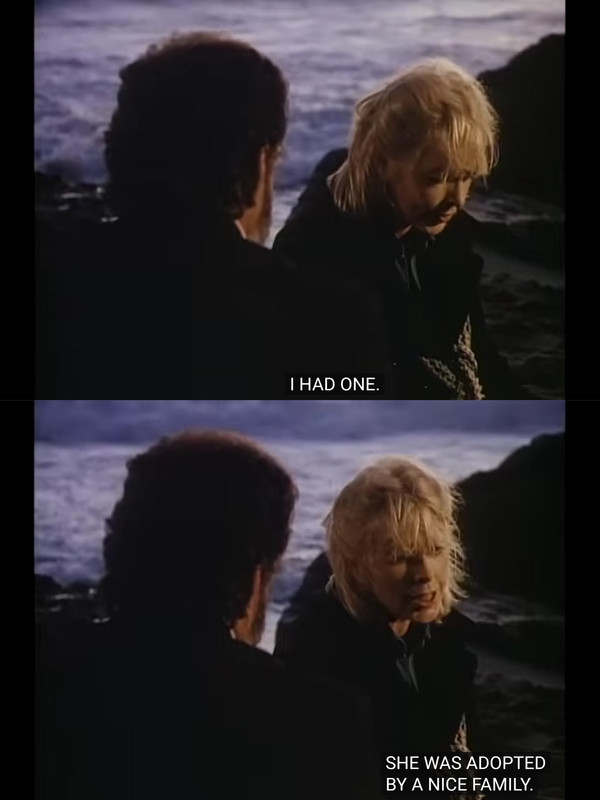
Notice how their conversation is a very casual one and they include a lot of personal details that are totally unrelated to the episode’s story. Like, take this last line: Mark is not going to stand up and say like “You haven’t seen your daughter in a long time, now I’ll help you track her down” or something, and that becomes the assignment. Rather, it’s just something to shape the character but doesn’t apparently impact on the main assignment, which is to help David with his picture, apparently.
This was just a friendly conversation between two adults at the beach.
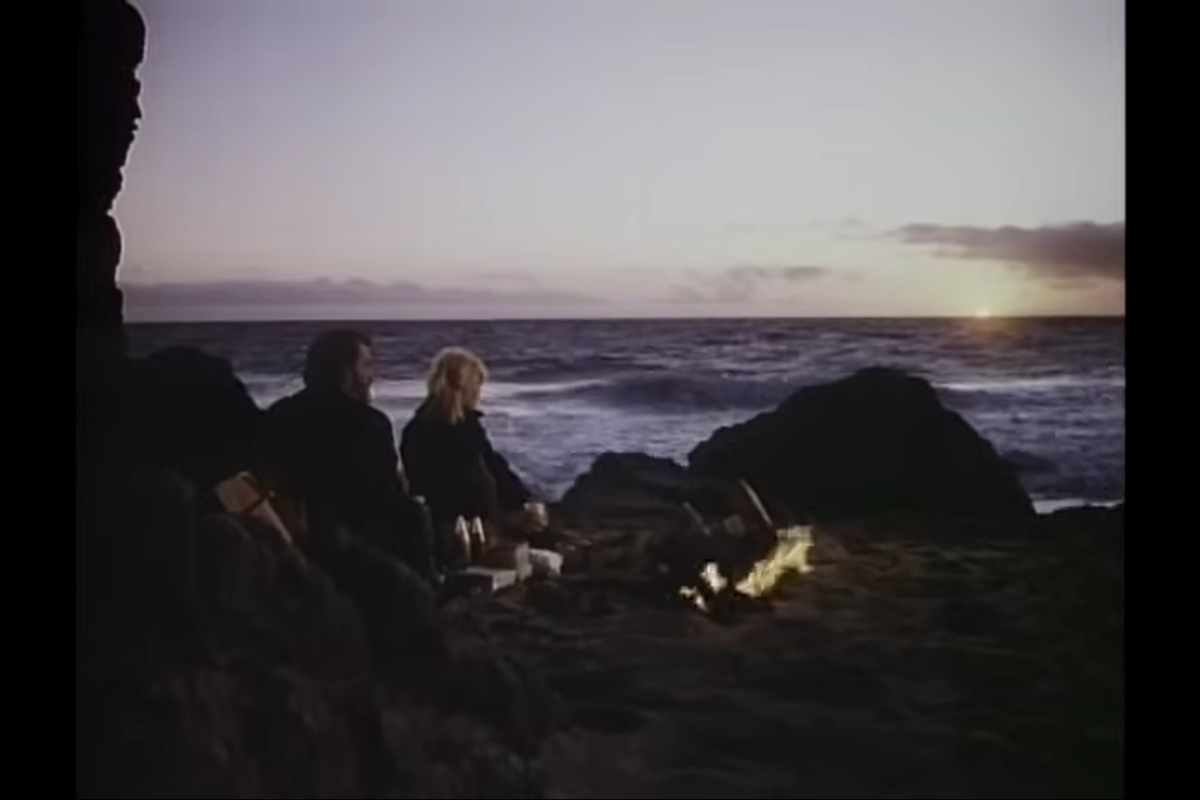
There’s something very suspicious going on here.
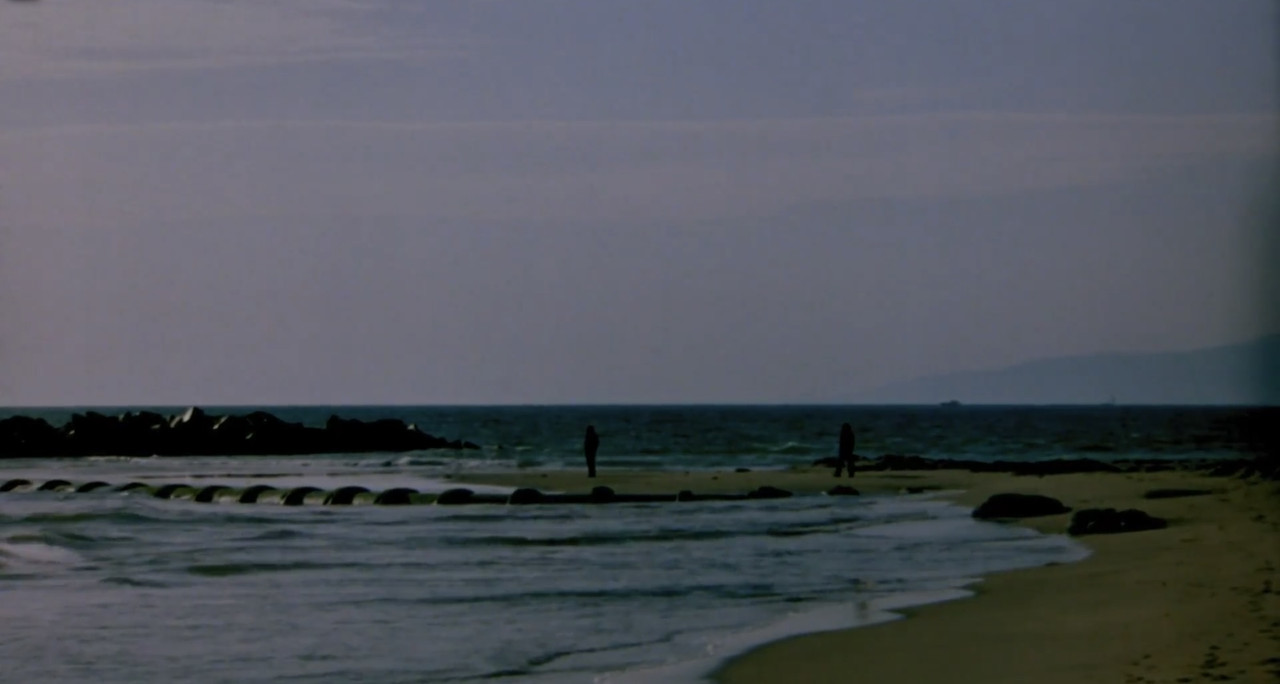
Next, there’s a seagull flying over the beach.
Very dramatic. It’s just to keep in mind, for they will recycle this scene in the future.
Anyway, the next morning, Jonathan is by the beach when “Petros Hadiar” appears behind him.
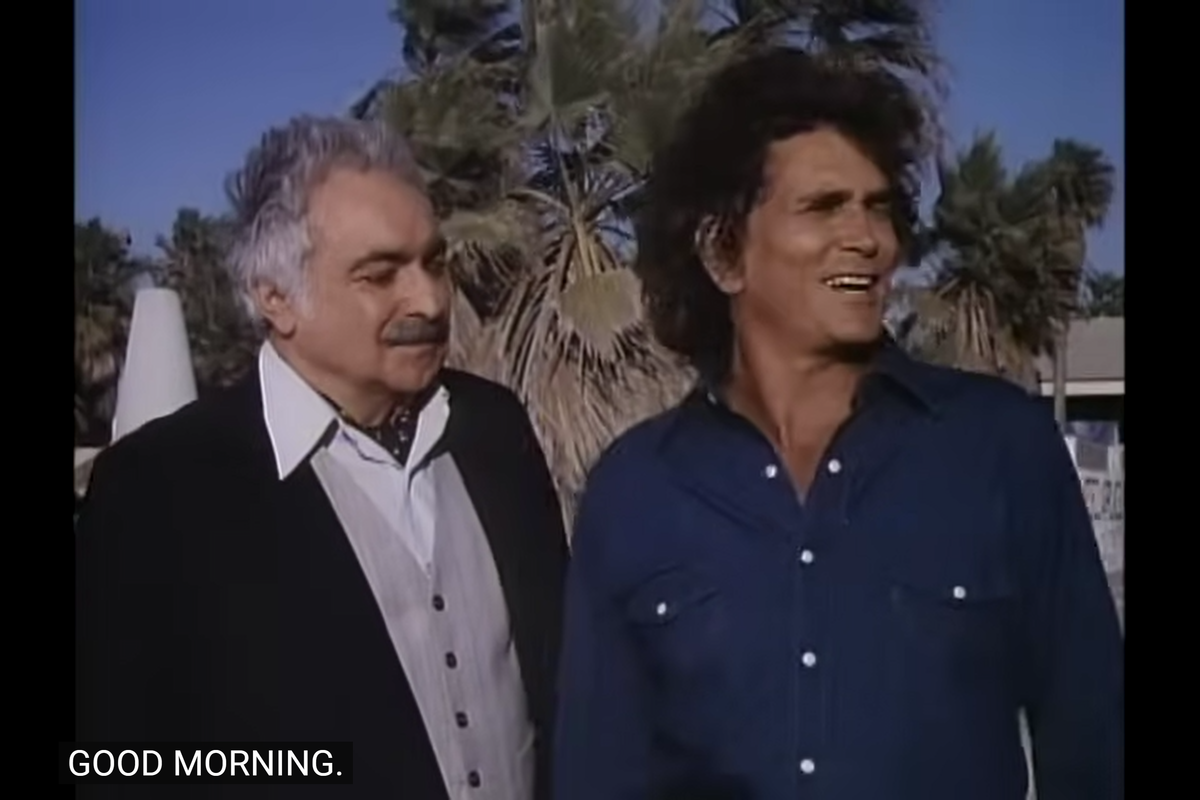
So, Jonathan tells him he’s looking for Mark who’s been out all night.
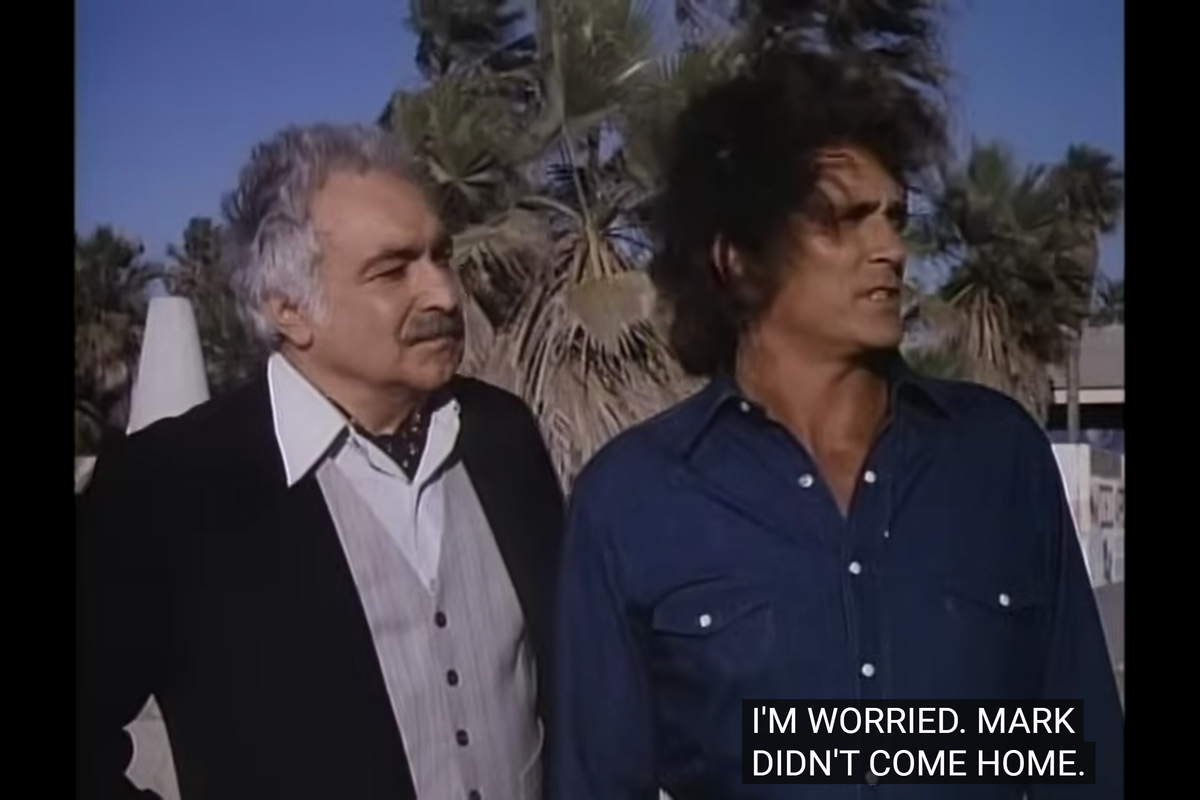
Maybe Jonathan feared his friend went out getting drunk after seeing himself on Chips again.
Anyway, Petros reassures Jonathan that it’s not the case: Mark was just with Stella, nothing to be worried about.
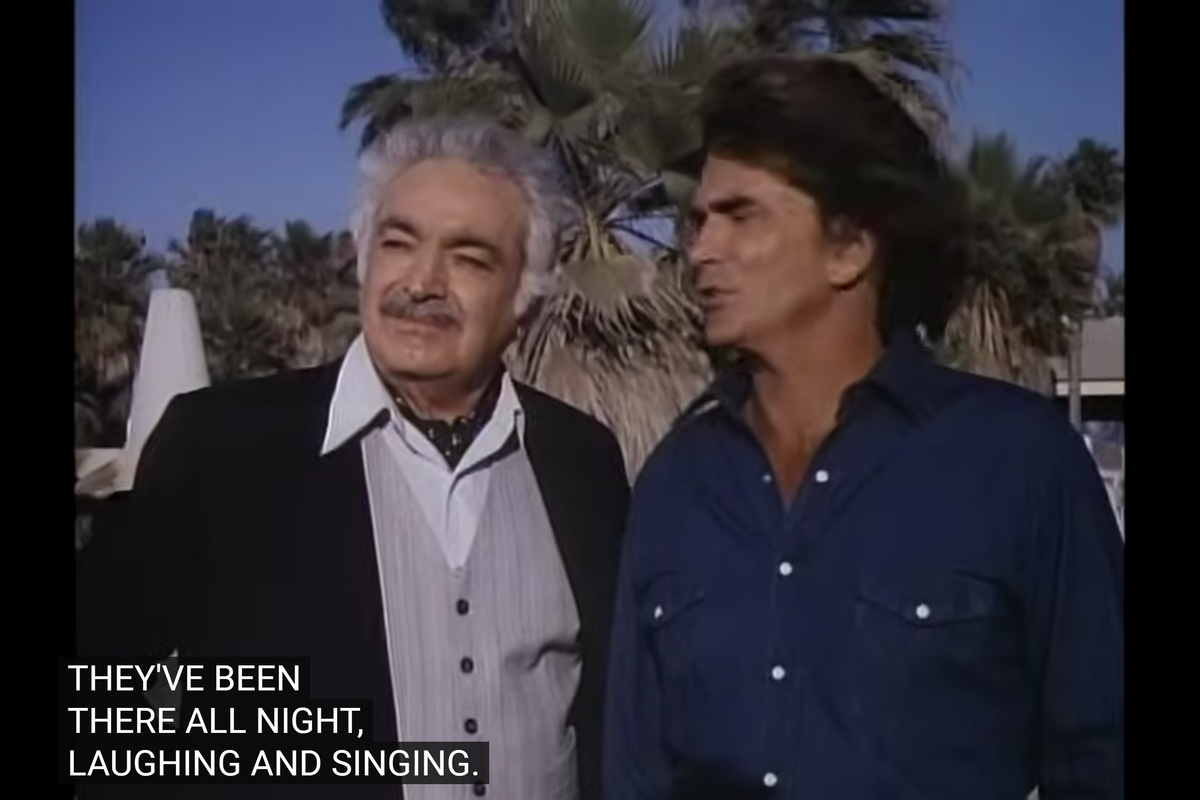
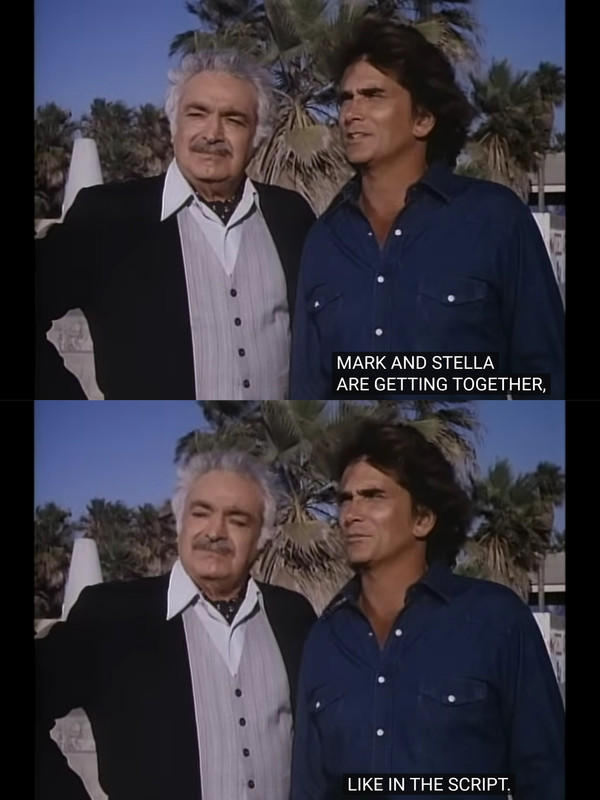
Now, Jonathan notices something peculiar.
Here, things get even more complicated as Jonathan realizes he still doesn’t know who that Petros is and finally confronts him about his identity.

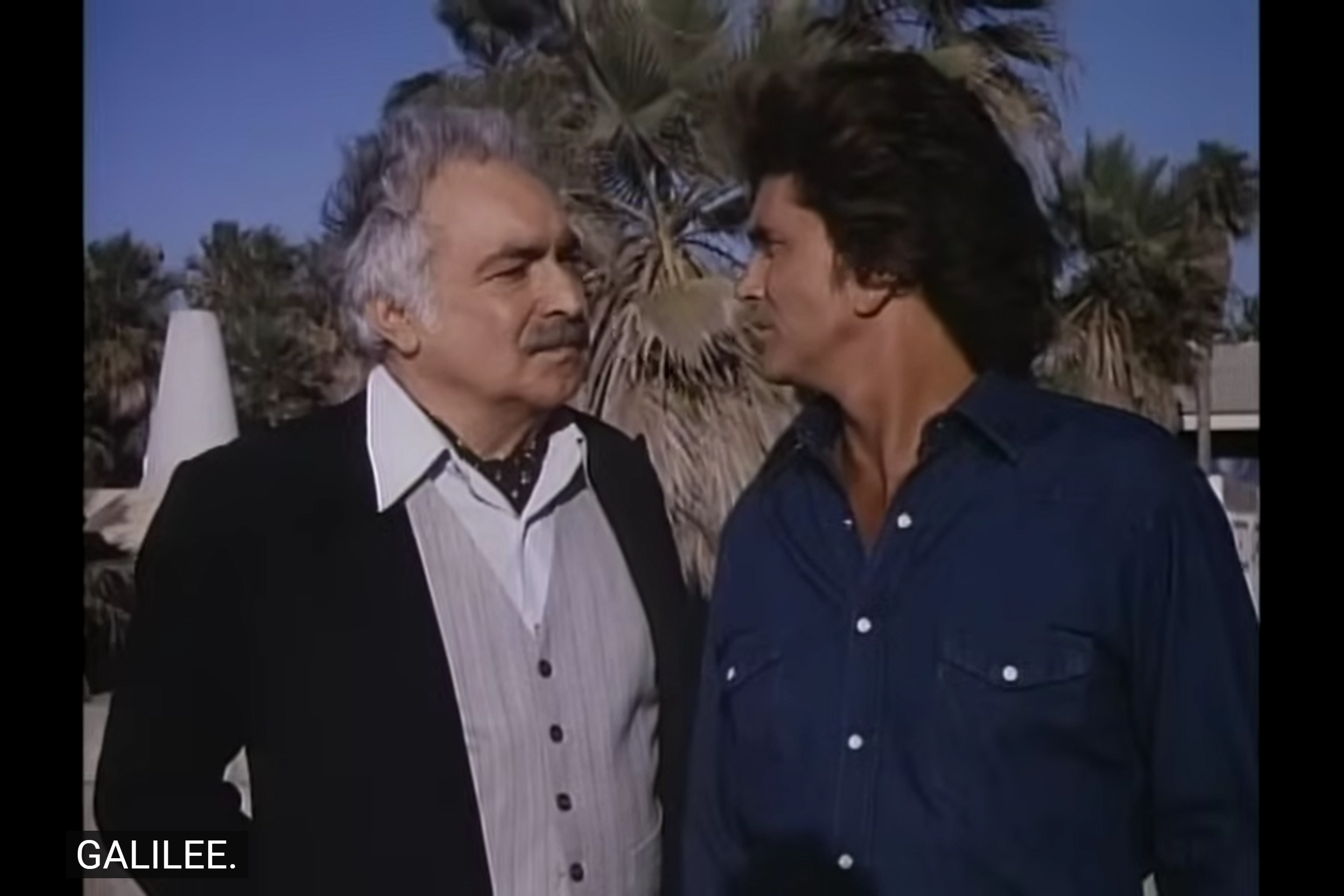
That’s the first clue. And here’s some more.


So, finally they solved the Jonathan’s identity riddle from “The Lord Is My Shepherd” episode of Little House ten years earlier. Whether Landon’s character in this show is a reference to that one with his name or it’s just a coincidence, it’s still a mystery though (more about it here).
But Landon’s Jonathan is way smarter, and realizes that Petros just dodged his question. So, he asks him to know more about him.
And the truth dawns on him.


A “fisherman” from “Galilee” who was sent out to “fish for men’s soul”. That’s right, Petros is actually that Peter — fellow angel St. Peter, the apostle, the pope.
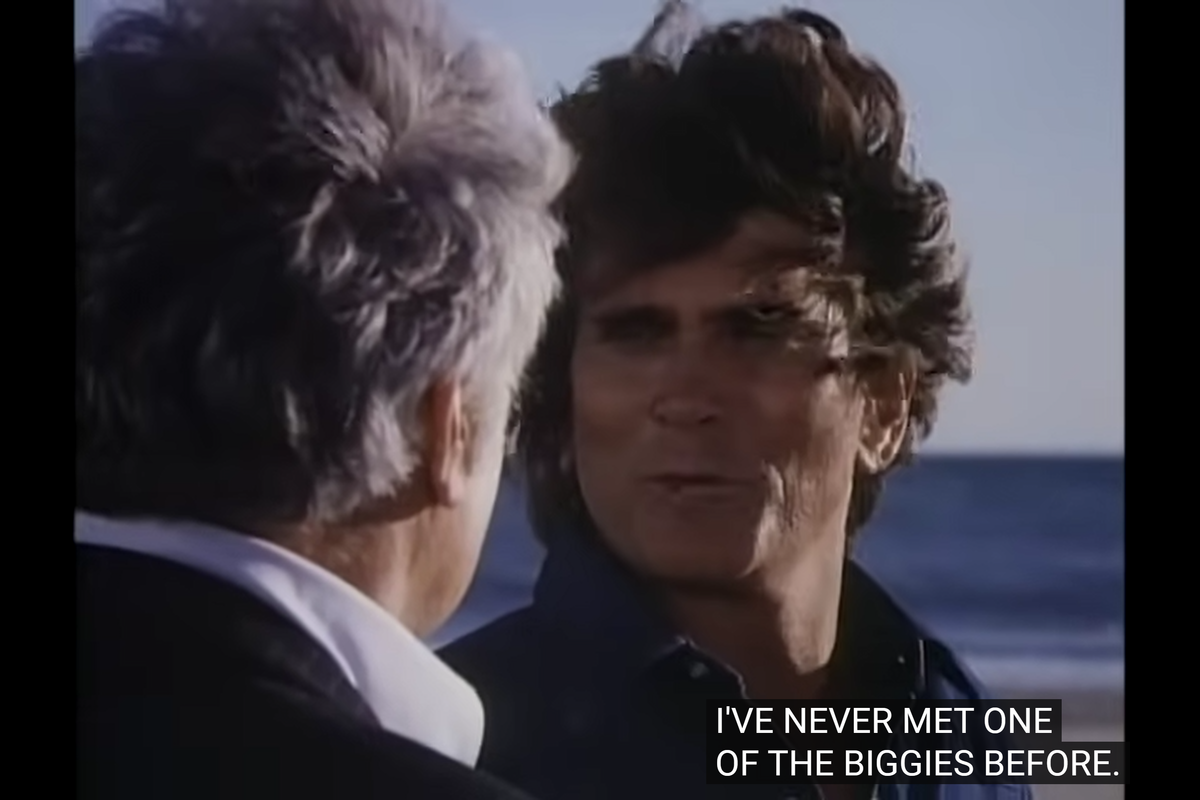
Hold on a minute, this revelation is a game-changer: first of all, this is the first episode of the series to feature an angel other than Jonathan. Also, this angel is based on an existing Biblical figure, thus, this is the first episode in the series to actually endorse the Christian religion — because Jonathan’s revelation in the pilot actually left the question open, even though it implied he was an angel from a Christian background.
And finally, Jonathan admits he’s never met one of the “biggies” before. That is a possible suggestion there’s a kind of hierarchy in Heaven—but let’s not dig into that too deeply.
Now Jonathan is rather confused and has a lot of questions.
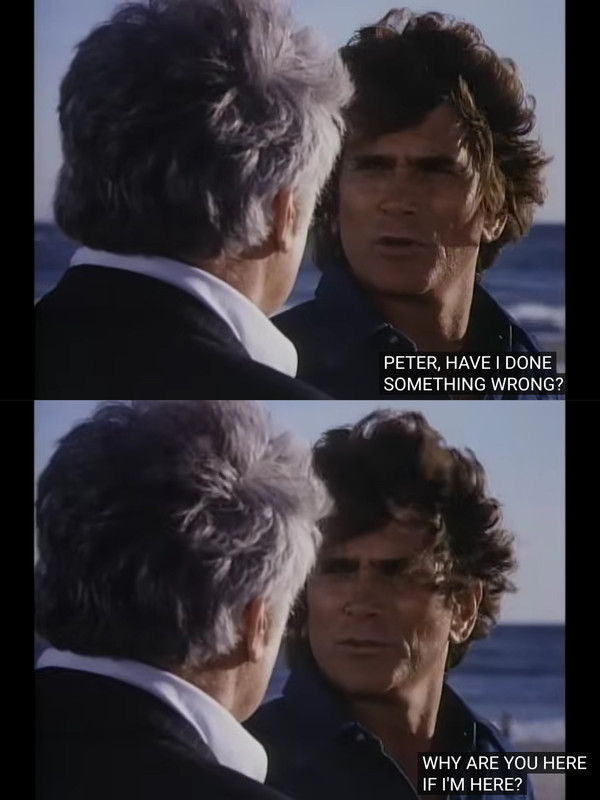
Peter just reassures him and explains that he’s here because this assignment is especially difficult.
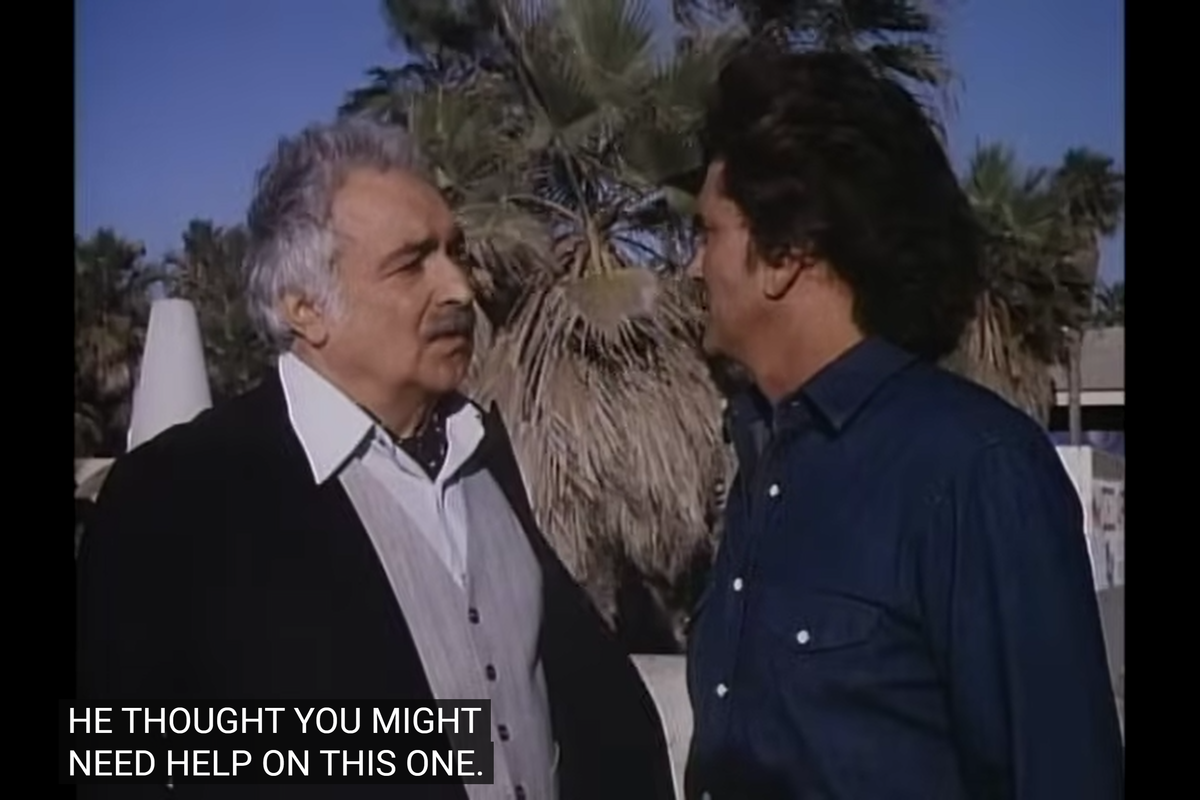
That’s because, as Jonathan has previously noticed, Mark and Stella are falling in love “just like in the script”, and it’s not a coincidence: everything in David’s screenplay is meant to play out in real life, too.
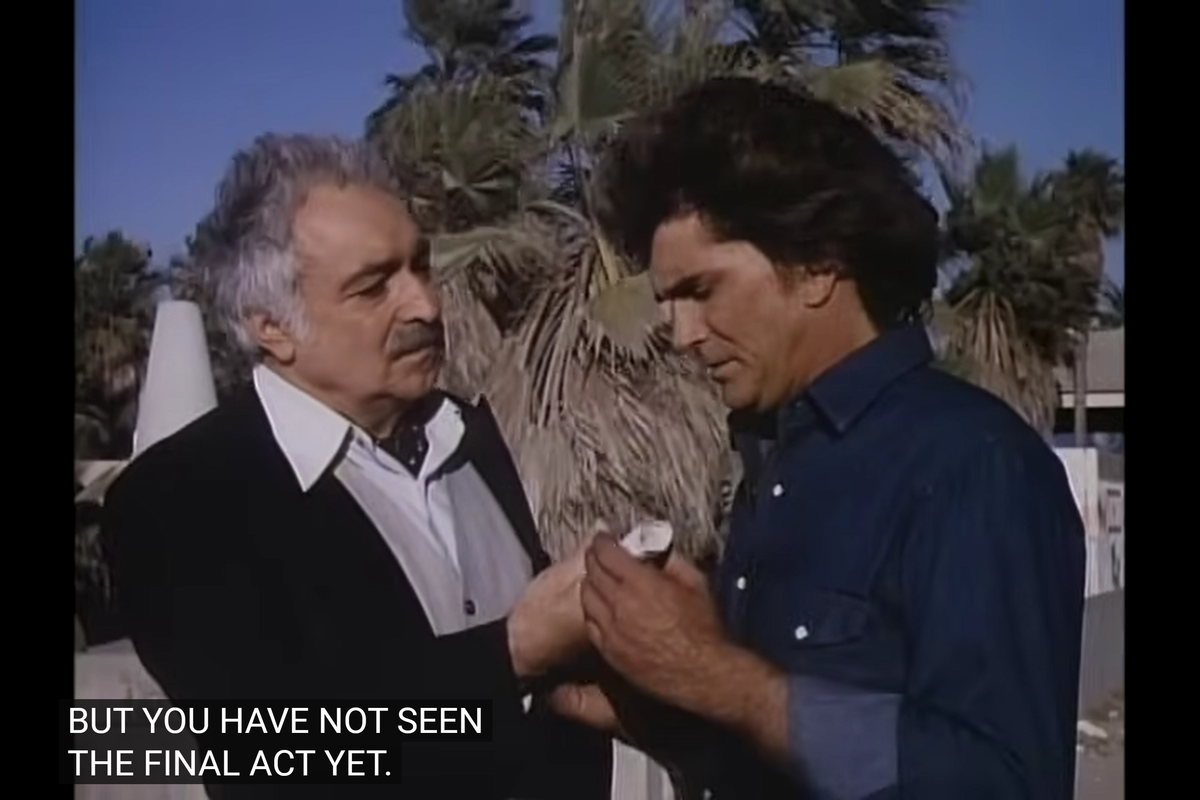
And Jonathan reads it.
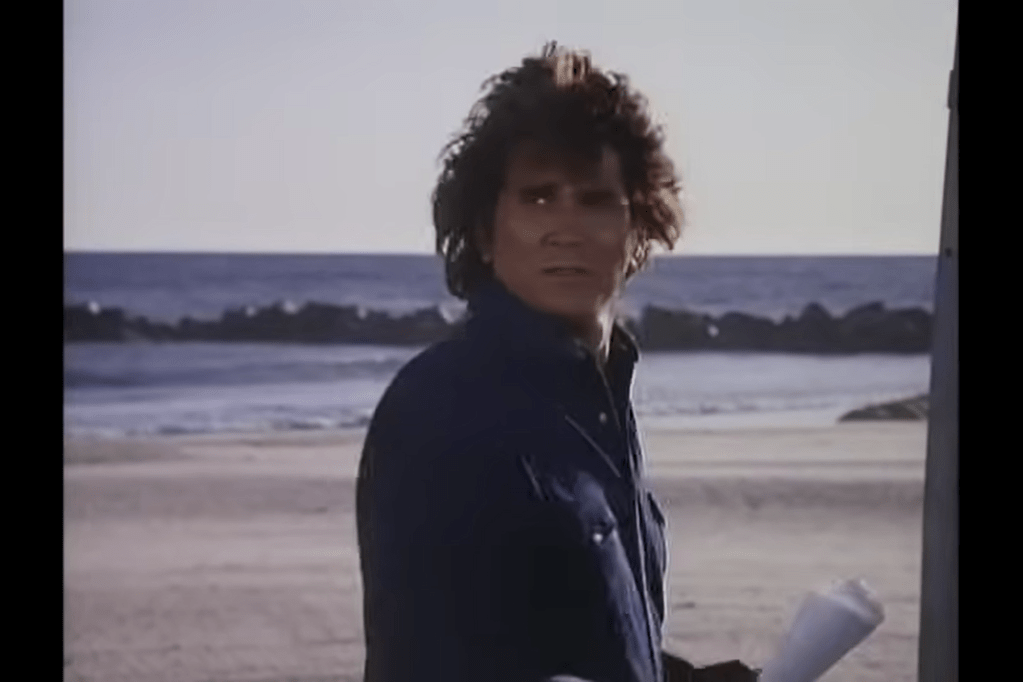

But Peter is of no help.


Now, hold on a minute—again: why is everything just happening like that? I mean, what makes David so special that what he writes actually comes true? Is he an angel? Does he have some kind of divine power? None of these questions are answered.
But, from this point forward, the episode’s focus shifts entirely to Mark and Stella’s relationship.
Jonathan simply turns and stares helplessly at the beach.


From the way Jonathan stares at Mark and Stella by the beach, it seems clear that something is going to happen — presumably one of them is going to die. And even though it can be reasonably assumed that person to be Stella — because, you know, Mark is one of the protagonists of the show— it’s hard to decipher anyway. I mean, at this point, anything could happen—even Mark dying to become a (probationary) angel himself, altering the course of the series.
Anyway, a few days later (presumably, unless we’re meant to believe they fell in love in just one day), Mark finds Jonathan at the beach and makes him a confession: he plans to quit his job and settle down with her.


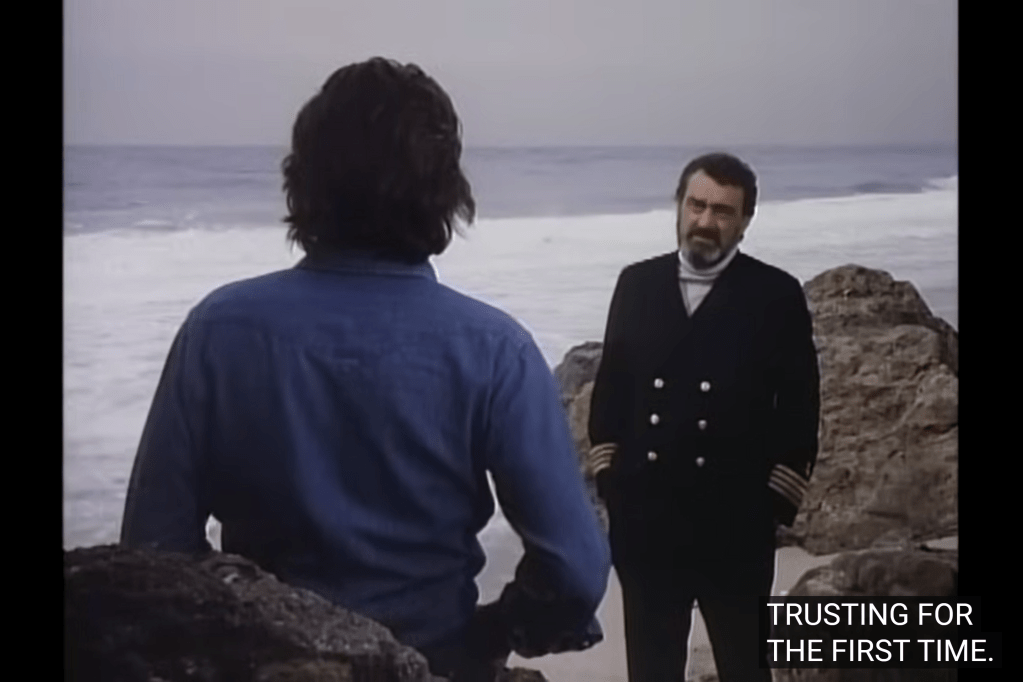
Long story short: he’s thankful for the past few months, but he plans to marry Stella and he wants to quit now.
However, Jonathan is cautious and tries to talk him out of it—quietly and without explaining why. Maybe he’s just afraid that his falls in love too easily with any woman as soon as she talks to him (and he’s right, ‘cause that’s exactly what happens in a future future episode).
Either way, it all feels more and more like a modern Romeo and Juliet of some sorts.


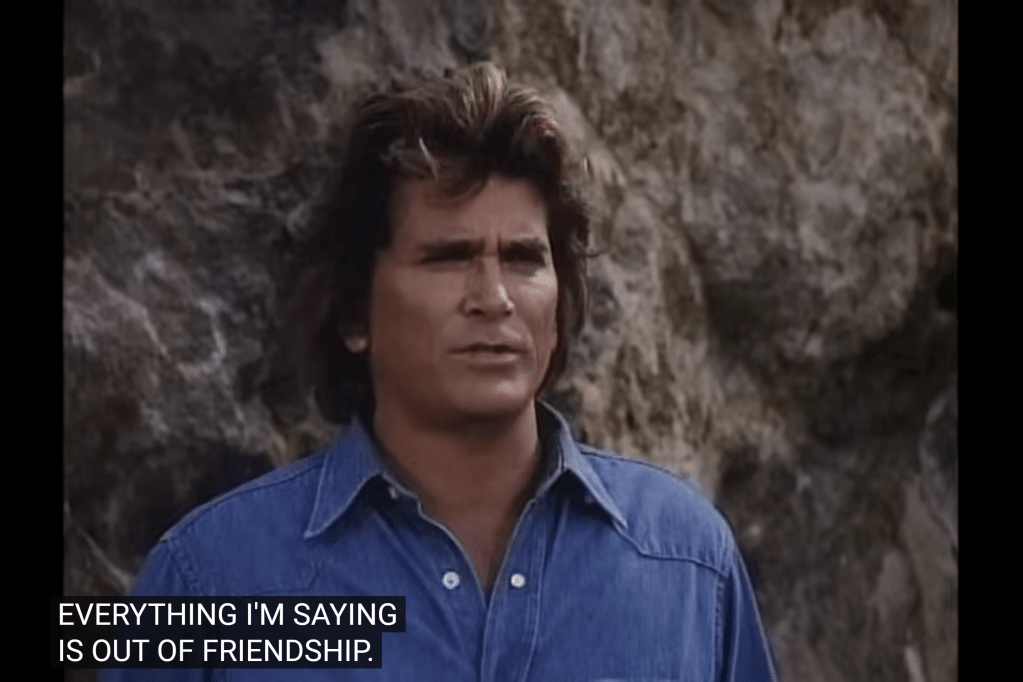
Understandably, Mark is hurt by Jonathan’s hesitation.
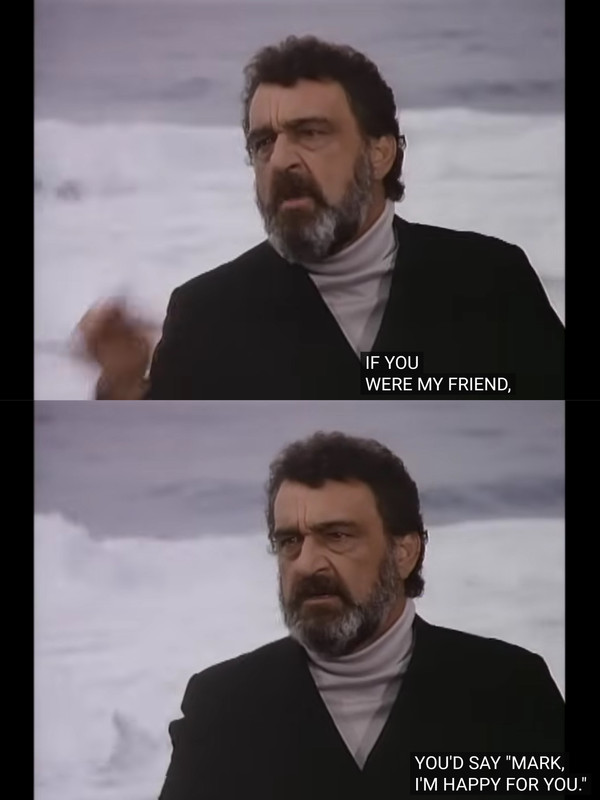
Finally, he accuses Jonathan of neglecting human feelings.
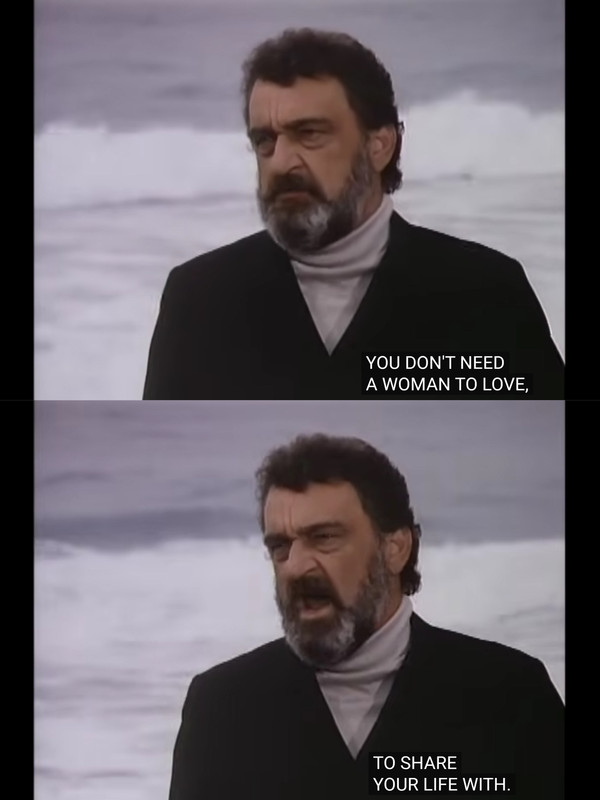
Actually, that’s not the case (as it will be revealed in a future episode in which Jonathan falls in love with a woman, and suffers from that), but neither Mark nor the audience know that yet.
So, Mark quits anyway and buys an engagement ring.
Then, there’s a time-compressing scene where Mark hangs out with Stella and they spend the day together.
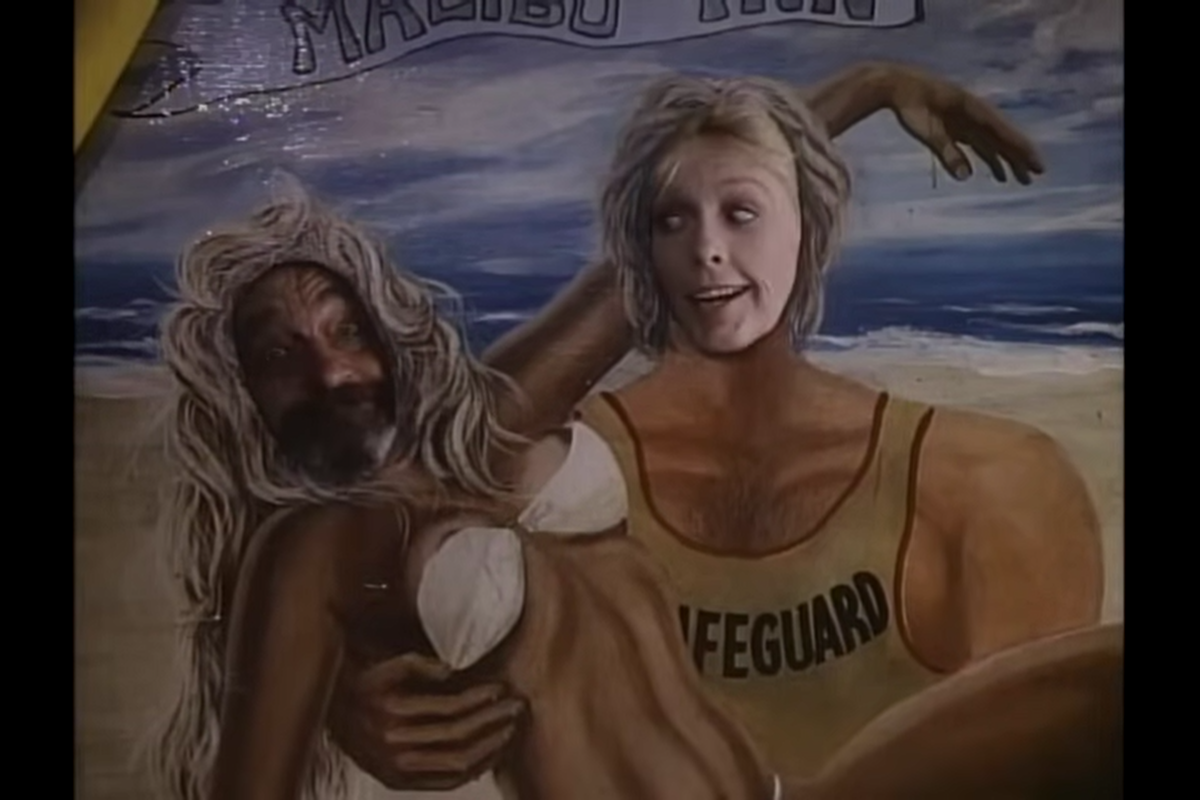
And it leads to them on a merry-go round, just like the one Stella talked about the first night at the beach.
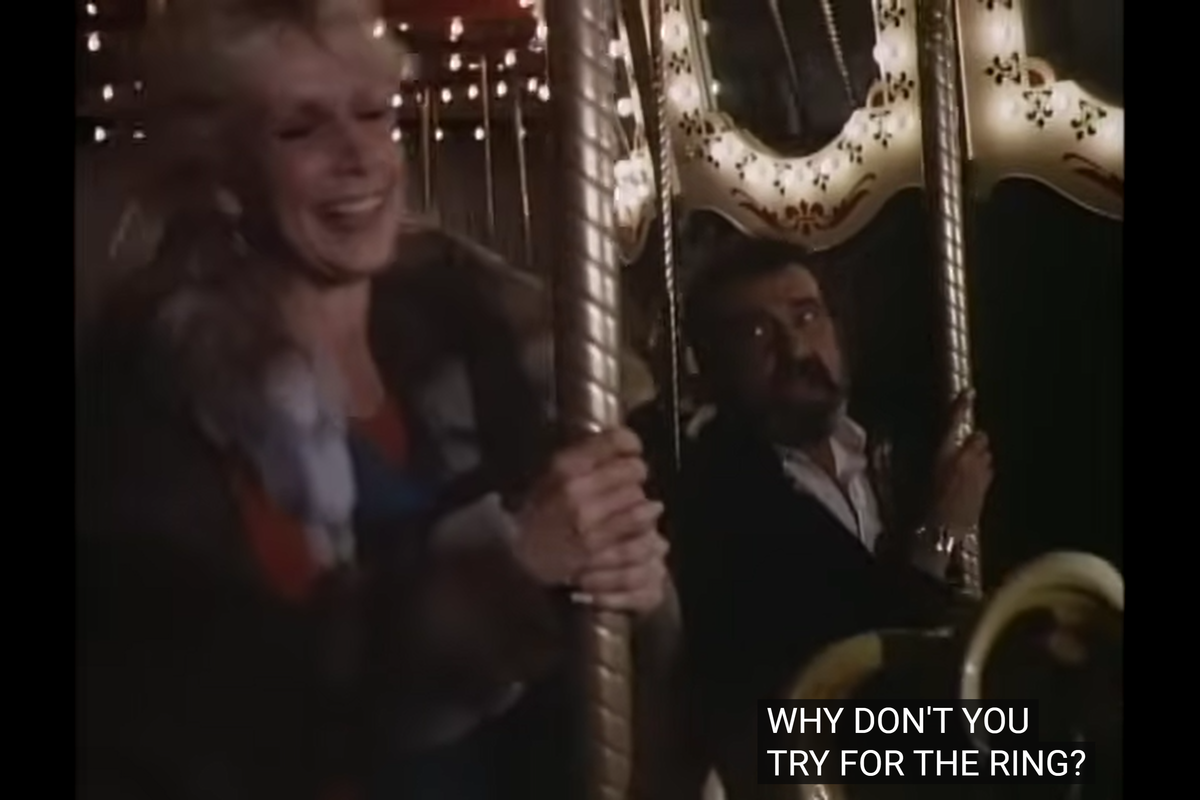
There, she takes the box and silently stares at Mark’s engagement ring as the music dies out in a very unsettling way.

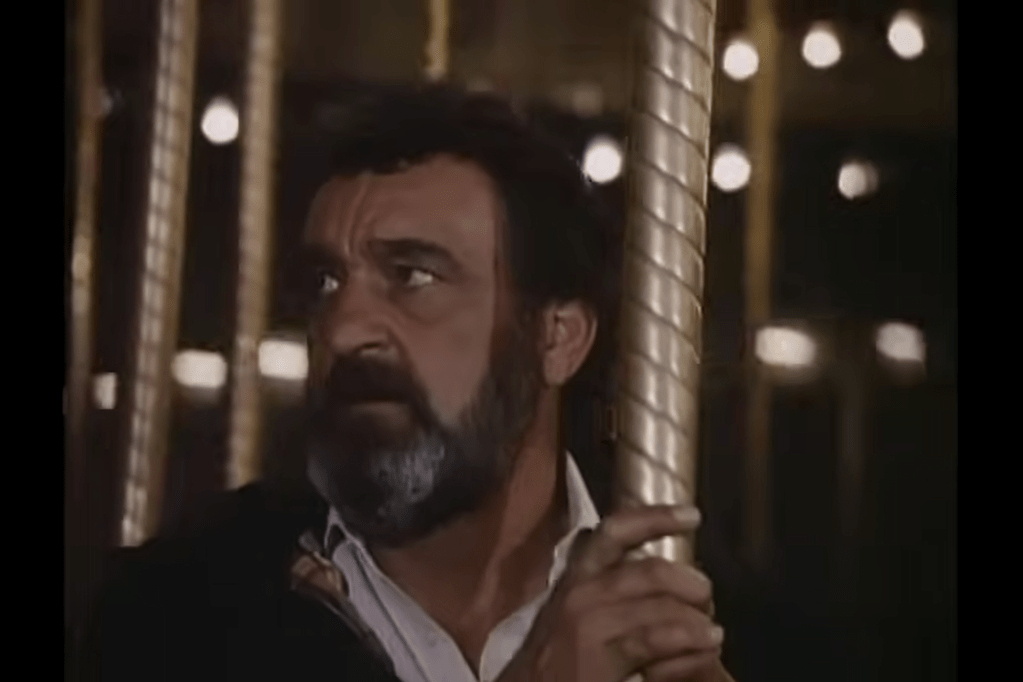

This moment is outstanding. There has to be Ted Vöigtlander behind all this.
Eventually, she gladly accepts it.
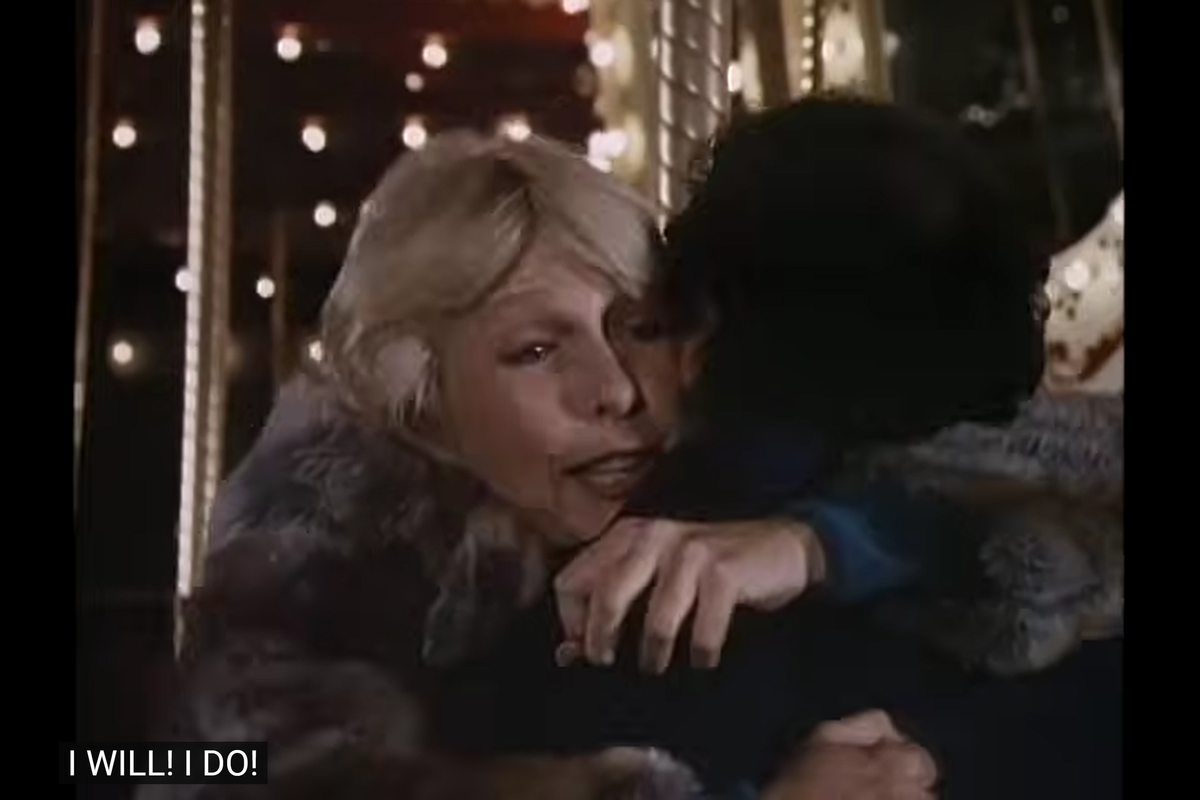
“All’s well that ends well,” as Charles might say—but nothing is as it seems in this episode.
Literally right after that, the next day, Mark bursts into Jonathan’s apartment.
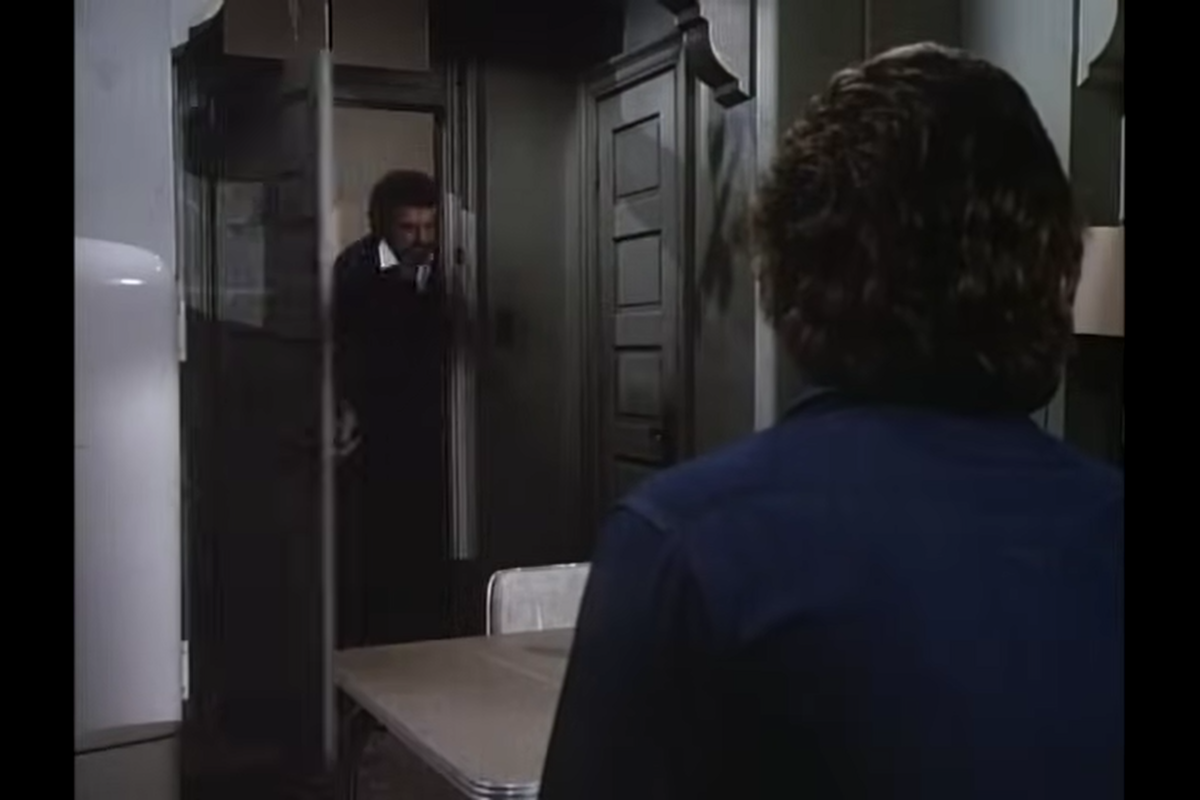
And he doesn’t look pleased to say the least.


But she left him with a message saying that they had fun alright.
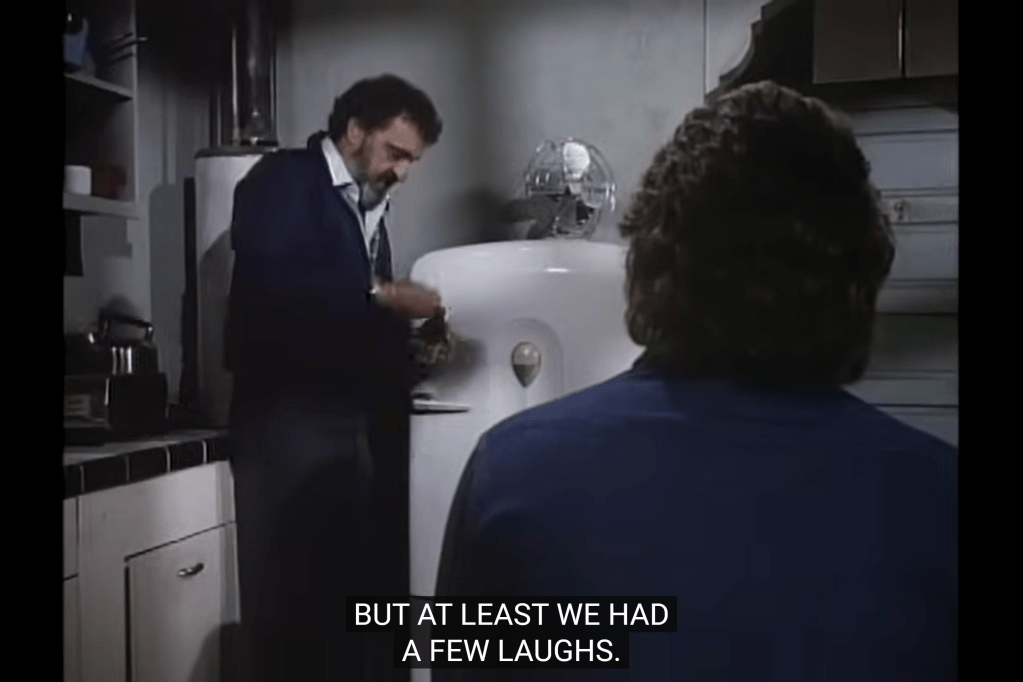

Here, notice two details: first, he doesn’t have his cap A’s with him. That’s something very odd: he’s been wearing it since the very first moment in the pilot and has been shown without it very rarely. However, if you look at the scene when Mark yells that “She dumped me!”, the cap is actually in the room — and they are currently in Jonathan’s apartment. I’m not sure Mark has been back there very often after their argument over rushing things with Stella and everything. More likely, he purposely left it there, perhpas knowing he wouldn’t be coming back to get it — as if the cap symbolically stood for his past up and without it, he shows how he’s changed to somebody different and better with Stella. Or maybe Stella just thought he didn’t look good with that and asked him to get rid of it — or maybe the production simply thought Mark’s character had to look serious for the scenes that follow and the cap would undermine that intention.
Secondly — as he vents out, Mark grabs a beer from the fridge. That is a powerful detail: it’s the first time in the series he’s seen drinking again since the pilot (remember, he was a recovering alcoholic). So, this moment is almost implying that he’s on the brink of drinking again — which conveys the idea of how much this relationship meant to him and how much he’s hurt right now.


Also, notice how Mark frantically sounds inconclusive here: first, he says he should have heeded Jonathan’s warning and go slow with her — then, he blames Jonathan for being the cause of everything in the first place because he fooled him with those punchlines like “There’s good in all people” that Jonathan’s been preaching since the pilot. Again, a subtle moment suggesting how his character is confused and angry and upset and can’t see things clearly.
Anyway, Jonathan reassures him that Stella still loves him and tells him she’s at the beach, in case he wanted to ask her why she broke up with him so abruptly. So, Mark immediately heads there.
And now it’s where this episode becomes a relentless hell of an emotional roller coaster.
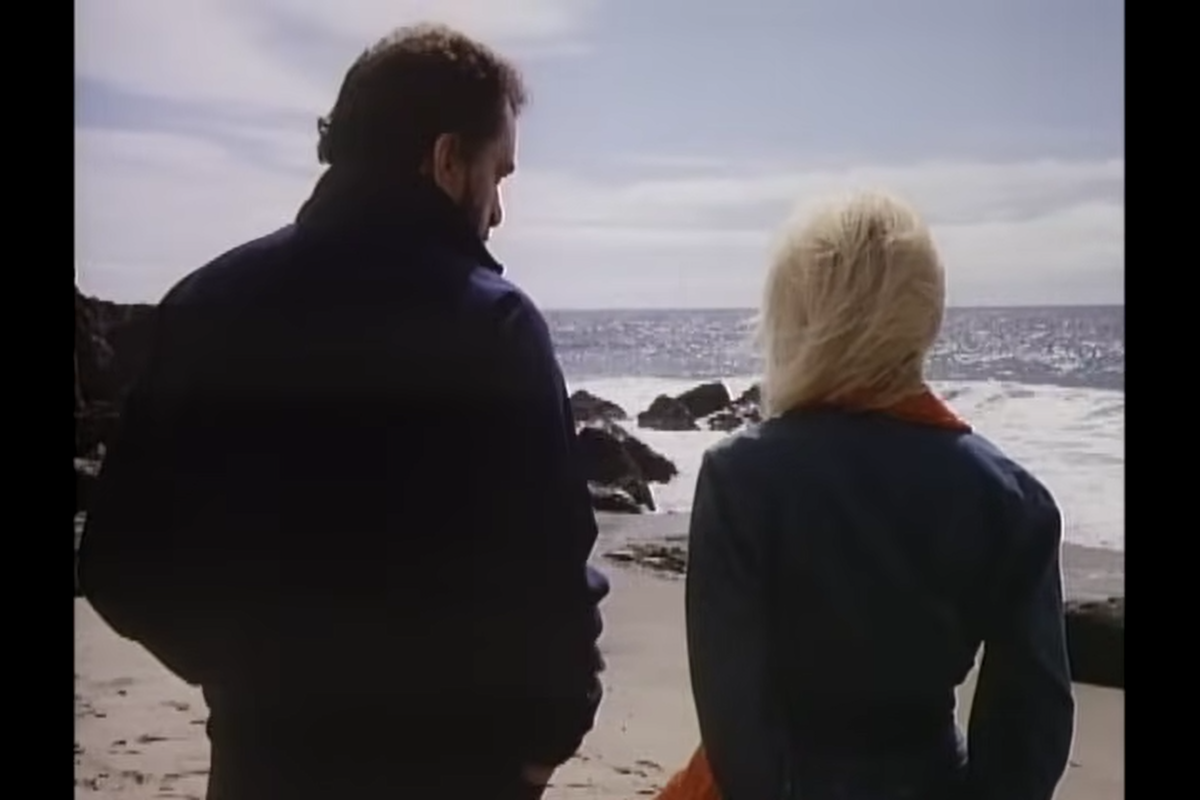
When Mark finds her, he urges her to know the truth — and she breaks down crying.
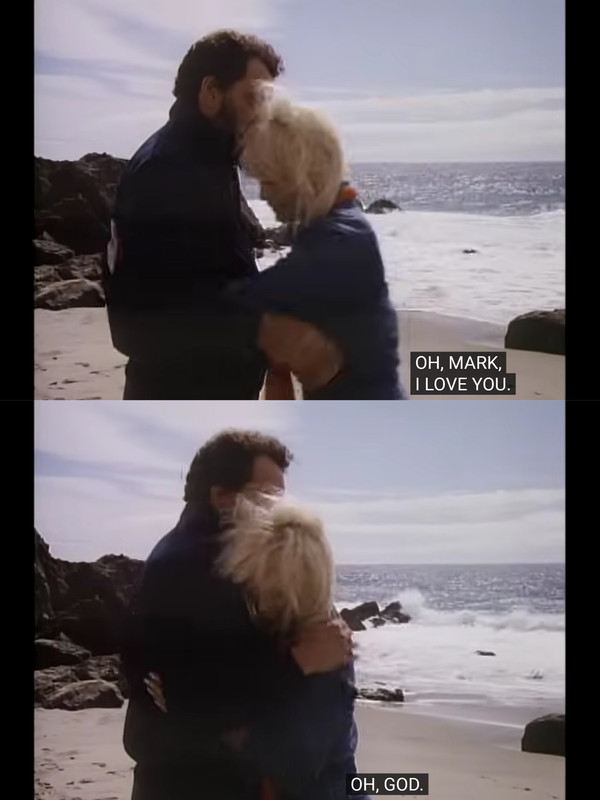
And then, she confesses why she left him.


That’s why she walked out on him so abruptly—to push him away, hoping he’d hate her rather than suffer with her.
So, astonished, Mark frantically rambles he has a “Friend” who might be able to help them.


Well, referring to Jonathan as a “Friend” (like Jonathan does with another “Friend”), may sound a bit silly, but it further shows how much Mark loves Stella, and how so desperately and irrationally he’s acting to save her.
Then, Mark returns to Jonathan.


There, Jonathan tells him he knew everything already.
And get ready for the final confrontation.

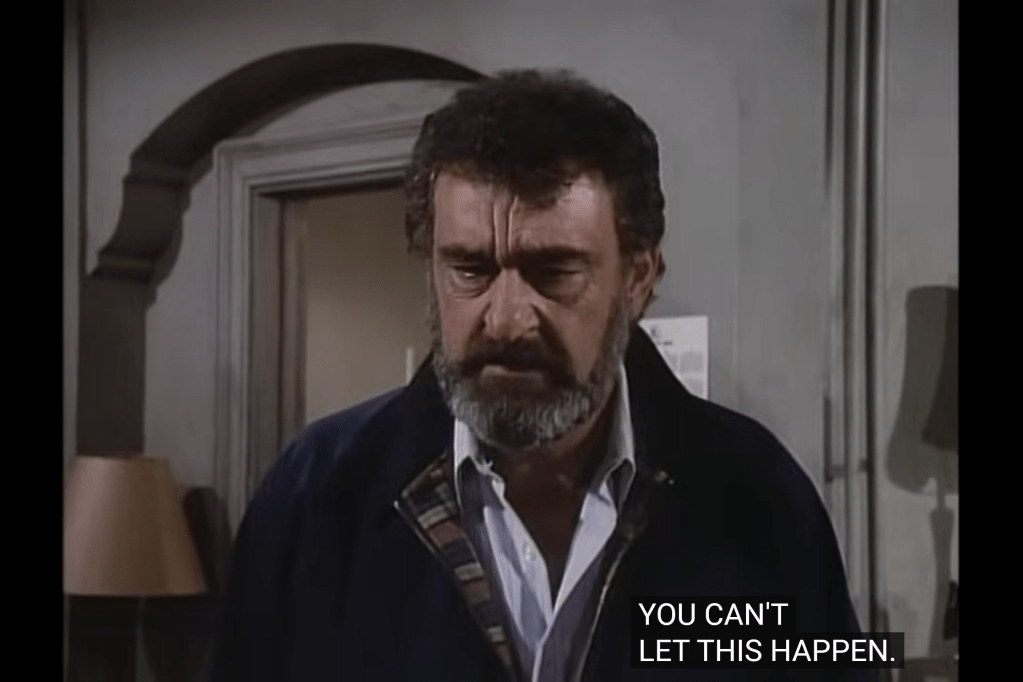

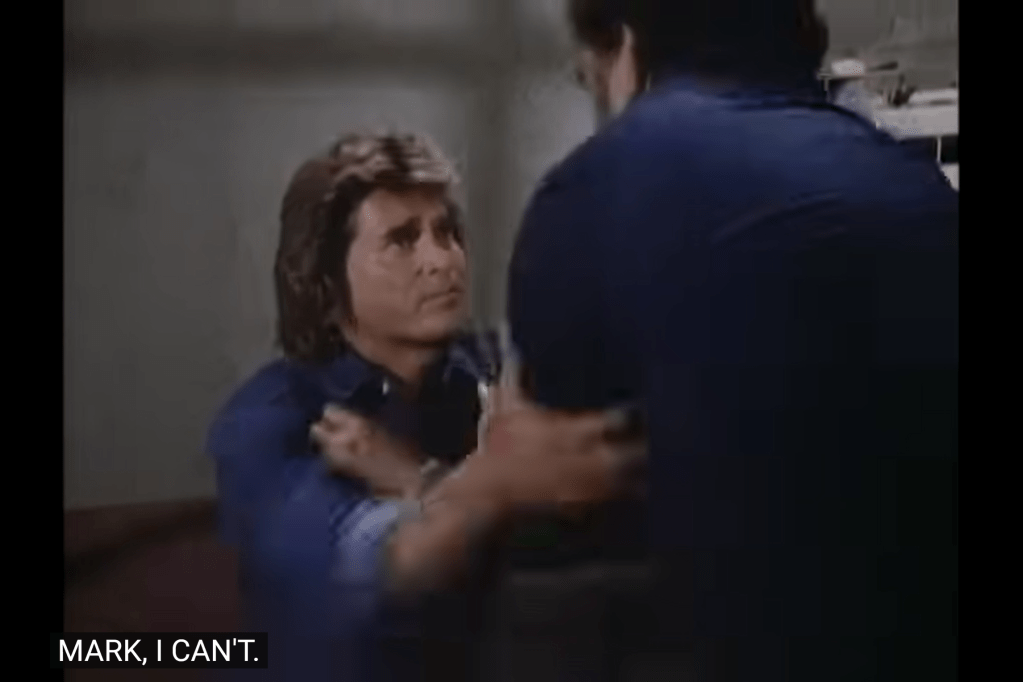

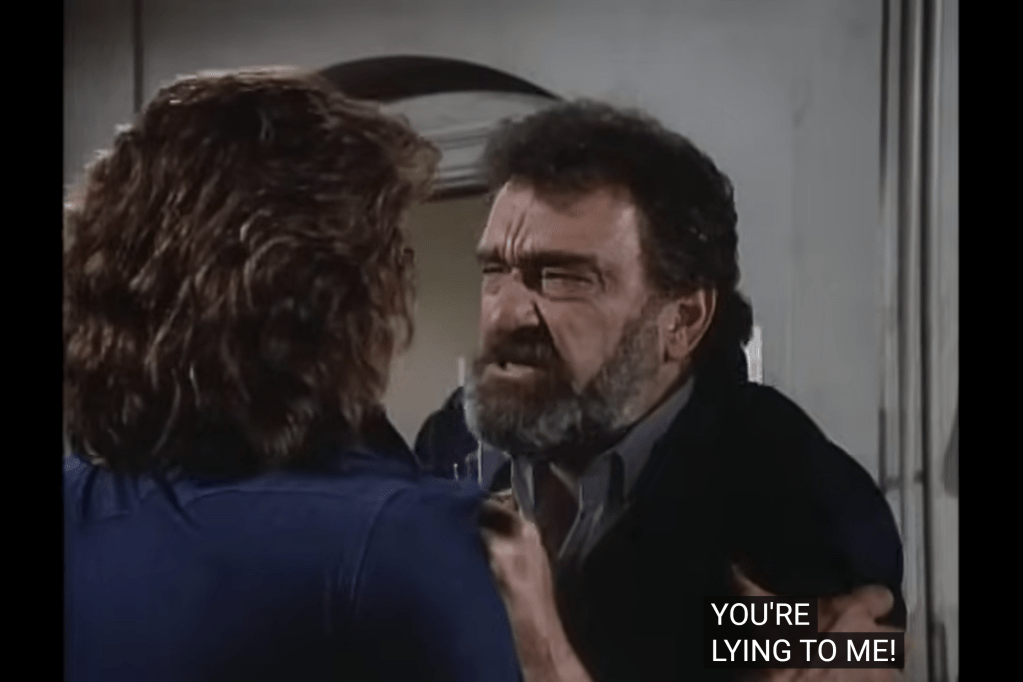


It can be true: Jonathan in the pilot confessed Mark how lonely his job was and he wanted somebody.


Jonathan doesn’t know how to answer that. But he knows something else.


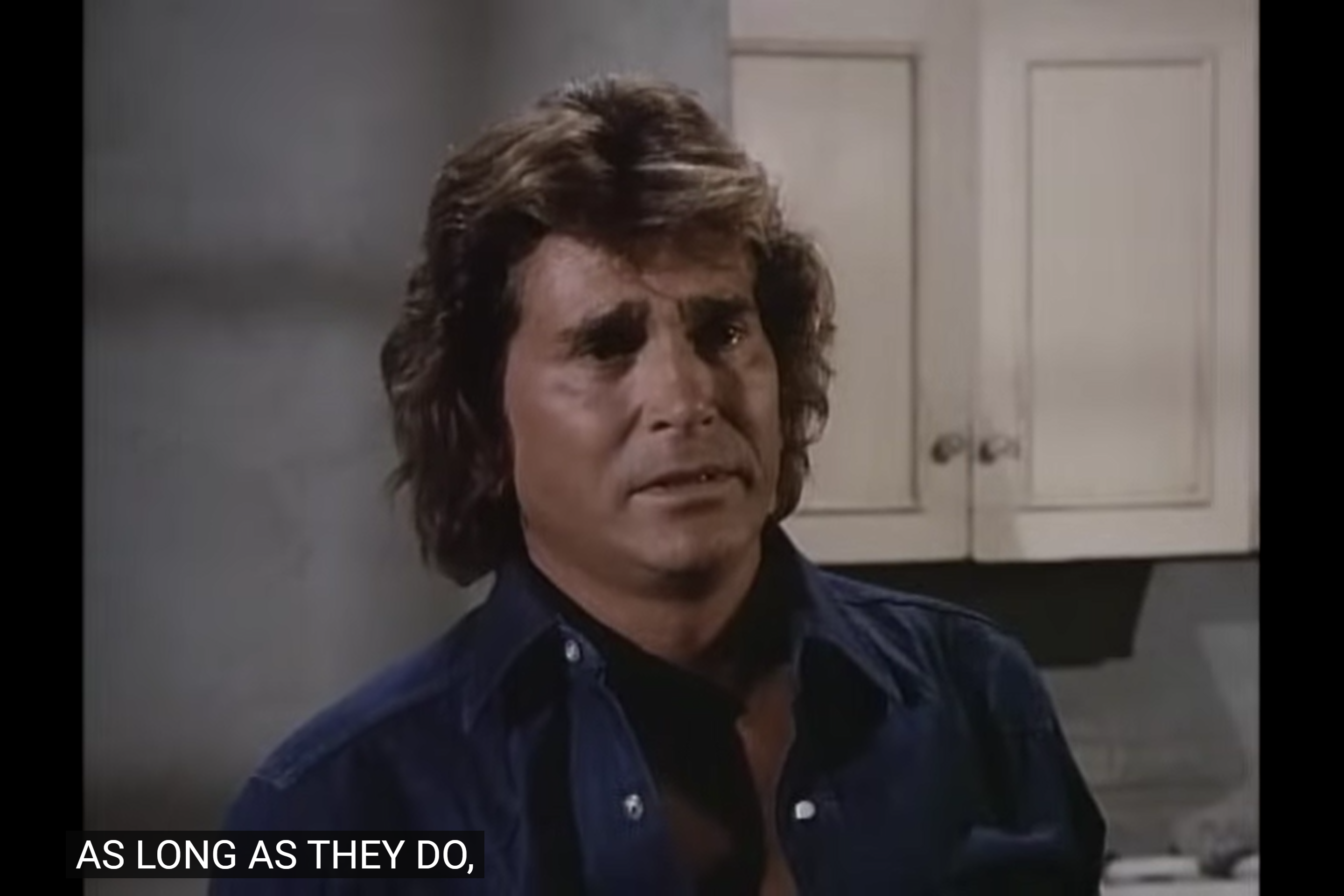


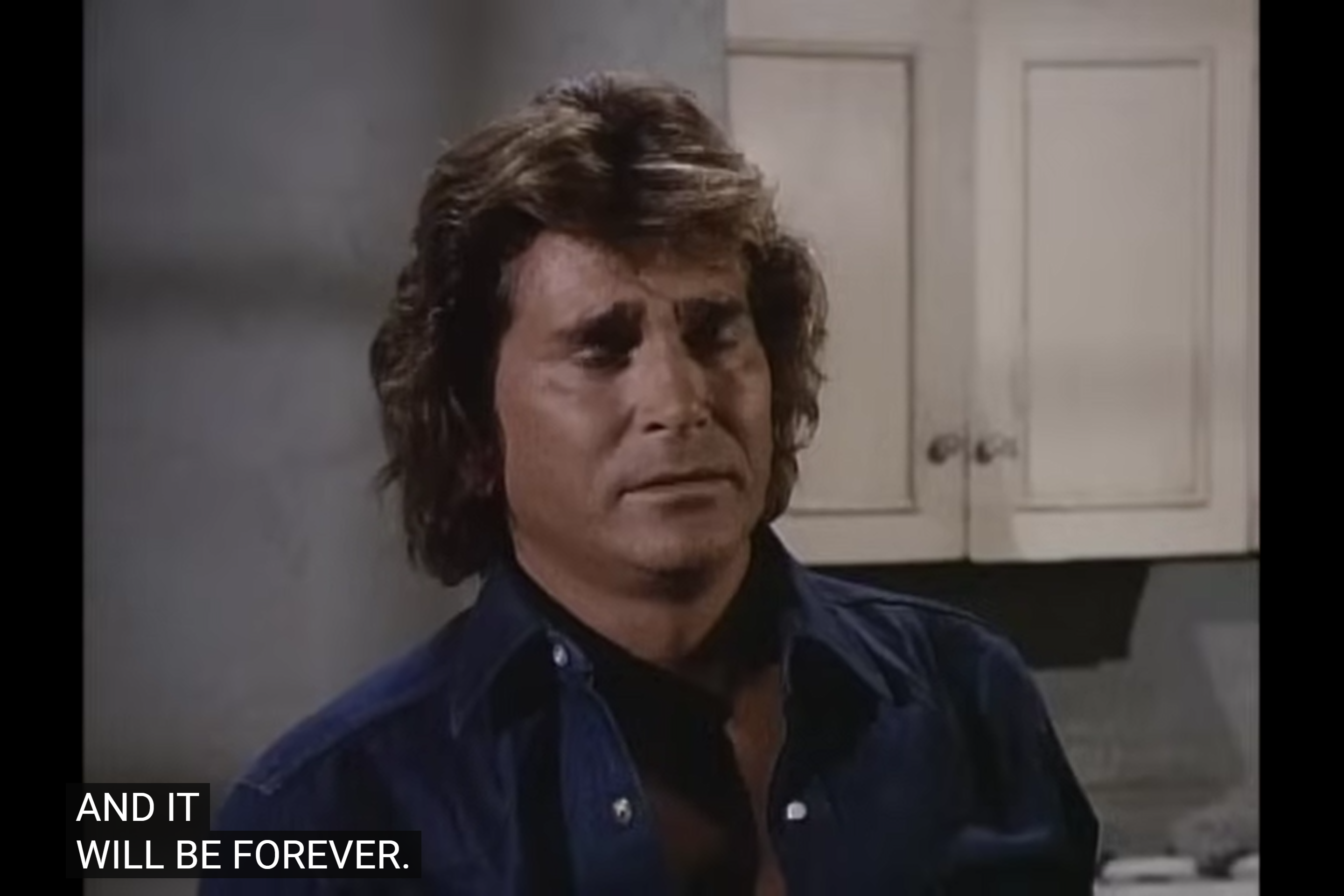
Finally, he tells his friend to spend his life with Stella nevertheless.


What a showdown: both Landon and French are stealing each other scene any second. Utterly emotional.
But it’s not the end of it: Mark returns to the beach.


I’m not ready.


Eventually, they celebrate the wedding at the beach on that same day.
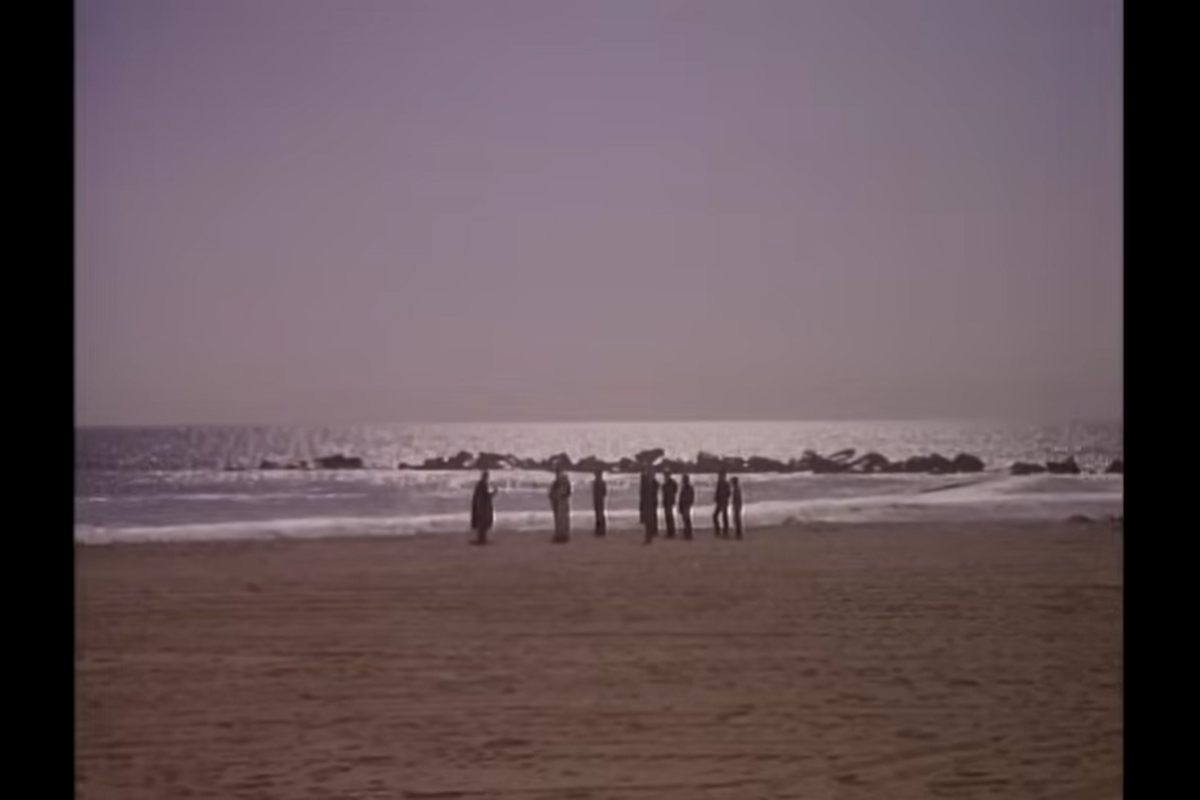
It’s attended by everybody that had disappeared up to that moment.


And the state of David’s movie is unclear as no character even makes the most casual, remote comment about it such as “This is better than anything we could ever make” or whatever. It seems that the whole production was just a vehicle for Mark and for Stella, with them being the real assignment. Or symbolically they presented their love as the actual movie, and it was all connected in a way.
Actually, in the original idea of the episode they were going to address that, with a voice over explaining that they completed it successfully and the were all happy about it because it fulfilled the purpose of bringing the neighborhood together again. But again, just like the part where Mark discusses with Jonathan over Hadiar’s mysterious background at the beginning, they omitted it from the final episode for some reason. And they do not ever mention what happened about that production.
Now, the marriage between Mark and Stella goes on.
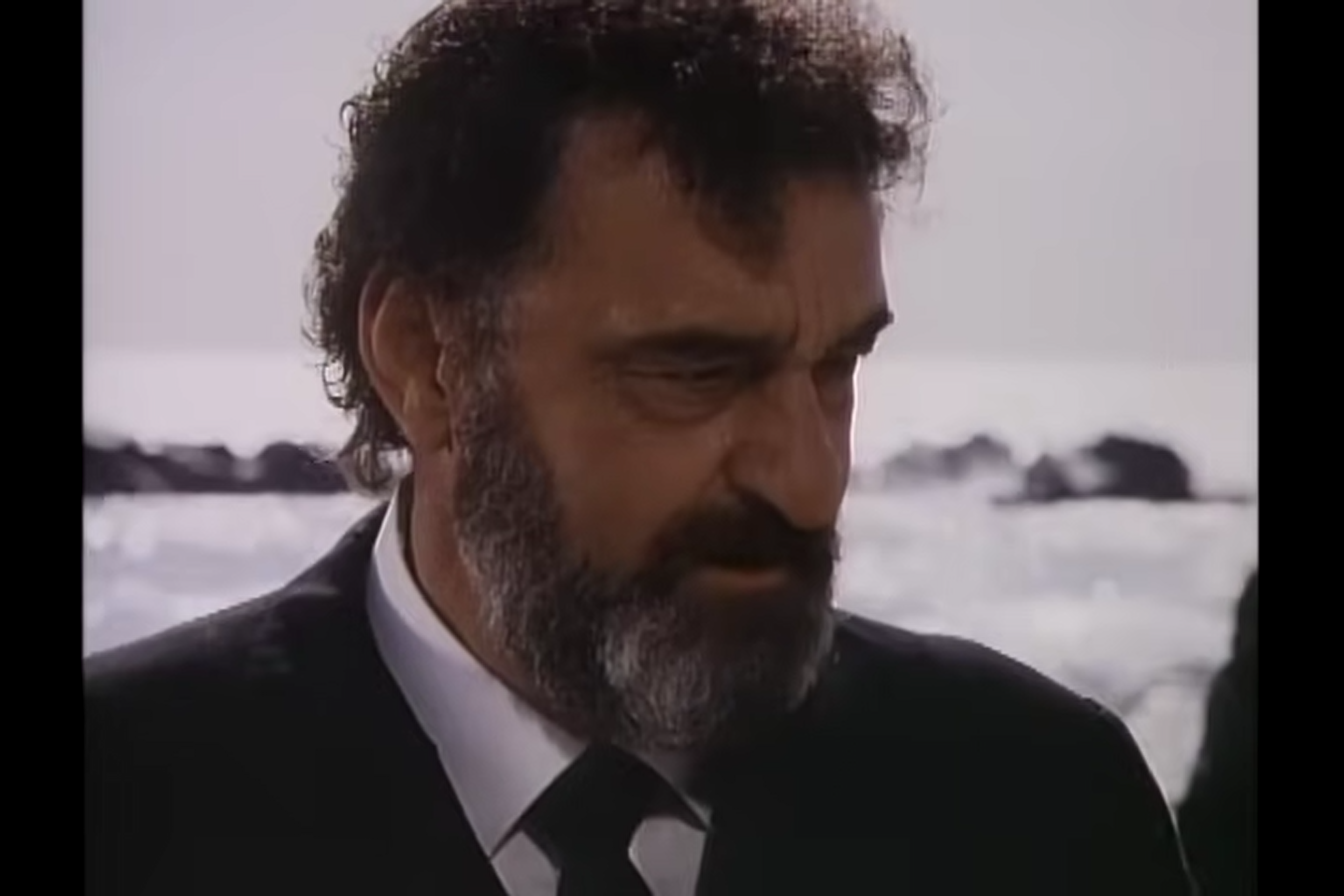


Finally, they are now pronounced husband and wife.
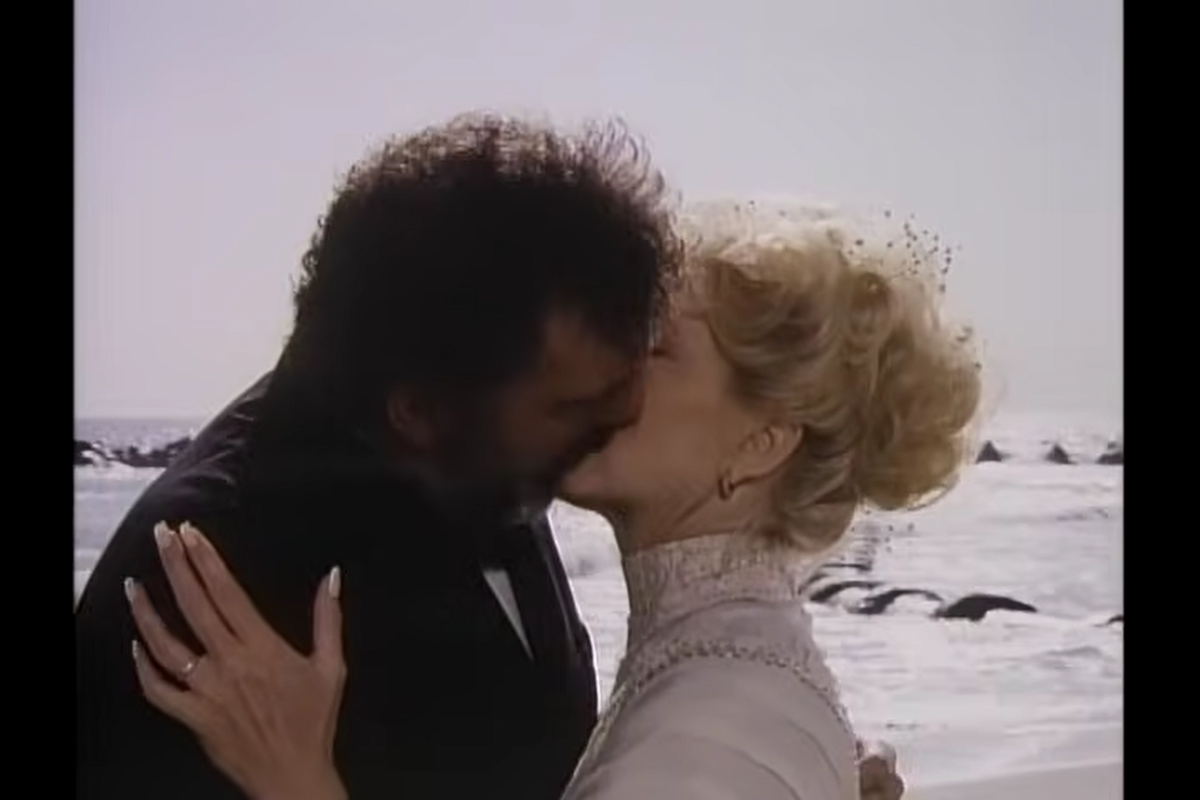
Then, Mark and Stella quietly stare at each other — while all around the landscape almost disappears to leave them surrounded the sea.
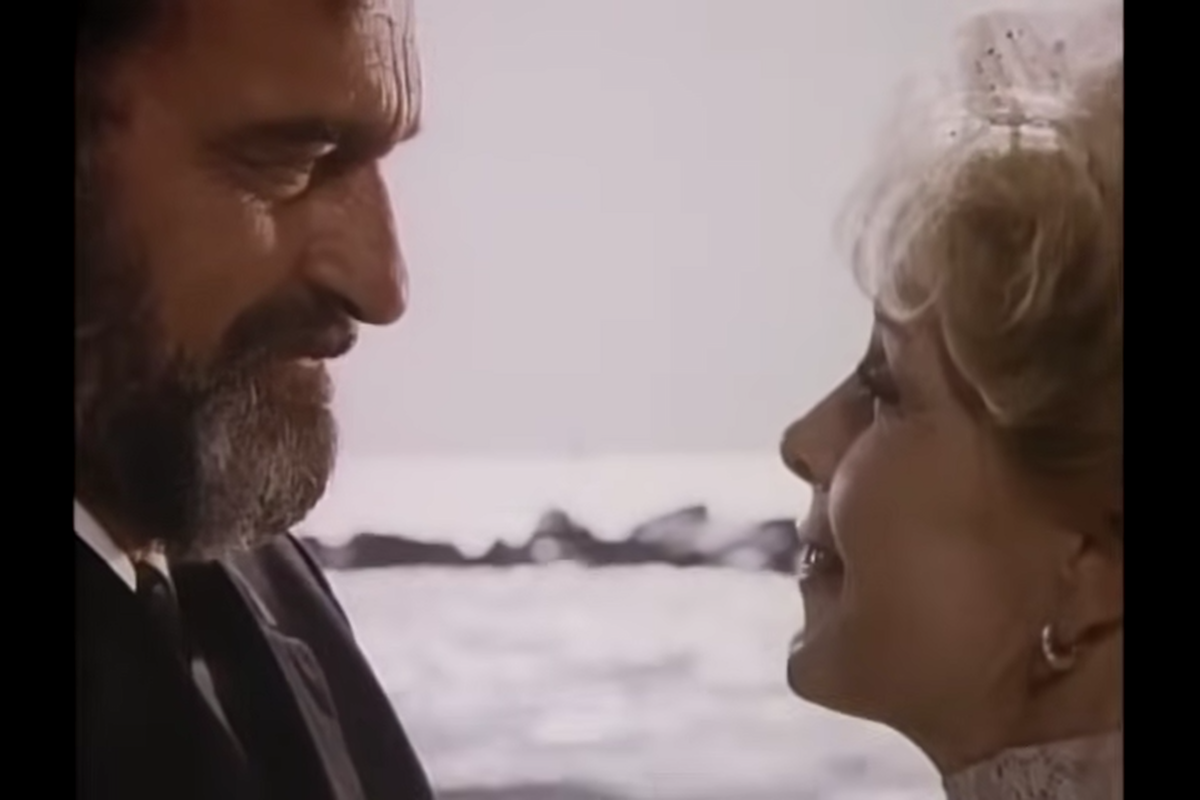
Slowly, the characters disappear as well and there’s an epilogue with Jonathan’s voice-over, the first time it’s used in the whole series.
Mark and Stella had seven weeks together.
And then my friend kept his promise,
And scattered her ashes over the ocean.
There was no eulogy.
He said only these simple words:
“‘Till wee meet again“.
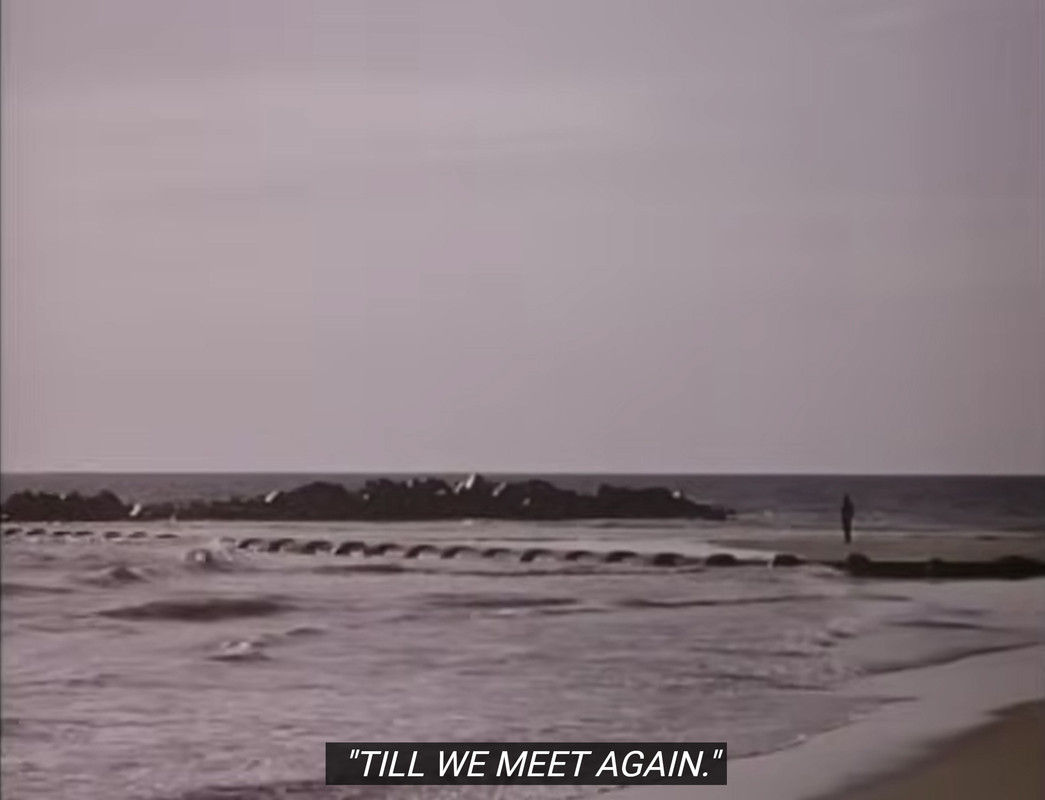
When it first aired on November 21 of 1984, this episode must have puzzled and moved whoever was there to see it — even though they were not that many. Unfortunately, it got shortly less than 15 points in ratings, and would remain the least watched episode of the entire both first and second season of the show.
One final message. In retrospect, it is worth pointing out the uncanny resemblance of French and his real story to this episode: he was diagnosed with a severe lung disease on March 1989, and he would die around three months later. According to his will, his body was cremated and his ashes scattered over the ocean.
It just hits different now.
 Highway To Heaven Cast
Leave a comment