
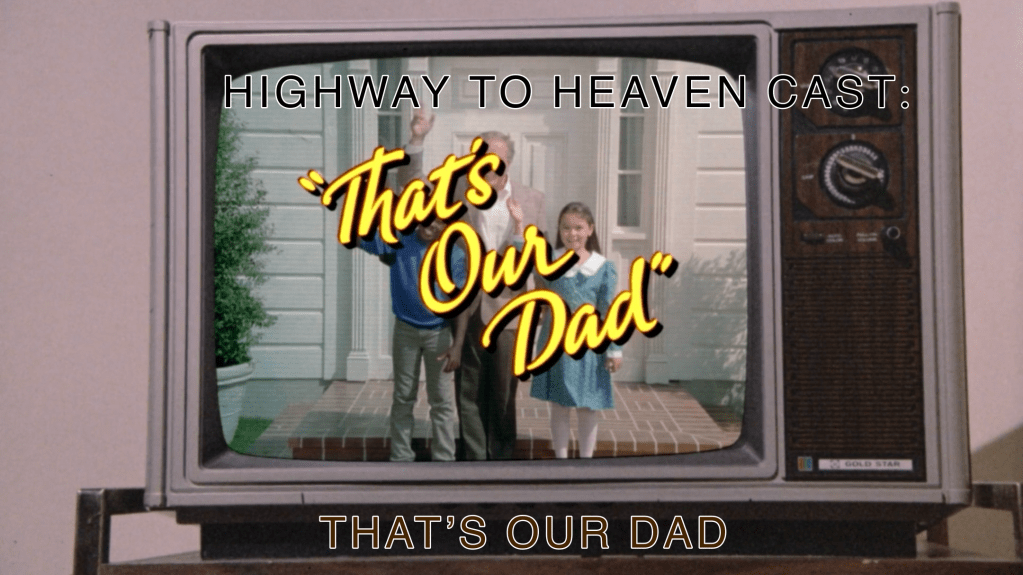
Airdate: 10/29/1986
Directed By: Victor French
It’s an episode with several peculiar aspects. It is partly about actors, yet it no longer focuses exclusively on Hollywood itself. Because there’s an adoption part too.
Also, it concludes the career of its director — as director, not actor.
Complete show available here.
Assignment: Jonathan and Mark are assigned to help a selfish actor recognize his mistakes toward the people around him.
A fictional actor, Bill Cassidy, is known as actor for a fictional sitcom about an ideal family.
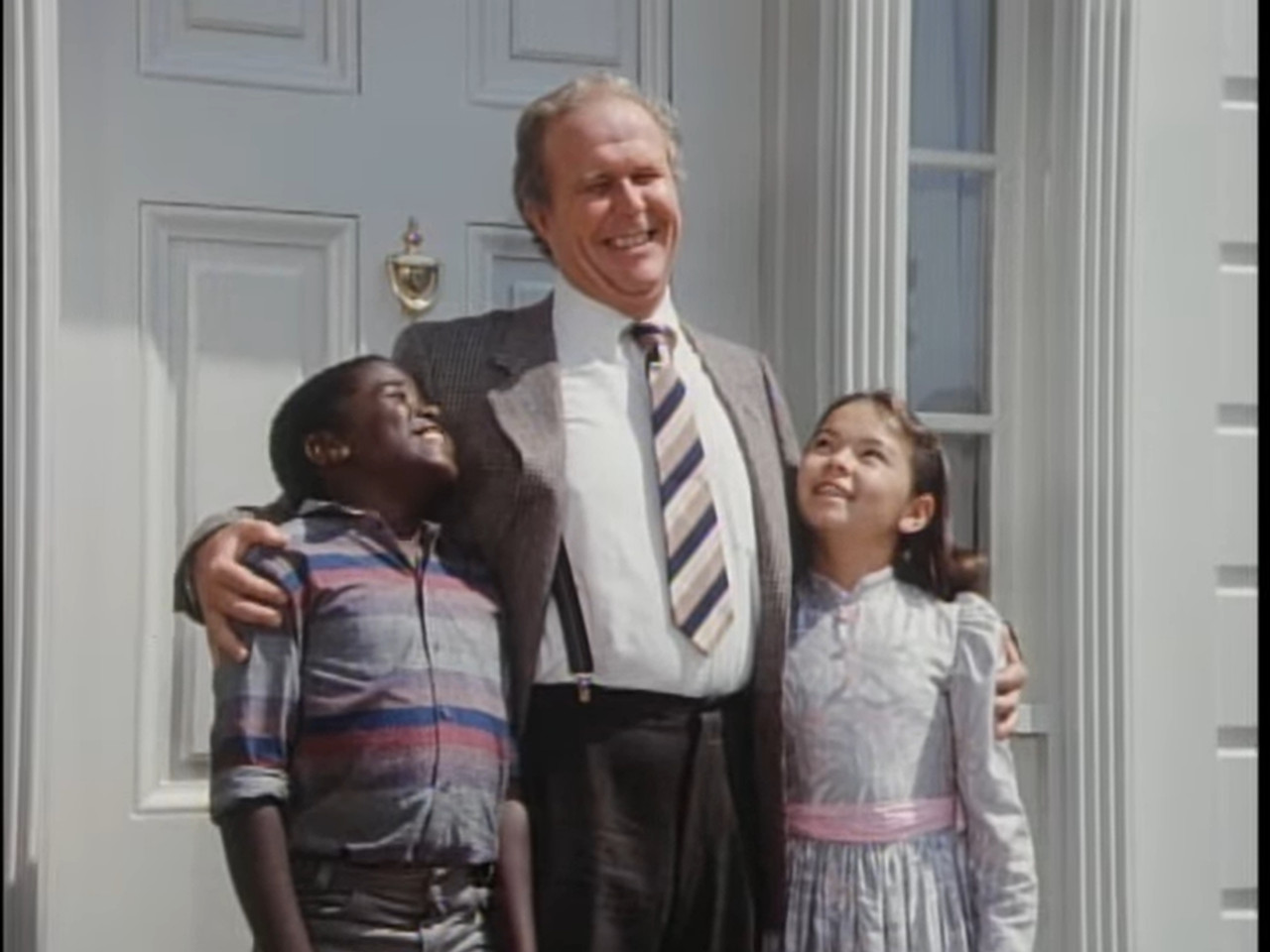
And he plays the cheerful, beloved protagonist.
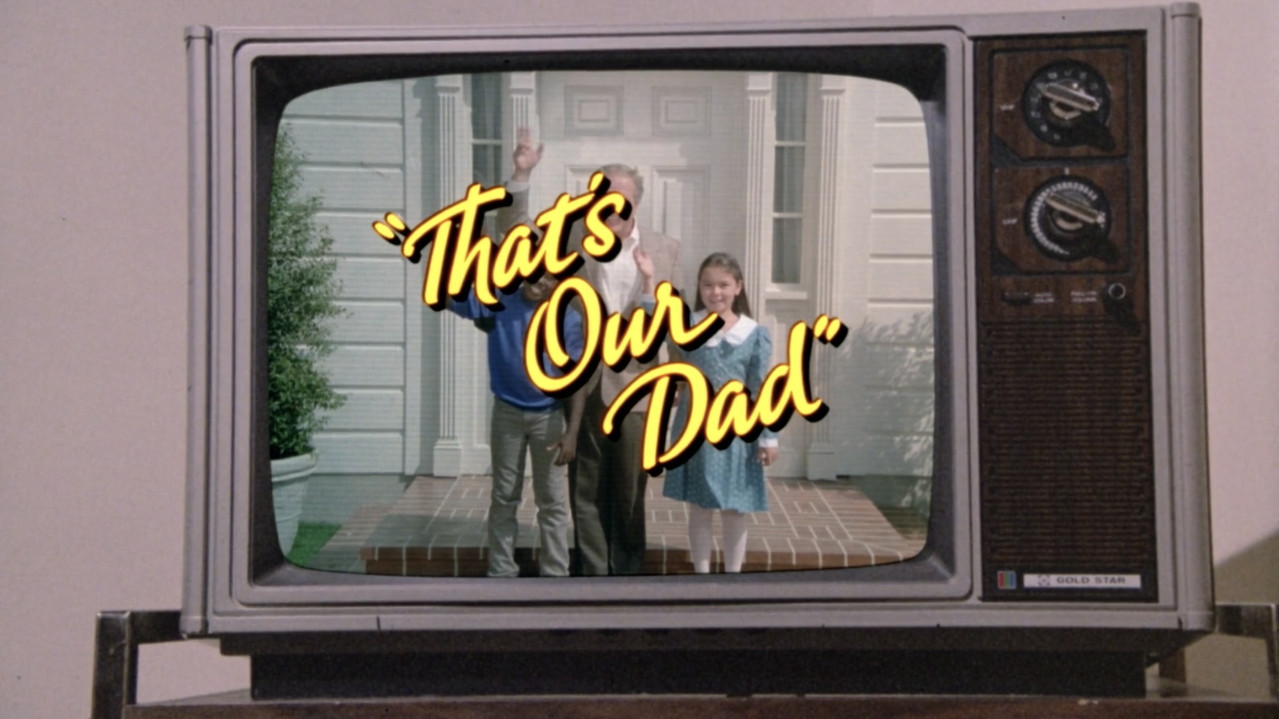
However as a person, he is a grumpy, difficult man who despises almost everyone. A doozy, basically.
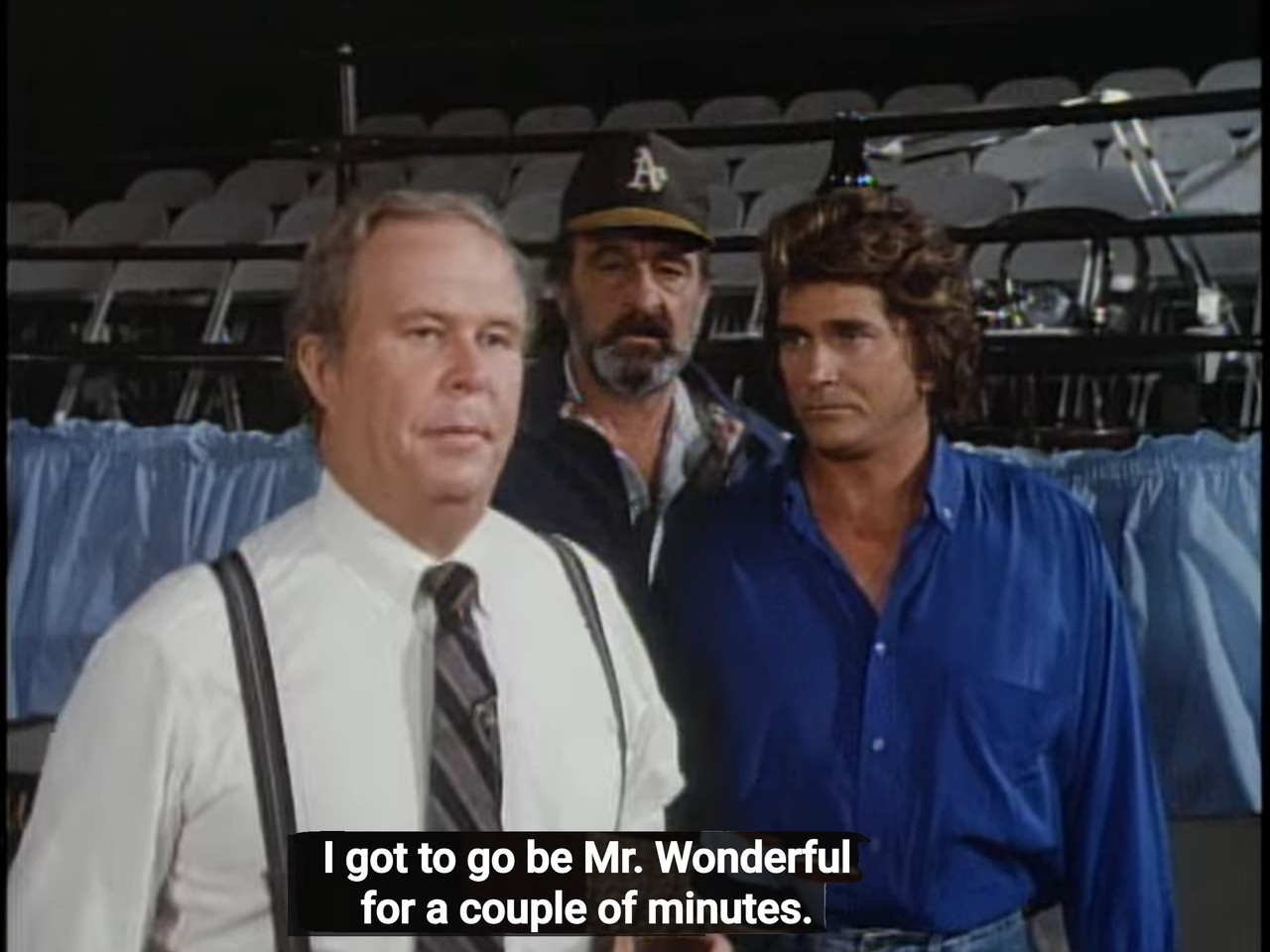
So, Jonathan and Mark are assigned to help him realize that his attitude is wrong—and encourage him to make amends with both himself and those around him.
It sounds like a doozy assignment, but things take an unexpected turn when Cassidy announces he’s looking for two additional actors to play his new adopted kids on the sitcom.
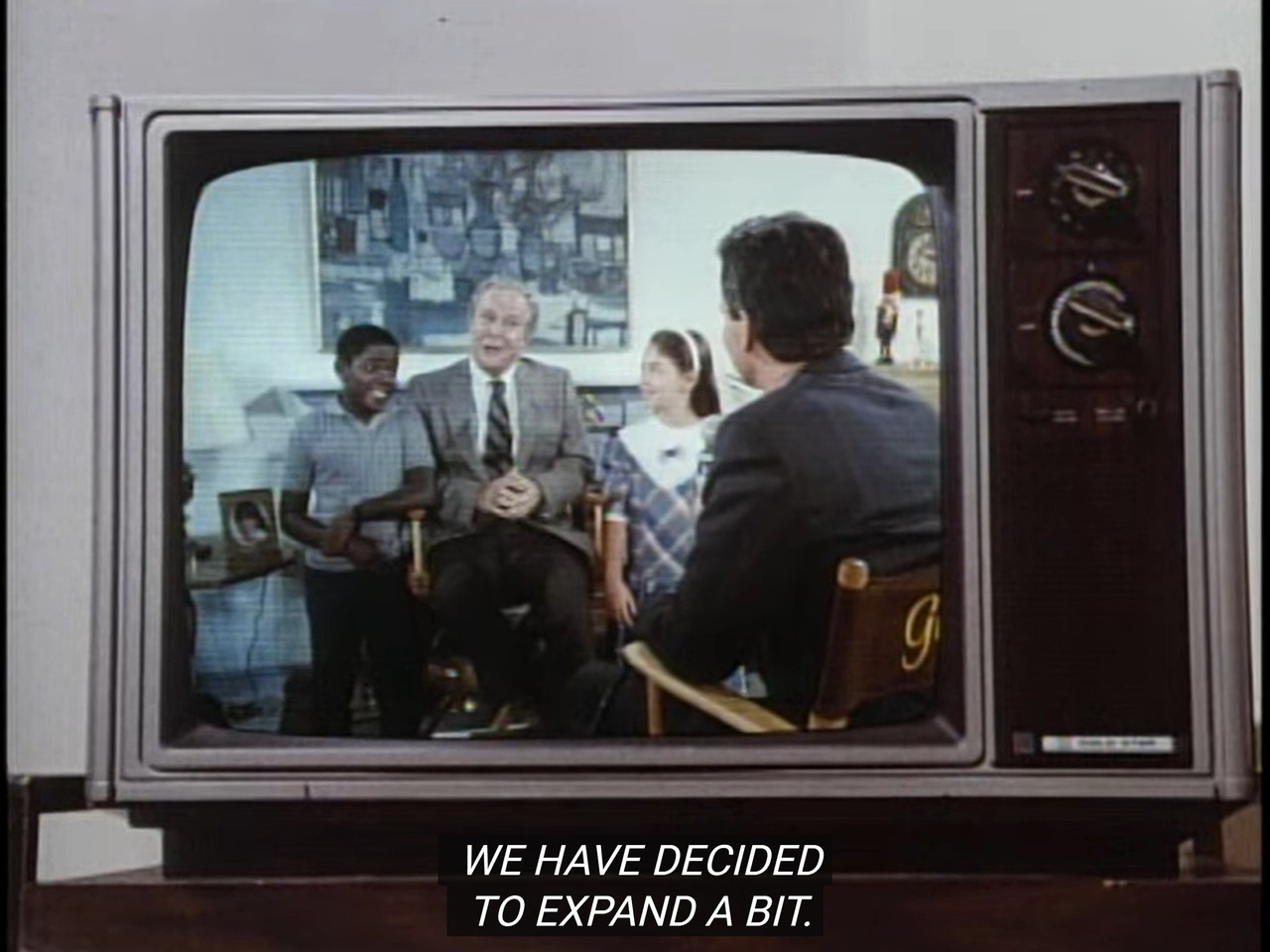
Of course, the sitcom is about adoption too.
Upon hearing the announcement, two orphans friends, who lost their parents on some accidents and who idolize Cassidy—or rather, the image he portrays and represents as actor on television— believe the show to be real rather than fictional, so they just walk up to Cassidy and try to get adopted by him.
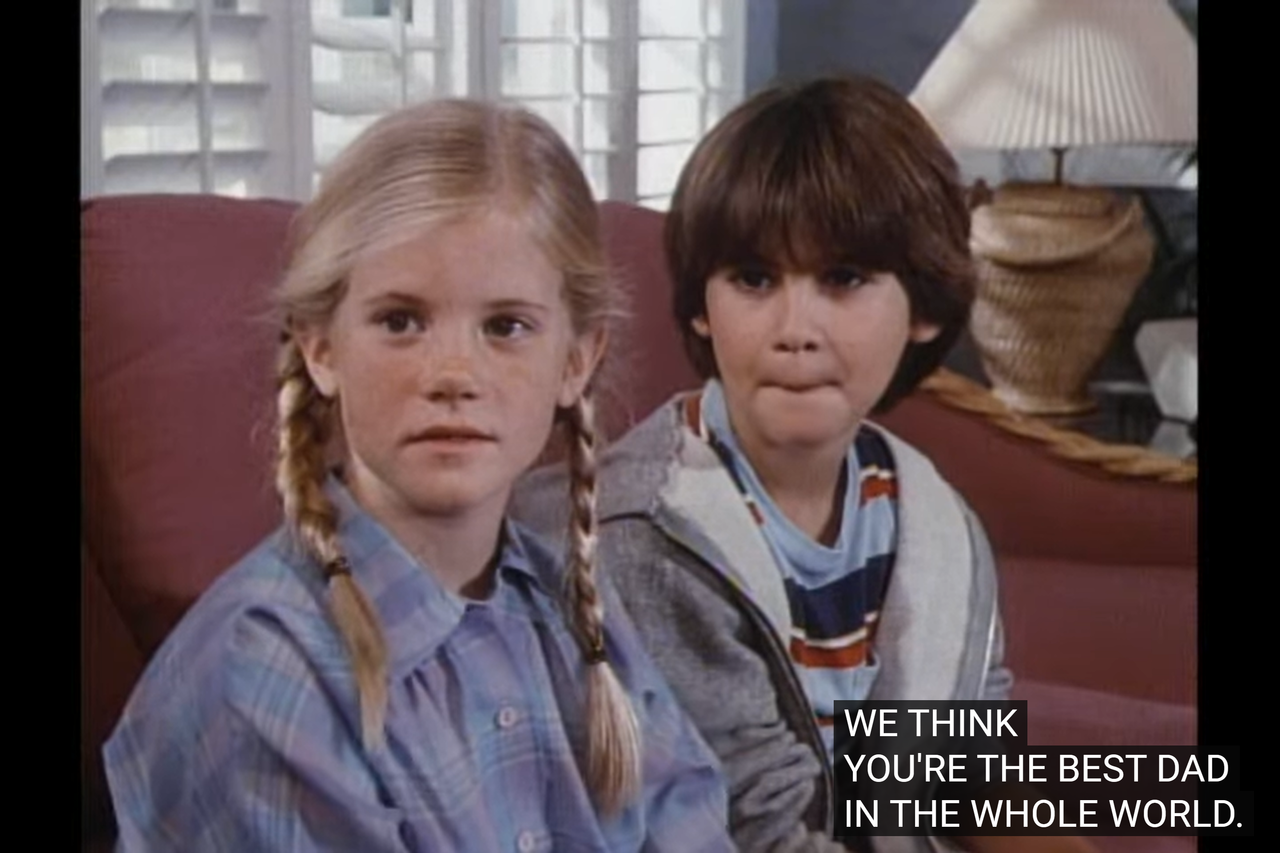
Don’t tell it to your deceased dad.
And they accidentally land roles on the sitcom as the new adopted children of Cassidy’s character. The way this happens is quite surreal: they just go to see him and are hired immediately, without any follow-up or formal process. But maybe Jonathan’s preaching from the Pilot have spread all over the country (or, more accurately, Hollywood) and now everybody there hires people without references.
Never hire actors without checking up their references.
However, the kids believe the show to be real rather than fictional, so they become convinced they have actually been adopted by him.
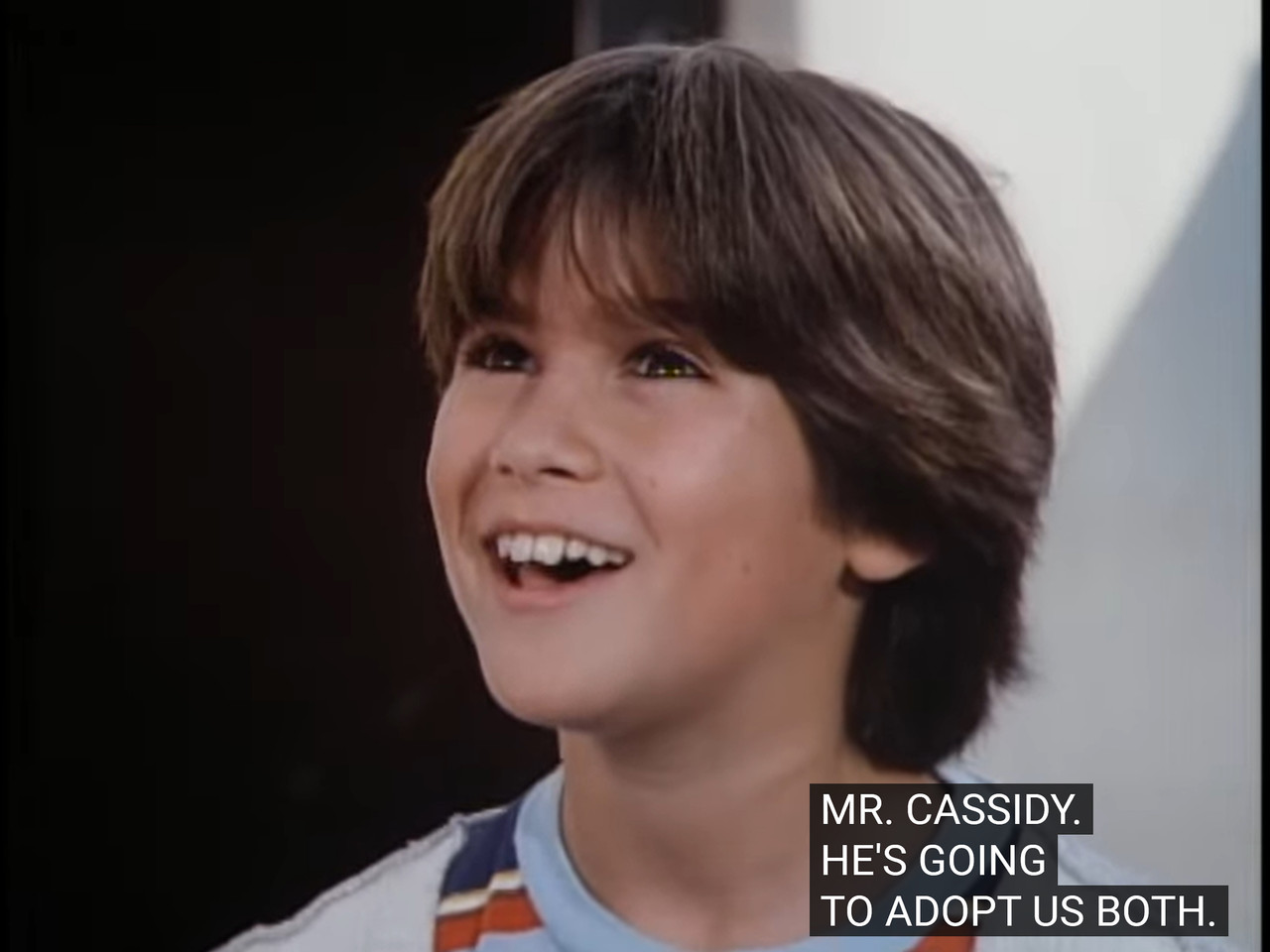
Now, the assignment becomes twofold: Jonathan and Mark help Cassidy understand the source of his dooziness to make up for it — and realize the risk of hiring people without references (that might lead to adopt two random kids instead of actors). At the same time, Jonathan and Mark will also teach the orphans that television is fiction, and that there is a difference between actors’ public image and their private life. Basically, what Landon (and partly French too) has been trying to teach for three seasons of Highway (Catch A Falling Star and The Brightest Star are some examples).
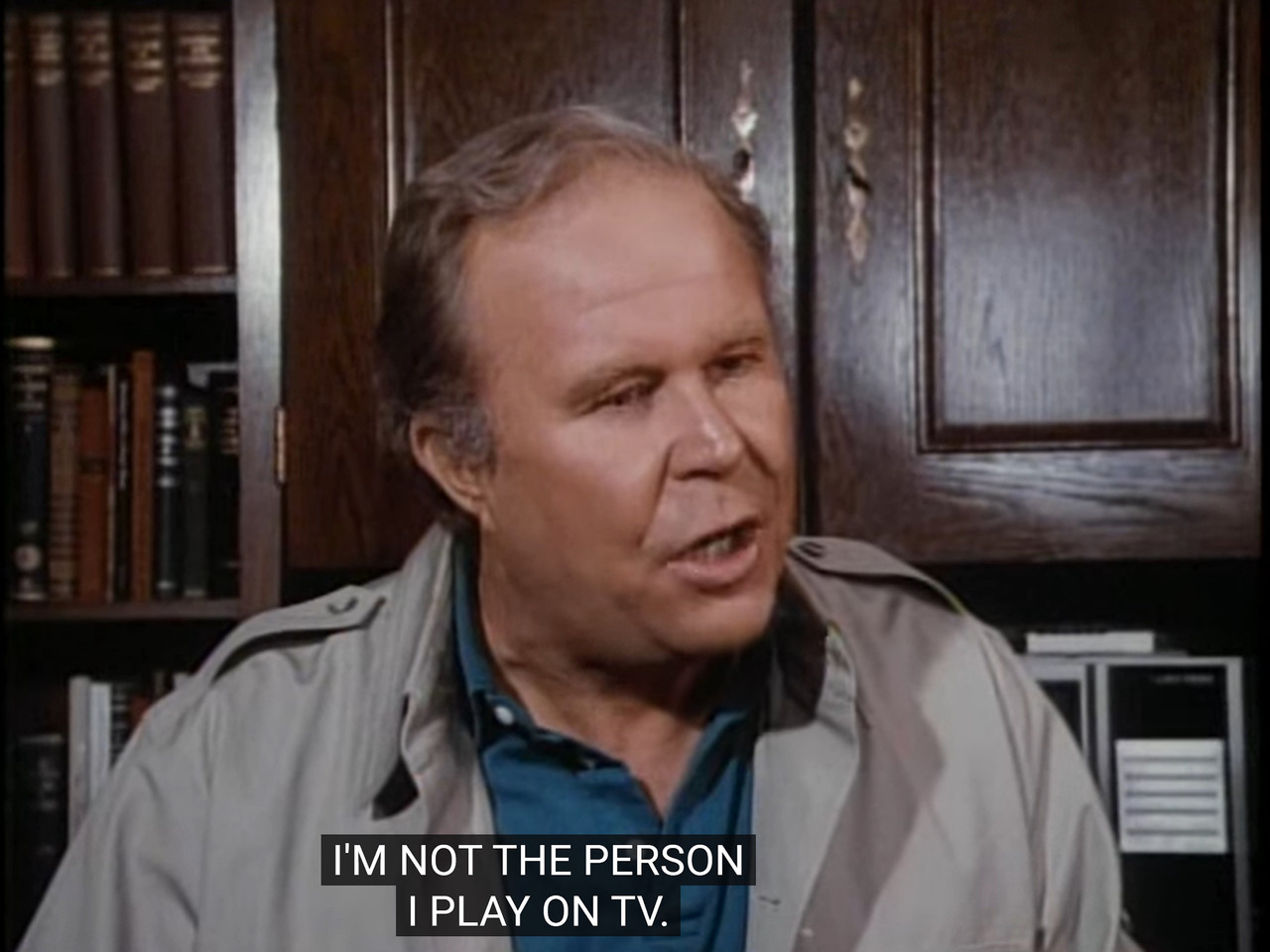
Again, this premise isn’t entirely new. There have already been several episodes exploring how people misjudge actors and how this affects the actors’ confidence and relationships with others: multiple Tinseltown episodes discussed the matter to some extent (more about it at the “Assignment” entry in The Brightest Star or the “Punchline” entry in Change of Life). However, this episode stands apart from them as Cassidy is not actively cruel to others (like the kid in The Brightest Star), but rather indifferent.
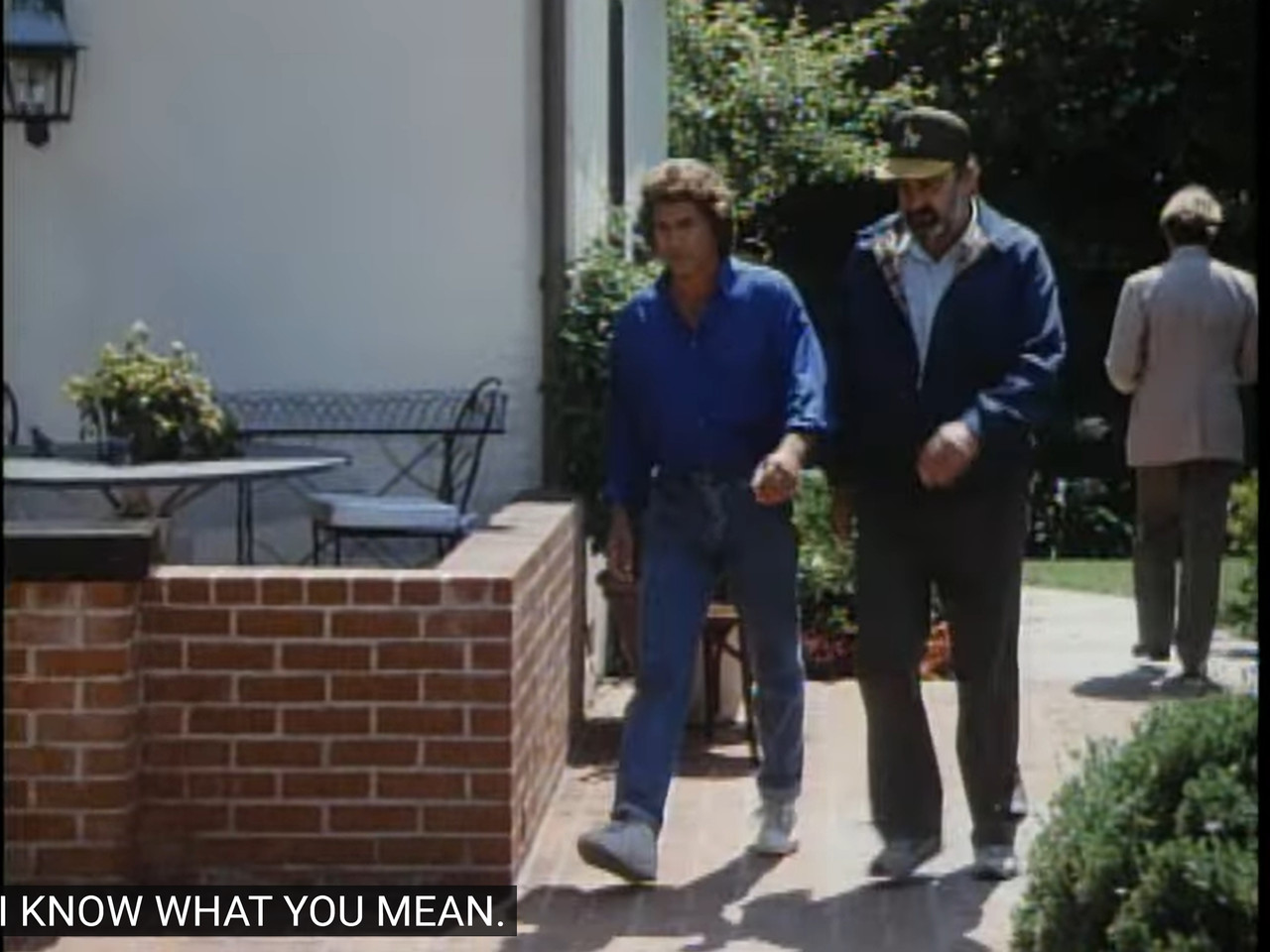
Also, this assignment seemingly makes references on multiple occasions to French and Landon’s personal career, and their opinion on the matter. In particular, when they first meet Cassidy at his house, Mark tells Jonathan that he knows Cassidy’s sitcom—and he’s happy to finally meet an actor that makes a family show— then pointing out all the violence in modern TV.

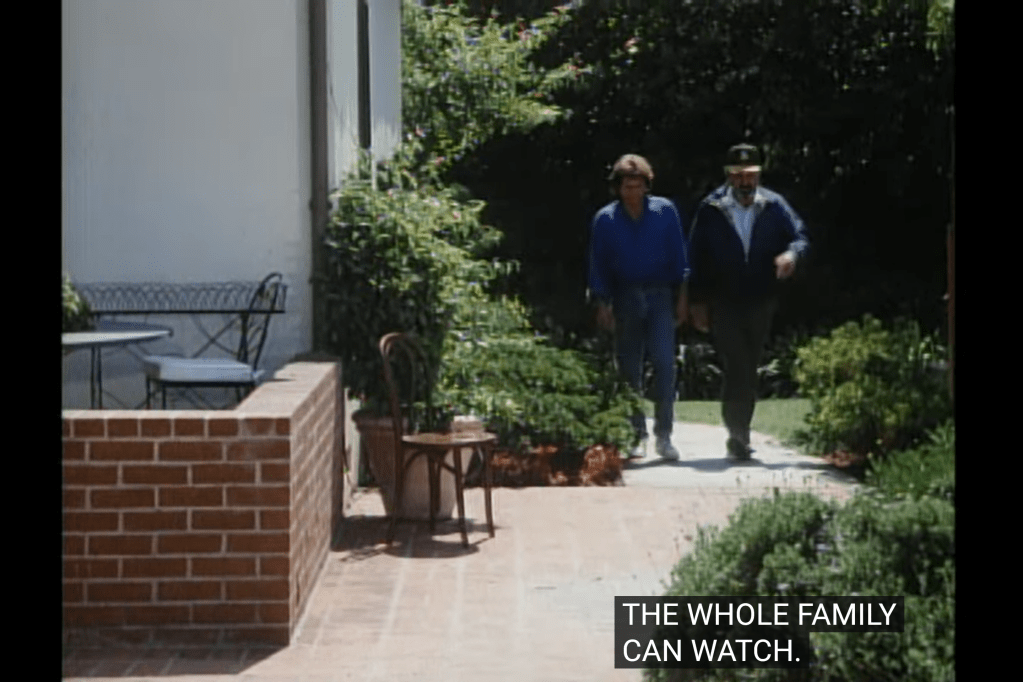
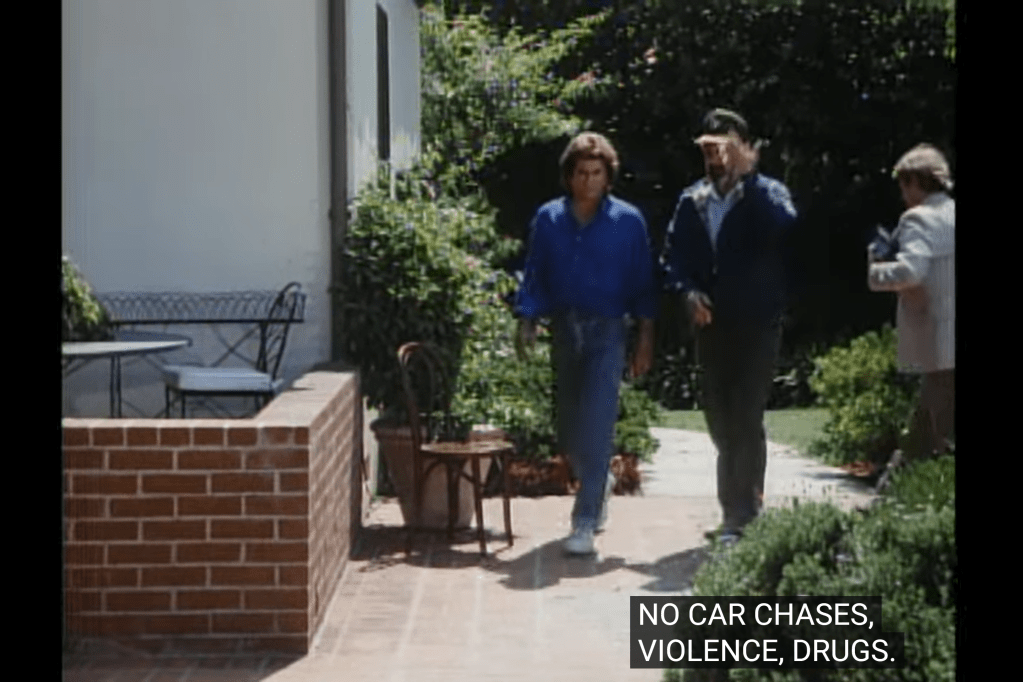
It sounds very similar to what French thought about Landon and both Little House and Highway: for instance, in an article by The Los Angeles Herald Examiner on December 1983 (to promote Look Back To Yesterday, one of the three Little House final movie specials), it seems that French reportedly protested against the decision by the network to cancel that series after its ninth season, expressing how he was was personally “concerned with a new, disturbing trend, the death of family television”, of which Little House was the latest addition. Then, he continued by talking about the three specials (two of which he had directed too), pointing out that they were going to deal with “human values, rather than being about car chases and shootouts”. It seems like they took his exact words for Mark’s line here.
In a later interview dated June 1985 with the Washington Post, he would discuss a similar idea for Highway, when asked to talk about the reason behind its unexpected success (by the time of season one). And he explained that it was because the series was made “in good taste“, dealing with modern, relevant issues, and showing ways to solve them other than violence: “We’re saturated with other shows telling us violence, hurtling cars… are ways to solve problems“. In yet another interview the following month, but with the Associated Press, he further discussed that idea, revealing “I was bothered, too, with the message television sends out to young people that the only way to solve problems is through violence… that’s not what we should be saying”. But then, as he remarked on the Washington Post interview, Highway is different: “I think Michael has good taste. I think I have good taste“. And that was also the response by the audience: as he revealed in the interview, he received many praises by the audience commending how it “It’s great to see a series that shows a different way of dealing with problems“.
So, Mark’s line about Cassidy seems more like a reference to French and his ideals (shared with Landon) on the matter.
And Landon, as Jonathan, supports them.
Of course you know, he’s talking about you.
- Background
The timespan of the episode is unclear: it’s possible that it lasts one week or ten days, but they make no reference to that.
As for its setting, it’s the same Hollywood as season two. Actually, Cassidy’s comedy is taped at a familiar place.
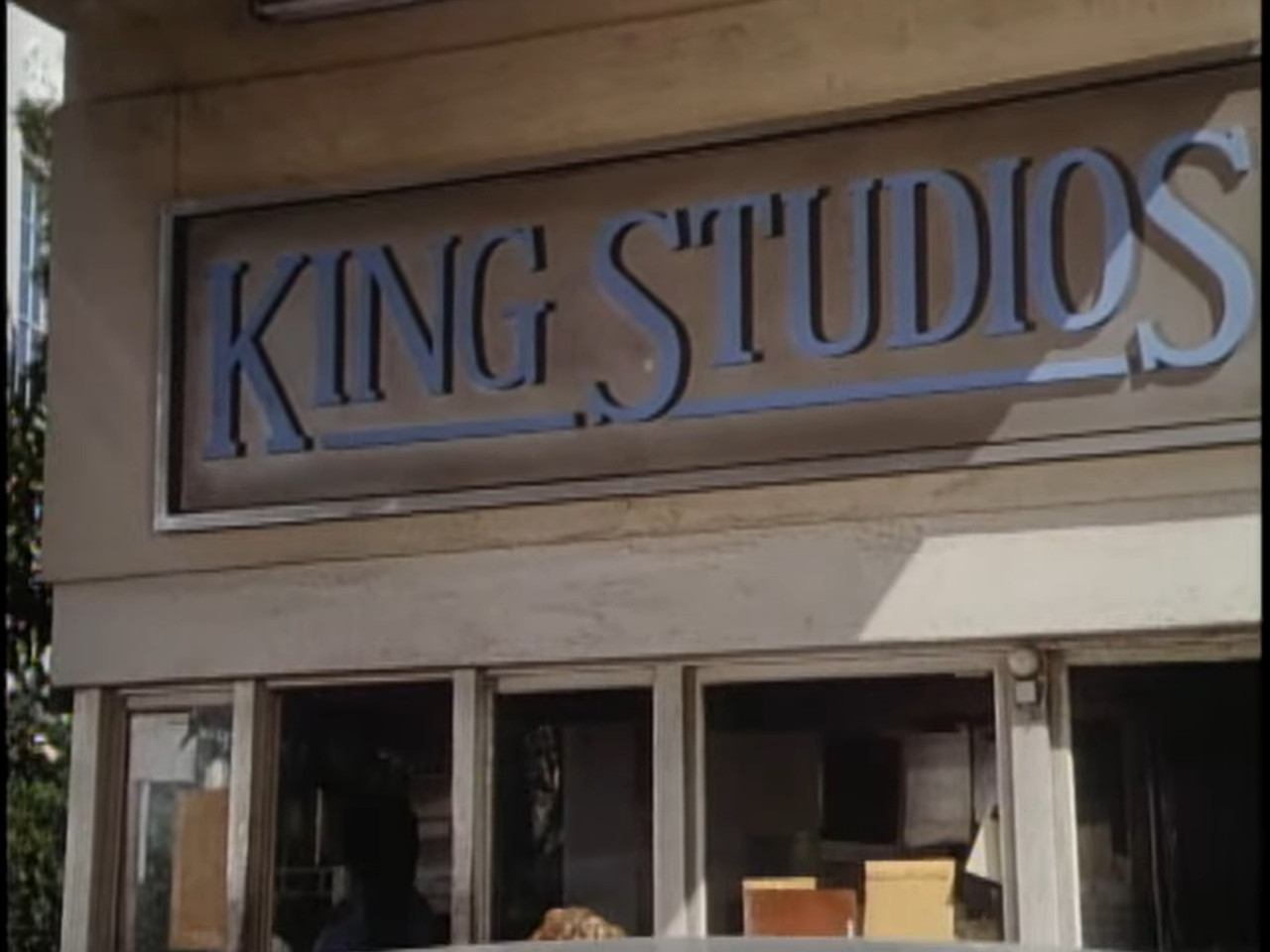
That’s the same one of the Cindy assignment (owned by despotic Mr. King himself). Maybe Jonathan and Mark have already encountered Cassidy before, without knowing he would become their assignment. But in this episode they won’t meet Cindy again, who should be an accomplished actress by now (unless that part for Mr. Prince was never a thing).
One curious thing about the setting: at the conclusion of the episode, when Cassidy resolves to adopt the two kids, they are all at the orphanage.
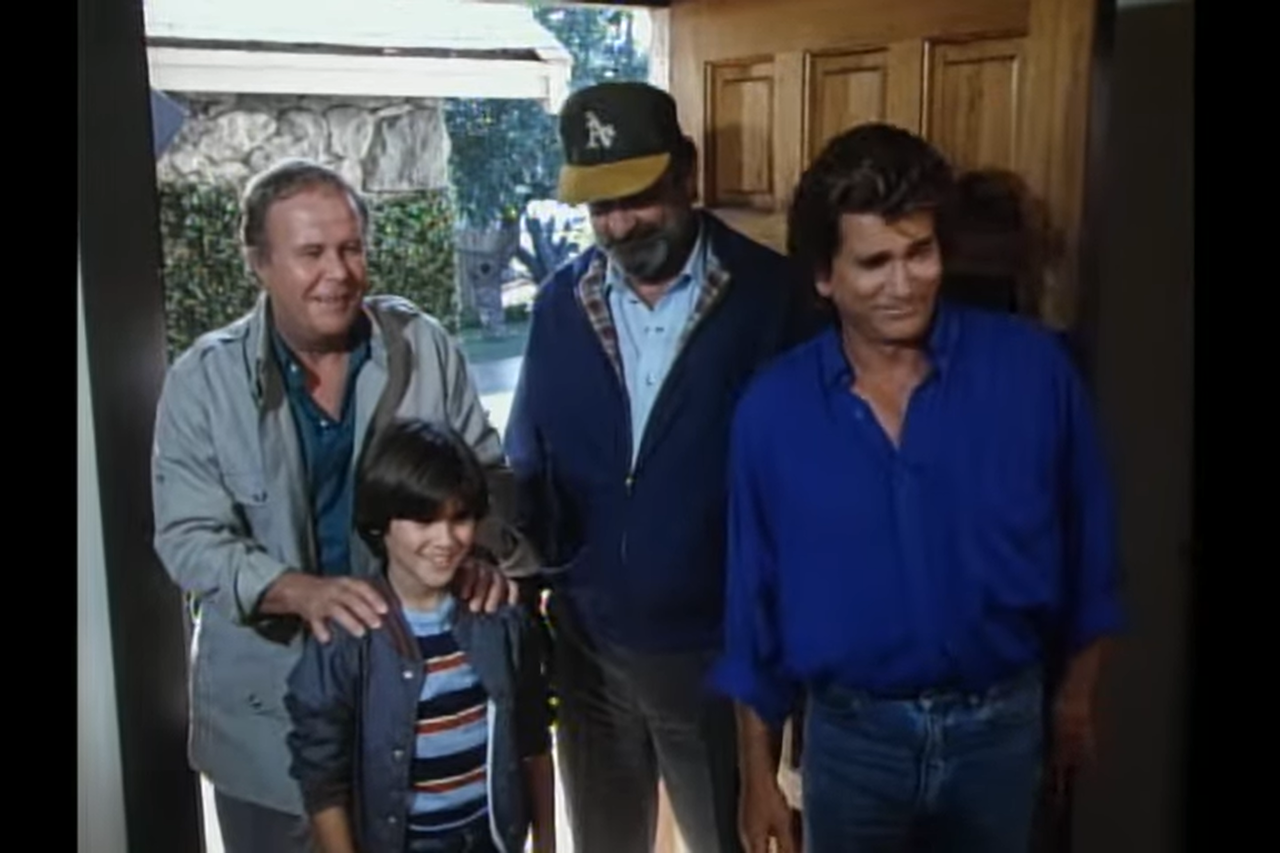
However, immediately after that, when they walk out the orphanage, suddenly, the setting of the porch is entirely different.
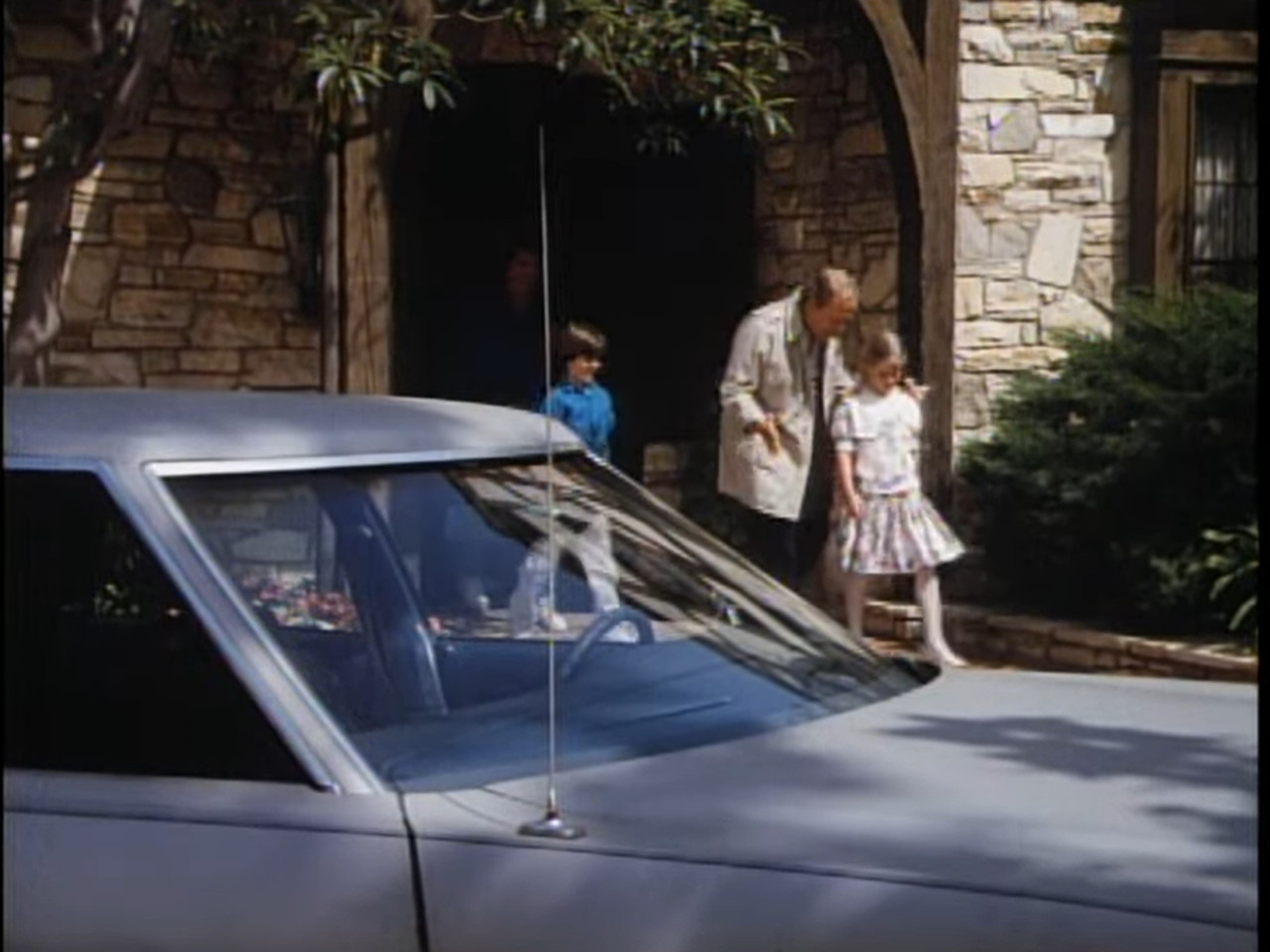
Of course, it could be contested that they are not on the front door, but are walking out of the back (for some reason). But the setting is Cassidy’s house.
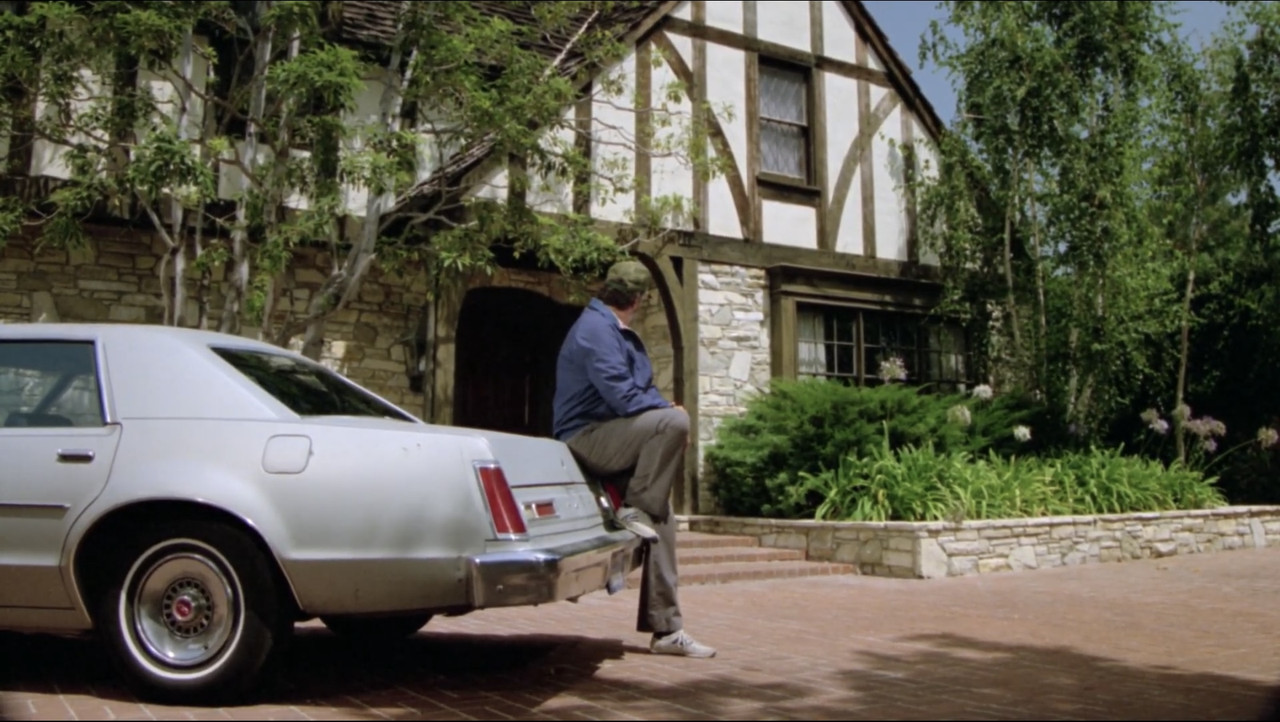
Now, either the orphans have been living in the back of Cassidy’s house without knowing it, or the production made the final scene of the episode the same day they were at Cassidy’s, to save time. Of course, it’s implied that the final scene took place some time after their adoption. Yet it’s so abrupt that it feels like there’s something missing between the two. And Highway is used to mix up some parts of the episodes: in Catch A Falling Star in season one there was a similar blooper.
- Characters
At the beginning of the episode, Mark discusses Cassidy’s idea of TV and highlights the value of the sitcom.
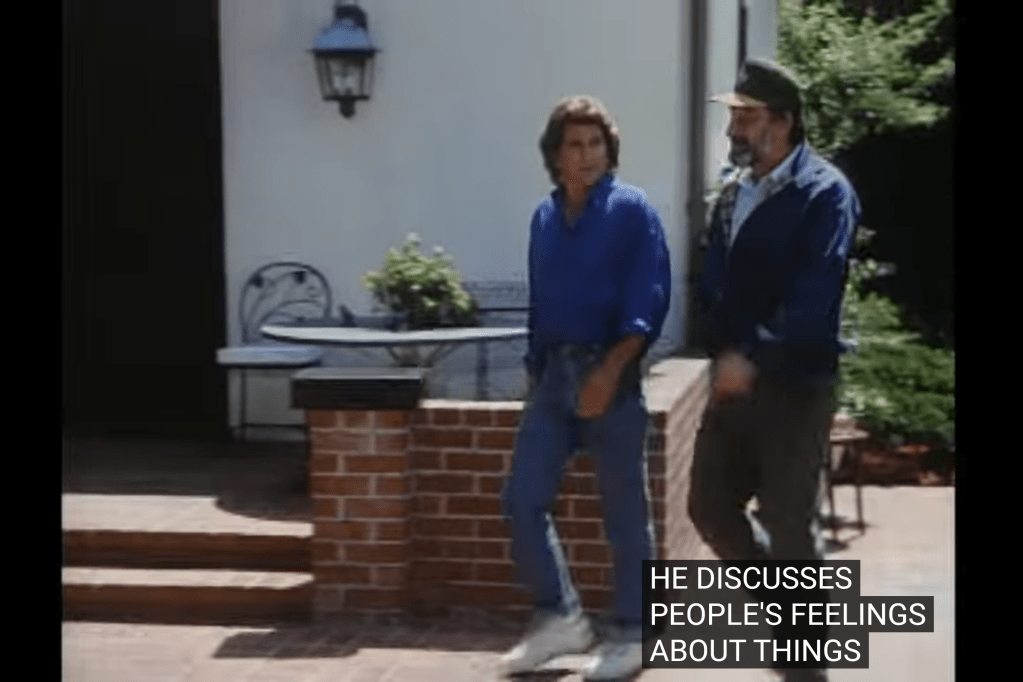
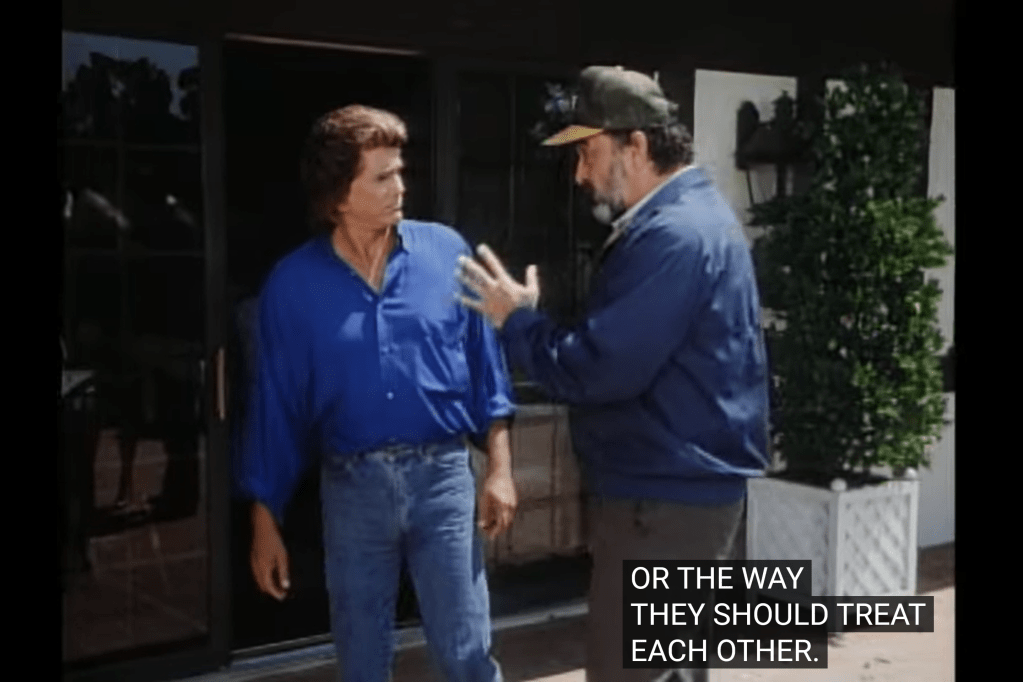
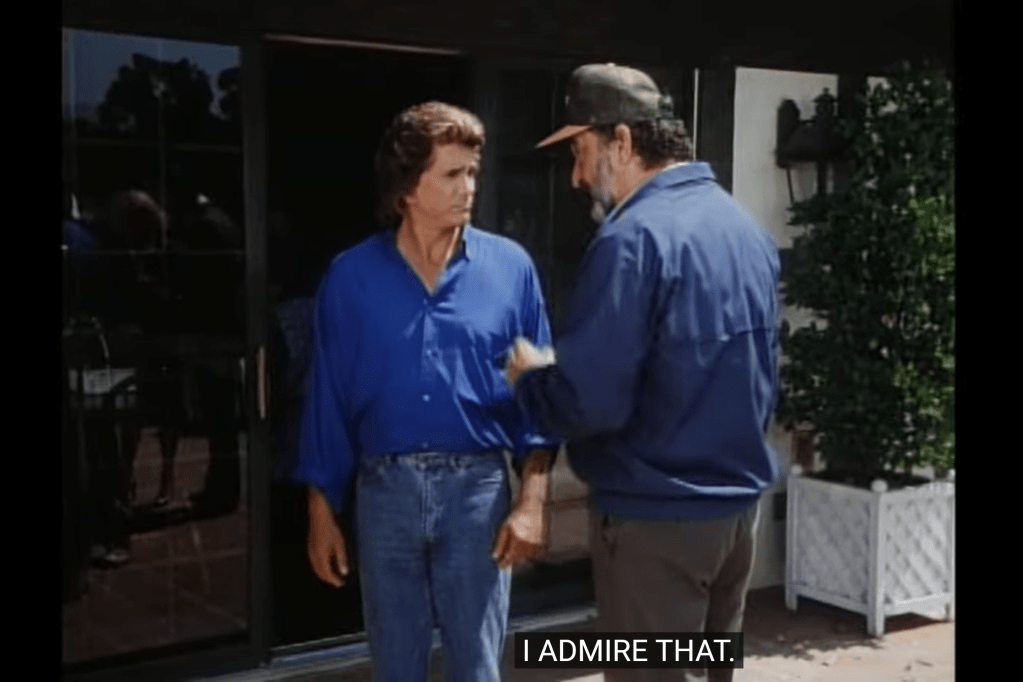
He’s definitely incensing Landon here. And despite Cassidy’s personal life is not like his character’s, that shouldn’t undermine his intent on TV.
But there are two things to point out about the characters: one, it’s unclear how Jonathan could understand what Mark is saying about modern TV, because he died in 1948 (as revealed in Keep Smiling), and he probably didn’t have a TV. So, even though Cassidy does a show without “car chases” and dope and all that stuff, Jonathan doesn’t know much about the power of television. Yet he knows what Mark means about Cassidy.
Also, it’s also unclear how Mark could know so much about this sitcom, because in his angeling with Jonathan, he doesn’t get much spare leisure time (they still never had a holiday). Or, if they are on a motel between assignments, Jonathan monopolizes the TV to watch random interviews of Jewish survivors, as if he had ever particularly cared about such things.
- Highway Actors
There’s one familiar actor in the episode.
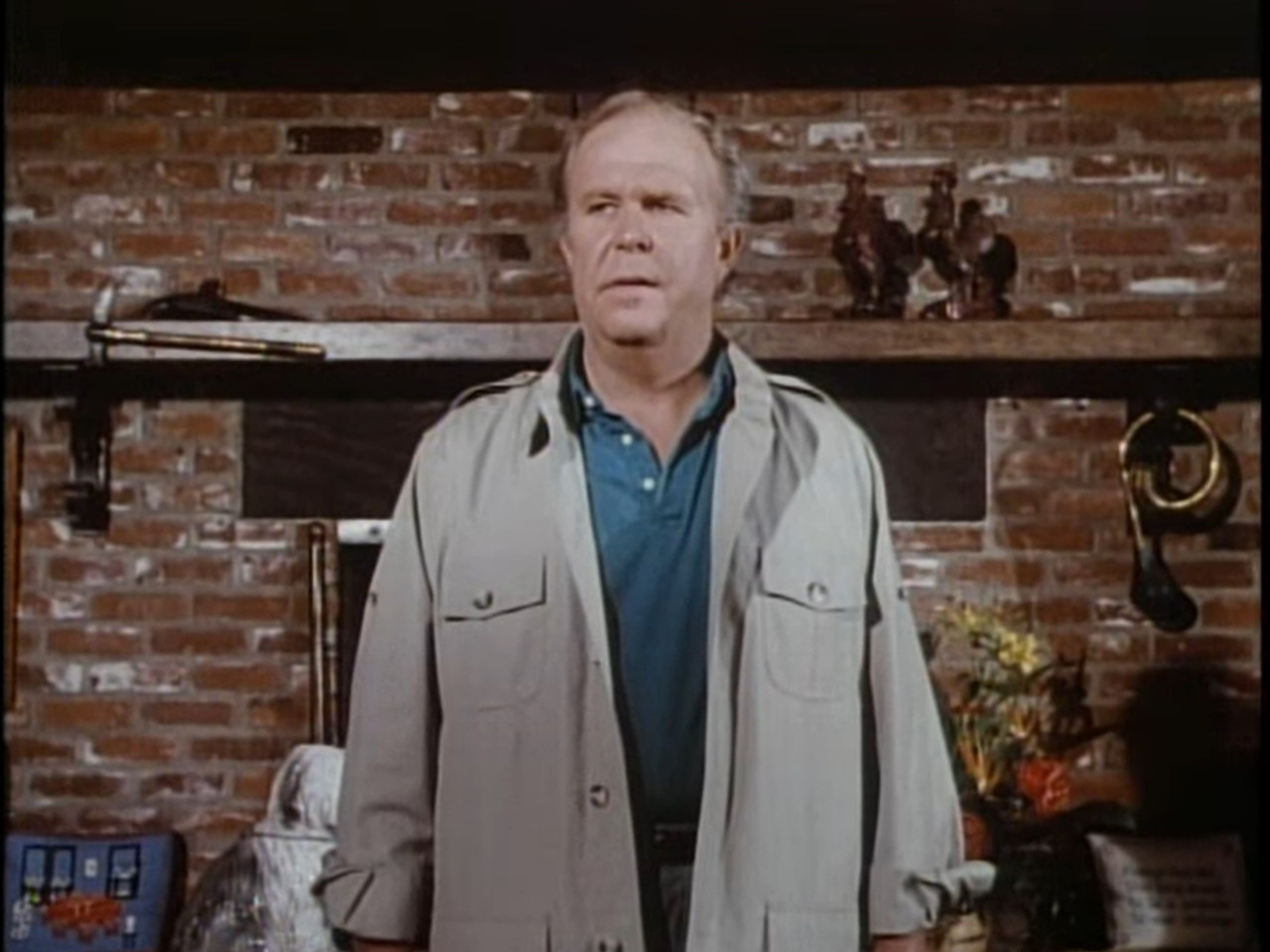
The subject of the assignment, Cassidy, is played by Ned Beatty, who had previously appeared in the season one episode The Banker and the Bum, playing both titular characters.
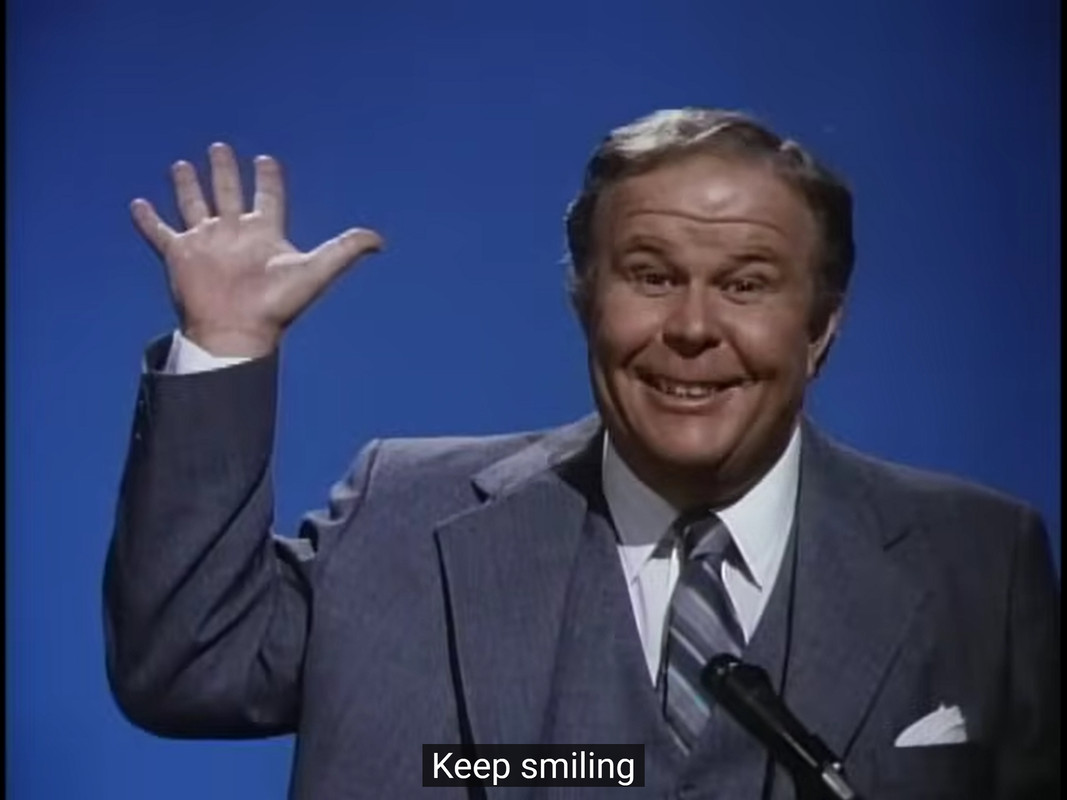
This series has many forms of Ned Beatty.
Also, Beatty and French had already collaborated a couple of times before Highway: they both had appeared on The Waltons playing the same character—Beatty in one episode of the first season, and French replacing him in an episode of the second season.


And it’s still a secret how French could have his beard grow instantly: he doesn’t have any here, but on the Little House pilot (which was produced shortly after that), he’d have that mossy, thick beard. And he’d keep alternating those for much of his career.
Anyway, on The Walton they didn’t meet each other (French only coincidentally happened to replace Beatty in one episode). Later, Beatty and French actually worked together when Beatty appeared in an episode directed by French during season twenty of Gunsmoke, while French was at the beginning of his directing career.
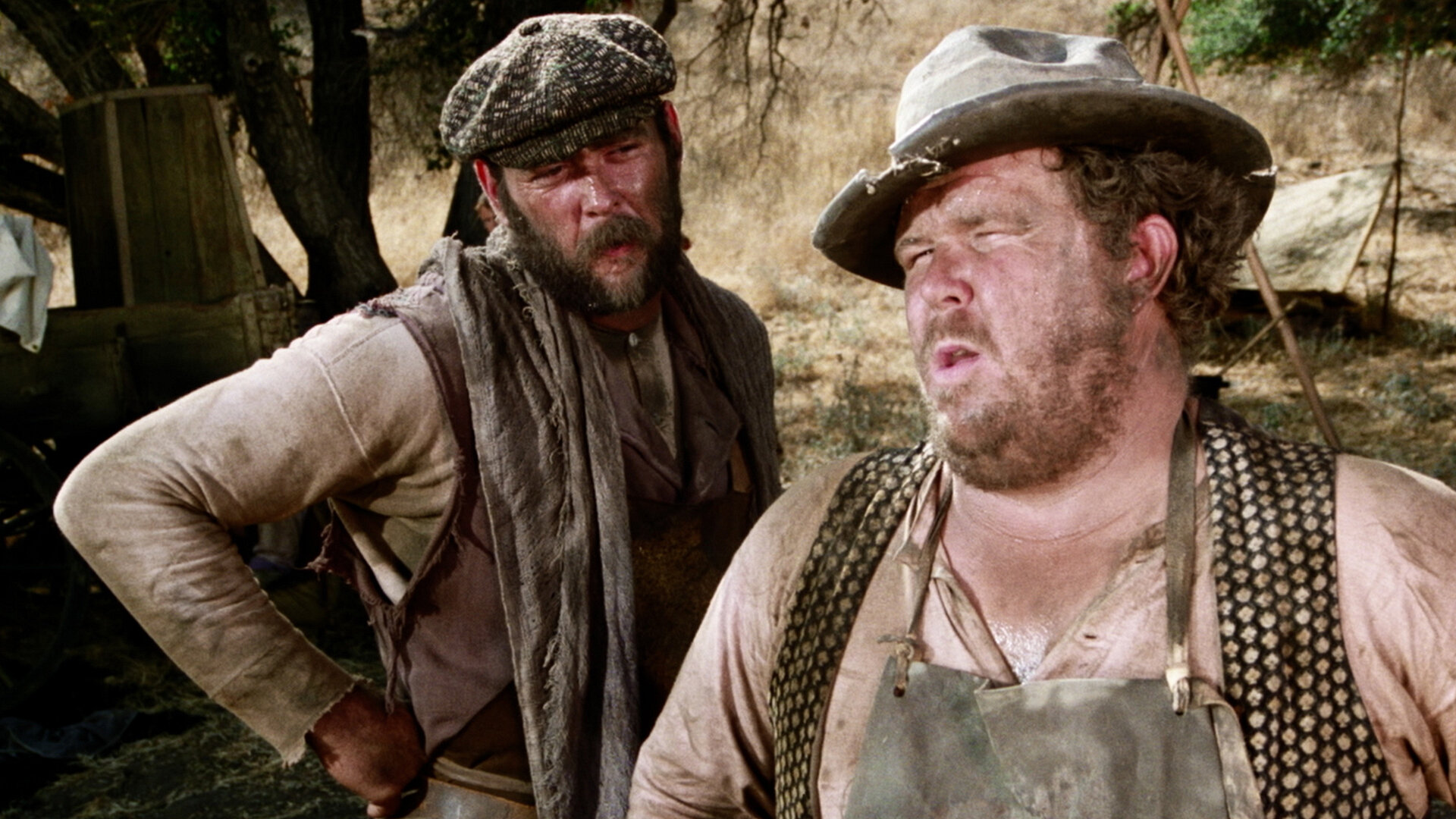
It’s quite odd: Beatty had been directed by French in one of the earliest episodes of French’s directing career in 1975, and now, more than ten years later, Beatty is again working with French as director, in the final episode French would ever direct in his career.
Anyway, one curious anecdote: apparently, this episode also marked one of Beatty’s first television roles after two years. In a 1987 interview on the Los Angeles Herald Examiner, he explained that he had decided to move primarily to feature film, admitting that “It just doesn’t pay much to do TV…The union tried to fight it last time but got nowhere“. However, in the same interview, he also explained that Highway was an exception: “I’ve got a running thing going with Michael Landon… and he pays me a big salary. But that’s really rare” because, in general “Most guest shots are like carfare“. Now, two things to point out: one, this idea that Landon used to treat actors better and pay more than on most TV series at that time is likely true, as it’s been confirmed by other people involved in the production. Actually, as revealed by Kent McCray (longtime producer of Landon’s series) in an interview, and by the LA Times in a 1988 article, apparently seasons two, three and four of Highway were all completed underbudget—but instead of keeping all the difference (as he was entitled to, from his arrangement with the network which allowed him to freely use the budget at his own will), Landon decided to give the saved money as pay raise to all production members by the end of the year.
Then, another thing to point out: Beatty’s interview took place on January 1987, about six months after this Highway episode was produced, three months after its airing — and by then he was no longer working on the series (this episode was his last on Highway as well as his last show with Landon, for that matter). So, although in the interview he still mentioned having a “running thing” going on with Landon and the series, that collaboration had effectively ended by then. Maybe that suggests that Beatty was originally intended to come back for another appearance, perhaps in the fourth season—it was extremely rare for Highway actors to appear on multiple episodes as two different characters in the same season (that only happens three times in the series). Or maybe there was nothing official yet, but he wasn’t excluding the possibility he could return again. In any case, that never happened, and his “running thing with Michael Landon” or whatever had already concluded its run with this episode.
- Production And Setting
The setting of the episode is Hollywood and Culver City, where Landon had his set in.
As for the production, this episode is noteworthy for several reasons. One, it was written on early June 1986 by a Highwayman—the first of the season. In particular, he’s Geoffrey Fischer, who had been very active during the 1980s as a consultant and occasional writer, and then his career was cut short in 1987, when he died at the age of 51, just one year after this episode aired.
Then, the episode was produced in early August 1986 and, most notably, it marks the last episode of Highway directed by French and one of the last episodes of the series not directed by Landon, who would eventually handle almost the entire series on his own (with the exception of one episode directed by Gordon later this season). Perhaps more importantly, this episode would also be the last ever directed by French in his entire career, not just for Highway.
So, considering its relevance, it might be useful to quickly go over his directions, not just on this series: apparently, French began his career as a stage director around the same time he started acting, in the 1950s (as reported by the Los Angeles Times promoting some of his plays), as further confirmed by his collaboration with the Company Of Angels, the oldest theater Company of the entire West Coast, and with which French had collaborated all his life (one example is from his 1966 version of the classic play “Of Mice And Men” for them).

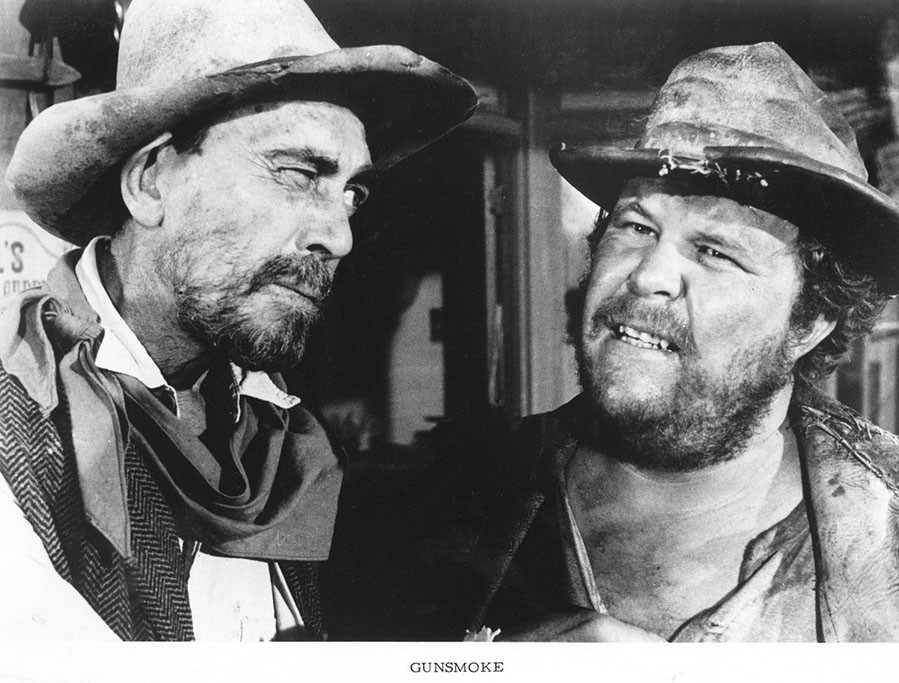
However, he did not become a television director until 1974, after many years as an actor. On that year, he was hired as a director on two series: Gunsmoke—then in its twentieth and final season—and Little House, which had just begun its first season. By that time, French had already appeared in multiple roles on Gunsmoke (mostly antagonists) since 1966, and during its final season CBS decided to make him director on a couple of occasions.
That included one episode, The Hiders, with Ned Beatty as guest actor.
Instead, as for Little House, he was playing the recurring character of Mr. Edwards, and occasionally directed some episodes (in its early seasons, mostly episodes without his character). It remains unclear whether his first directing duty was for Little House or Gunsmoke, as he directed episodes for both that aired early in their respective seasons and were produced around the same time (1974, in the summer). Either way, this period marked the beginning of his parallel career as TV director alongside the one as actor.
In 1975, after Gunsmoke was canceled, French officially moved to NBC, where he struck a deal as exclusive actor and director for the network. As revealed in an article on the Los Angeles Times dated May 1975, this arrangement allowed him to work across multiple NBC features and series, specifically as either director or guest actor “on NBC weekly series next season, as well as continue on Little House“; that deal explains why he was never credited as recurring character on Little House, unlike Richard Bull or Charlotte Stewart, even though he appears in just as many episodes.
So, during the next two years, he directed eight episodes of Little House — four in the second season and four in the third — while also directing episodes of other NBC television series (as described by his actor-director deal). Actually, he only directed two other series: one was for an episode in the second season of Petrocelli, a procedural for which he also played a guest character in another, unrelated episode to the one he directed — that’s what the “guest actor on NBC weekly series” part of his deal was about (odd enough, that was his only guest appearance on any TV series beside Little House during those years, but whatever).
Then, his second show as director concurrent to Little House is in The Fantastic Journey, a fantasy series which was cancelled after ten episodes, before it could even conclude its first season. Curiously, on the the Fantastic Journey’s episode he directed there’s also Julie Cobb, who was his own wife at the time, there playing a guest character.
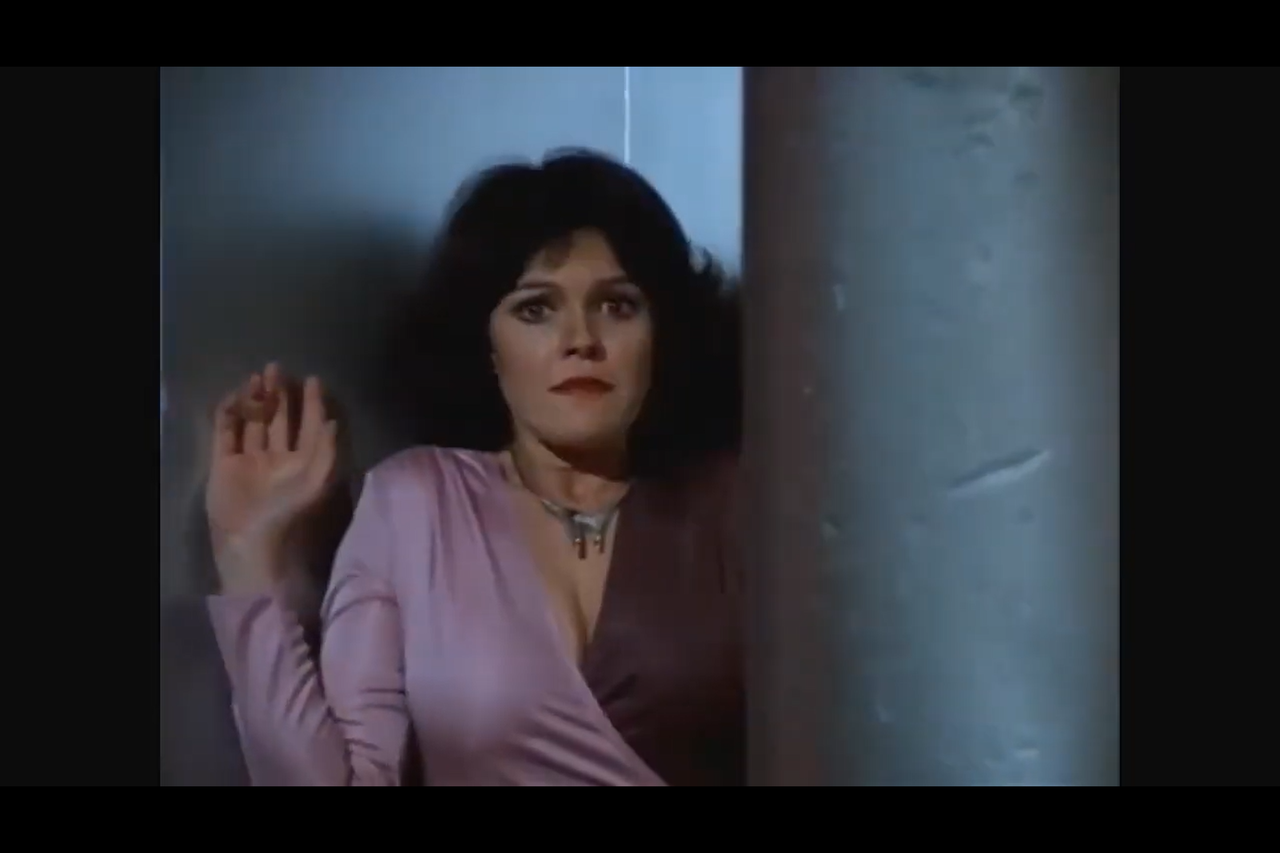
His TV directing career temporarily paused in 1977, when he left Little House accepting the role as the protagonist of the sitcom Carter Country on ABC, for which he never directed any episodes (although in a Tampa Tribune article dated May 1977, during the press conference to present the new series, it was reported he was going to direct a few shows).

Perhaps he realized the quality of that series wasn’t worth it.
Then, following the cancellation of Carter Country, in the next few years he only worked as actor on TV. In 1981, he briefly returned to directing for one episode of the TV series Buck Rogers, and in 1982 he officially resumed his career as director, when he reprised his role on Little House for its ninth season—this time becoming the protagonist (and being credited as such, rather than a guest). During that season, he directed ten episodes, including two of the three final movies released after the season.
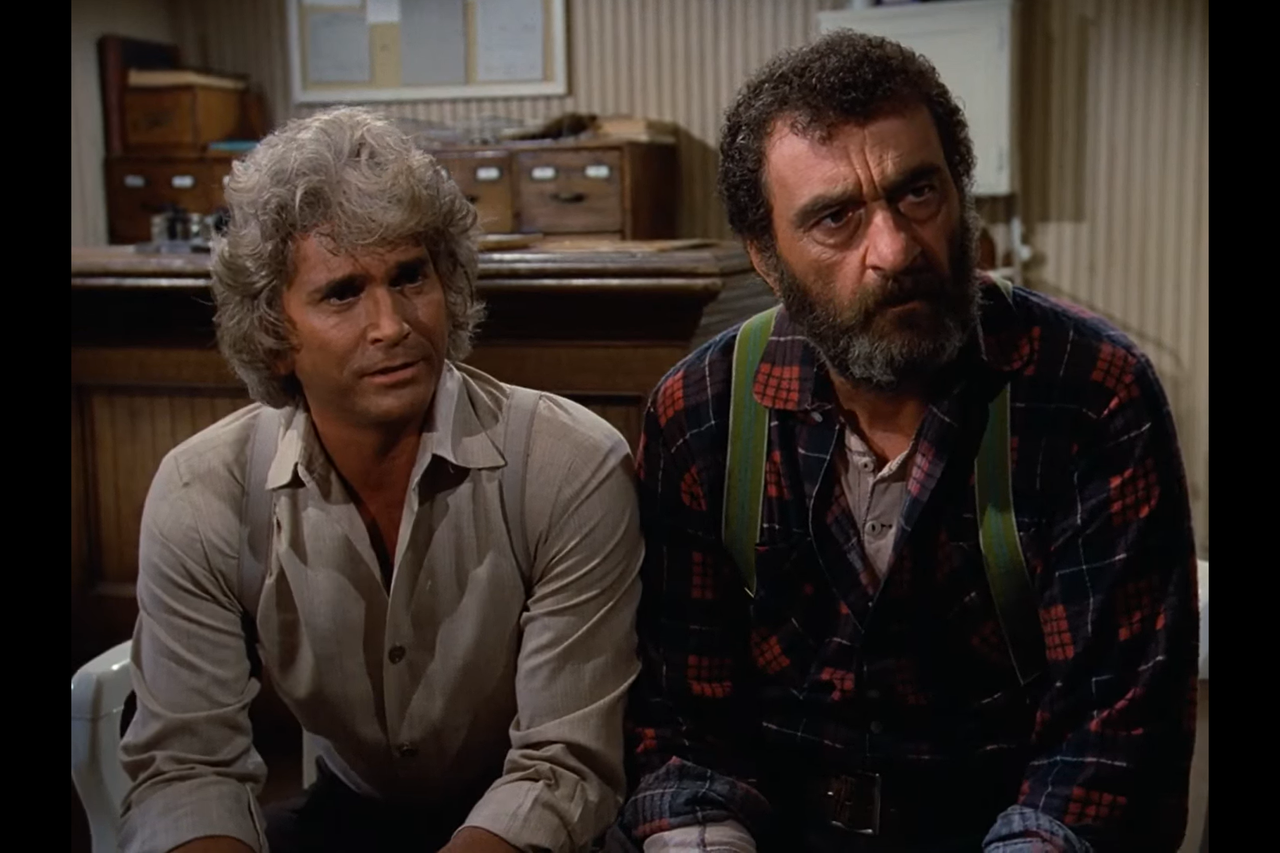
As well as the Christmas special that aired following the season finale, the same week as the Highway Christmas Special in season one.
Anyway, after the cancellation of Little House, he continued working as a director in one episode of season three of Fame, where he also appeared in another episode (the last appearance before his role of Highway, the last series of his career). And curiously, that episode he acted in on Fame was directed by Claxton, who was a longtime friend and collaborator of Landon as well, and who would direct two episodes in Highway too.
It’s likely that the network contacted some of the Little House directors that had been laid off after its cancellation and put them here as a filler awaiting for something to happen.
And, one year after Little House, something did happen eventually: Highway entered production. When Highway began, the original plan was for Landon and French to split directing duties: in the first season—and the first half of the second season too—French would direct one episode for every two or three directed by Landon, who would cover the rest. It is unclear whether this arrangement followed a strict rule (and the direction of each episode was decided according to the production schedule of the season), or whether they personally selected which episodes to direct, maybe based on the assignment or their characters’ involvement.
The list of episodes directed by French on Highway in Highway seasons one and two, according to the airing order (not the production one):
- Season 1: Song Of The Wild West, Dust Child, Plane Death, As Difficult As ABC, The Brightest Star, The Right Thing;
- Season 2: Bless The Boys In Blue, The Monster (Part 1 and 2), Close Encounters Of The Heavenly Kind, Children’s Children.
In almost all the episodes in which French is the director, his character is in the background and doesn’t do much (like The Monster, but the same happens in basically every episode). It’s plausible, though unconfirmed, he’d either act or direct, and didn’t want to do both at the same time like Landon did (more details about it here, at the “Production and Setting” entry).
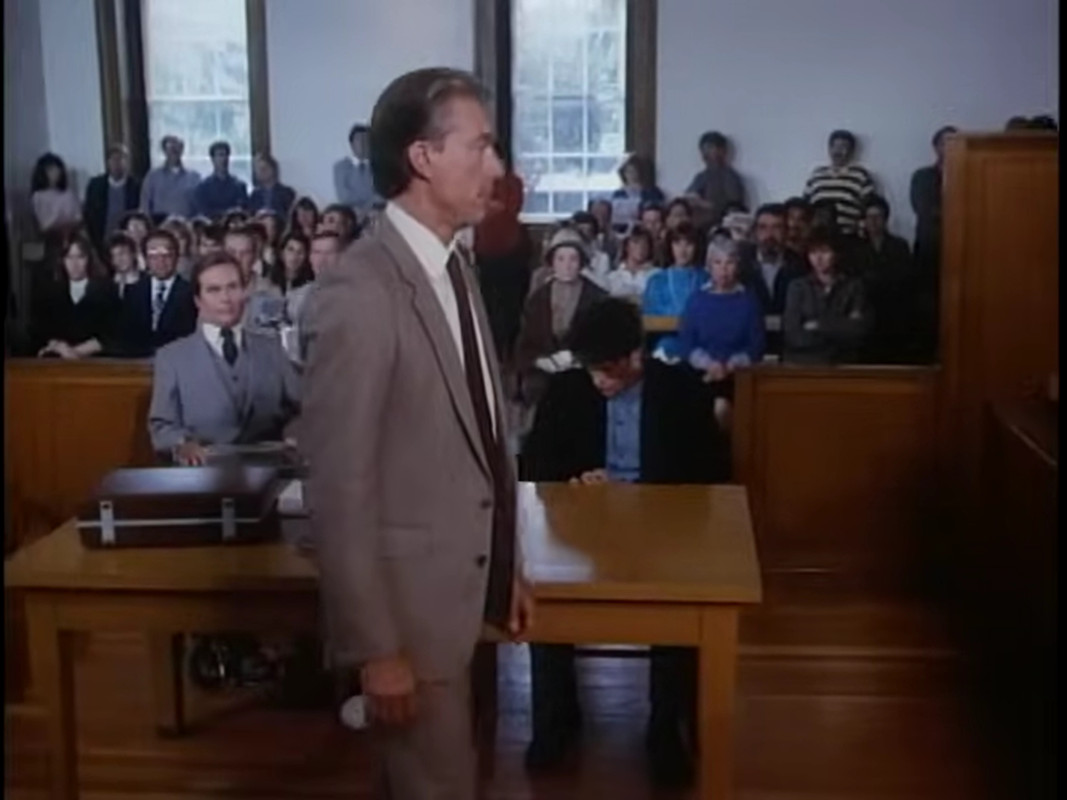
Anyway, French eventually directed almost one episode every three in Highway during season one and the first half of season two. In the June 1985 interview on The Associated Press, he discussed his commitment to the series, explaining that acting in every episode while directing some was extremely “time-consuming”, although he also added that it becomes easy, because “You’re doing something you love with the people you love“. But something clearly shifted afterward.
After The Monster—the only two-part episode French directed—he gradually reduced his involvement as director (by the end of season two, he’d have directed one fewer episode in season two than in the first). And, eventually, he’d completely step away from directing after this episode, which was the only one he directed in the third season.
Then, in an early December 1986 article on The Tampa Tribune, just two months after this episode aired and four months after its production, it was reported that French had officially decided to give up his directing responsibilities on Highway, as he could no longer keep up with the pace of production (that was “too tough”, as described there). The article continued by revealing that Landon was preparing to take over full directing duties for the series (which is exactly what happened starting from the second half of this season).
Anyway, maybe French was primarily referring to the demanding schedule as “tough”—particularly the difficulty of being on set all day as a director while still appearing in every episode as the protagonist (more details about the production schedule of each seasons at the “Production” entry of seasons one and season two overviews). Or maybe he was simply physically exhausted: in a 1975 article on the Tampa Tribune, early in his directing career, he admitted that he had never realized how physically demanding directing could be: “It takes more energy than acting“, because “an actor can sit down and rest between takes, but the director has to keep moving“, and then revealing he had even started going to the gym with Landon in order to stay in shape for the job.
When they weren’t barging into other lots, just because.
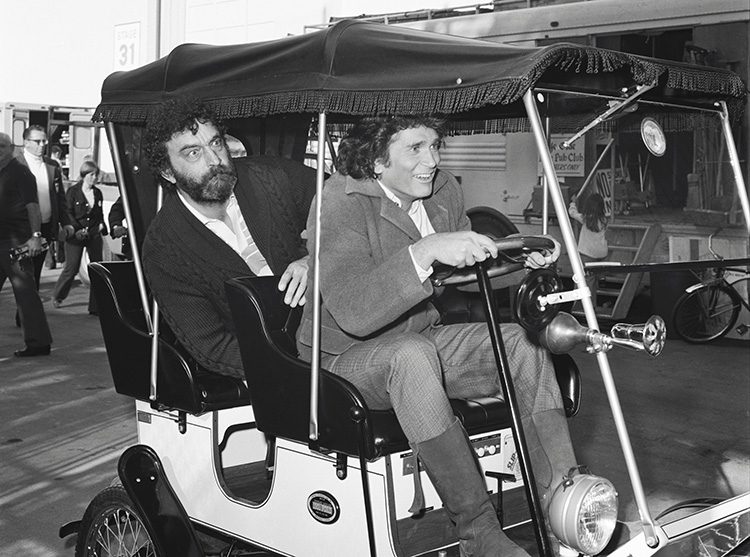
Another explanation for stepping out of the direction may lie in his personal pursuits. When the series began in 1984, in addition to his commitment to the show, French was a stage actor and director and playwright — as well as a drama teacher at the French Drama Workshop, a weekly class open to fellow actors to help them “stay in shape,” as he reported in a 1977 interview. But at the same time, in the early 1980s, he got involved with the Ten Goose Boxing of Van Nuys: as reported in a 1985 article on the L.A. Herald Examiner, boxing had always been his “lifelong passion”. Then, in May 1985, the Ten Goose Boxing’s manager suddenly passed away. In order to prevent its closure, French stepped in as an investor and promoter, obtained an official manager’s license—an experience he reportedly said made him feel “important”—and began promoting several boxers, including bantamweight contender Frankie Duarte and middleweight future champion Michael Nunn too.
This new career likely kept him busy: on November 1986, one month after this episode aired and one month before French announced his retirement as Highway’s director, Nunn won his first title (at former Reseda Country Club, which was also used as a location for a couple of Highway episodes). So, it’s likely that French decided to retire from the direction of Highway to commit more to his boxing career, especially once he (and Goosen) realized Nunn had a shot for the world title.
And that was good for all of them: in 1988, just two years after this episode aired, Nunn actually won the world title in his weight class—an achievement that would have required extensive preparation. It is therefore plausible that French gradually shifted toward boxing and realized he could no longer do that, as well as directing (and acting too) for a TV series.
This idea would be further supported by the fact that in the fourth season, although French appears in every episode and continues to play a significant role, his presence is arguably reduced compared to the first and second seasons.
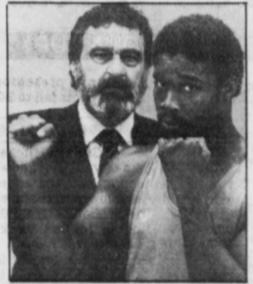
Either way, what it all boils down to is that, a few months after this episode aired, French quit directing Highway, and this episode is his last of the series. Sadly, though, this episode also marked the end of his career: after the conclusion of Highway in 1988 (when production of the final episode took place), he was contacted by a production company to direct Rock-a-Doodle, which would have been his first feature film as a director. (Actually, it combines animation and live-action, and French was only contacted for the second segment.) So, on spring 1989, he moved to Dublin where the production was set to take place.
However, in April 1989, shortly after production began, he started suffering from “back pains”, as revealed by Don Bluth (the movie director), and was diagnosed with a lung disease. He immediately stepped down from that feature, moved back to the US and spent the last months of his life privately—unlike Landon, who was public about his own illness—until his death in June 1989, before Highway could even finish airing its final season.
So, this episode is the unintended conclusion of his career: even though French did not plan to retire from directing altogether by the time he announced he’d be stepping down from Highway in 1986, this episode is his last. In retrospect, it somehow feels like a summation of some recurring aspects of his career: his opinions on clean, family television (in a TV landscape made of “car chases and shootouts“), the conflict between actor’s personal life and public image (an issue that was already part of The Brightest Star, directed by him); that was a personal issue too, considering that when he started his career, he would often play the antagonist and was treated antagonistically by the public until he met Landon, whom he once talked about as his “angel”, and got to play a different role (more details about it at the special here).
And, coincidentally, he’s back with Ned Beatty, who was in his episode in season twenty of Gunsmoke, where it all began.
In that way, this final show as a director is also comprehensive of his own career.
Glossary
Angel Revelation: the first revelation of the season, when Jonathan tells his identity to the orphans.
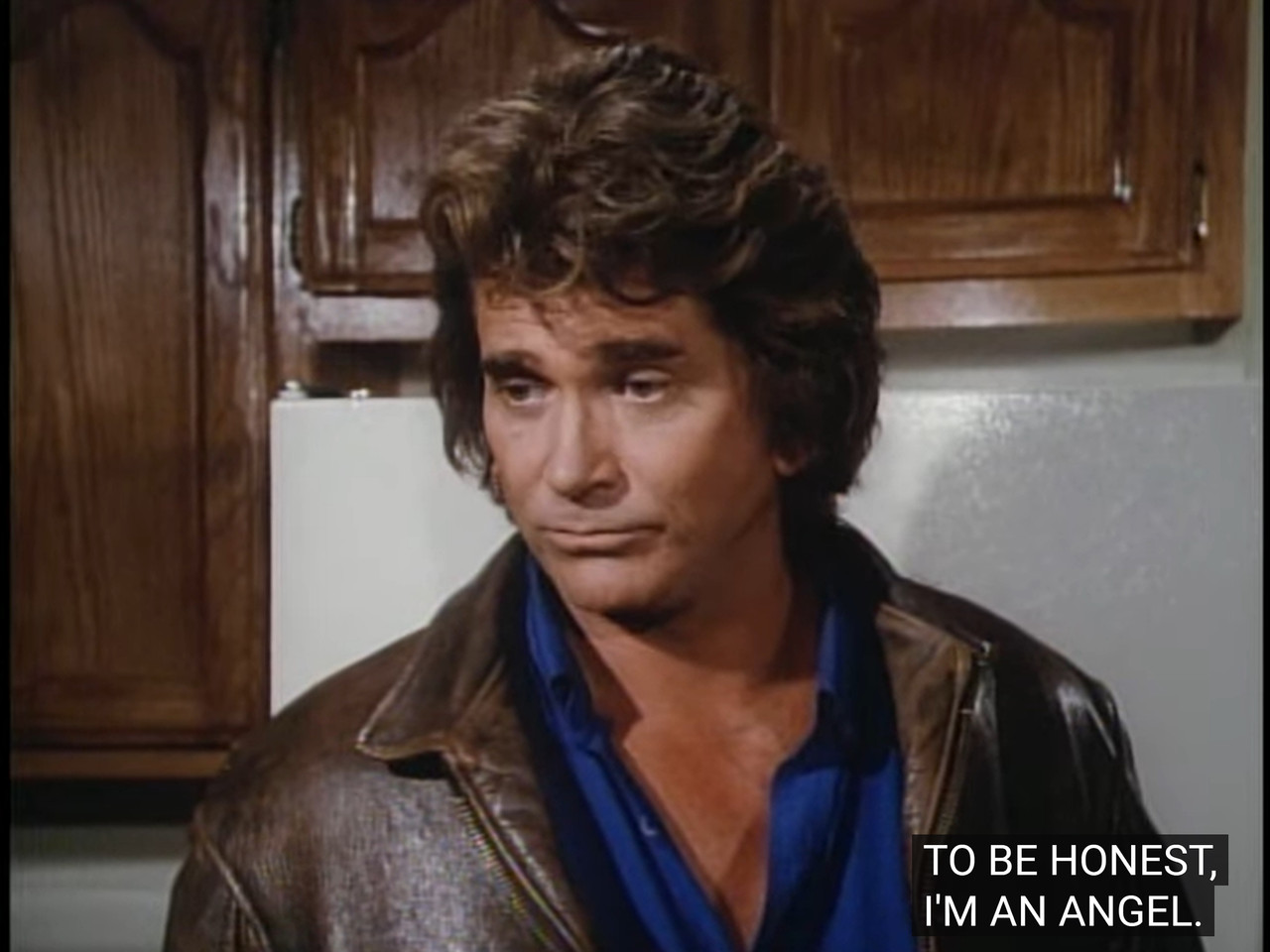
Curiously, of all the angel revelations so far, it’s the first time in the series he does that to some kids (excluding Arnie in Alone, who was supposed to be a kid although he was played by an adult). Just as a warning, this season will follow along the path of the second one, so Jonathan will make the angel revelation very frequently.
Friendly Jonathan: one instance, when Jonathan wakes up Mark at night to find Joey.
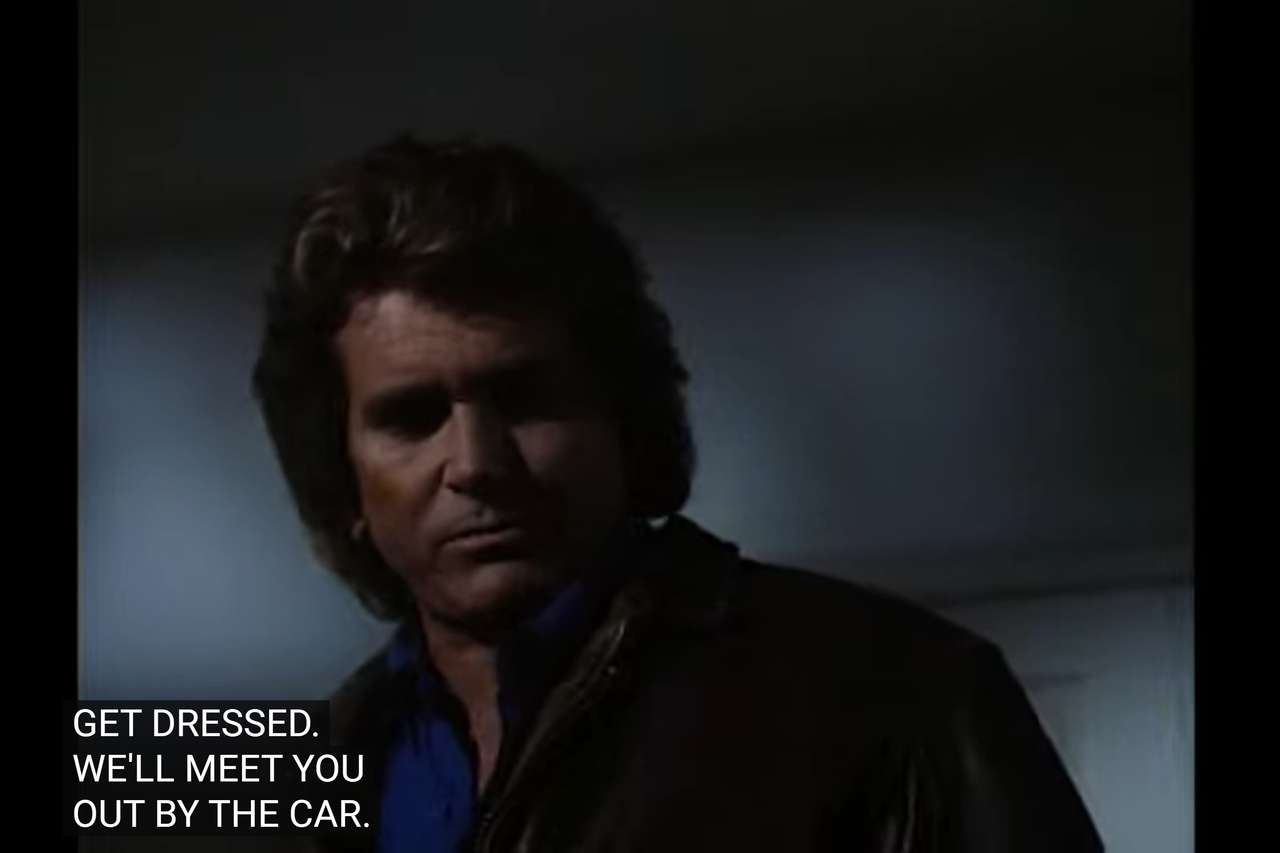
Because he could drive Mark’s car and handle this alone, but he had to wake up his friend all the same.
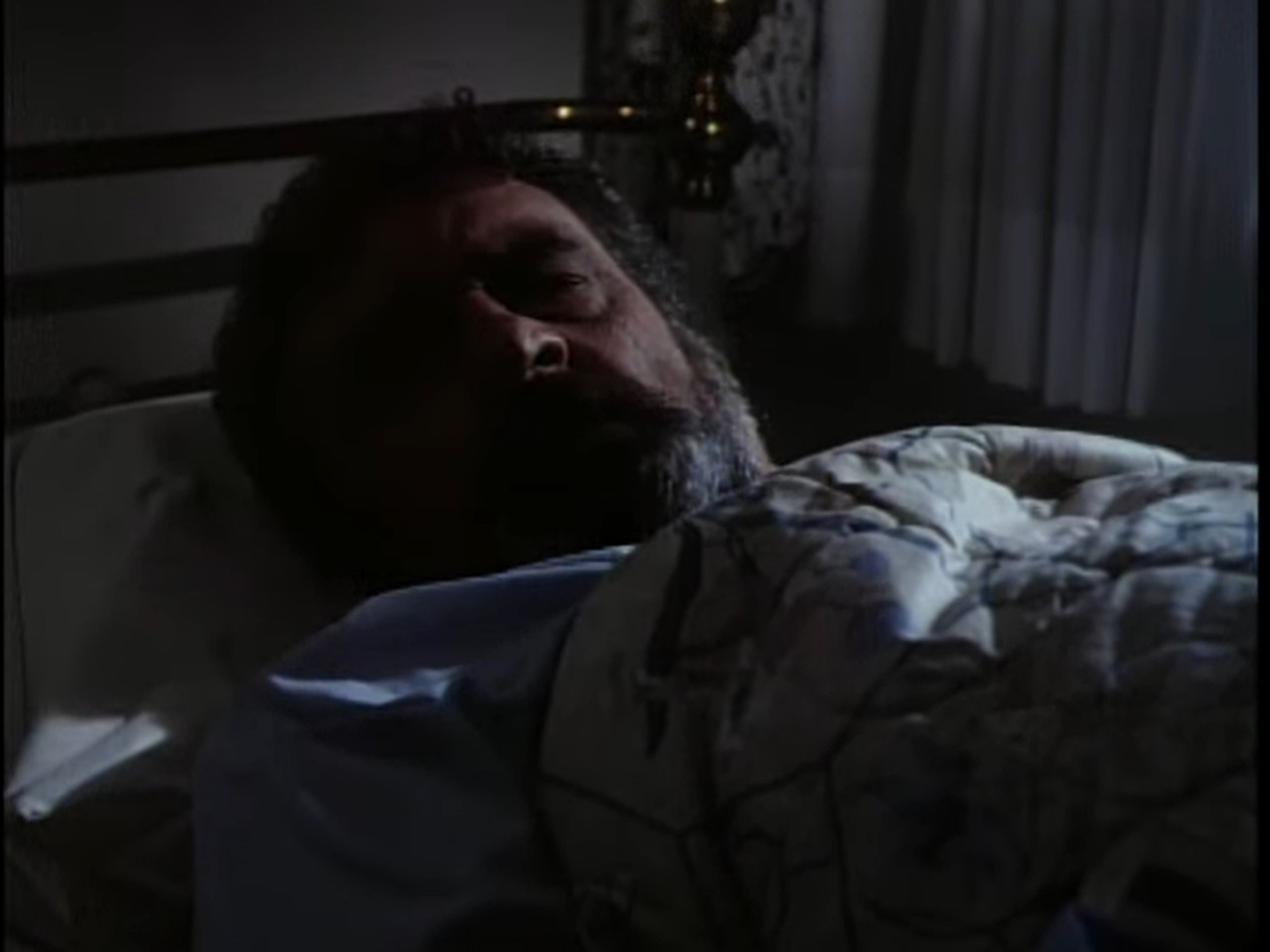
Jonathan never said anything about losing sleep when he allowed Mark to join him in the Pilot, yet here he is.
References: this episode makes some references to the actors’ life, although this time it’s not the usual joke taking distance from their career as in Going Home, Going Home and the Halloween Special (the episodes with those references are here). Rather, the references are to the actors’ opinions, all conveyed thanks to Cassidy’s figure: one is Mark’s line covertly talking about Landon when saying what Cassidy stands for in TV.
But there’s another one: when Jonathan tells the orphans that Cassidy didn’t actually adopt them, but it was just for a part on the sitcom, Joey doesn’t believe that, remarking that Cassidy’s character never lies on TV.

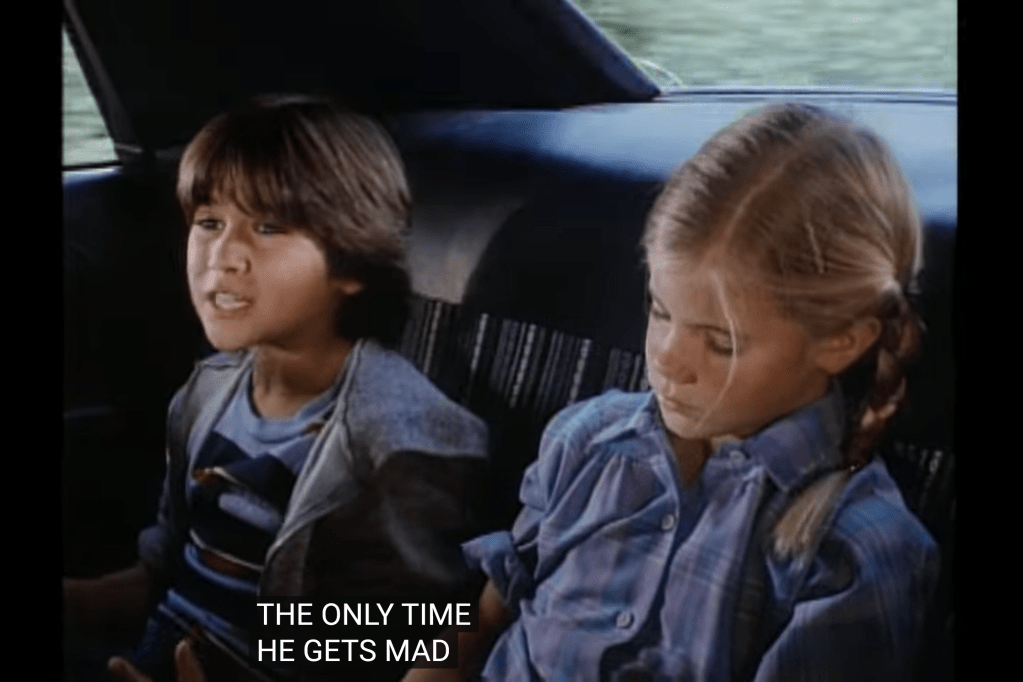
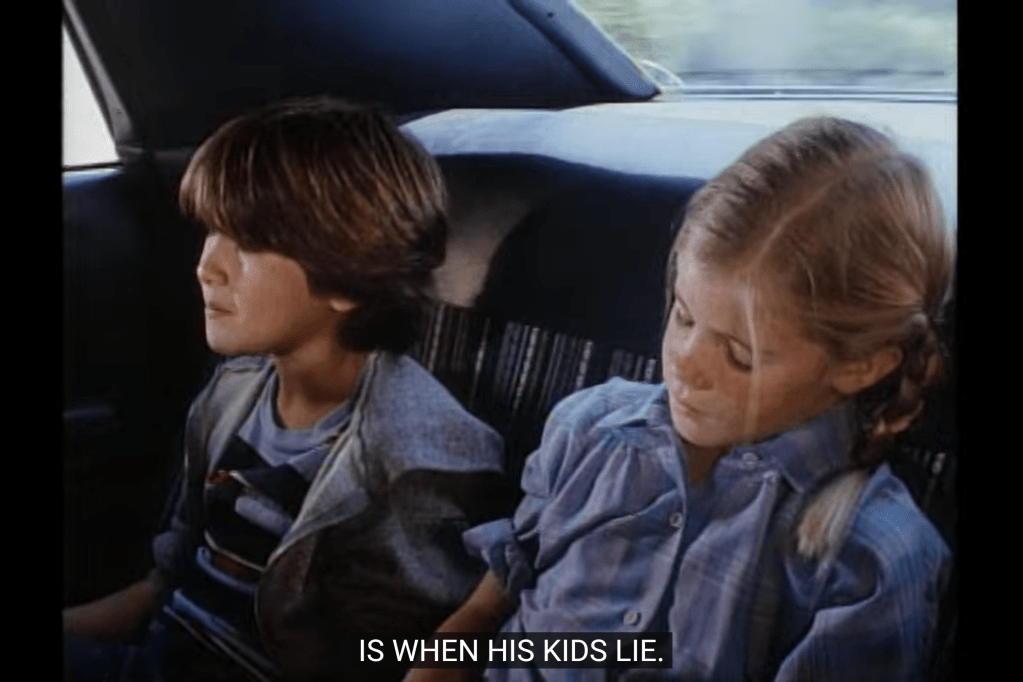
It might sound like any parent is like that, bit that is very like what Landon was: in an interview dated 1978, he admitted that the only time he lays a hand on his children is when they lie to him, and that lies are the worst thing they could do to him in his opinion. If this line were a reference to Landon, it would be weird: it seems that Cassidy (as he appears on his sitcom) is a fictionalized version of Landon’s image on Landon’s programs; but Cassidy’s character in the sitcom hating lies would be more a reference to Landon as he was in is own life, outside TV. Maybe the two characters are more related than what it appears.
But there are also references to other episodes or series. One is to Highway: at the beginning of the episode, Joey is shown holding a picture of Cassidy. And he doesn’t look like Cassidy here.
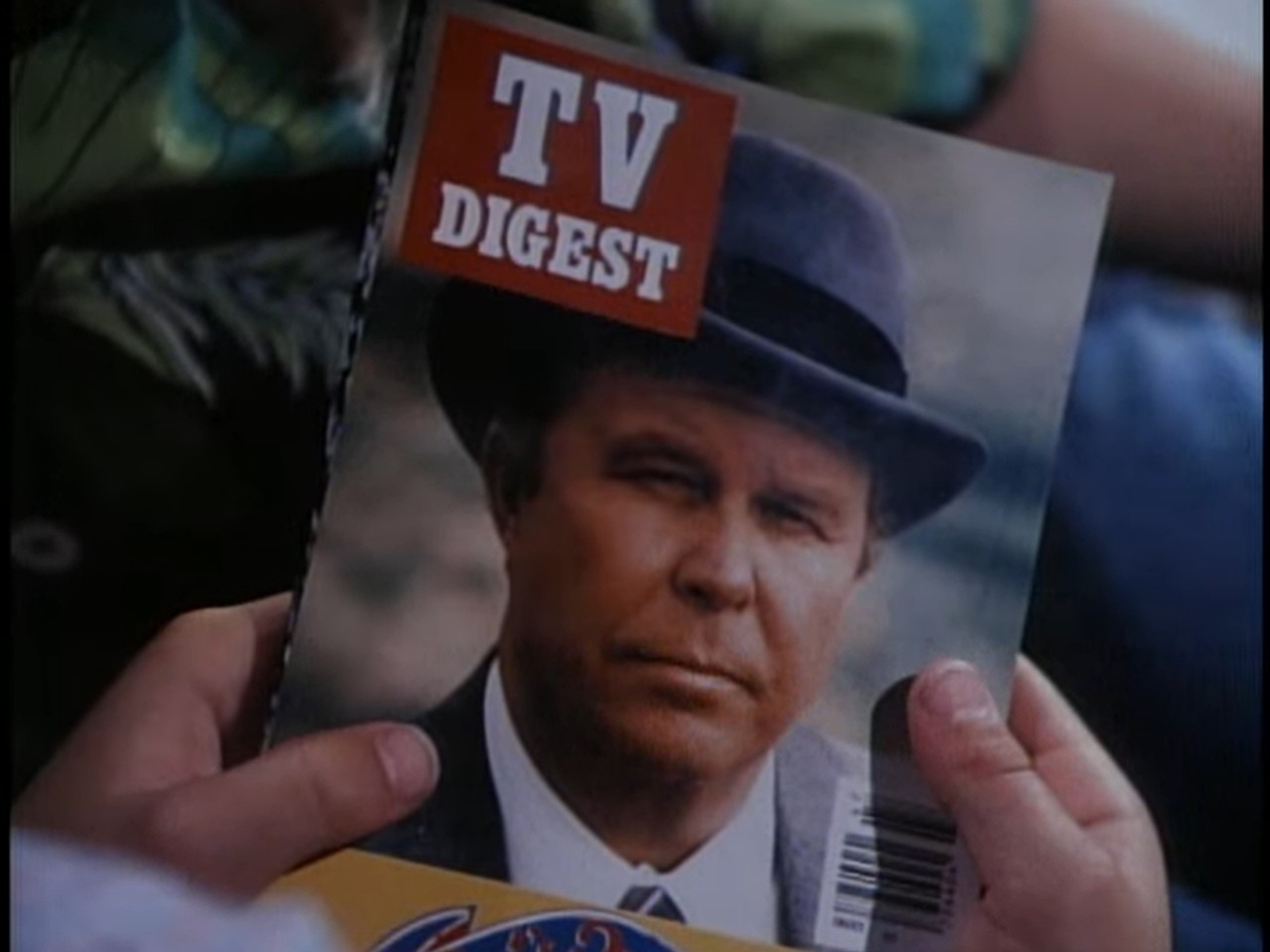
He looks exactly like Melvin Rich from The Banker And The Bum. Although by now he has probably become Melvin Broke, after all the raises that the Bum gave around on his behalf.
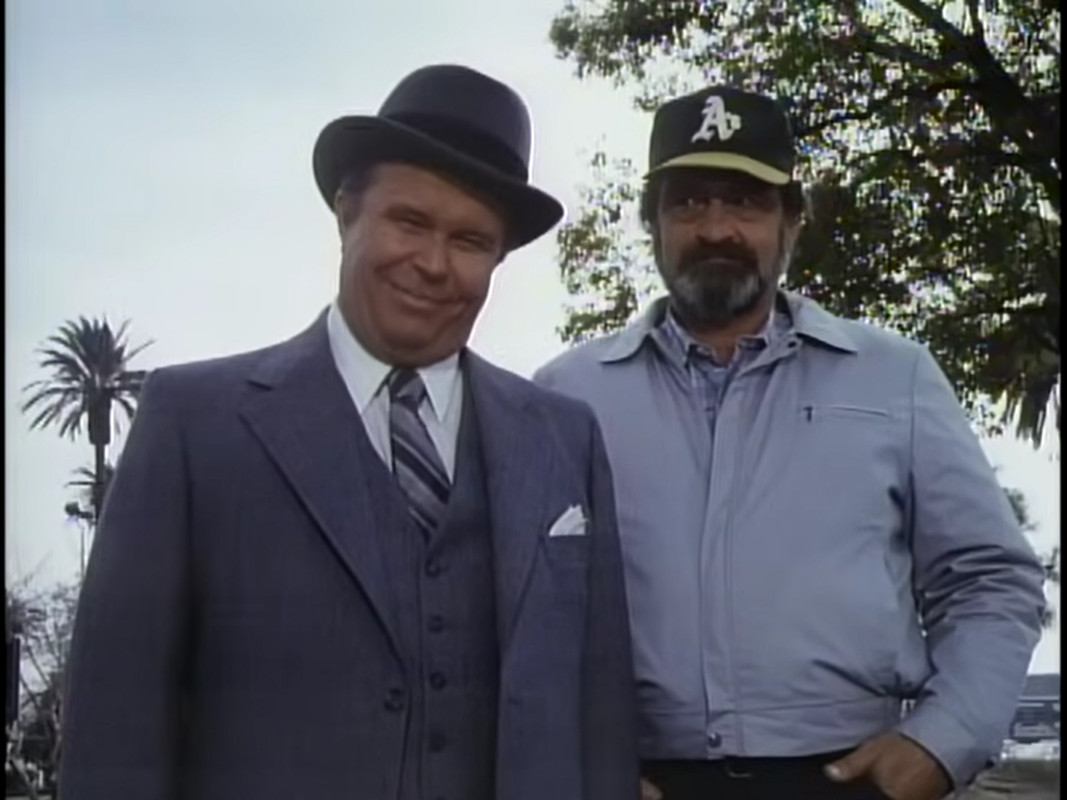
Anyway, there’s also another reference—this one to a particular Landon’s obsession (just a partial one, unlike the three bums, bins, drugs): at the beginning, a couple decides to adopt only one of the kid but the man doesn’t want Joey, and Mark comments on their back.
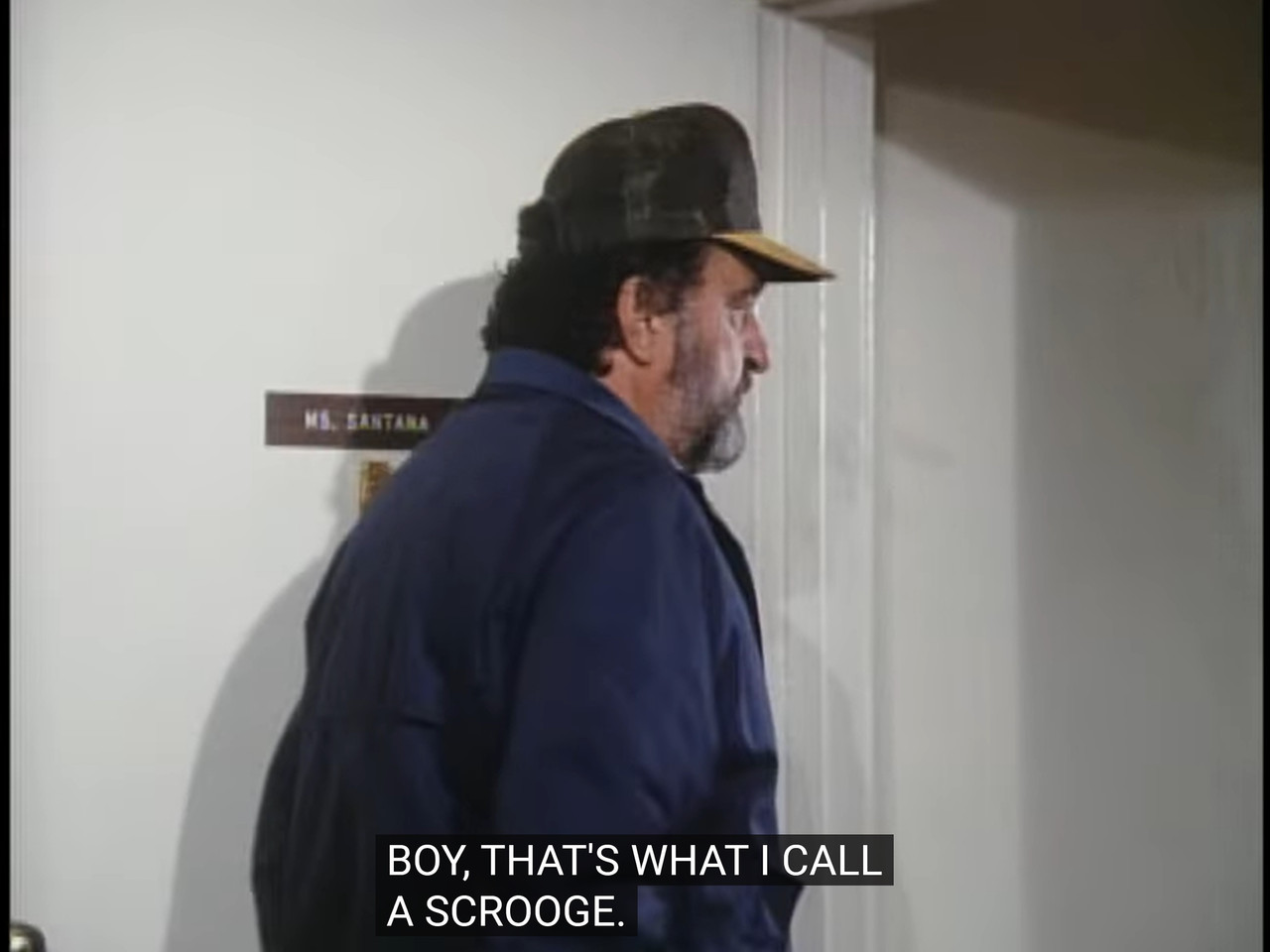
Of course: Mark holds up that book as a point of reference for judging people. He must be remembering the character from that story he had read two seasons ago on Christmas—although he dozed off shortly after opening it.
Security: this episode is not just an adoption assignment, but also yet another one warning about faulty system in the country. It’s already been shown this series has some problems with this issue: for instance, in season one, Hotel Of Dreams had people didn’t use locks in luxury hotels, or An Investment In Caring had countless issues with security measures taken by a corp to protect sensitive information.
In this episode, again, there seems to be no security at all: when Jonathan and Mark find the two orphans and ask them how they got in, they even acknowledge there was no security.
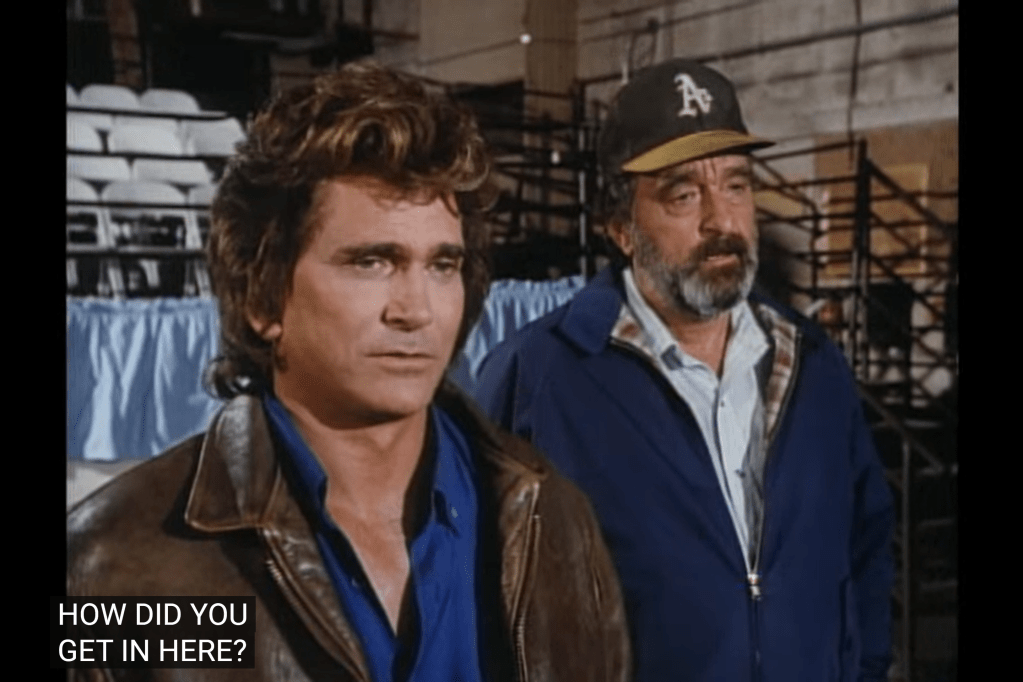
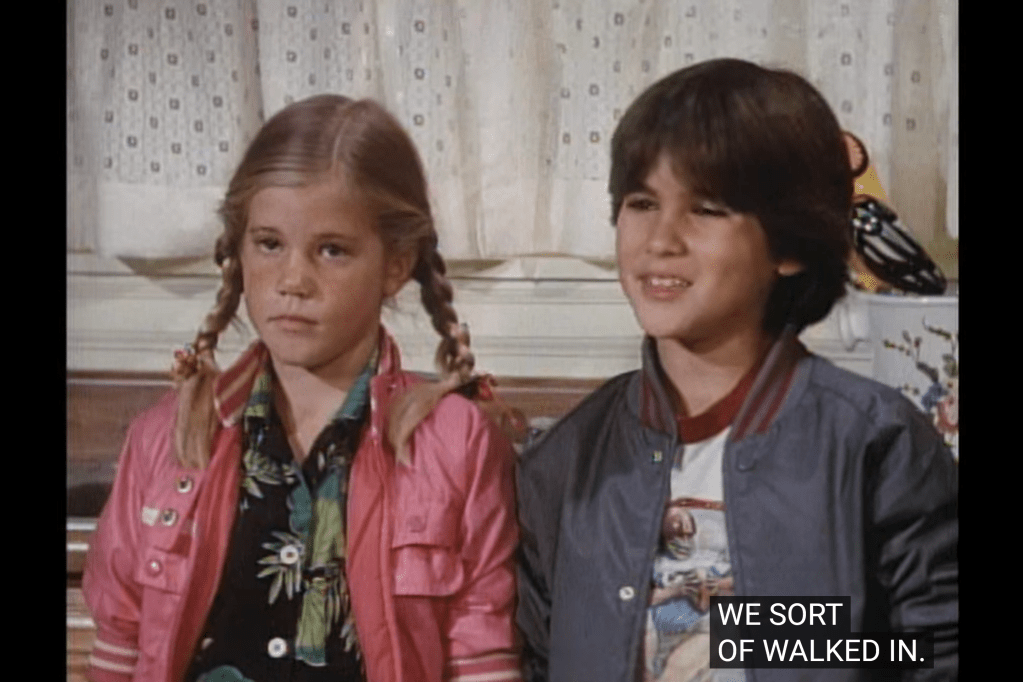
Of course, in this case (unlike the other faulty systems), it’s likely that Jonathan used the Stuff to get the kids in because they were part of the assignment. Even though, in the context of this series, It would still be plausible if there was no security already.
The Stuff: Jonathan uses the powers to create food from the set fridge.
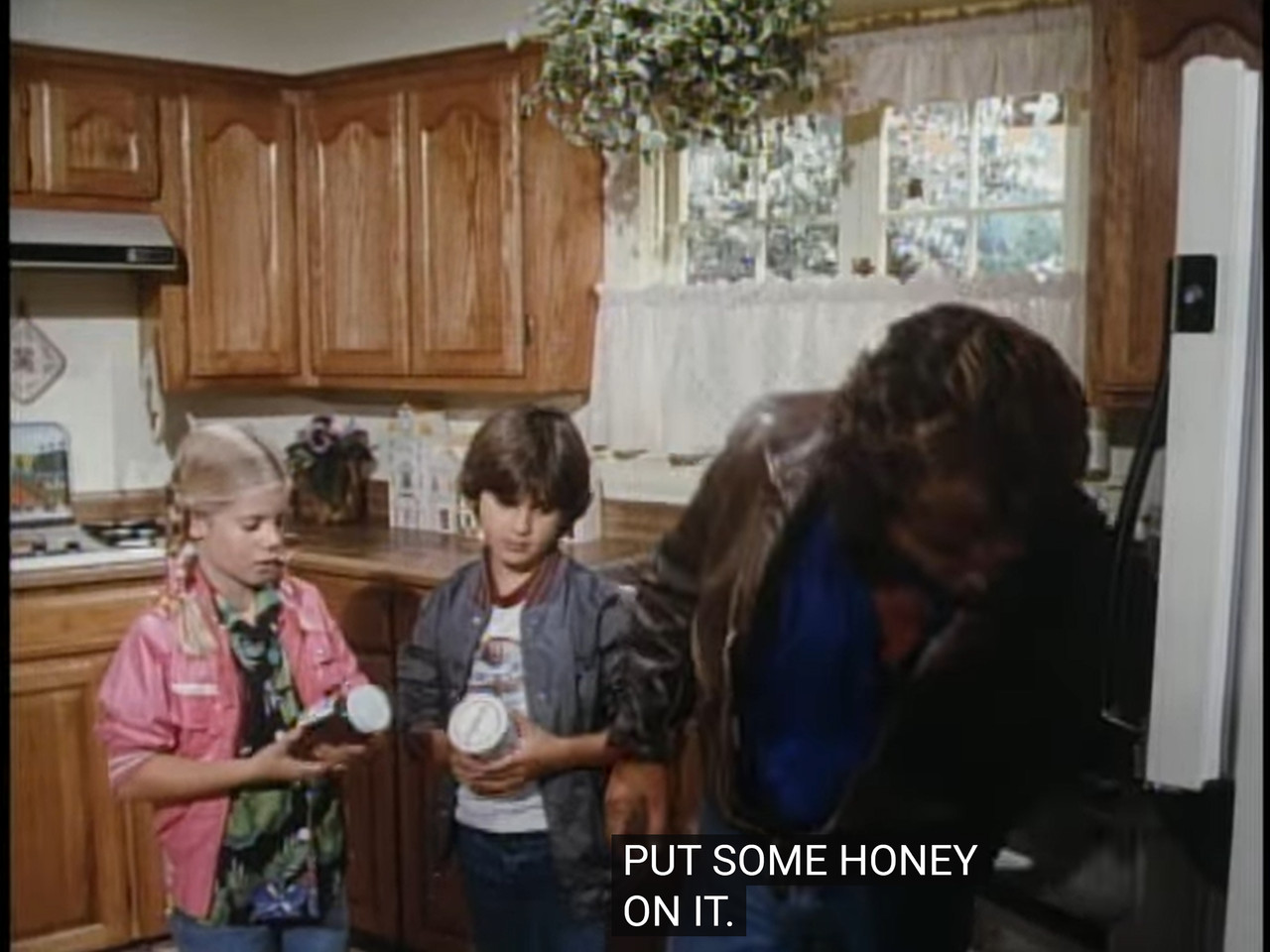
It’s an old knack which dates back to the Pilot, when Jonathan materialized food from an empty fridge and invited Mark for dinner.
The job: their job involves fixing a security system, something Mark openly admits he knows nothing about.
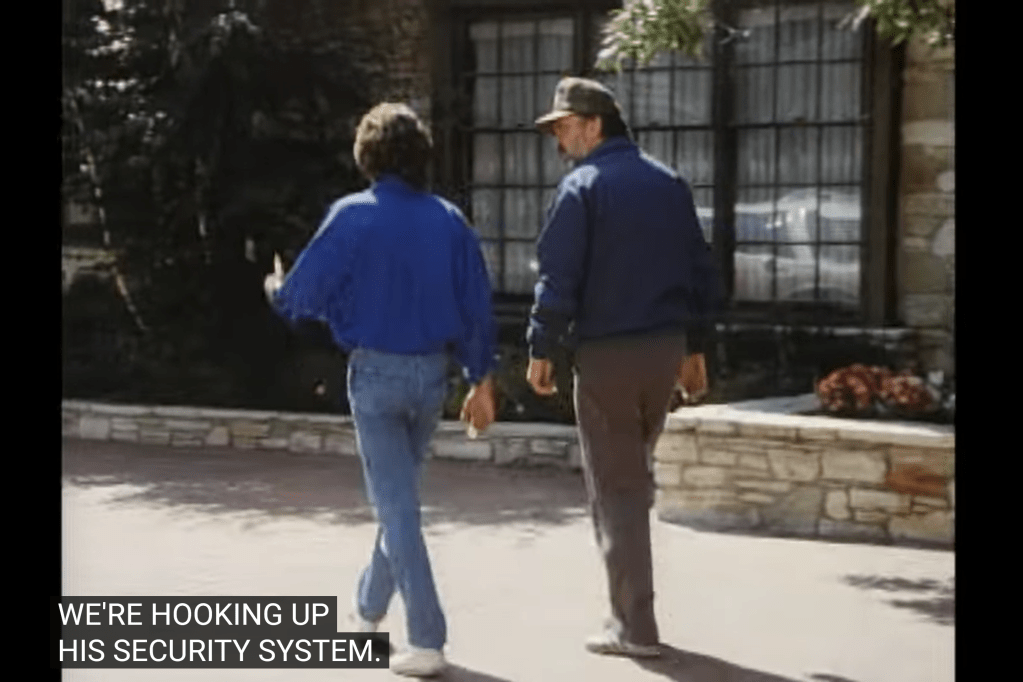

That is enough to imply Jonathan used the fake references—though it is equally hard to believe that someone who died in the 1940s would be knowledgeable about it. Unless Jonathan had the Stuff that gave him superior knowledge.
Ratings: 28 – 29 million audience. 22nd Weekly TV programs, 3rd TV genre show.
This episode aired two weeks after his predecessor, due to the World Series (as usual in any season). That placed the episode around the same time as the Halloween special in season two. (Apparently, this season didn’t have any Halloween Special episode). Either way, as anticipated, it did not achieve comparable ratings to season two— nor to other episodes earlier in the season— and lost some ratings compared to its predecessor. That’s mostly because it aired two weeks after that one—and usually, when a weekly series has a one week break for any reason, the episode resuming its airing always suffer a little compared to its predecessor (as largely confirmed by confronting the ratings of the one week skip episode in season one and two).
Curiously, in terms of ratings, this episode scored similarly to the first episode directed by French to ever air on season one, and, coincidentally, that episode also aired two weeks after its own predecessor (the one week skip was for the same reason, the baseball game). Yet another odd coincidence about this episode somehow concluding his director’s career.
It scored higher than the Deke’s assignment in season one, though—which aired at the same time on Halloween of that year, and wasn’t any Halloween episode. So, it was popular enough.
 Highway To Heaven Cast
Leave a comment