

Airdate: 05/07/1987
Directed By: Michael Landon
And the third season finale is here. One month after its predecessors, it’s time to conclude the third season of the series. And similarly to the second season’s finale, it’s a single, self-contained episode. It’s not the sprawling two-part episode of season one with multiple tropes from the season it concludes, but rather just another assignment, without necessarily resolving any of the characters’ pending arcs.
In that sense, it doesn’t really feel like a season finale at all—perhaps even less than the second season finale, which at least had a peculiar feature: the characters had a particularly hard time solving the assignment, implying that it was somehow the toughest case of the season. Instead, this episode is not even that: it’s really just another episode. Except that its about life.
Actually, this one isn’t even a completely new assignment; it’s partially a new take on a classic book Landon must have been particularly obsessed with, a book he had already adapted multiple times before.
Complete show available here.
Assignment: Jonathan and Mark are assigned to help a corrupt businessman learn how to make up for his misconduct in one week.
The assignment is working for R.R. Benson, as explained at the beginning.
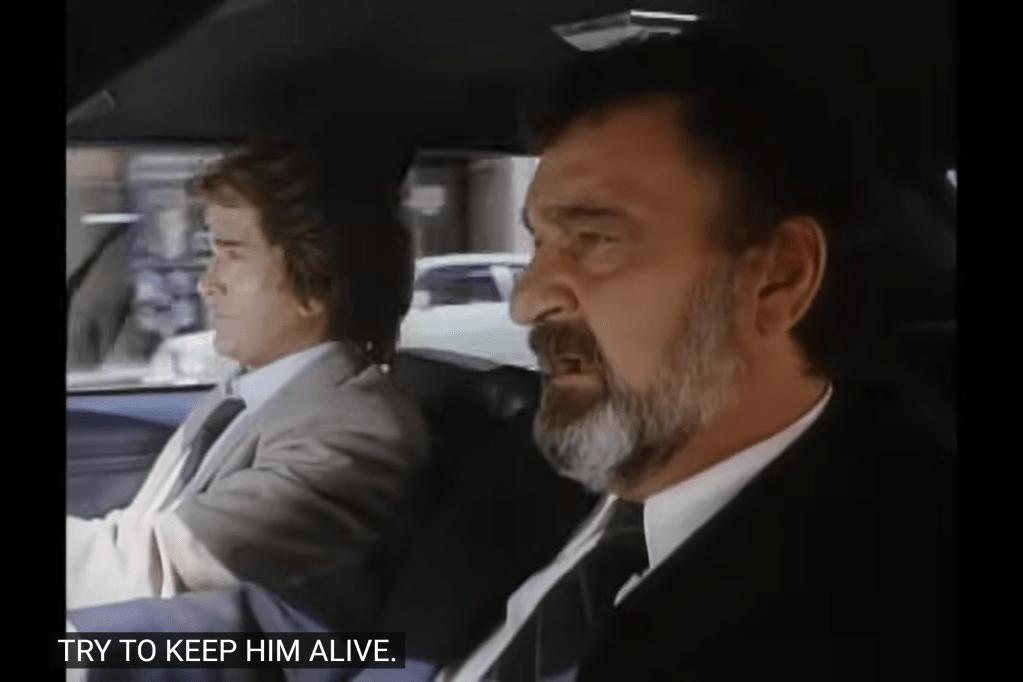
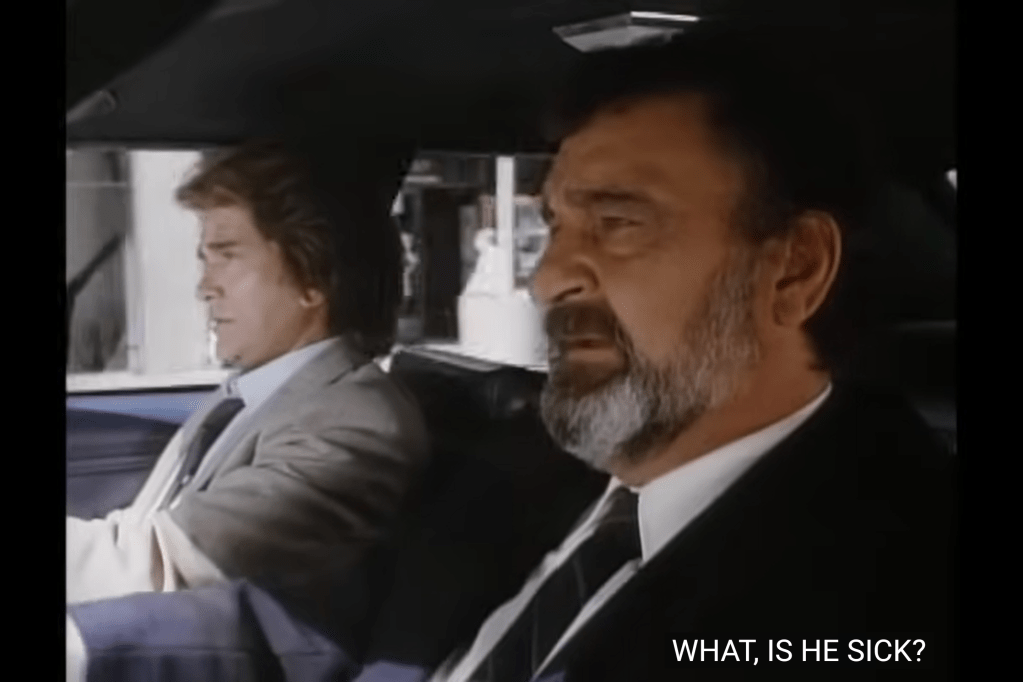
In that case he’d need a doctor, not at angel.
And he isn’t: he just has many enemies.
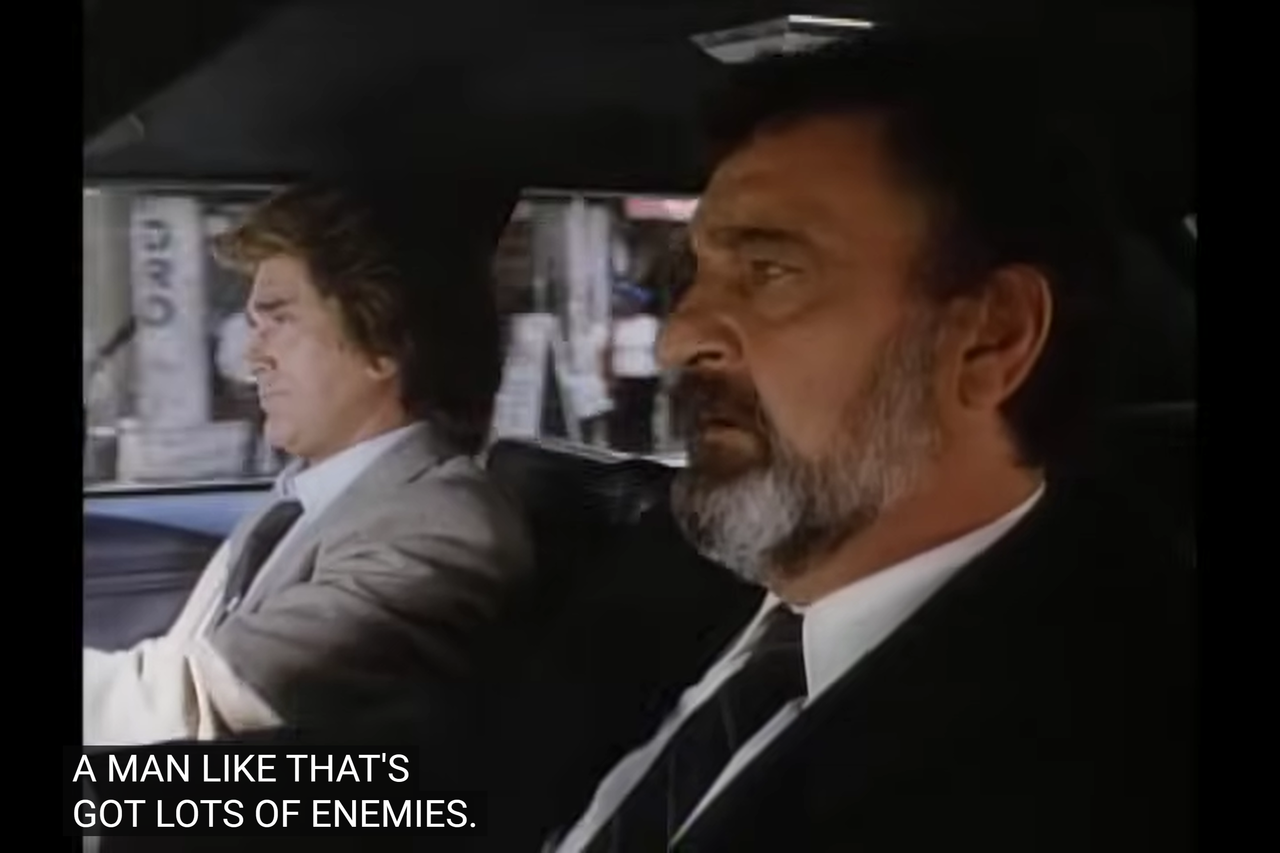
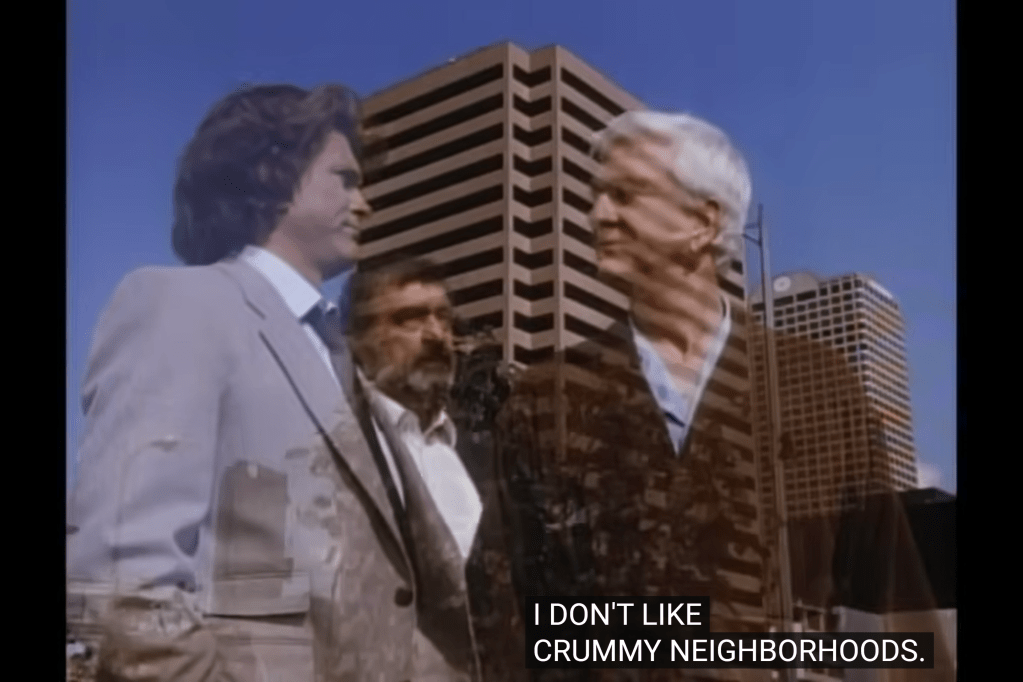
Because he is a wealthy, greedy, and of course utterly corrupt tycoon: he pollutes the beach, secretly pays off senators in vacant parking lots (where Russian spies secretly concoct their mischievous plans), and forces people to live in slums that he refuses to condemn.
Everything in under five minutes.
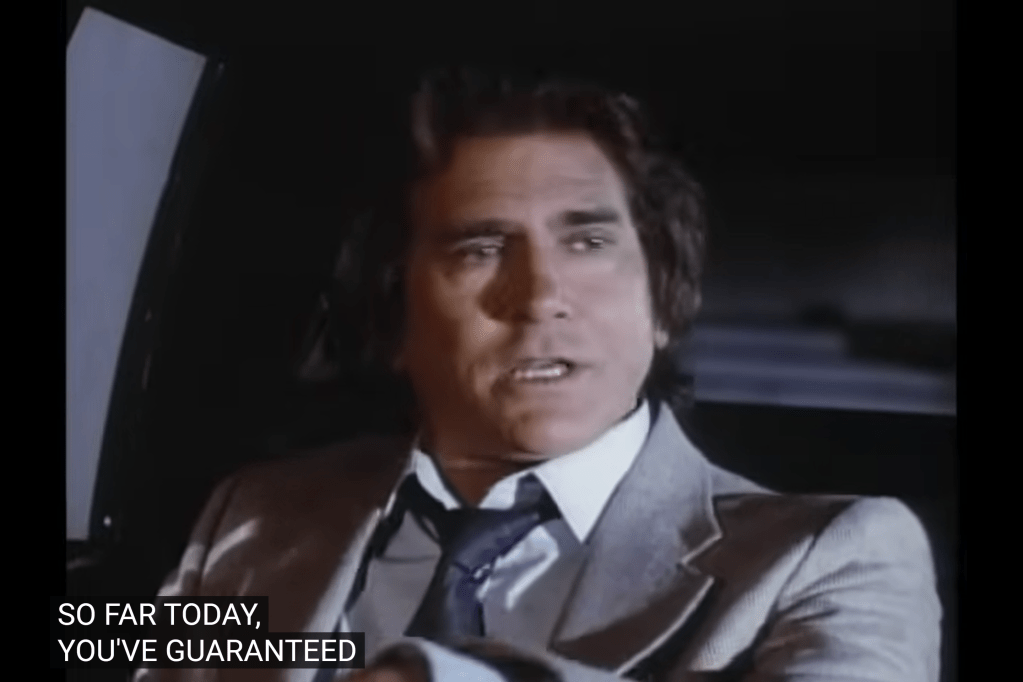
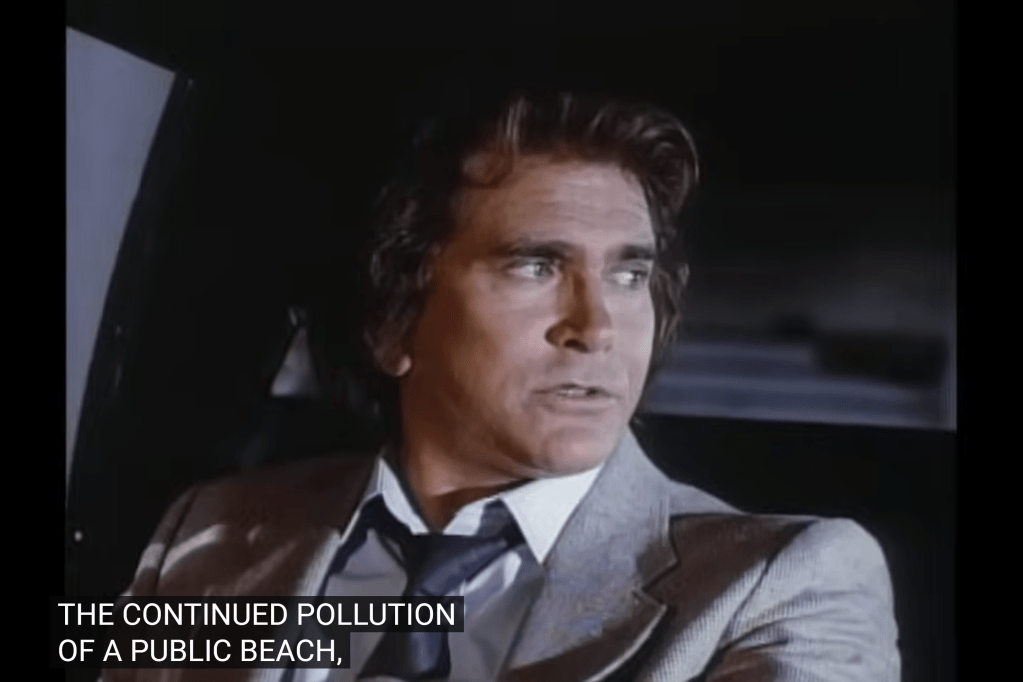
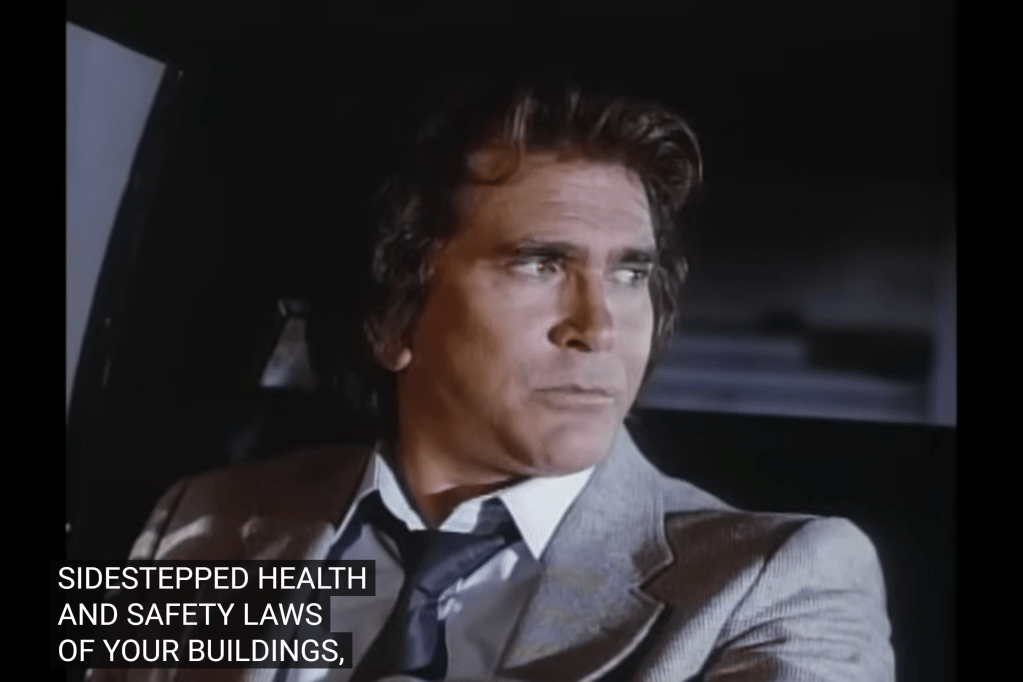
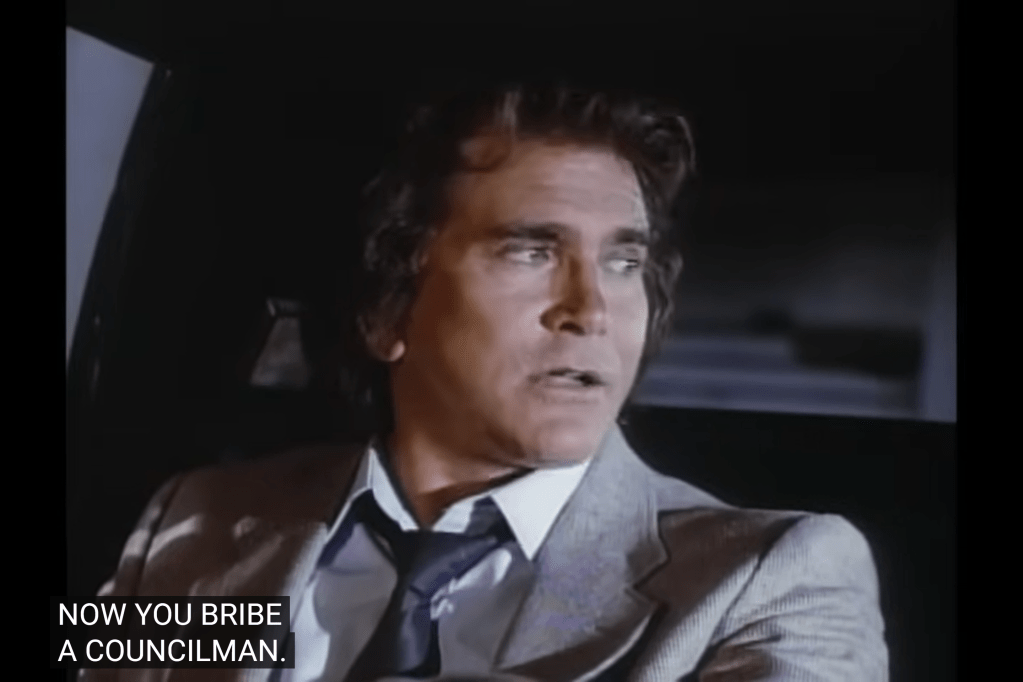
Just to make it clear: Benson is bad, and beyond redemption.
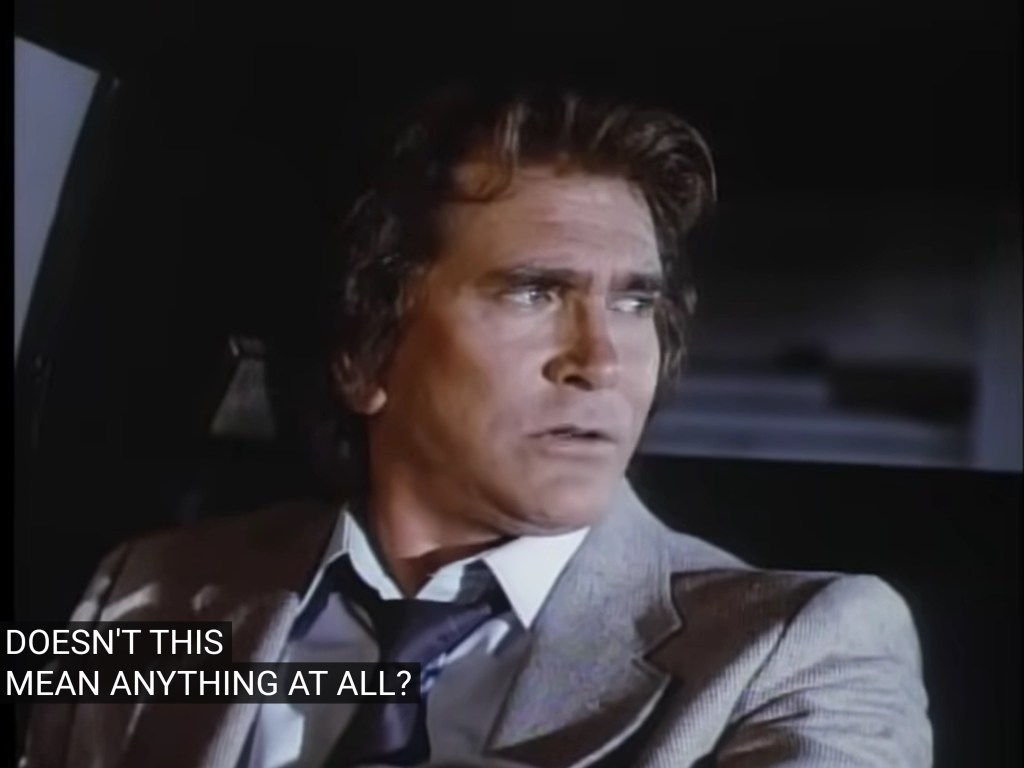
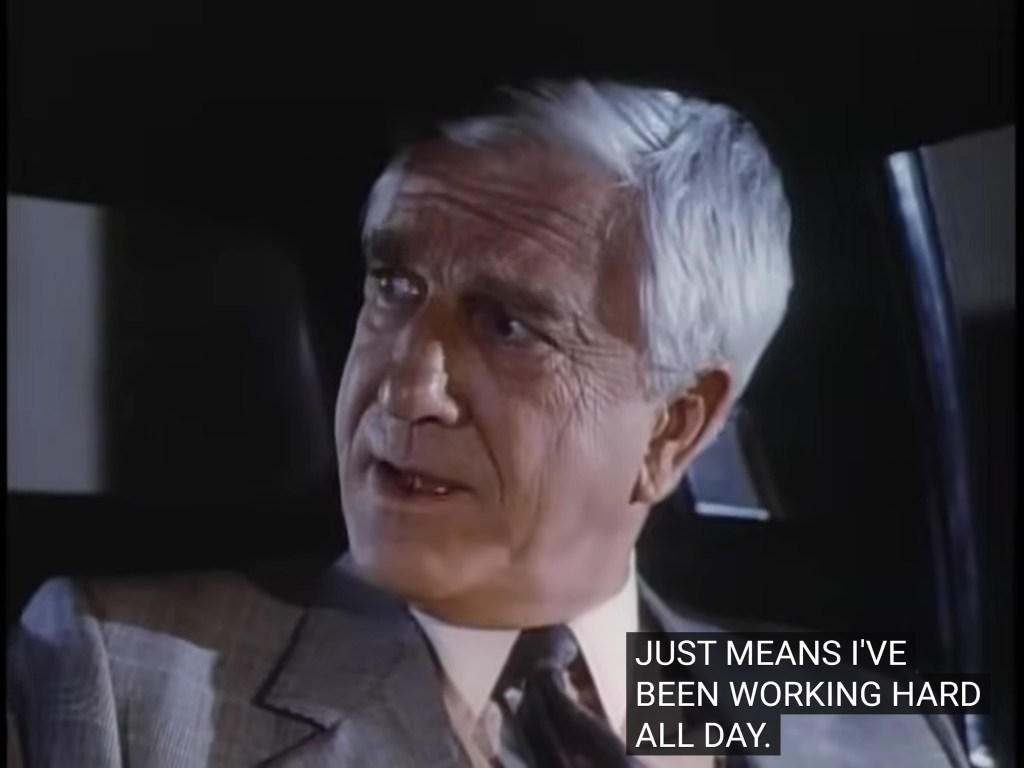
This gets quite ridiculous: it’s pretty hard to believe that Benson would so openly bribe everyone while Jonathan and Mark are standing right there. I mean, he doesn’t really know them—he literally just hired them.
As far as he knows, they could be cops investigating him, and corrupting people so casually in front of would be pretty compromising. Even if they weren’t—assuming that he made extensive research on their background prior hiring them to make sure they had no affiliations—that doesn’t mean that they won’t decide to report him to the authorities. Like any conscientious American citizen standing in the presence of a crime would do. Unless he believes that everyone has a price, and he can buy their silence. But even in that case, there’s no point in wasting his money to buy people’s silence instead of conducting his criminal operations just a little more secretly, without involving these two men who could threaten him to expose his activity.
That won’t happen, of course, because Jonathan is an angel and is there to help him.
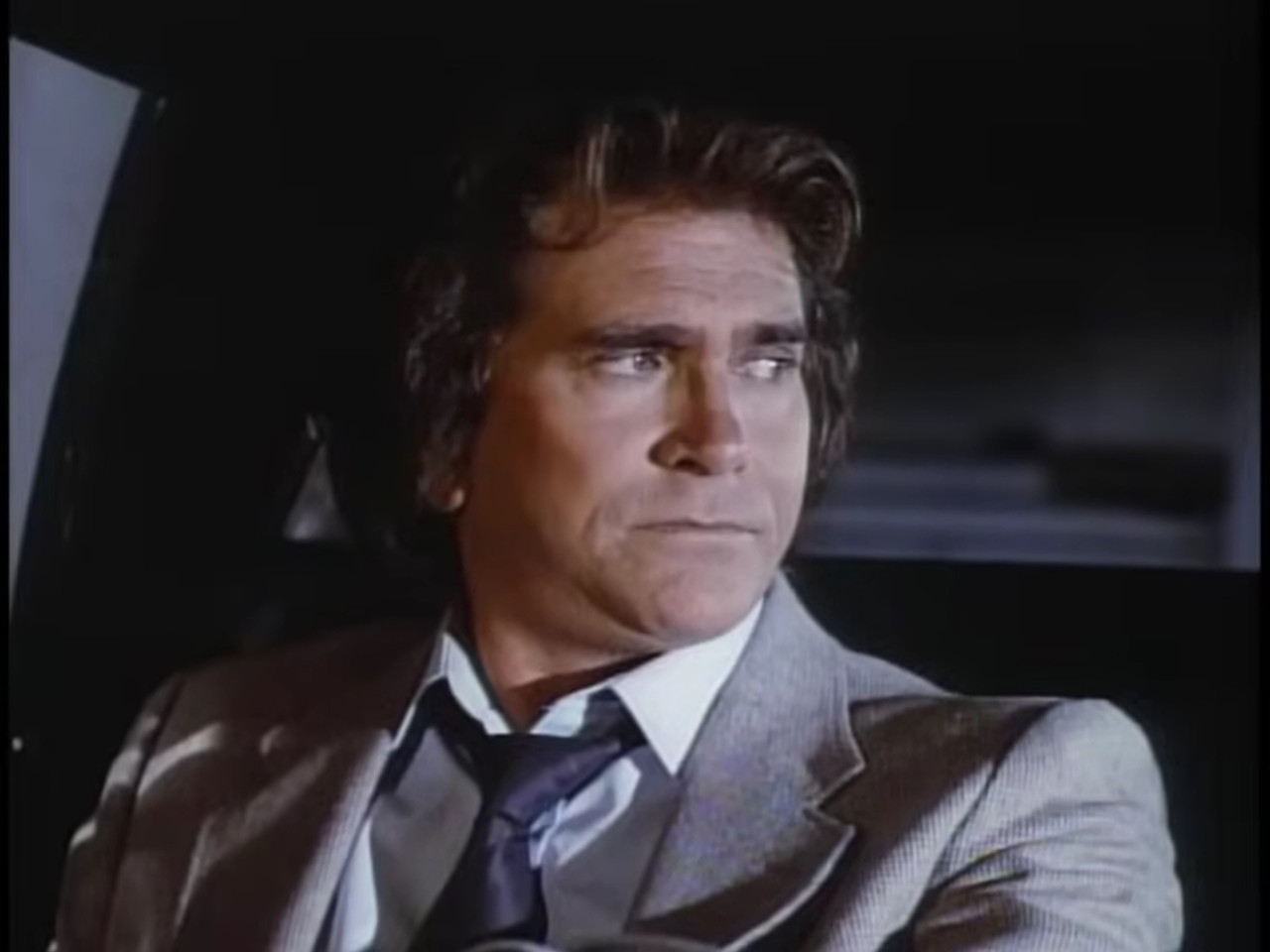
Even though he’s running out of patience.
But again, just like they did with Eddy in the Christmas episode and Melvin Rich the banker, it’s basically exposition to prove the point: the episode had ten minutes to show that Benson is hopelessly corrupt, and there’s no way to help him.
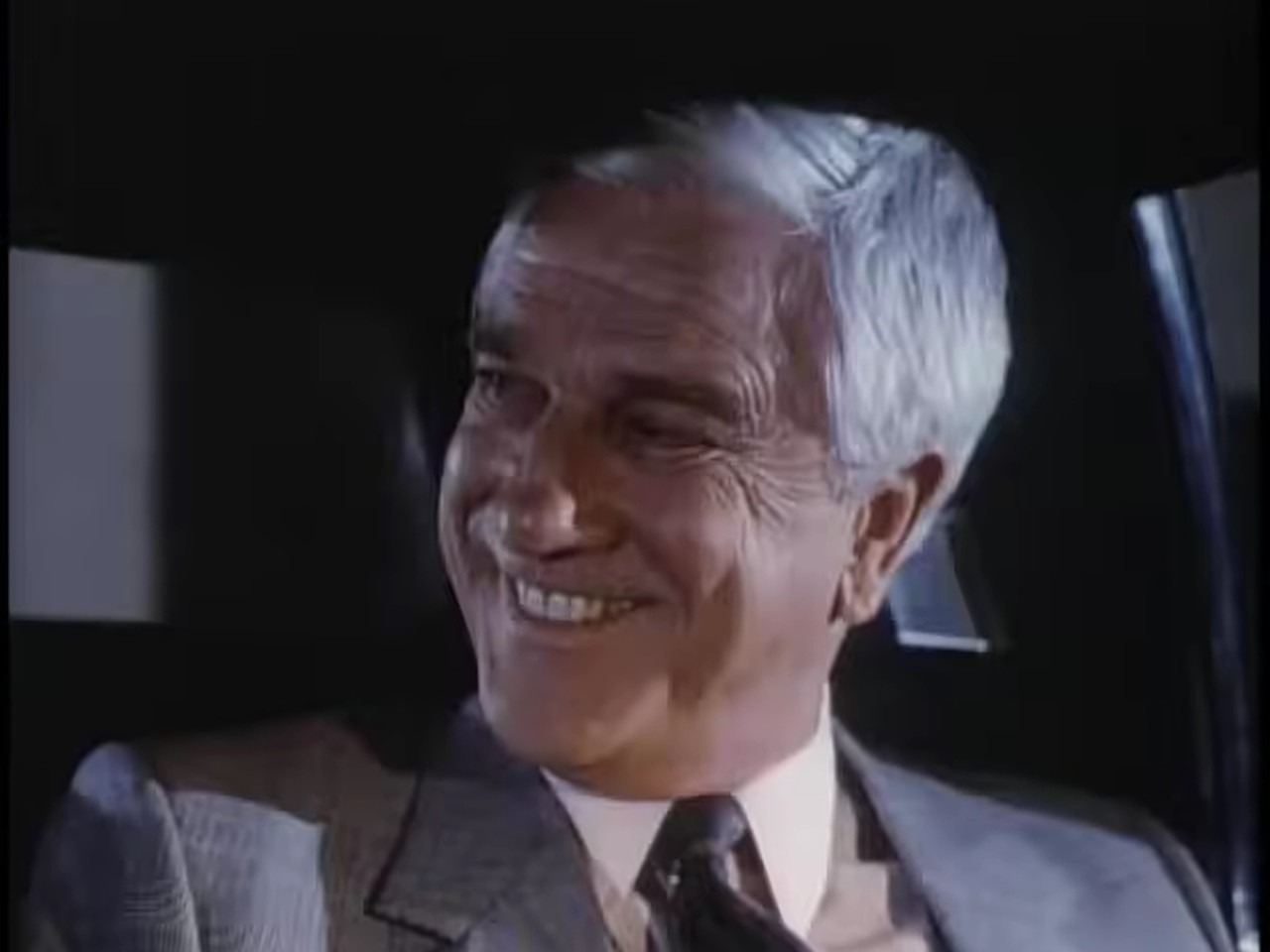
Unrealistically bad.
So Jonathan and Mark need to straighten him out by making him realize his wrongdoing. To do that, they resort to what Jonathan calls the “direct approach,” which sounds threatening.
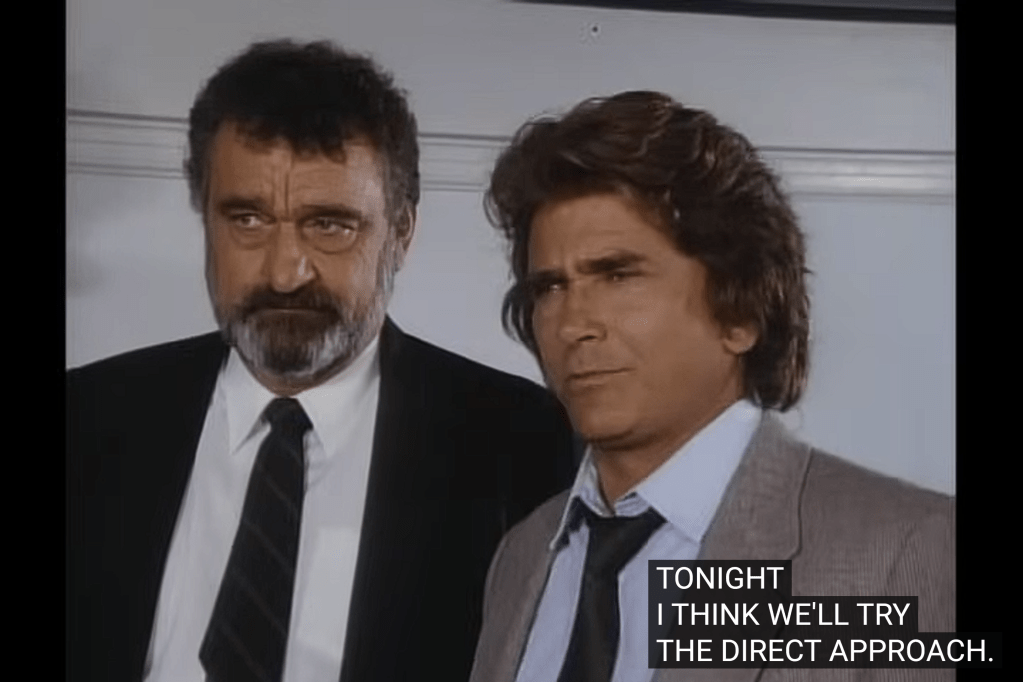
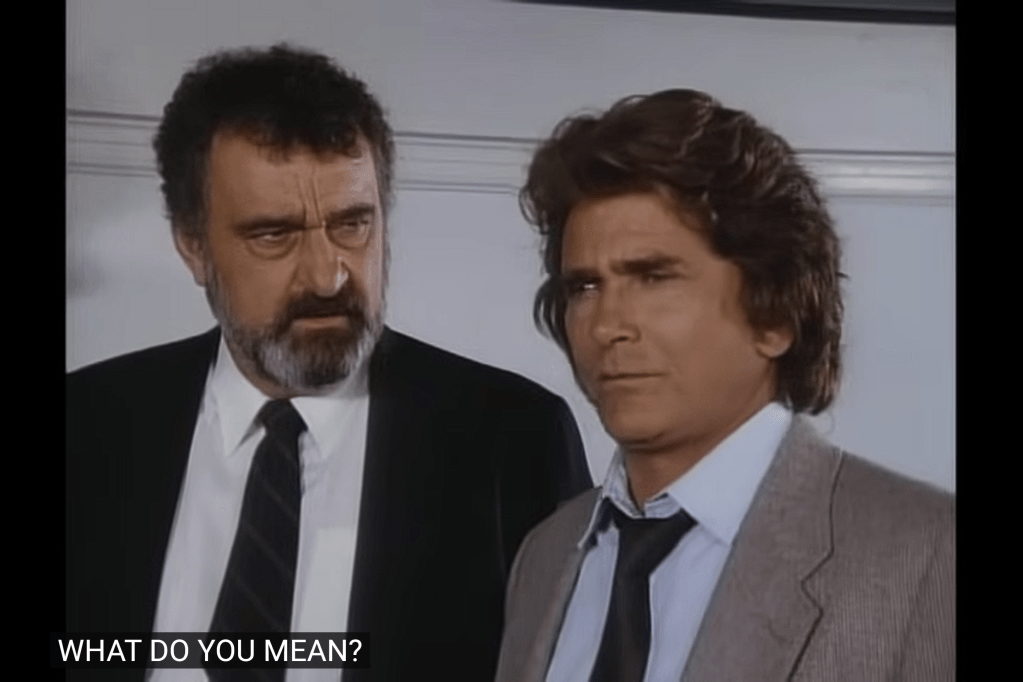
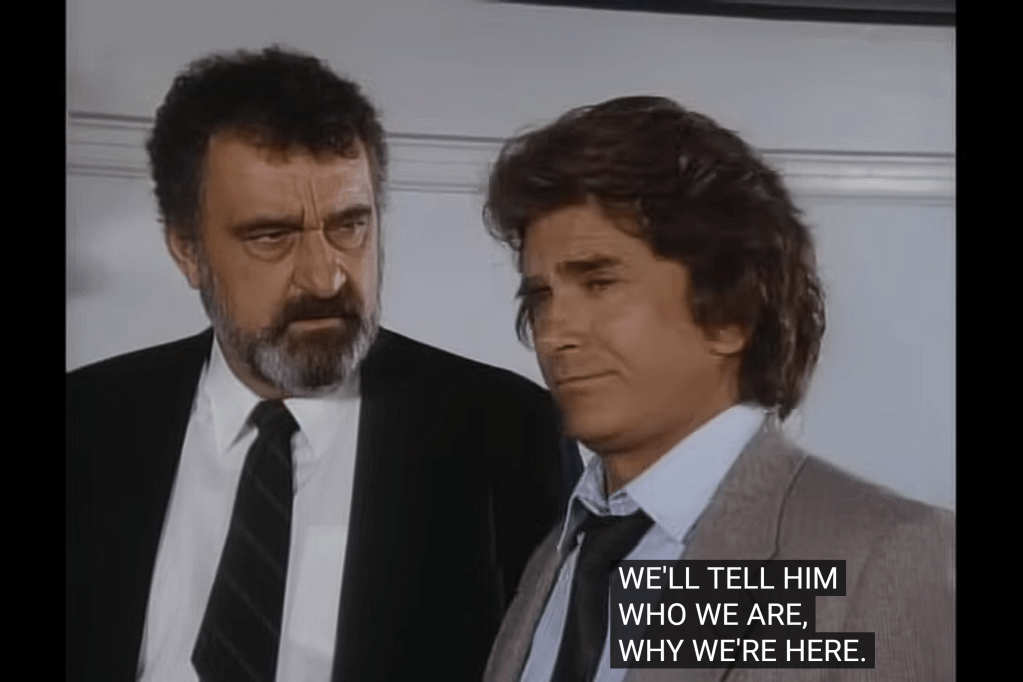
Even Mark was confused for a moment. He probably thought that it involved taking him straight to Hell for one day.
Although “direct approach” was the exact same words used by Mark one episode ago, to talk about the angel revelation. But this time it doesn’t work either.
Anyway, it doesn’t work either and they are just rebuffed the exact same way it happened to Jonathan when he first told Mark in the Pilot.
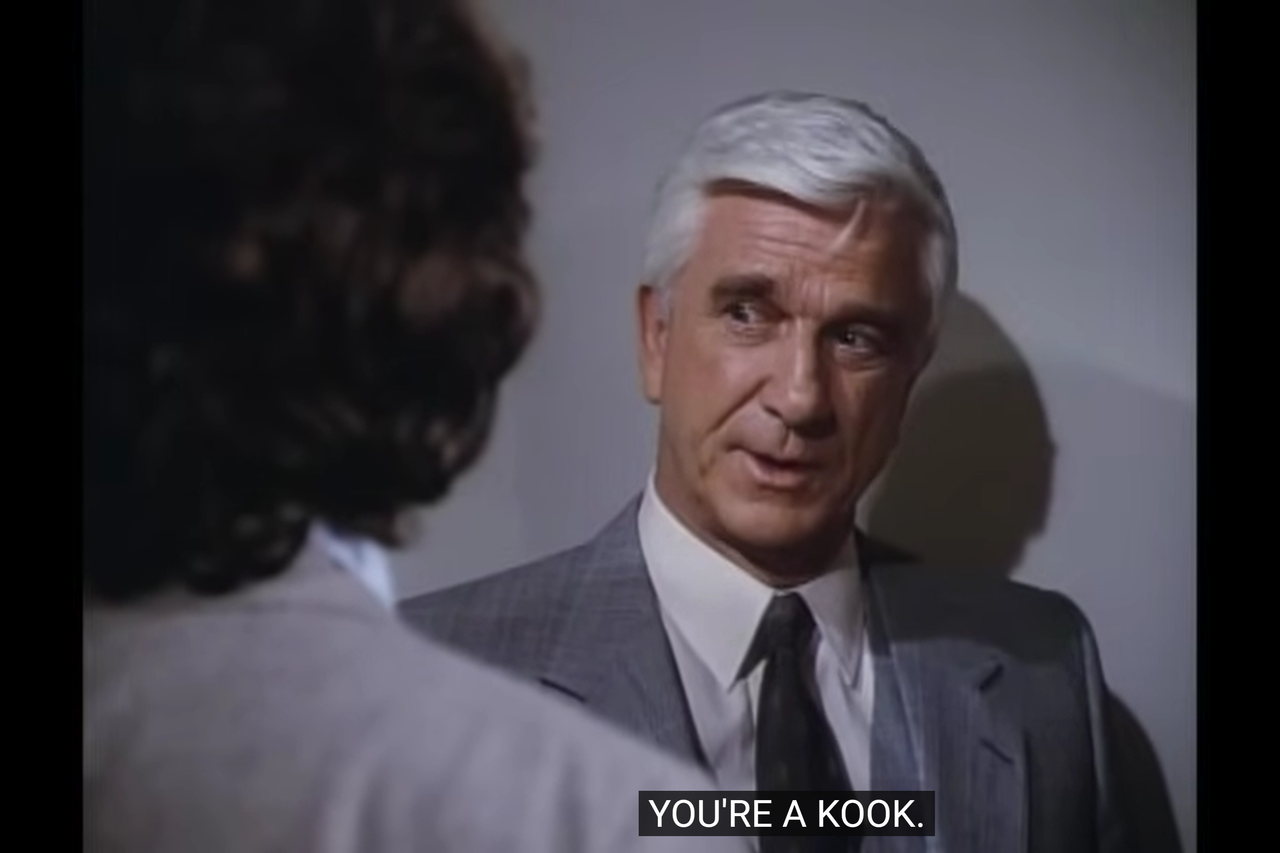
They all think the same way.
But the assignment takes a different direction when Benson is shot dead during the night (evidently, Jonathan and Mark were not properly doing their job).
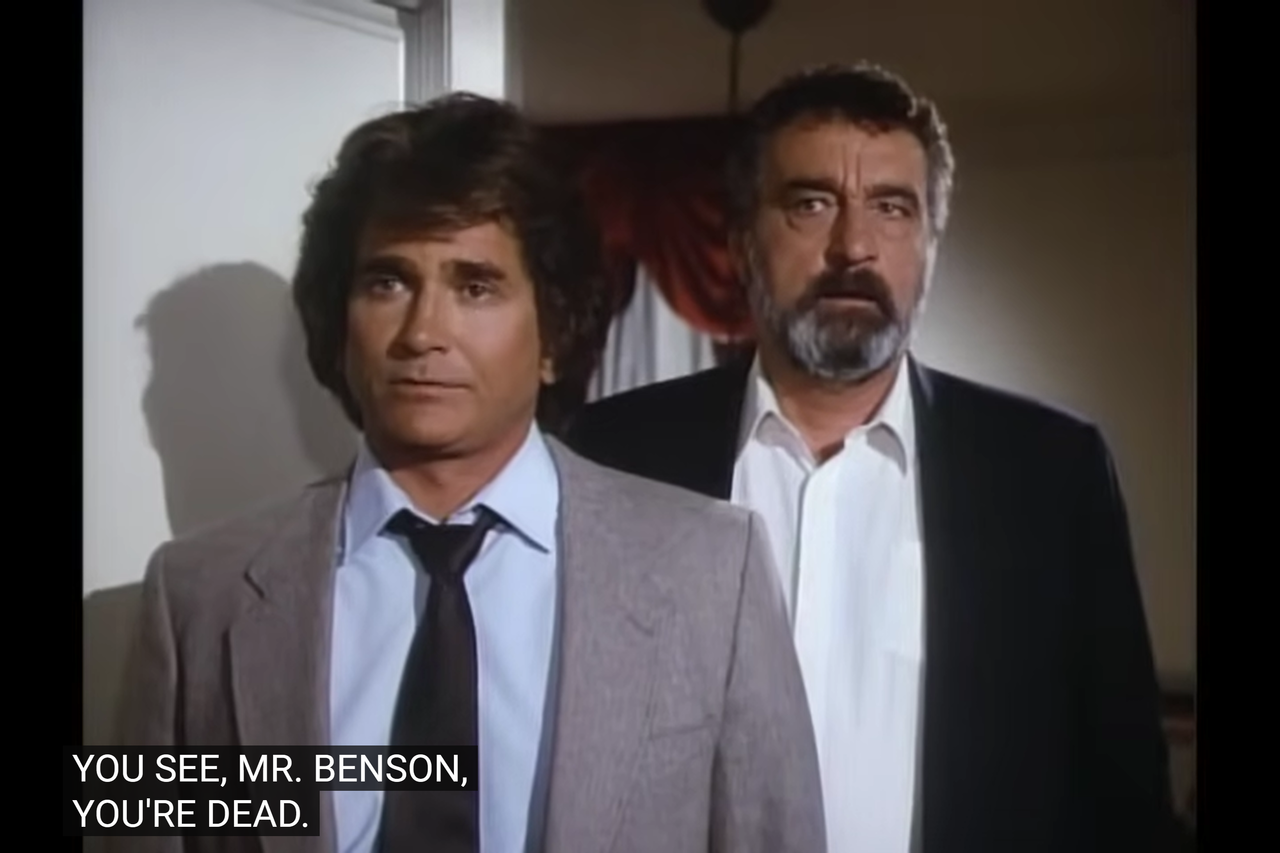
So, as he awaits judgement, he is shown what the lives of the people he has been corrupting are like.
If this sounds familiar, it’s really just another take on that book: a helpless cause, two “spirits”, a journey through space and time to learn how to do things better. They couldn’t find anything worthier than that to conclude this season.
And then he’s given the chance to come back to life for one week and set things straight. But he has to be aware that, no matter what happens, he’ll still be killed at the end of the week.
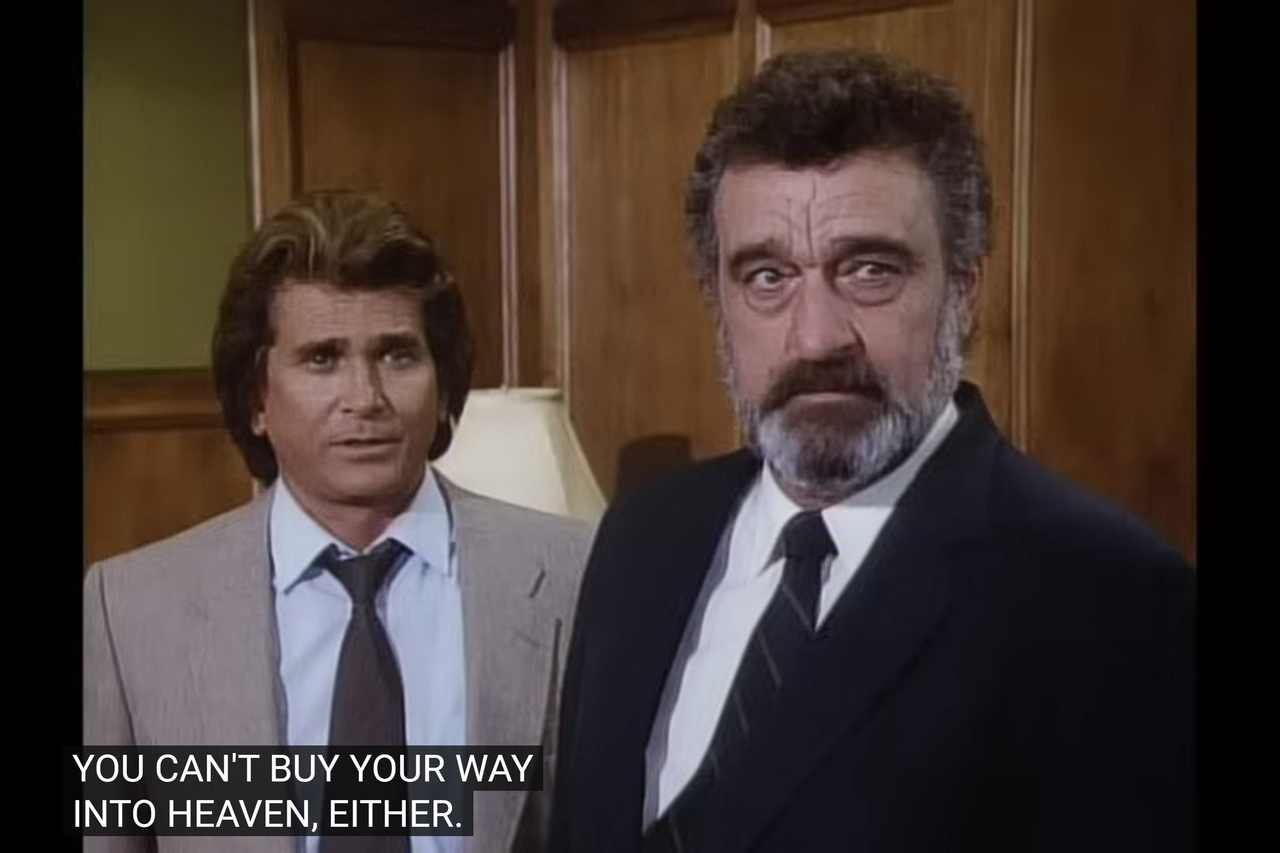
Thus, the first part of the assignment is essentially the Christmas journey—getting the man to realize his wrong ways—but the actual assignment is helping him make up for them, which is basically only the epilogue of that book and of the episodes of this series copying from it.
But the way this deal work is odd: he’s told that he can only live the last week of his life again.
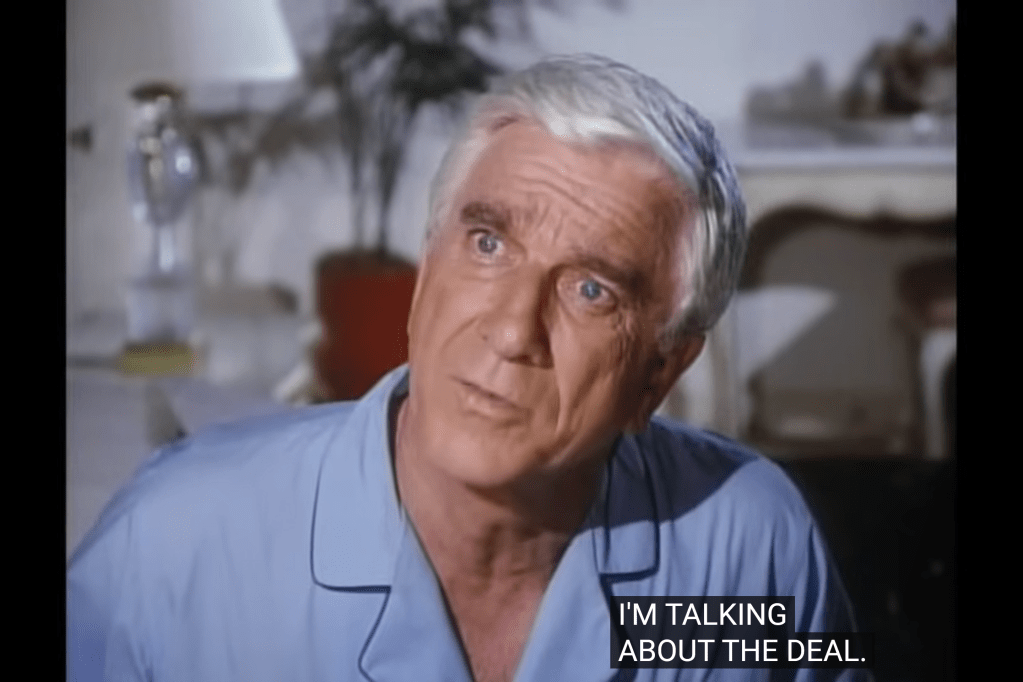
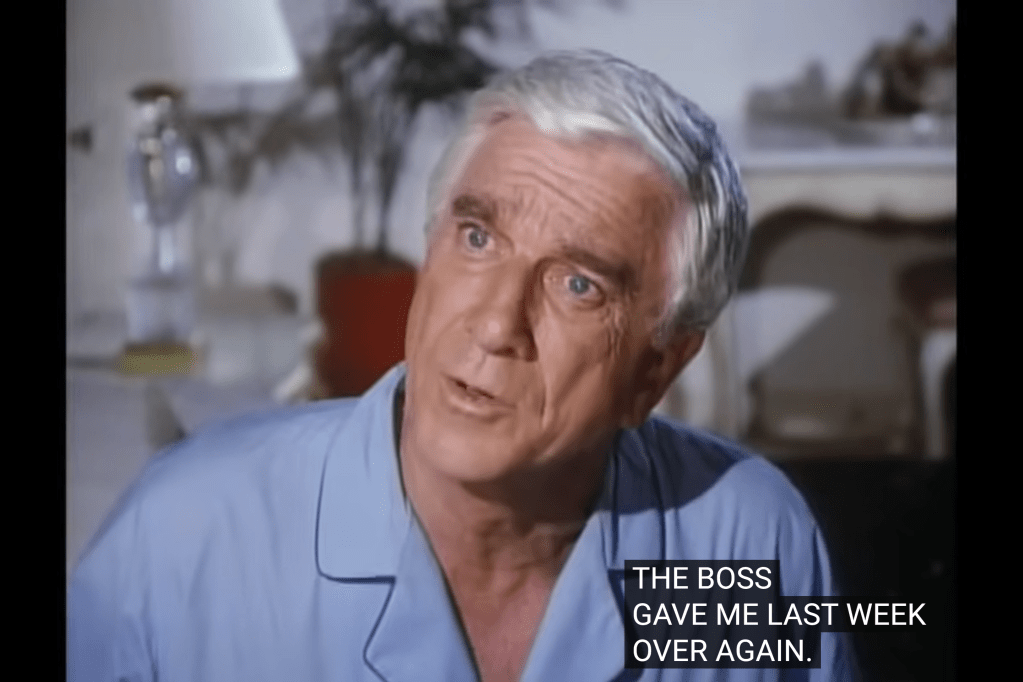
Now, it’s unclear whether he’s traveling back in time to live his last week, or if he’s just resuming from the day of his murder and living one week from that. Either way, he’s told that, no matter what happens, this last week is going to wind up the same way.
However, If Benson truly couldn’t make up for anything, then the entire assignment would be pointless: if he’s given the opportunity to relive another week and learn how to be good—and if he truly recognizes his mistakes and decides to change—then it would make little sense for him to remain dead anyway, since the last week of his life would exist only in his mind.
Instead, it would make much more sense if he could take what he learned during that week and actually apply it in real life, turning those lessons into real actions. And that’s exactly what happens at the conclusion, when it turns out that everything was just a dream and he’s allowed to continue living for some time.
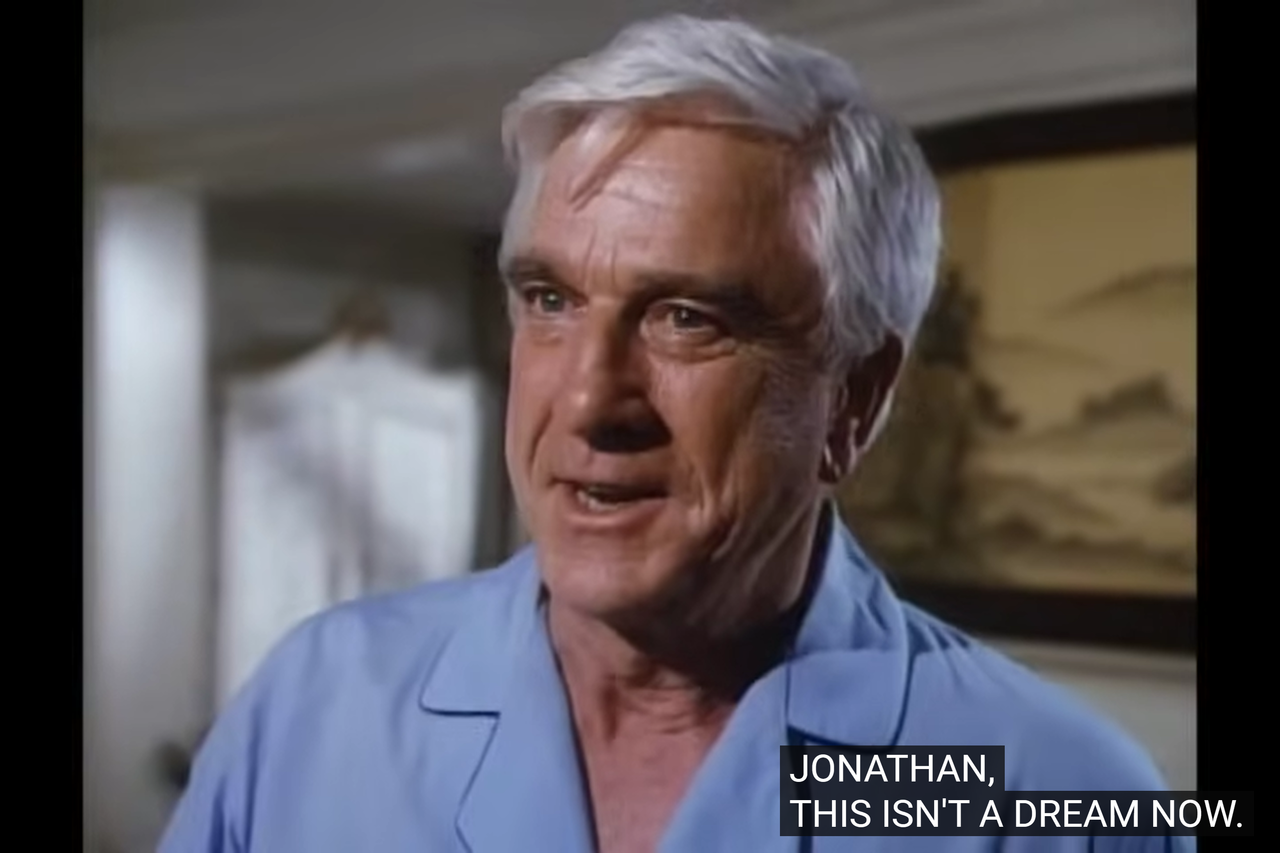
But that was already the most reasonable solution from the start; otherwise, the assignment would have been entirely pointless if he had learned to be better but had no opportunity to put it into practice. Even if the assignment were simply meant to change his perspective, it would feel more like a punishment: making him appreciate life while no longer being able to live it. Unless, of course, the intention were to turn him into an angel. That would have been the real punishment (being forced to work on Earth and never go to Heaven).
- Background
The timespan of the episode is seemingly a week—the week Benson is allowed to live again—but it is actually unclear whether he traveled back for one week, or whether they simply allowed him to live one week longer, starting from the day of the attempted murder, or whether it was a one week long dream. Either way, it turns out it was just one day, according to the rest of the world.
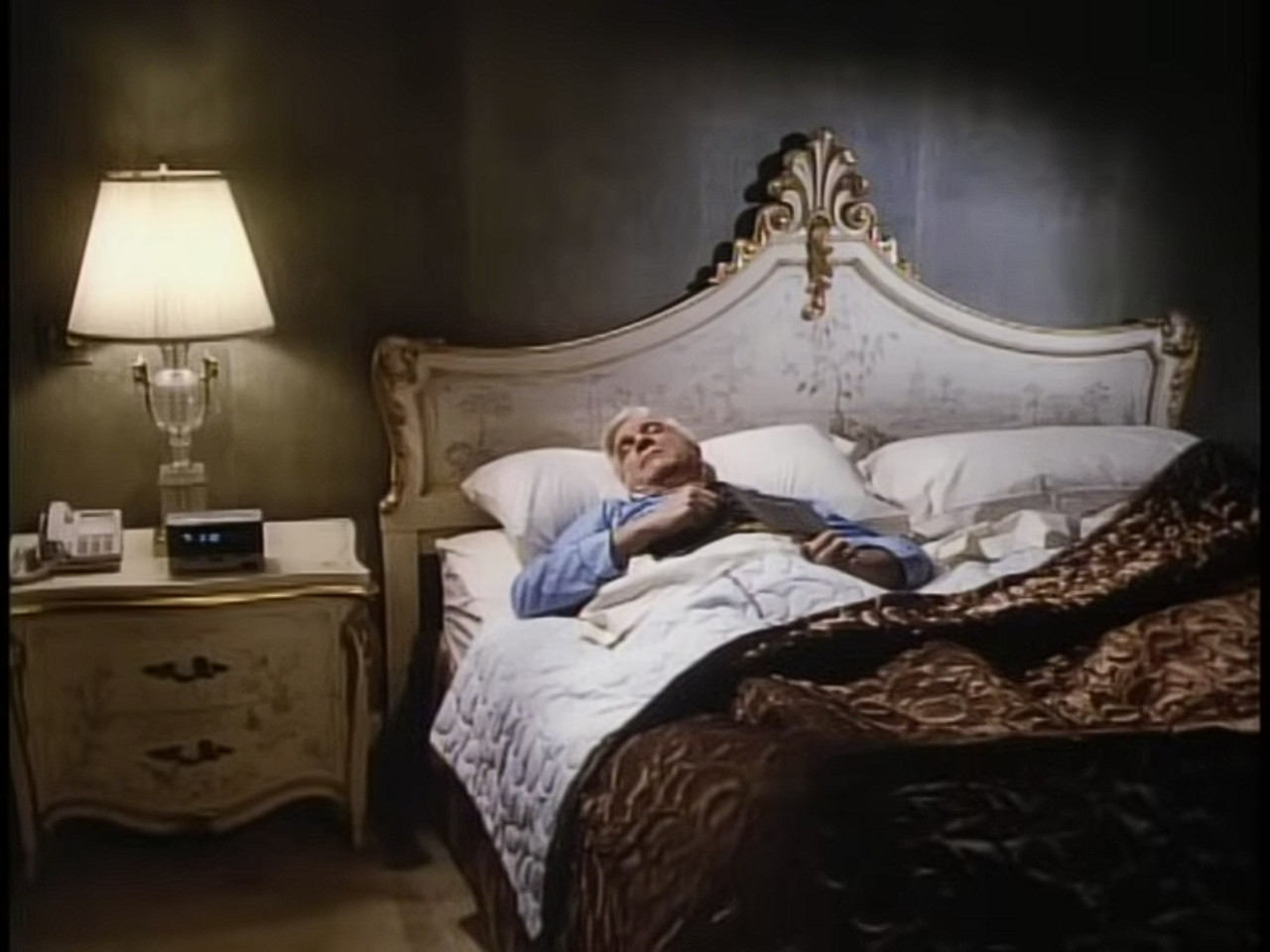
Also, being the season finale, there’s no clue as to when it takes place. In general, it is reasonable to assume this season lasted from summer 1986 until summer 1987, with the exception of one episode (which took place in 1988) and the partial exception of another episode (just in its unofficial cold open).
Anyway, considering that it only lasts one day, it’s plausible that it took place concurrently to something else: although the episodes aired in a scrambled order (more about it here), and this episode might take place in the first half of the season (in 1986), it’s also possible it takes place during the second half. Now, considering that Heavy Date kept Jonathan and Mark busy for two months (when the baby in that episode was due), it’s possible that this episode takes place at some point in late April or early May. Either way, it’s not the season’s last: the episode Man To Man was set in the summer 1987, which makes it the actual season three finale, chronologically at least.
The setting is Los Angeles, nothing unusual.
- Characters
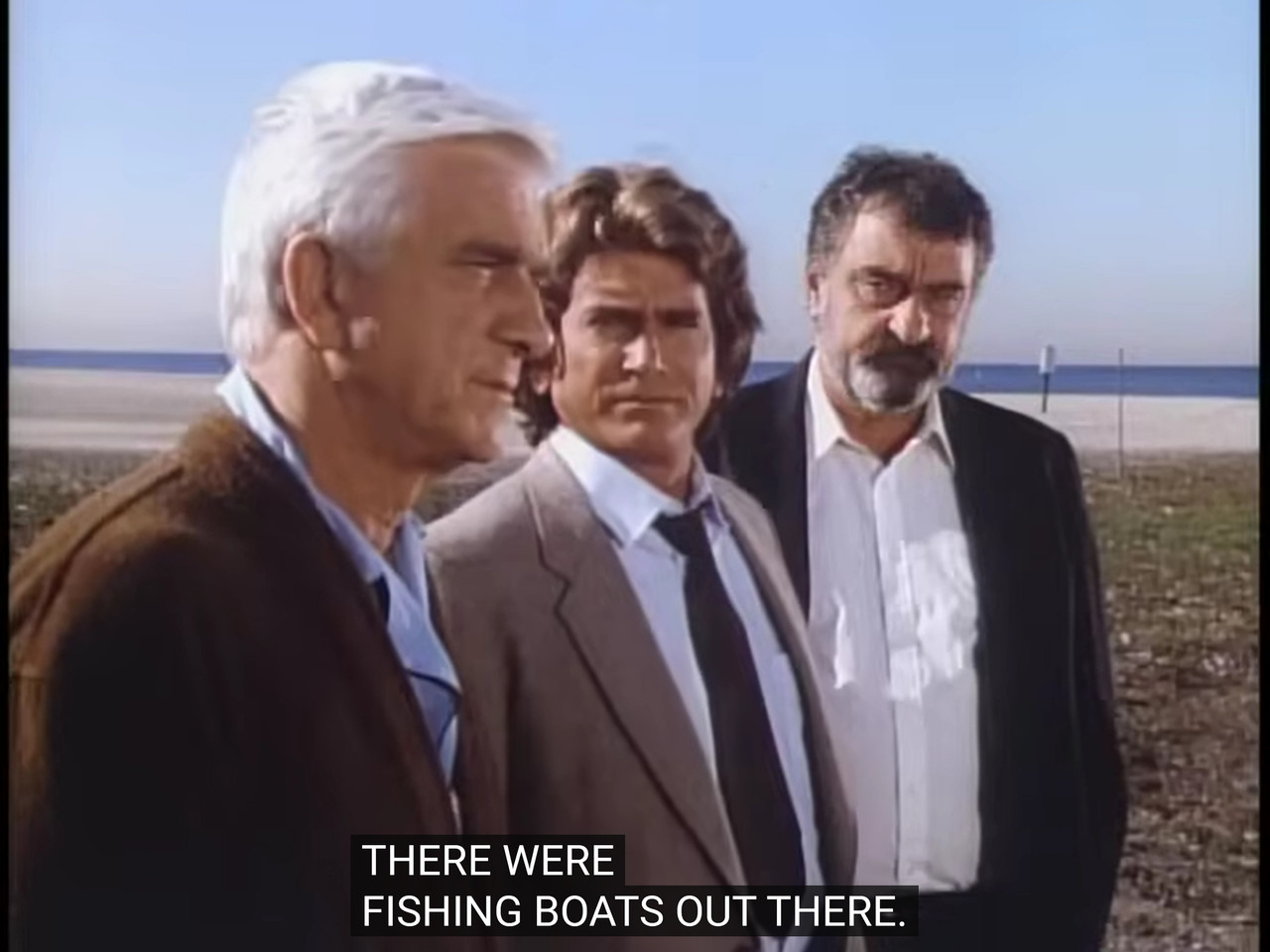
There’s one notable moment for Jonathan: at the beginning of the episode, he goes to a beach and scolds Benson for polluting it and killing the birds there. And then he picks up a dead bird. That’s the second time in the series he touches dead seagulls with his bare hands.
It shows that Landon is really obsessed over pollution (just like drugs and bums), and yet Jonathan can eat sea animals, sometimes.
Maybe he only cares about sea pollution because it prevents fishing.
So that was the point.
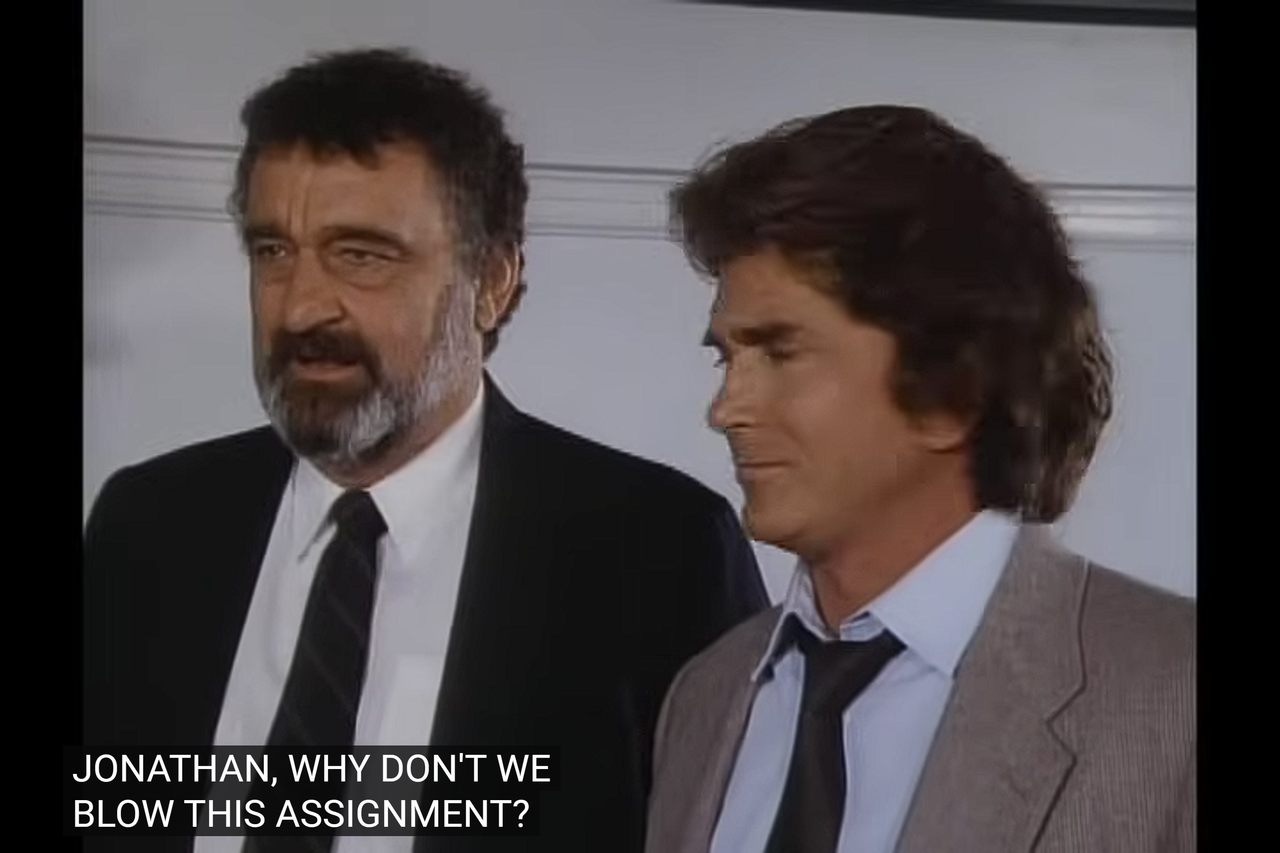
Then, one thing to point out about Mark’s behavior: after spending the whole day with Benson and realizing there is no way to help him, he proposes to Jonathan that they deliberately blow it.
You should know better, Mark.
That would be extremely dangerous: it has already been revealed in the episode Love at Second Sight that when an angel deliberately blows an assignment, the consequence is being stripped of probationary angel status and forced to wander the Earth forever. And Mark wouldn’t want that to happen to Jonathan. At least he’s aware of that.
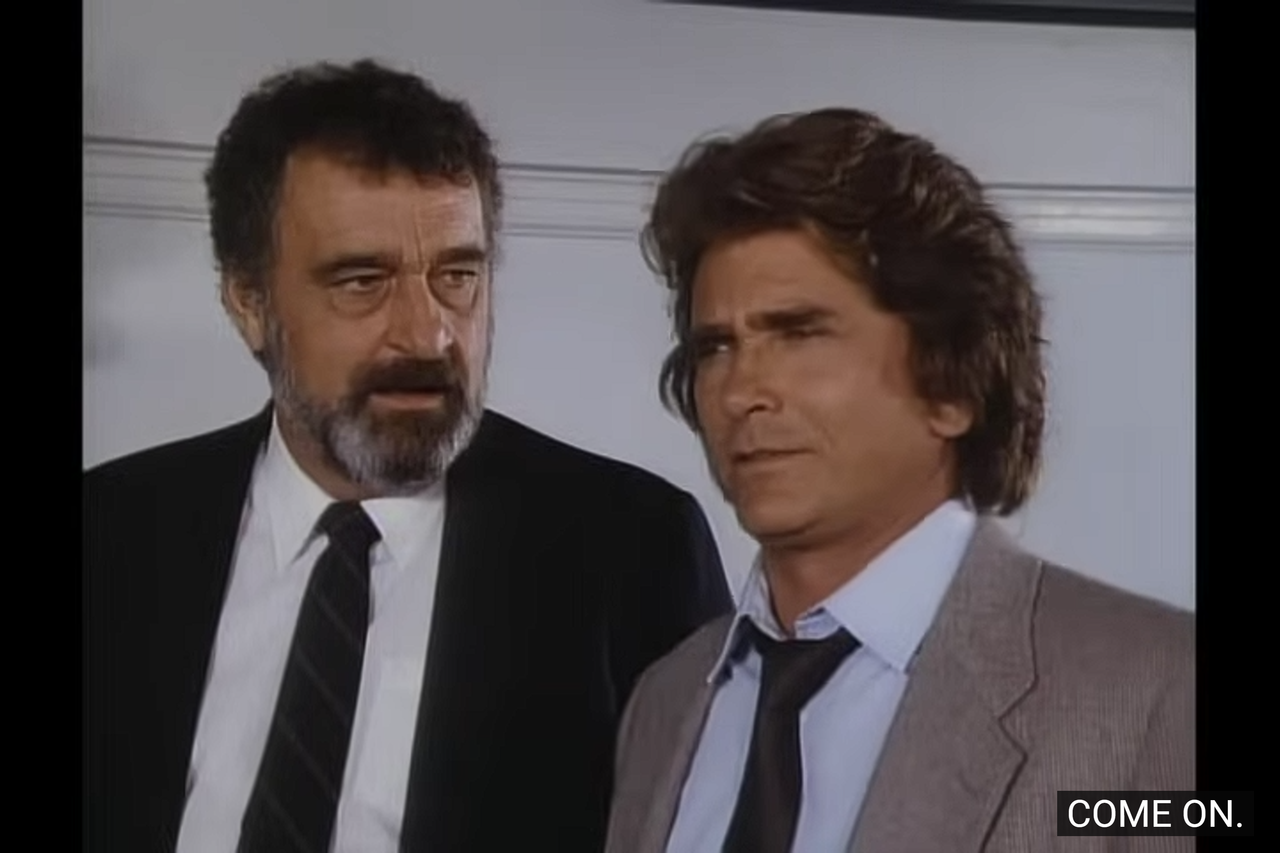
The odd part is that Mark is aware of this: he had proposed something similar in A Mother And A Daughter, when Jonathan was told that completing the assignment would end his probation and allow him to go to Heaven, and Mark wanted to sabotage the assignment to avoid losing Jonathan—and Jonathan reminded him they couldn’t. But now he is essentially suggesting the same thing again.
However, it has been established that Mark suffers from memory problems: for instance, he once told Jonathan he did not like roller coasters and then immediately got on one. He also gets married for a second time this season, apparently forgetting that he had already been married in the season one.
- Production and Setting
As for the production, apparently it was written in February and production took place in the last week of February through early March, just like the season two finale (although this time they wrapped a couple of days earlier). So they finished the first season in late March, the second season about two weeks earlier than that, and the third season even earlier still.
However, unlike what they did after seasons one and two—when they took about four months off before starting the next season on July—this time the fourth season was rushed into production in April due to the impending directors’ strike. Actually, some episodes in season four were written and their shooting schedule compiled even before this one aired, and others were produced the very same month it aired. So, the break wound up being less than two months long for the actors. Curiously, the director’s strike eventually occurred in June, but it only lasted a single day. So, they rushed for nothing.
Anyway, the title in the script is “Gift Of Life”, not “The Gift Of Life”, which is the way it is mistakenly reported (nothing drastic, though).
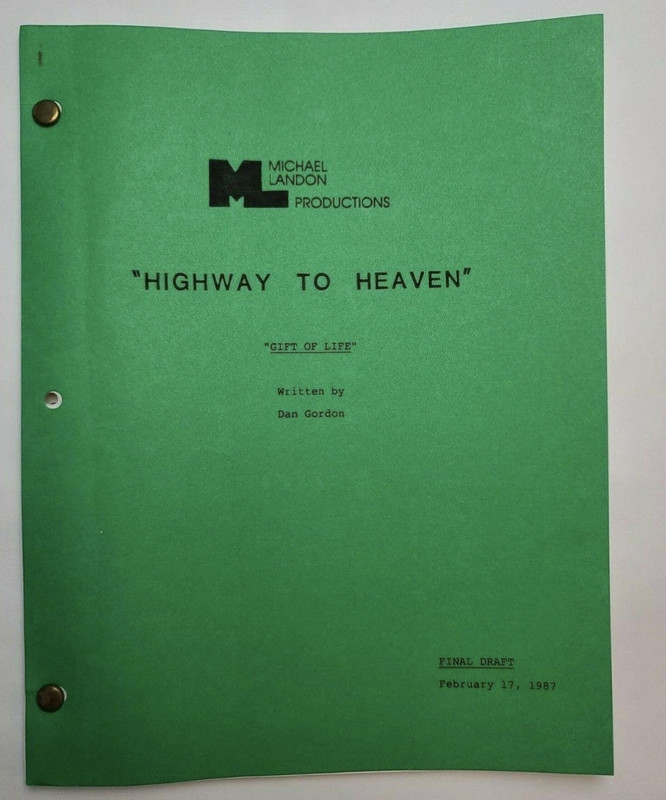
The script has some notable differences Of course, nothing that would make this episode look anything more than a season’s finale, for that matter. But there’s one at the beginning. Apparently, the original script had a longer dialogue between Jonathan and Mark as they drive to meet R.R. Benson, and it was supposed to be like this.
Jonathan and Mark are driving to Benson’s workplace, and Mark is doing the driving. However, he looks quite distracted: when Jonathan asks him what’s wrong, he replies that he was just nostalgically drifting back in its mind to his childhood and younger years. So, he’d start talking about being young, which he considered the time of his life, and concludes by realizing how fleeting time is when you grow up and remarking that people should appreciate life more. Then, he quickly brushes off his thoughts and asks Jonathan where they are headed, so Jonathan introduces the assignment.
Basically, this part was meant to anticipate the lesson they were going to teach Benson.
However, this part was skipped, and the episode abruptly jumps on to the last part of the dialogue , when Mark asks where they are headed and Jonathan talks about was they are going to do—completely removing how they started talking about it.
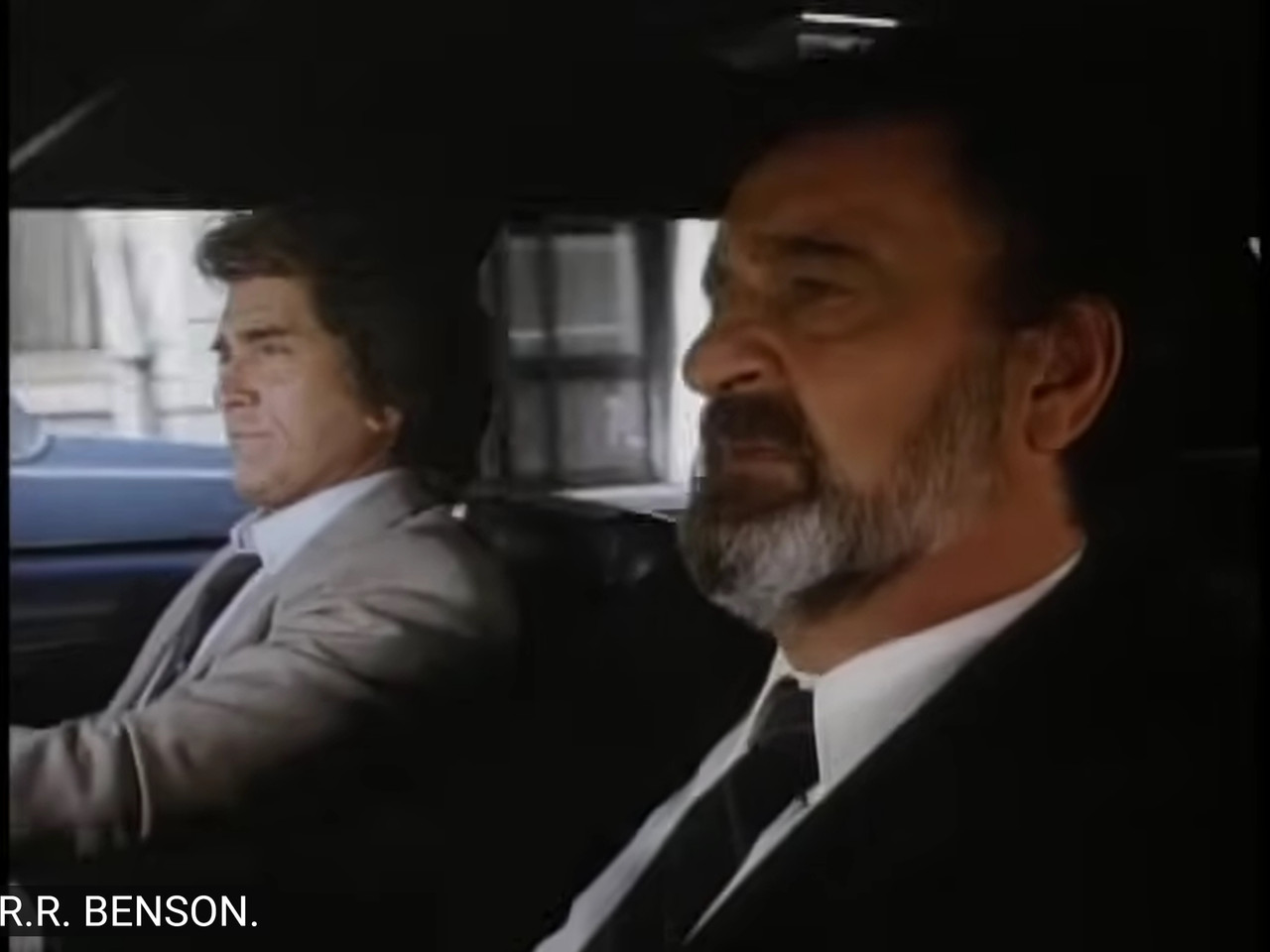
The odd part is that the dialogue was actually shot (it’s part of the original shooting schedule), but it was just cut from the final episode. And, the even more peculiar part is that it was not a matter of runtime: this episode lasts 48 minutes, and the shows can get up to 50 minutes in the original network (then, when they go to syndication, they have to be 44 or 45 minutes long, which means they always have to remove at least one scene, but that’s just for the syndication). So, this dialogue was presumably less than 1 minute long, so it wasn’t cut because the episode would have been too long. Maybe they just realized it felt random and rather pointless. (On a few occasions, the episodes begin with Mark reading the newspaper and talking about something that might or might not be related to the assignment, but this time it probably felt too random.)
As for the setting, the setting is Los Angeles and its surroundings. In particular, the fictional Benson’s office is actually the Standard Oil Building in Downtown L.A. (they changed the name to “The Benson Building” for this episode).

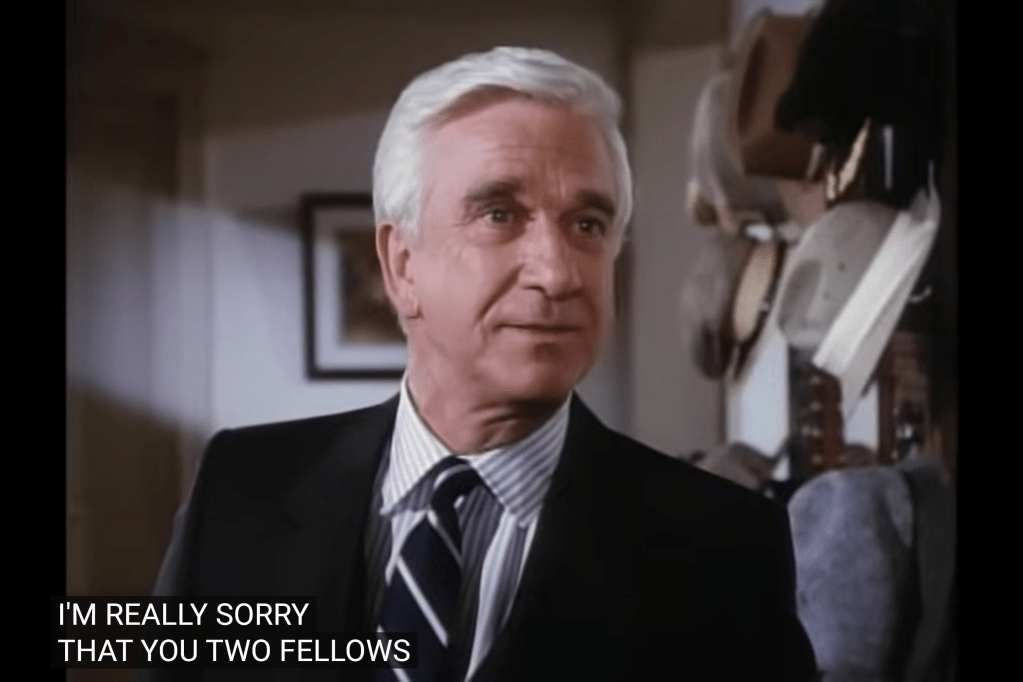
So, a guy named “R.R.” operating in the “Standard Oil” building: this looks like a play on “J.R.” from a soap airing at the same time as Highway. Although R.R. in this Highway is played by Leslie Nielsen, who had no ties to that series.
While the polluted beach is in Santa Monica—and it looks like the same beach used in a season two episode (though maybe they are not).
- The Stuff
The assignment takes a different direction when Benson is killed during the night (evidently, Jonathan and Mark were not properly doing their job). He is then shown what the lives of the people he has been corrupting are like, and the journey concludes with Benson exclaiming that there must be a reason for it.
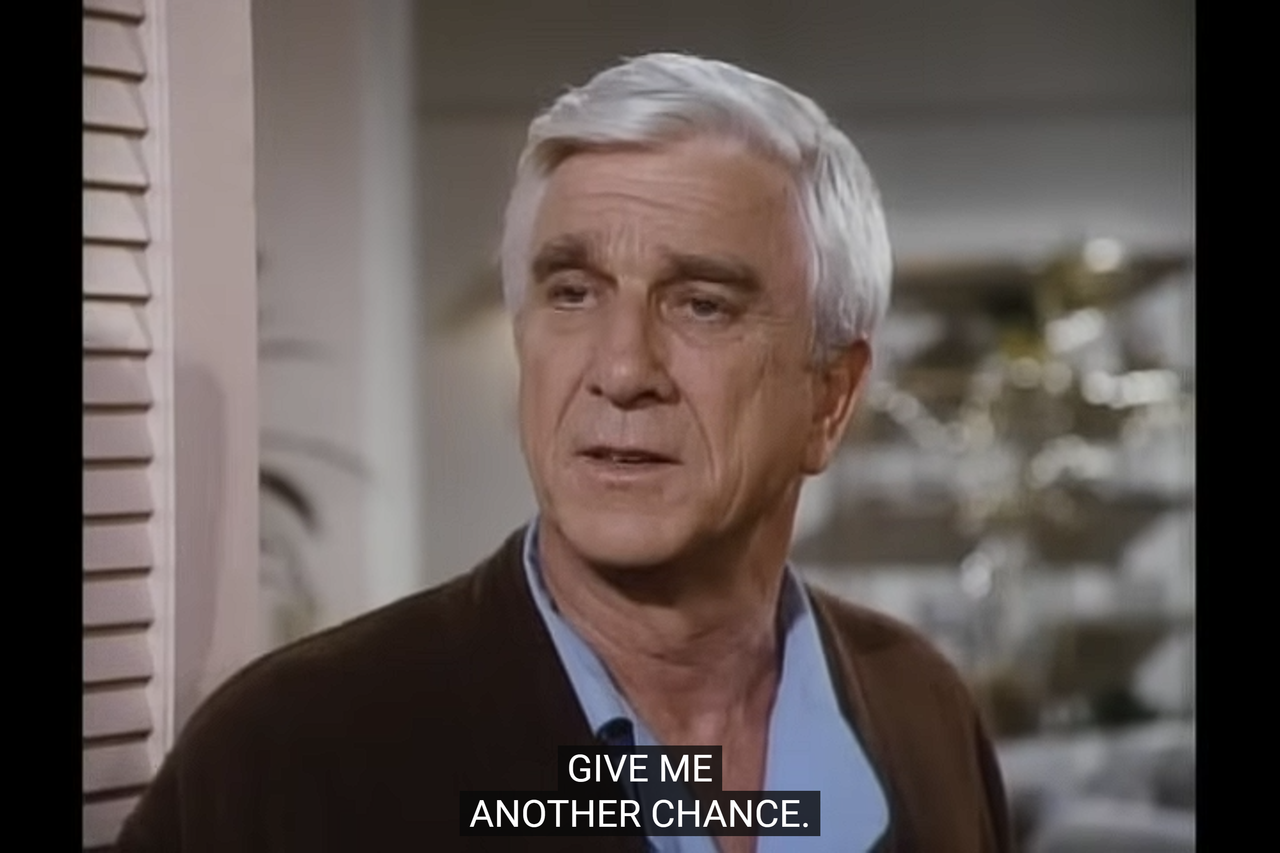
Of course, it is the same line used by Eddy in the Christmas Special; however, this time Benson is actually given the chance to make things right. The only difference is that Benson is probably more cunning, and his selflessness won’t degenerate into reckless spending (at least not so rapidly as Eddy and the banker and Mark).
So, Jonathan and Mark enter into that man’s dream. It’s the eight time in the series they play sandymen into someone’s dream: it occurred twice in season one, for the Christmas episode (in Eddy’s) and Going Home, Going Home (in Mark’s), twice in season two for To Bind The Wounds (several people’s) and Heaven On Earth (Mark’s, again) and three times in season three, Love And Marriage (Mark’s friend), Jonathan Smith Goes To Washington (a senator) and A Mother And A Daughter (a woman). In this episode, most of the assignment takes place inside Benson’s dream. In a way, it’s more similar to Eddy and Mark’s dream invasion (both times the entire episodes took place in their dream) than the other episodes (in which the dream part was just for one scene, or wasn’t as prominent as here).
But there’s one important detail here: when the week is over and Benson is about to get shot, this time he’s saved. But, apparently Jonathan and Mark have no memory of Benson’s dream afterward.
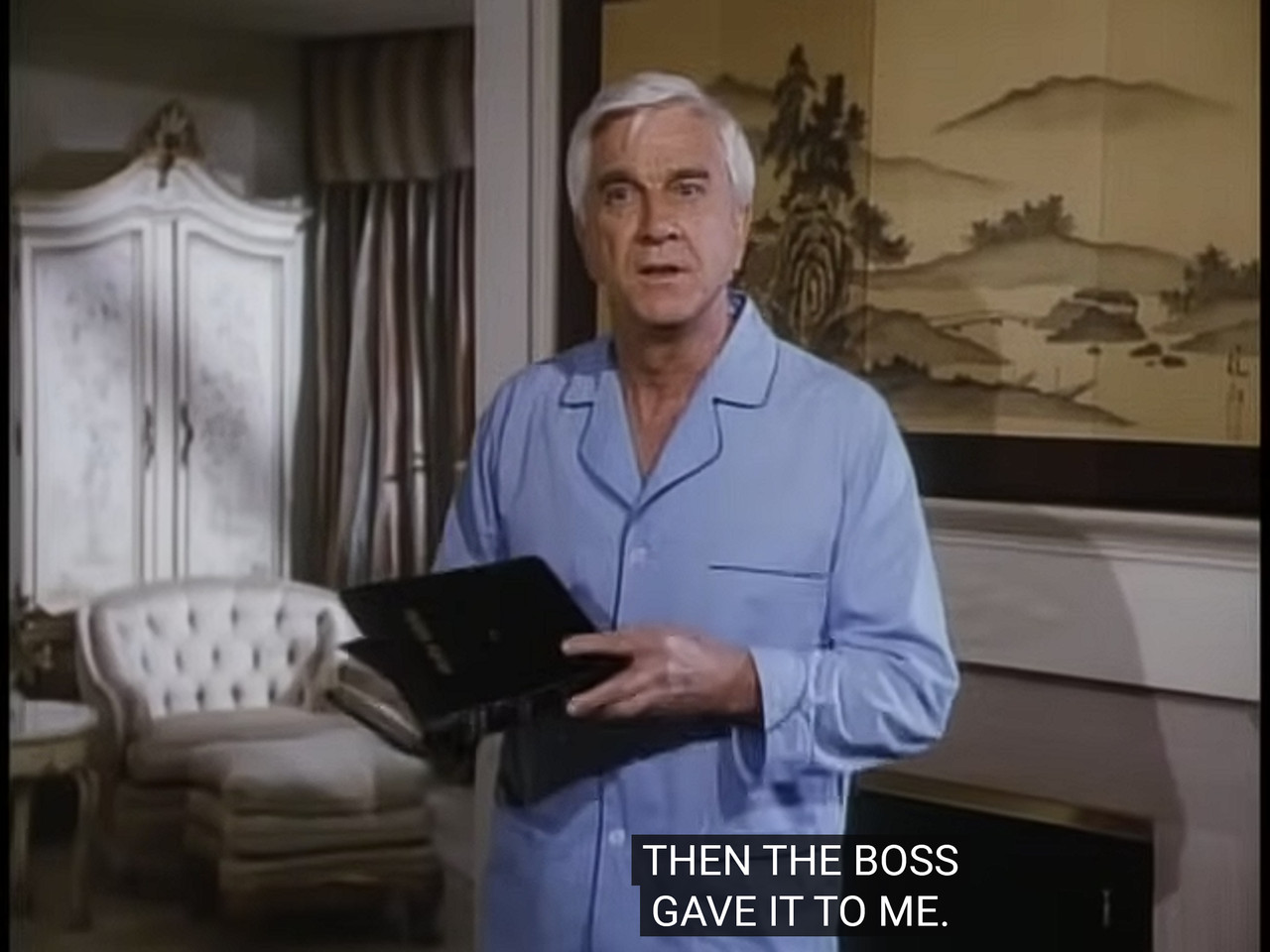
This is similar to other occasions when Mark cannot remember events that occur while he enters someone else’s dream using Jonathan’s powers. This seems to confirm that whenever someone enters another person’s dream, everyone—except the dreamer and whoever decided to get inside the dream—forgets about it once the dream ends.
The curious part is that now even Jonathan doesn’t remember the dream. However, as he had explained, it wasn’t his idea to get into Benson’s dream, nor did he use the Stuff to make it happen—but the superior decided to give Benson the dream. So perhaps that explains why Jonathan can’t remember anything about it, and it confirms that if people invade someone’s dream on behalf of someone else, they won’t remember it. Even though inside it they are fully aware of it. Which means they are being manipulated by whoever put them in the dream in the first place.
Glossary:
Angel Revelation: they do it to R.R. Benson at the beginning, as part of the “direct approach” described by Jonathan.
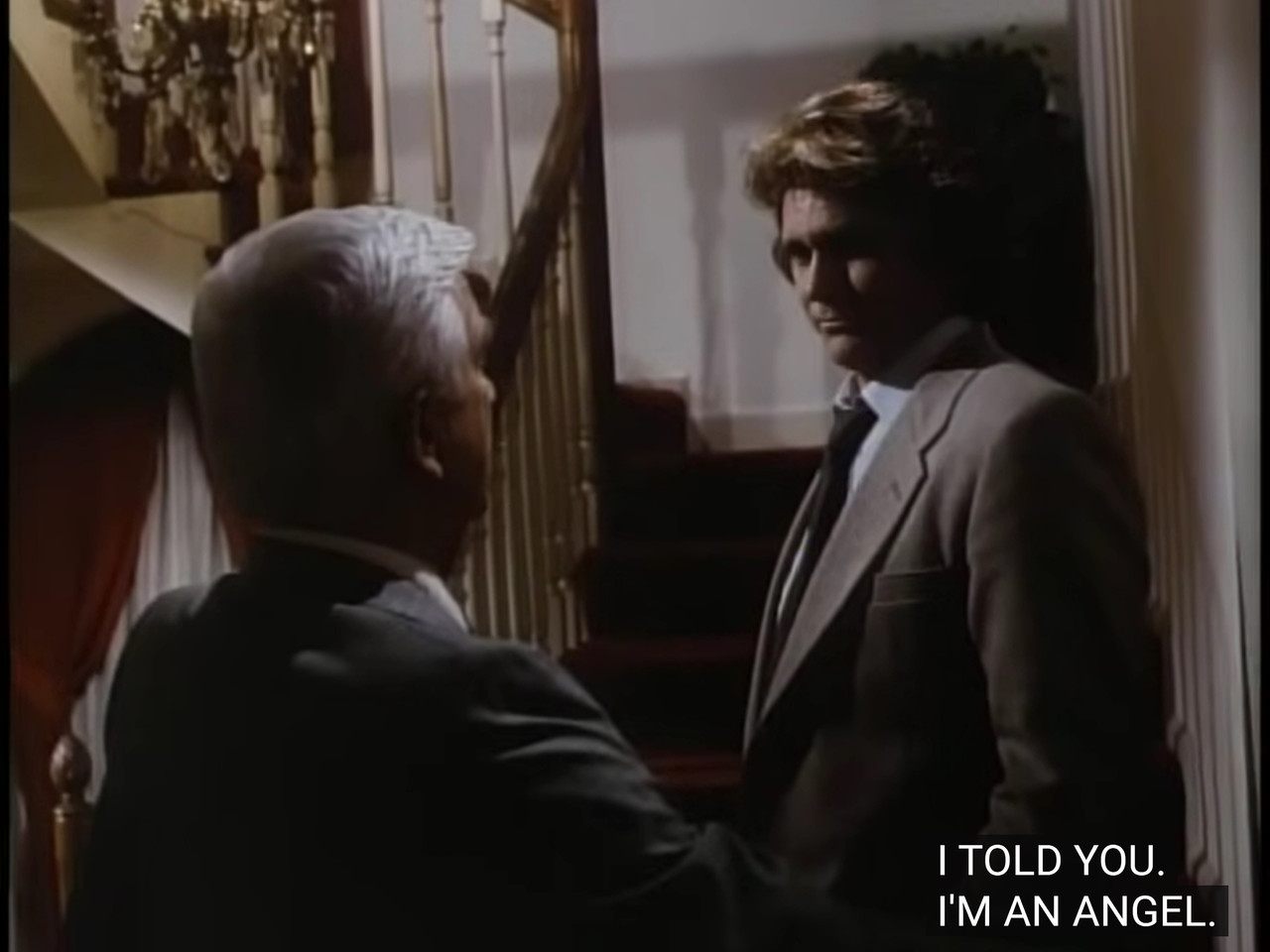
Curiously, Jonathan only tells that he’s an angel, but never specifies that Mark is not (unlike basically any other episode where Jonathan reveals his identity). So, Benson will probably go on thinking that Mark is an angel too.
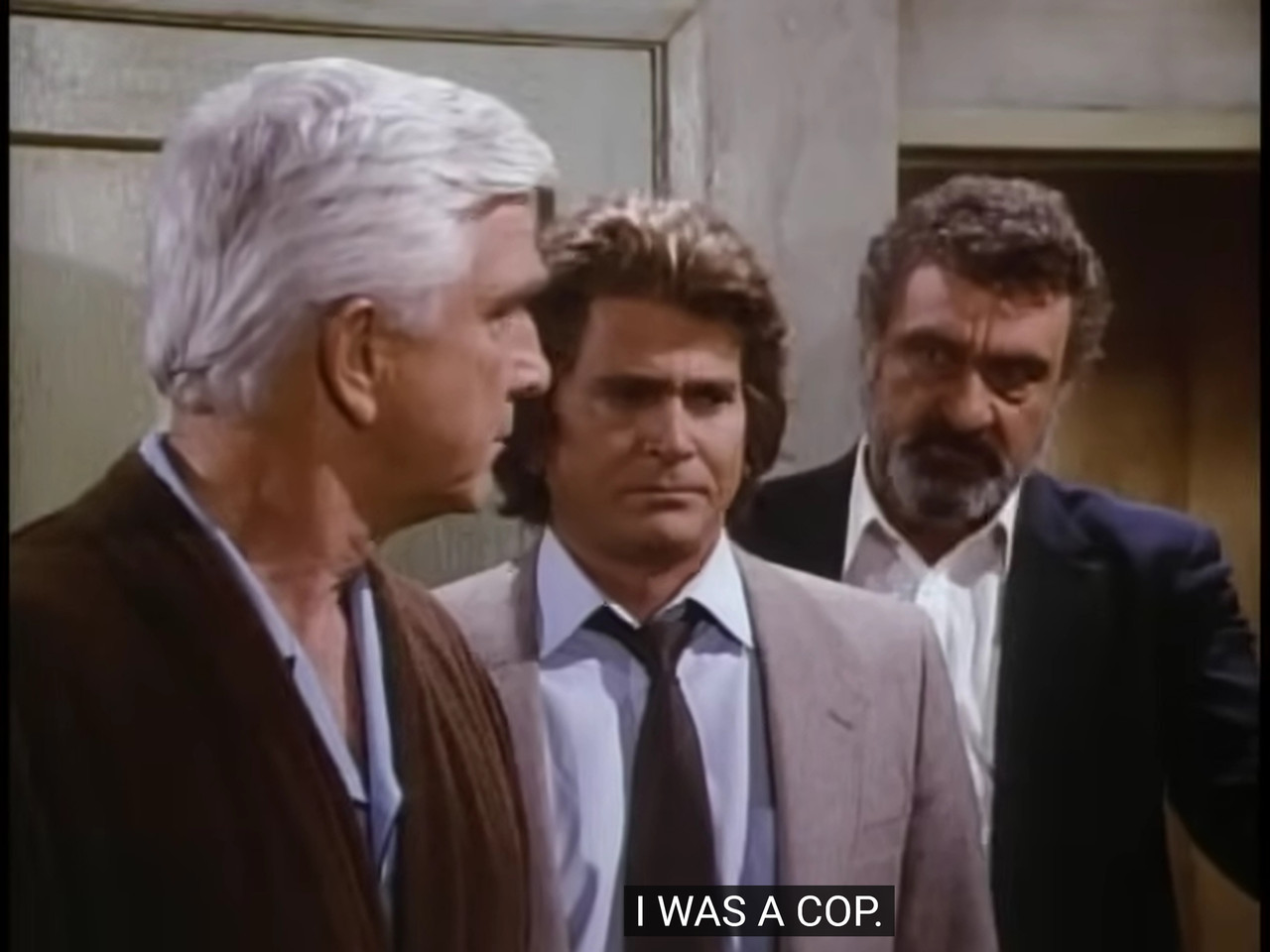
You mean before you became an angel?
Also, Benson naturally does not believe Jonathan and orders him and Mark to leave the house or he will call the police.
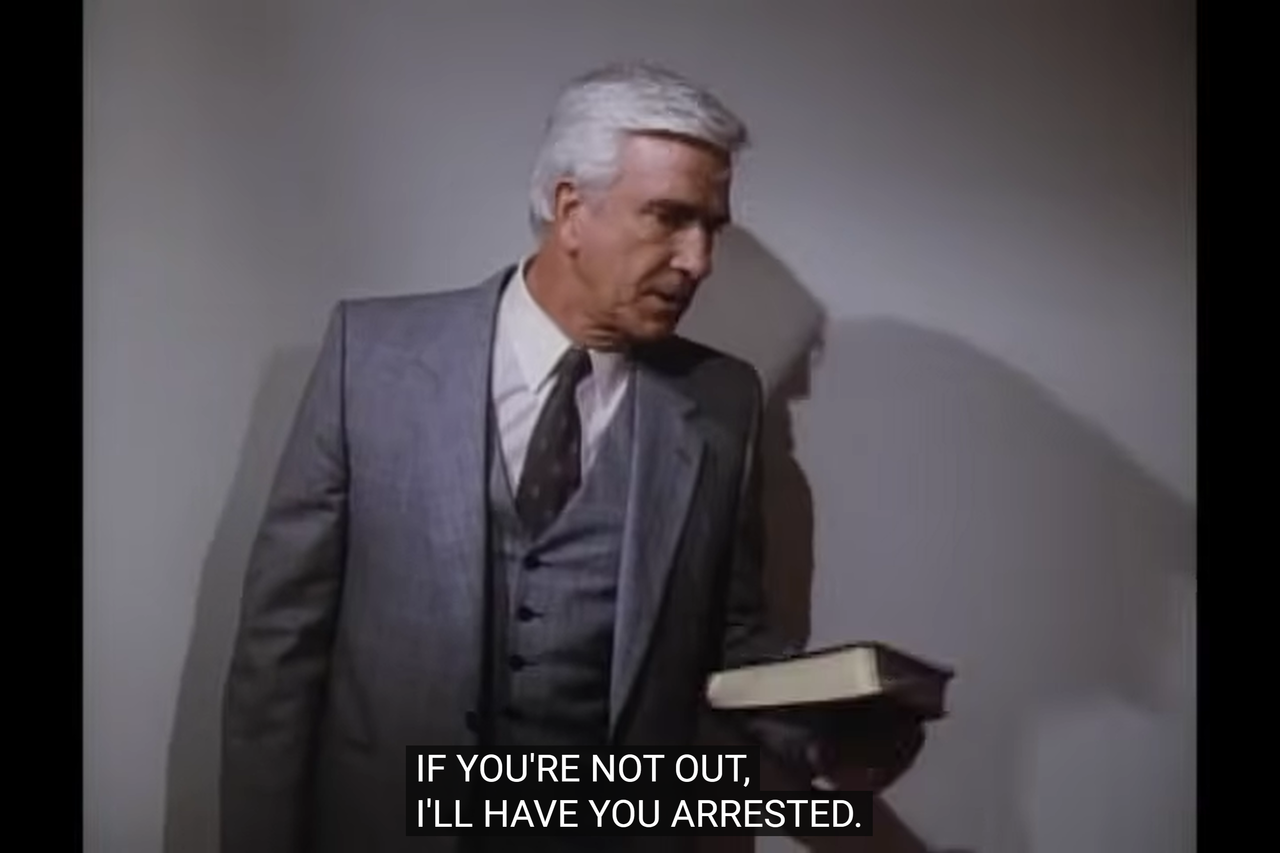
And they’ll arrest you.
Jonathan and Mark have witnessed him all day as he bribed people: they juts know to much to let them walk away like that. If they were simple bodyguards, they could easily retaliate by exposing his bribery to the authorities.
Again, maybe allowing them to stay around would not have been a wise idea. Of course, Jonathan is an angel and would never respond that way.
Bins: it’s part of the assignment, although as pollution.

Keep in mind that pollution is one of the three Landon’s obsessions. That’s probably the reason he decided to conclude the season with this episode, which is about something he feels particularly dear.
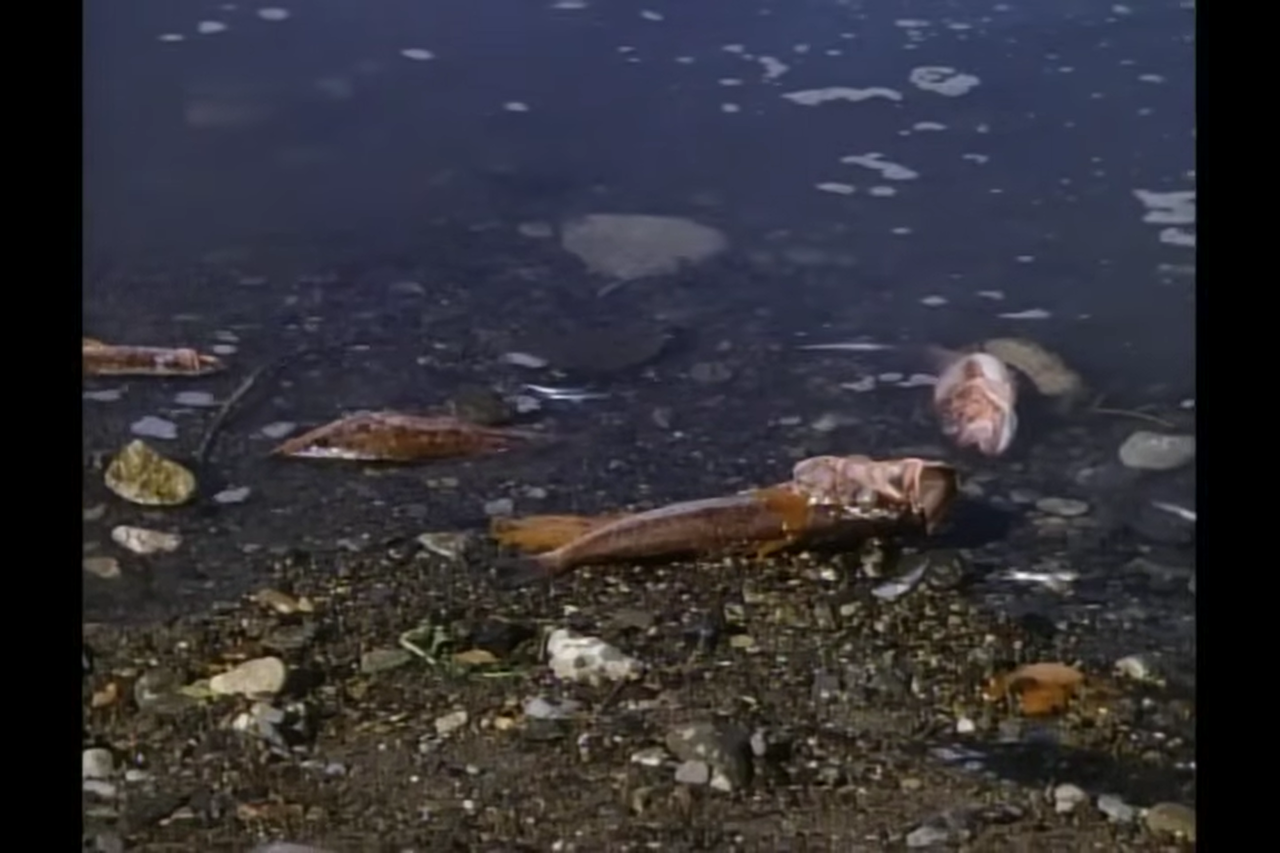
Actually, this entire episode might feel like a season finale because they included bins and pollution, which is one of Landon’s recurring obsessions, and the tenants Benson encounters are portrayed as bums, another of his obsession.
Car: at the beginning of the episode, Mark just parks his car right in front of the entrance to the R.R. building.
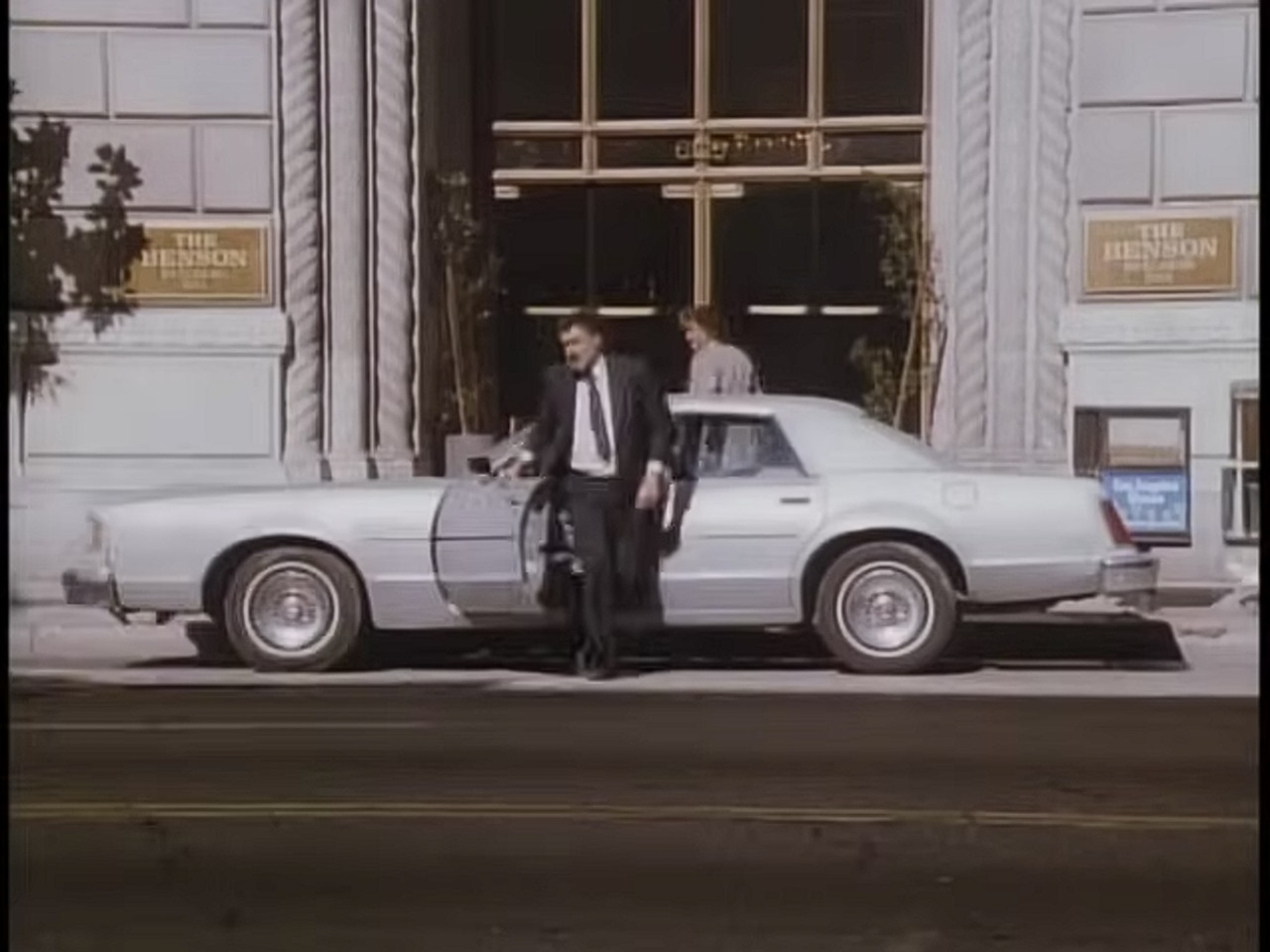
That’s most certainly not a parking spot. And no other car is there.
But it’s not the first time he does that: it already happened in The Hero, and A Night To Remember before that.
Highway Of Mysteries: many features of this episode are to be considered mysteries, in a way. Starting from the angel revelation: when Mark believes that R.R. is a lost cause, he tells Jonathan there’s no way they can handle this assignment.
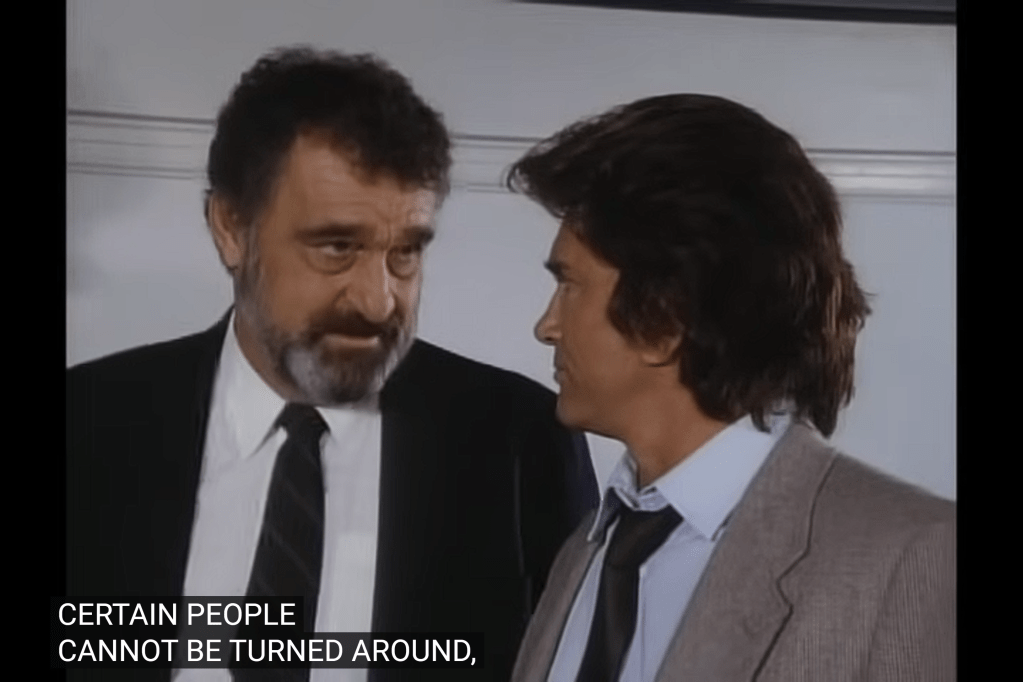
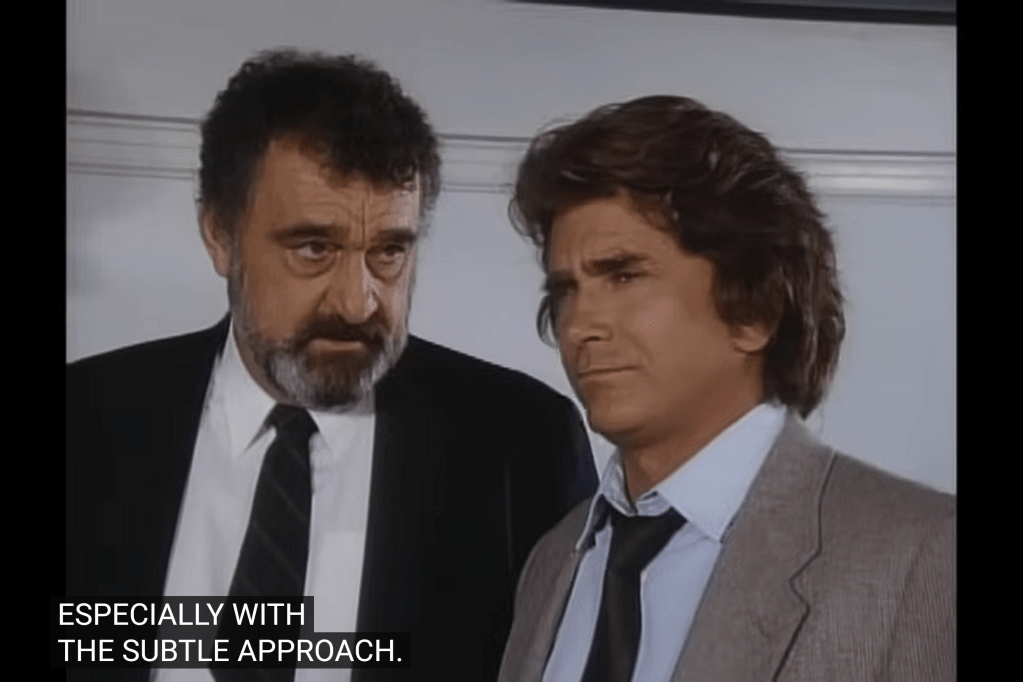
Now, that seems to imply that the “direct approach”, or the angel revelation, is more efficient. However, if that were the case, then why wouldn’t they drop it in every episode of the series, instead of going with the “subtle approach” and using a firmer hand with the angel revelation just in cases like this. One way, to answer that would be that the “angel revelation” is somehow forbidden, or it’s something extreme that angels shouldn’t be allowed to use (which is reasonable, as in the first season they almost never did it). But then they overlooked this rule in the following seasons, because they’ve been dropping one in practically every episode now.
Another mystery is in the timespan of the episode: apparently Jonathan and Mark only meet Benson on the day he is shot. Yet when Benson is brought back to relive the final week of his life, the story begins on the day Jonathan and Mark are hired.
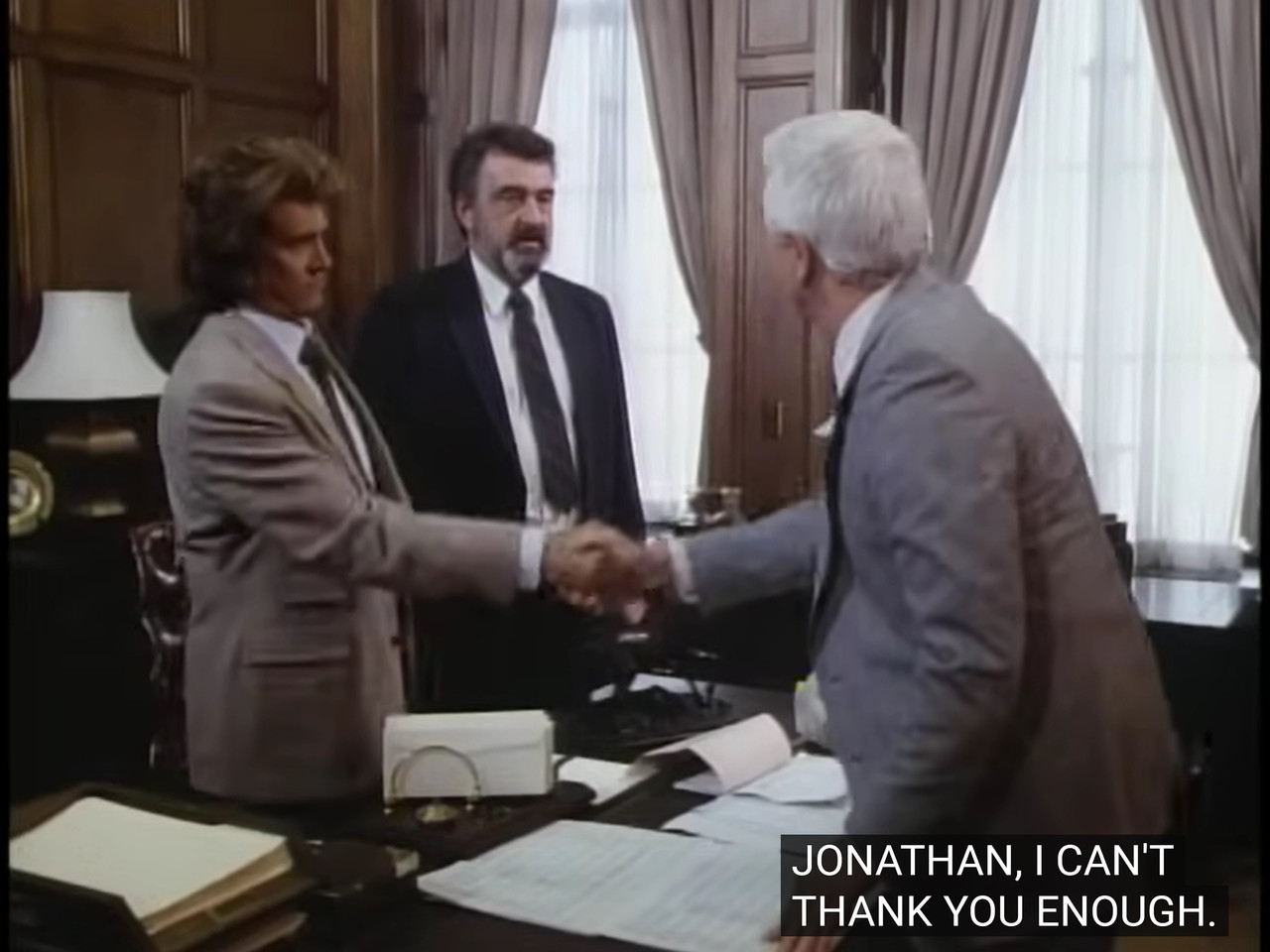
This is impossible: if they were hired on the day he was shot, then Benson reliving the last week of his life would mean he should not meet them until the sixth day. One possible explanation is that Jonathan misspoke, and Benson was not actually given the chance to relive the last week of his life but rather to postpone the moment of his murder by one week. However, that is not how Jonathan explains it.
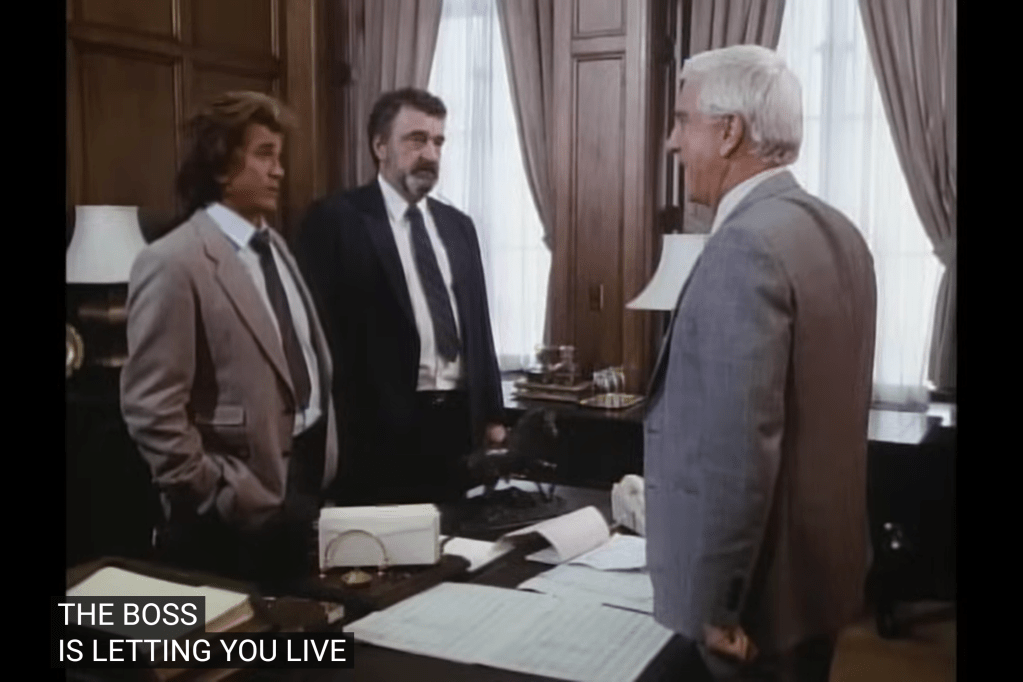
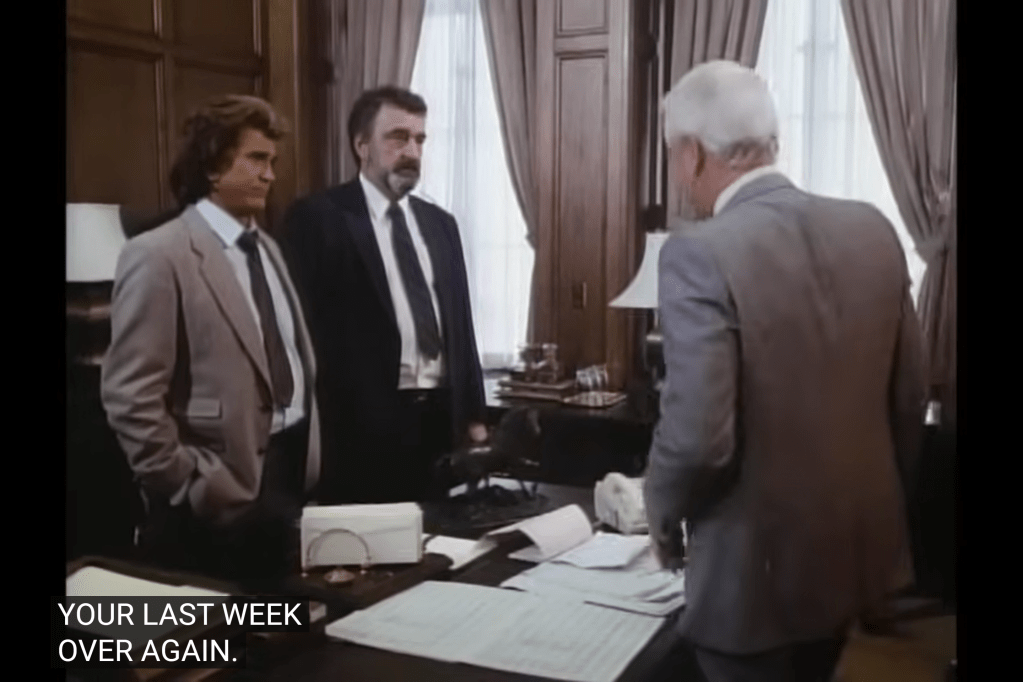
Then you shouldn’t be here.
Even assuming Jonathan and Mark somehow arrived a week earlier—or that they just postponed the day of Benson’s death, or perhaps because that week is treated as an exception in Benson’s life—the other characters should still behave exactly as they did the first time while Benson was still alive. Yet that is not what happens: for example, the bribed senator now refuses the money, unlike what he did earlier.
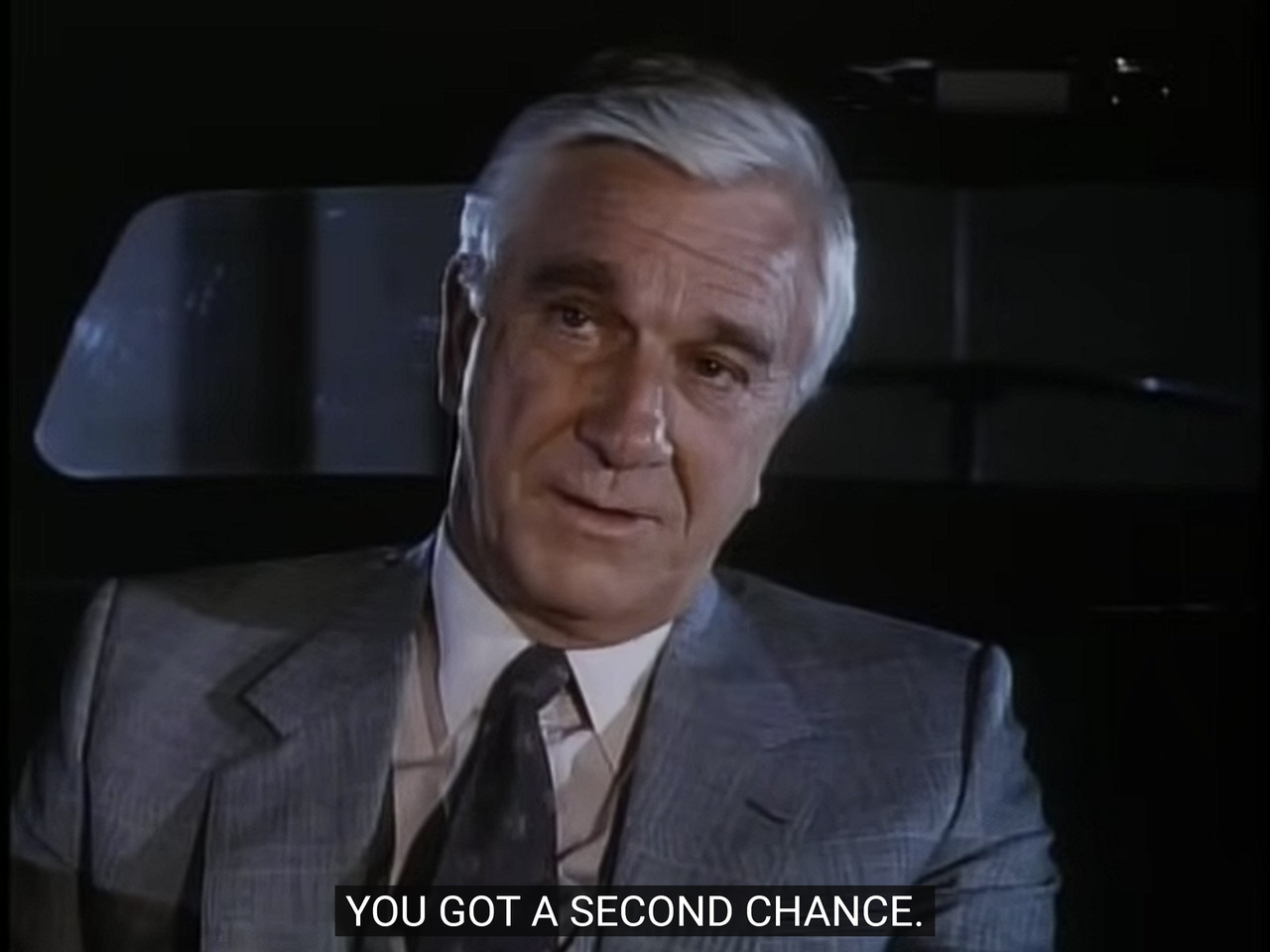
So, maybe it isn’t a literal repetition of the week but something more symbolic, as several events unfold differently from how they originally occurred. But maybe they are just in a new reality.
One last mystery is at the conclusion: Benson actually receives a second chance to keep living and do good from now. However, it’s unclear whether he has truly learned from his mistakes or if he is acting only because he wants to save his soul and ascend to Heaven. If that’s the case, it would be quite selfish and would show that he hasn’t really learned anything. But that wouldn’t be very different from Jonathan himself working through assignments simply to ascend to Heaven rather than out of genuine selflessness.
This problem becomes apparent when Benson is first shown around right after being killed, and before he’s put back in the last week of his life: during the journey to see the people he has cheated, he makes disparaging remarks about everything (he says that he’s just polluting a piece of the planet, that tenants are not forced to live in his apartments if they don’t like it).
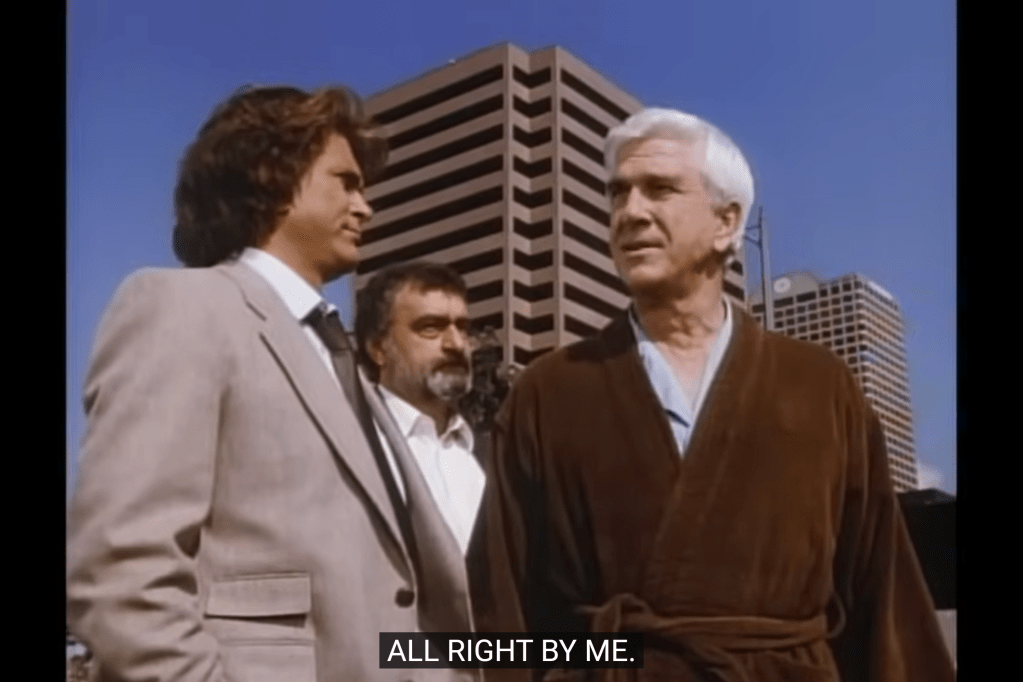
And he only changes abruptly at the conclusion, when he discovers that the woman he loved doesn’t actually love him and was only using him for his money (which is actually something even Mark has already learned by now.) Anyway, Benson only resolves to act when she tells her lover that she plans to take Benson’s money now that he’s dead. Once again, it seems as though he’s acting mainly to prevent her from getting his money. He wants to do some reckless spending too.
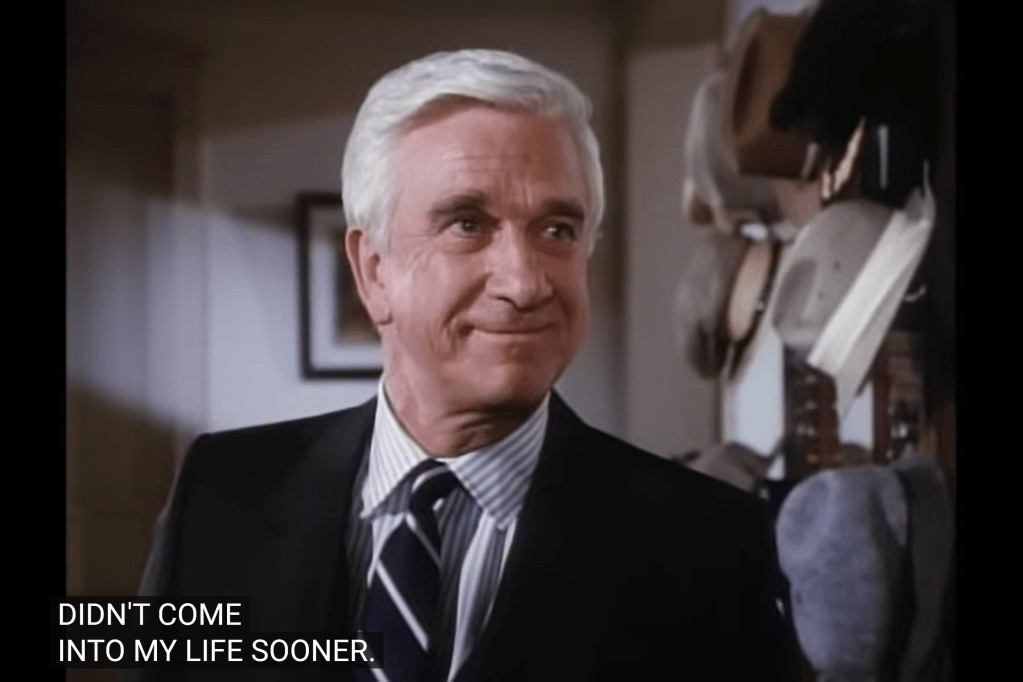
And he’s forgetting that he had to die to do this “dream” or “journey” or whatever. And that Jonathan and Mark did nothing.
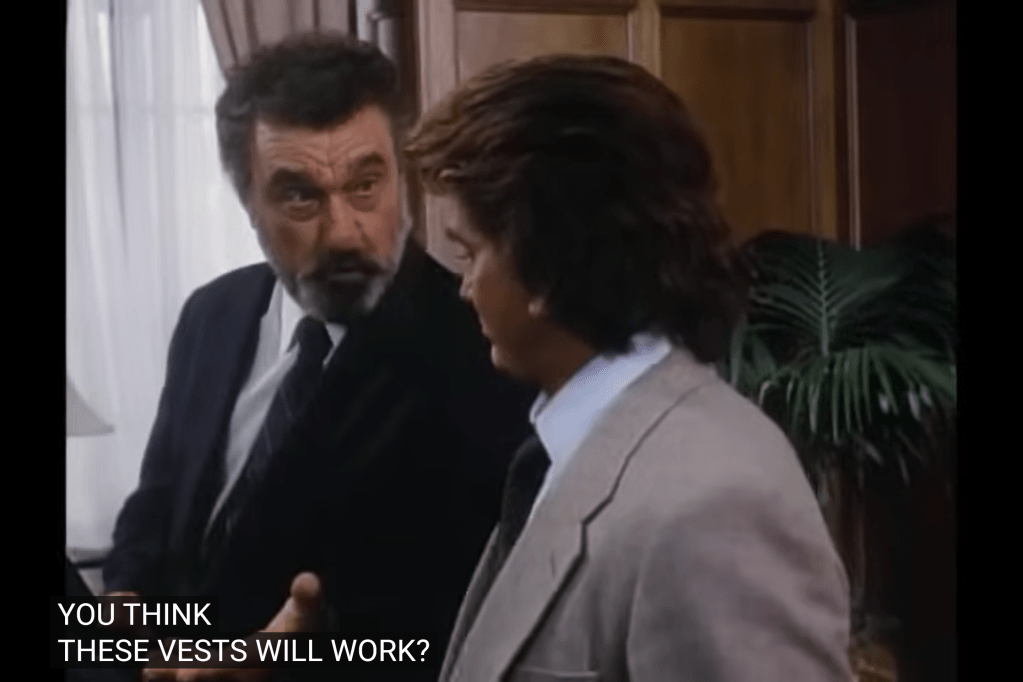
Friendly Jonathan: at the beginning of the episode, Mark asks Jonathan whether the bulletproof vests are necessary, but Jonathan seems unconcerned about his friend and only thinks about himself.
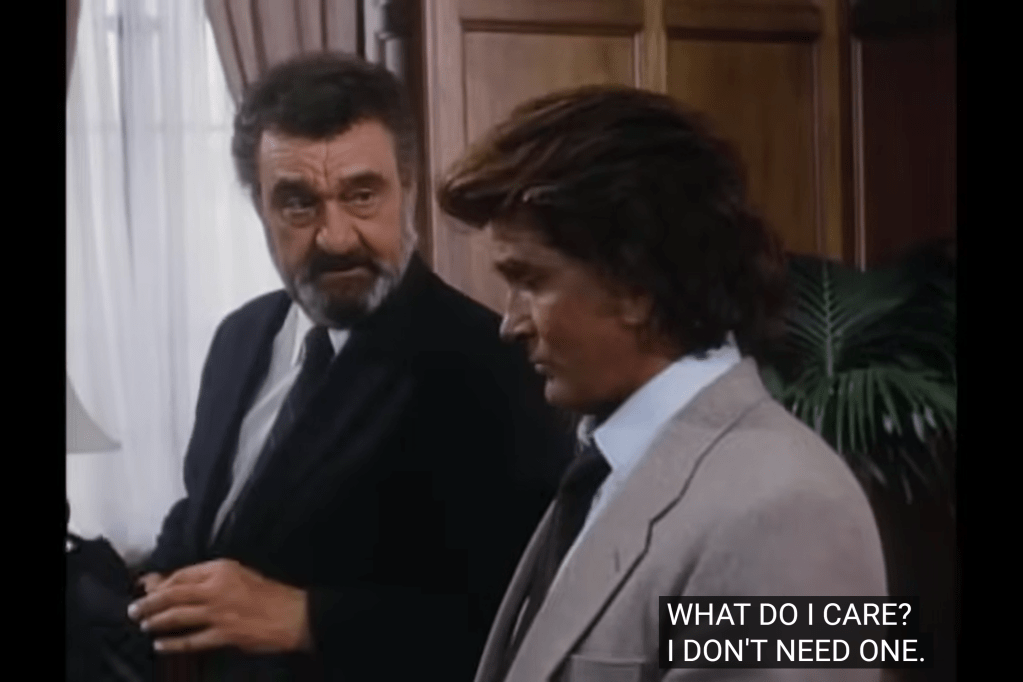
Cute, that’s cute.
Recycle: there’s one in the music by Rose, toward the conclusion. During the time-compression sequence, when Benson begins doing the right thing by cleaning off the beach.
So 1980s. Especially the last part, when Landon turned to the sea and he probably told everyone to do the same before cutting it.
Anyway, the score playing in the background is a familiar one: it had been used in the park scene during Another Kind Of War, Another Kind Of Peace (one of the two Vietnam assignments of the season).
And the same piece will be recycled again at the beginning of the next season.
Sunday Suits: like in the season two finale, Jonathan and Mark wear their Sunday Suits for the job.
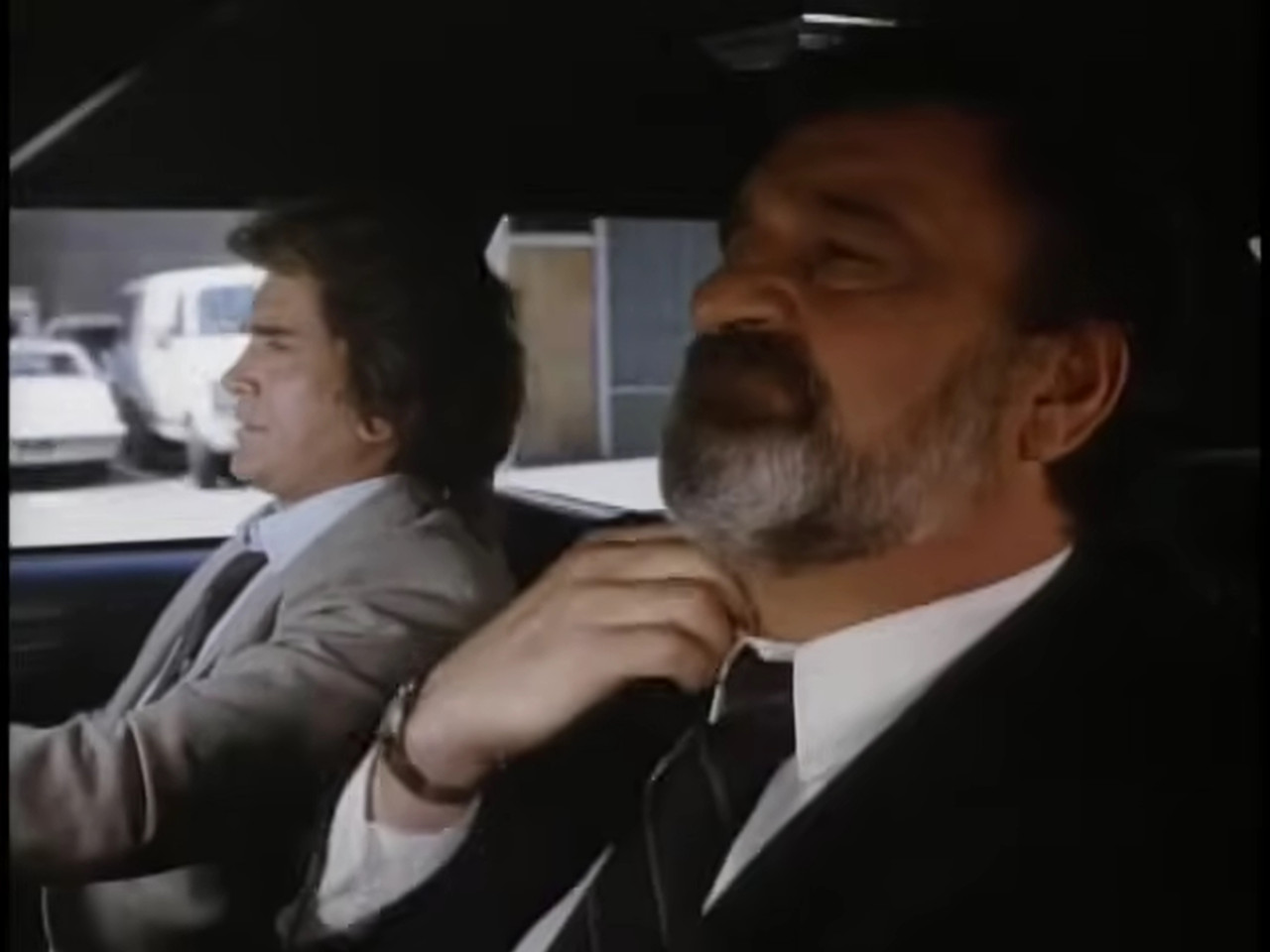
And Mark has to ask the reason.
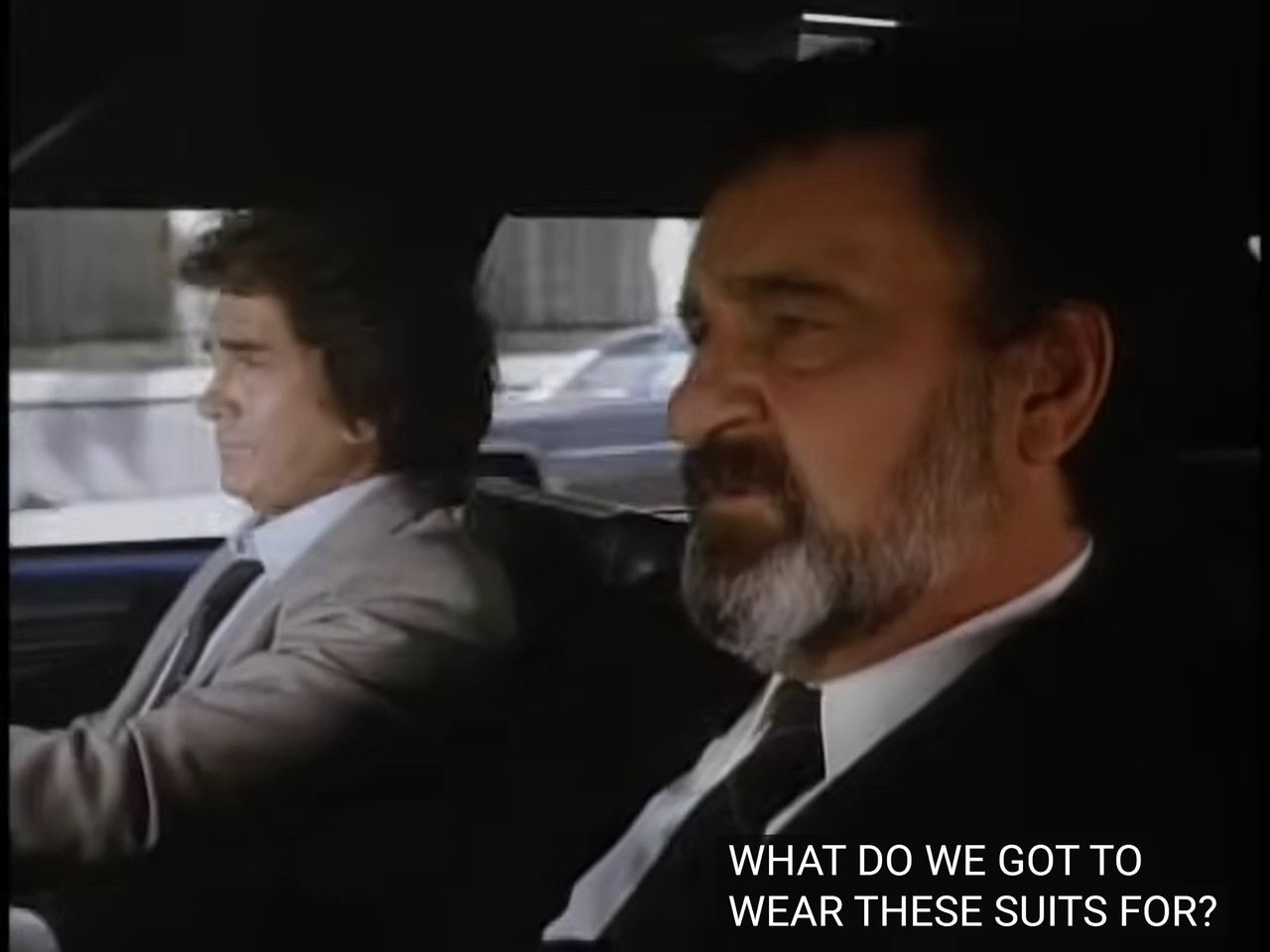
Once again, they couldn’t find a better way to have Jonathan explain the audience what the suits are for. Like, Mark, you must have gotten dressed at some point that morning—you probably asked your friend that question earlier.
Time-compressing feature: the scene in which R.R. decides to become honest and nicer. And it should encompass the entire week spent with Jonathan and Mark doing good.
The Stuff Power: as this episode is a dream, they use the vanishing power. Many times.
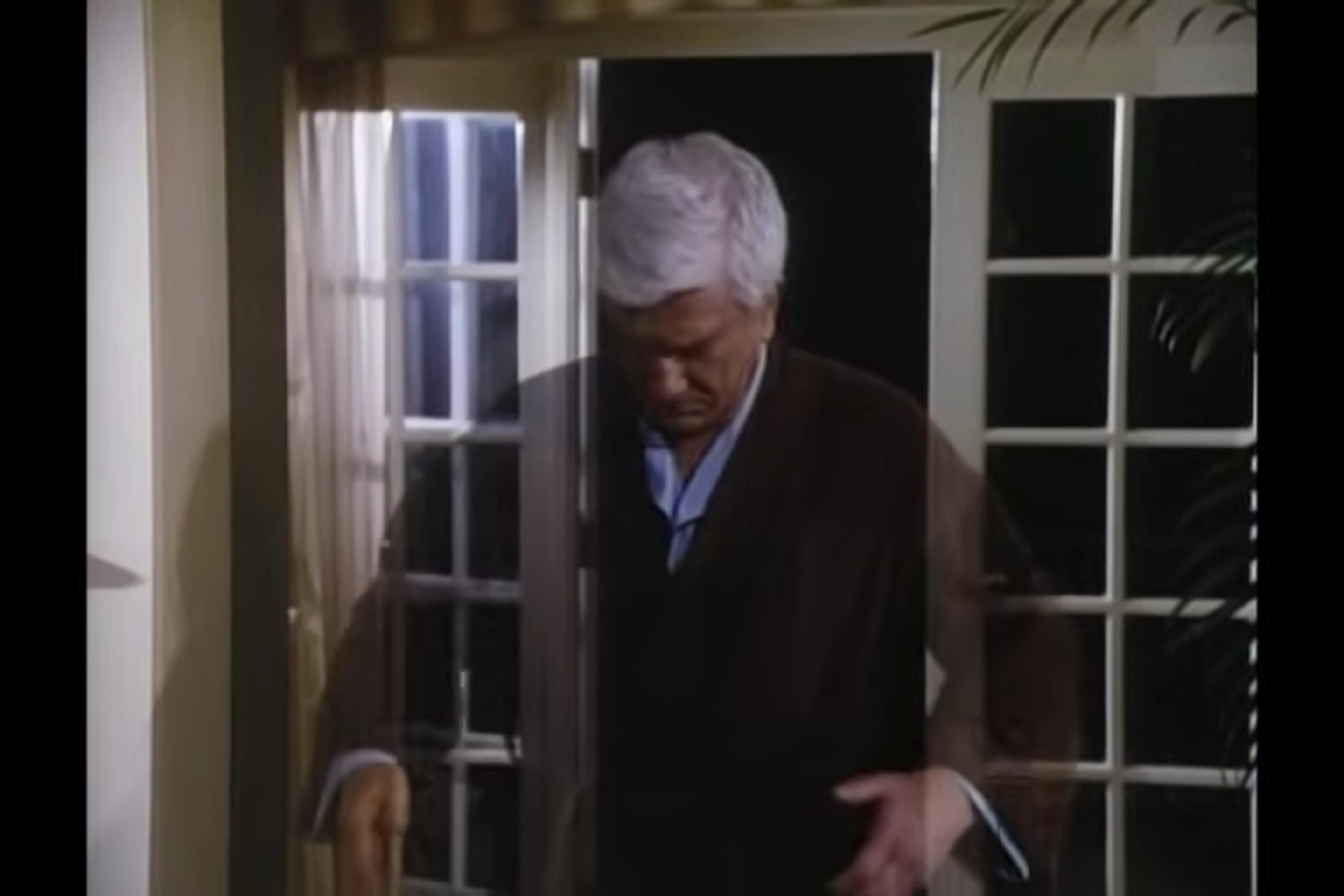
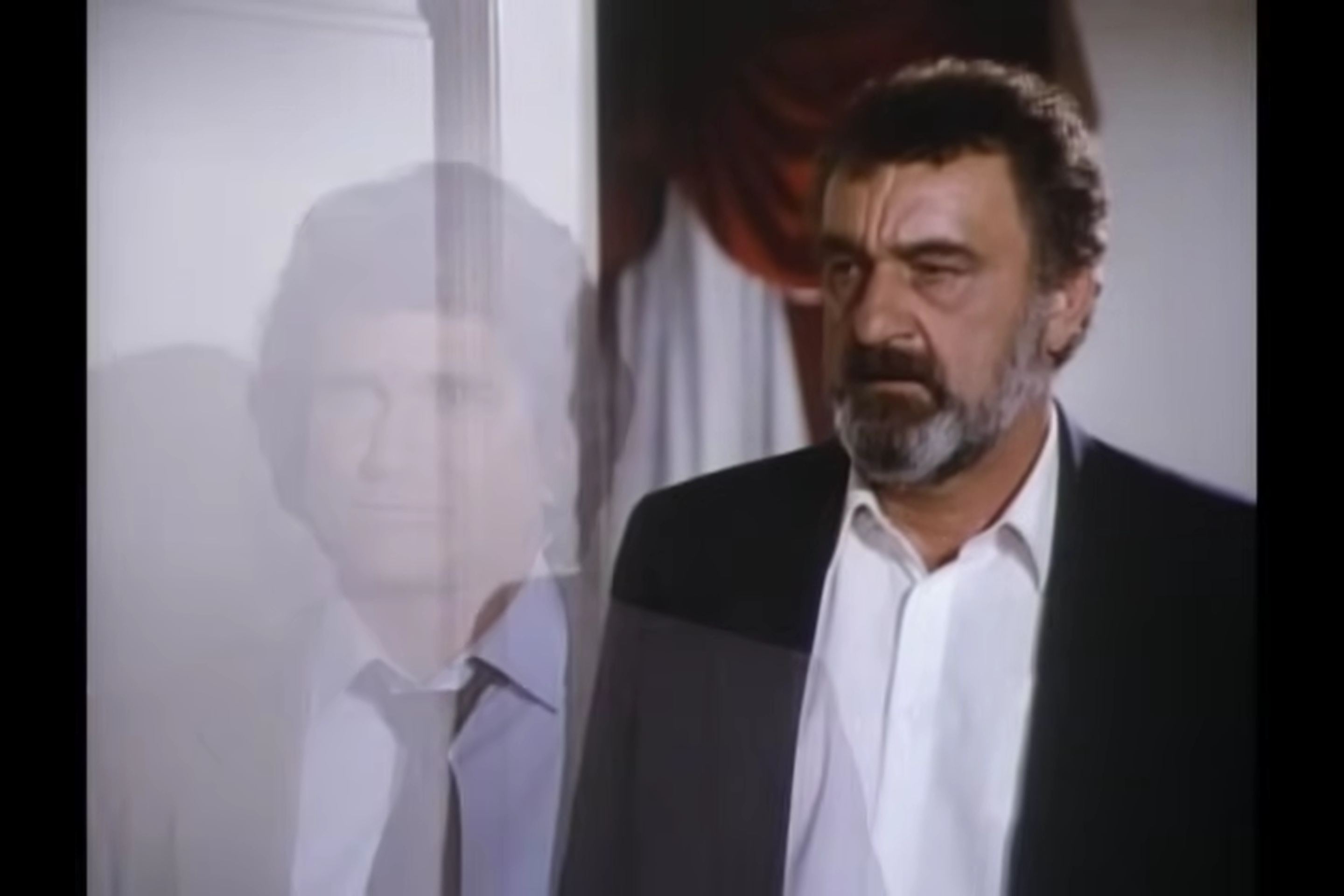
Many times.
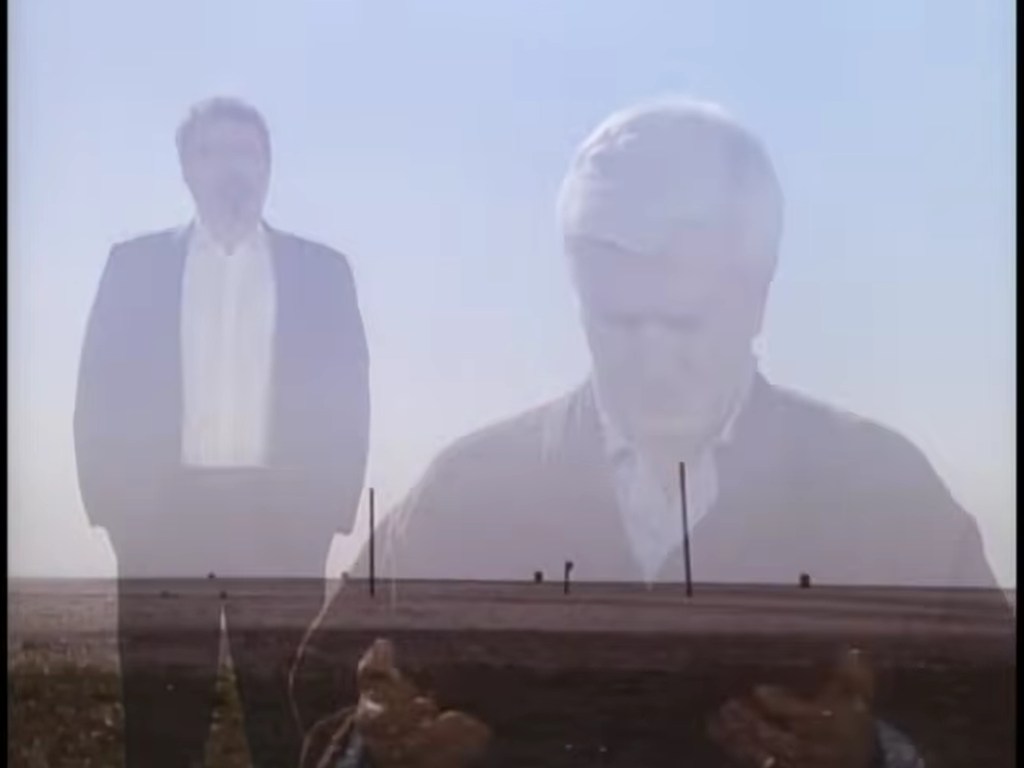

Mark is totally cool about it, by now.
The Job: they are hired as Benson’s bodyguards, through Jonathan’s fictional references. Which is weird, because Mark used to be a cop, he doesn’t have to fake that.
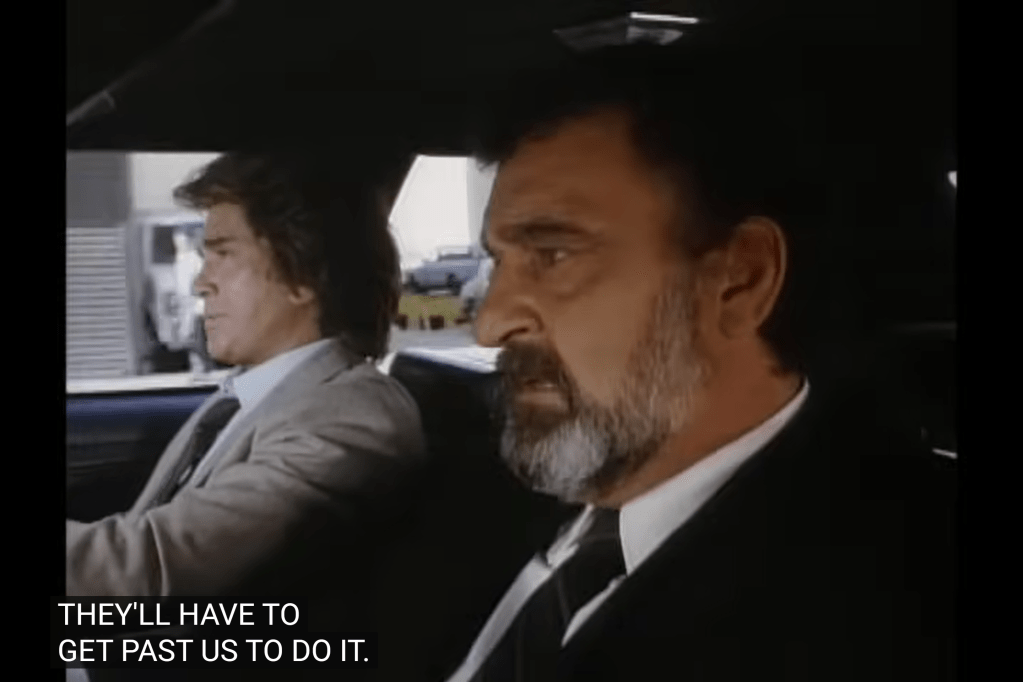
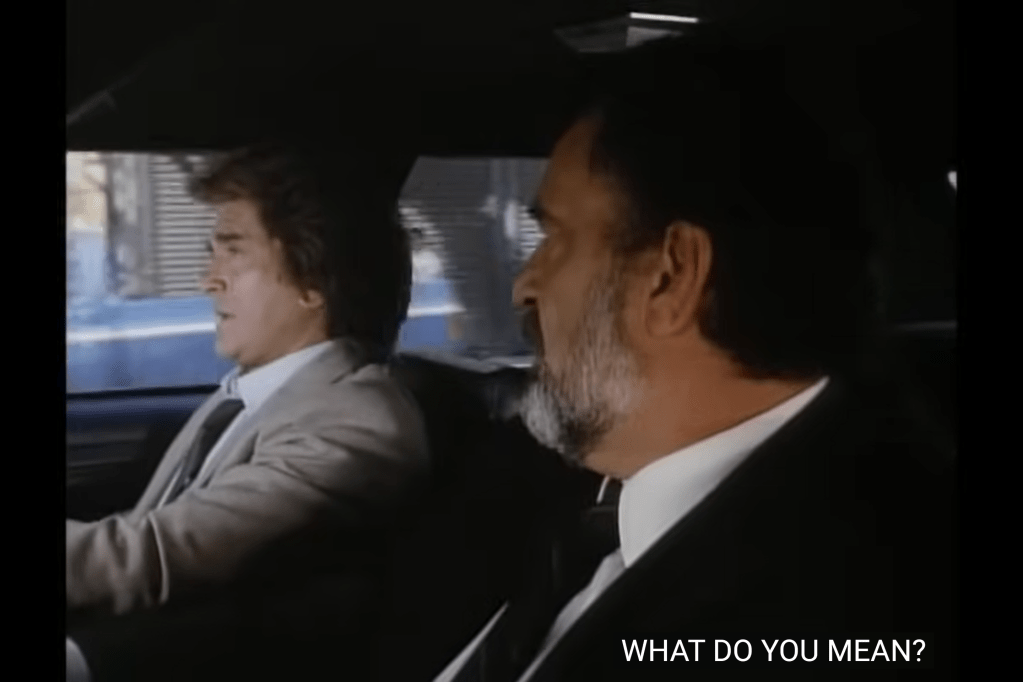
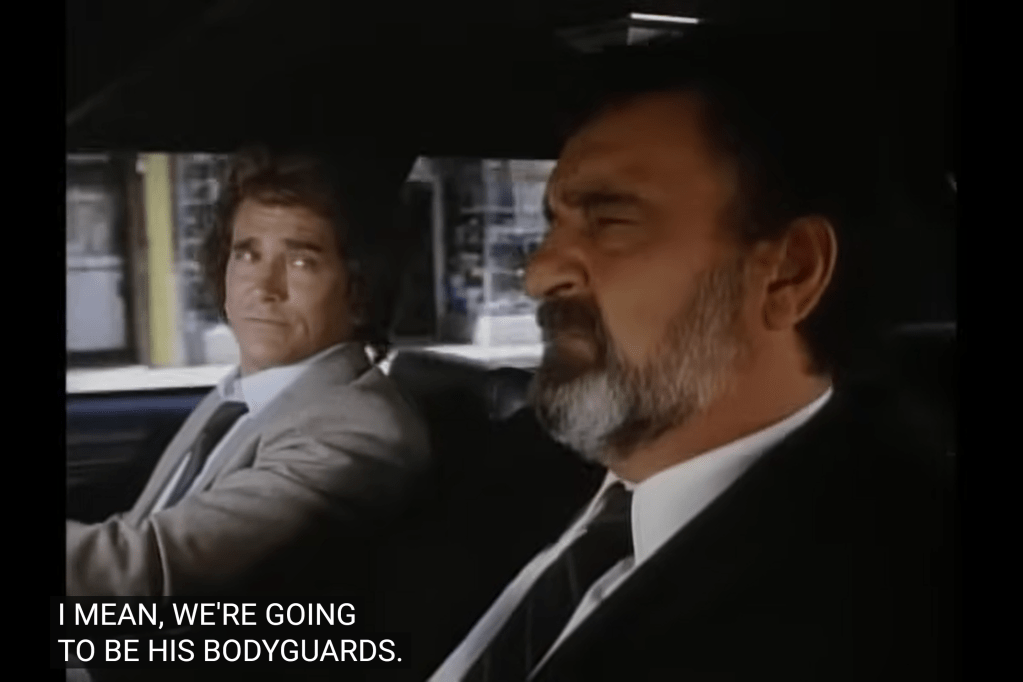
And Mark doesn’t like that.
But they soon turn to friendly ghosts helping Benson out.
Epilogue: unlike the season two’s finale, which at least had a random exchange between Jonathan and Mark on how they love the job—which was basically the way they thanked the audience for being with them in the past season and that they were coming back in the fall (essentially, that was the season)—in this episode there is no conclusion to the season. They just reveal it’s a dream, and they imply that R.R. will lead a better life now. The only feature that makes this look like the season finale is that it’s an episode about life. Nothing wrong about that: it’s just a different direction compared to the season one’s finale, or to some of Little House’s ones (with some exception, like season five, which had no ending whatsoever).
Anyway, one unclear point is when Jonathan and Mark will actually move on to their next assignment. They were hired to protect Benson, so even if he has changed and become a better person, that doesn’t necessarily mean he no longer has enemies (as Jonathan told Mark at the beginning of the episode). To complicate matters further, the episode doesn’t even end with a final scene of Jonathan and Mark driving off. Unlike the finales of the first and second seasons—both of which included a scene of Jonathan and Mark getting into a car, making a few comments about the assignment, and moving on toward the next one—this finale ends in a surprisingly random way. No usual moment where Jonathan feels hopeless about the assignment (to indicate this assignment was the hardest of the season), and no closing scene of Jonathan and Mark leaving together. Perhaps the writers realized that the audience had already become used to that formula and understood that Jonathan and Mark were never really leaving California anyway, so they felt there was no longer any point in including that scene.
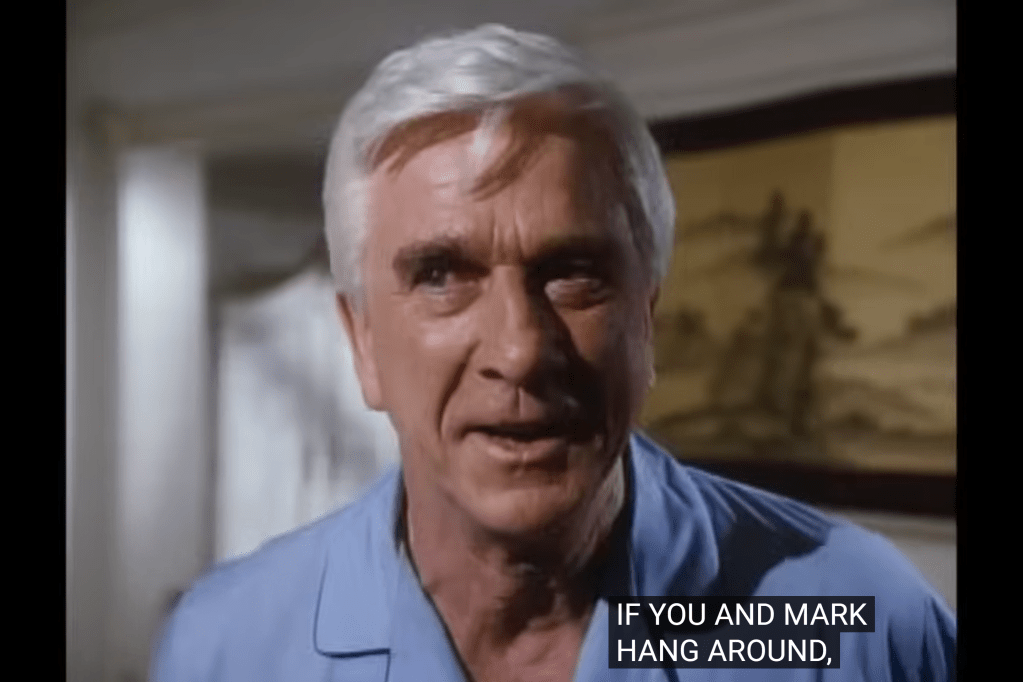
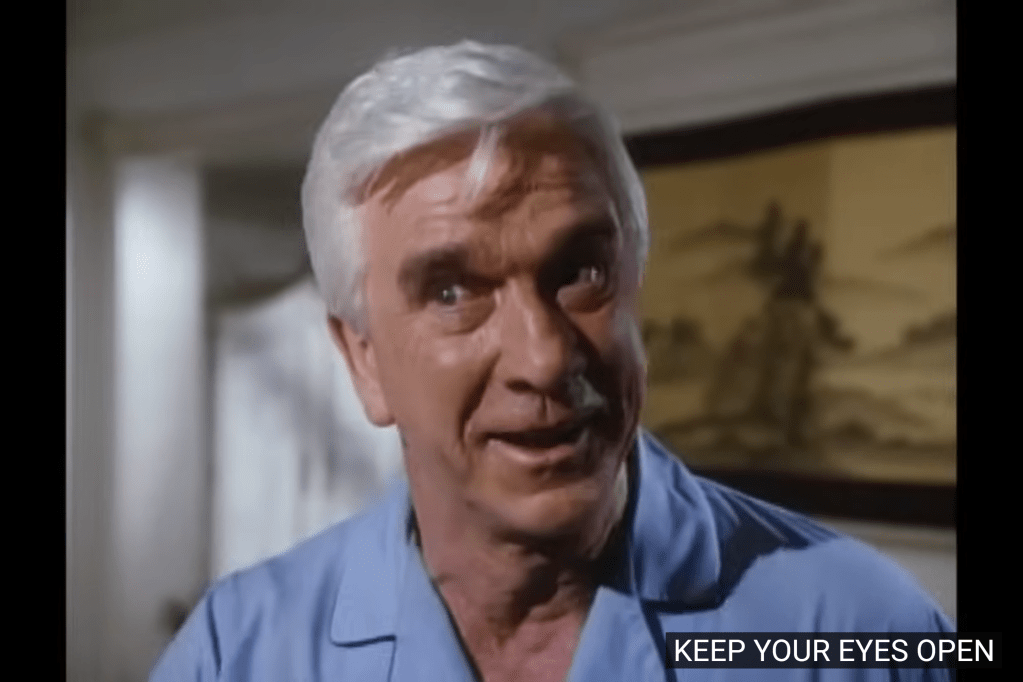
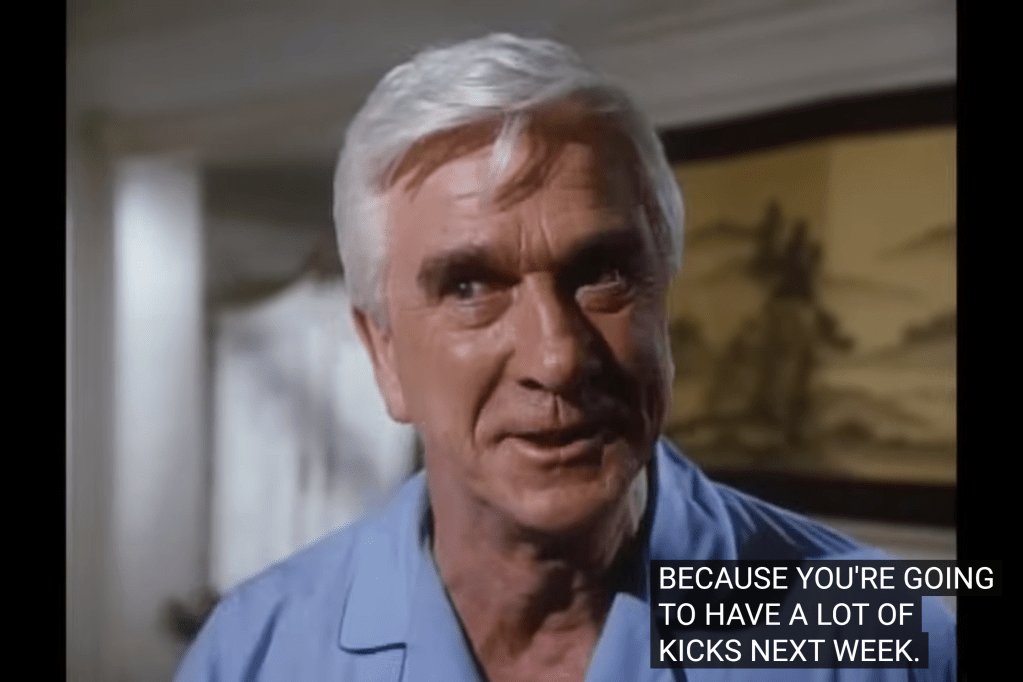
And when are they going to start the next season?
Ratings: 24 million audience. 31st tie Weekly TV programs, 6th tie TV genre show.
The third season’s finale aired in early May, one month after the preceding ones. Unlike what they had done for both season one and season two, they left it on its own: the second half of the third season had aired consecutively one episode every week from January to April, then the broadcast paused for a month before returning with this single episode as the finale.
This was likely because of how the previous seasons had been structured. In the first season, the last two episodes were part of the same finale, while in the second season they were unrelated to each other. The producers may have realized that it didn’t make much sense to wait a month for what was presented as a big season finale if it’s just a single episode, and the other is a separate assignment with nothing connecting it to the actual finale. As a result, they may have decided to air one of those intended last two episodes (the spy spoof) earlier, together with the bulk of the season. Another possibility is that they simply needed a comedy episode for April and chose to air it then.
Either way, after that episodes, three older episodes from this season aired for a second time, leading to this. But stopping the season for a month and then returning for just a single episode did not help: this finale received fourteen ratings points, even fewer than the college episode, which was the least-watched episode of the season so far. So, now this finale became it, and the least-watched of the series so far as well. That figure was far below the ratings of the season-one and season-two finales, and that was not particularly encouraging for the upcoming season. Moreover, it lost more than four rating points, making it the largest drop between two consecutive episodes in the entire series— and that is a feat that won’t ever be replicated, not even by season four (despite being far less popular in ratings by the end of the year). Of course, the two episodes were not weekly consecutive shows, and episodes airing after a single week break already suffer a great ratings loss (most of the times, at least), so it wouldn’t be fair to compare weekly consecutive and season consecutive episodes together. Still, it’s a blow for the series.
There are several possible explanations for this quite unexpected loss. One is the timing of the broadcast: in spring, ratings are often lower than they are in fall and winter, when most of the television season takes place. And maybe airing this episode without anything else was not a good move (again, they already suffer a loss when it’s a one week skip), as it didn’t receive any direct lead-in except for the season’s reruns. Another possible reason is that the audience weren’t aware of this new episode, knowing that Highway usually keep two episodes for the finale, and thought that the preceding episode was already the finale. Or maybe they just didn’t like the other episodes of this season, and didn’t feel like tuning in for this.
Anyway, during season one the series had already been ordered through the fourth; besides, the ratings for much of the third season had remained strong, much like those of the first one (despite being less even). Because of that, the low rating of a single episode airing so late in Spring did not necessarily mean the series was doomed for the next. Now, they could move on to the next season.
 Highway To Heaven Cast
Leave a comment