
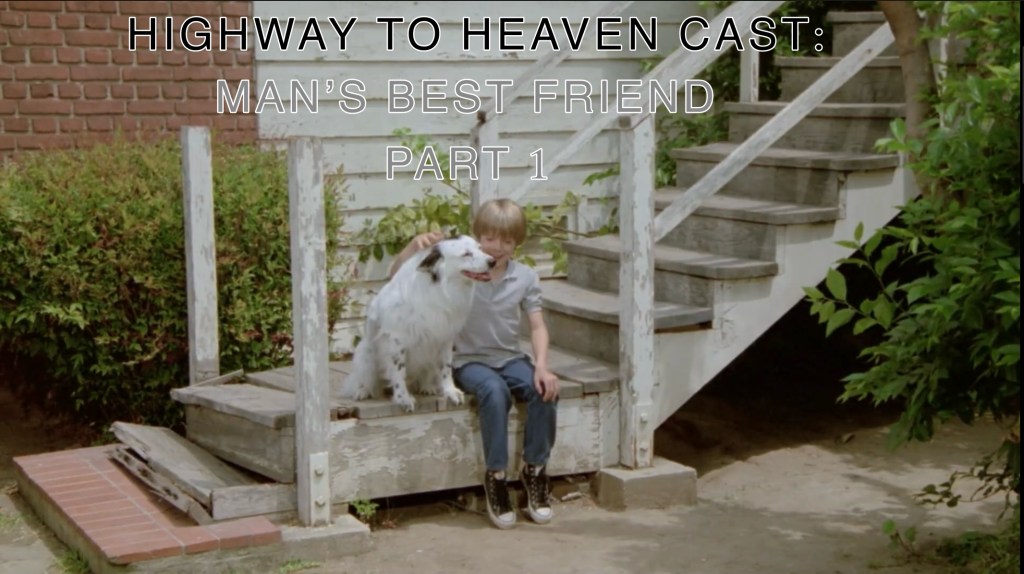
Airdate: 09/16/1987
Directed By: Michael Landon
It’s a new TV year, and a new season of Highway to Heaven. After a successful third season—which never quite reached the ratings of the second but remained very popular—the series was ready to come back. This season would prove crucial for the show’s future. By the end of season one, after reviewing its ratings, the producers had already ordered at least three more seasons. As a result, Highway to Heaven was locked until a fourth season at least (and the strong performance of seasons two and three certainly justified that decision). However, what came next for the series would depend entirely on the ratings of this season. That’s a huge responsibility. But that’s something to worry about when the season will be drawing to an end, which is not now.
As usual, the season opens with the familiar introduction—but this time, something feels off.
That’s because it’s different. Compare them here.
After three seasons with the same opening, season four introduces several changes. The visuals remain largely the same: there’s a sky, it slowly evaporates to Jonathan—wearing a convict-style coat and carrying his mysterious bag—as he walks along an empty desert road. He turns around—the background now lush and green—as Mark approaches in his car, pulls over, smiles and the two drive off together in triumphant strings.
However, there are two notable differences. One, the credits, which previously appeared symmetrical in the center of the screen, have been moved to the bottom. And this new position will also impact on the episodes: the title of each episode, which is displayed alongside the guest actors’ credits at the end of the introduction, will now appear at the bottom instead of the center; same with the guest actors’ name. That’s a peculiar choice: for example, in over 9 seasons of Little House, they never changed the way the credits and titles were displayed after the opening introduction (they were always at the center, just like the first three seasons of Highway). But that’s just a detail.
More importantly, the musical score has been altered: the first part (the sky flight and Jonathan walking the road alone) is unchanged but feels slightly faster. In the last part, as Jonathan and Mark drive away, the original composition concludes earlier (again, it’s faster) and turns into a new section added by David Rose for the season: instead of ending as before, the music now builds into a sudden swell, followed by a triumphant, richly layered melody with a choir-like feels that gives it a more overtly spiritual tone.
That’s new.
But at the same time, it’s not: this “new” music is also recycled. Just like the original opening score (used in seasons one through three) was a recycle from Marvin’s Garden, a season nine episode of Little House on the Prairie dated 1983, just one year before Highway (compare them here and at each season’s overview).
This added section comes from an even earlier source: it’s the closing music of The Return of Mr. Edwards, a 1979 episode from season six of Little House — and that’s five years before Highway to Heaven even began.
Quite an old timer.
This revised opening would remain largely unchanged in season five as well.
Basically, the series changed its opening twice: first, the original composition for seasons one through three, which is recycled from a Little House on the Prairie season nine episode—and then a revised version of that composition for seasons four and five, but they are again a recycle from a different Little House episode.
It seems David Rose couldn’t quite stay away from that series. (And longtime viewers will recall that even the Little House theme was originally adapted from Bonanza.)
Clearly, Rose was a capable, rigorous composer—but also an enthusiastic, obsessive recycler.
Assignment: Jonathan and Mark are assigned to run a dog shelter.
Like previous seasons, the opening episode is a two-part story and the subjects of the assignment are children. However, this time the story is not based on a true event, nor is it grounded in a particularly realistic setting, and the children themselves are not especially troubled.
Also, similarly to the seasons two and three’s opening episodes, the assignment is not strictly tied to a person but to a job, and those involved with it become the assignment. In season two it was working as Summer Camps Counselors, in season three it’s coaches for the Special Olympics—and this season, they are to work at a dog shelter.

As part of their weekly tasks, they bring dogs to a childcare center—a foster home for orphans—to help the children emotionally.
One day, they bring in a stray dog they’ve found and pair it with Alex, a kid who has been abandoned by his parents.
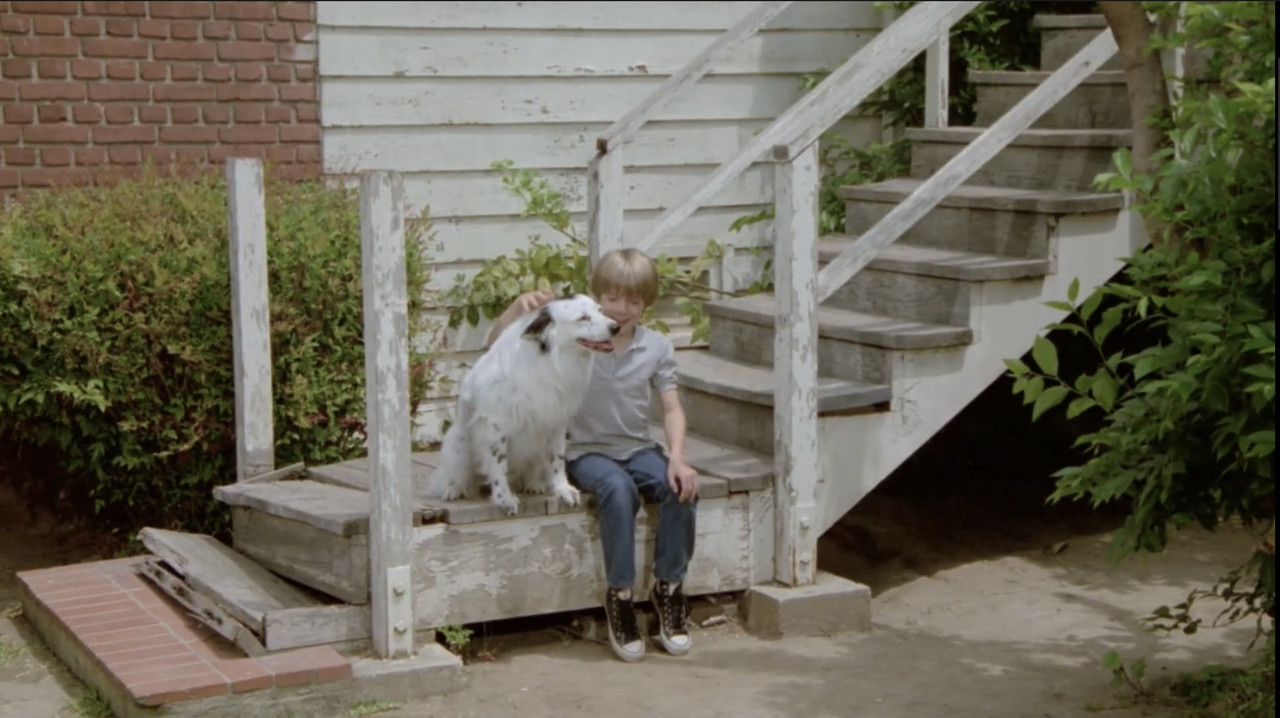
Thanks to the dog, he begins to open up and eventually decides he wants to adopt him. Although, for some reason, the center won’t allow them to keep the dog there, so Jonathan and Mark have to return him to the shelter each time.
However, it later turns out the dog isn’t actually a stray—he was simply separated from his family by accident.

And that complicates matters.
This entire situation feels quite unclear. As Jonathan explains at one point, there isn’t really a defined assignment. They’ve only been told to work at the shelter, and one night to “rescue” this stray dog—who isn’t actually a stray—but they’re given no guidance on what to do next. As a result, much of the episode consists of Jonathan and Mark pairing the dog with the boy and wandering around, waiting for instructions from their superior.
Eventually, Mark complains about bad news on the newspaper, and mentions people should do like them.
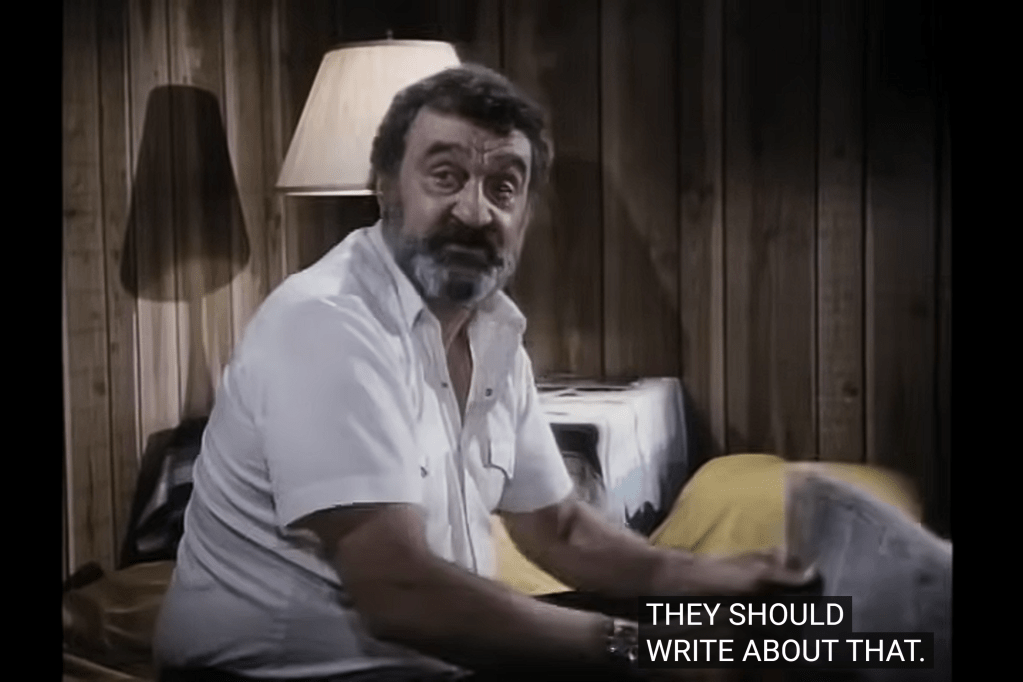
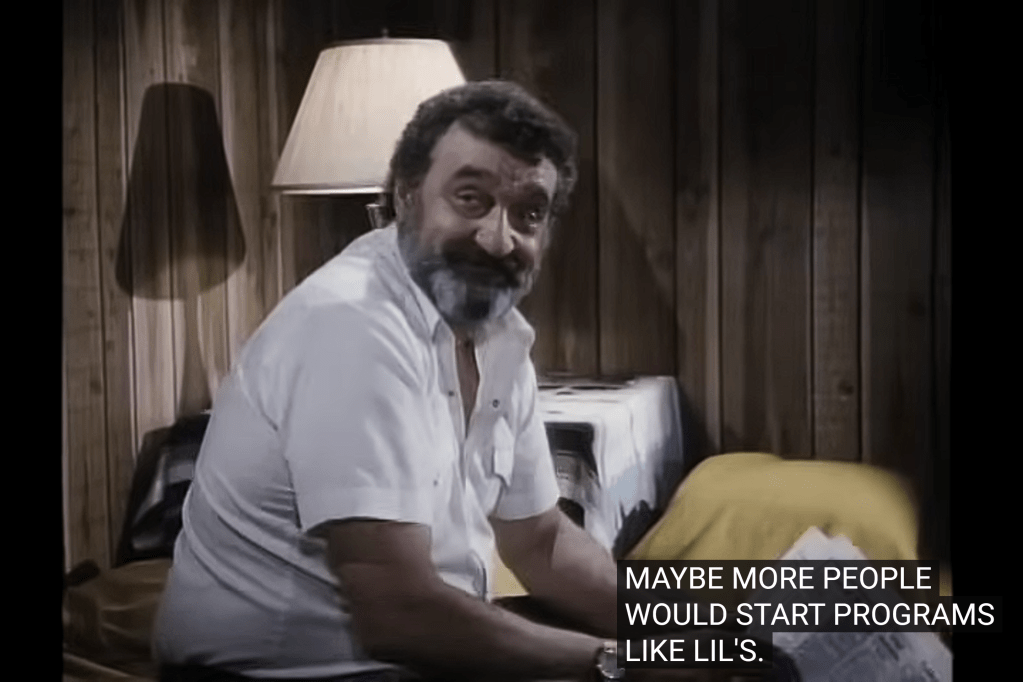
So Jonathan assumes that Mark is right and their assignment is to promote an initiative encouraging cooperation between foster homes and dog shelters.

However, in part two, it becomes clear that he was wrong: the actual assignment is about adoption, much like A Special Love in season three.
And again, Jonathan and Mark are not the ones who will adopt.

You can do that.
They could adopt someone: For The Love Of Larry established that they could bring to their journey anyone they want, even dogs.
- Background
It’s unclear exactly when this season begins or whether this episode is meant to follow directly after the season three finale. In the cabin where Jonathan and Mark are living, there’s a calendar on September 1987, and Jonathan and Mark discuss the last month they spent working at the shelter with the dogs.

That seems to imply the episode begins in August and continues through September and possibly October (including part two). However, the timing of the season three finale is uncertain (actually, it seems that Man To Man is the chronological season finale, and that took place in the summer). So, either they had a one month break (which is plausible, the series is known to skip assignments) or this episode isn’t chronologically the first of the season (equally plausible, the episodes do not follow a chronological order). Also, season three itself had a somewhat mysterious background, with at least one episode set in 1988 and a finale that didn’t clearly take place in summer, unlike previous seasons.
This season is even more confusing. If this episode truly begins in August, then either season four starts at that point and season three ended earlier, or the episodes from seasons three and four overlap chronologically.
Instead, as for the settings, it’s in Santa Clarita, where it was produced as well.
- Characters
Jonathan and Mark are the same buddies as in season three. And season two.
And this episode reveals they have learned something from their other assignments: at the beginning, Jonathan and Mark discuss a news related to pollution and water contamination. This might suggest that their upcoming assignment will deal with environmental issues—or “bins”, one of Landon’s Obsessions. However, this turns out to be misleading: the assignment actually involves dogs.
Anyway, during their conversation, they talk about PCB in water, and how the EPA measures to contrast it are all ineffective. So, Jonathan remarks that people should stop waiting for someone else to protect the environment and start doing it themselves.
But Mark is skeptical people will put Jonathan’s solutions in practice, and drops a very familiar punchline to explain the reason.

It seems like Mark has learned something from his old assignments.
That’s exactly what Jonathan said in a season two episode about water contamination, when he dressed up in a dead birds’ costume and called out people who didn’t mobilize to do something.


This punchline struck Mark.
But Jonathan likes repeating the same punchlines: to Mark’s statement about people ignoring PCB and worrying about the bomb, Jonathan replies that, if people won’t take actions against PCB, the world is doomed anyway.
But he drops it in a very familiar way.
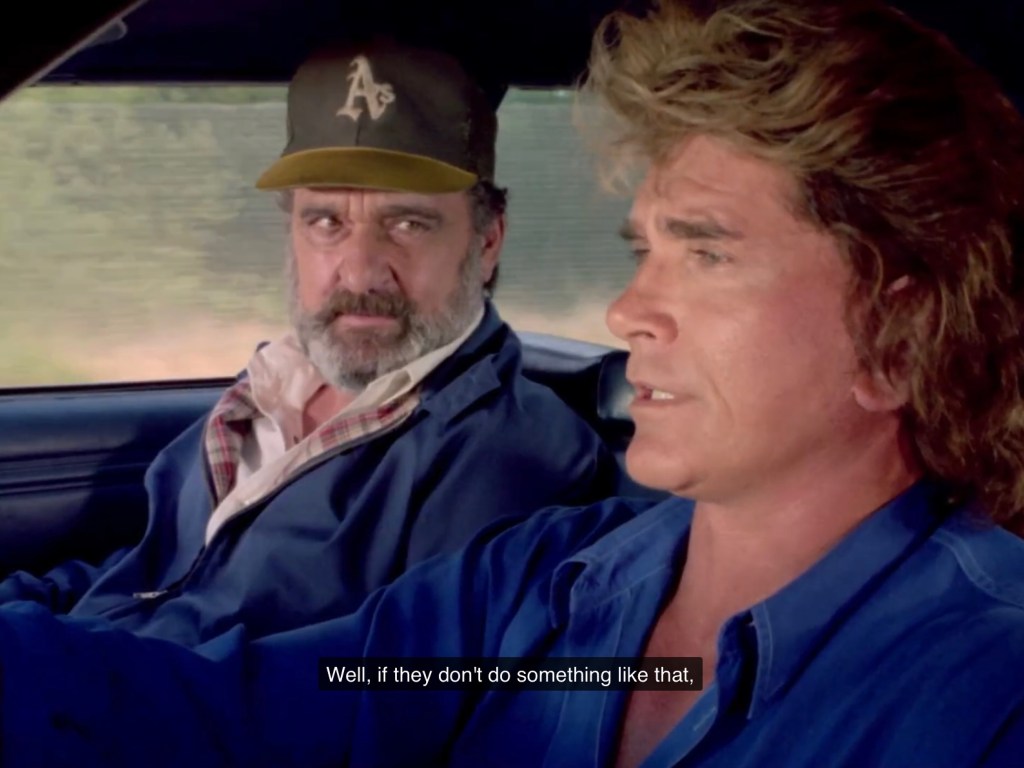
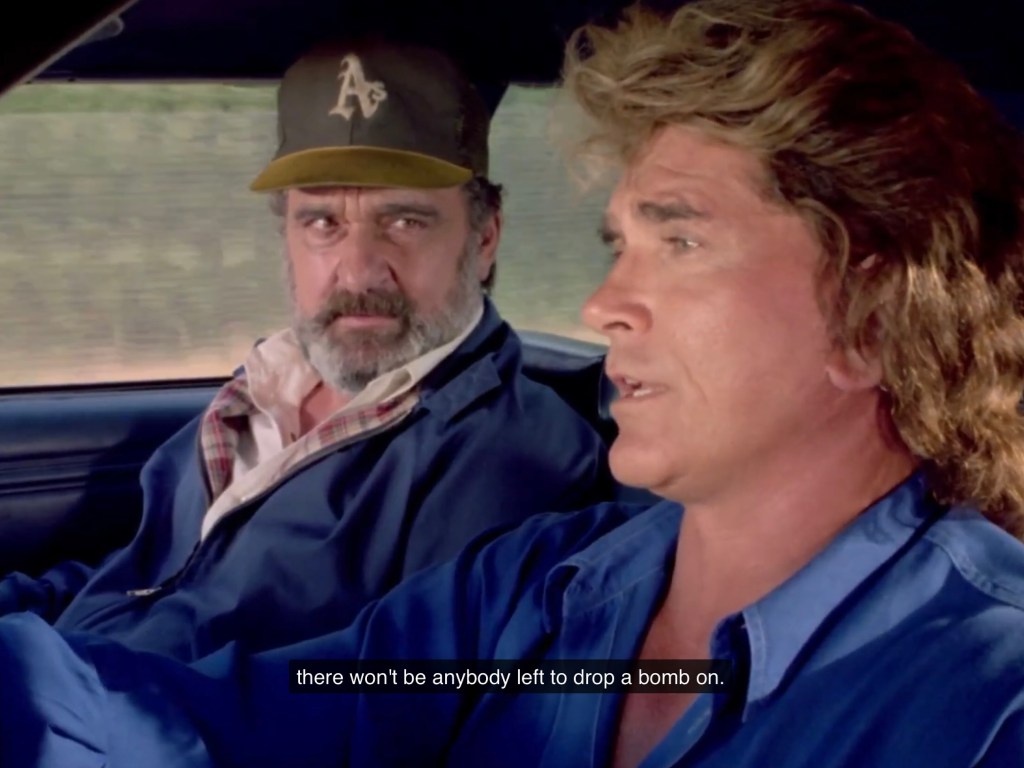
That’s exactly how he concluded his demonstration in that same season two episode about water contamination.
The only difference is that he did it with a costume on.


The odd part is that Landon didn’t write that episode in season two: either those lines were improvised, or he liked them so much he copied them here.
Anyway, after this odd introduction, it turns out to be misleading: the episode is actually about dogs. Even though Jonathan and Mark are left figure that out by themselves.
Actually, their attitude is weird: Jonathan is convinced that there has to be more to this assignment.
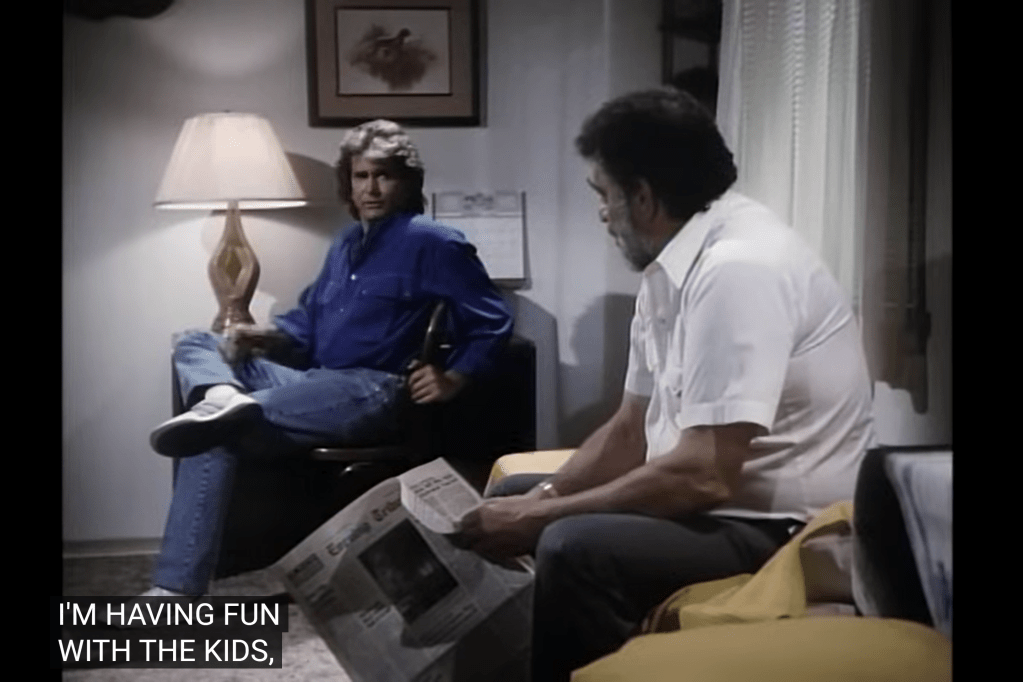
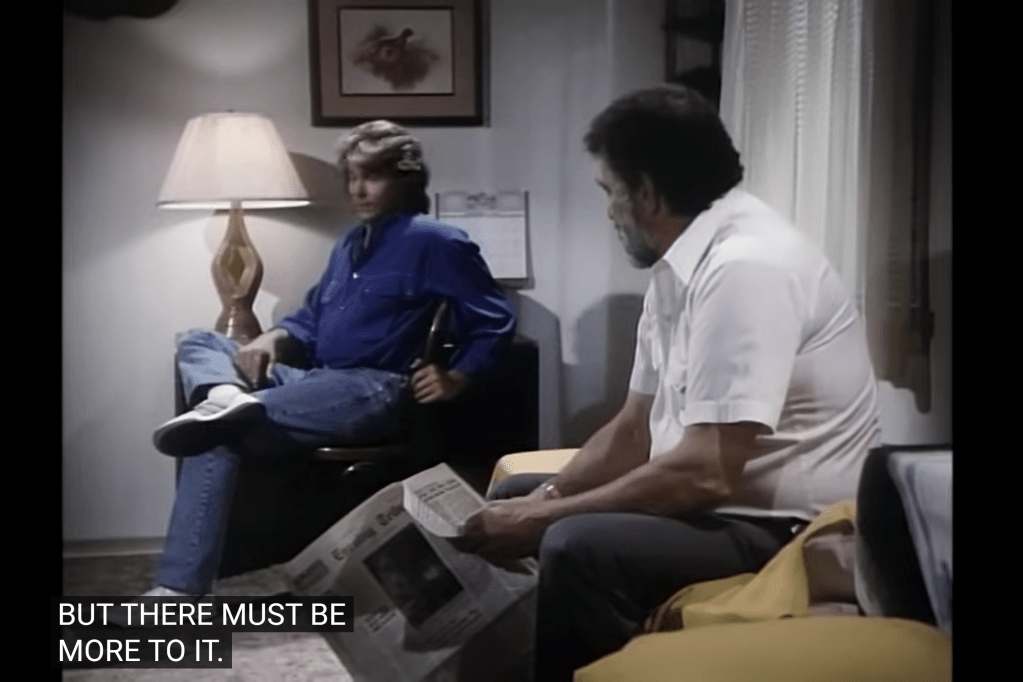
But it never occurs to him that maybe he hasn’t received word from the superior because this assignment is somewhat “special”, he’s approaching the end of his probation, and this was like the final assignment. Like Harold in season two. That could have been reasonable: a 40 year long probation, he’s about to conclude it.
But it doesn’t happen.
Later, the assignment takes a turn they didn’t see coming, when they separate Alex from the dog, and they think it’s not for the best.

And they play “whose fault is it” game.
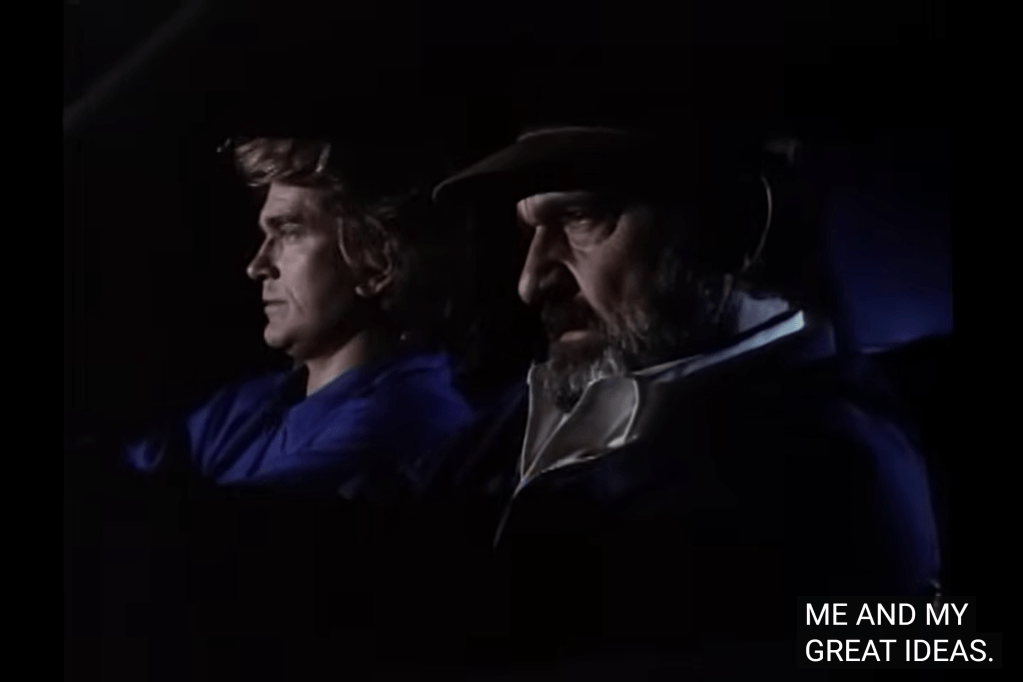
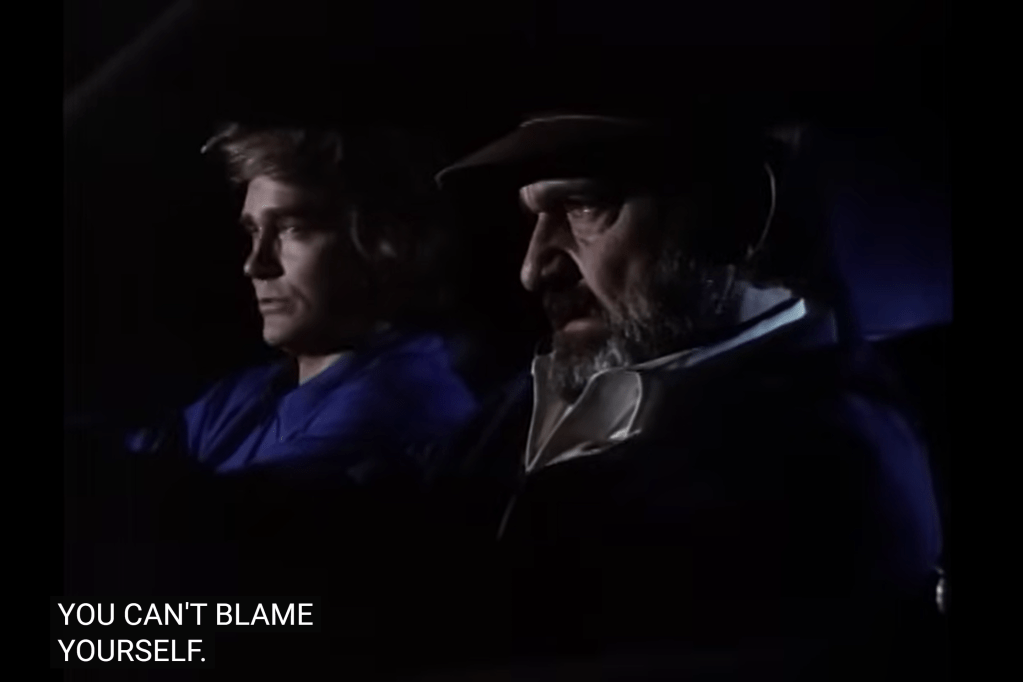
Jonathan is like: “Not again”
It feels like Heaven On Earth.
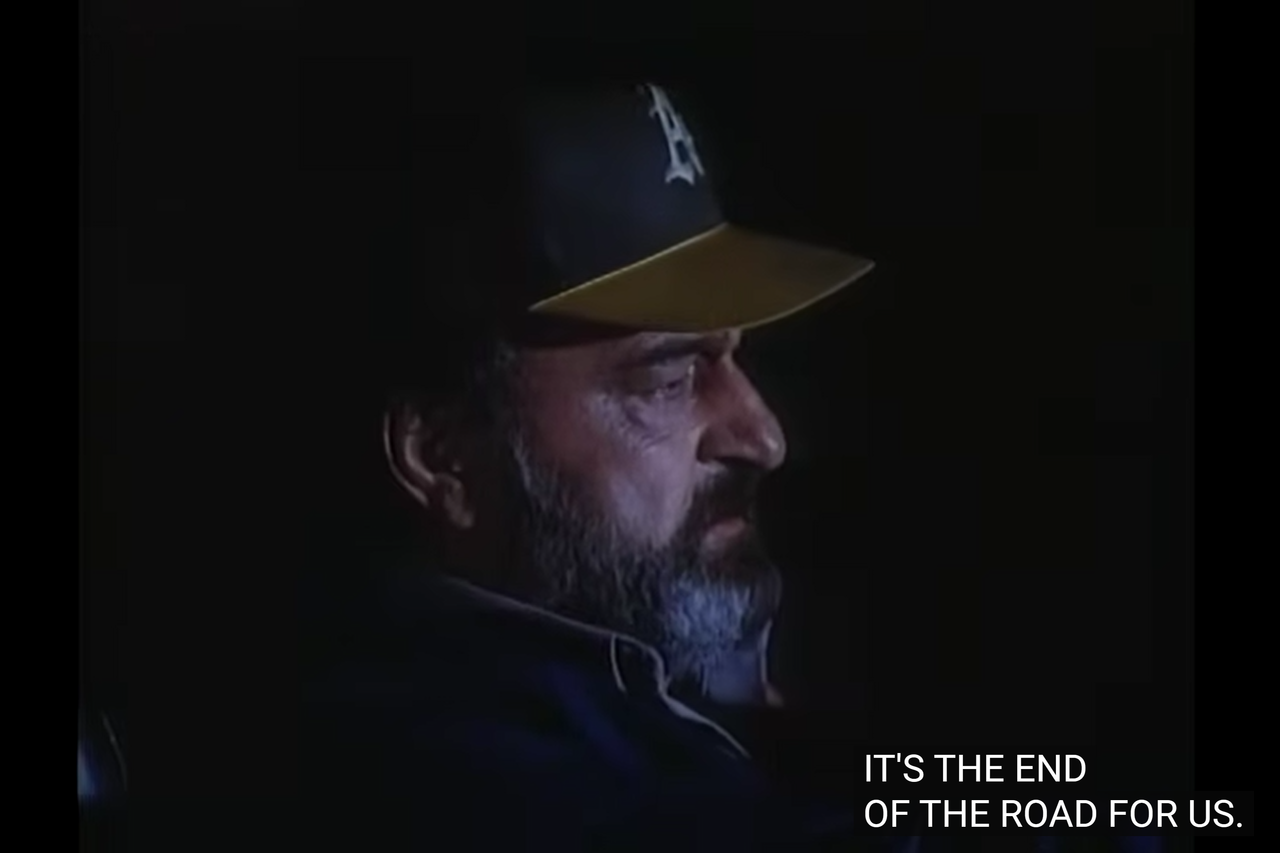
That’s probably why Jonathan tries to take the blame.
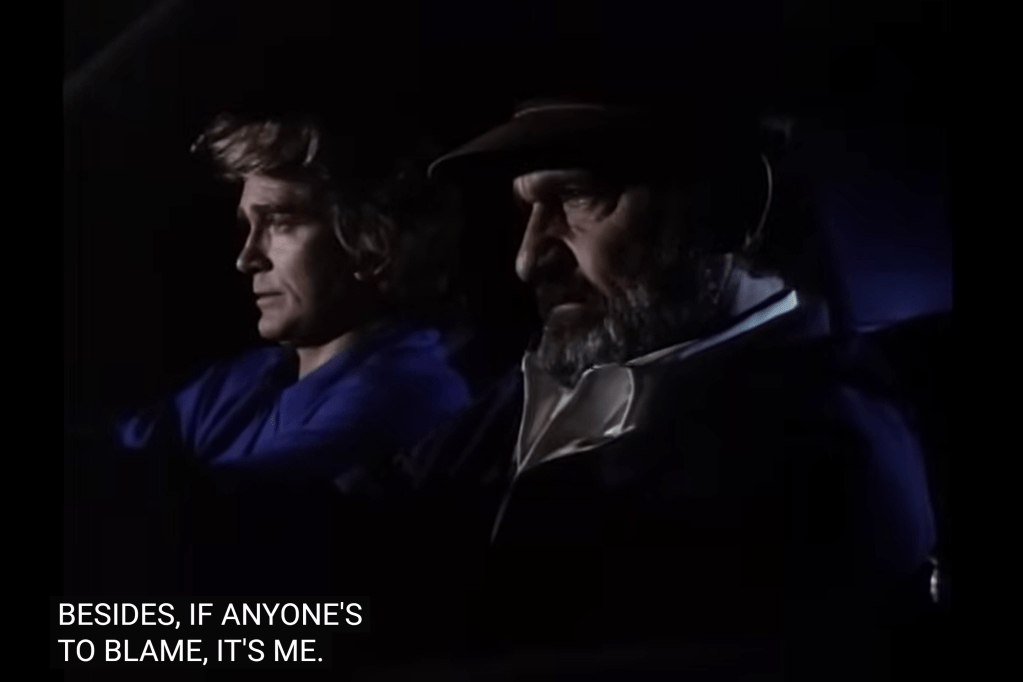
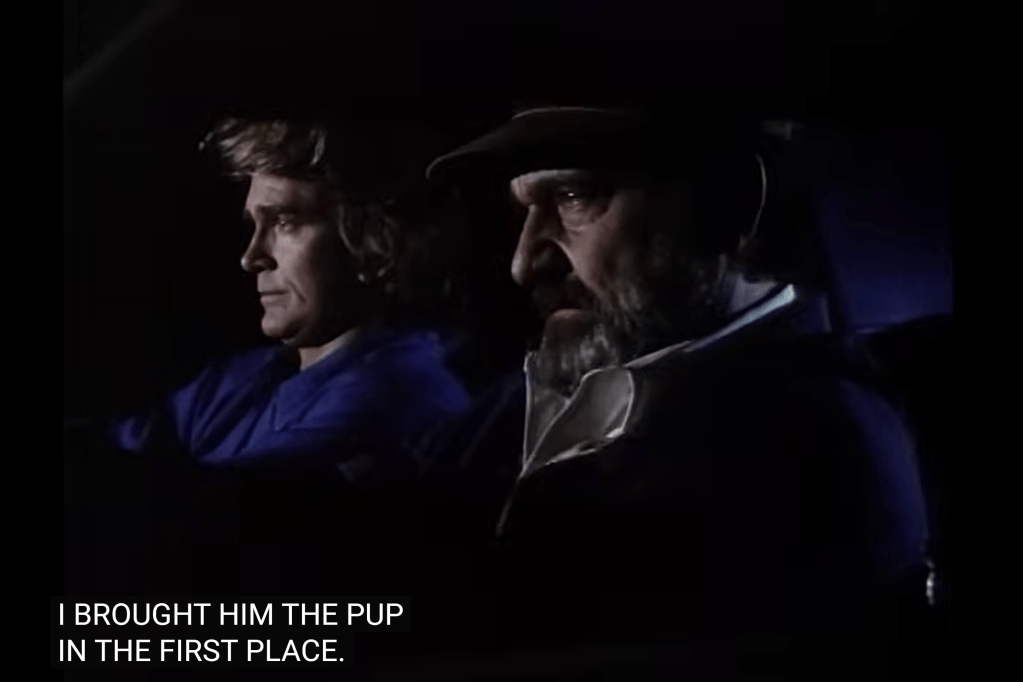
He was trying to ease Mark’s conscience.
- Actors (Little House Actors, Highway Actors)
This episode features a familiar face coming from Little House, and introduces an unsuspecting Highway Actor too, who is going to play a relevant role in the series. So, the Little House actor is Stan Ivar, playing the father of the dog’s original owner.
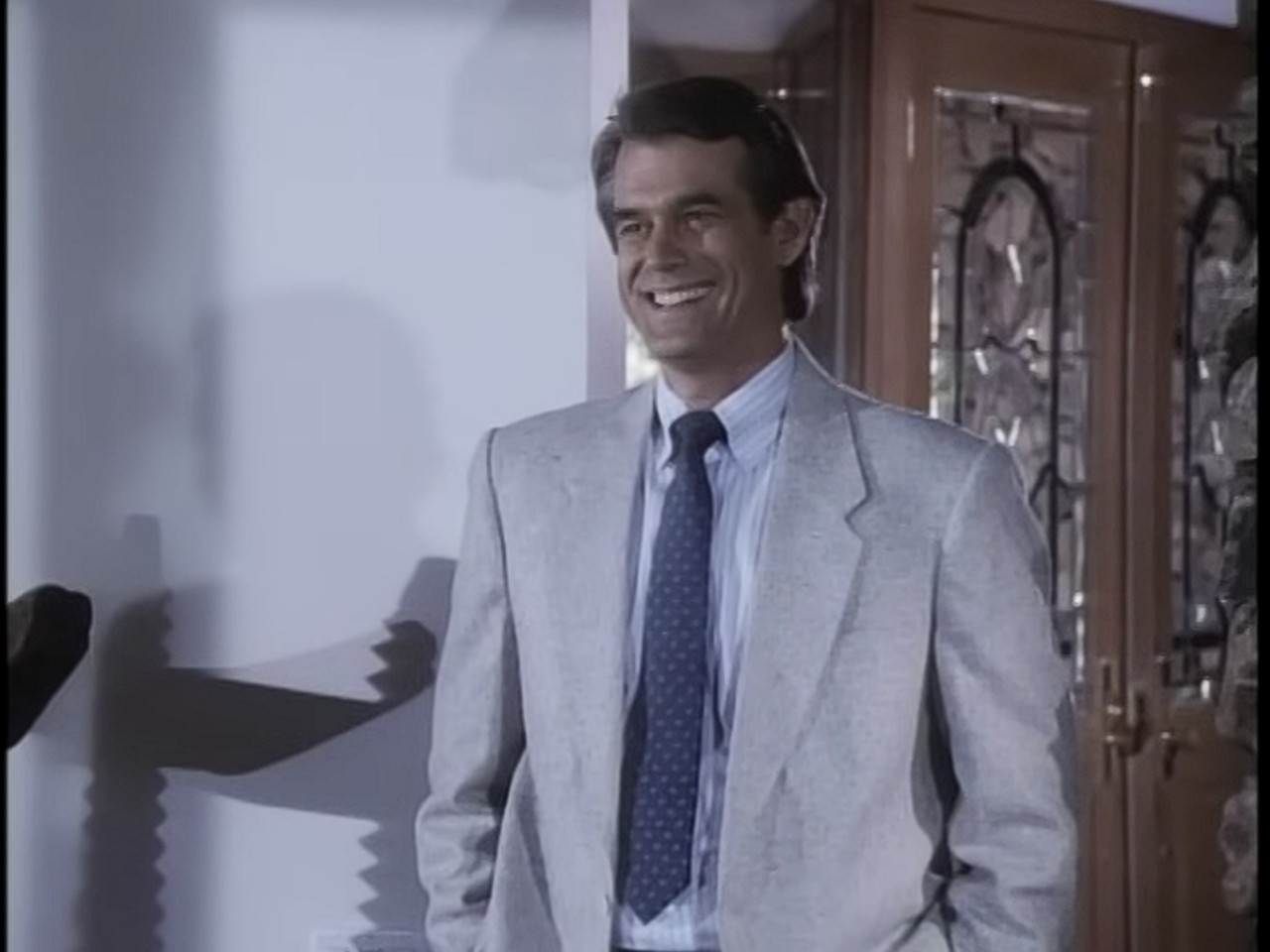
To the Little House audience, he may look familiar: he appeared in season nine playing the recurring character John Carter—part of the family that effectively replaced Charles and Caroline’s after Landon stepped away from the series that same season. And Ivar became a surrogate version of Charles, and appeared in almost all the episodes in the ninth season and the three final special movies after its end, including the series finale (both the official one and the Christmas one airing after that.)

By the time of this Highway episode, he was therefore already familiar with both Landon (who had left the series when Ivar jumped in but occasionally returned as a director) and French (who remained in the series in season nine and acted alongside Ivar several times, even directing him on some occasions).

Curiously, Ivar isn’t the only member of his character’s family in Little House to appear on Highway: the actor who plays Jason—his son in the series—is David Friedman, who had already appeared in the baseball episode a couple of seasons ago.
He is also the last recurring Little House actor to work on Highway: the other actors who appeared in this series after playing a regular character on that one were Matthew Laborteaux (he appeared in season one), Charlotte Stewart (she appeared in the opening episode of season two), David Friedman (the baseball episode), and Shannen Doherty (The Secret in season two).
There is also Richard Bull, who appeared in the season one finale and will return later this season; however, he was credited as protagonist on Little House, with his name appearing in the head credit—not a recurring actor, so he doesn’t count here.
Anyway, there is also a Highway actor in this episode: Brandon Bluhm, a former child actor who later retired. Here, he plays one of the children at the foster home—the boy who tumbles down while chasing the dog.
Watch out.
His character remains in the background, is officially unnamed (credited as “Kid No. 3”), and has only one line, which is in this scene, and was most likely improvised. And the name with which the head of the foster home calls him after his falling down here is the actor’s actual name—a further confirmation that it was improvised, and she didn’t see it coming either. (Unless that’s the character’s name too, and it were some kind of self-reference like Stella played by Stella Stevens in Help Wanted: Angel, but it’s hardly the case). Imagine the woman calling him “Kid No. 3!” instead.
Anyway, he certainly made an impression on Landon, because he would return later in the season in a more prominent role: actually, he is going to play a character who then becomes recurring, reappearing again in the fifth season, Bluhm reprising the part. So, with three total appearances in the series (or four, if this episode counts as two separate episodes) playing two different characters, he’s one of the most frequent Highway actors of the series, after Troesh as Scotty and Impert as Diane. It is very odd to spot him in this bit here (something like watching Little House season three with Matthew Laborteaux already knowing what comes next). Probably Landon appreciated the kid’s composure, how he effortlessly managed to stand up without breaking the character despite the fall—even calling the woman by her character’s name.
One last curious thing: the subject of the assignment, Alex, is played by actor Danny Pintauro, in a break from the sitcom Who’s the Boss, where he played the protagonist.
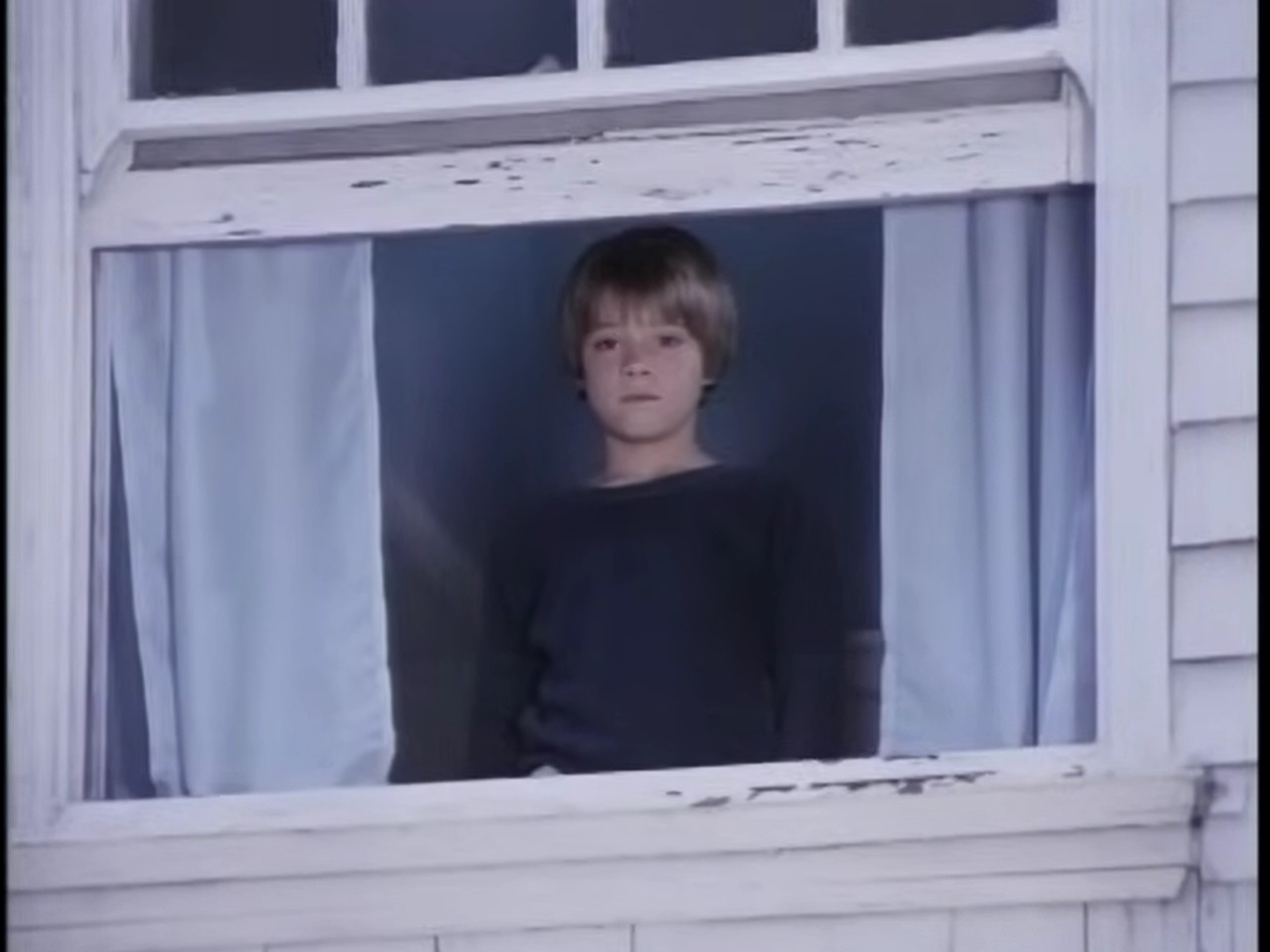
However, the curious part is that he started his career in 1983 in the horror movie Cujo, about a rabid dog killing men.
And it’s a familiar title: it’s the same movie that Mark brought up in For The Love Of Larry, after being startled by the dog.
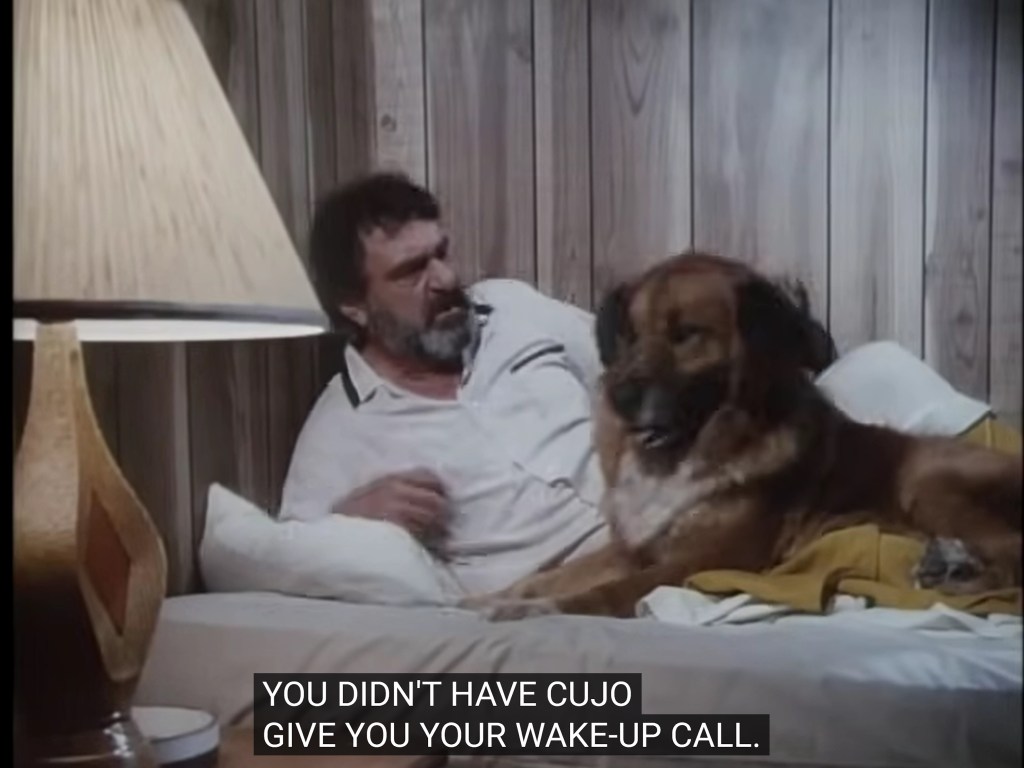
It’s such a weird coincidence: by the time Landon wrote that episode, he probably hadn’t planned to have an actor from that same movie later on in the series. Or maybe that’s precisely what he wrote that line for.
Unless the line had been improvised by French and wasn’t in the script: that makes it all the more uncanny.
- Production and Setting
From a production standpoint, the episode was produced in early May 1987, around the same time as the third season finale aired. That was extremely early: the seasons usually begin production in the summer (the first three seasons had their start after July), usually after a four month break from the end of the preceding season. However, this time, they were in a hurry: in spring 1987 the director were dissatisfied with their agreements with the networks, and the guild threatened to call a strike by the summer; that means that the production was going to be halted until the strike was over, and if it dragged too long, it would have delayed the entire Fall schedule. To prevent that, Landon decided to move forward the production of season four to May, and have at least six episodes ready before summer, in order to avoid any delay in the schedule airing by Fall in case a strike forced him to shut down.
So, the production was forced to come back working in Spring after less than two months from concluding the season three finale (which was made in early March), and many of the upcoming episodes were shot by June, around two months earlier than usual.
Eventually, a directors’ strike did occur in July, but only lasted a single day. So, it was all for nothing. But the production couldn’t possibly know that: Jonathan might be an angel who can foresee the future (while tormenting his friend about it) but Landon was not, and he didn’t want to take any chances all the same.
Anyway, the production began earlier: the episode was written by Landon in early April, just one month after completing the season three finale.
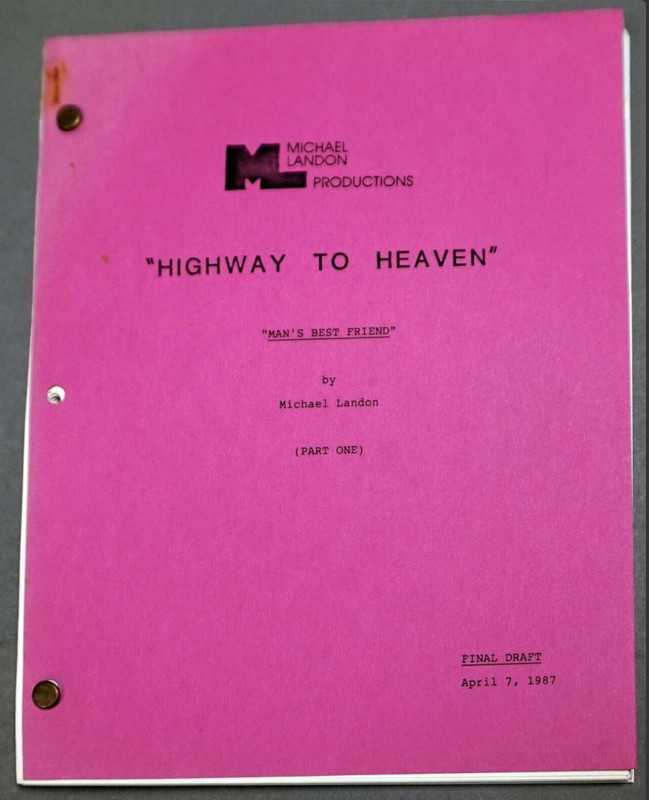
A couple of things to point out: one, it marks only the second time Landon wrote a season premiere, the first being the pilot; in seasons two and three, Gordon wrote the opening episodes. It’s likely that, after seeing the strong ratings for season three’s dog episode (that’s the most watched episode of that season), Landon chose to write another similar assignment hoping to replicate that success. He probably admired dogs (not like Bonanza).
But this time, he incorporated an adoption part—something he frequently returned to. In fact, this is roughly the fifth episode in the series to be an advocate for adoption: others were To Touch the Moon (season one), Alone (season two), A Special Love and That’s Our Dad along with several others that touch on the theme more loosely. And this episode arguably represents the most definitive “adoption assignment” in the series.
Another curious thing: in the original script, the episode was always intended to be a two-part story, though it was planned to unfold somewhat differently. Apparently, Part One was originally meant to conclude with Jonathan telling Alex that the dog had been identified and returned to its original family, while Alex breaks down crying in his room.
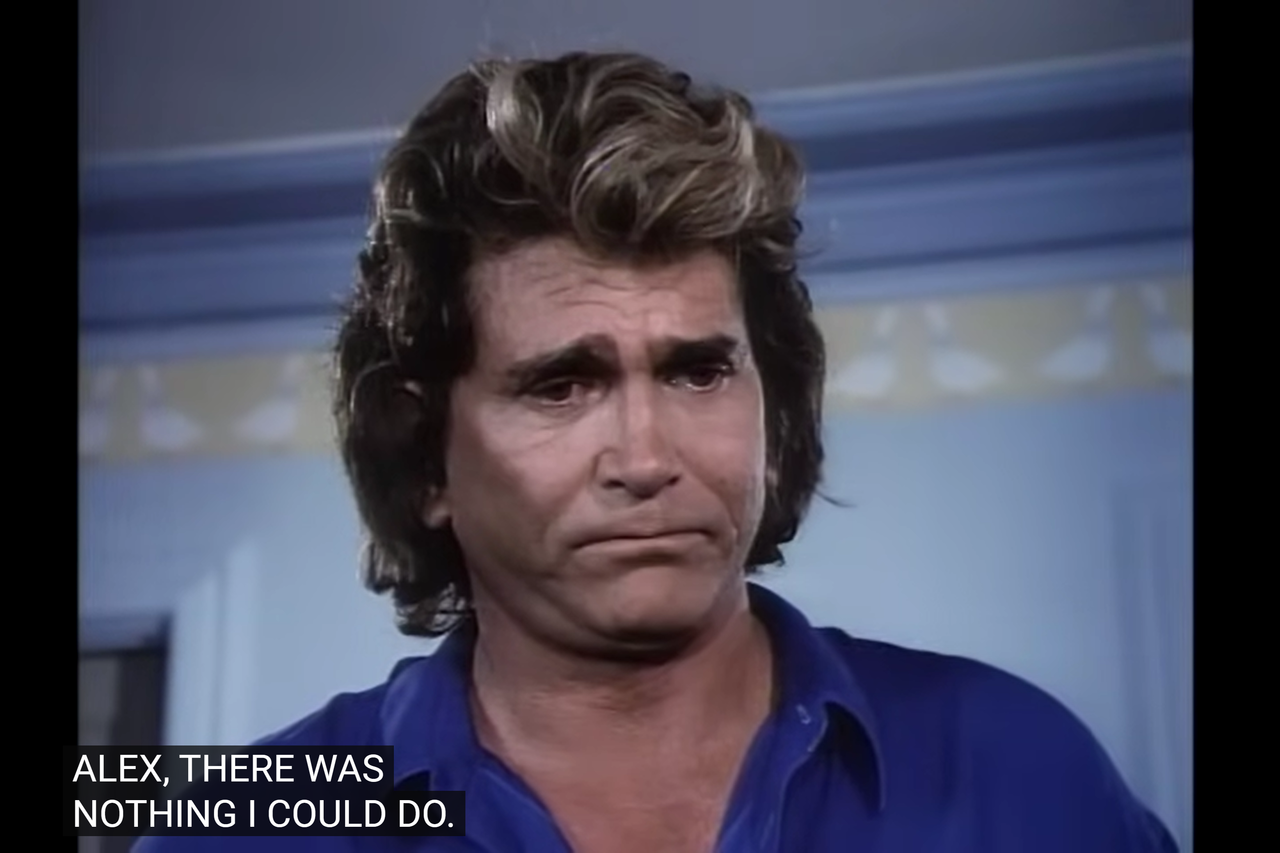
And Part two was supposed to begin with Jonathan and Mark arguing over who was to blame—whether it was Jonathan for introducing Alex to the dog, or Mark for suggesting they involve journalists and make the situation public.
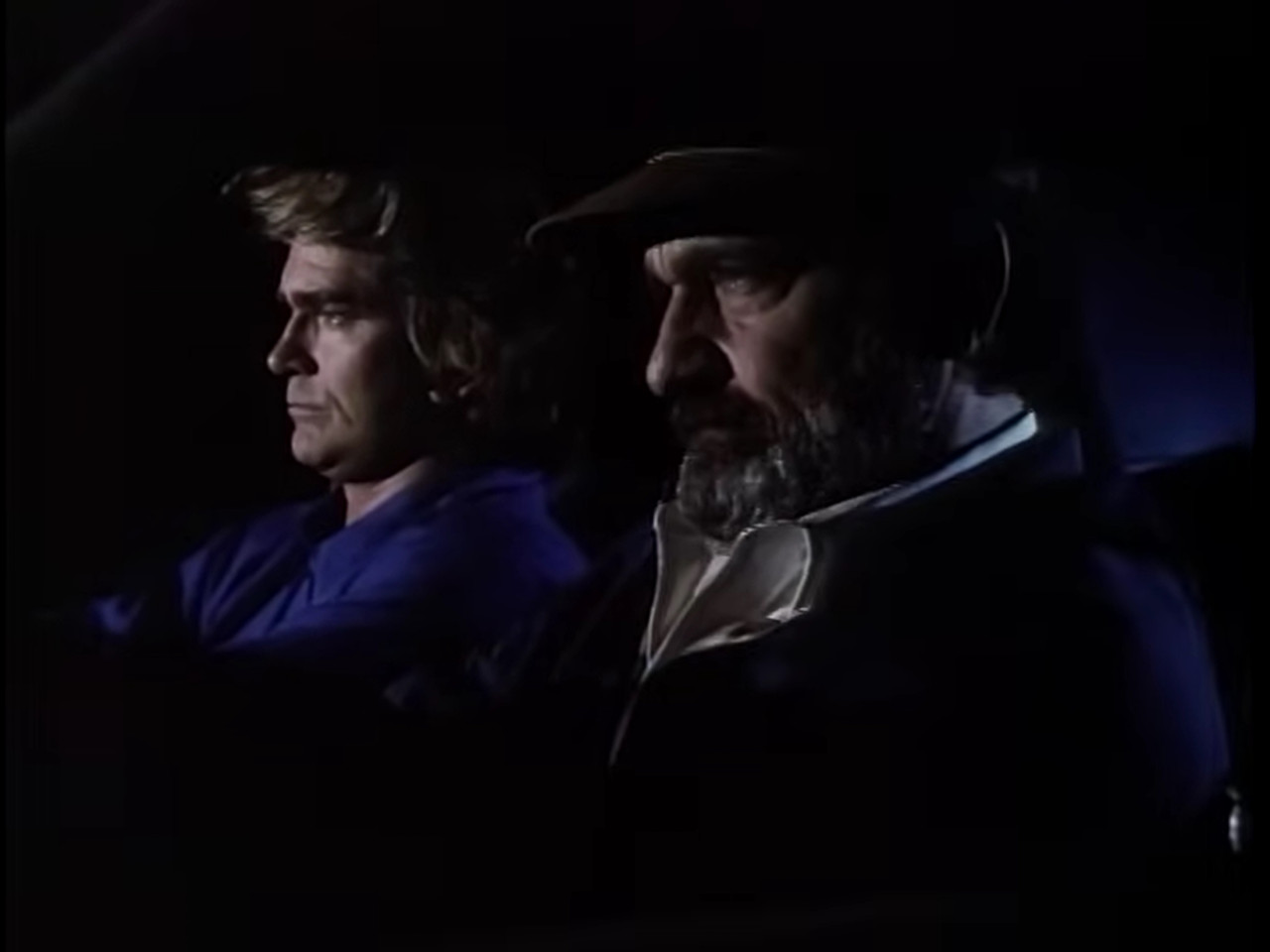
And then Jonathan resolves to asks the dog’s family if he can bring Alex over.
However, Part One wound up shorter than anticipated during filming, so the producers (or Landon) decided to incorporate some of these later moments into it. Basically, everything that happens after the scene in which Alex has a breakdown and Mark has wobbling eyes was supposed to be Part Two already.
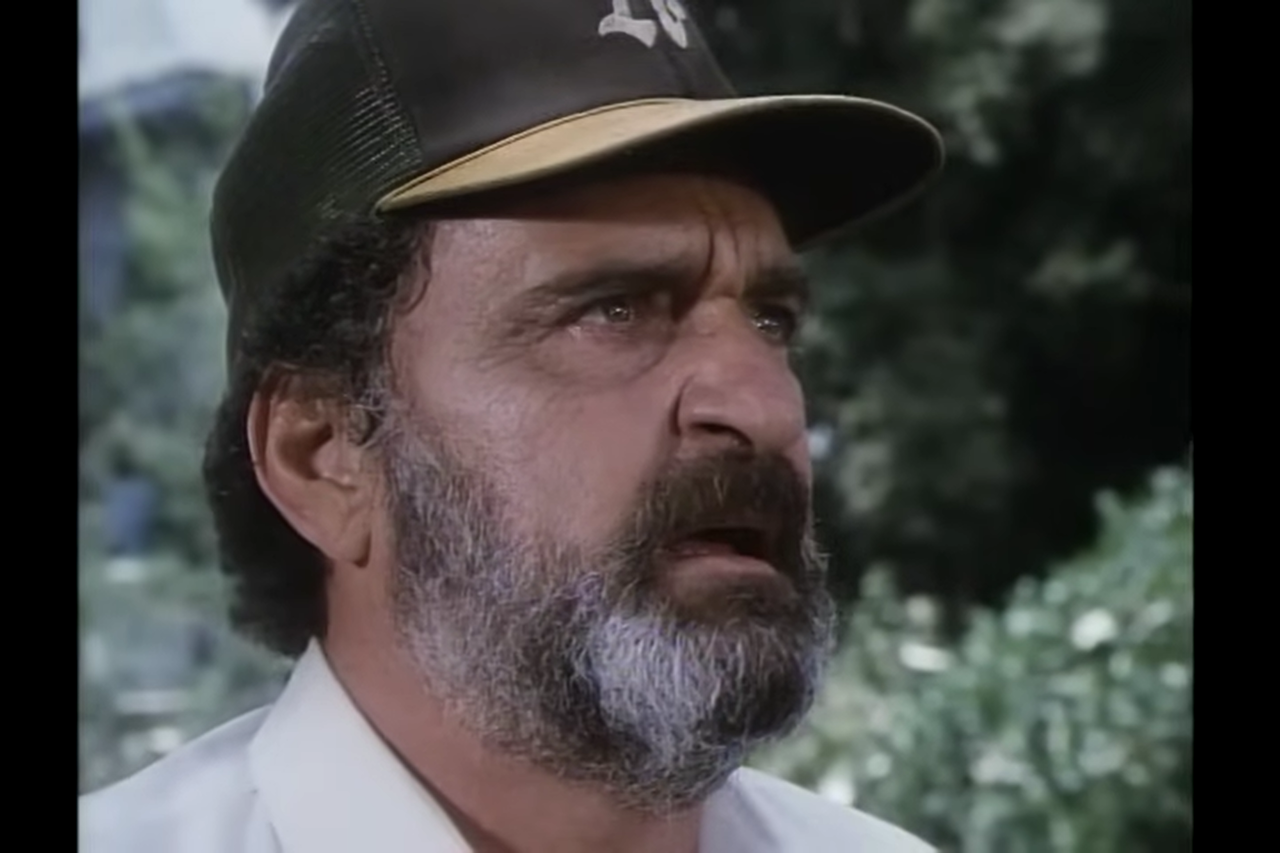
“To Be Continued” on this.
But in the actual episode, the first minutes of Part Two were moved to Part one, which concludes with Jonathan visiting the girl’s house and asking if he can invite Alex over to see the dog.
And this helps explain why the ending of Part One feels so abrupt.
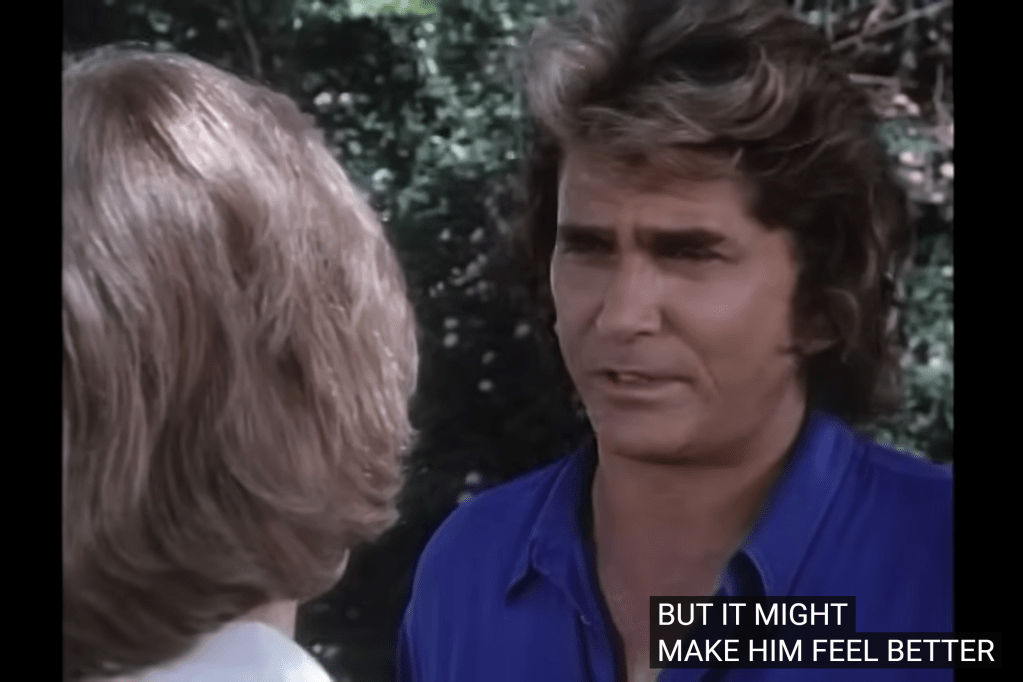
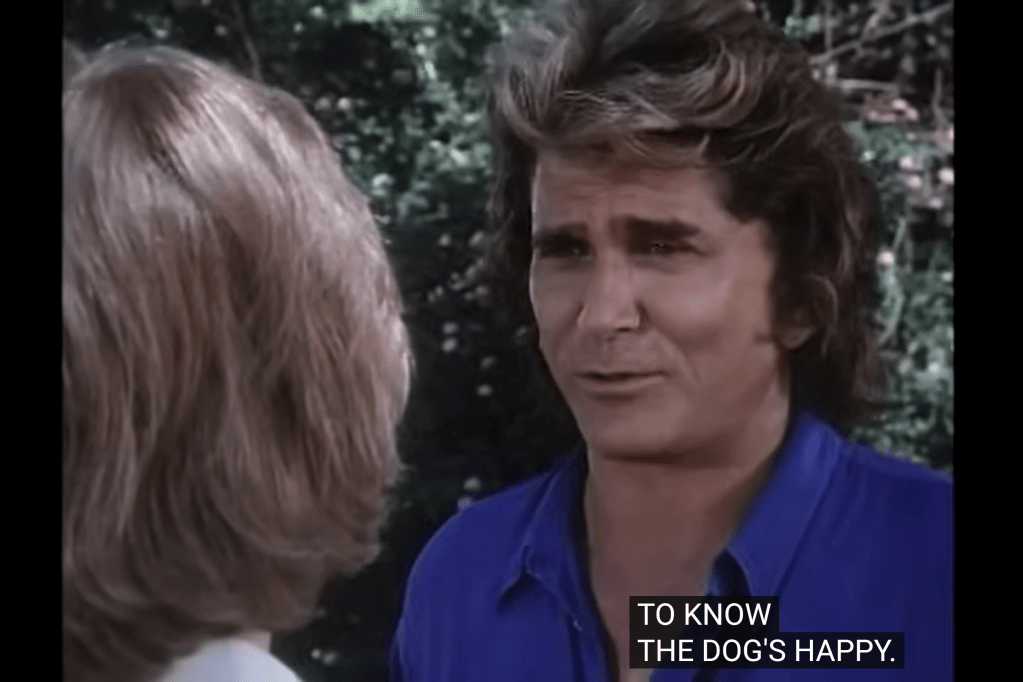
Considering that both parts were produced simultaneously (rather than completing Part One before moving on to Part Two), it’s likely that Landon realized the episode was too short only after it was assembled. And to compensate, he could either add as much material as possible to bring Part One up to the required 45 to 50 minute runtime, or move scenes forward from Part Two. And he chose the second way.
This would also imply that Part Two was initially going to be short as well, if some of its scenes were moved to part one. However, when two-part episodes air in separate weeks, Part Two always includes a five-minute recap of the previous installment. So, if the second part of a two part episode turns out to be shorter than anticipated, they can stretch its recap in length to fill time if needed. A shorter Part One, by contrast, presents a bigger problem.
In cases like this, in which there’s no clear distinction between the parts, shifting scenes from Part Two into Part One can work—though it doesn’t always work as well. For example, A Song for Jason moves its setting somewhere else from part one to part two, and the episode would likely lose much of its impact if Part One didn’t end the way it does. But again, this part one was essentially an aimless wander at the shelter waiting for something to happen, or to receive some head-ups for the assignment. So, there was no problem.
Anyway, this wasn’t the first time Landon wrote a script that came in under length: an earlier example is For The Love of Larry in Season Three, which reportedly ran only about 35 minutes. To fill it, a new ten-minute prologue had to be improvised and added to the beginning of the episode, even though it was largely unrelated to the main assignment in the rest of the episode (which was a dog episode too).
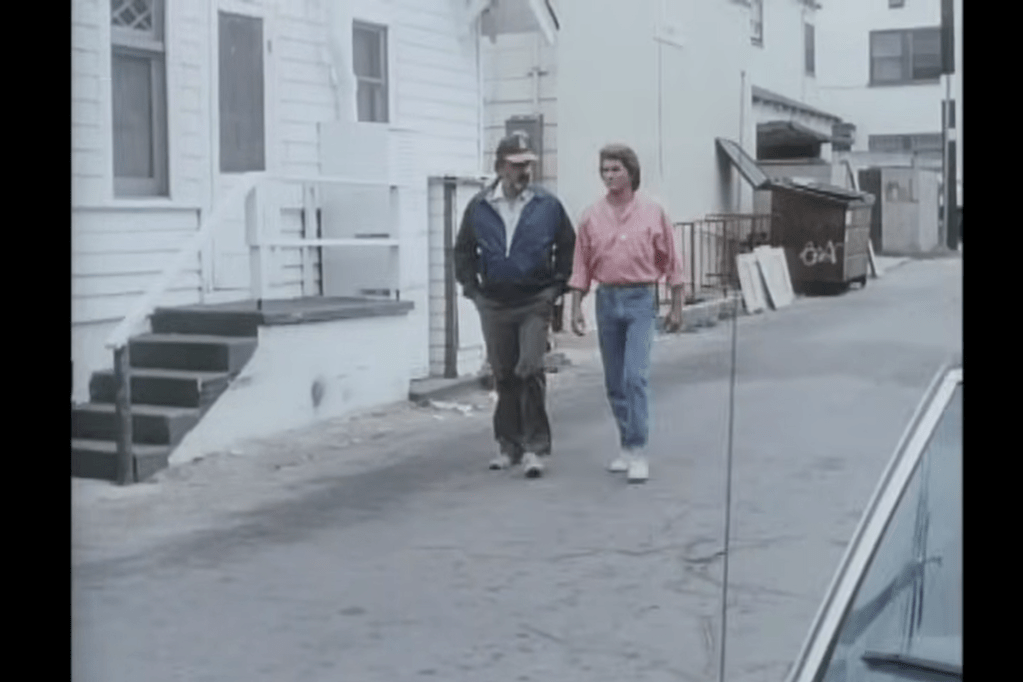
Something similar occurred in Love And Marriage, but that episode wasn’t written by Landon.
As for production, the episode was filmed in northern Los Angeles: in particular, the dog shelter is in Santa Clarita, particularly in the Sierra Highway. That should look familiar: it’s exactly the same place where they shot and set For The Love Of Larry in season three, and portions of the season one finale before that. Actually, they even used the same dog shelter in both episodes.
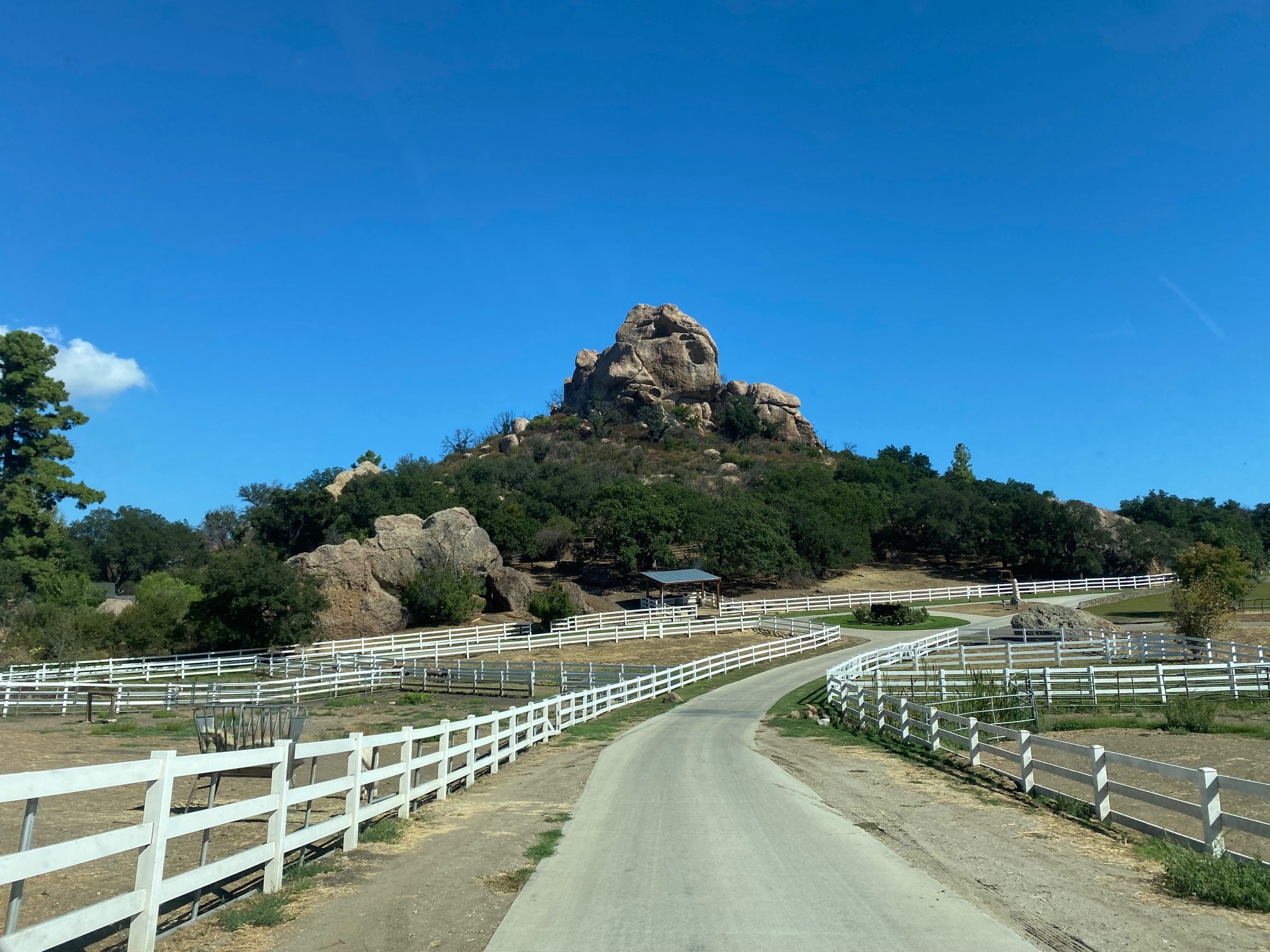
While the dog’s original home is in the Saddlerock Ranch in Malibu.
Glossary:
Bins: despite being a dog assignment, Landon decided to randomly throw in a reference to pollution at the beginning of the episode, when Mark reads the news of regulations for the level of PCB in the water.

Friendly Jonathan: it’s a nice way to start the season. It occurs when Mark is soundly asleep.
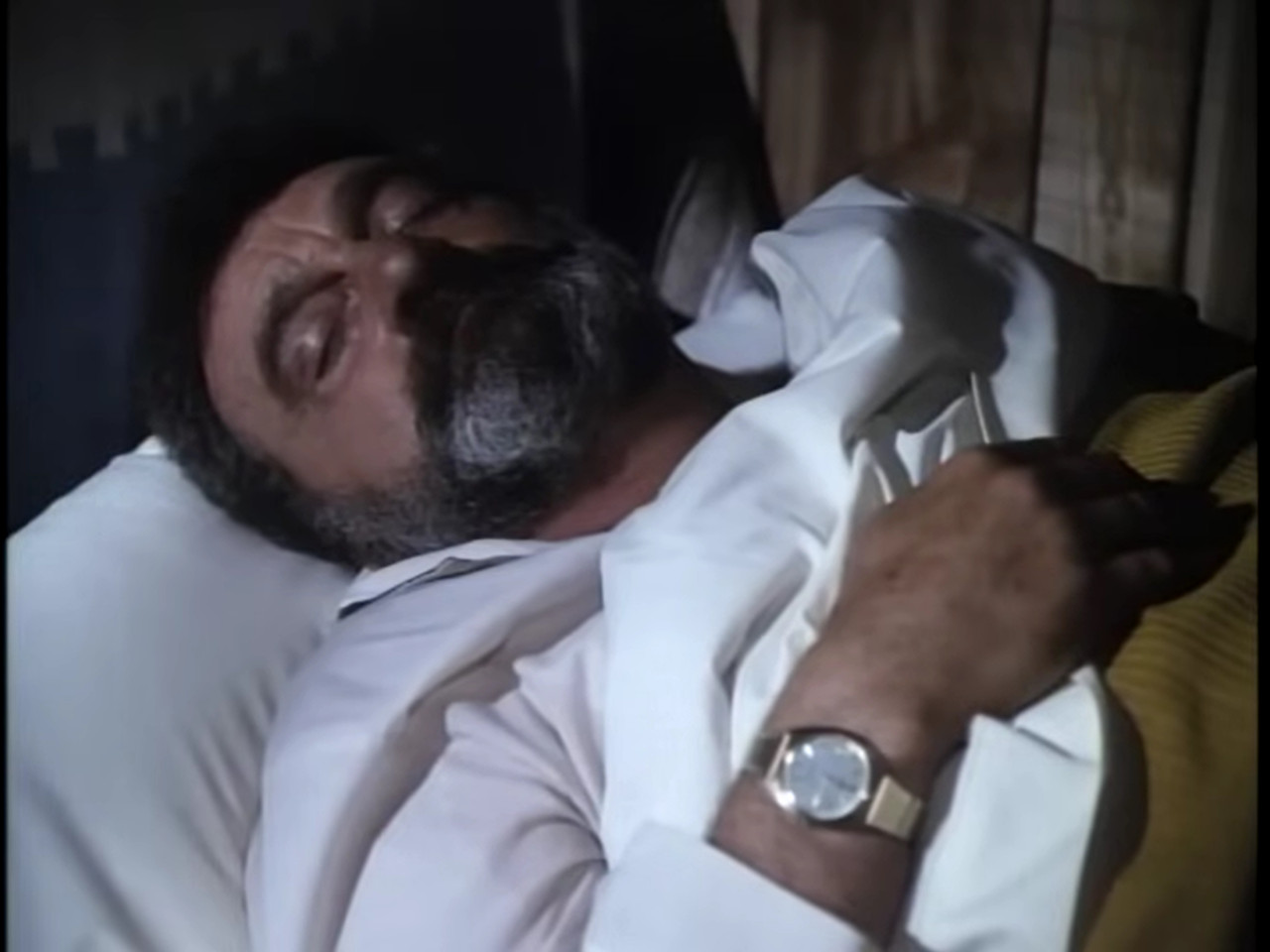
And Jonathan wakes him up.
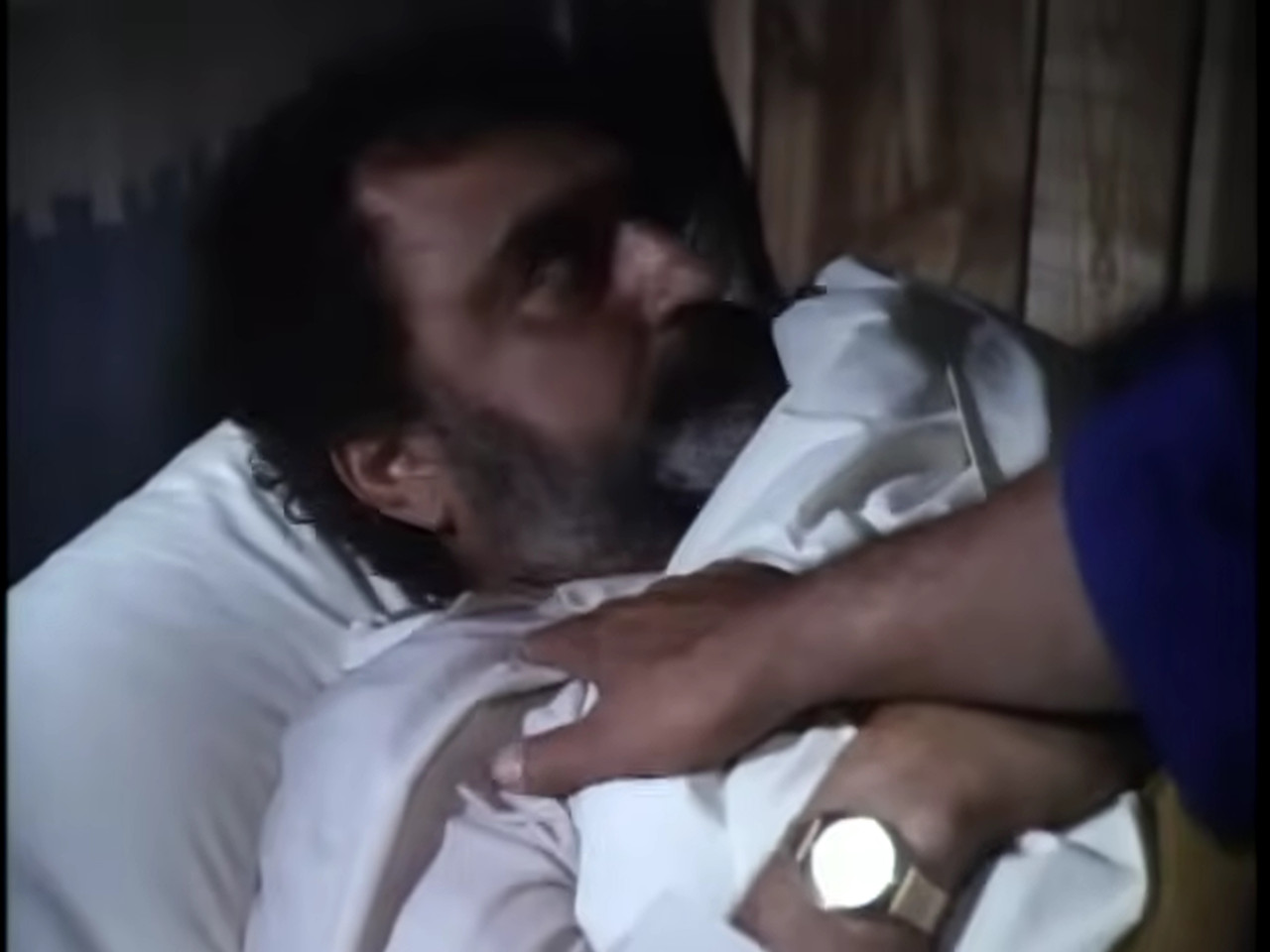
Because Jonathan couldn’t go dog rescuing alone.
Or he could have, but he didn’t.
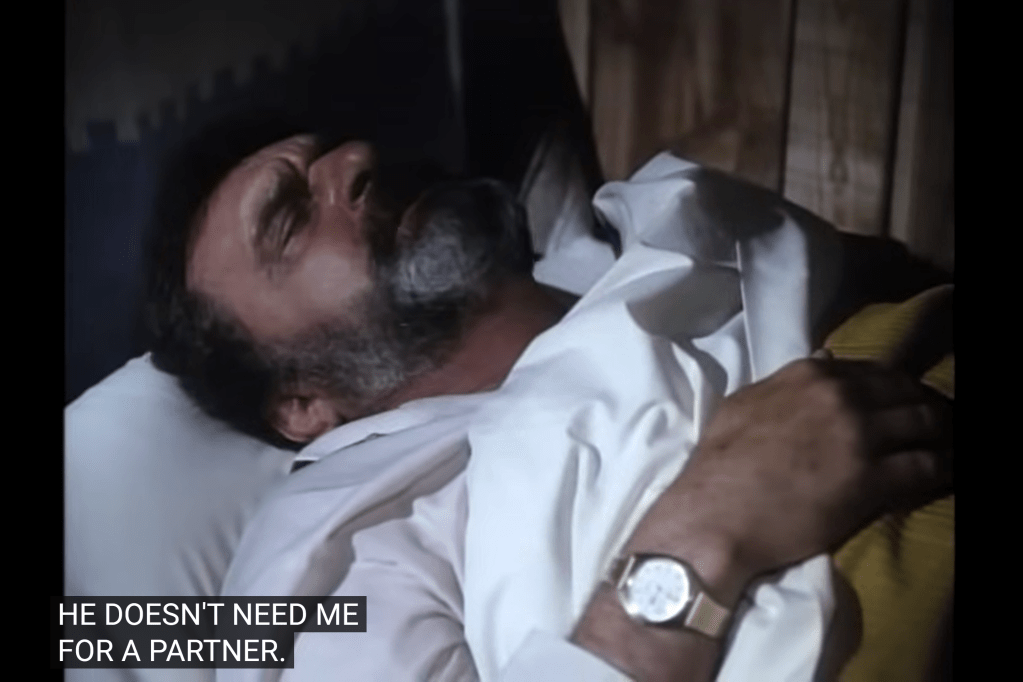

And notice that Mark is sleeping with his watch on.
Perhaps he knew Jonathan was going wake him up at some point and doesn’t take it off anymore.
Recycles: this episode has a couple of them. One is the line about people worrying about the bombs and not water contamination, which was taken from the season two episode about the same thing.
The second recycle is the setting of the dog shelter.
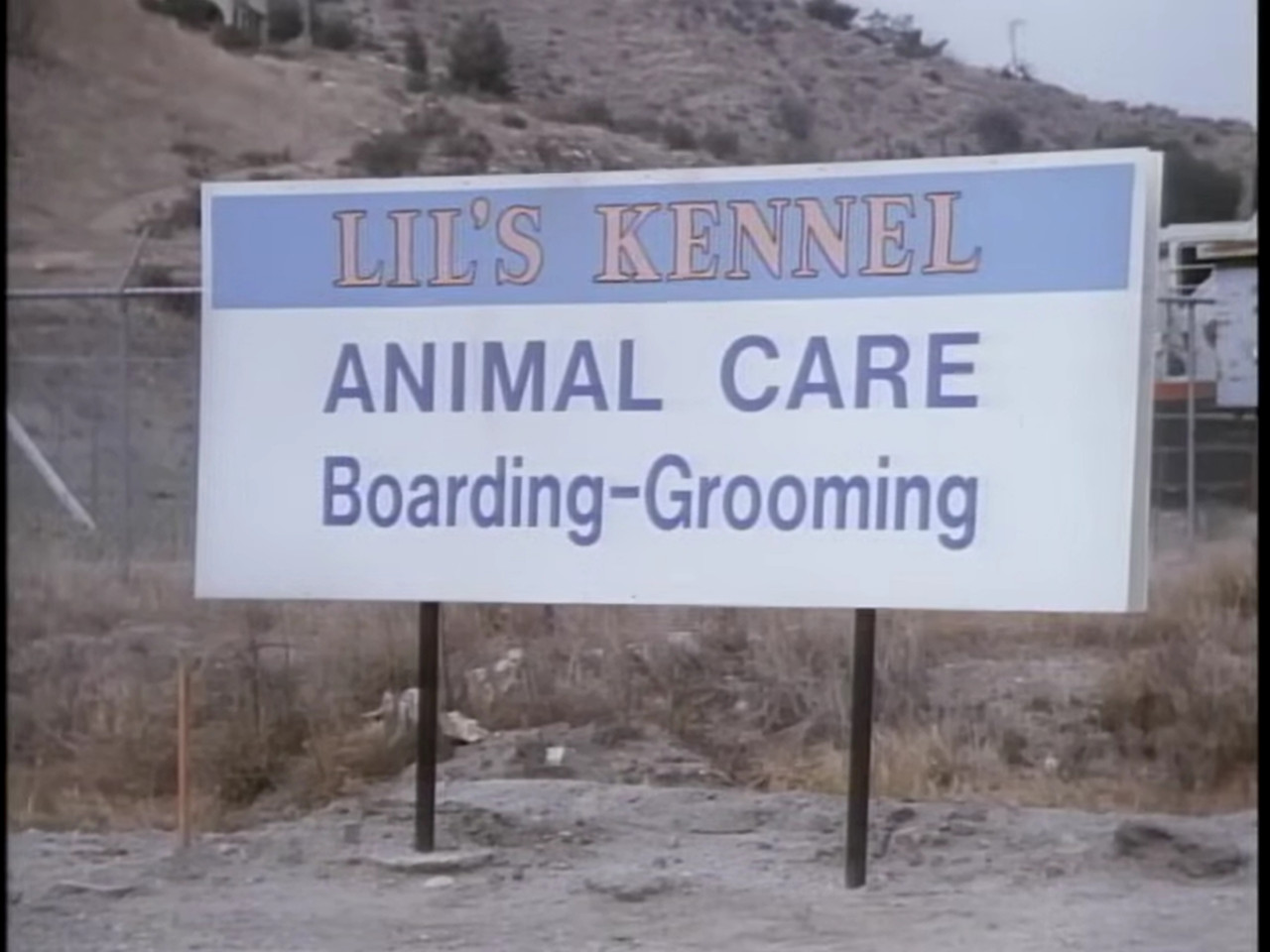
It is precisely the same dog shelter used at For The Love Of Larry in season three, the previous dog episode. Only that time, it had a different name.
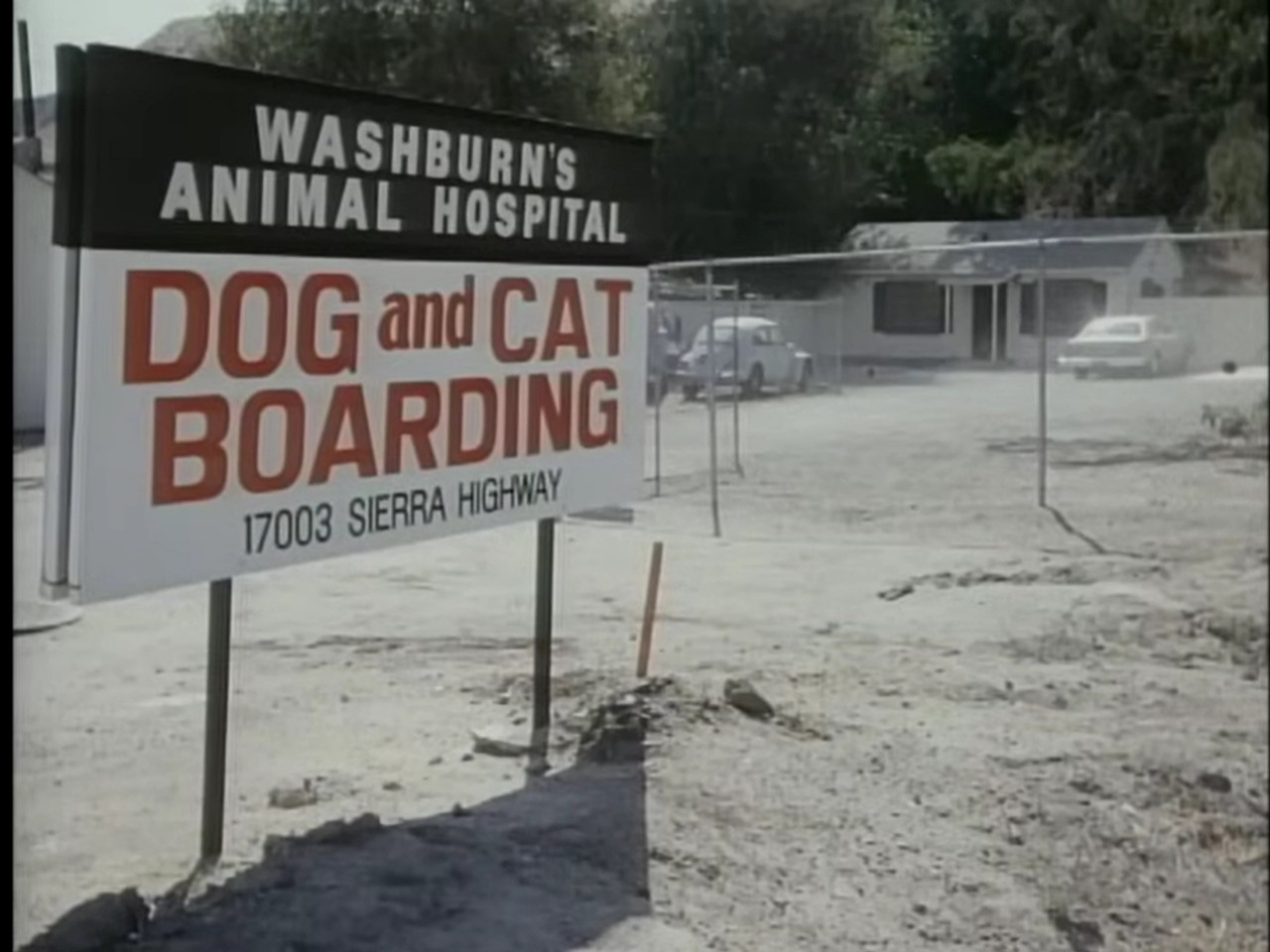
It’s a recycle because, by changing the name, they wanted to make it look like those are two different places. But they’re not: they were shot in the address of the Sierra Highway, and they are exactly the same set. Even the cabin Jonathan and Mark sleep in is the same one used in that episode.
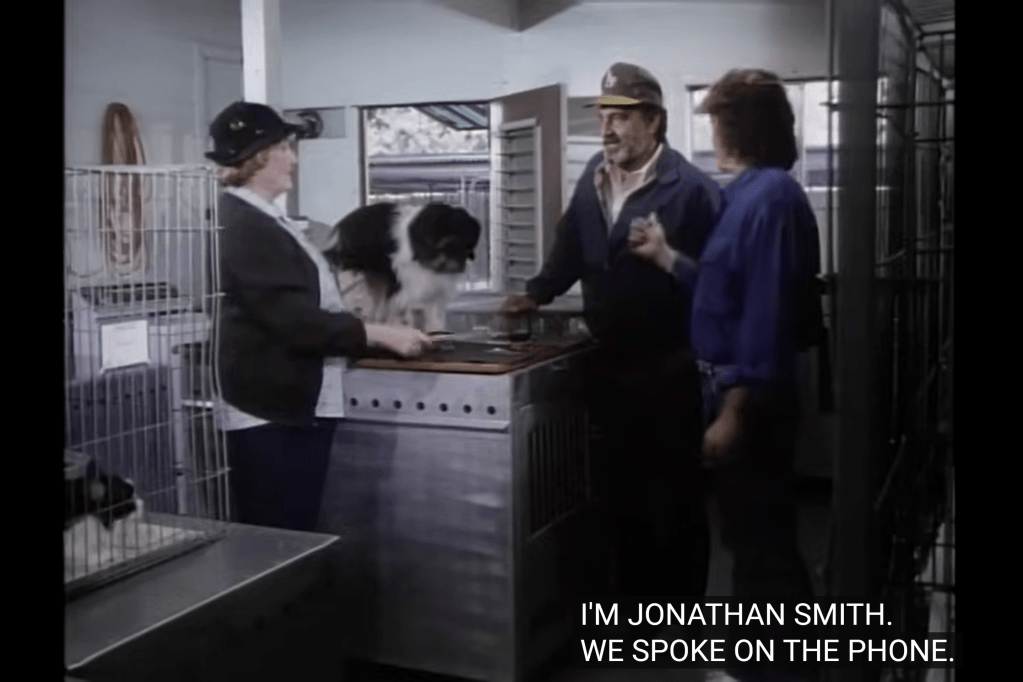
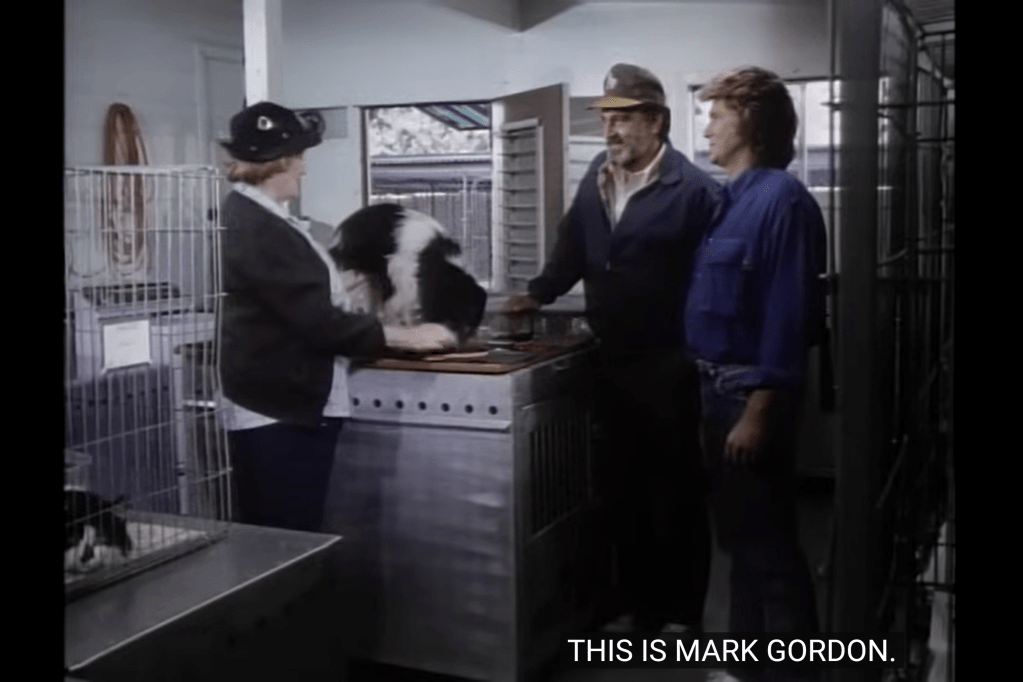
The angel and Mark: when they introduce themselves to the lady running the shelter.
The Stuff powers: Jonathan uses his vanishing power at the beginning of the episode; although this time, it’s different from other instances. Usually, he gradually vanishes until disappearing completely (a recent example is the season three finale). This time, he just abruptly pops out.
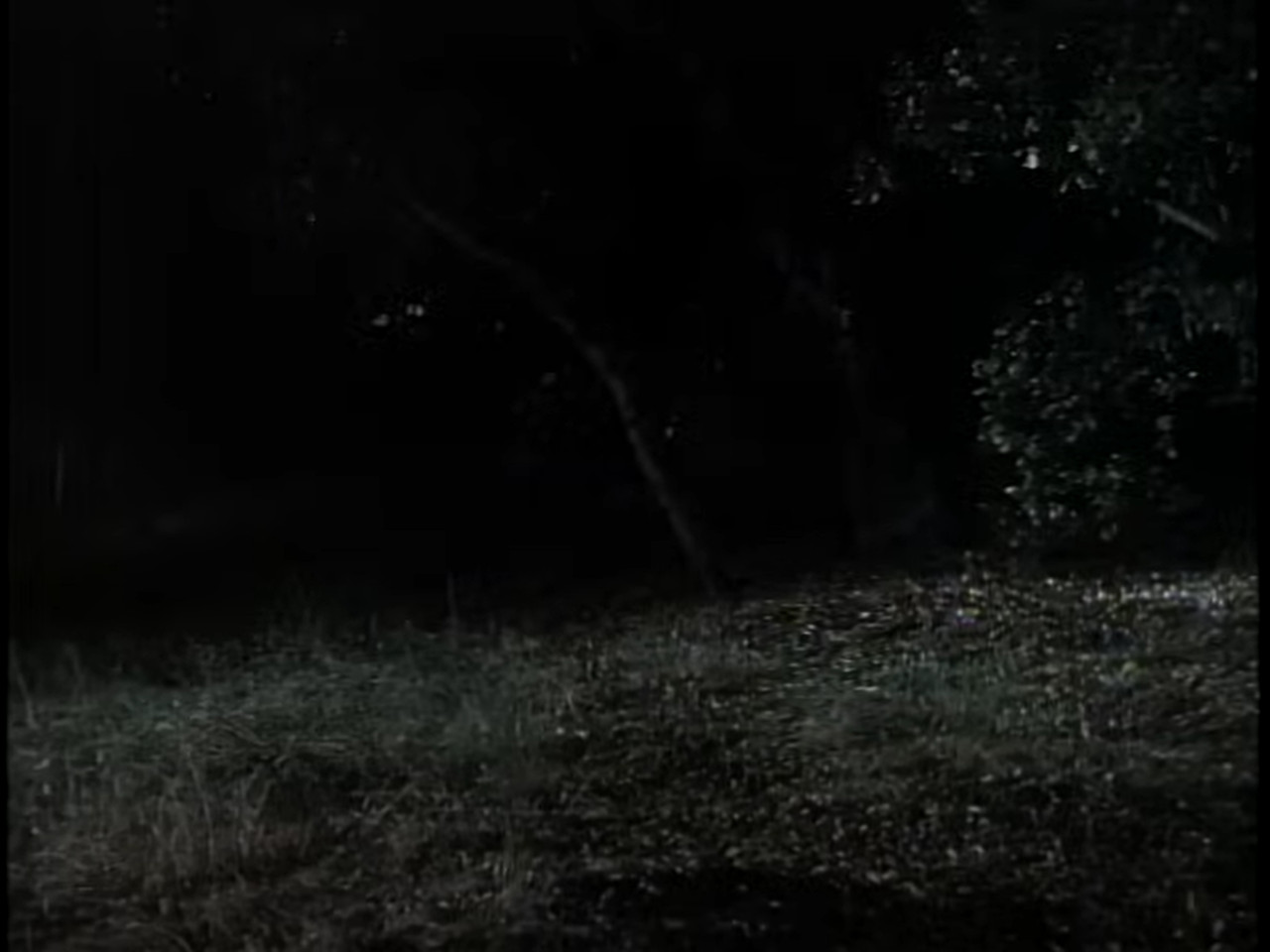
There’s nobody there.
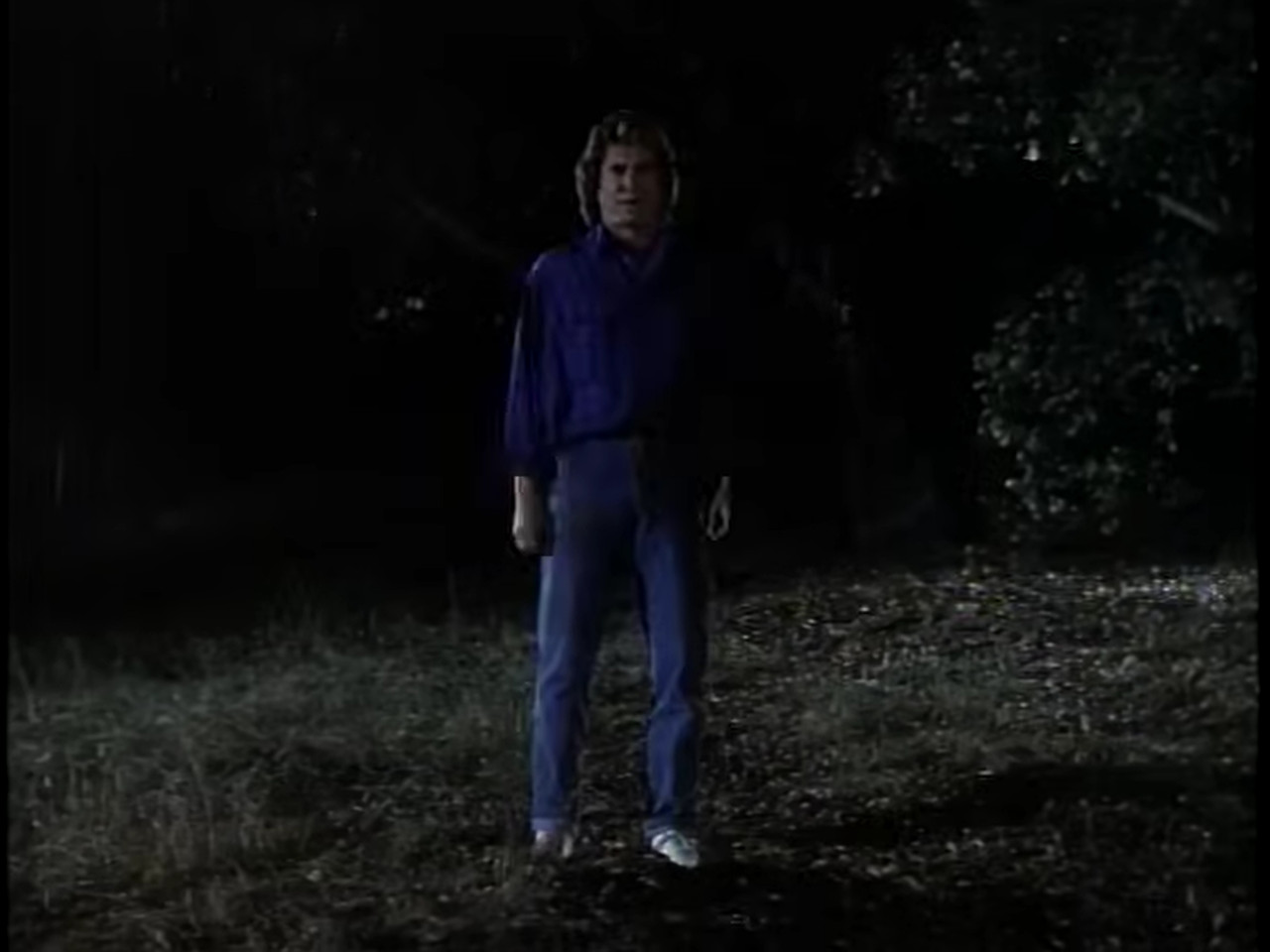
And then he’s there.
Basically, like the Ghosts at Buxley, when they were not crashing into doors.
And then, transforming into a lion to fend off wolves.
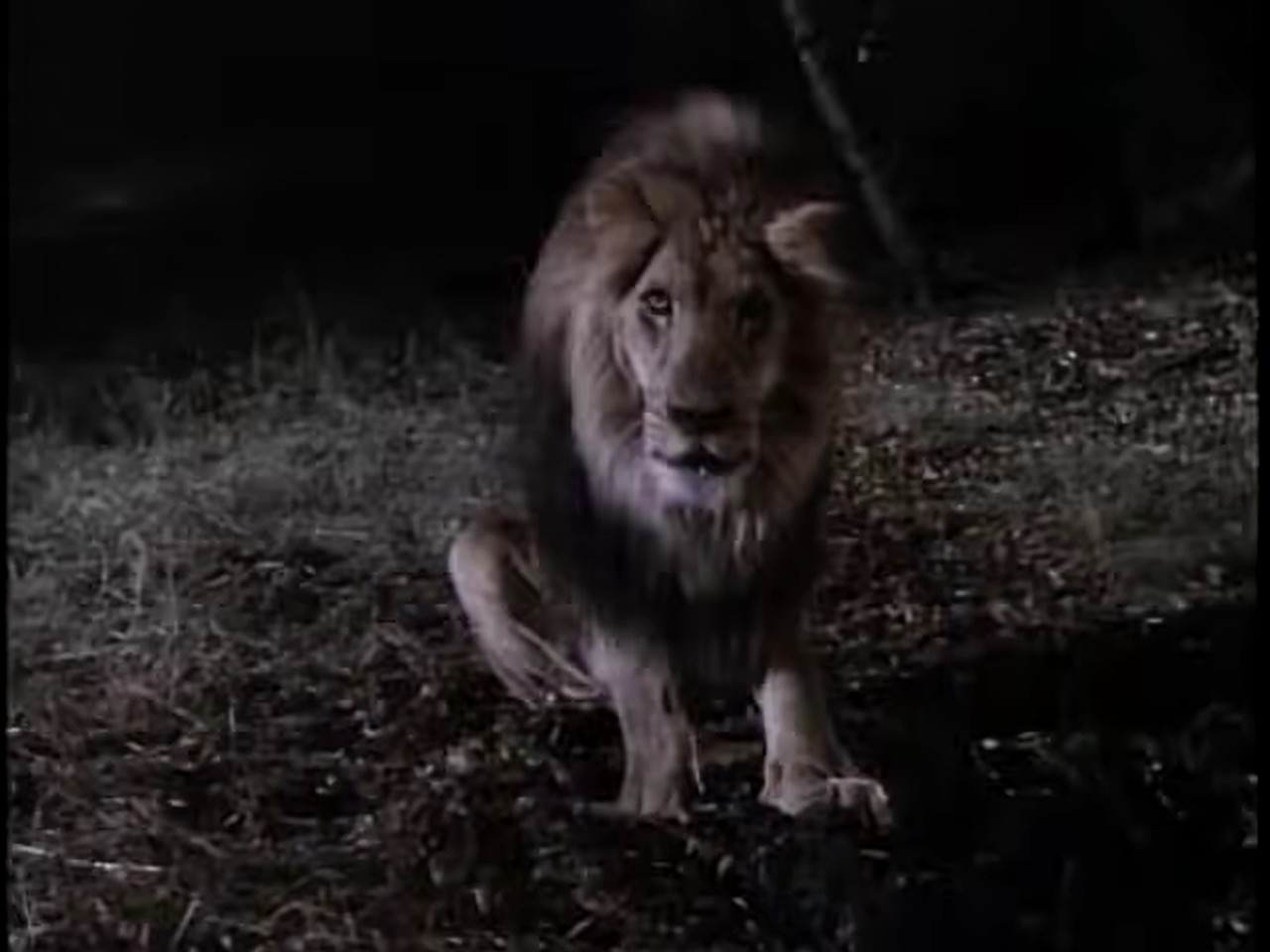
I was a teenage lion.
This is a form of metamorphosis he had not previously demonstrated. And this power is just too powerful.
But he glances upward before doing so, as if seeking permission from a higher authority.
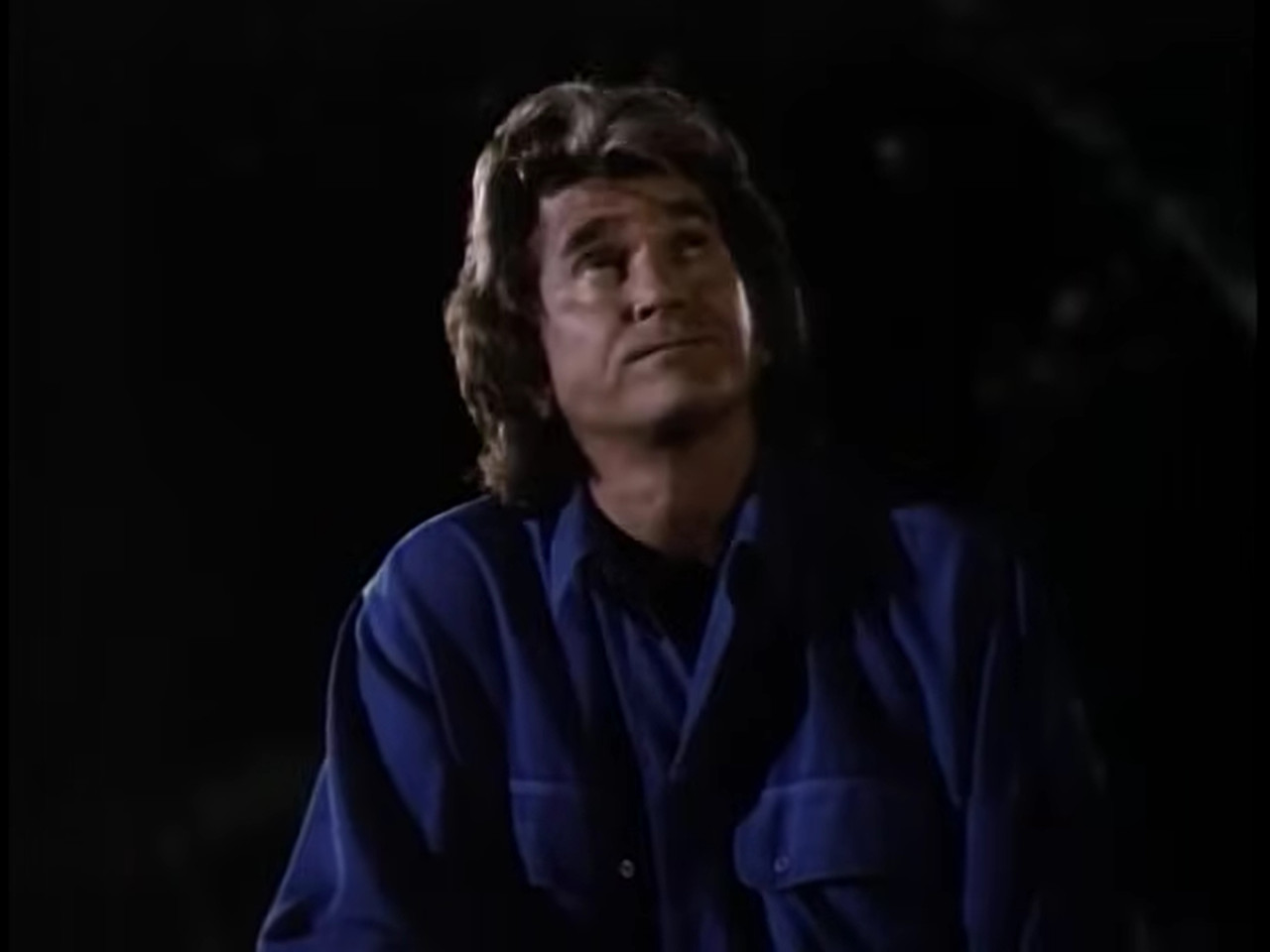
It may further support the idea that Jonathan can use certain abilities freely (such as otherworldly strength), while others—more extraordinary powers, like entering dreams—require approval. And turning into other animals is certainly a classified one.
Also, there’s one odd detail of Jonathan who doesn’t use the powers: when they let the girl see the dog, neither Jonathan nor Mark seem to know the way the identification is going to end; but Jonathan could have simply used his powers to know that.
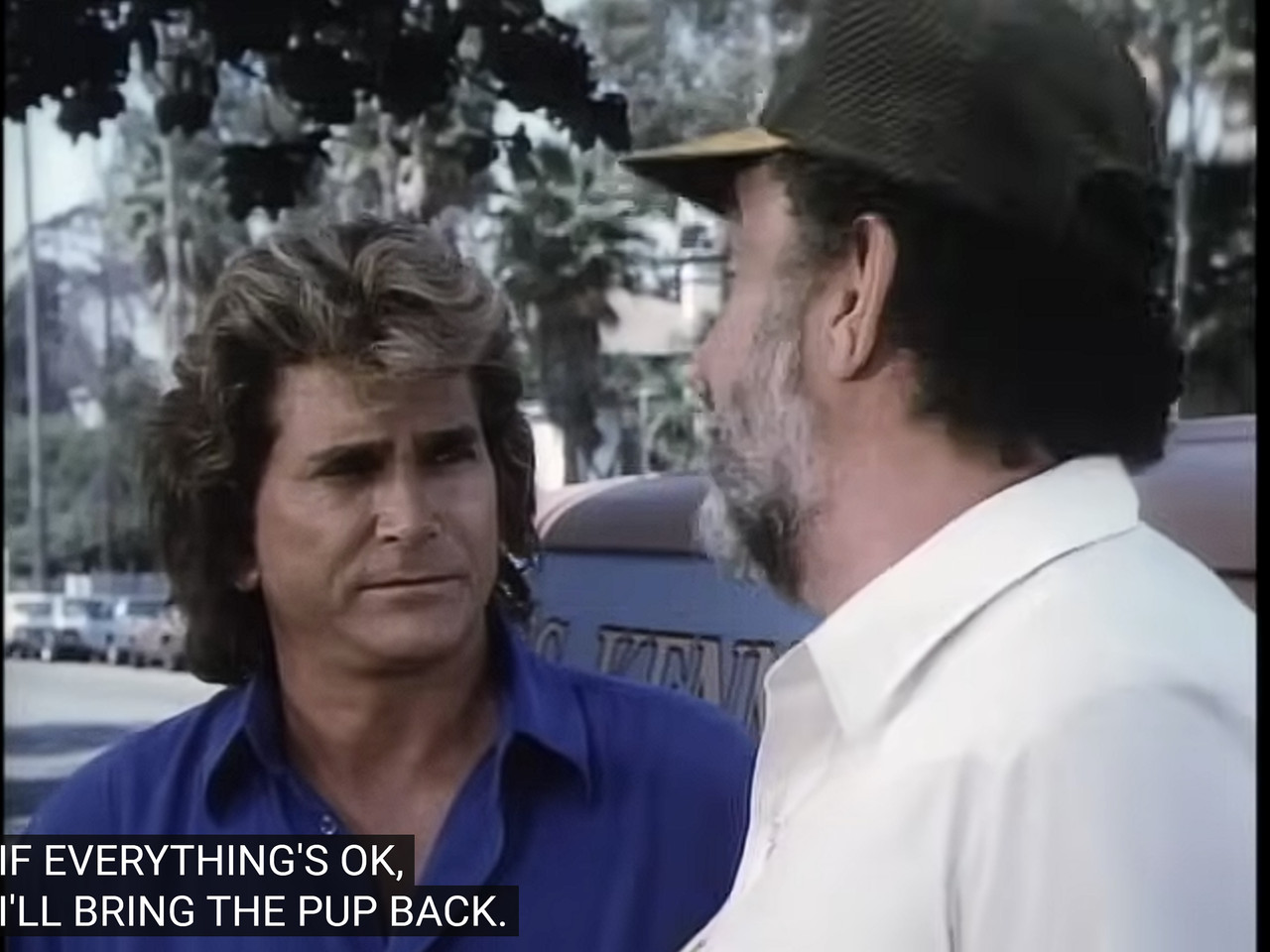
The same way he used the mindreading powers at the beginning of the episode, when he knew that Mark was going to talk about pollution—before Mark told him.

Ratings: 28 million audience. 17th weekly TV programs, 5th TV genre show.
This episode aired in September 1987 as usual (season three was delayed) to launch the new season and achieved ratings comparable to the previous season’s premiere. Although its viewership was slightly lower than that many episodes season would later reach, the overall performance remained strong. In fact, the rest of season three proved quite successful, which suggested that the opening episode alone was not necessarily indicative of the show’s broader popularity.
It is also worth noting that these ratings held steady during a period of significant change in the television landscape: that same TV year marked the launch of Fox, a new network, in the first serious attempt to challenge the long-dominant “big three” networks (CBS, ABC and NBC) that had led American television since the 1950s.
Moreover, even though the ratings were not as high as in season two, Highway was still outperforming most series at the time. In September 1986, around the time of the season three premiere, there were only six programs with a score fewer than ten rating points. Over the 1986-1987 TV year that number had doubled, even excluding programs from the new channel that had just launched (otherwise, the increase would be even greater).
In that context, it is notable how well the series held its ground, even as people’s relationship with television was changing. However, only part two would reveal whether the new season could replicate the ratings success of season three, which would make it an even more noteworthy accomplishment.

Leave a comment