
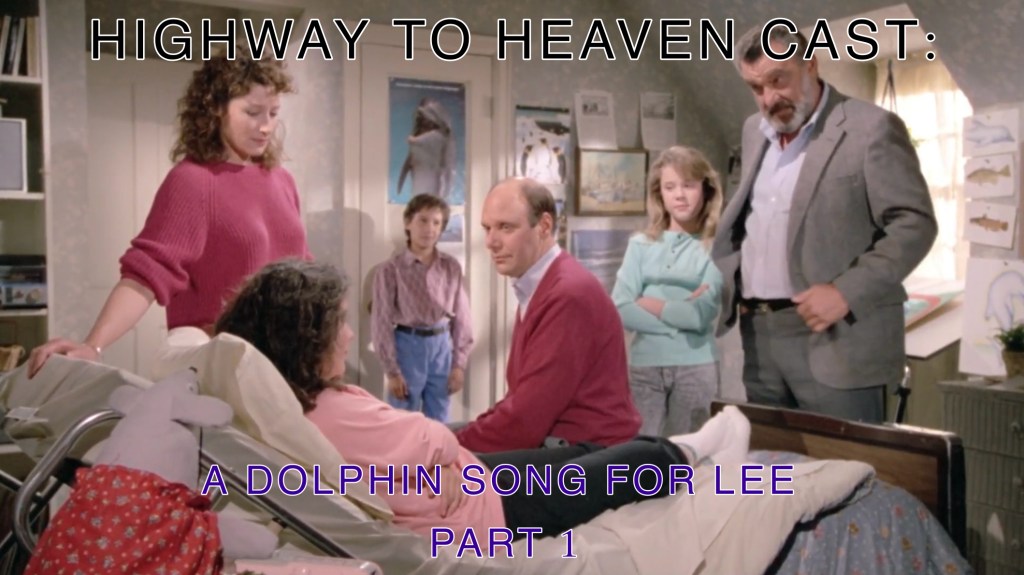
Highway To Heaven Cast: A Dolphin Song For Lee Part 1
Airdate: 03/16/1988
Directed By: Michael Landon
Nothing could get any more emotional than this. If anybody believed that, by this point, it would be impossible for the series to match the same level as the earlier episodes of the season— those were already utterly striking—or that Season Four had already surpassed its greatest achievements after Jonathan and Jennifer’s show, they would be wrong.
It seemed impossible for the show to maintain that emotional intensity. And yet, it did with something deceptively simple. It appears as a plain illness assignment, and it is in part. But it’s also unlike anything that came before in the series. Not an illness assignment secretly about adoption, or one with an extremely specific setting, or an adventure out in the wilderness. It’s just the disease, and people confronting it.
It’s already apparent from its being a two part show, the last of the series, that there’s something weird going on.
Guide:
- Assignment
- Background
- Characters
- Highway Actors
- Production And Setting
- The Stuff
Glossary:
- Blooper
- Friendly Jonathan
- Sunday Suits
- The “Stuff” Powers
- The Job
- Ratings
Complete show available here.
Assignment: Jonathan and Mark are assigned to help the family of an ill girl.
This is the most overt, straightforward, and quietly devastating illness-centered assignment in the entire series, so far at least. The titular character, a teenage girl, is dying from a serious disease, and her family is slowly falling apart as they struggle to cope with her condition. Her parents feel helpless and powerless and refuse to talk about their feelings. Her sister Jennifer is afraid of nearly everything and her brother Bobby has become a recluse.
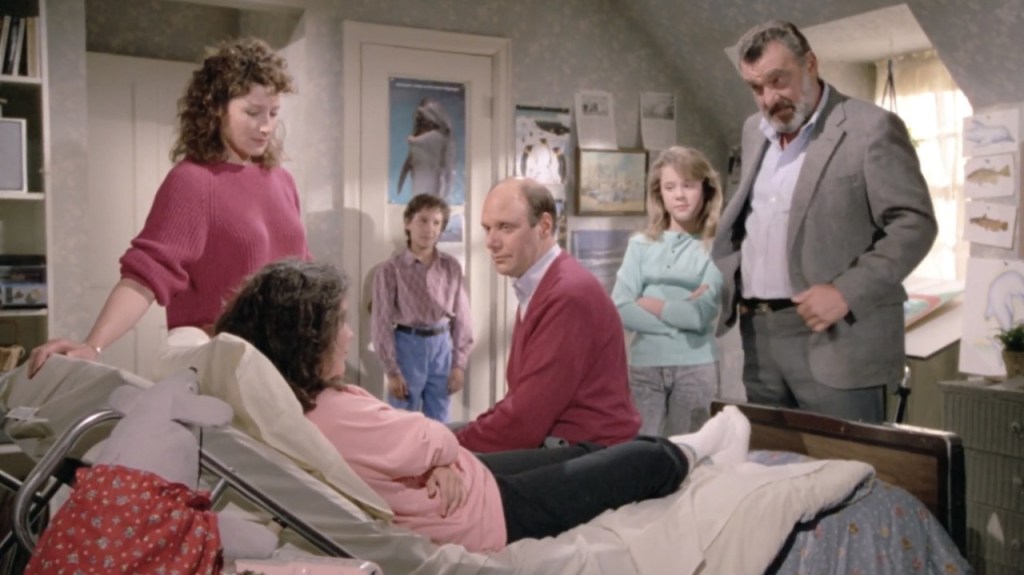
Meanwhile, she is dying.
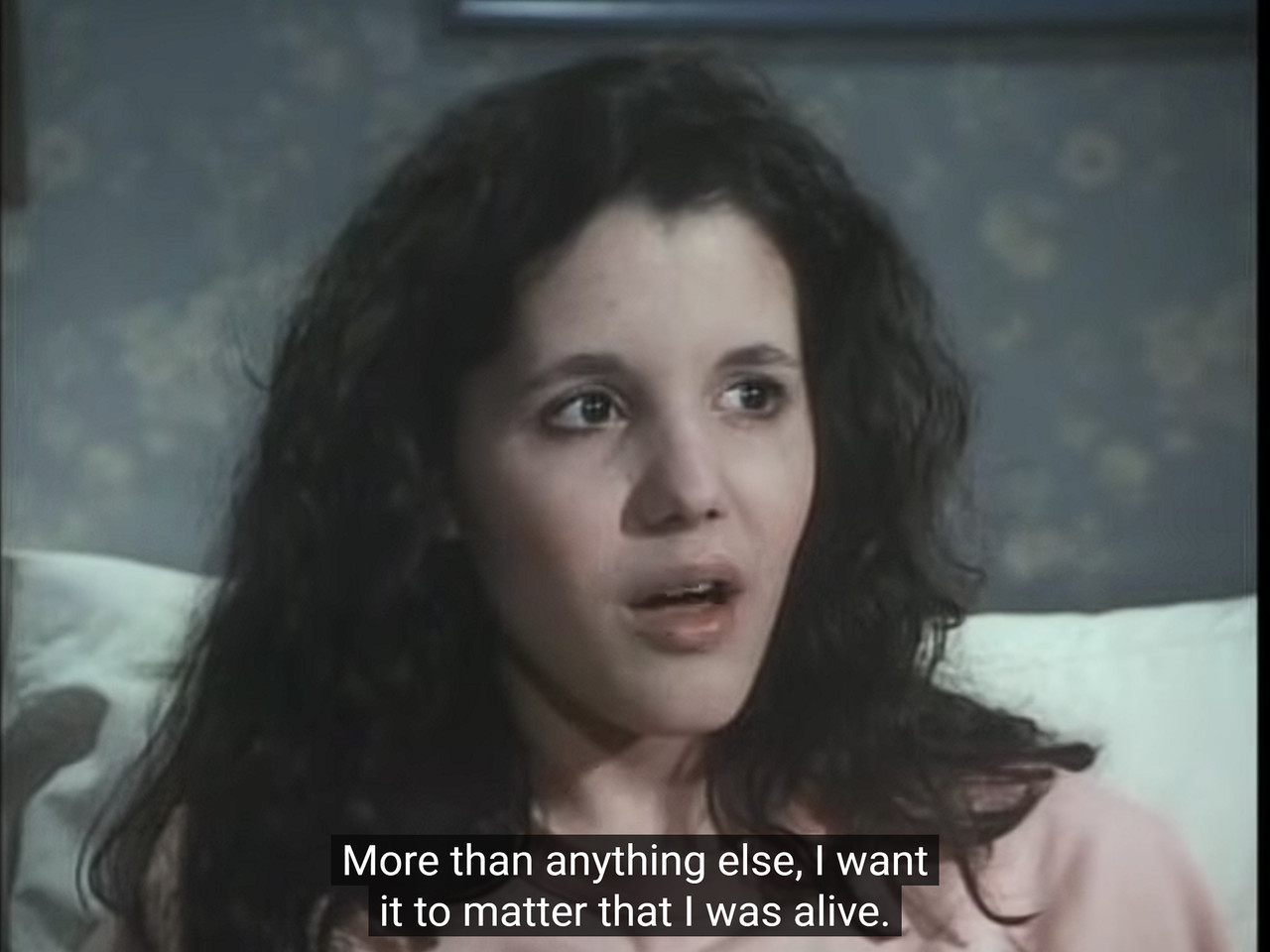
The assignment is just trying to help them all.
It is an illness assignment in its purest form. Unlike previous illness-related stories, which always evolved into something else. In the series, many of those assignments had more to it than the illness: for example, To Touch the Moon begins as an assignment about illness but eventually becomes about adoption; similarly, A Child of God shifts toward reconciling a woman with her father. And the season one finale is a sprawling assignment with sport and love and “His Father’s Son” problems, to which illness is added just in the second part. Even Aloha earlier in the season was a love assignment, and revealed the illness only at the conclusion.
Other episodes approached the illness differently: for example, in A Song For Jason the subjects had cancer, yet the episode had an extremely specific setting (it takes place in a summer camp for children with cancer), so it wasn’t entirely about the life of an ill child when off-camp. And Outward Bound (the lost episode) was about ill women having an expedition in the woods.
This time, however, the episode confronts the illness head-on: what it is like having it, what it means to the people involved and their relatives, what they go through every day. It is very, brutally simple and more grounded than most other episodes in the series.
But there’s a peculiar feature in this: at the beginning of the episode, Jonathan and Mark effectively reverse roles.
That’s right: after an argument, Mark receives the Stuff while Jonathan is transformed into a human being with ordinary human needs such as food and sleep. So, this becomes Mark’s assignment.
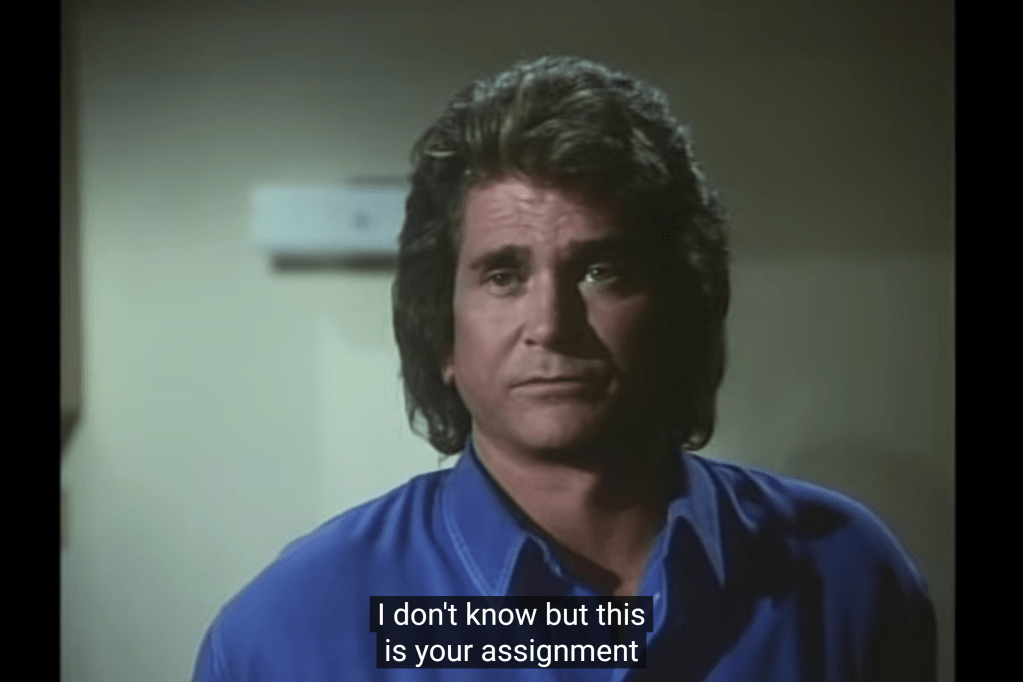
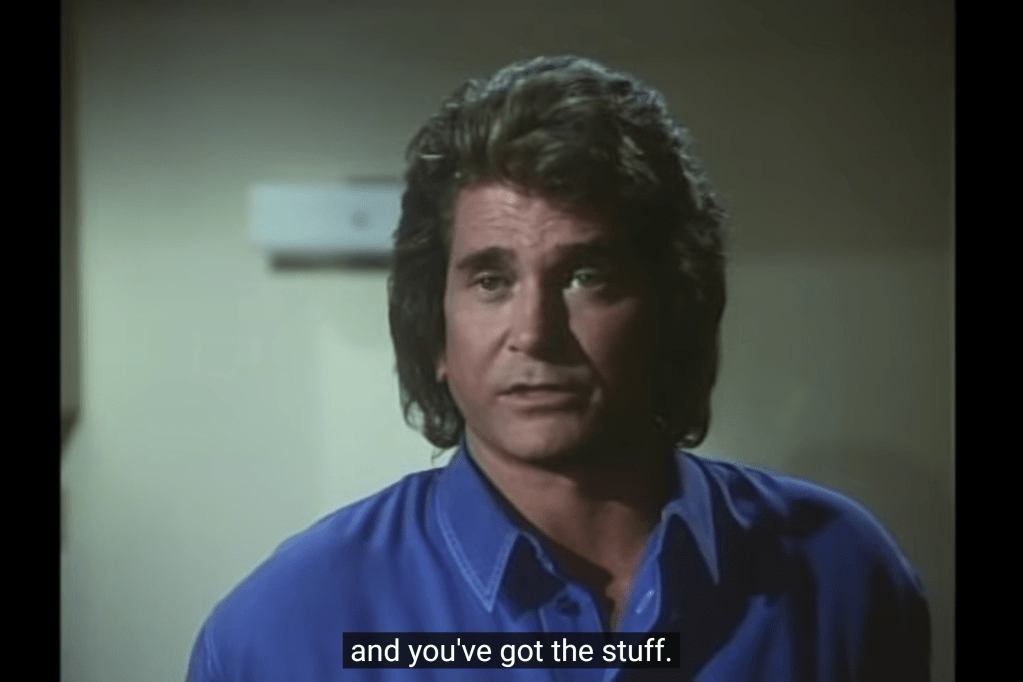
Every assignment is about Jonathan and Mark both, but this time Jonathan steps back and only takes care of secondary parts.
- Background
The episode spans probably a week, but the days will be more detailed in part two. At the beginning, they explain that a Save the Dolphins campaign is due to take place in two months, and Lee will be attending it in Part Two. This makes it one of the longest-spanning two-part episodes in the entire series, just as long as Help Wanted: Angel in Season One, which spanned eight weeks, and A Special Love in season three, which spanned over three months.
It’s set in the fictional “Seaview”; in these cases, take it just as L.A.
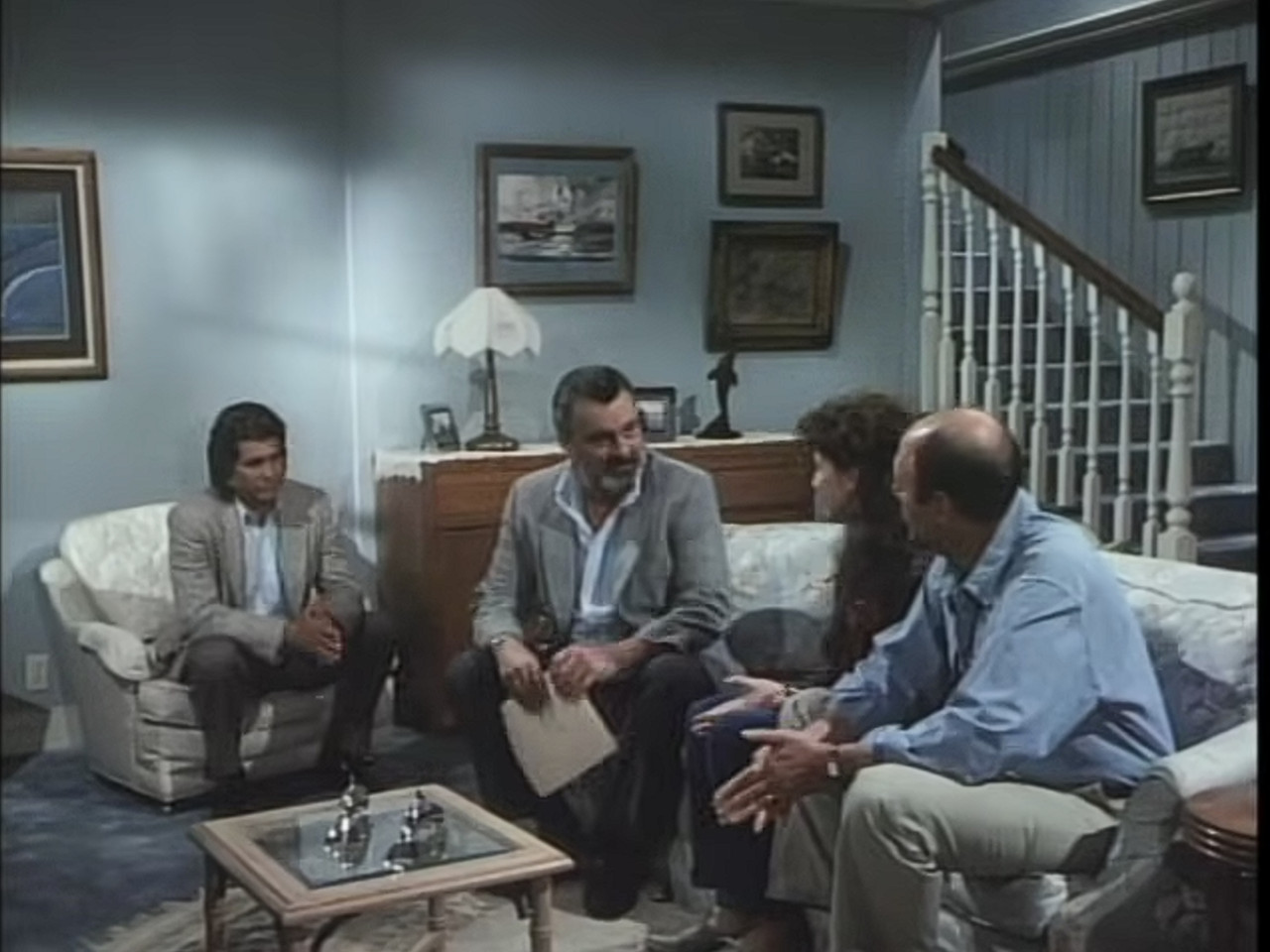
In a Studio set, of course.
- Characters
For this assignment, Mark becomes the probationary angel.
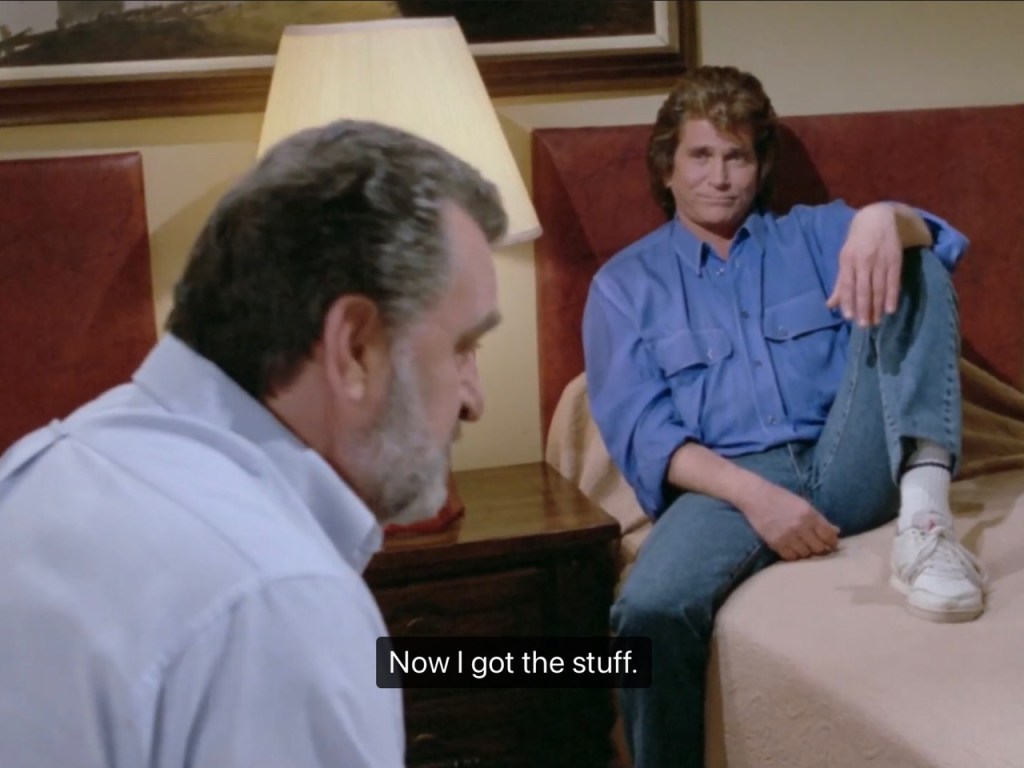
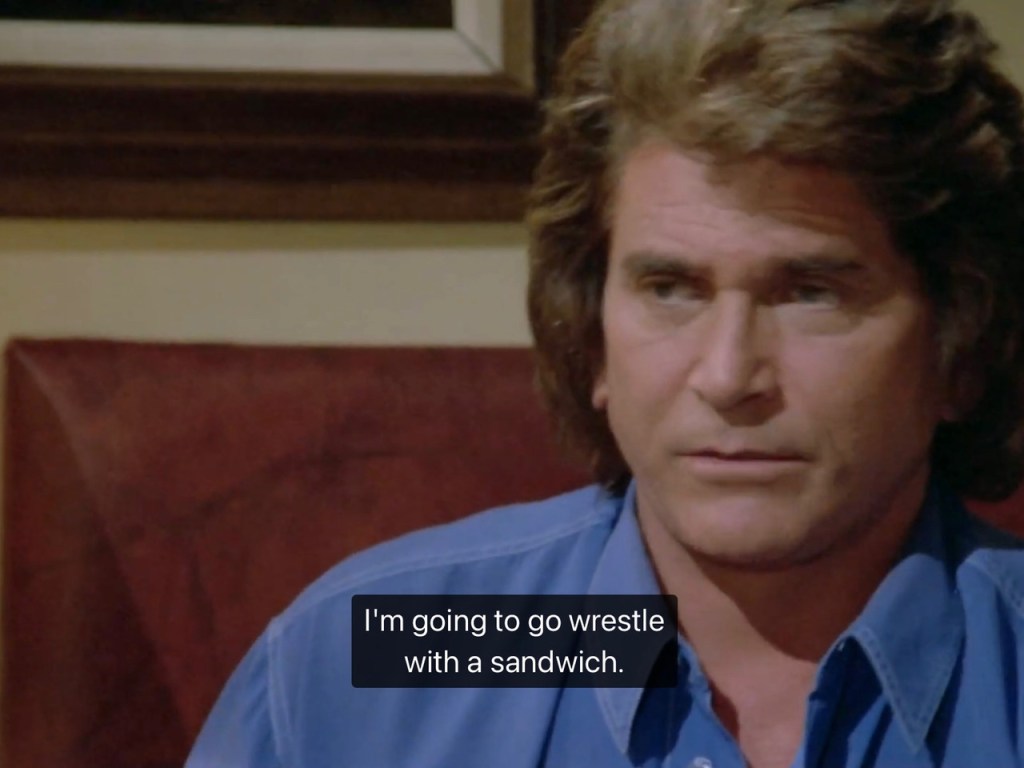
The way this occurs is revelatory: Mark gets into a fight with a group of harassing bikers and is severely beaten. Then Jonathan intervenes with the Stuff.
While recovering, Mark decides that the arrangements are no longer fair.
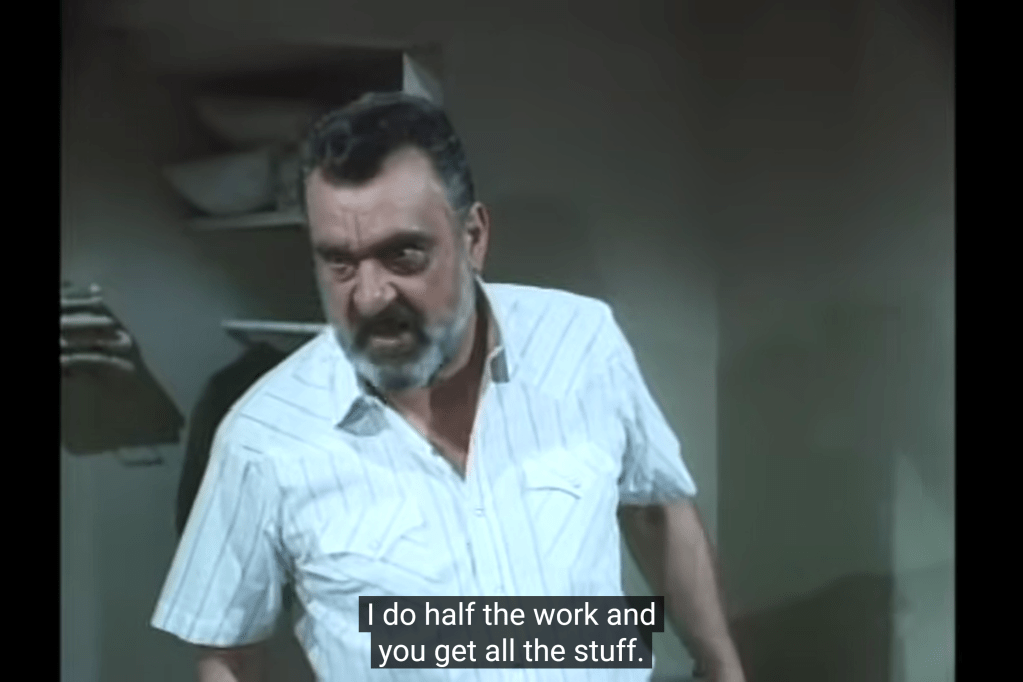
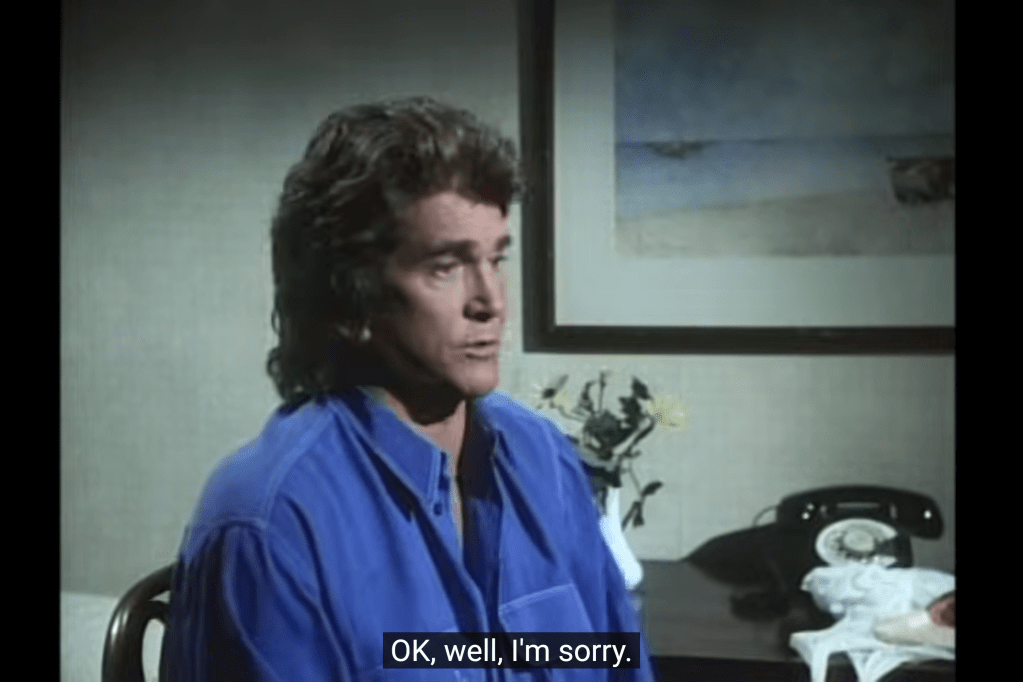
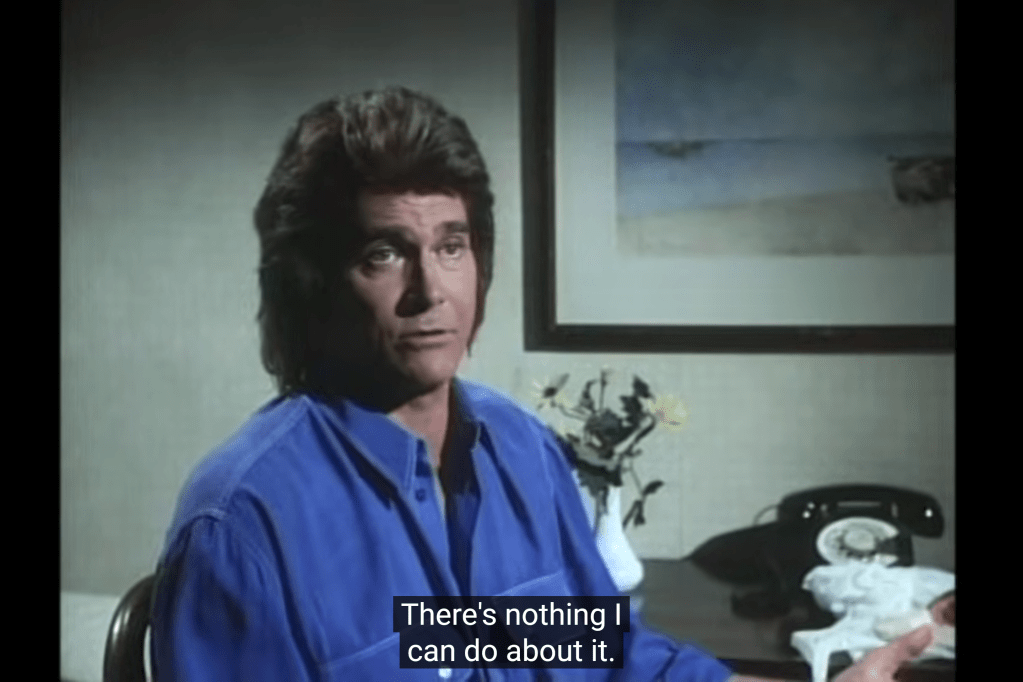
After serving as an angelic helper for two years, he has grown tired of effectively acting as the angel’s subordinate. For the first time, he’s openly acknowledging the unfairness of his treatment (no vacations and plenty life-risking assignments and many friendly Jonathans instead).
Actually, Mark has always received his own form of special treatment. On several occasions, his wishes have come true almost instantly: for example, in Bless the Boys in Blue, he wished that Jonathan could experience what it is like to be a police officer for a day.

And it came true.
But he’s too mad to remember about that now. So, he just asks to trade place with Jonathan for this one.

And it happens. And he has no idea what he’s about to face.
So, this becomes Mark’s assignment, he’ll handle most of it.
While Jonathan takes care of the secondary parts, like helping Lee’s younger brother and sister.

And he also suffers from the old human needs, like sleeping and eating.

And then Landon breaks the character like, “Cut. Print. Next”
Although he has to get used to it. For instance, at some point he says he wants to drink.

And then Bobby has it.

And Jonathan forgets to have it.
He still has to adjust to his new condition.
Anyway, it’s not the first time Jonathan has lost his powers and turned into a human: the same happened in We Have Forever this same season, and Bless The Boys In Blue in the second season.

However, it’s the first time they show him suffering from it, especially craving for foods.
Anyway, there’s a detail about Mark’s past in the episode: when he tries to convince Lee’s father to stop shutting people out, Mark tries to do that by mentioning his service—and not in the police.
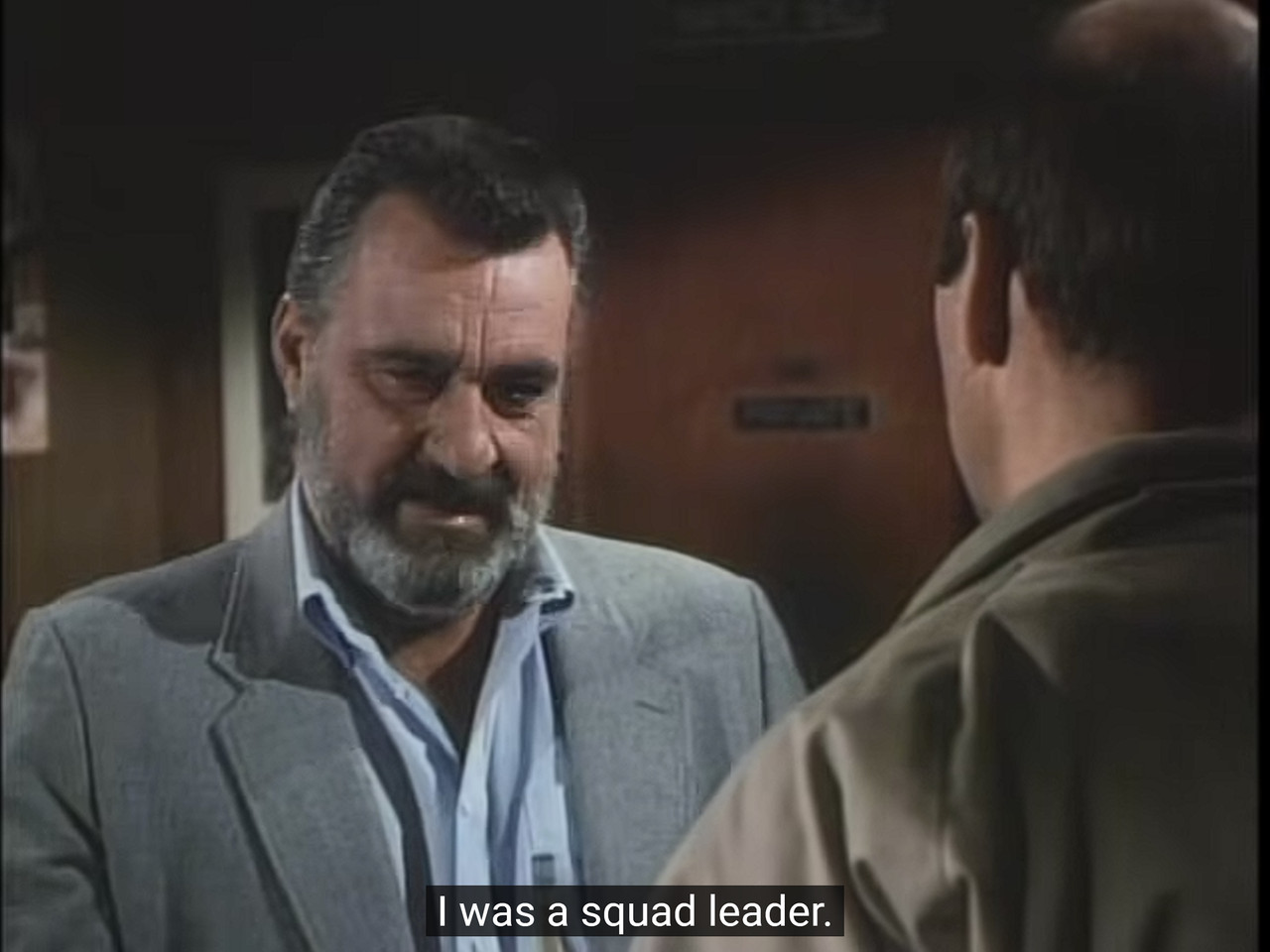
This is actually the second time in the series that he opens up about his experience in Vietnam, but it’s the first time he mentions being a squad leader.
And he goes on.
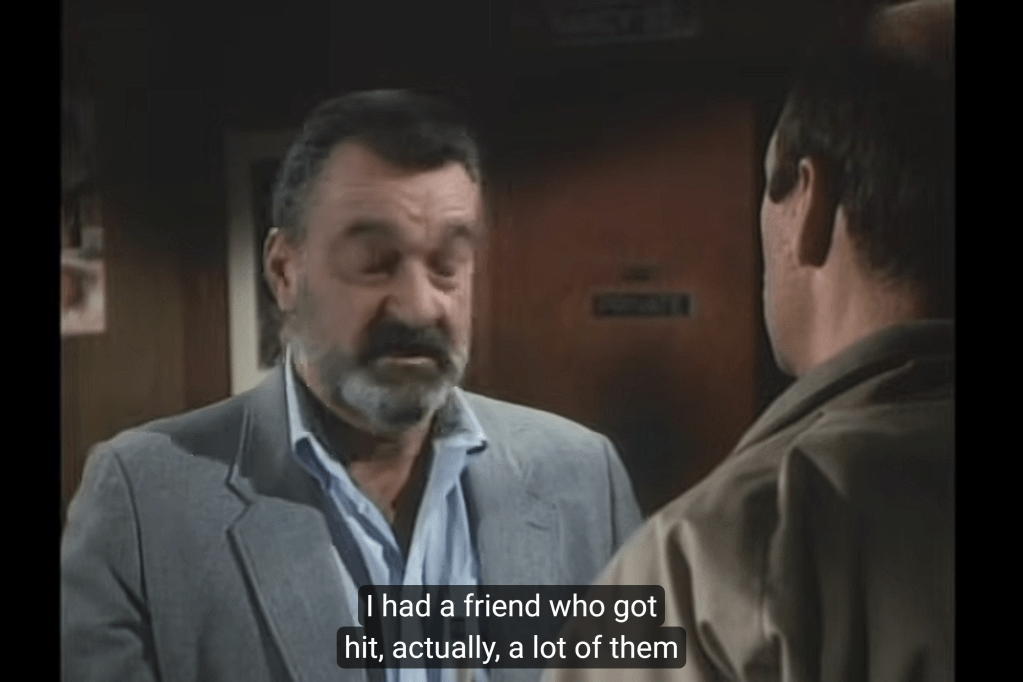
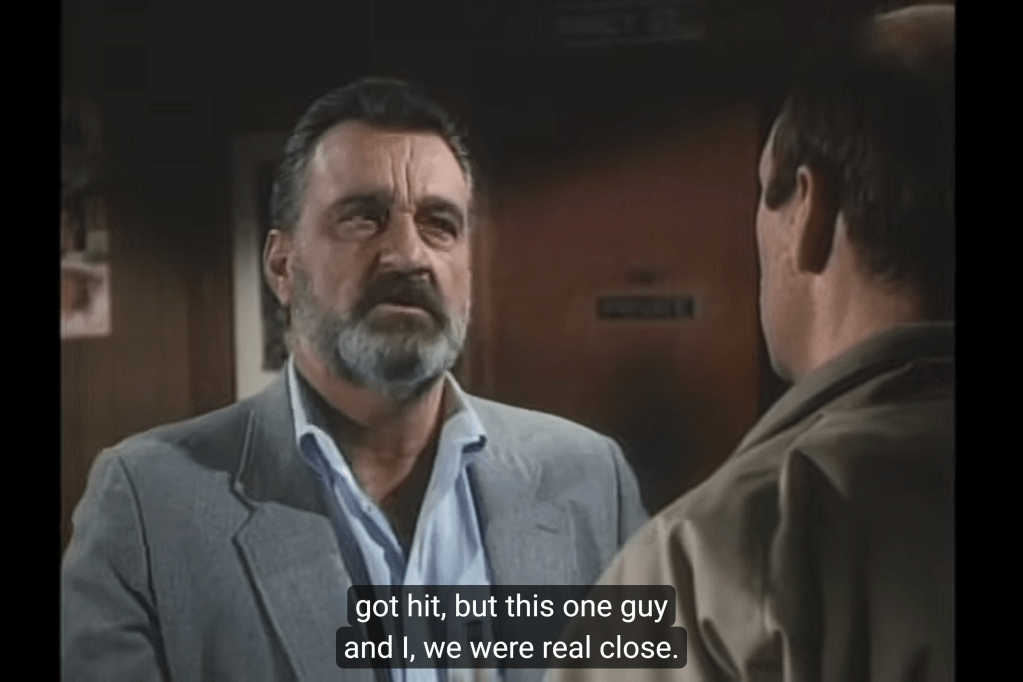
Another lost friend.
This detail is very important: in the Pilot, it was revealed that he started drinking heavily—a problem that eventually got him kicked off the police force—because he witnessed things as a cop that have changed him. However, the show never explains whether his experiences in Vietnam also contributed to his alcoholism. In fact, in the pilot episode nobody even mentions that he served in the war.
It’s possible that his wartime experience played a role in his drinking problem as well, maybe exacerbated it, or maybe it’s what started it and it only grew worse as a cop. And that’s what led to his suspension from the police force and to the personal struggles Jonathan helps him overcome in the pilot.
- Highway Actors
There are some familiar actors in this episode, as well as some who will return later on. In particular, in Lee’s siblings are two old Highway actors, and her dad is a new one.
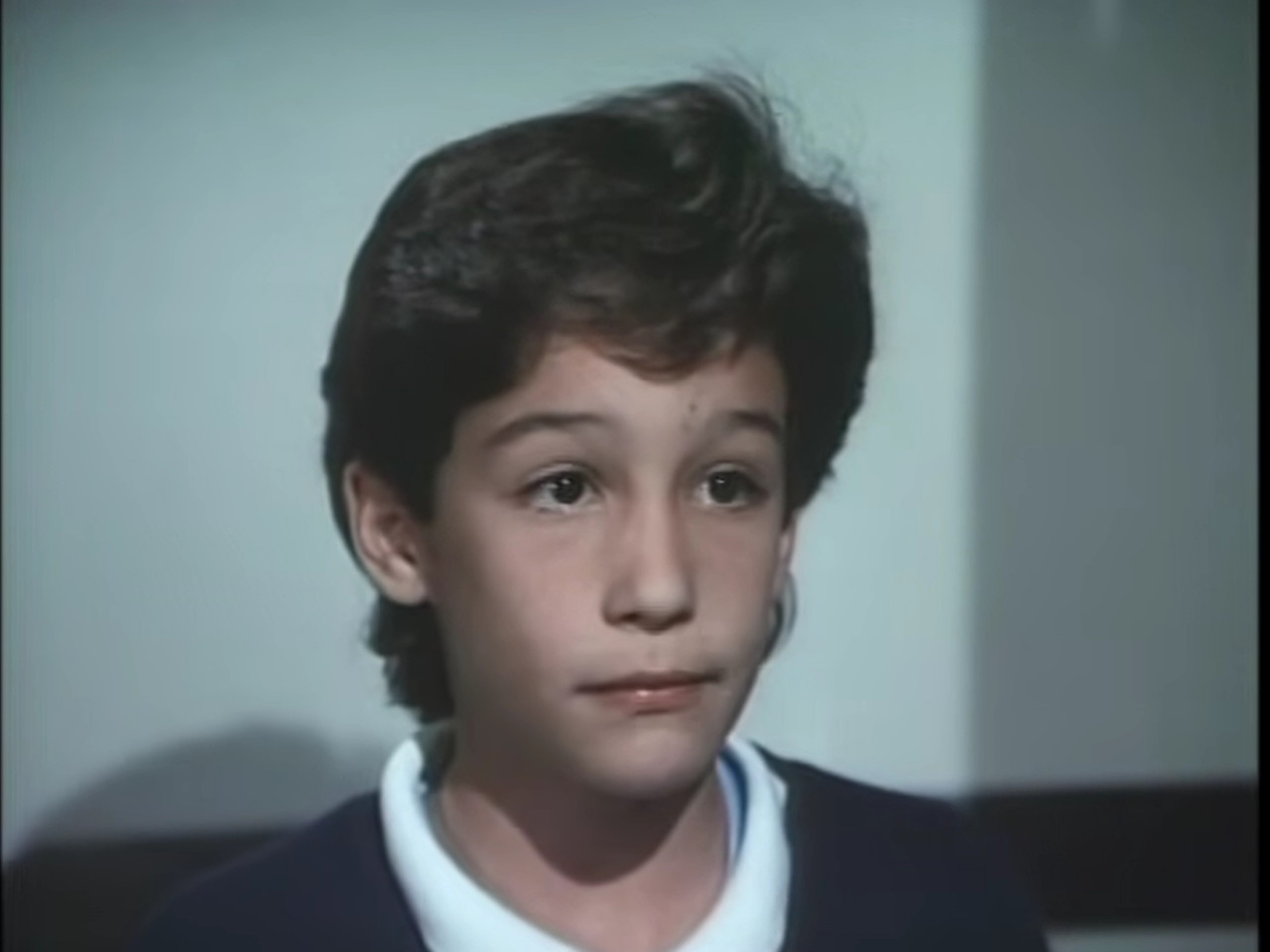
The younger brother Bobby is portrayed by Josh Williams, who had already appeared earlier this season in the superhero episode, playing the bully who tormented the kid who had just lost his father.
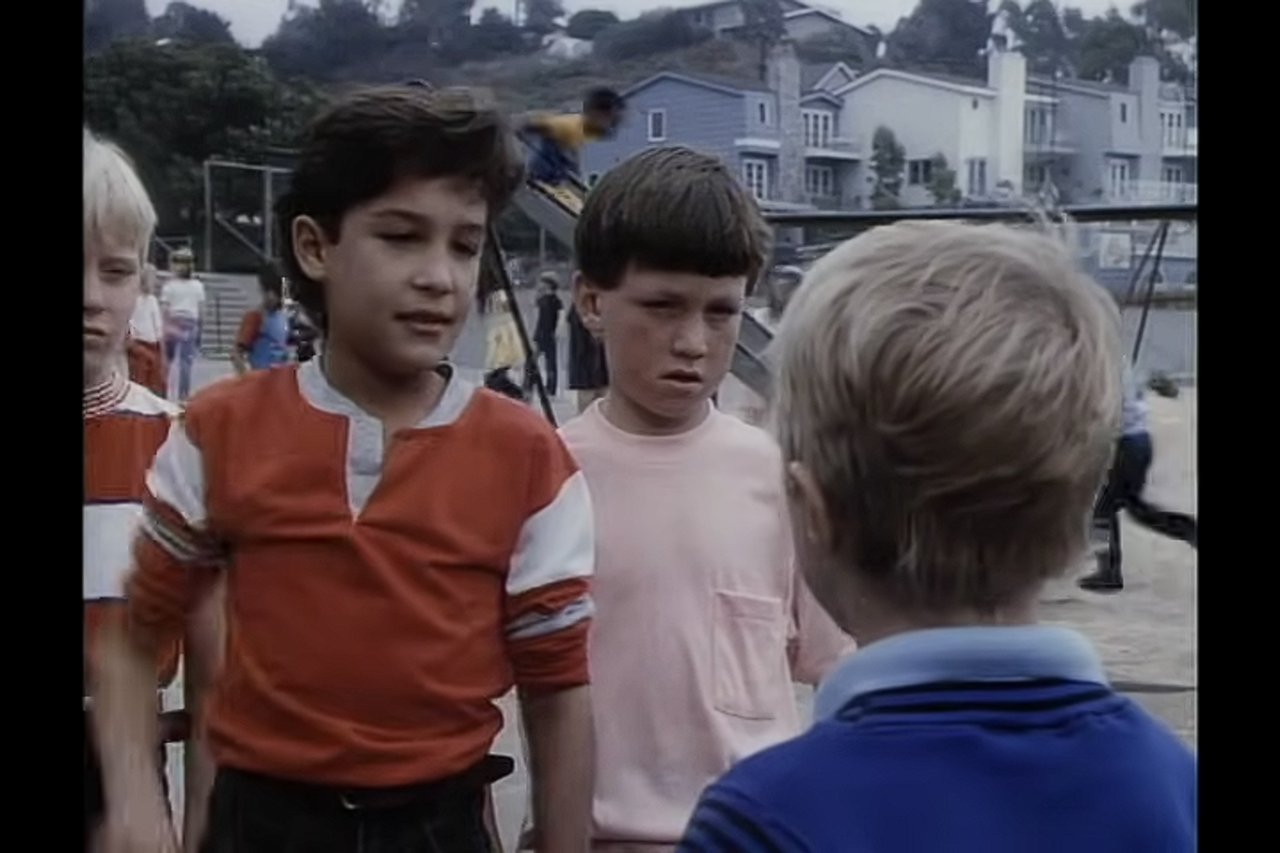
That was a background role that only appeared in a couple of scenes, whereas here he has a much more significant part in the assignment.
Still, he’s become the fourth Highway actor to appear twice in the same season. The first was Ivor Barry in Season One, followed by Didi Conn in Season Three, and Brandon Bluhm earlier in this very season. That’s quite rare: most Highway actors who play different characters in different episodes spread across multiple seasons. It’s much less common for the same actor to appear twice within a single season, and this season already had one such case. Anyway, Williams continued acting for a few more years before retiring in the 1990s from this job.
The second familiar face is Natalie Gregory as Lee’s sister.
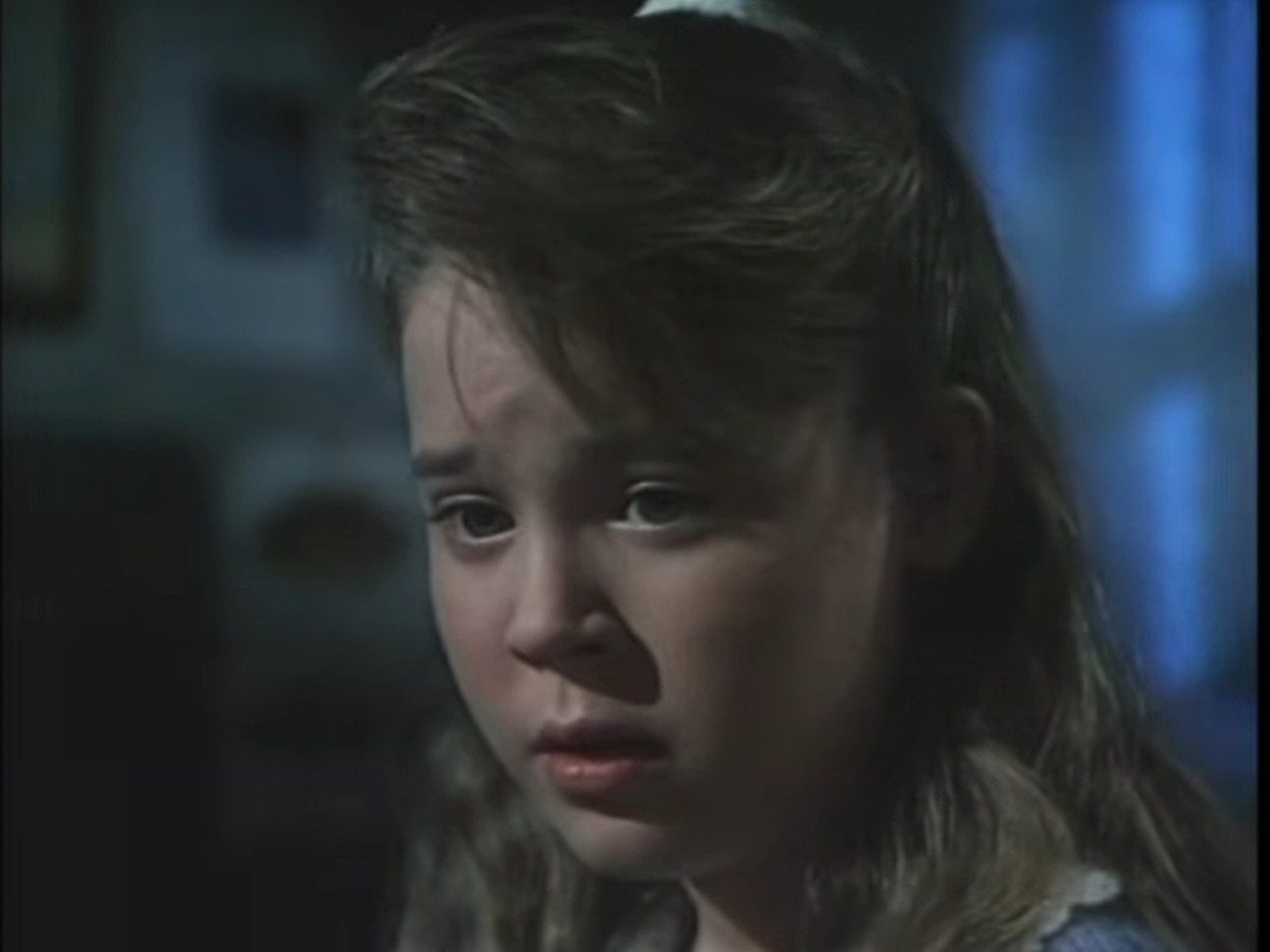
She appeared in Season One’s A Child of God, the illness-related assignment in which she played the daughter of the sick character. Now she plays the sister instead.
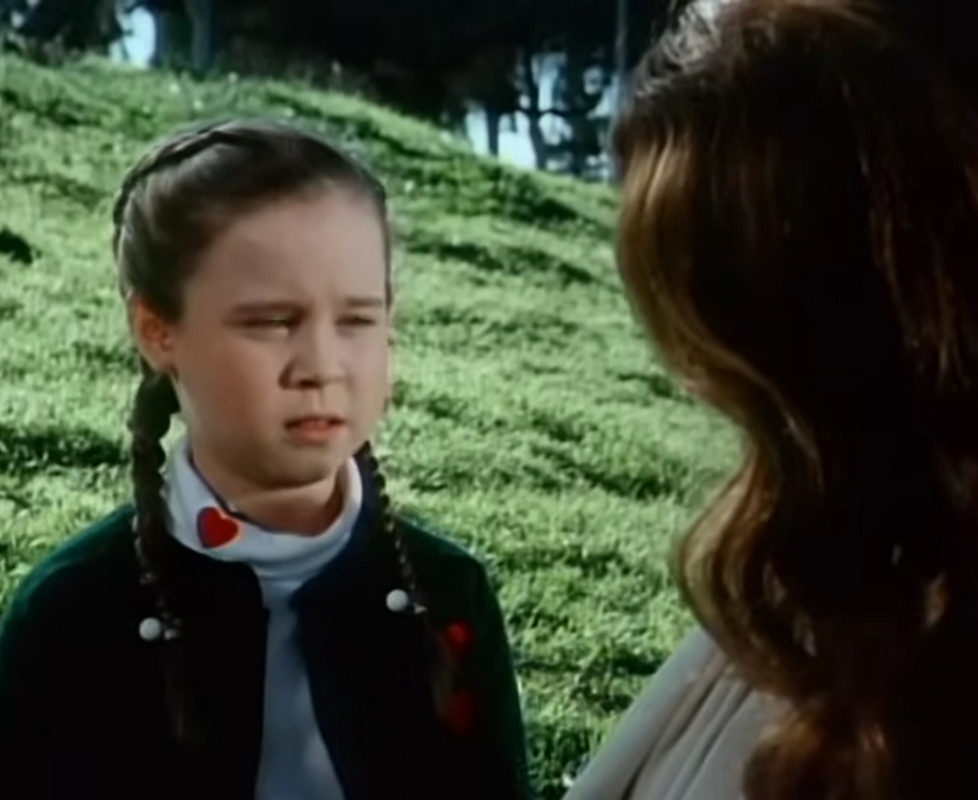
They probably did that on purpose.

She, too, continued acting for a few years before retiring shortly afterward, around the same time as the actor who played her brother.
There is also a future Highway actor in this episode: Lee’s father is played by Richard Greene, who will return in Season Five in a much less troubled role that time.
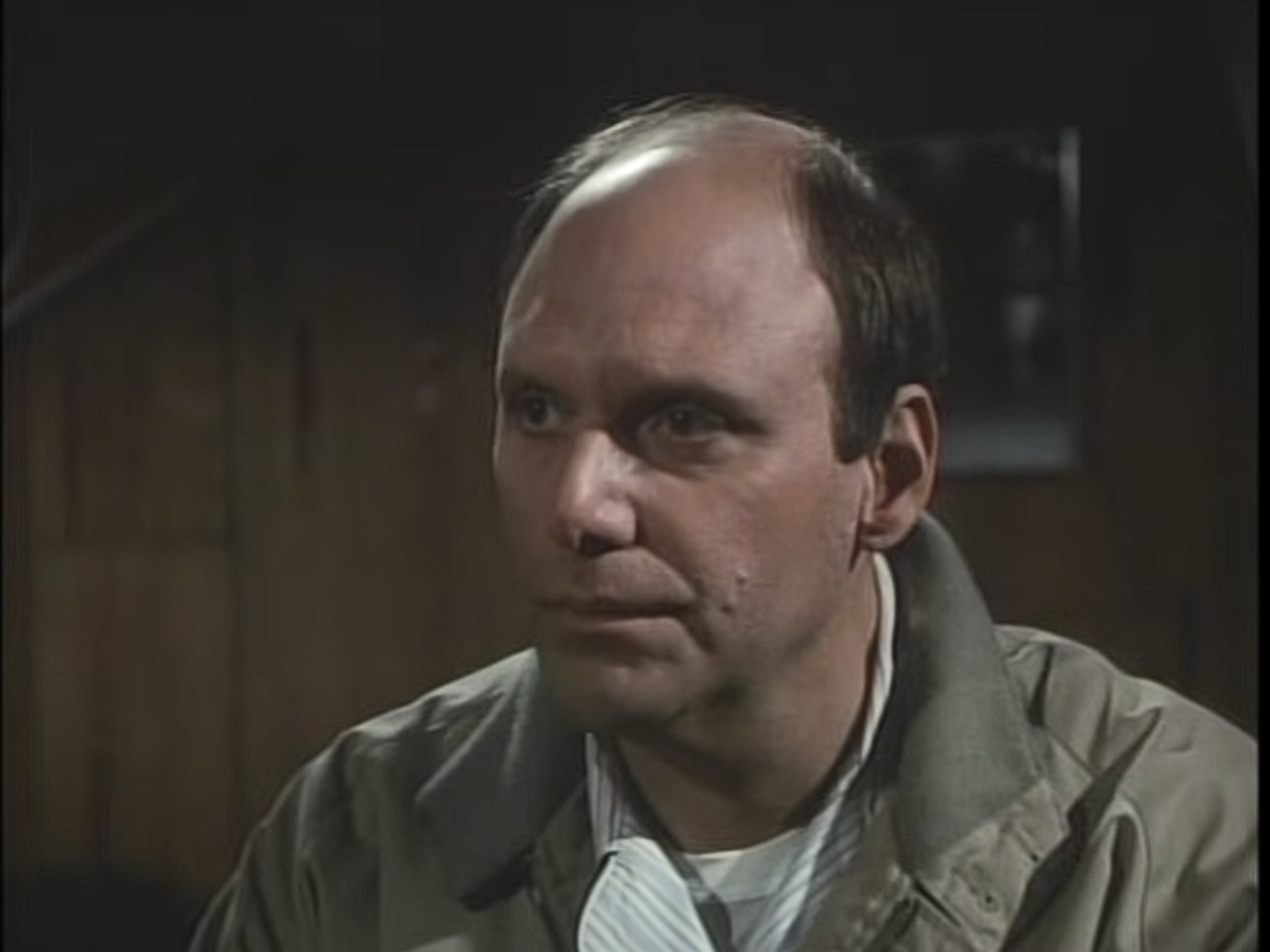
Instead, Lee and her mother are Bess Meyer and Christine Healy and have no further role in the series.
- Production and setting
As for the production, filming took place in late January 1988 until the second half of February, and it occurred concurrently with Part Two, as usual. The actual shootings lasted 13 days; however, due to weekends and holidays (Landon rarely shot on Saturdays and never on Sundays) the production stretched to nearly three weeks. It was one of the longest productions in the entire series, a lot more than most previous two-part episodes.
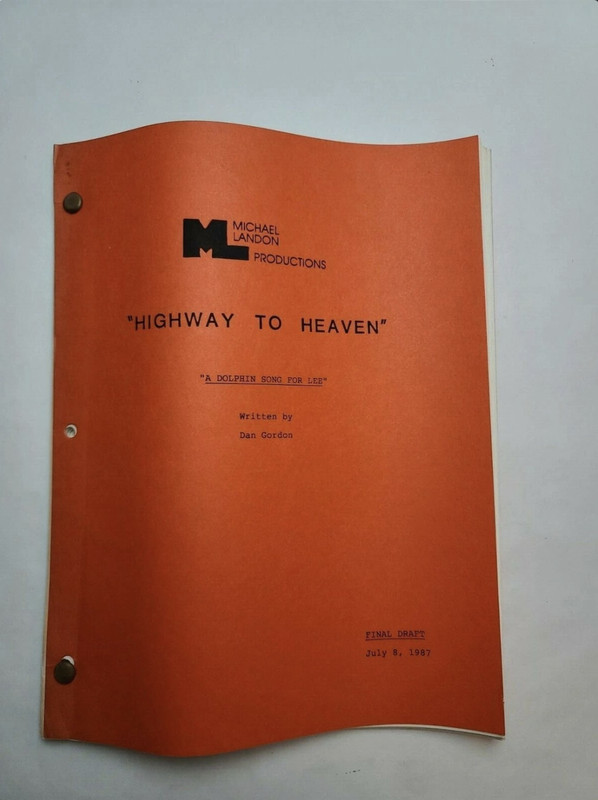
It was written by Dan Gordon, the series headwriter, and it turned out to be his last: for some reason, Gordon left the series after this and never returned for season five next year. Actually, he had already reduced his involvement this year: for example, he wrote at least eight episodes each season (in the second, he wrote more than ten episodes), making him the show’s most prolific writer, and also served as the series’ head writer. In fact, he even directed a couple of episodes during the second and third seasons, which marked the first directing credits of his career.
However, in Season Four he wrote only three episodes before this one (Country Doctor, the Christmas Special and a contribution to the Western show) and finally stepped down after this. It’s unclear whether he simply wanted to move on to other projects, had grown tired of the series, or left for some other reason. Maybe he knew that season five was going to be a shorter one, so he just thought it wasn’t worth it and that Landon could have still recycled some of the scripts that hadn’t been used before (the writers submitted more scripts than those each season needed, and only a few of them were selected). Or maybe he did write something, but Landon just discarded it. Either way, this was his last show for Highway. And he wanted to go out with an episode that brought together everything he has learned in these past few years on the series.
This could be even more personal than it seems: as revealed in one of his books, his older brother was diagnosed with cancer in the 1980s (at the same time as Highway began airing) and passed away one year and a half later. While Highway was still on air, presumably before Gordon began working on this episode. So it’s not unlikely that he drew from his experiences for this.
Another curious aspect: this show was originally written as a single 45-minute episode, and only at a later point they turned it into a two-part episode, the third of the season. Essentially, like We Have Forever earlier this season, and One Fresh Batch Of Lemonade in season one.
However, there’s a difference: in We Have Forever, the episode was actually produced as a single installment and once it was done Landon realized it too long and decided to add new parts to make a ninety-minute episode out of it. By contrast, this episode has only its first draft written as a single 45-minute show: it was then expanded into two parts when making new revisions. And by the time it began shooting in late January, it had already become a ninety-minute show. Although it’s unclear whether Gordon expanded it into two parts when he realized it was more fitting that way or if he was asked to.
Still, there’s a curious detail: at the beginning of the episode, Lee’s father tells Jonathan and Mark that Lee’s brother Bobby has began waking up every night to make sure everything is locked. And they explain it in a familiar way.
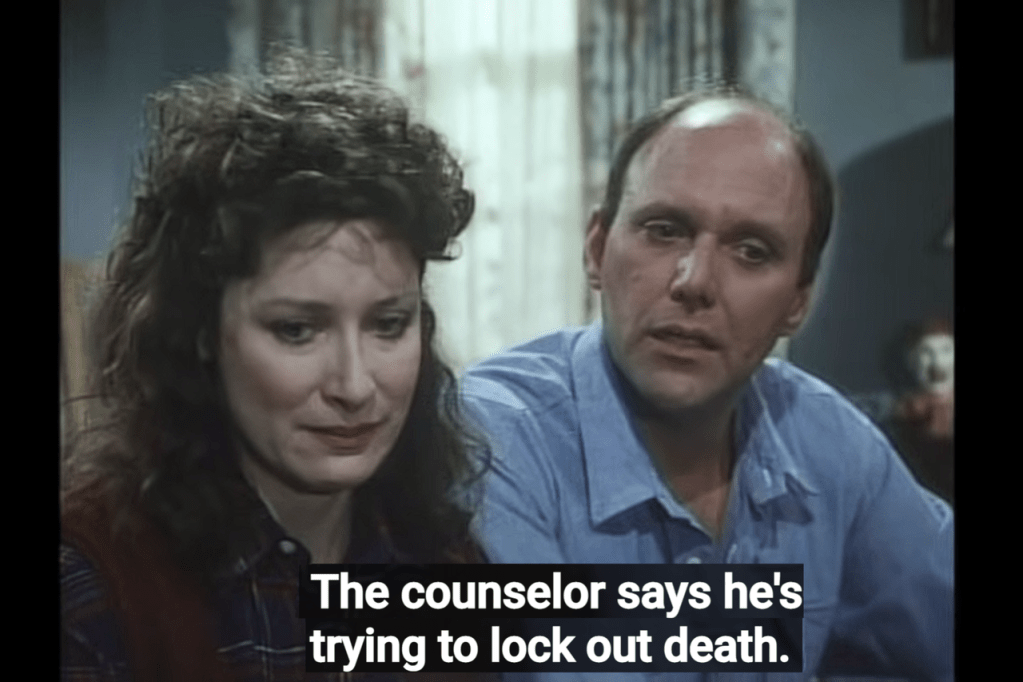
That’s exactly the same thing that B.’s grandson did in Outward Bound, one of the season four Highway To Heaven episodes that have remained unproduced.

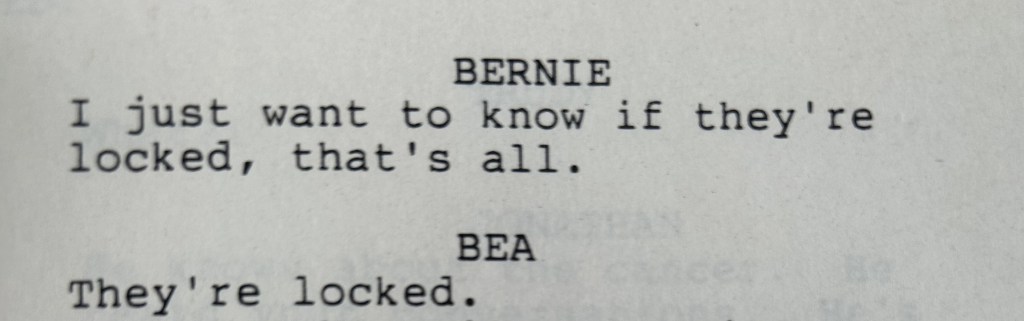
But more importantly, this behavior was justified the exact same way. (That time, Jonathan had the answer).
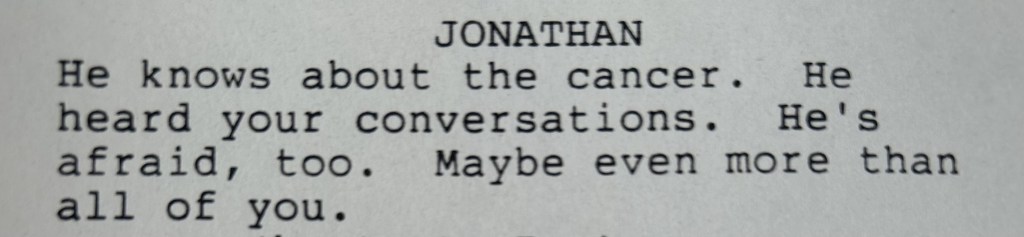
Considering that Outward Bound precedes Lee in “Story No.”, it’s possible that the line was originally written for that episode, and when this became a two part show they liked it so much they recycled it here.
Anyway, the first draft being a single episode, there are many differences, with some glued scenes that were eventually expanded or characters having more prominent roles. For example, in the original script Mark convinced Lee to launch a fundraising campaign for her treatment the moment he met her the first time.
Instead, in the new drafts, they added many scenes between them (Mark telling Lee’s father the problem is the funds, Mark attacking Lee’s father for his attitude and then going shoot pools with him, Jonathan telling Mark that the stuff doesn’t work miracles).
In general, everyone in Lee’s family had an expanded role: in the original script, Jonathan and Mark only interacted with Lee’s parents, while her siblings remained behind (actually, Jennifer and Bobby have both literally a single line the whole script). So, the scenes involving her siblings were all added later when the episode became a two-part show. Considering that Jonathan is the one taking care of Bobby and Jennifer (while Mark is busy with Lee), then it’s apparent how his role was expanded too. This being “Mark’s assignment”, in the script Jonathan remains largely in the background the way Mark does in The Monster or The Brightest Star and all the episodes he disappears at some point.
One curious thing: in the original script, Lee’s sister was named “Tina”; no idea why they changed her to Jennifer for the episode. It’s not the first time they do something like that: the subject in The People Next Door earlier this season had a different name too.
Also, the original script reports that Lee was supposed to be bald and wear a wig the whole time, but they omitted that detail in the episode.

Maybe the actress refused to shave her hair, or maybe Landon realized it was too effortful to ask an actor to be shaved for just a couple of scenes (those in which Lee is alone, then she puts her wig on as soon as someone interacts with her) so he never asked her in the first place.

Anyway, despite the additions, there are some parts of the script that were eventually downplayed or scrapped altogether from the final episode. One is the beginning: in the original script, the episode had to start the same way as always—Jonathan and Mark are driving someplace, and Jonathan tells Mark he can’t quite figure what the next assignment is, and Mark grows tired and tells Jonathan he wants to eat.
Essentially, it’s precisely like A Song Of Songs in the third season.
This scene even appears in the production schedule, which means it was actually shot. However, they eventually cut it and began the episode with Mark already having his steaks and then getting into a fight for nothing.
There are other unused scenes: for example, after receiving the Stuff, there was supposed to be a dialogue going like this:
Jonathan and Mark are out in Mark’s car driving, this time Jonathan is at the wheel while Mark relaxes in the passenger’s seat. After wandering aimlessly for a while, Jonathan exasperatedly grumbles that Mark is deliberately keeping the assignment from him just to get back at him; so Mark turns around and asks him what’s wrong. He only replies he wants to know where the assignment is—but as he says that, Mark abruptly halts the car with the Stuff to annoy him. And then he starts singing a Christmas Song, which just irritates him even further.
Essentially, Mark is being friendly toward his friend. Two points on this: one, the part in which the car is abryptly halted with the stuff is a Joey Chitwood stunt, only this time is by Mark against Jonathan; that would have been the only Joey Chitwood stunt on Jonathan in the whole series. The second point: Jonathan admits that Mark is trying to get back at him, which means he acknowledges he has made a lousy, enslaving friend in the last four years. Maybe after this episode, when things will go back to normal and he’ll gain the stuff back, he’ll try to be a different, friendlier angel. (Just for the record, it won’t happen: Jonathan will still be the worst friend an alcoholic ex-cop ever had).
Anyway, this part appears in the shooting schedule (it was shot on January 29, the first day), although for some reason it was left out. And the motel scene in which Jonathan loses the Stuff and Mark receives it is immediately followed by Jonathan and Mark heading to the department of Social Services.

Maybe they just thought they were too comical in an otherwise pretty emotional impactful episode. Or maybe they would have made the first half of the episode too long.
More in general, the script had this recurring joke of Jonathan suffering from Mark’s appetite. For example, there was supposed to be a scene in which Jonathan and Mark go back to eat where Mark had been beaten up earlier, only now Jonathan is starving and Mark is making fun of him (this scene was removed from the newer drafts of the script and it was never produced). Then, the dialogue at the conclusion of part one—in which Jonathan compliments Mark for solving the assignment—was supposed to conclude with Mark suggesting that he could get the stuff more often, and Jonathan replying that he doesn’t want to and that he can’t go on eating like he is (Only this last line was removed from the episode).
In the final episode, though, Jonathan mentions he’s hungry only twice in the entire assignment.
Then, as for the setting: the production used many familiar places on this one. In particular, the exterior of the motel where Jonathan and Mark are staying at is the same as Change Of Life and Love And Marriage. But just the exterior (the interior is totally different).

Maybe Jonathan and Mark just enjoy that place.
There’s another old place: when Lee’s father goes out getting drunk and Mark stops him and they shoot pool, they are at a very familiar place.

That’s where they met the con man in the season two Halloween Special, where the heartbroken man and Vietnam Veteran went to get drunk (Love And Marriage and The Hero), and where even Jonathan went to get drunk in We Have Forever earlier this season.

And probably where Landon and French went to get boozed too between takes.
- The Stuff
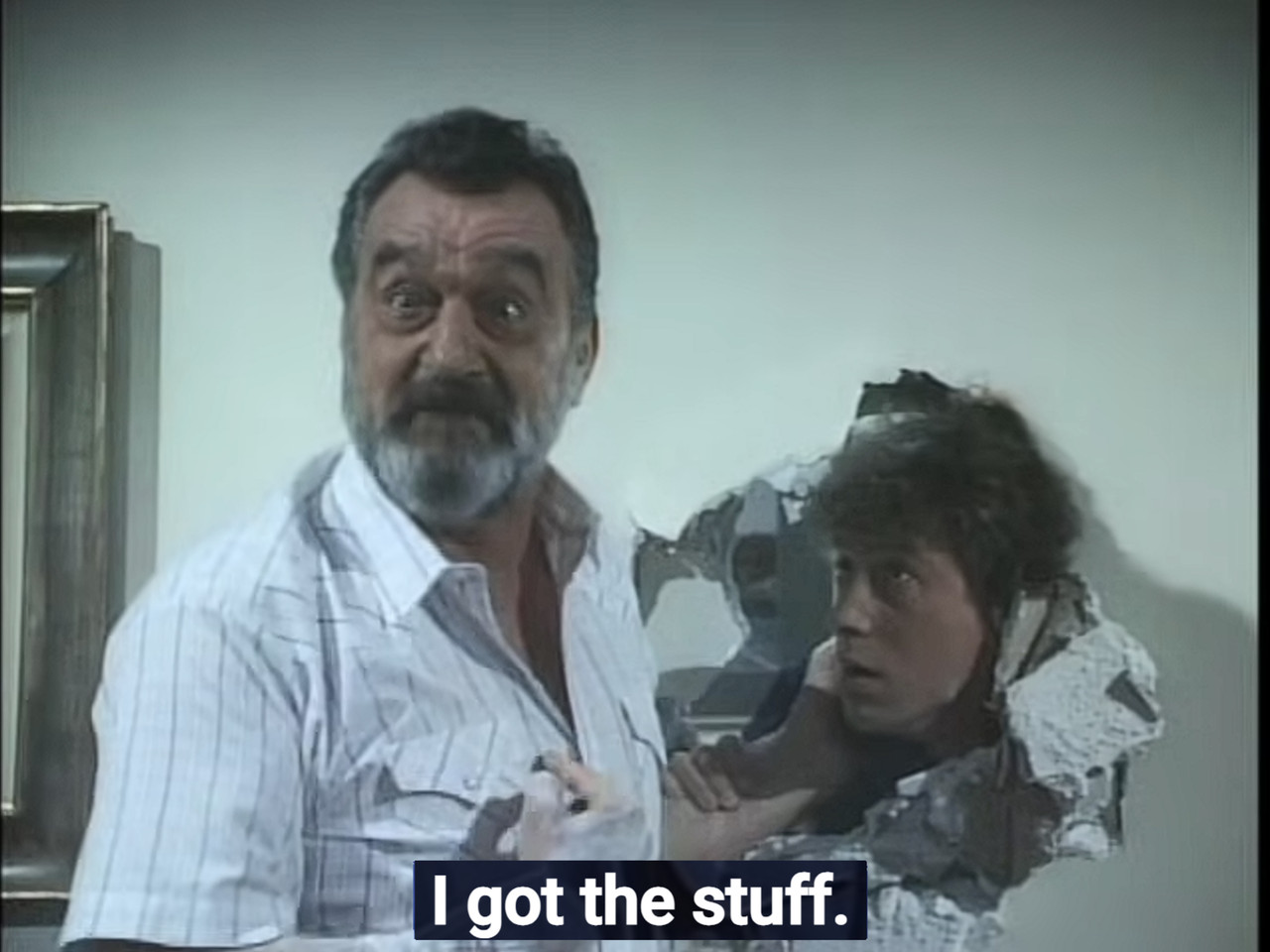
Now that Mark is the probationary angel, there’s a great deal of details about the stuff. A peculiar detail is that Mark receives the Stuff instantly and begins using it without consciously realizing it, when he punches a wall and accidentally demolishes part of it.
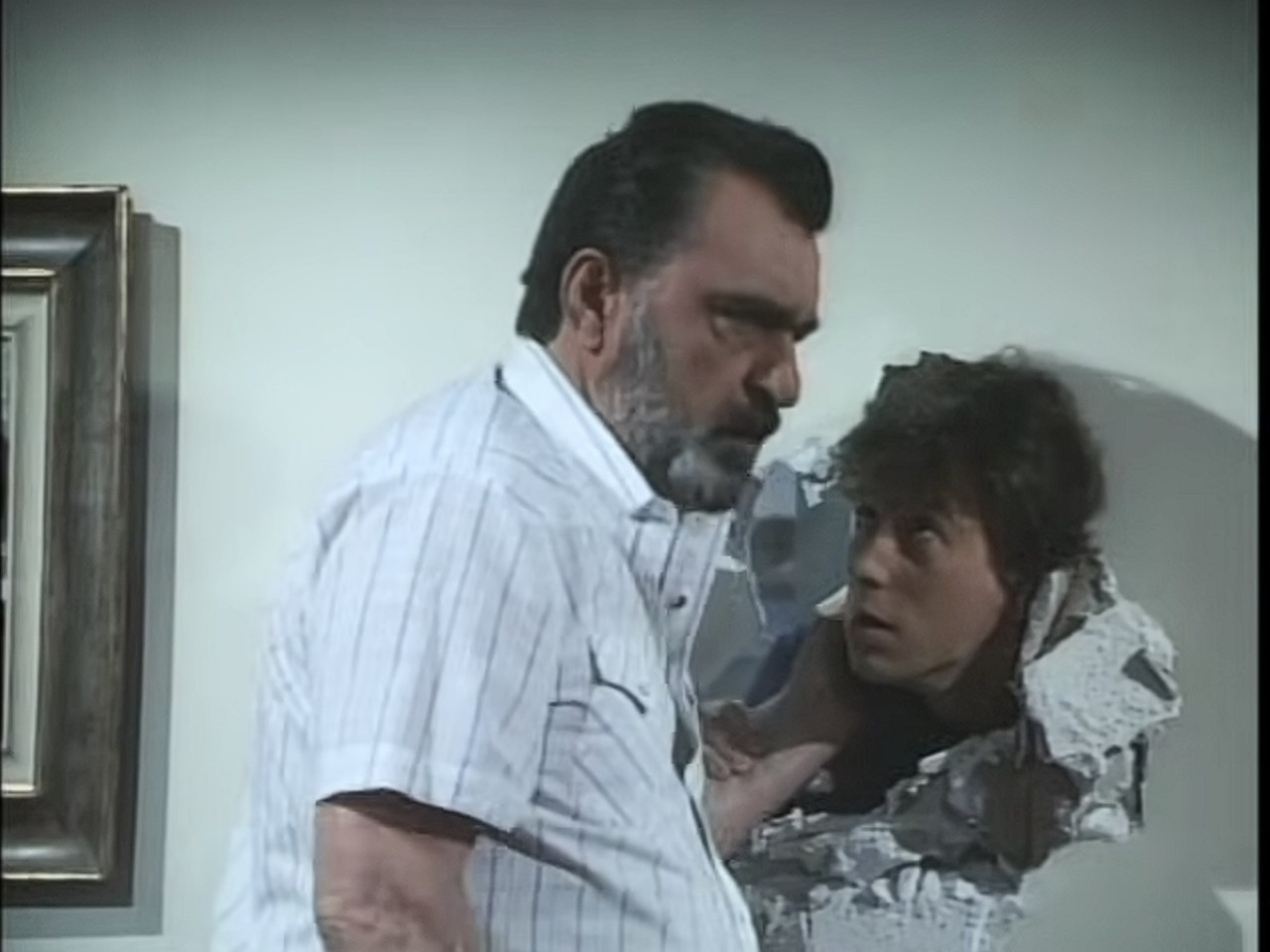
And only after breaking it does he realize what has just happened.
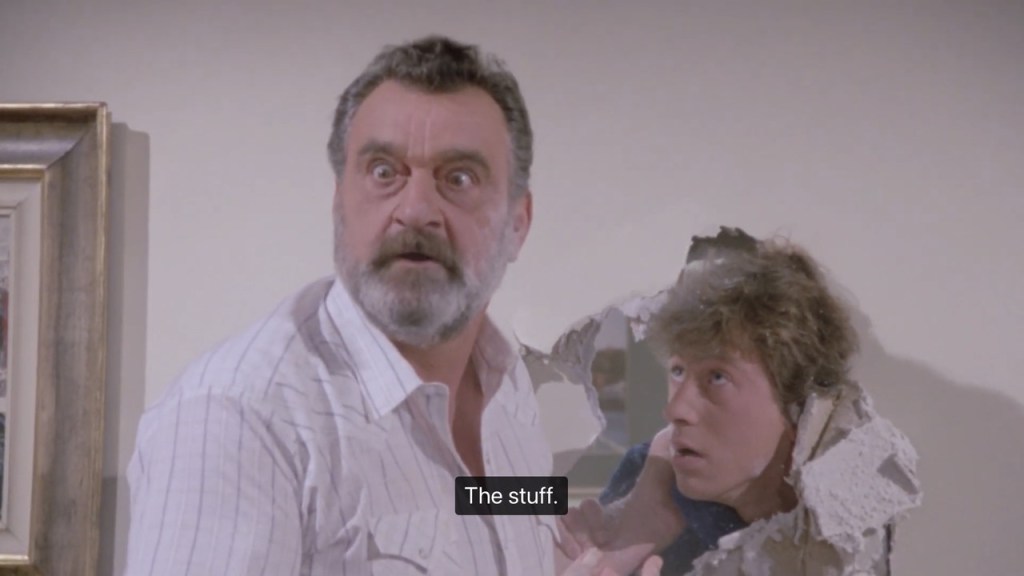
This suggests that Jonathan too may never have needed explicit permission to use the Stuff in the first place; he may always have accessed it. Which is not what he explained in season one (but that rule has been overlooked so many times).
Certain powers, however, appear to operate differently. For example, it’s reasonable that entering dreams may require authorization before he can be used. Otherwise, Jonathan’s power would just be too powerful.
But in general, giving Mark the Stuff raises some questions: for instance, it’s unclear whether he’d be allowed to misuse the powers or not. In the first season, Jonathan was stripped of the Stuff when he tried to use it improperly, which prevented him from using the Stuff altogether; but in the second season, it turned out he could use it, even improperly, and then pay for it.

A second aspect of Mark’s newfound powers is his ability to hear other people’s thoughts.
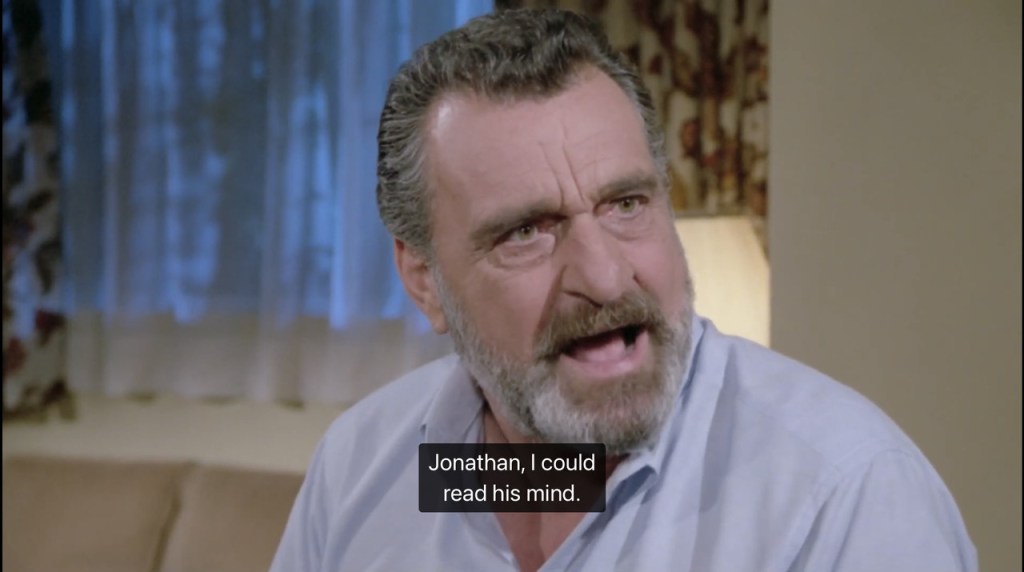
Hold on, things are going too fast.
About that: Jonathan never mind-reads people during the first two seasons, almost as though he did not yet possess access to that ability. He knew what was going to happen because his superior informed him, but he never actively read anyone’s thoughts.
That changed with the Love And Marriage cold open in the third season.
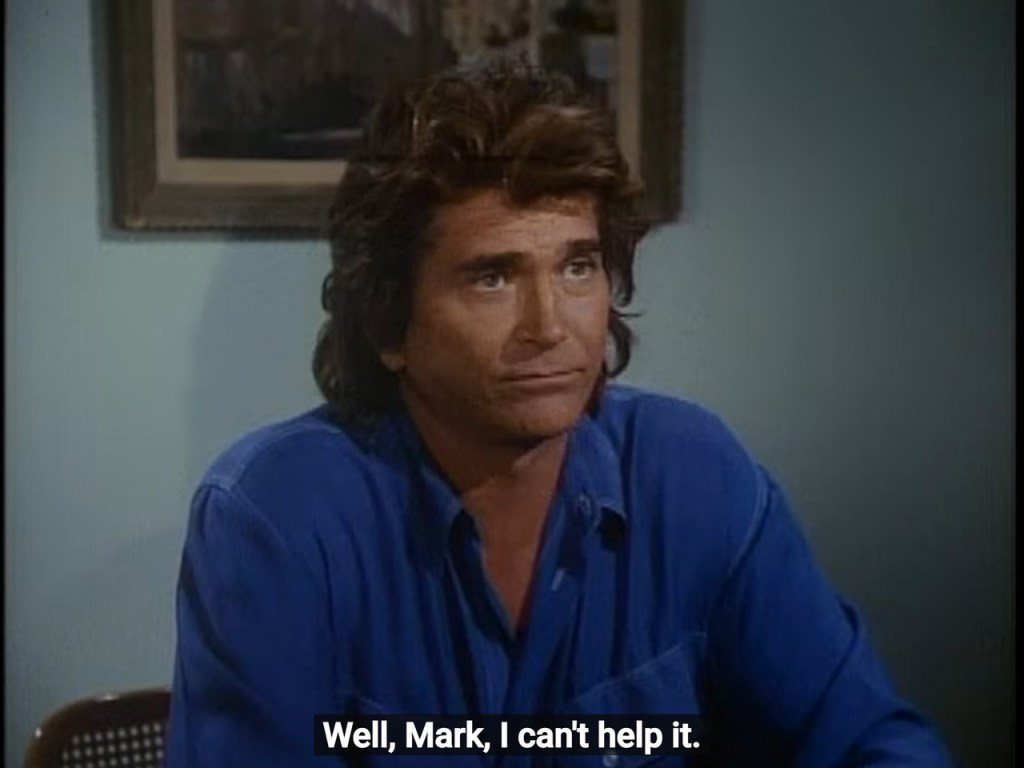
However, that scene was added later when the episode entered syndication during Season Four, which makes its status questionable. (So, that’s irrelevant).
The first unequivocal instance of Jonathan reading minds actually occurs in Country Doctor this season, when he knows in advance that Mark is about to start talking about old radio stations—and deliberately uses that knowledge simply to annoy him.

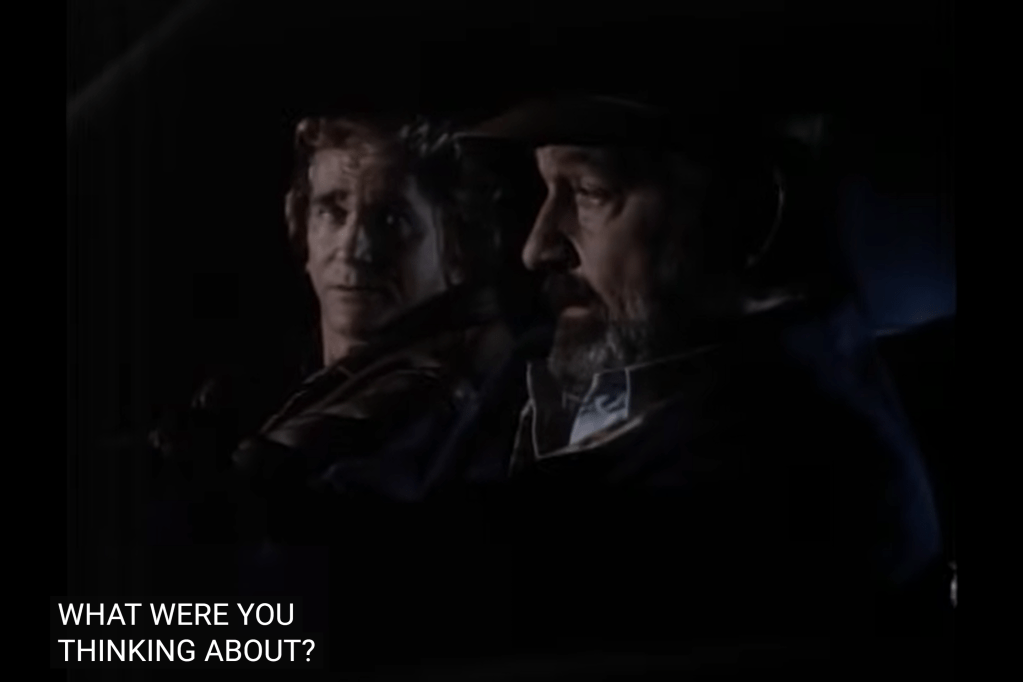
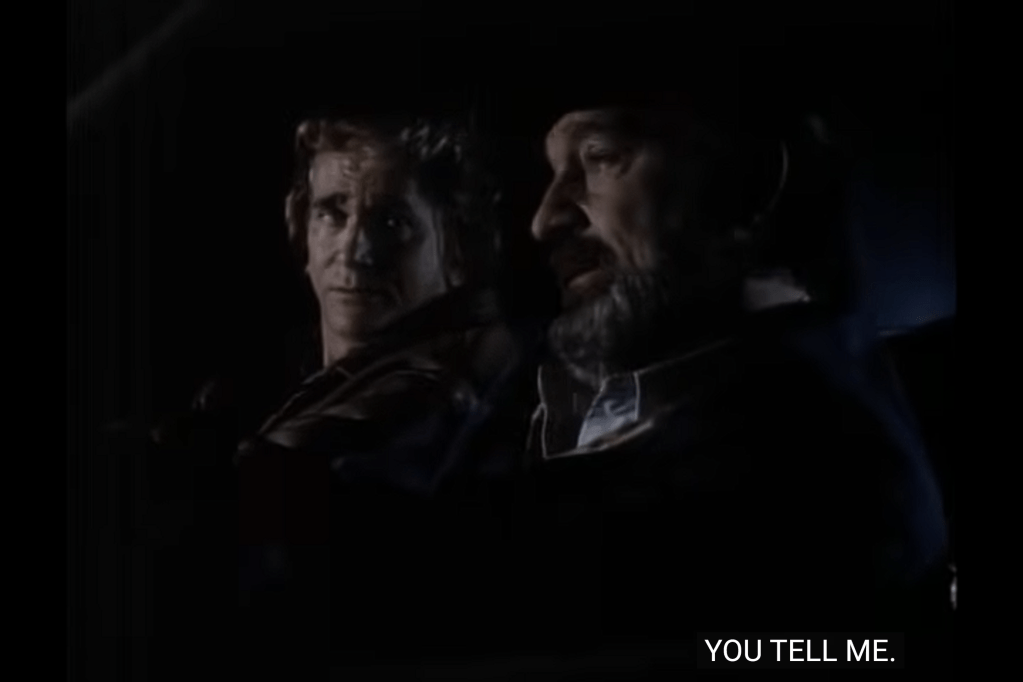
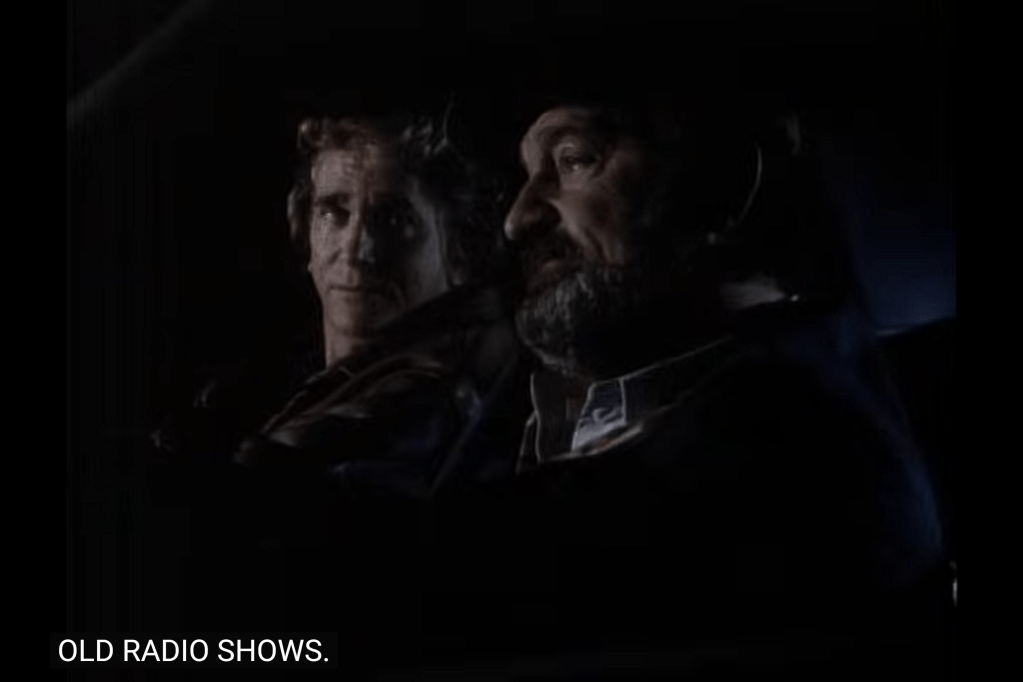
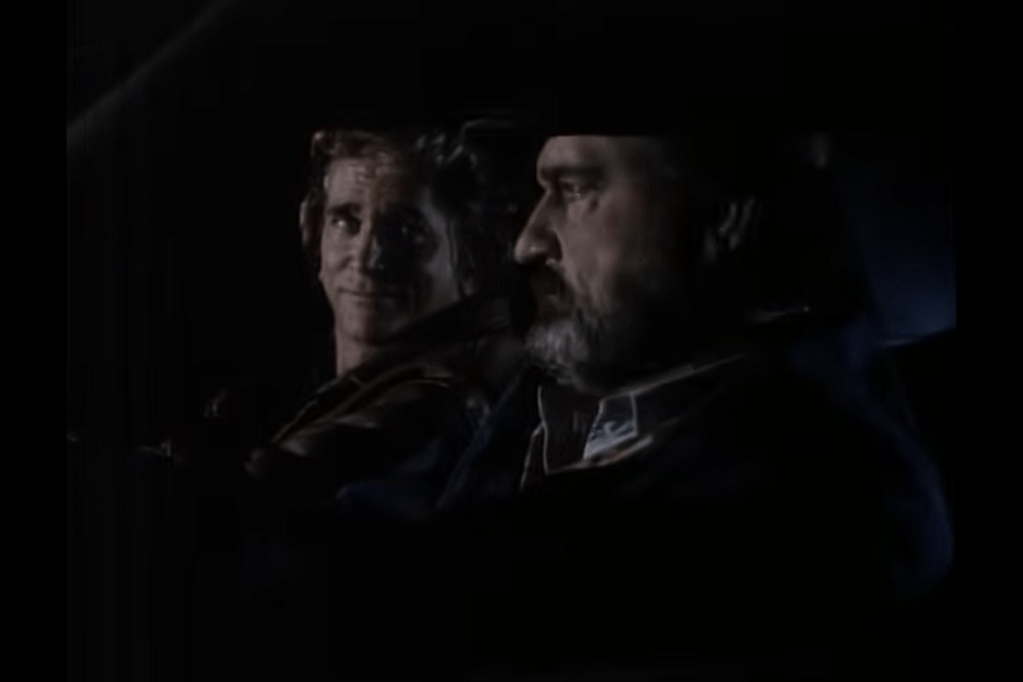
So, this episode is officially the second one in which characters intrude into people’s thoughts.
And it’s a power Mark enjoys: he uses it to read Lee’s mind, then her father’s, and the script has even Jonathan’s. (In the deleted scene in which Mark is messing around Jonathan and singing a Christmas song, at some point Mark was supposed to scold him for having a mean thought.)
But Mark acts as though it’s always been like this, as though Jonathan has had the power for years. Even though it’s not: before this season, he had never displayed it.
The oddest part is how he uses it: for some scenes he can use the Stuff (like when he reads Lee’s mind and learns the problem is about the money for the operation). But in other scenes he doesn’t: for example, when he can’t find Lee’s room and believes she’s gone. If he had read the nurse’s mind, he could have found Lee’s room more easily; besides, if he has the stuff, he could have just used it to know Lee’s room without asking anybody in the first place.
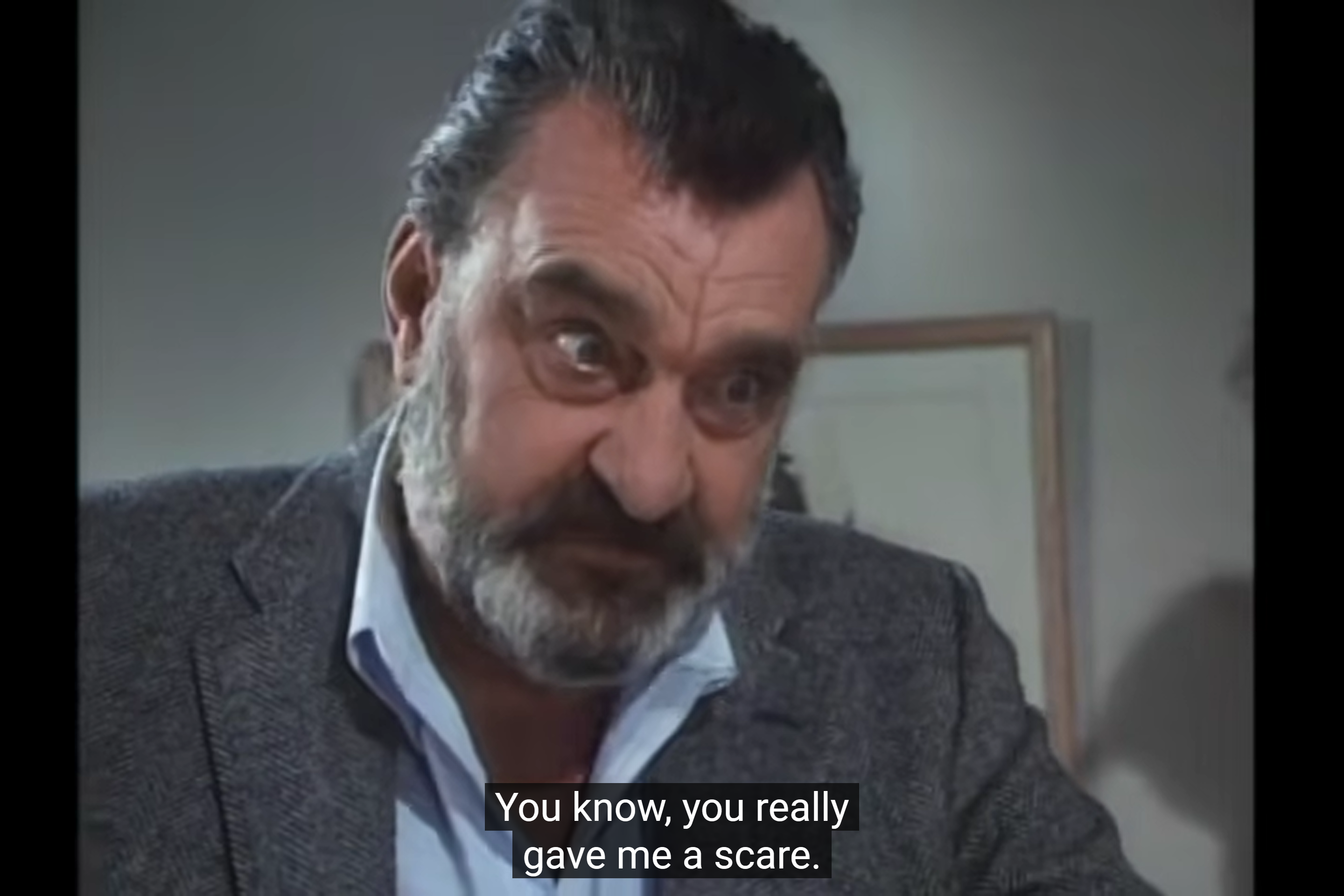
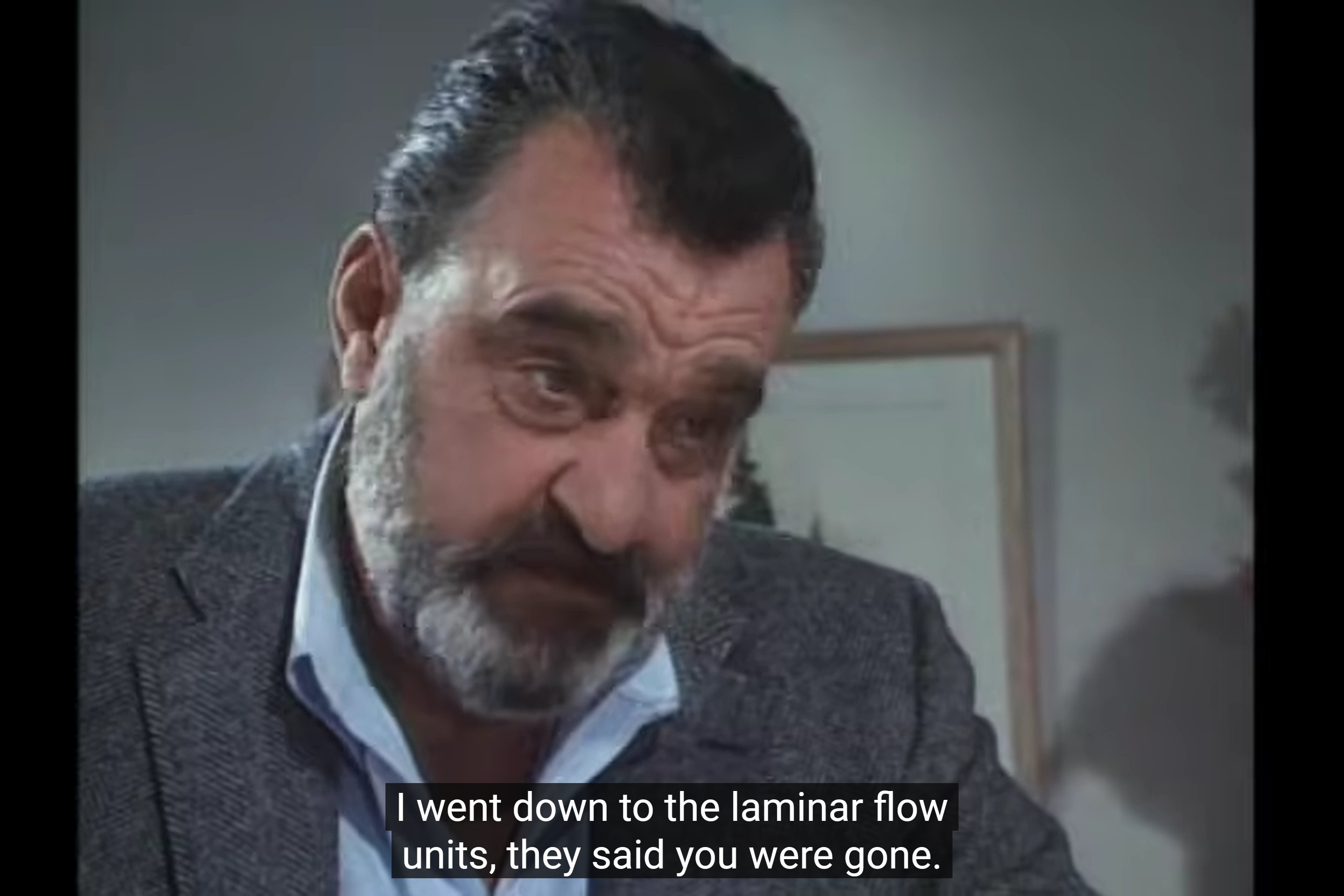
Perhaps he still has to get used to his new angelic powers. The same way Jonathan has to get used to his hunger.
Lastly, about their weird trading place: when shouting at Heaven, Mark only asks to receive the Stuff and not to turn Jonathan into a man. However, that’s seemingly what happens: Mark doesn’t have to sleep or eat, while Jonathan has to.
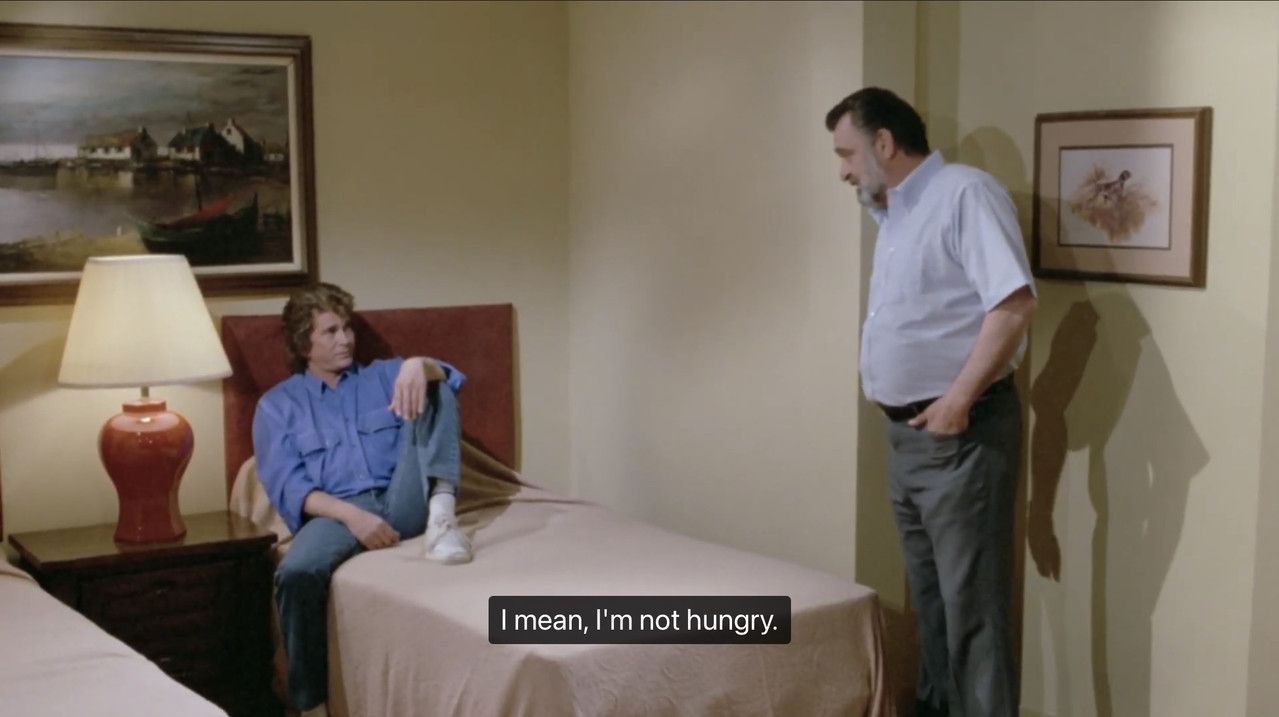
That confirms that Jonathan has never felt those things before not due to his angelic background (he’s not a human anymore), but rather on account of the Stuff, which somehow exempts him from earthly, living demands.
At this point, then, it’s possible Jonathan may die. He’s already dead, but without the Stuff he’s back being a man.
Glossary:
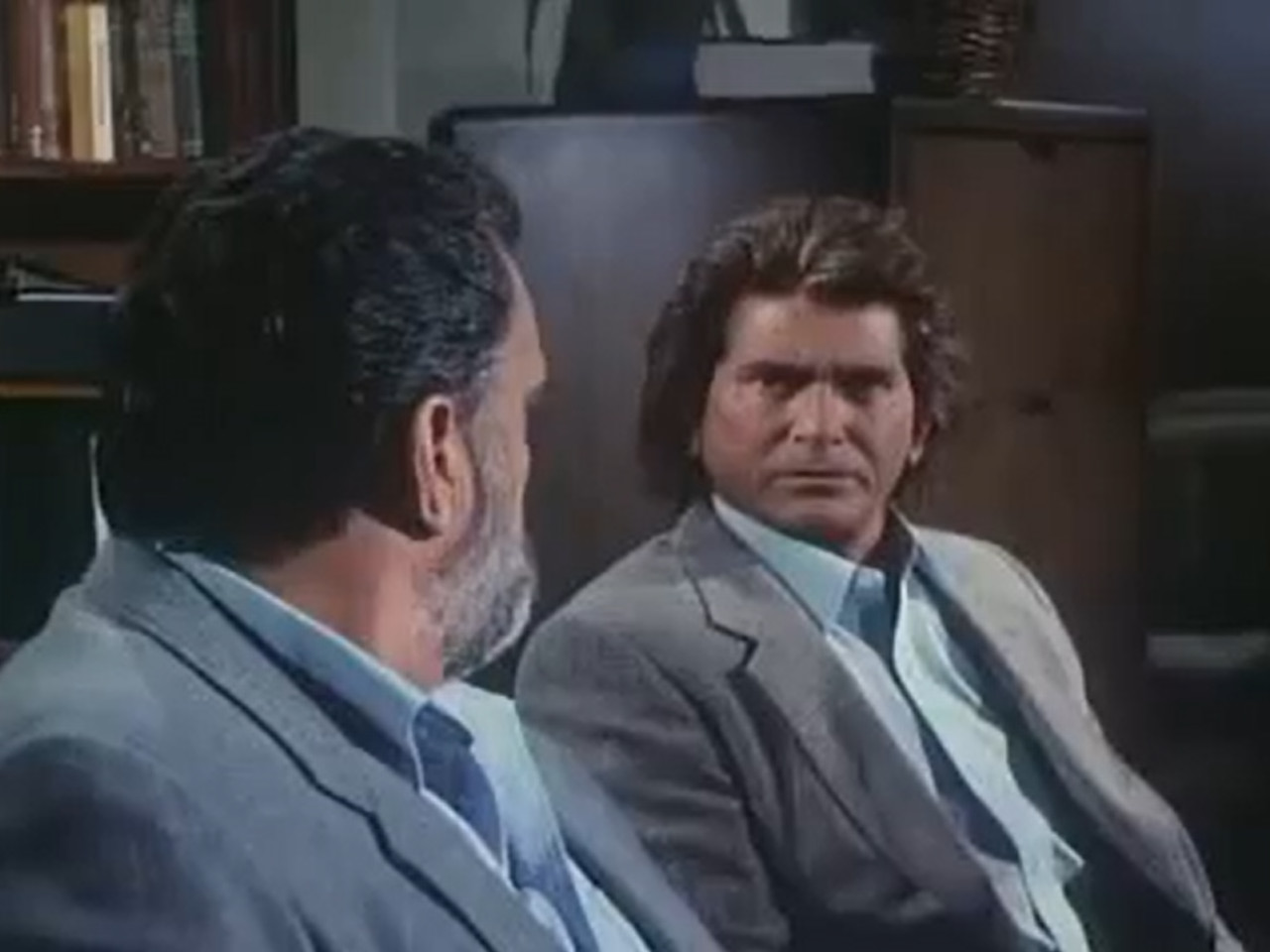
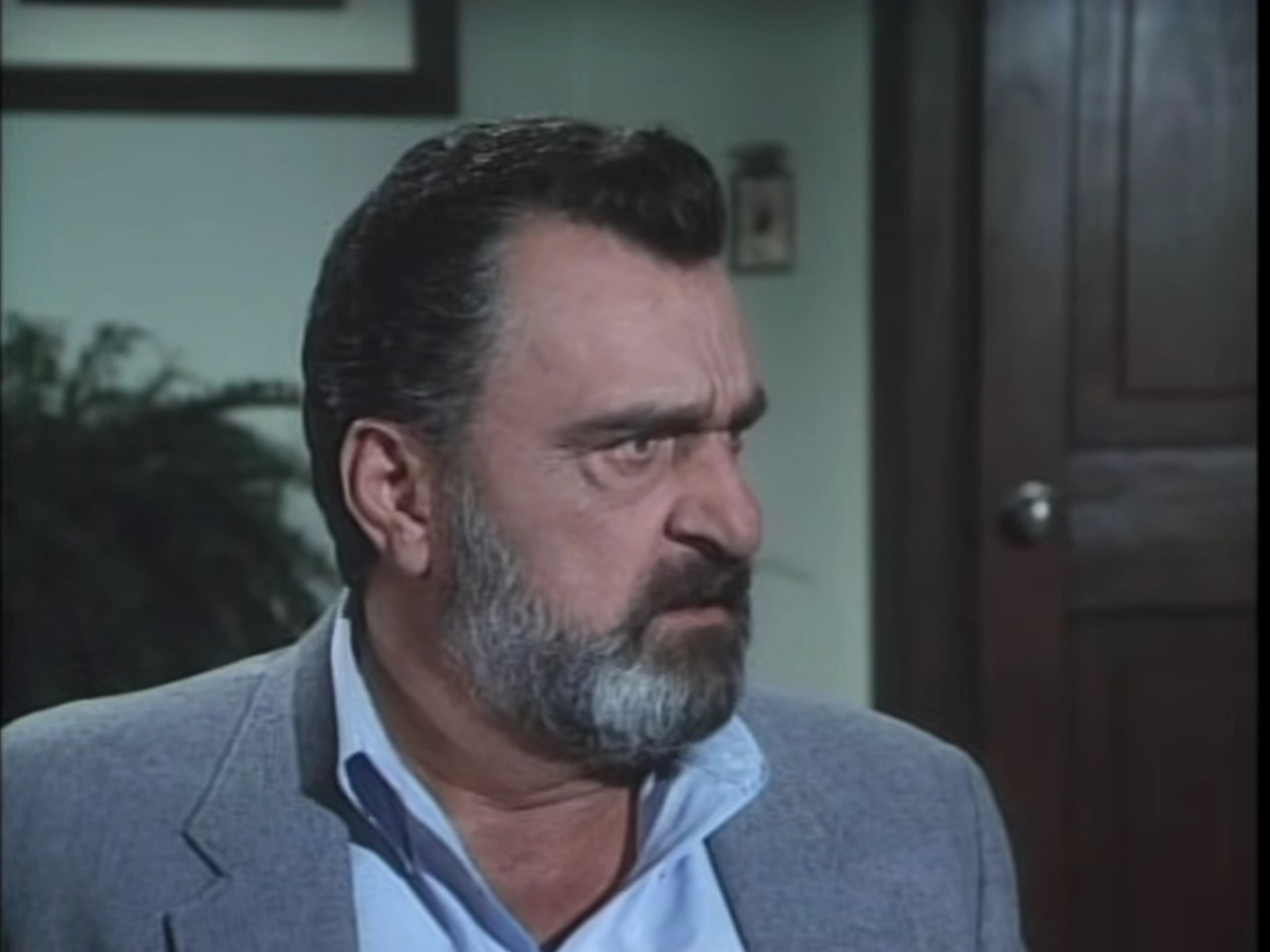
Blooper: right at the beginning there one, although off-screen. When Jonathan and Mark are talking to the counselor who is about to assign them to Lee’s family, Mark keeps annoyingly interrupting by anticipating what she’s going to say, which means he’s basically messing around with his power. But he immediately turns serious when he reads the counselor’s mind and discovers that the girl is sick.
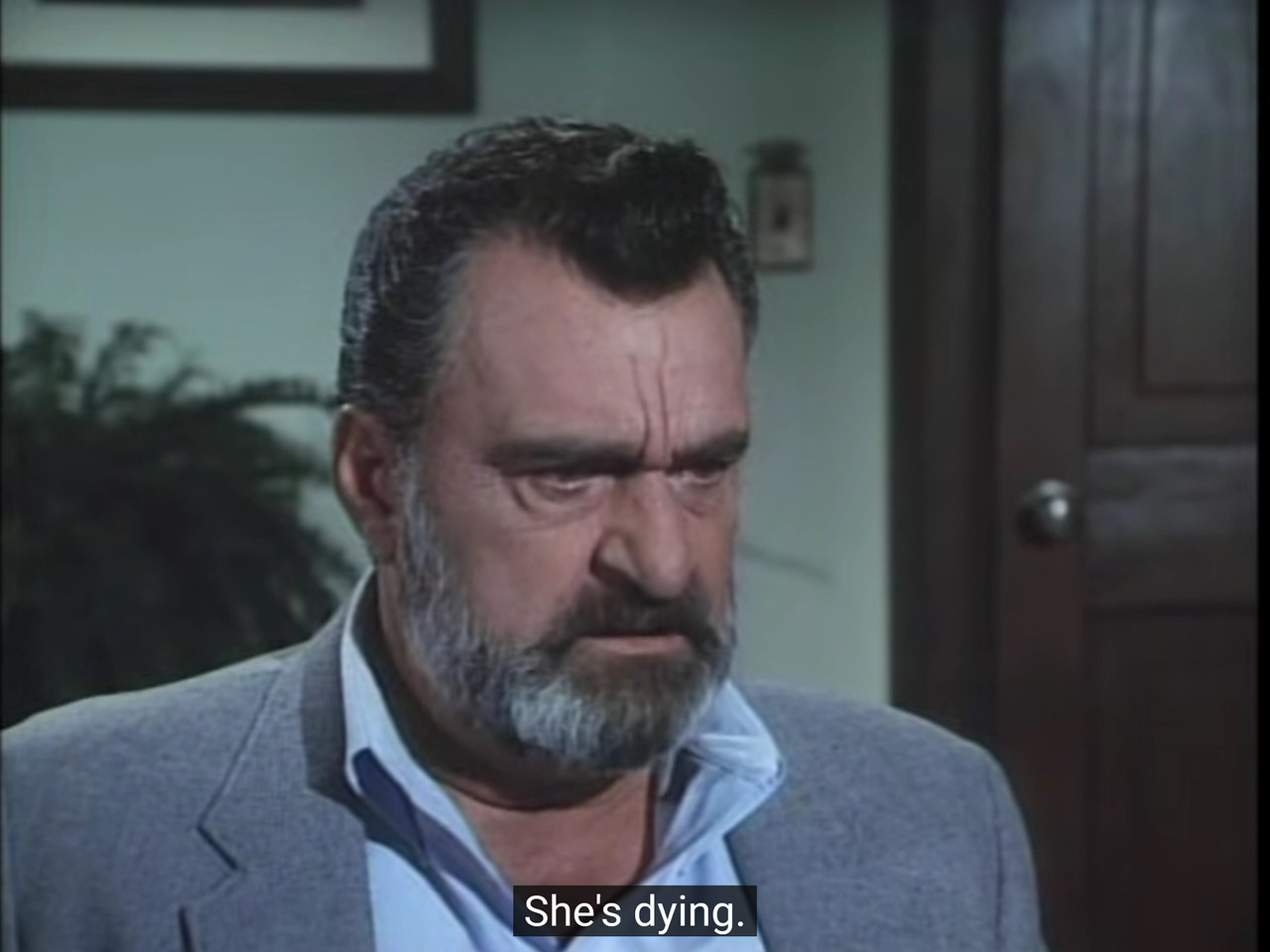
They look very serious.
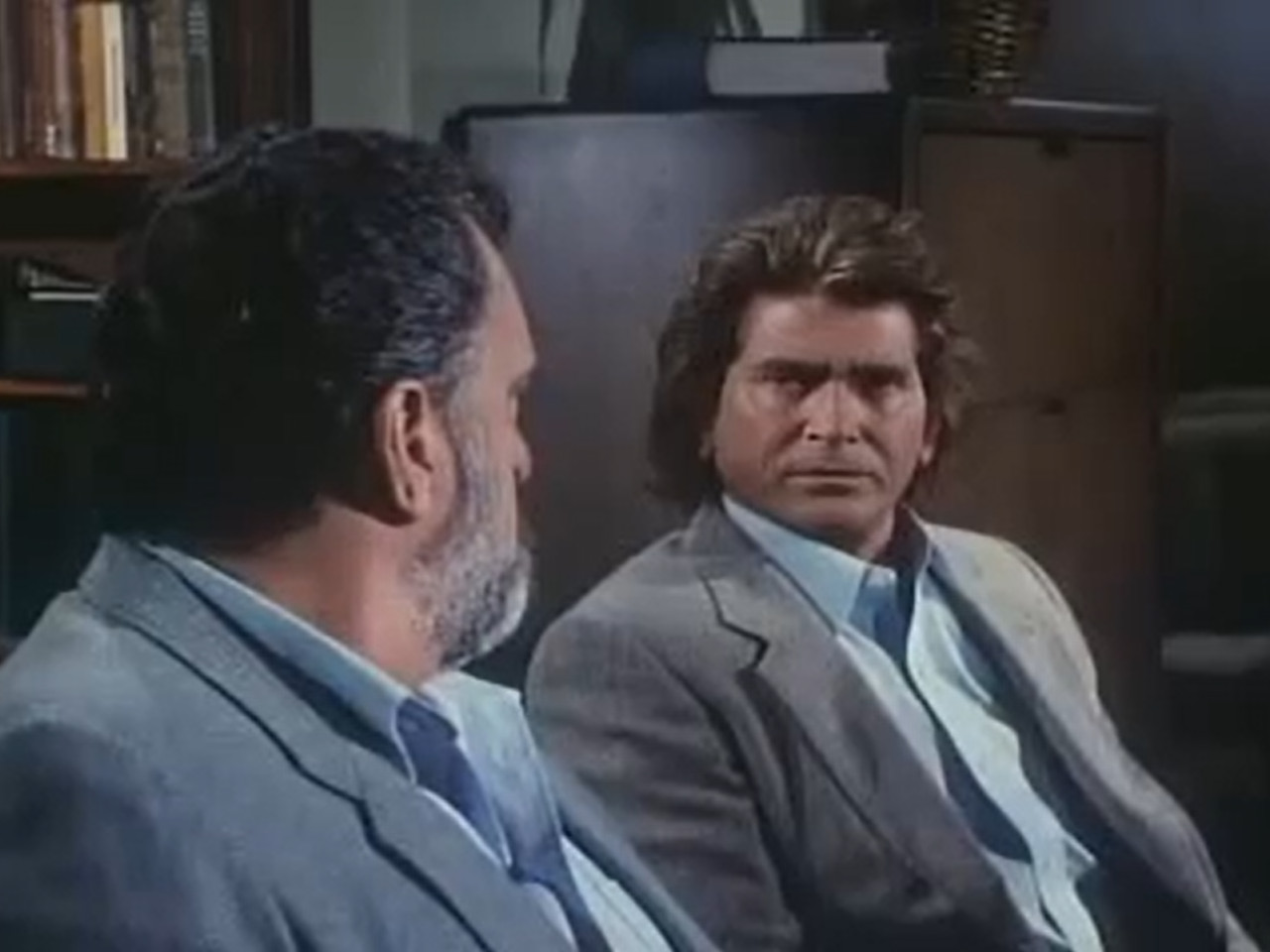
Although they were not, really: in one of the few behind-the-scenes specials included on the DVD, the moment French had to say that line, he accidentally chuckled.
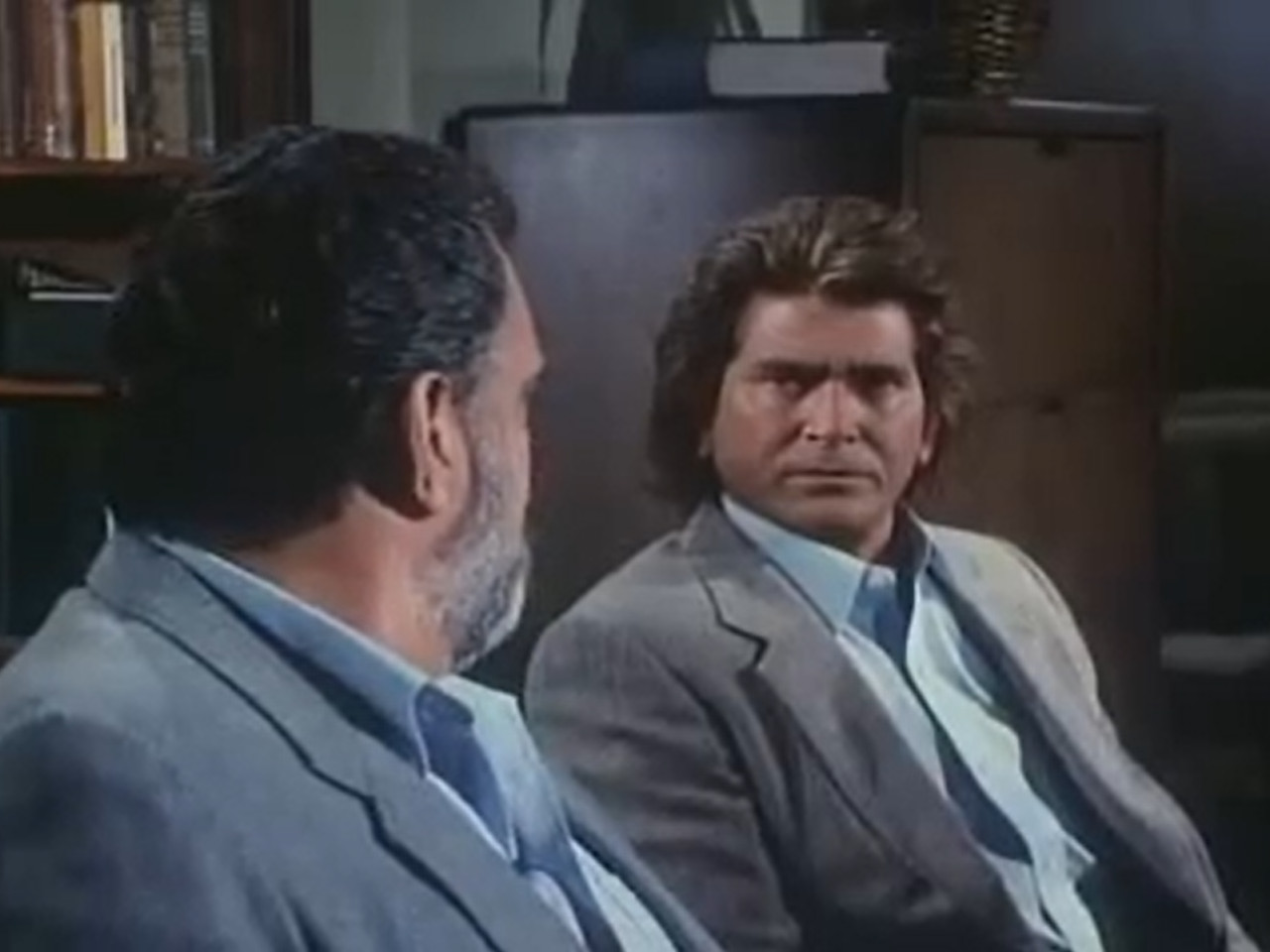
And followed that with a weird face, and everyone just couldn’t keep a straight face anymore.
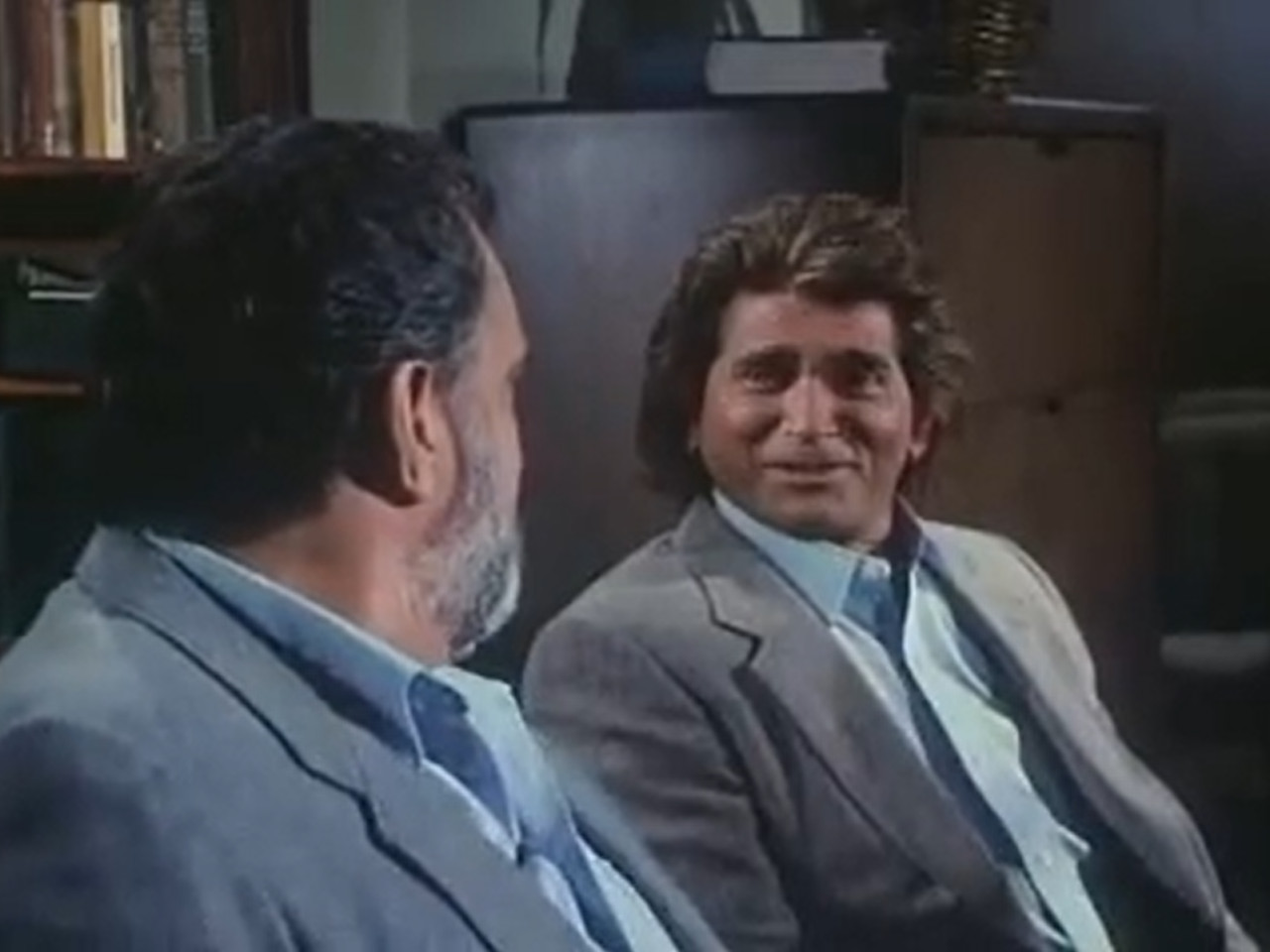
So he tried it again.
And they almost make it.
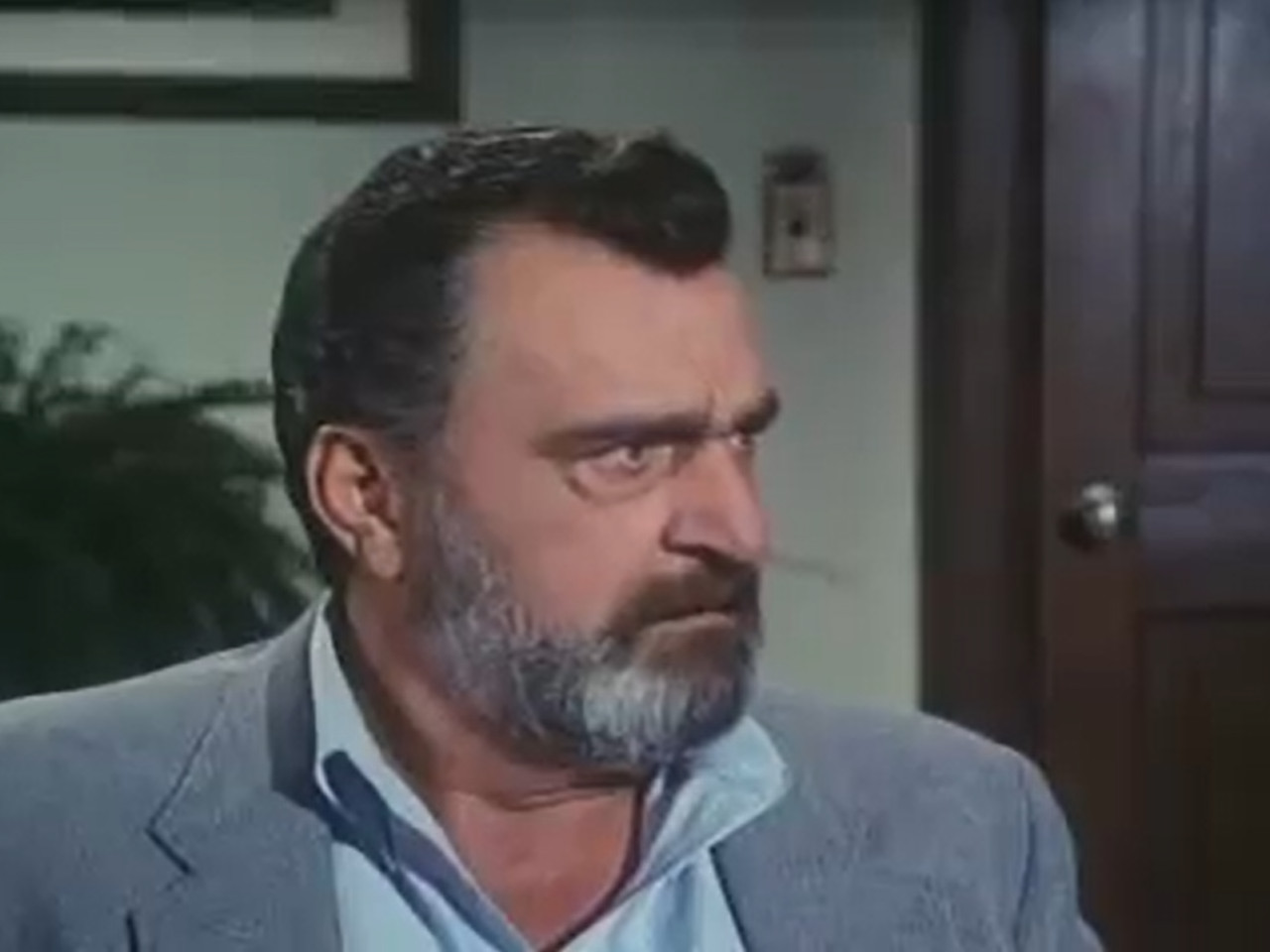
And you can see he’s about to break up again.
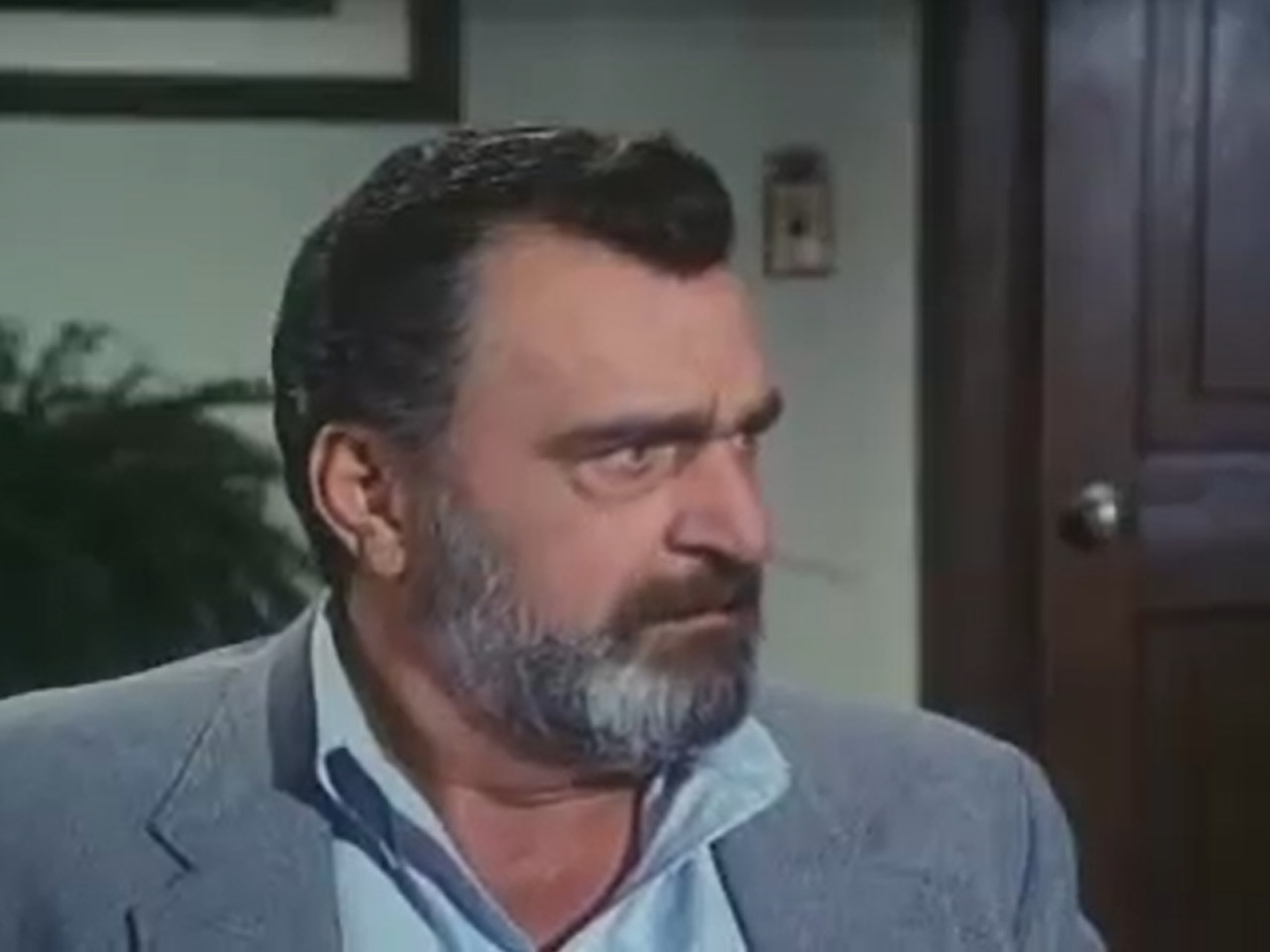
And he does.
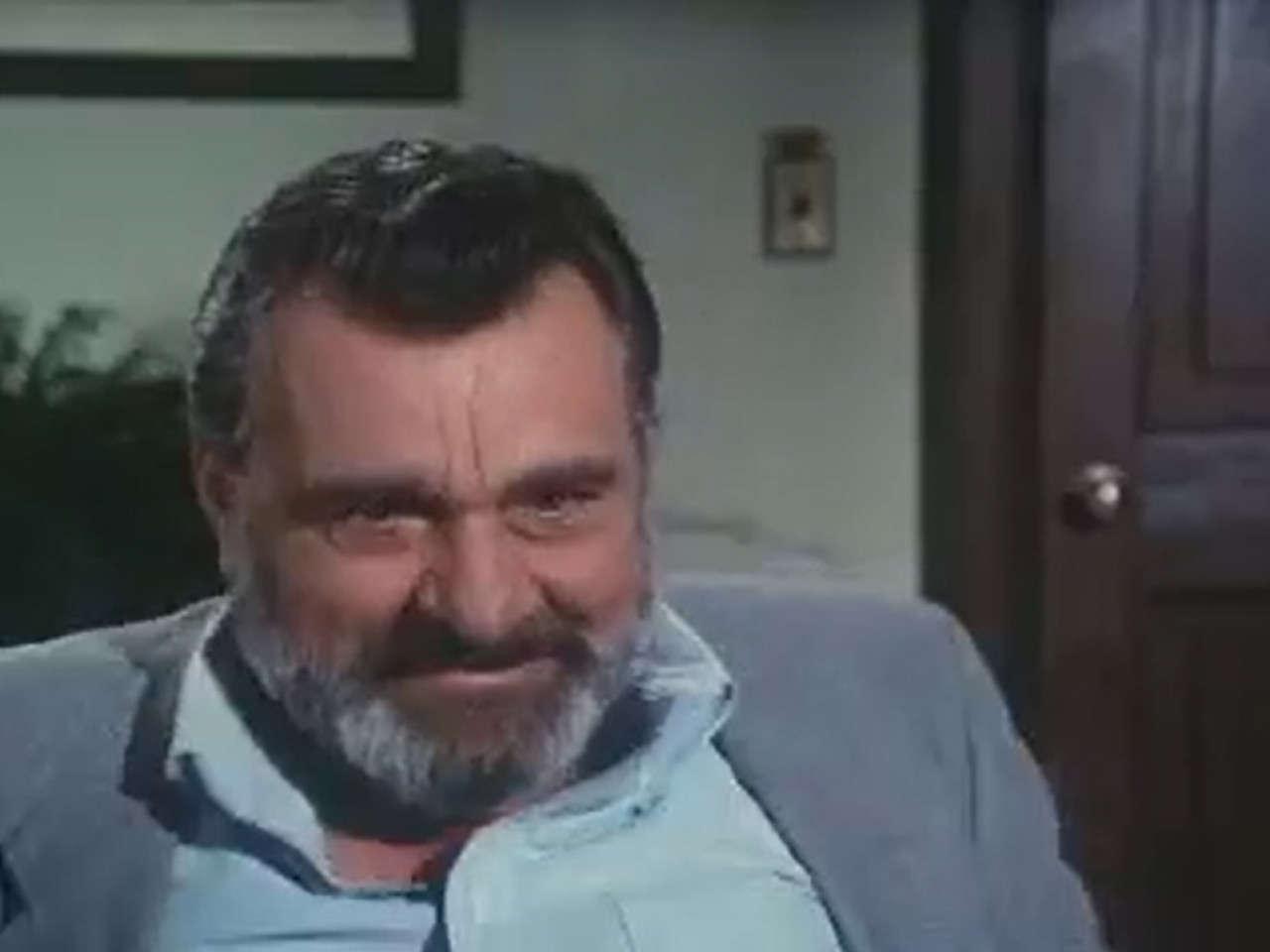
“She’s gonna die!”
That definitely feels out of place for a scene as intense as this one.
But it offers a glimpse into what it was like on set, even during the production of episodes as impactful as this. No idea how French and Landon could be so convincing on scene while being so playful out of characters.

It’s seriously hard being an actor.
In the production schedule, this scene was shot literally on the last day of production, and the most emotionally intense parts of the episode had already been completed by then.
So, they were probably in a good spirit for that.
And they were about to start filming the episode after this. Which will be a humorous one.
Friendly Jonathan: now that Mark has the Stuff, he leaves Jonathan hanging.
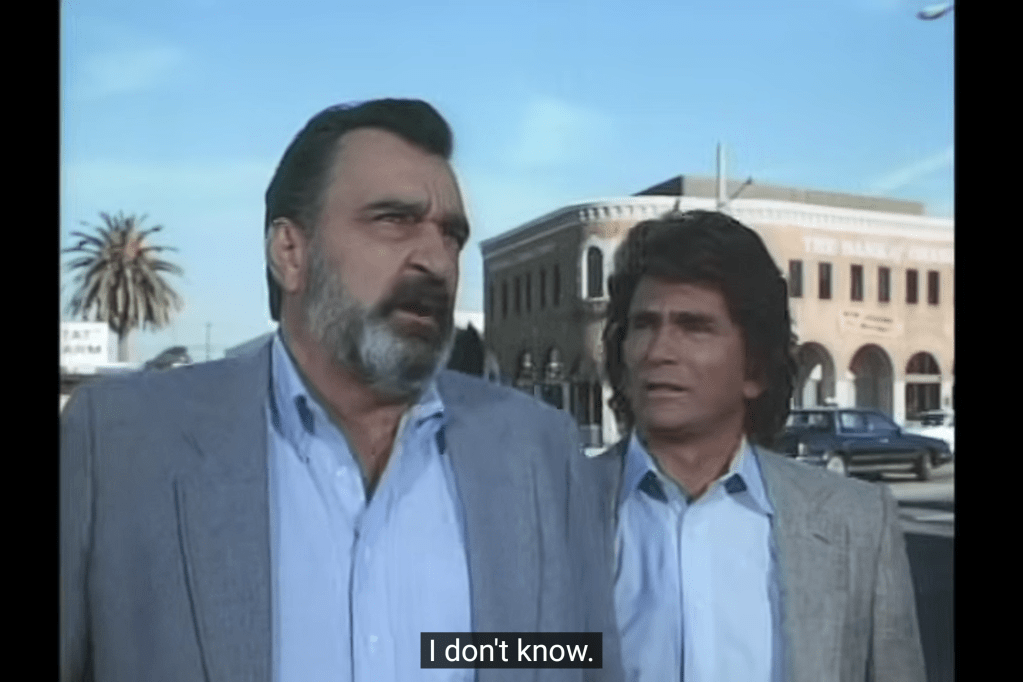
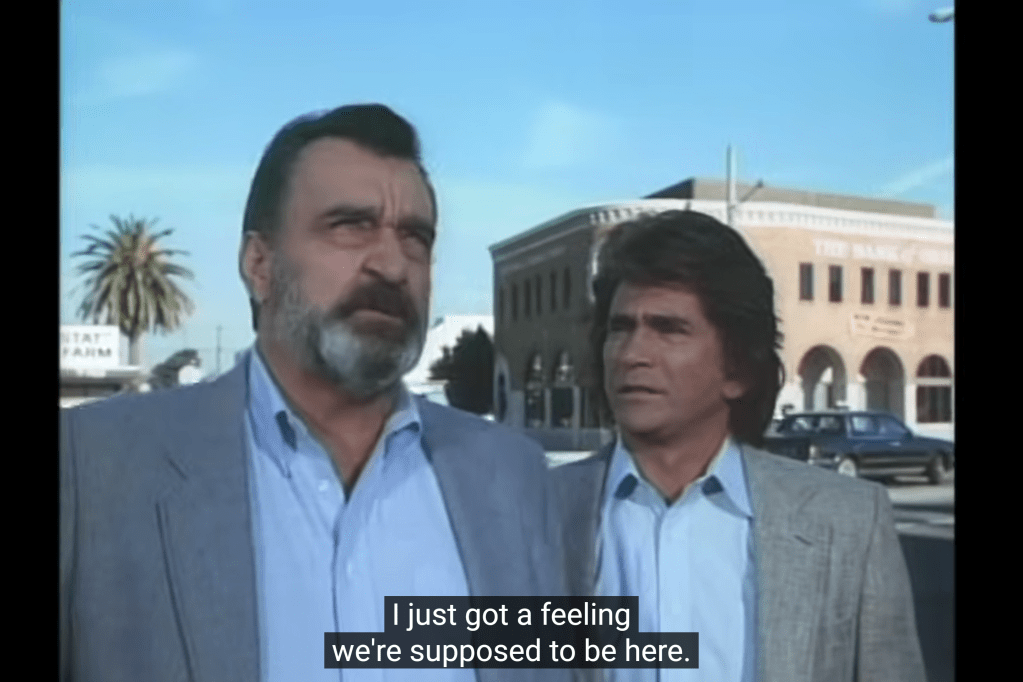
So, it’s a reverse friendly Jonathan, or friendly angel (now that Mark is the one).
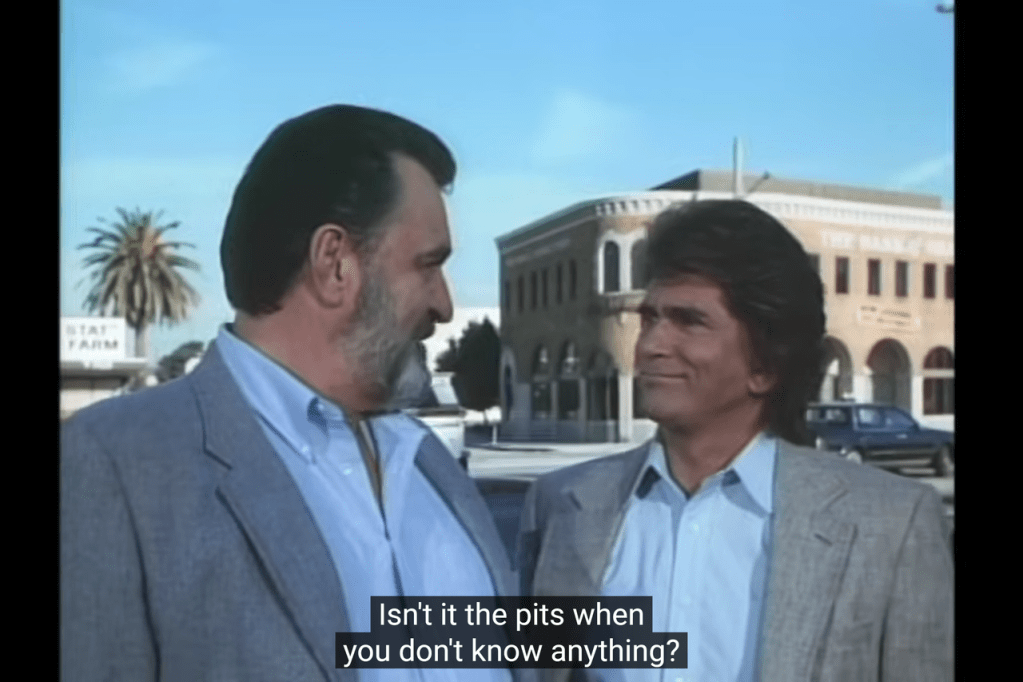
He deserved it.
Really, this might help Jonathan realize how terribly he’s treated Mark over the last few years.

“Cute”.
He won’t, for that matter.
And the script was supposed to play on this even more: like the scene in which Mark leaves Jonathan driving all night and then halts the car using the stuff—which was shot but left out of the episode. Actually, the original script even reports a couple of reverse cute instances.
Sunday Suit: Jonathan and Mark have their gray suits the whole episode.
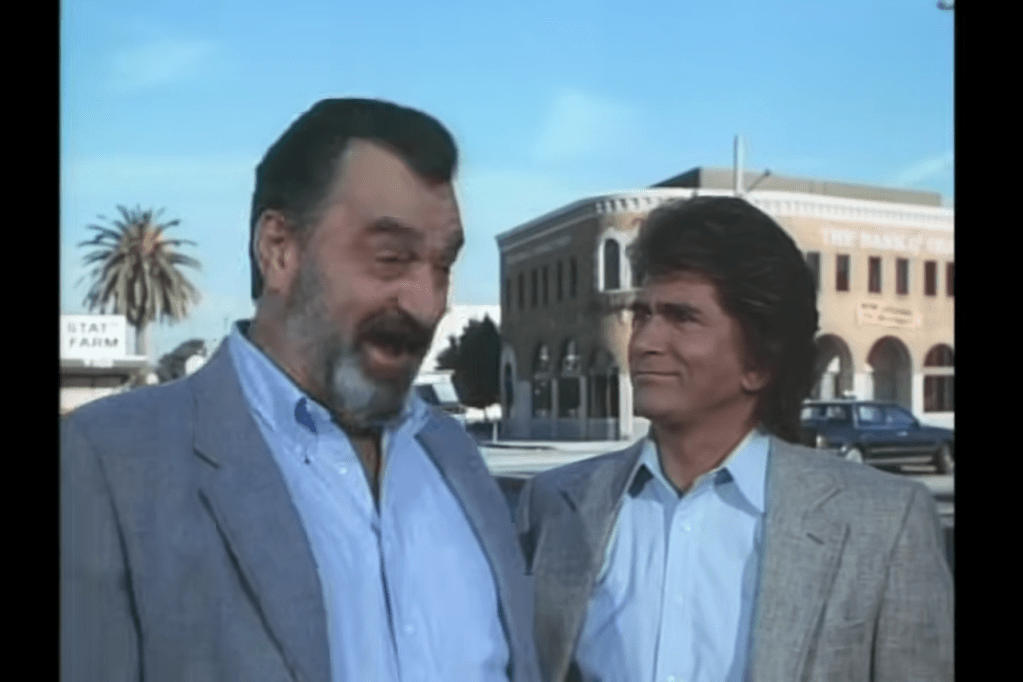
The “Stuff” Powers: included in Mark’s outfit, he won’t eat or sleep anymore.
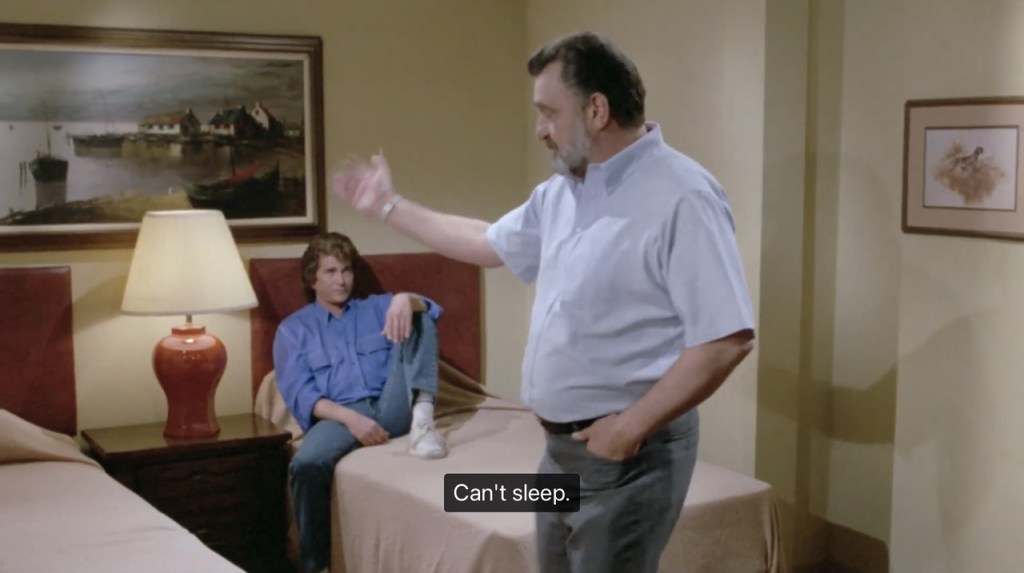
And he can read people’s mind and appears in places.

He’s not there.
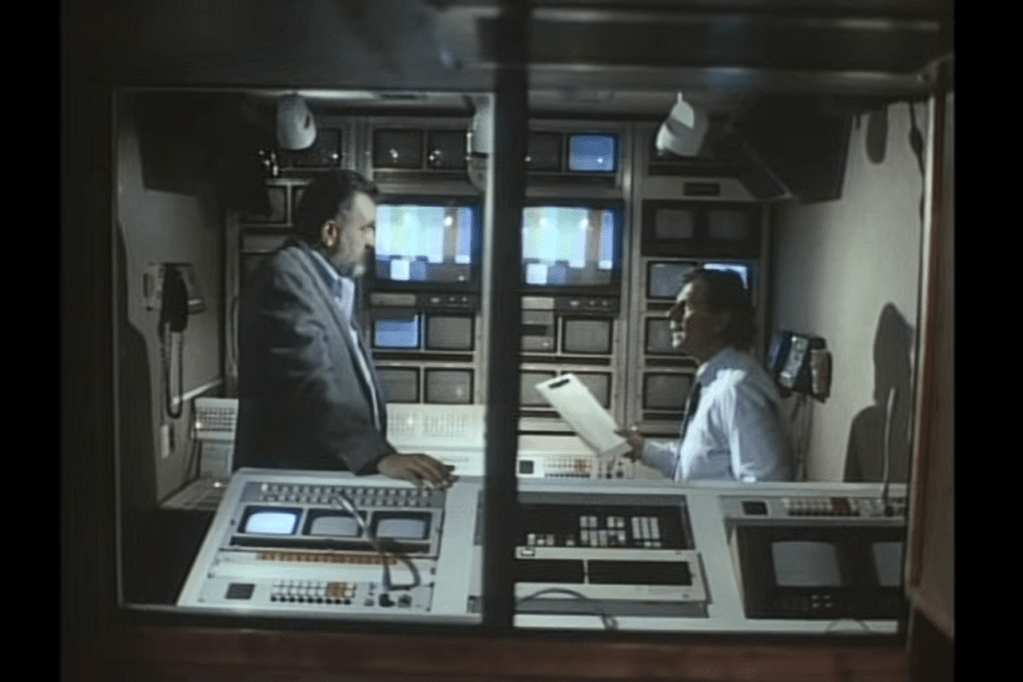
He’s there.
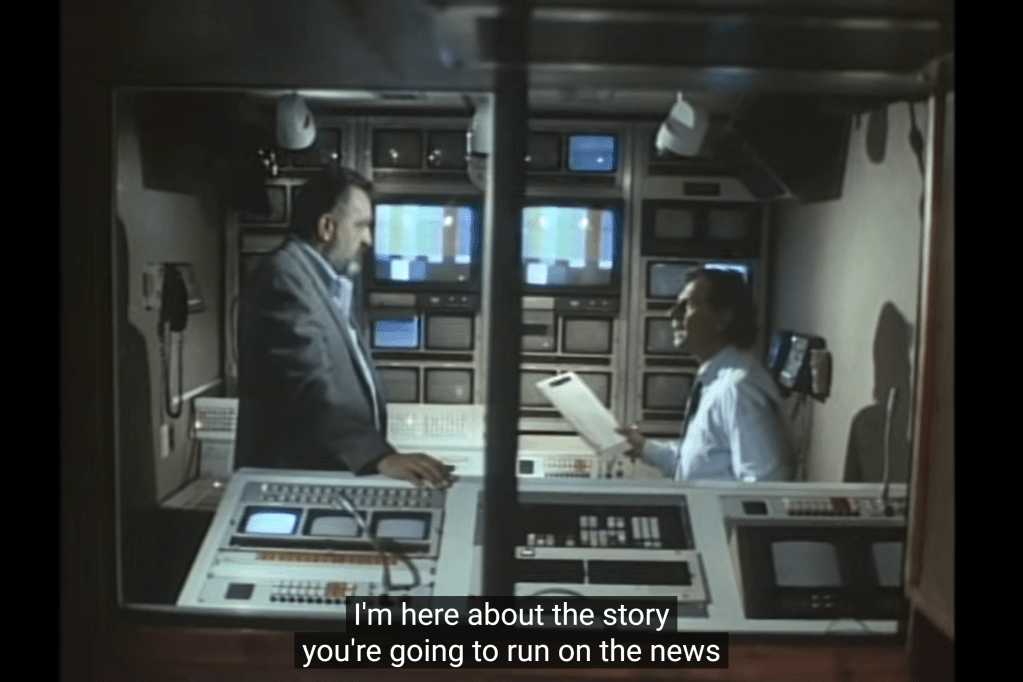
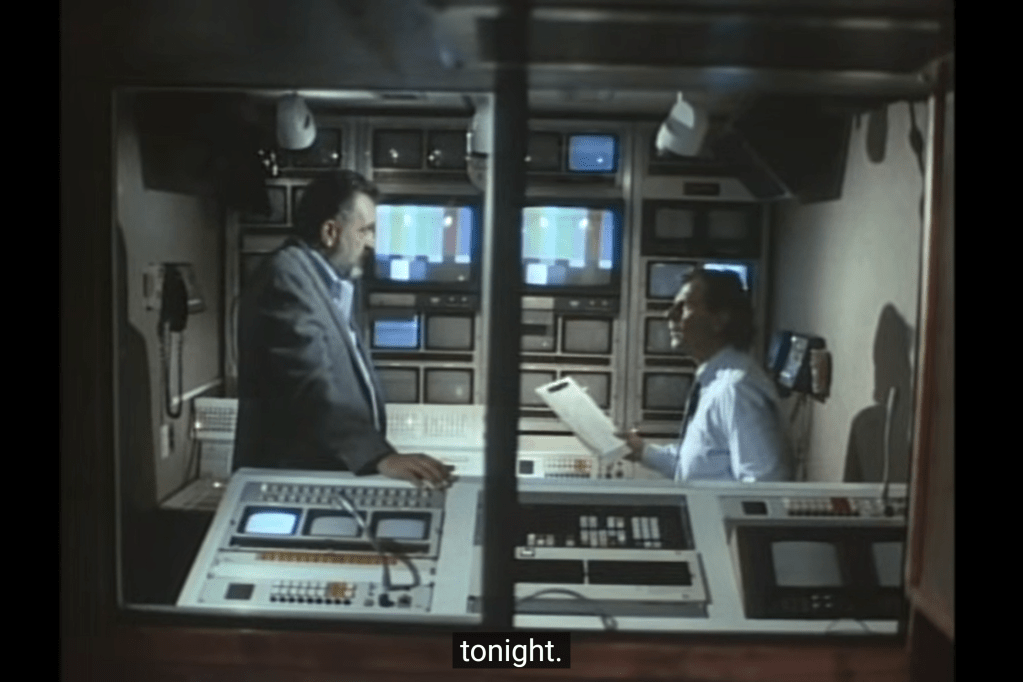
But he also displays an uncommonly powerful power: while Mark is organizing the campaign for Lee, a television broadcaster refuses to allow her on the air.
So Mark just stares at him, and the broadcaster changes his mind.
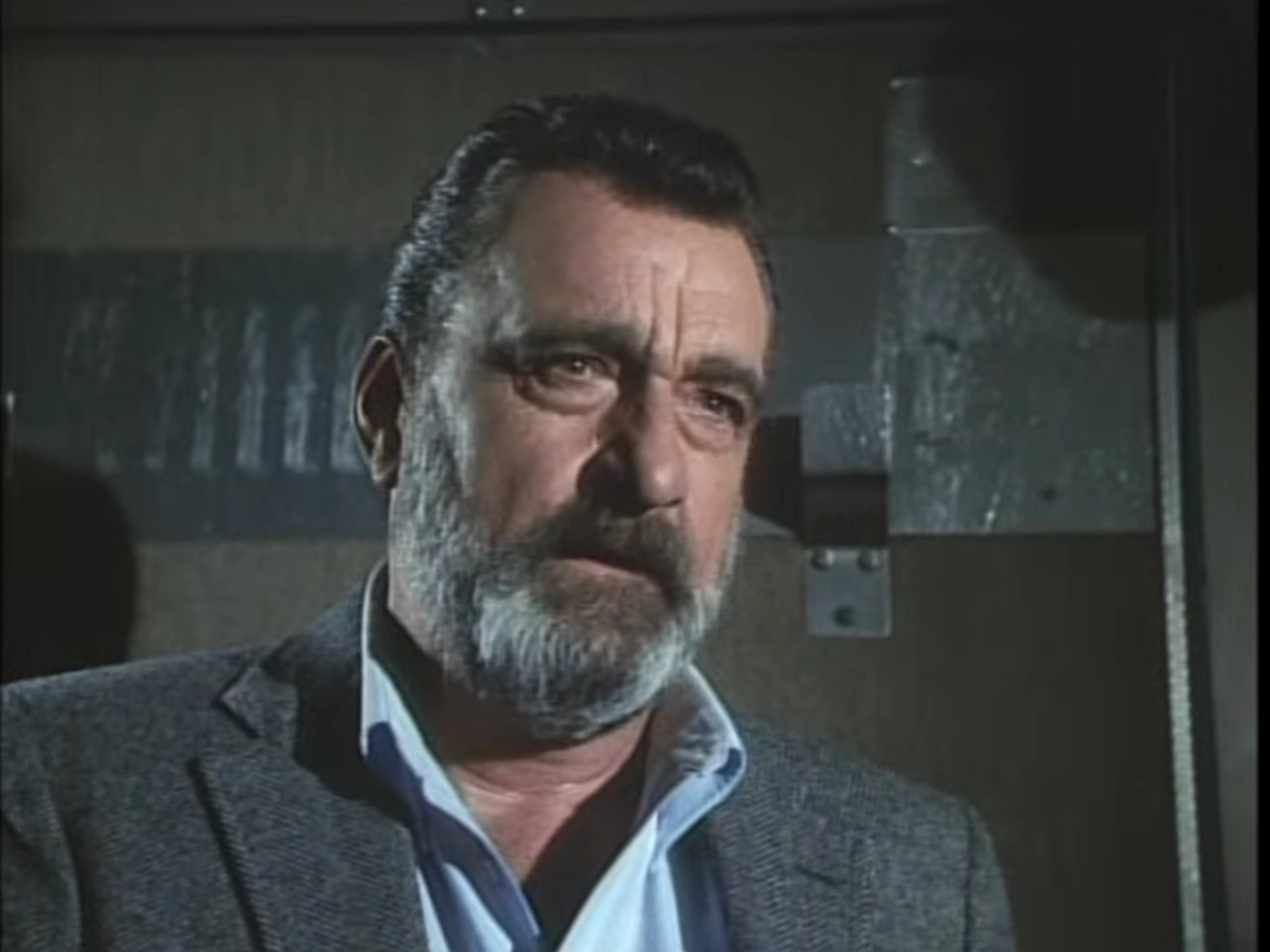
Hold on: that’s manipulating the man’s mind. He seemingly mesmerizes him into letting Lee’s family make their appeal.
That’s problematic for two reasons. First, Mark isn’t persuading the broadcaster to help because it’s the right thing to do; instead, he’s effectively overriding his free will. More importantly, this makes the Stuff seem far too powerful: if Jonathan can simply issue mental commands to people, then he ceases to be an angel working through human choices and becomes almost omnipotent. Moreover, he could have used this ability to save him time and effort in many previous assignments.
A similar situation occurred in season three, when Jonathan forced the chairman of the Senate to recognize one senator instead of another in order to delay a vote on a bill. In that case, however, he only appeared to influence the man’s speech and actions; he did not seem to enter his mind and manipulate his thoughts directly.
If this level of mind control were truly possible, Jonathan could have prevented many of the earlier conflicts. For example, in Children’s Children, a despicable reporter spread false allegations about a woman during an interview, and Jonathan merely tried to persuade him not to air the broadcast that night.

If he had possessed the ability demonstrated here, he could have simply mesmerized the reporter to stop. And solved the assignment right away.
But he didn’t, and only tried to persuade him. Of course, he didn’t achieve anything: the news report aired anyway, and things escalated.

Yet, if Jonathan truly possessed the ability Mark seems to be using here, he could have simply done the same thing to that reporter.
Perhaps Jonathan hadn’t unlocked that level of influence yet. It is possible that Jonathan’s probation somehow progressed as the series did (More about it here, at the “Stuff” entry), so the conditions he had to abide by to use the Stuff in season one were different to those in season two. Or perhaps he could have used it, but deliberately chose not to for some reason, whereas Mark does so here because the assignment is considered more important.
Just use the Stuff to get people to donate then.
The odd part is that Mark had to do that multiple times in the episode: the script reports that, before meeting the head of the social services, Jonathan and Mark were supposed to speak with the secretary and tell her that they wanted to see the lady in charge but had no appointment. So the secretary would send them away, but Mark uses the Stuff and gets her to call the lady, and she sends them in. This entire scene plays out more like Jonathan did with the senator (he forces him to issue a decision without changing his will), but it’s still too powerful. At this point, they could have used the Stuff to get people to donate money without involving Lee and her family.
That secretary scene even appears in the shooting schedule on the last day (alongside the part with the blooper), but it was removed from the episode. Again, they probably realized they were using too many powers. Or that the first half of this episode was just too long (this was already the third scene they filmed and eventually removed from the first act).
As for the rest of the powers, Mark seemingly has access to the entire arsenal: besides mind-reading and mesmerizing people, he can also halt the car (as in the Joey Chitwood instance from the deleted scene) and gains Jonathan’s otherworldly strength.

And how are they going to pay for it.
One curious anecdote: in the original script, it’s reported that the guy was supposed to be playing loud music upstairs and when Mark shouts at him, that guy would just fall down to Mark’s arms.
When the script was revised to make the episode longer, that scene was altered to make him the next door guy instead. Maybe they realized that the scene would have been too dangerous or difficult to make. Or maybe that it was too powerful for the Stuff to just make things happen by saying them. It would have been another unprecedented power.
But there are some things that Mark can’t do: for example, upon realizing that Lee’s reluctance stems from the money, he decides to use the Stuff to make some.

It doesn’t work.
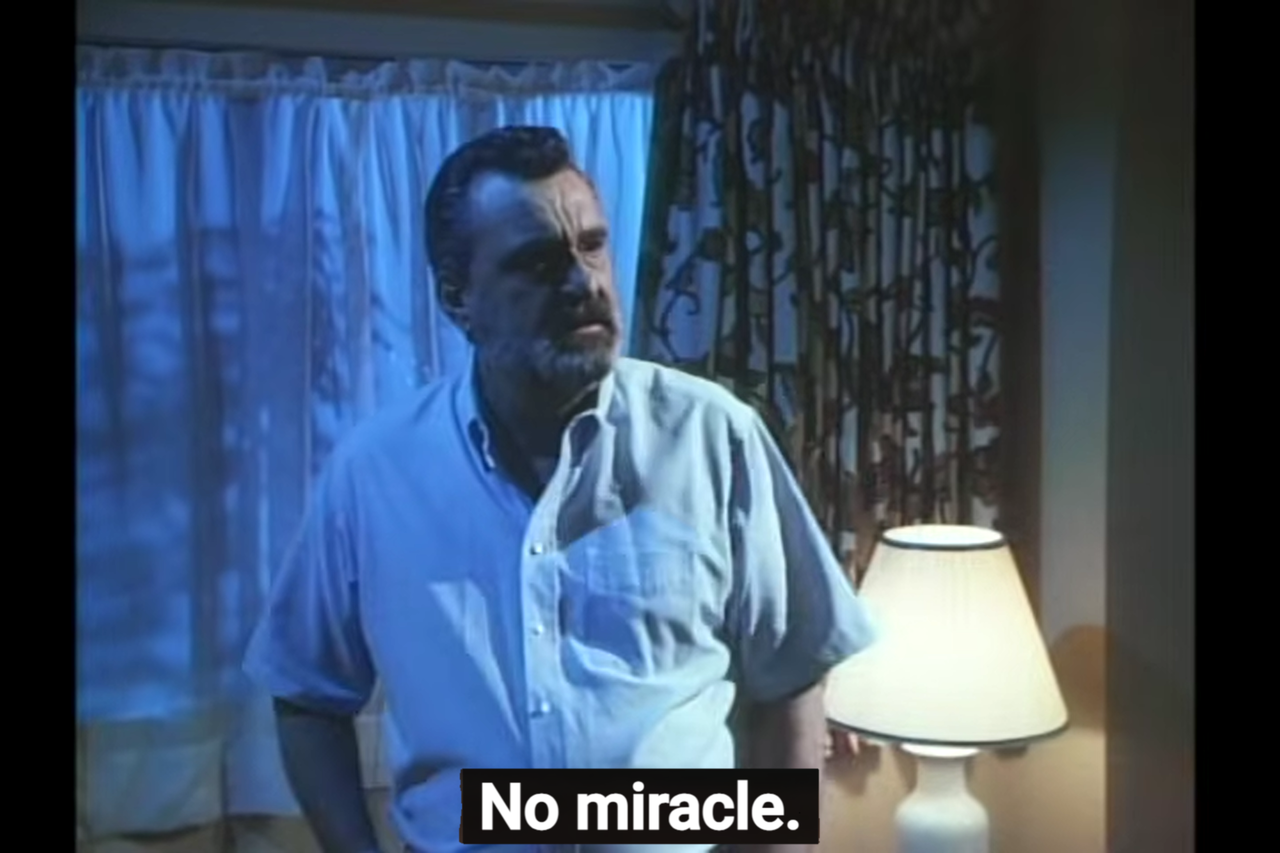
And Jonathan has to explain to him why.
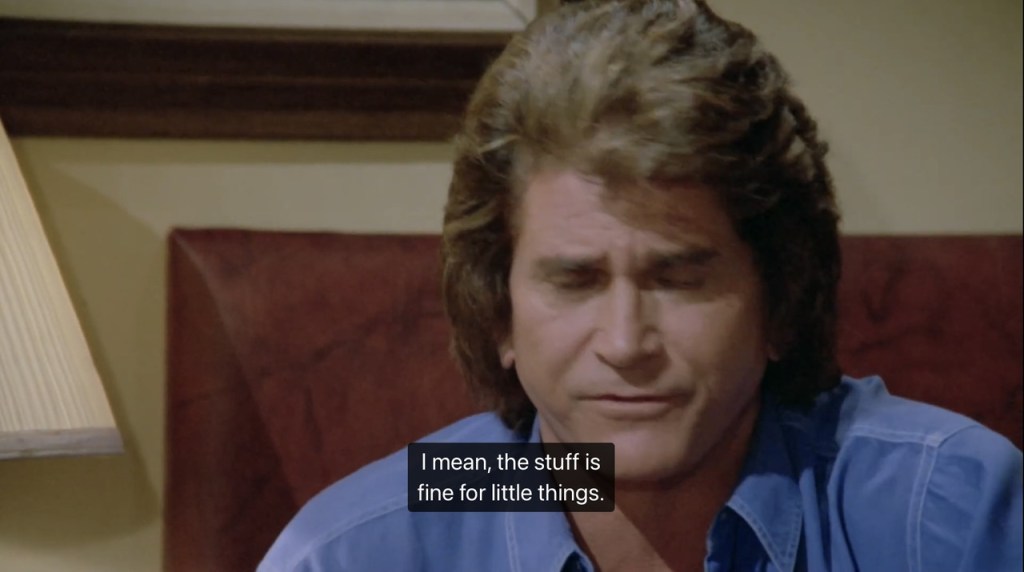
So reading people mind and change their will is just everyday stuff.
This justification doesn’t work any. Besides, there’s a contradiction in the way miracles work: Jonathan says that it’s not that easy and the Stuff can’t work them. But he then says that people are behind miracles, not the stuff.

That implies that people “loving and caring” is a hard thing, but it’s not what he said in season one, when he suggested the solution to end all wars and hatred is as simple as that.
The only good thing about this justification is that it partially explains the issue with the money in the series. In some episodes, it seems that Jonathan can materialize it (as in Close Encounters Of The Heavenly Kind or We Have Forever) but in other episodes (the Pilot) he couldn’t anymore. That confirms that maybe Jonathan can only create the money he needs to support his living and traveling with his friend, but not more than that.
The job: they are formally hired as Lee’s social workers. And it’s the first time they’ve done something like this. But then again, it’s also the first time the superior gives Mark the stuff instead.
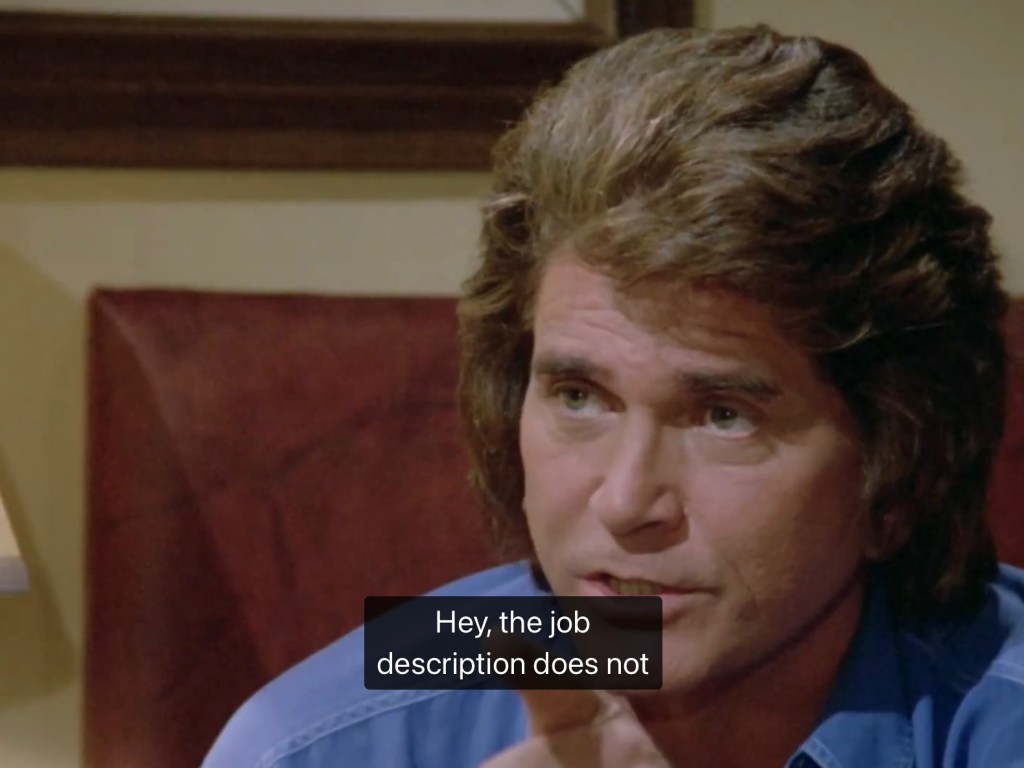
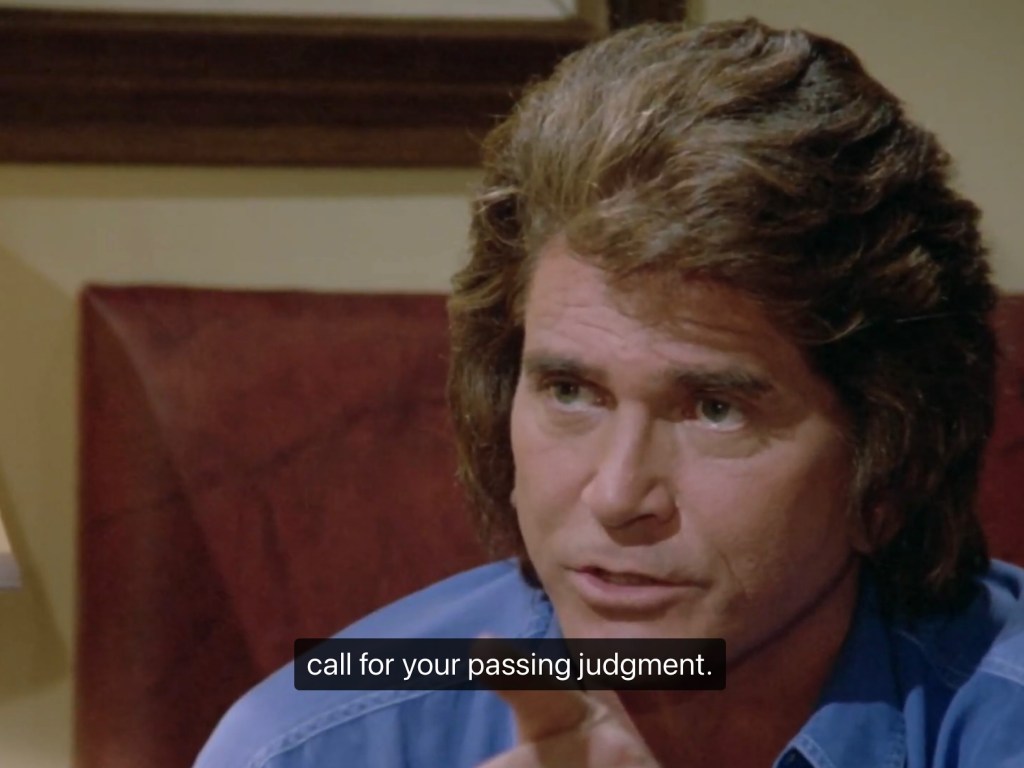
Is he talking about misusing the stuff or what.
It’s one of the few times Jonathan says that being an angel is like a job.
But Mark’s real job is as angel. And he’s doing things right: Lee’s in remission, her family is now tighter, everything appears to be resolved alright.
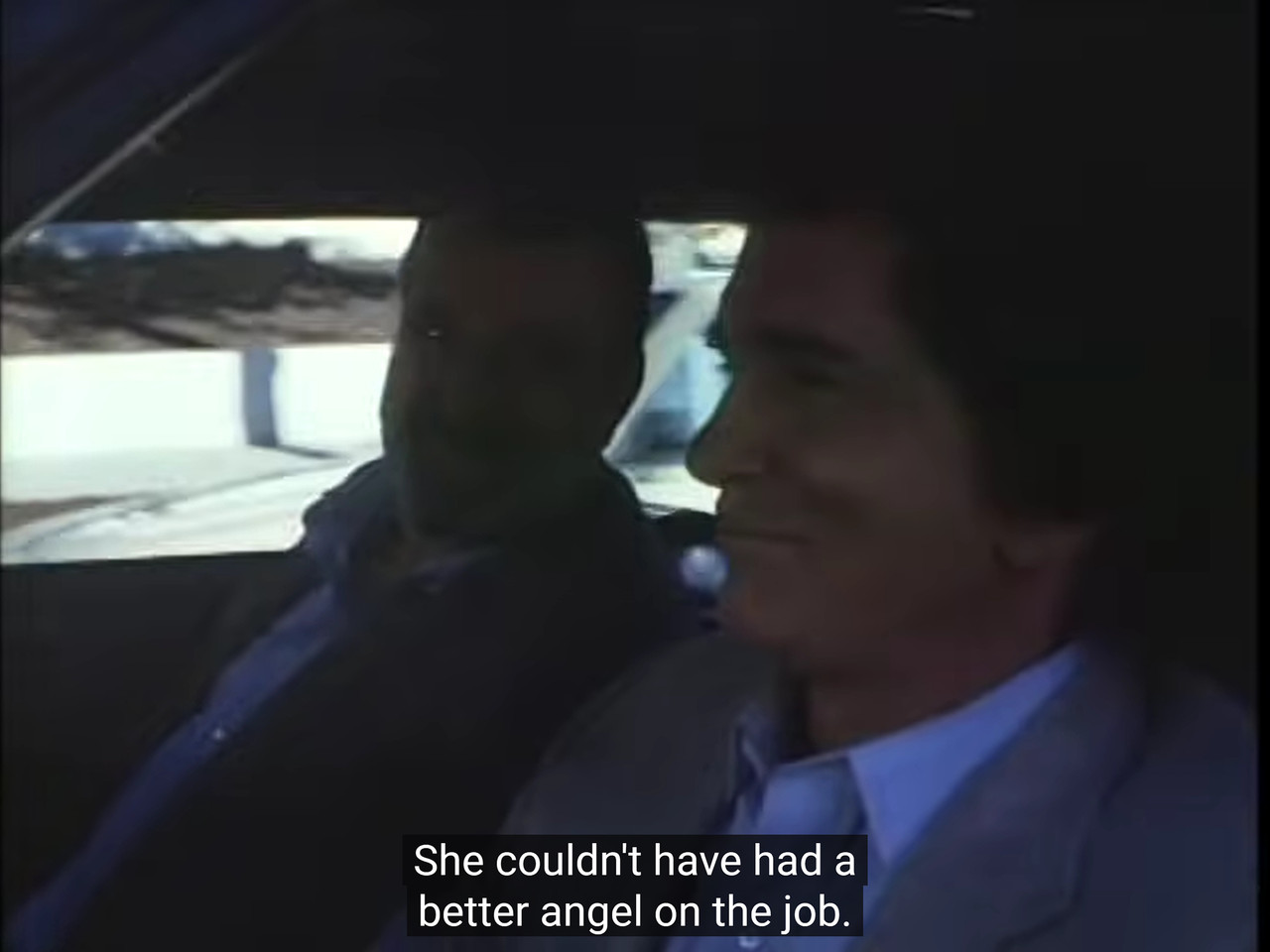
Then how come this was only Part One.
Ratings: 24 million audience. 30th weekly TV program, 9th TV genre show.
By the time this episode aired in early March 1988, there was something different: for the first time in four season, this episode was moved one hour later than usual. That’s because NBC wanted to preempt a new series on Wednesdays 8:00, the timeslot usually reserved to Highway. So, the week after Aloha they skipped Highway altogether to preempt the pilot of the new series, Aaron’s Way, about this Amish family settling down in the city. (The titular character is played by Merlin Olsen, the actor that a football athlete took Mark for in season two). And then, starting from this week, they decided to air all the remaining season four episodes at 9:00 pm after this new series. It’s unclear whether they did that believing it was actually a way to improve Highway ratings (given how bad they were this season) or if they were dropping the series after the fourth season and replace it with this new Aaron’s Way starting from the next TV year. For the record, they didn’t: Aaron’s Way was dropped in the summer, and the plans to make it come back that Fall were scrapped; although Highway’s slot was eventually moved the next year, but that’s not the point.
Still, Landon must have liked this arrangement: during a 1986 interview on EW, it’s reported that when the series was ordered for a first season, Landon wanted it to air at 9:00 pm but the network refused and gave him the 8.00 slot. For the next few episodes, it’s going to be the way it was always meant to be.
Despite this new schedule, the ratings were not particularly strong. There was a slight improvement over the preceding episode, which remains the second least-watched of the series, but they remained well below those achieved by earlier seasons and were not even as high as those of the previous two-part episode.
To be fair, the ratings for this episode weren’t worse than those of most other episodes that season. The problem is that this is hardly reassuring, since the entire season had already suffered a steep decline in viewership. Still, Jonathan’s previous two-part show performed better in its second installment, so perhaps the same thing could happen with next week’s episode. Everything appears to have been resolved. But this was only Part One.

Leave a comment