
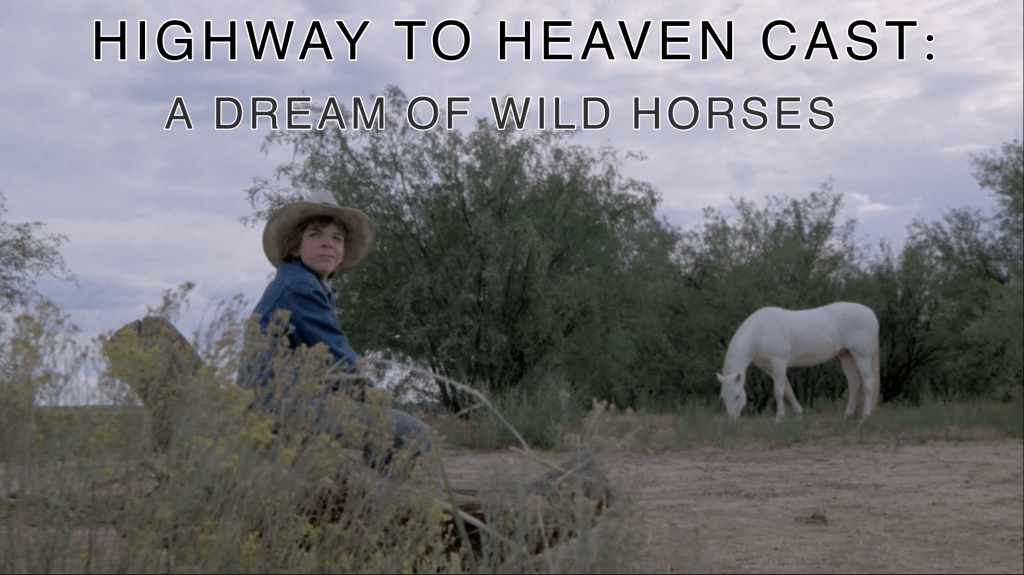
Highway To Heaven Cast: A Dream Of Wild Horses
Airdate: 12/2/1987
Directed By: Michael Landon
That’s a weird title. Felt like “I dream of Wild Horses” or something. Perhaps it indicates this episode is just a dream.
Anyway, after essentially three seasons, they finally decided to return to a western episode. It’s been a long time. However, unlike its two predecessors, it’s not a western spoof nor a musical one.
Also, despite the title, Jonathan won’t be invading anybody’s dreams this time — but he already did that twice earlier in this season. Including once just one episode ago.
Complete show available here.
Assignment: Jonathan and Mark are assigned to help a ranching family struggling to confront wild horses invading the land.
In the episode, Jonathan and Mark are hired to work on a ranch run by Billie, who feels a lot of pressure on her after the death of her husband.
As a result, she’s slowly drifting apart from her father, Mr. Sanders, who feels old and powerless.
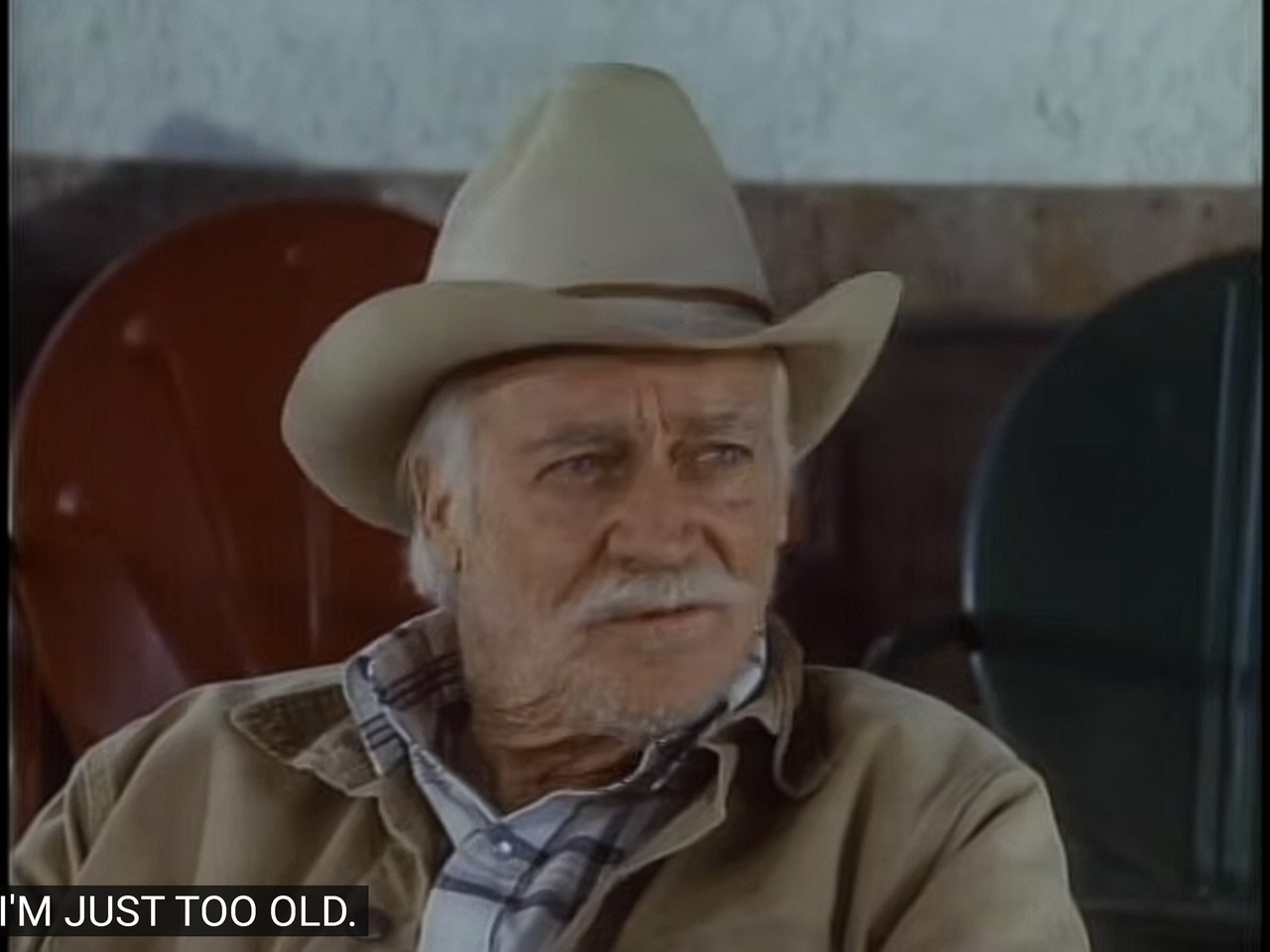
And in the way.
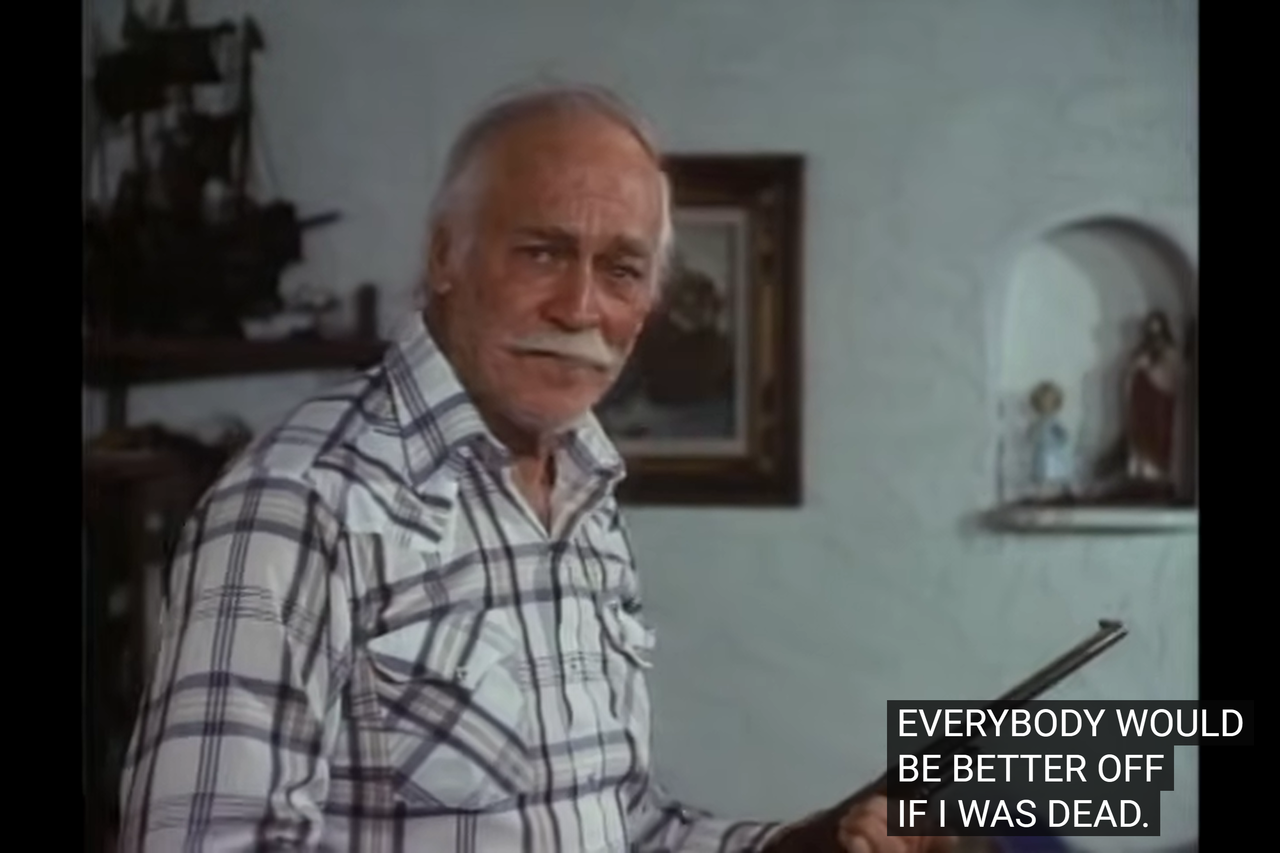
And from her son Richie, who resents his mother for the way she runs the ranch.
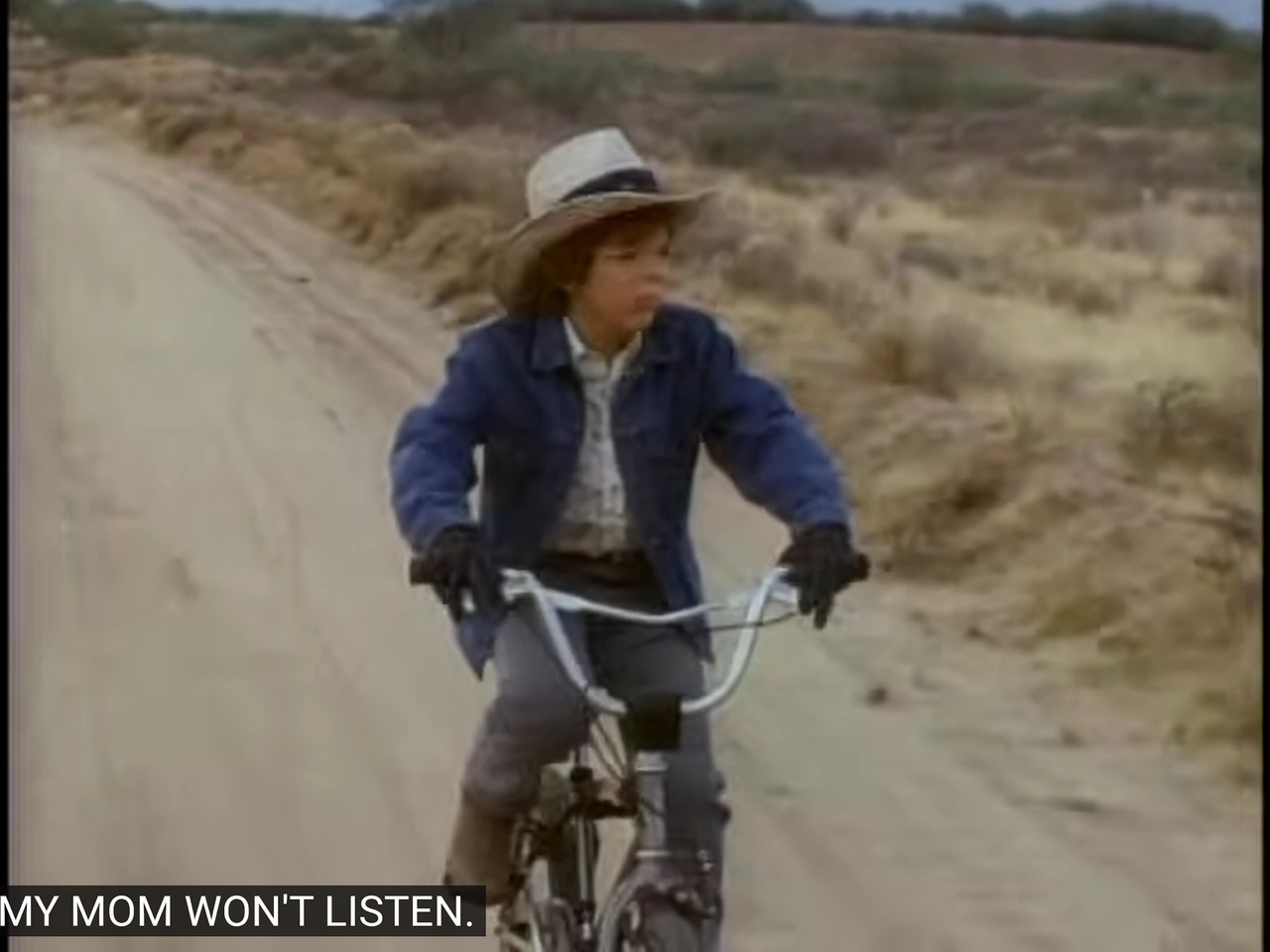
And has grown attached to a white wild horse.
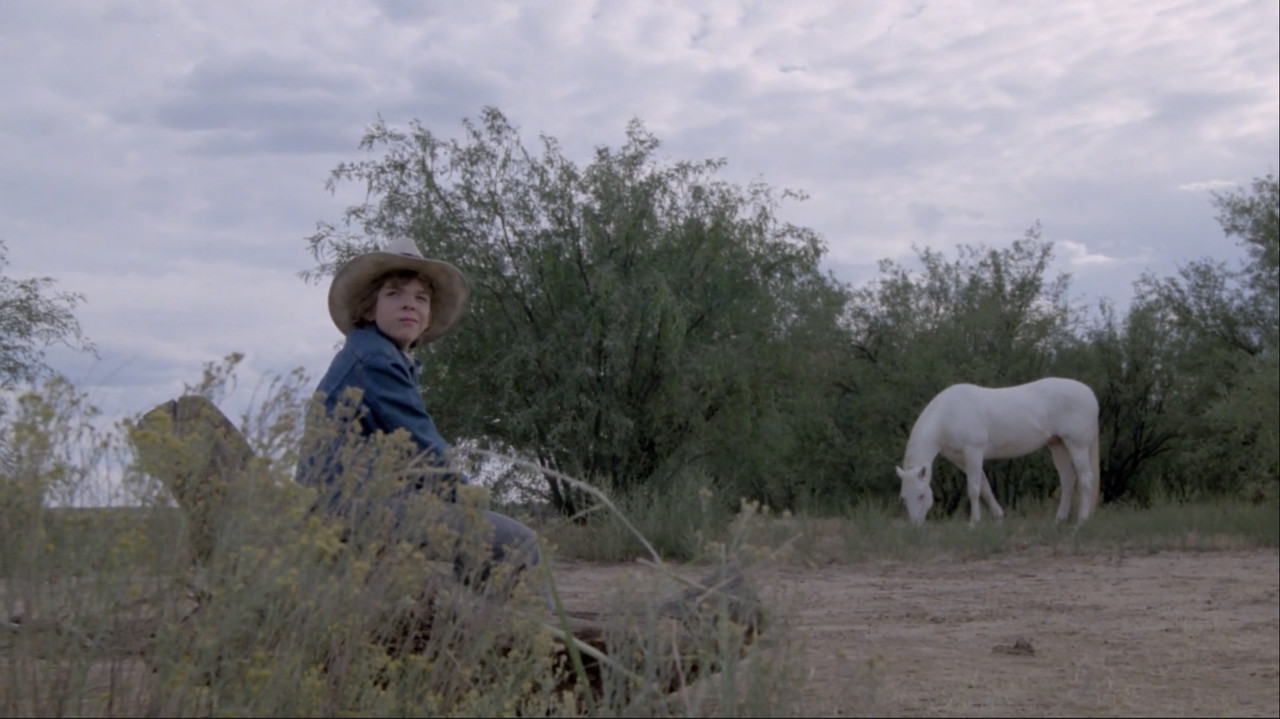
Maybe this episode is his dream.
Or that kid is St. Elsewhere’s Tommy Westphall.
To complicate matters further, the mother discovers that a bunch of wild horses runs loose on the ranch, scares the cattle and drinks their water
So her fellow ranch hands plan to exterminate all the wild horses around the land.
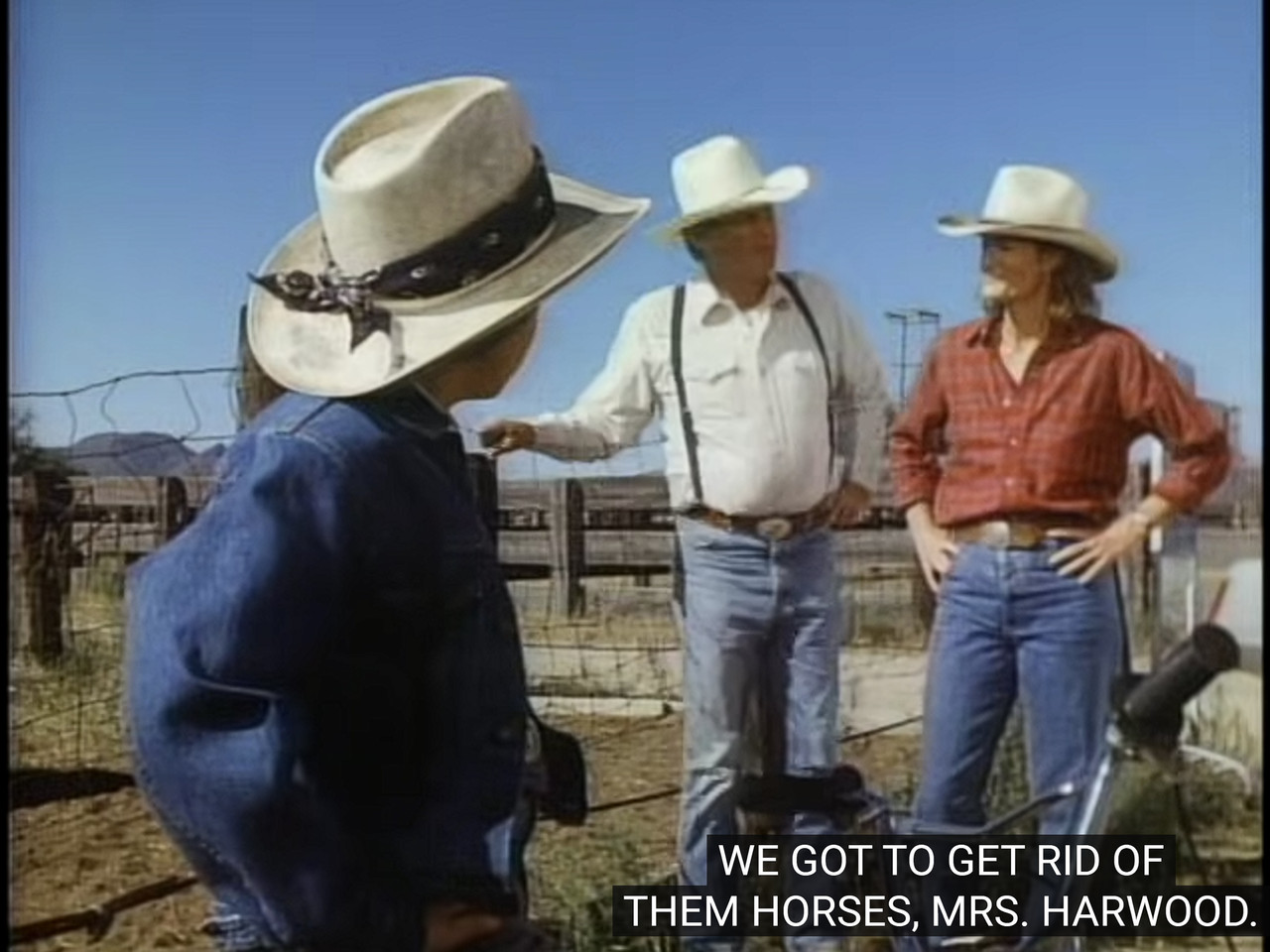
The assignment therefore becomes about helping an entire family struggling to cope with grief and everyday life on the ranch. The “wild horse” problem is just the trigger for the action, but the real assignment is helping the family out. So, a family issue assignment, that’s all.
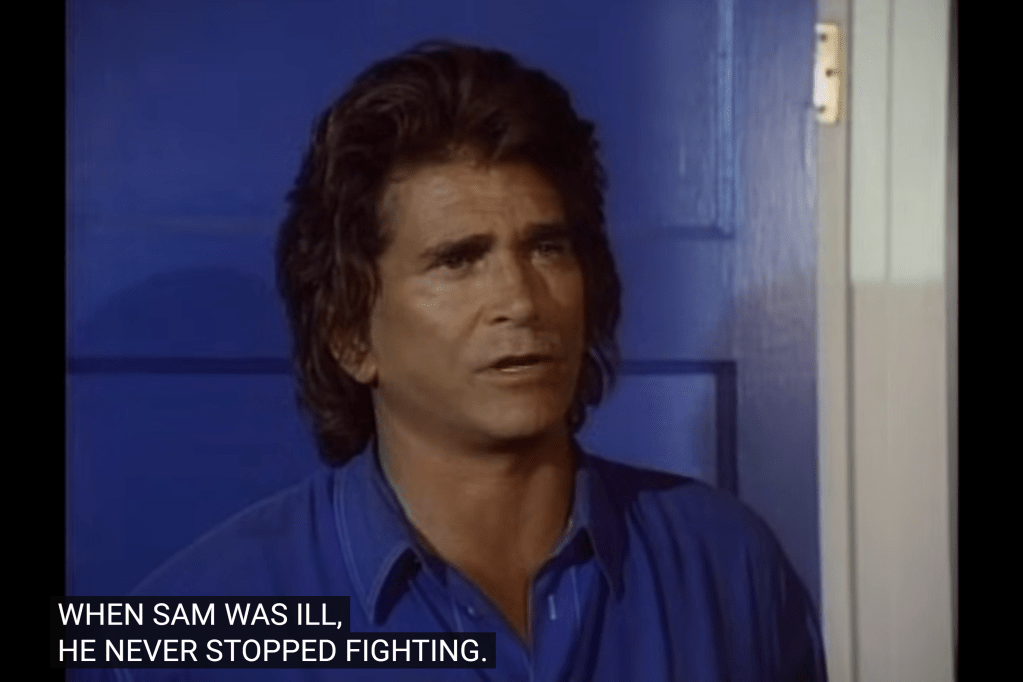
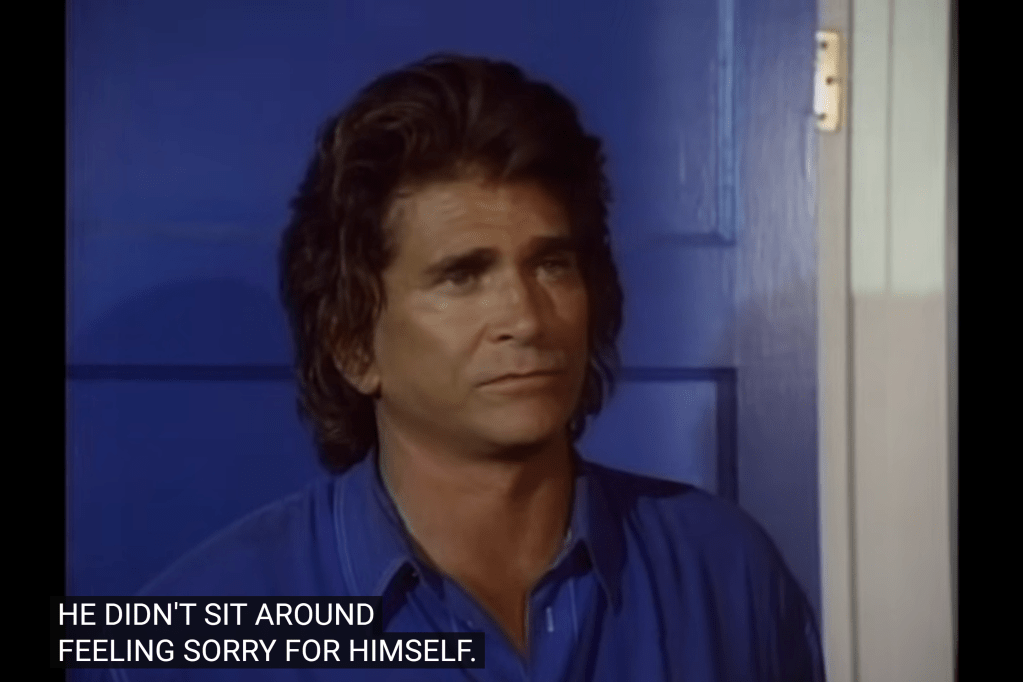
Actually, it feels like Going Home, Going Home (a rancher having a troubled relationship with his parents), but now the rancher is a woman. They probably realized that they forgot to address Leslie’s absence in that episode.
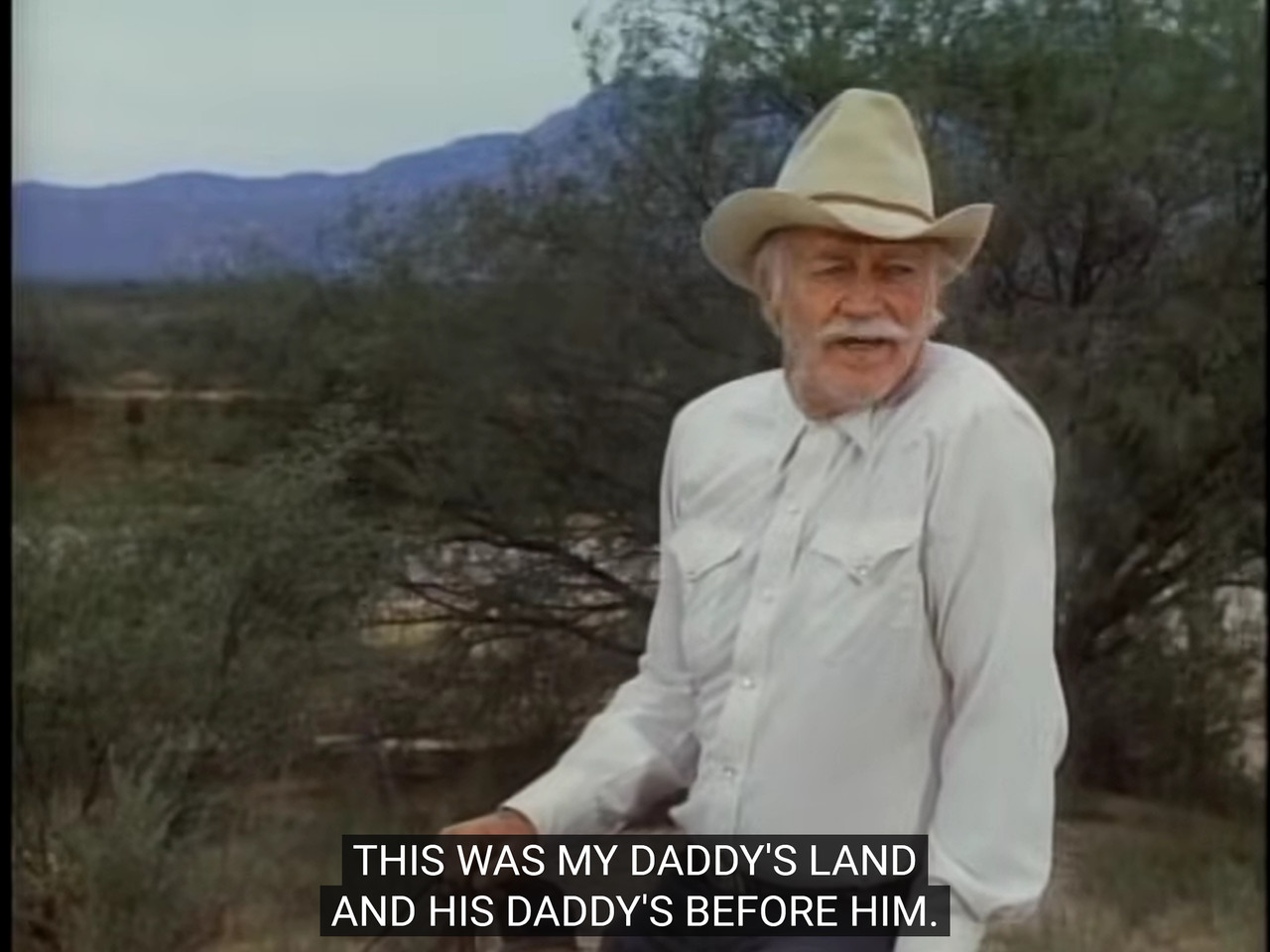
And now you have a daughter. Sorry.
All the characters imply that Billie is no good running a ranch essentially for being a woman.
The curious part is that every member of this family is part of the assignment, yet none of them is portrayed as completely right or completely wrong. In particular, Billie is shown making serious mistakes, especially in the way she handles the wild horses — including the white horse her son cares about. But she’s also shown struggling and suffering deeply in the way her family has turned out to be.
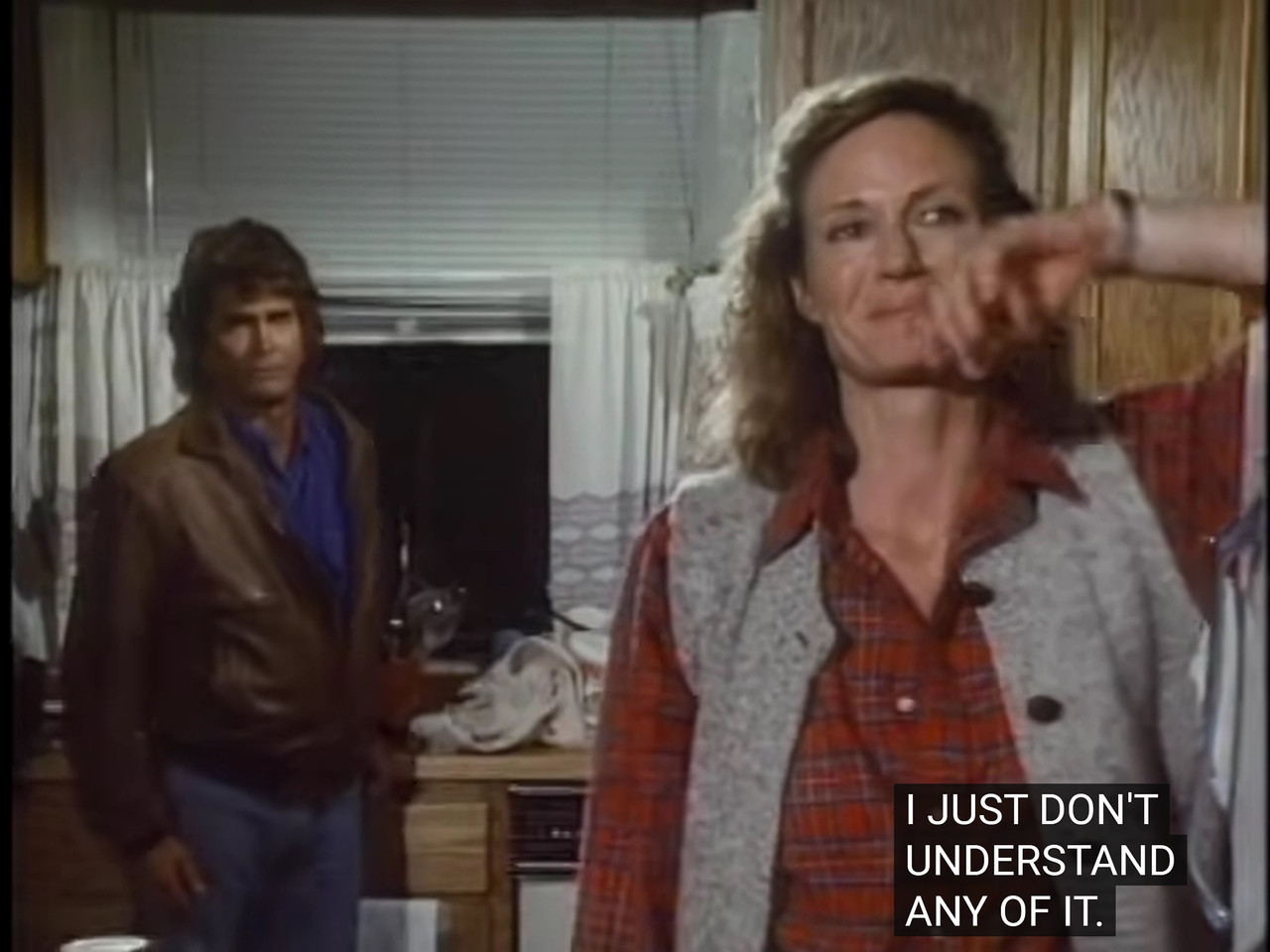
Unlike many episodes in the series, where the subject of the assignment is either already good but struggling to see what’s right (like Arnie, for example) or simply a bad person who needs redemption (Benson), here Billie really believes she is doing things right.
That’s harder, and much more complex than any other assignment.
Besides its family issues and “his mother’s son”, it’s also a “Bins” assignment (extending to contamination and environment), for the story is about saving animals.
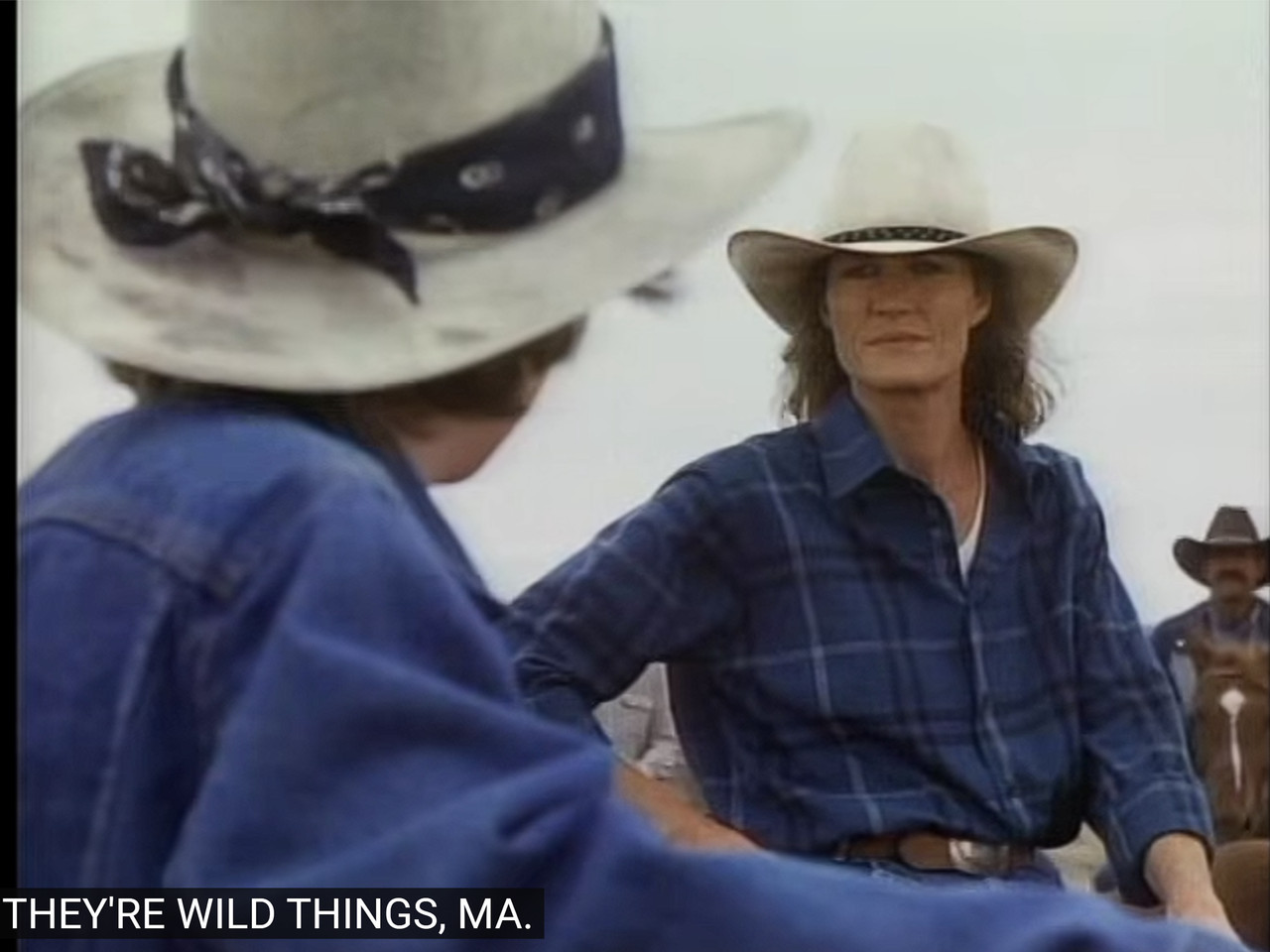
Though only partly: there’s no pollution involved.
- Background
The episode’s timeline is somewhat unclear. It takes place on an Arizona ranch, making this the second episode of the season taking place out of the good Cali.
But the exact duration is never specified, though it seems to unfold over the course of a few days. The first day is when Jonathan and Mark arrive at the ranch, the second is when they begin working and the grandfather gets lost, and the third is when Billie and the ranch hands plan to drive the wild horses away.
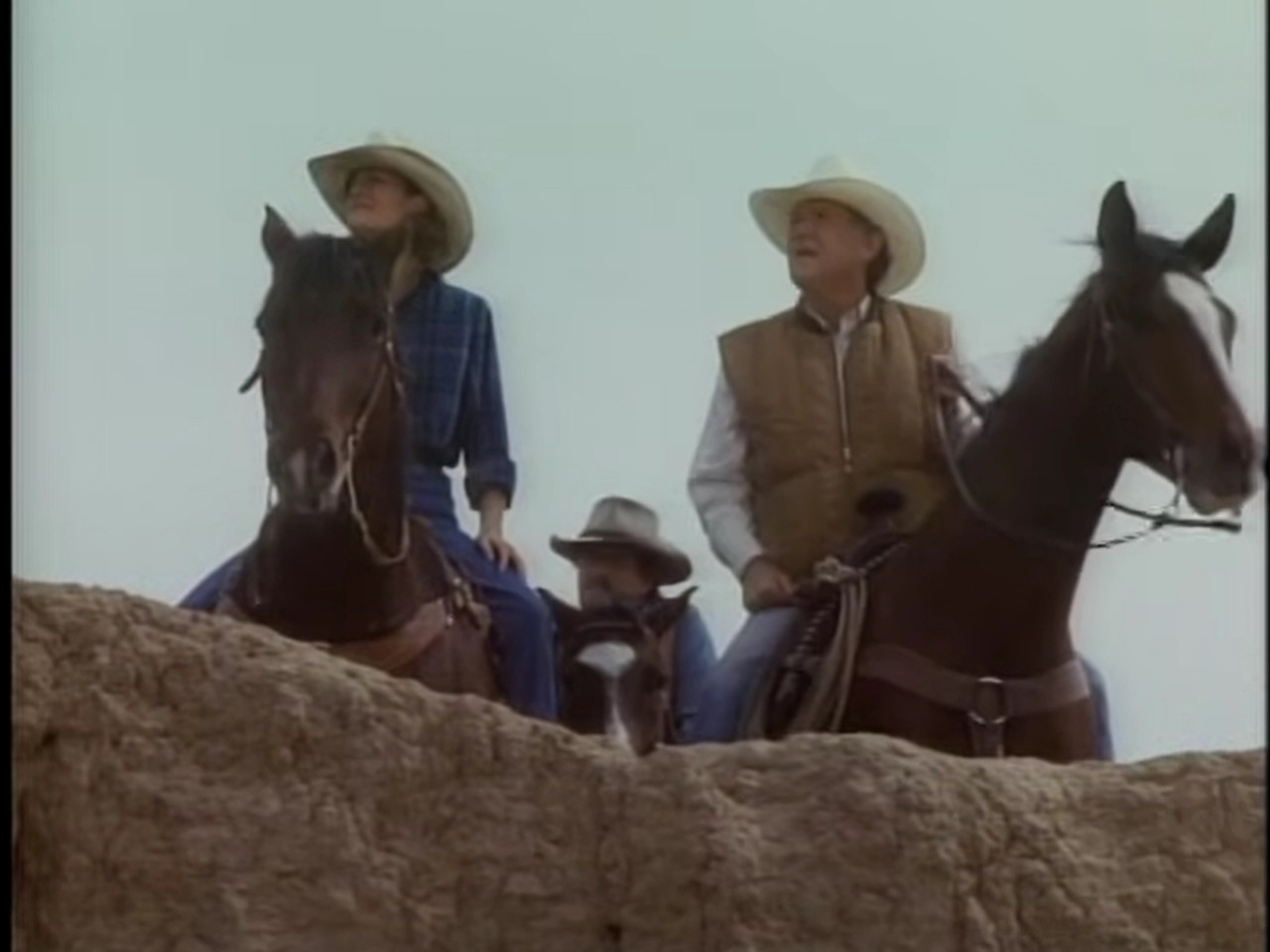
It also leans heavily into its western setting, and Billie wears a shirt reminiscent of Mr. Edwards from Little House.
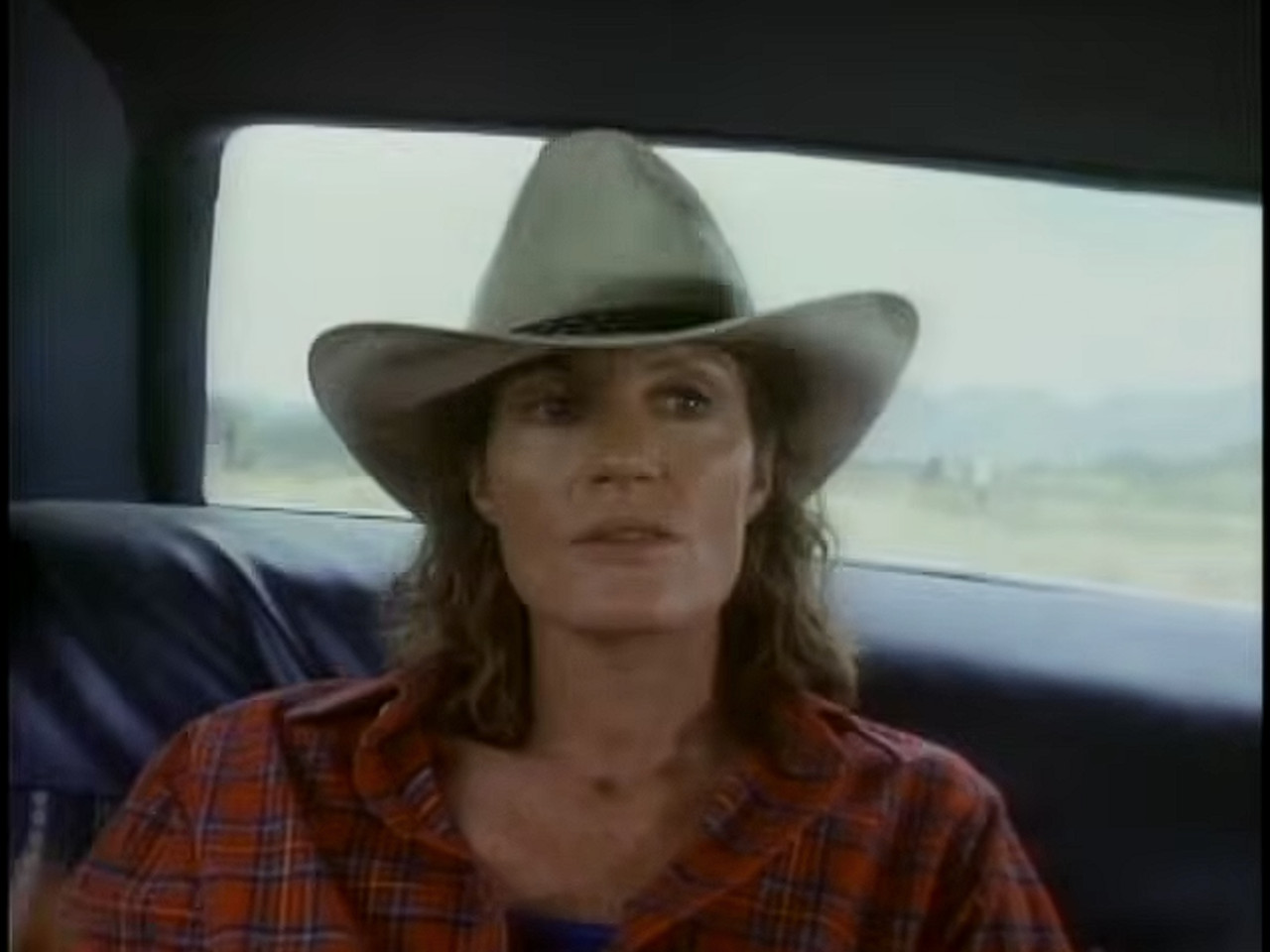
The one he never changes.
- Characters
The episode is at odds with some prior details: it’s mostly about Jonathan and Mark’s attitudes toward the horses. As for Jonathan, he turns down alcohol when Billie offers him some, and when she inquires about this he remains vague.
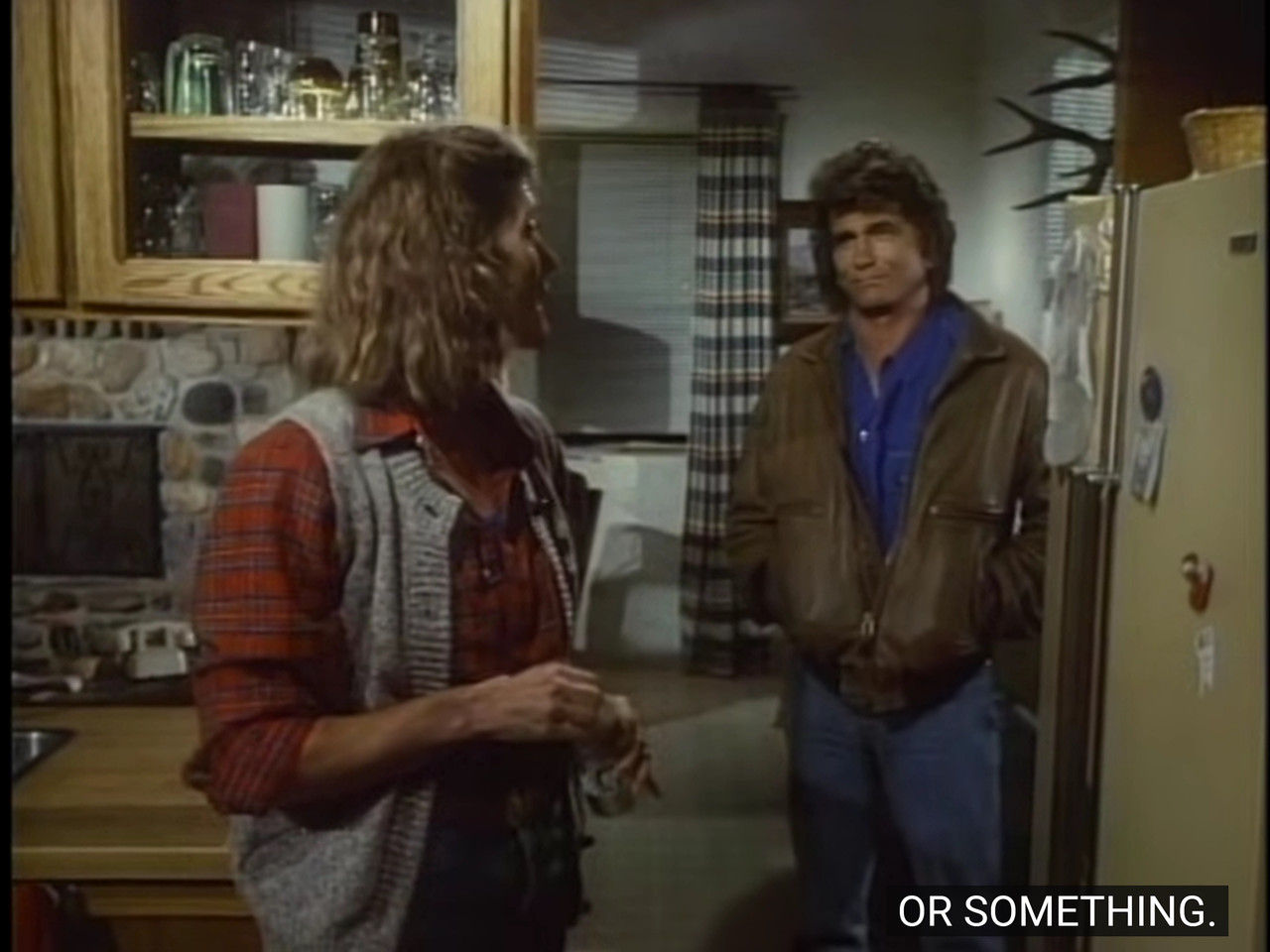
Which is plausible, being an angel he doesn’t have to drink in the first pace.
Then, decides to quit his job after one day as he doesn’t want to be involved in the slaughter Billie is planning on doing to save the ranch.
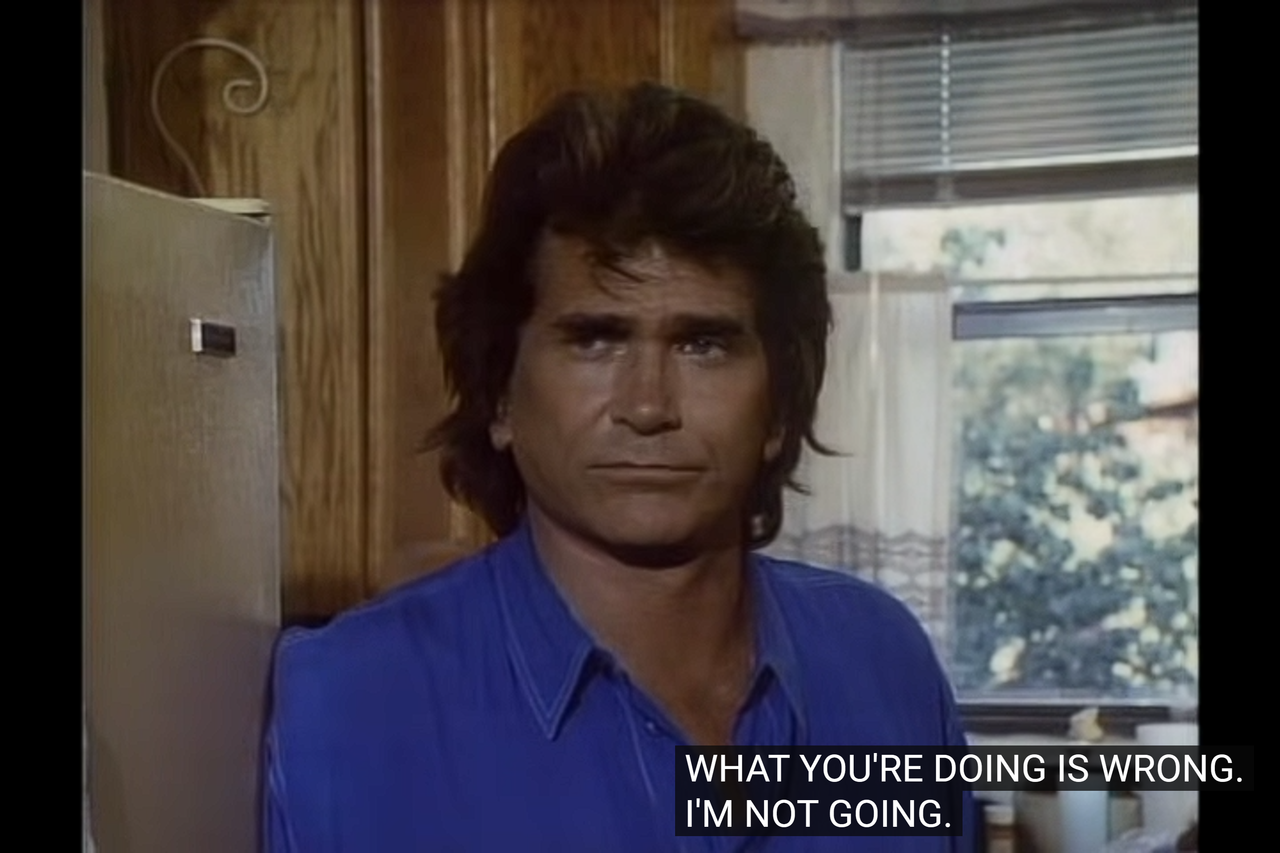
That’s noble, and certainly fitting for an angel who respect all animals like fellow men. As he said he did in One Winged Angels in season one, when he refused to help Mark in his fishing.


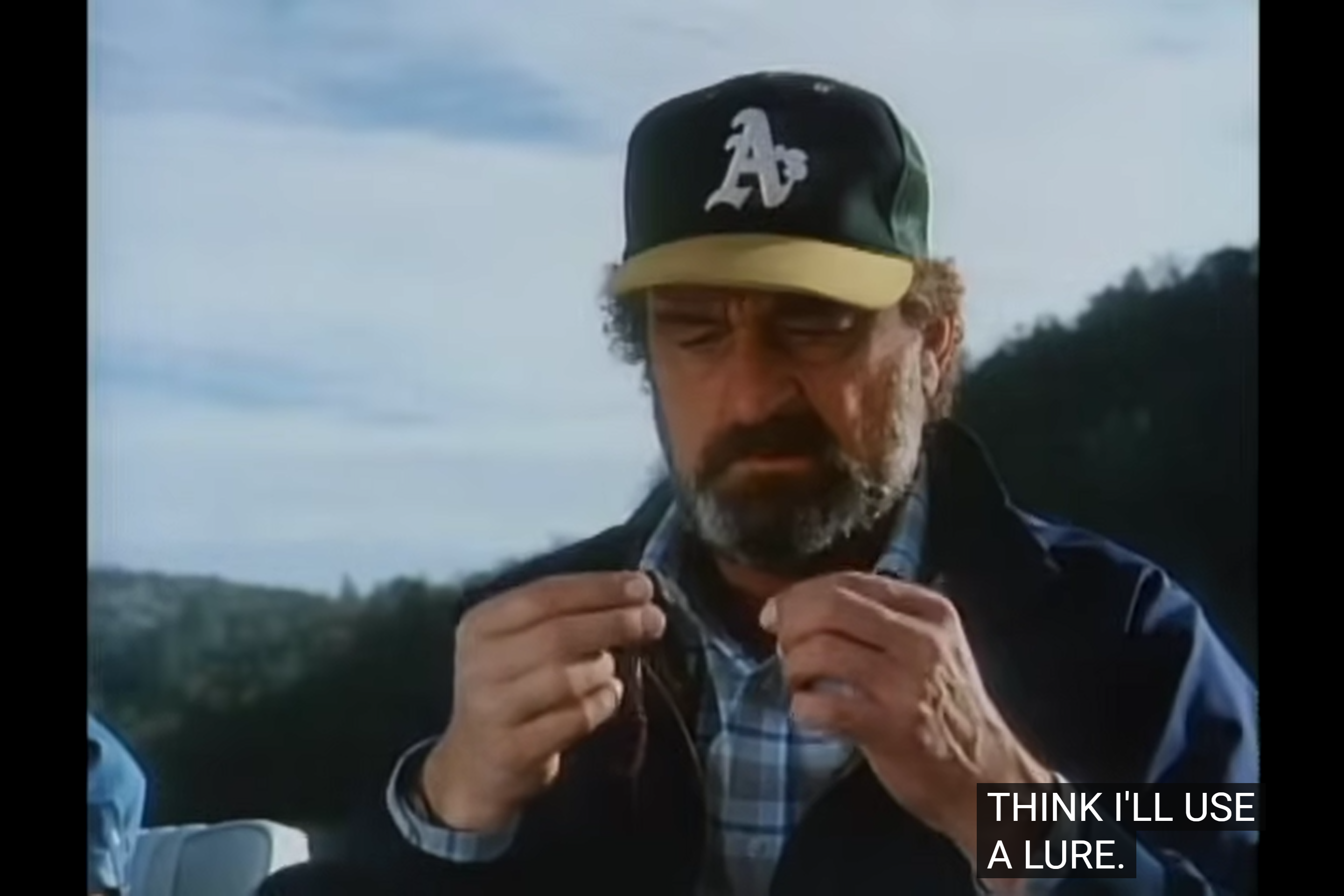
Except that he went back on this when he ordered shrimps and ate snails and a fish soup in other episodes. Drinking alcohol too.
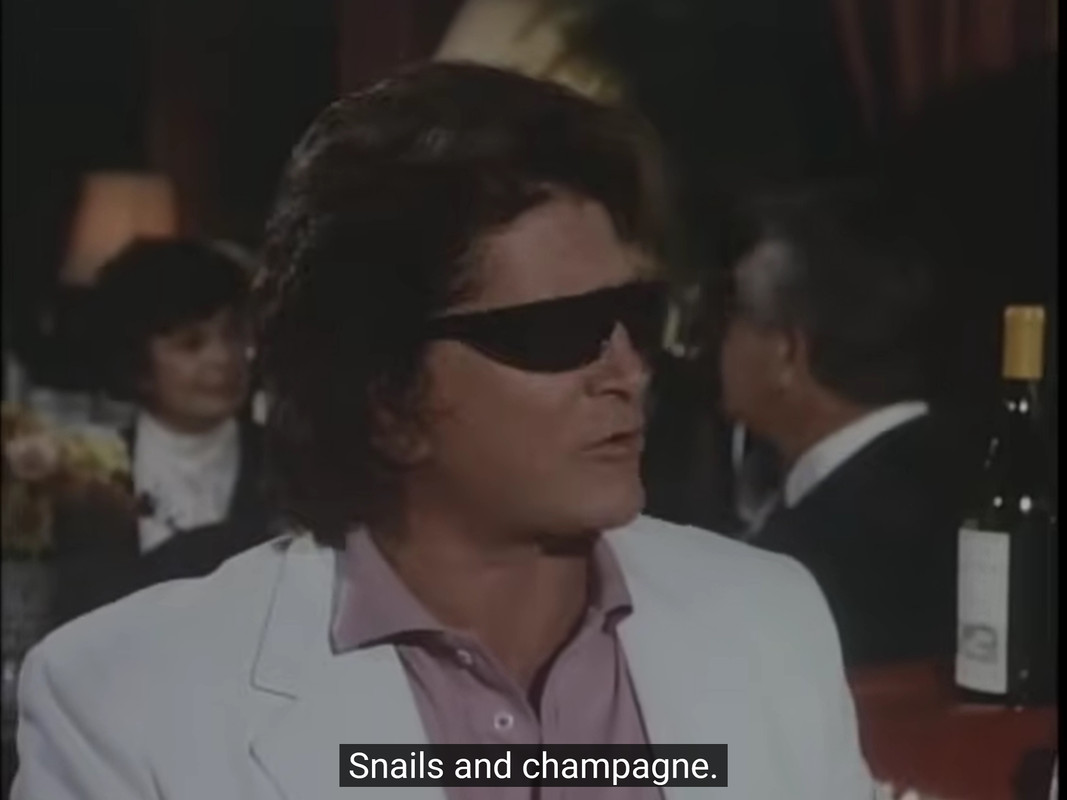
So it remains unclear whether he genuinely cares about animals or not—though he’s probably a phony.
As for Mark, it’s even worse: in the opening scene where Jonathan and Mark drive toward their new assignment, he refuses to participate because he hates horses and ranches.
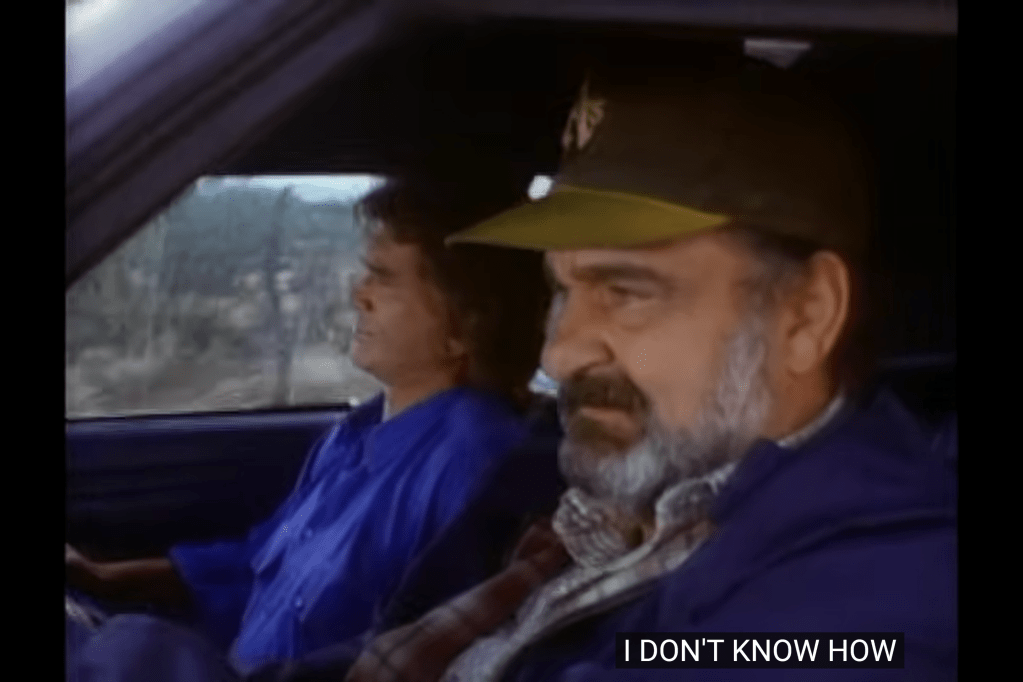
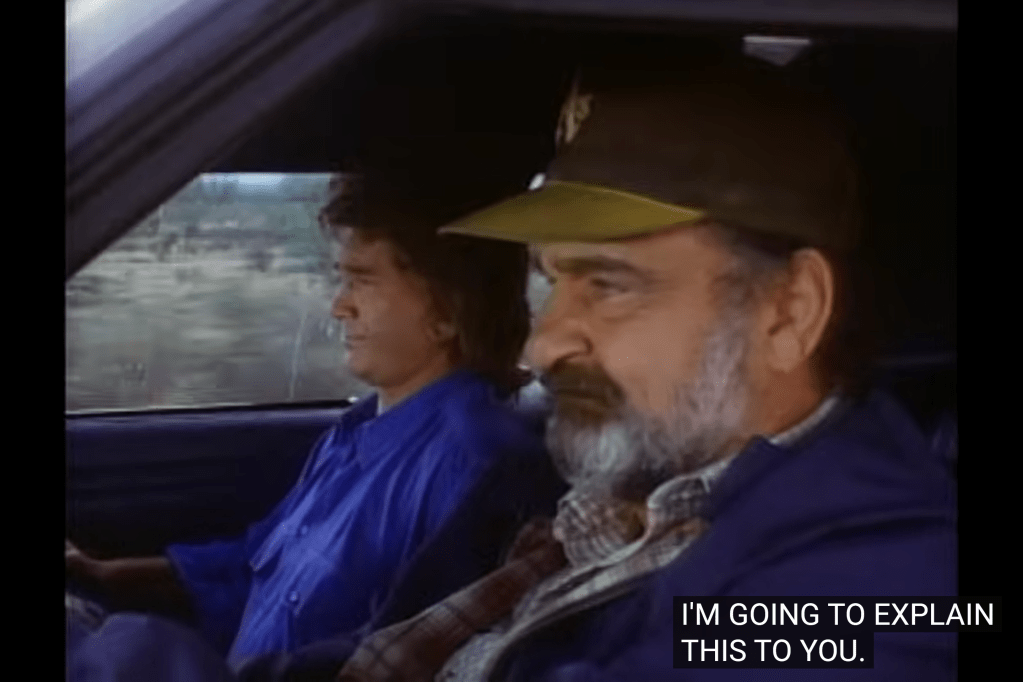
You’re right: it’s a long story.
So, Mark seemingly has a troubled relationship with horses.
In Going Home, Going Home it was revealed that he used to spend summers over his grandpa’s ranch, and no mention to how he felt about horses was made back then. But in the season one finale, Mark explained that he knew horses well due to his childhood in the ranch and that he disliked them, and the feeling was mutual.

Yet only two episodes ago, he forgot all about his fear and taught Jerry how to interact with horses.
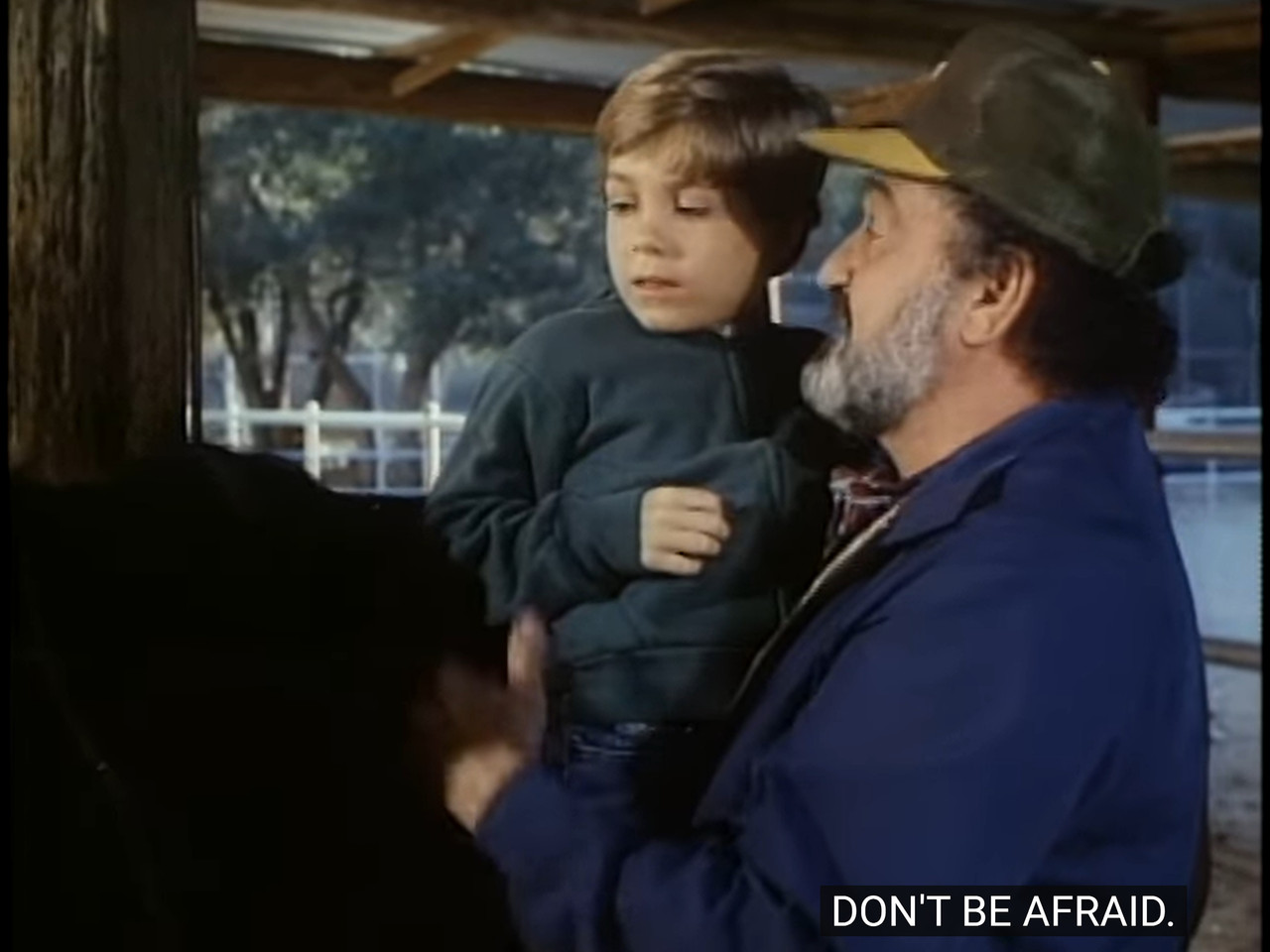
And just as abruptly as he overcame his fear in that episode, now that unexplained repulsion is back and Mark fears horses again. But at the conclusion of the episode, he decides to help Richie save them.
At this point, it almost feels as though Mark has unresolved emotional issues. And this is far from the first time the series has given contradicting details about his character: in season one, he claimed to hate roller coasters, only to enjoy one in season two. Then, he fell deeply in love with a woman he described as everything he could ever want, only for season three to present another woman in exactly the same way, as though he had never been in love before. In season two, he complained that summer camps were terrible and kids were spoiled, eventually changing his mind by the end of that assignment and calling the experience the best week of his life; but in season three, he completely forgot about that, telling Jonathan that helping his cousin had been the best assignment ever — despite barely doing anything there. And two episodes ago, he once again complained about kids at another summer camp without knowing them, to then warming up to them just as he had the first time.
Now his fear of horses is added to the list.
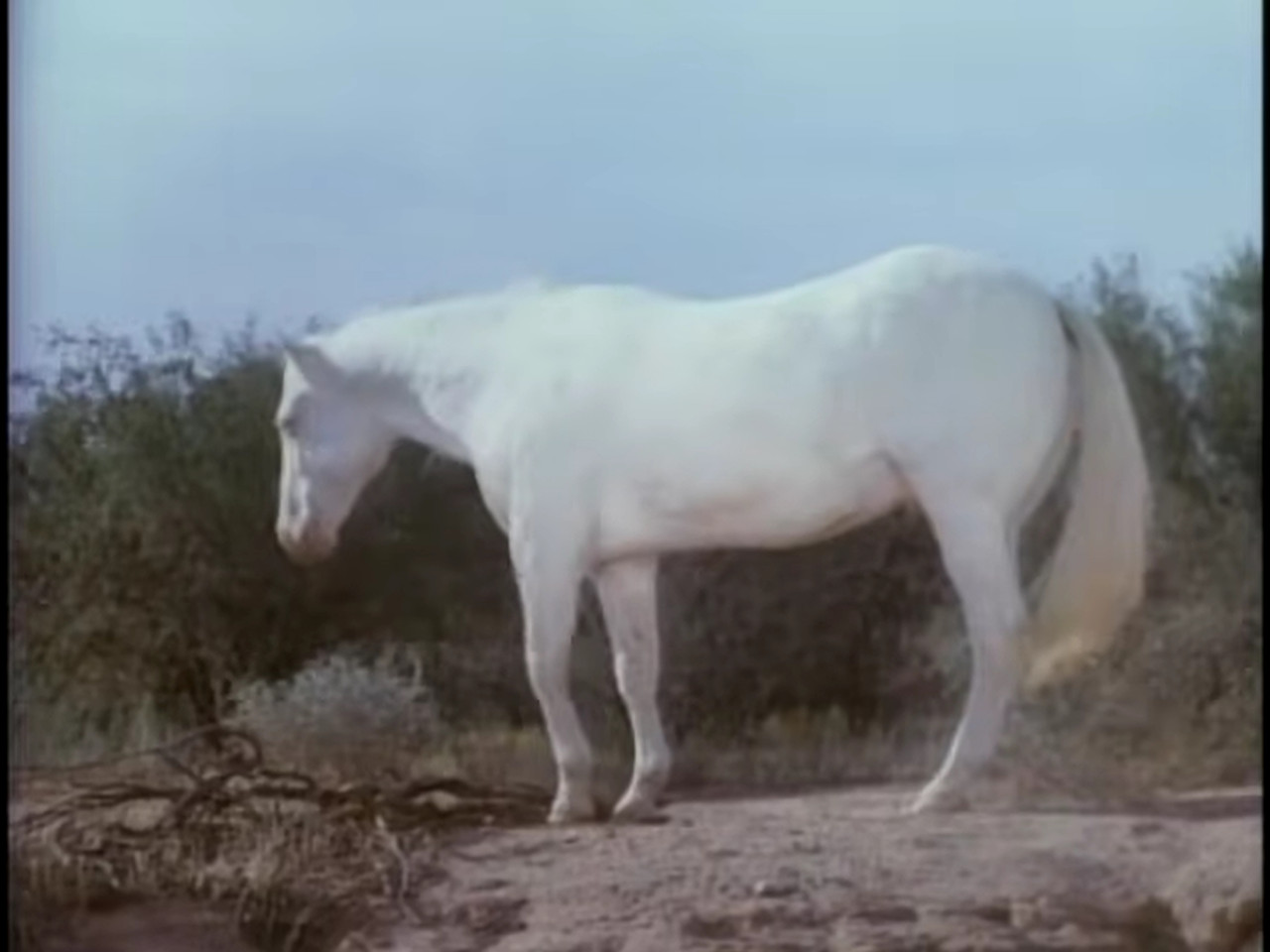
What’s wrong with that?
Jonathan should probably be more concerned about Mark’s memory problems than the rest of the assignment.
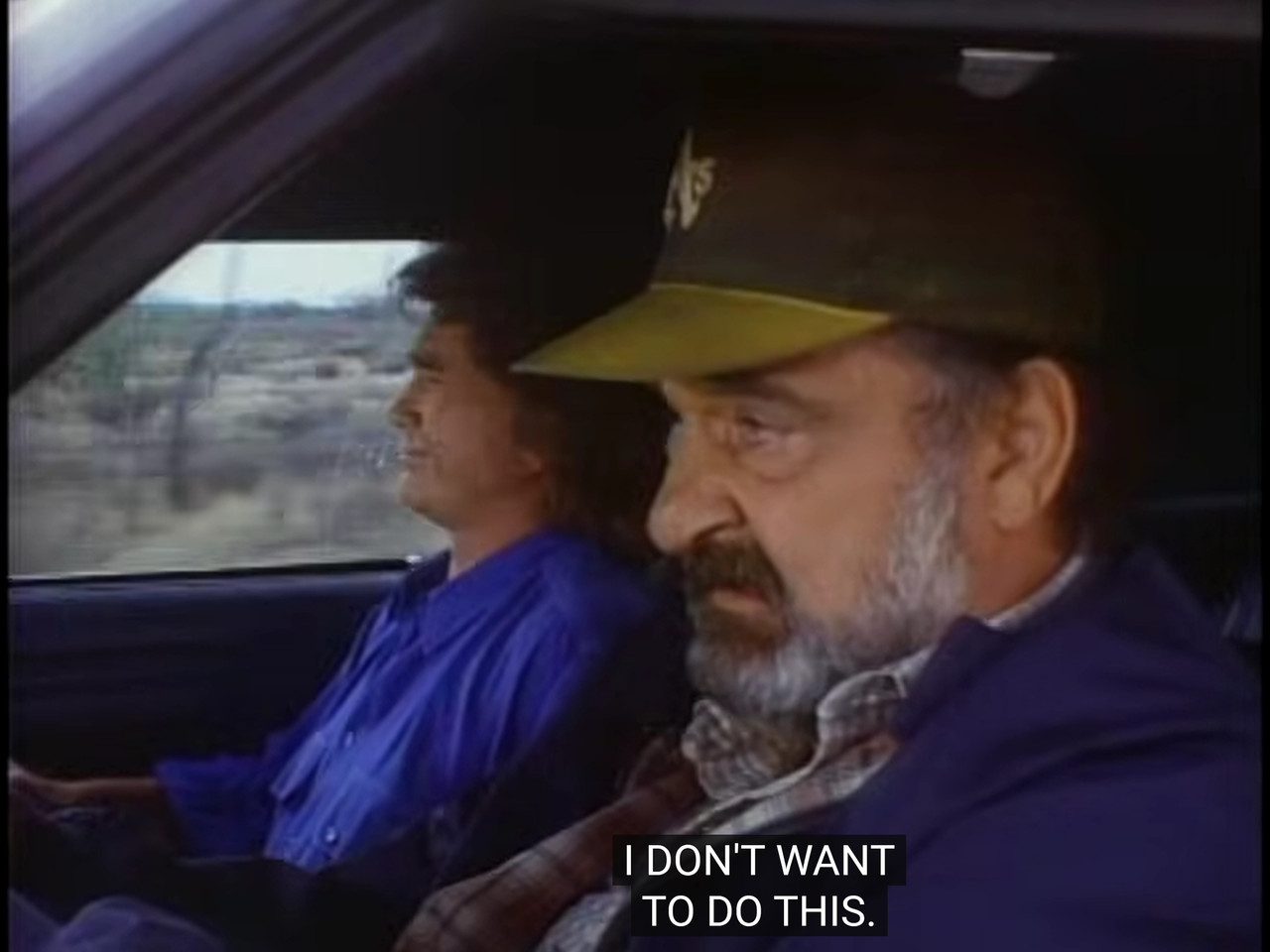
You should give Jonathan a chance to check you up once in a while.
And Mark also seems determined to continue this running gag throughout the entire episode, constantly complaining about wrangling and cowboy life and even mocking Jonathan after Billie initially refuses to hire them.
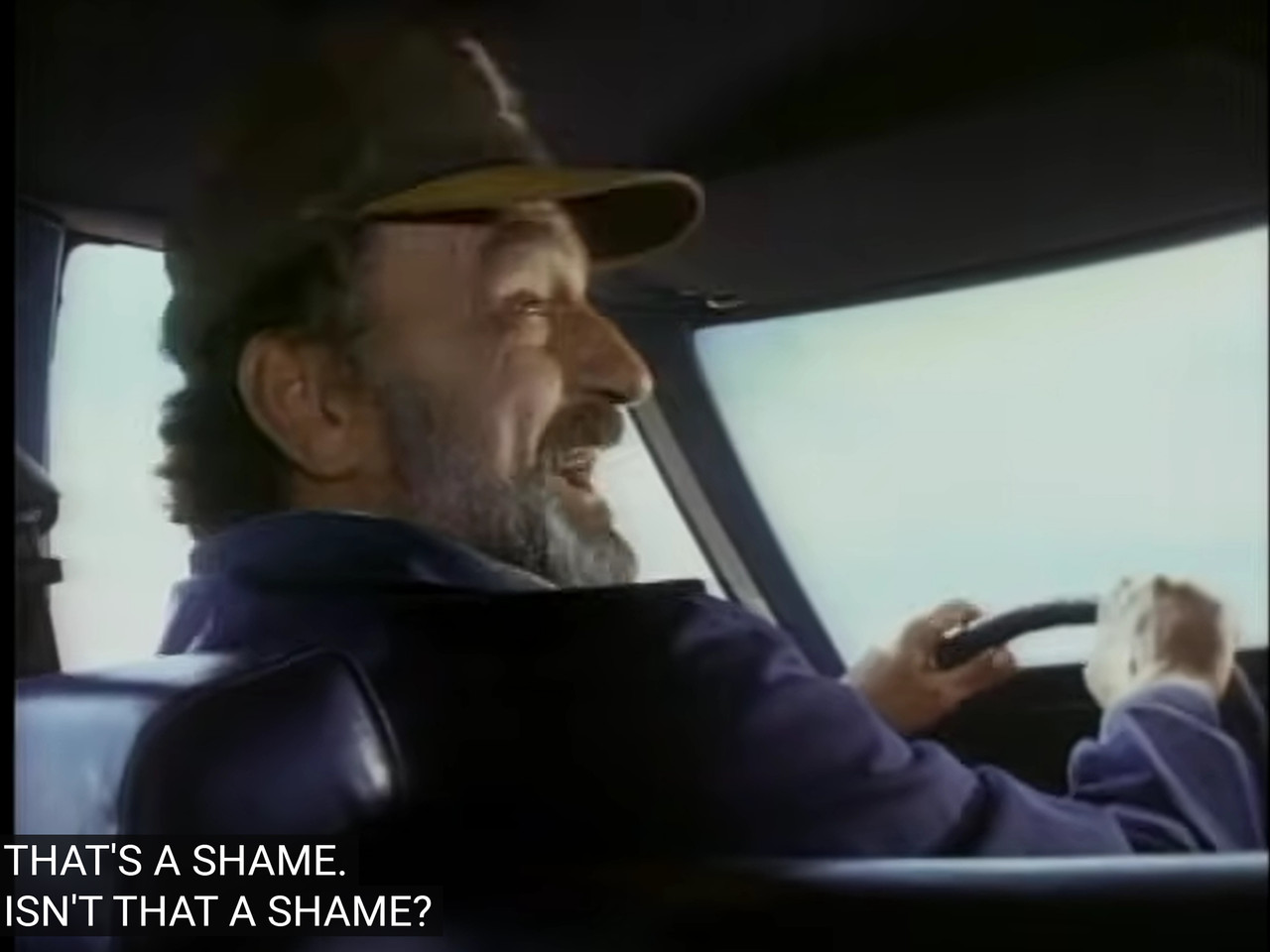
And Jonathan seems to cute at him.
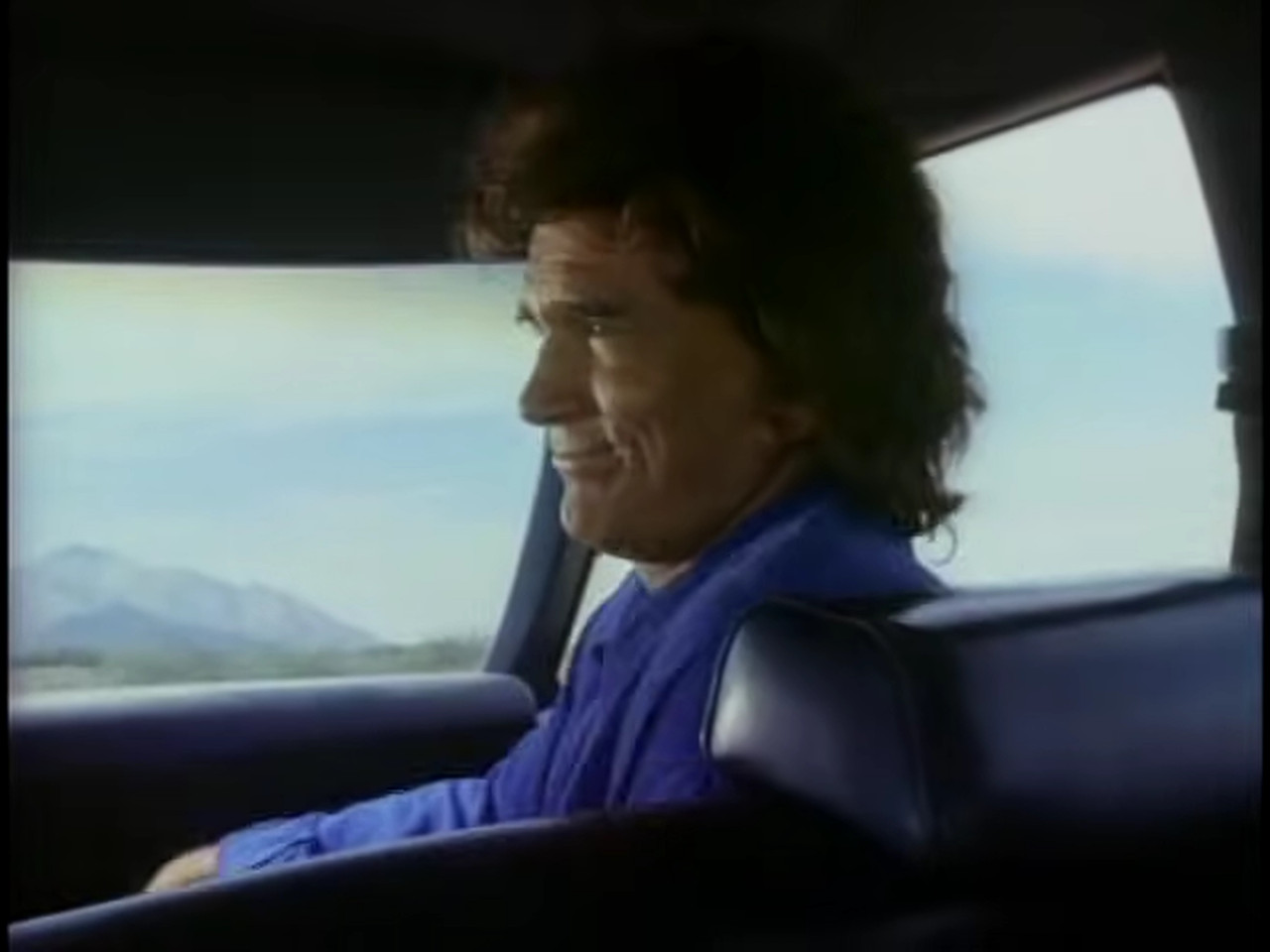
That’s cute.
- Production and Setting
As for the production, it was shot over the course of six days on October in Sells, a town sixty miles South from Tucson where they shot the preceding episode. That also explains why the previous episode had been shot in Arizona as well.
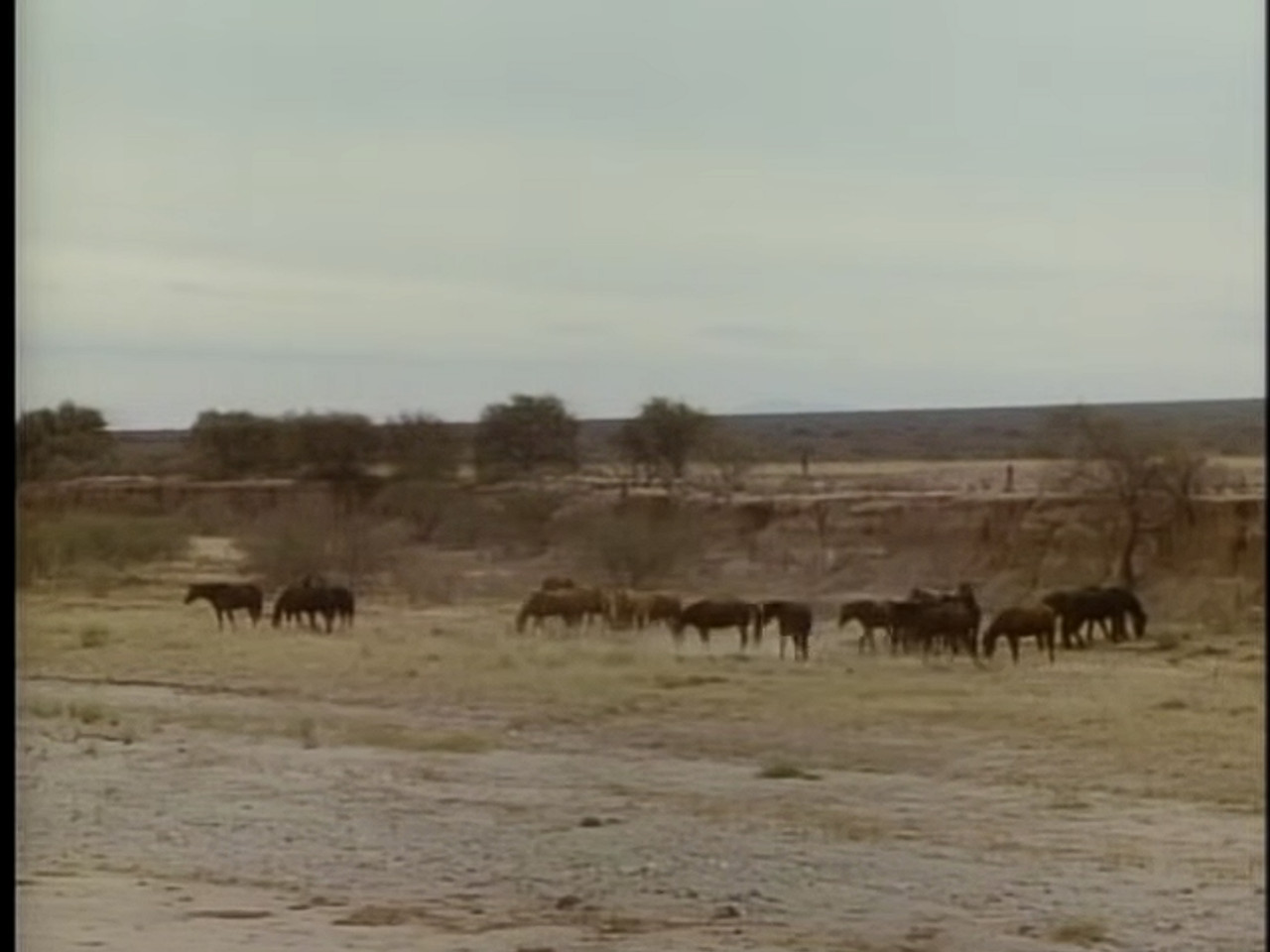
And McCray clearly chose that deliberately instead of using the old Nevada ranch set from Bonanza, which probably would have looked too much like a stereotypical 1950s television western for this episode.
Even in Bonanza, that setting already felt quite outdated by then.
Or maybe it’s just that it wasn’t available: that same month, around the same time as they shot this episode, NBC was preparing to shoot the Pilot for a Bonanza reboot on the Ponderosa Ranch. (Production was slated to begin earlier but it was postponed after Lorne Greene’s death.) So maybe they deliberately went someplace else to avoid conflicts.
Anyway, a couple of curious facts on the production: one, it was shot over six days wrapping on October 24, which was a Saturday; that’s very unusual. It’s known by the shooting schedules that Highway was rarely shot on Saturdays and never on Sundays (in an interview to the Los Angeles Herald Examiner, it was confirmed by Landon that editing could occasionally take the Saturday, but it wasn’t customary). So this episode was an exception. And when they work on Saturday, there’s almost always a specific reason (as they’ll do in We Have Forever later on this season). Perhaps the production was due back to Los Angeles by Tuesday to shoot the next episode (keep in mind they are in Arizona for this) and they thought to finish this on Saturday and take two days off before starting the next show. Or maybe it was a matter of technical availability of the ranch used in this. Or whatever.
The second thing to point out is that the script was written in August of that year by Dan Gordon alongside two new writers.
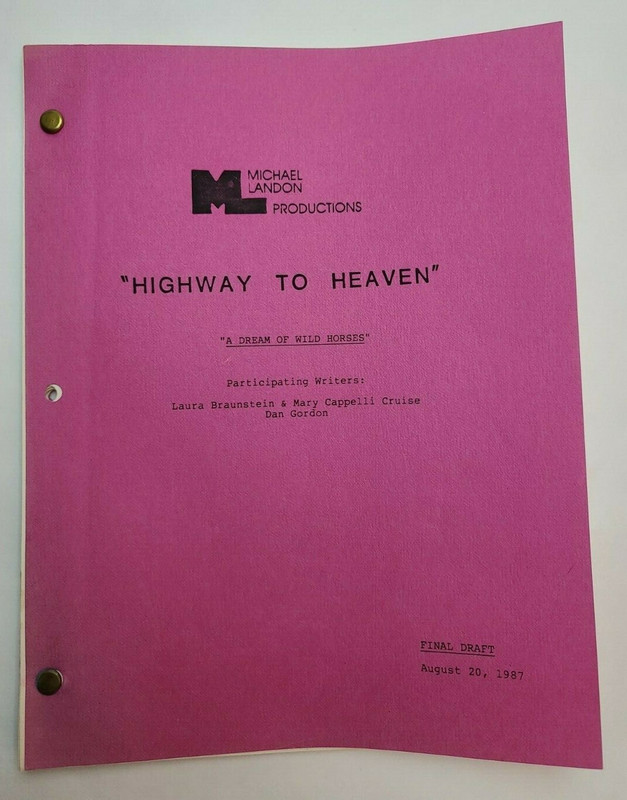
That’s the first script by Gordon for the season, and one of his last (he only wrote four episodes this season, and that includes a two-part episode, so it’s actually three). For some reason, Gordon was not as involved in season four as he used to for the other seasons: in season one and two he was behind more than 10 episodes each, and the same for the third, for which he also directed a bunch (actually just a couple, when he left the job entirely for Landon to take).
However, in this season four, he only wrote four scripts for five episodes (that includes a ninety-minute episode divided into two part for which a single script was written). And then, after this season, he didn’t come back for the fifth and final season and left the series at this. (The temporary vacant role of series headwriter and was filled by Perine, although season five is a shorter one and there isn’t any real “headwriter” as the rest of the series). It’s unclear how come he drastically reduced his involvement in the series after the end of the third season, and then completely left the series before its conclusion. Maybe he wasn’t planning on leaving the series, but his scripts weren’t just selected (keep in mind that they wrote more episodes each season than those they needed, and only produced some). Or maybe that was a deliberate choice: he knew the series was heading toward cancellation after the fourth season due to its ratings (and he was right, the fifth is the last), and he just decided to pursue something else for his career. Or maybe there was something more personal going on, and he wanted to take a break for a while. Still, what it all boils down to is that it’s one of the few episodes he wrote in the season, and one of the last contribution to the series.
One curious thing: in the original script, the scene at the beginning in which Mark argues with Jonathan about being a cowboy was supposed to be longer. Apparently, once he made his contempt for horses clear, Jonathan tells him that the assignment is working as cowboys and they can’t change it, and that puts an end to the conversation in the episode.
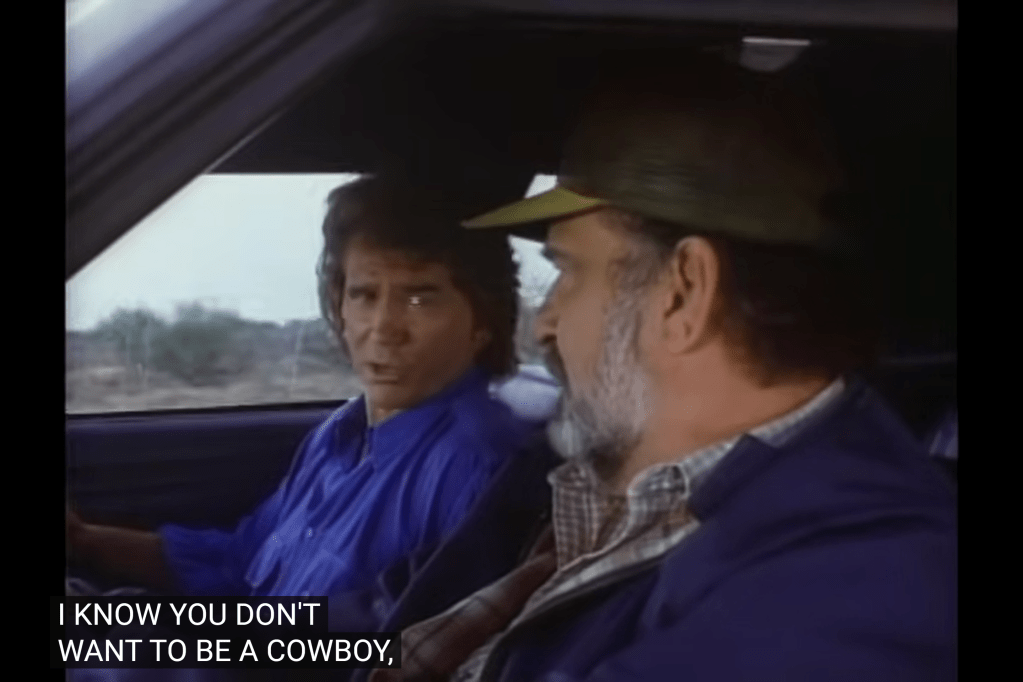
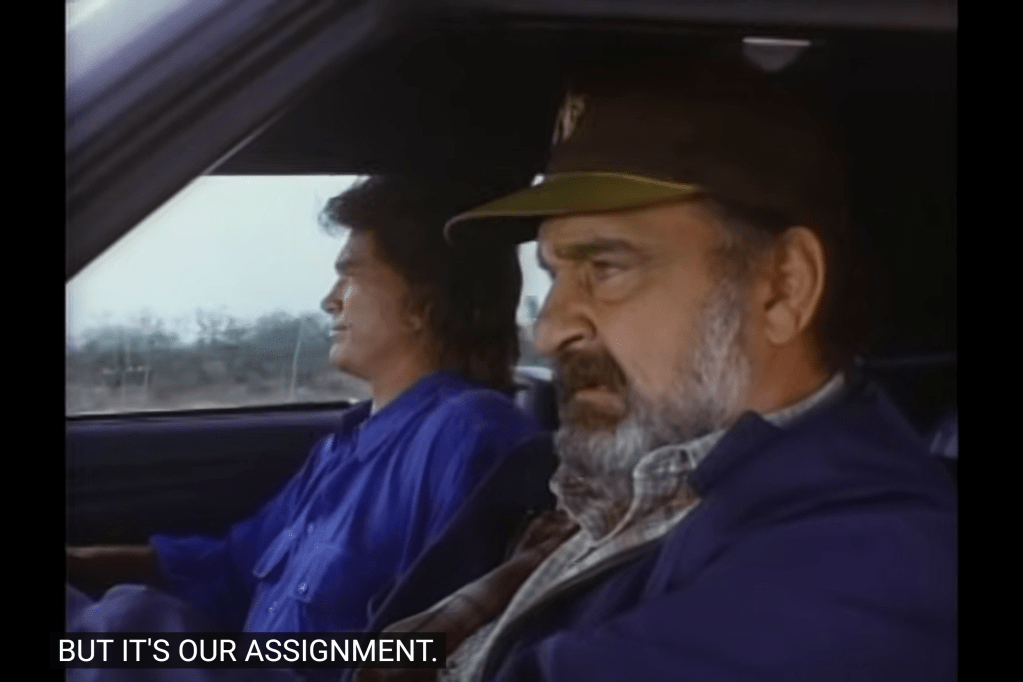
But not in the script, and Mark was supposed to reply by naming old deceased Western actors who might have become angels and whom he believes that could take this assignment instead. And that includes 1920s western actor Tom Mix and 1930s actor Randolph Scott, and 1940s actor Gabby Hayes too.
Lastly, he was going to mention Trigger, Roy Rogers’s horse, which appeared alongside Rogers in multiple productions.

The curious part is that, in an interview, French mentioned that he personally knew Roy Rogers and that they occasionally went shooting together; by the time this episode was made, Trigger had already died but Rogers was still alive and well. (Though “his back’s giving him some trouble”, as French reported).
However, this dialogue was removed from the episode, which only shows Mark tirelessly complaining about horses. It’s unclear whether it was actually shot but later cut, or if Landon decided to skip it altogether, but the scene is missing. Maybe French asked Rogers if he could use the name of his horse, and Rogers wouldn’t let him.
This missing scene could explain the reason the opening feels so abrupt: Jonathan tells Mark they have no choice but to become cowboys for the assignment, Mark complains, Jonathan insists, and that is simply the end of the discussion. Like, that was a quick resolution. Perhaps Mark would have liked to have some more say-so in this.
Glossary:
References (Actor): Mark’s fear of horses was already explained in the season one finale.
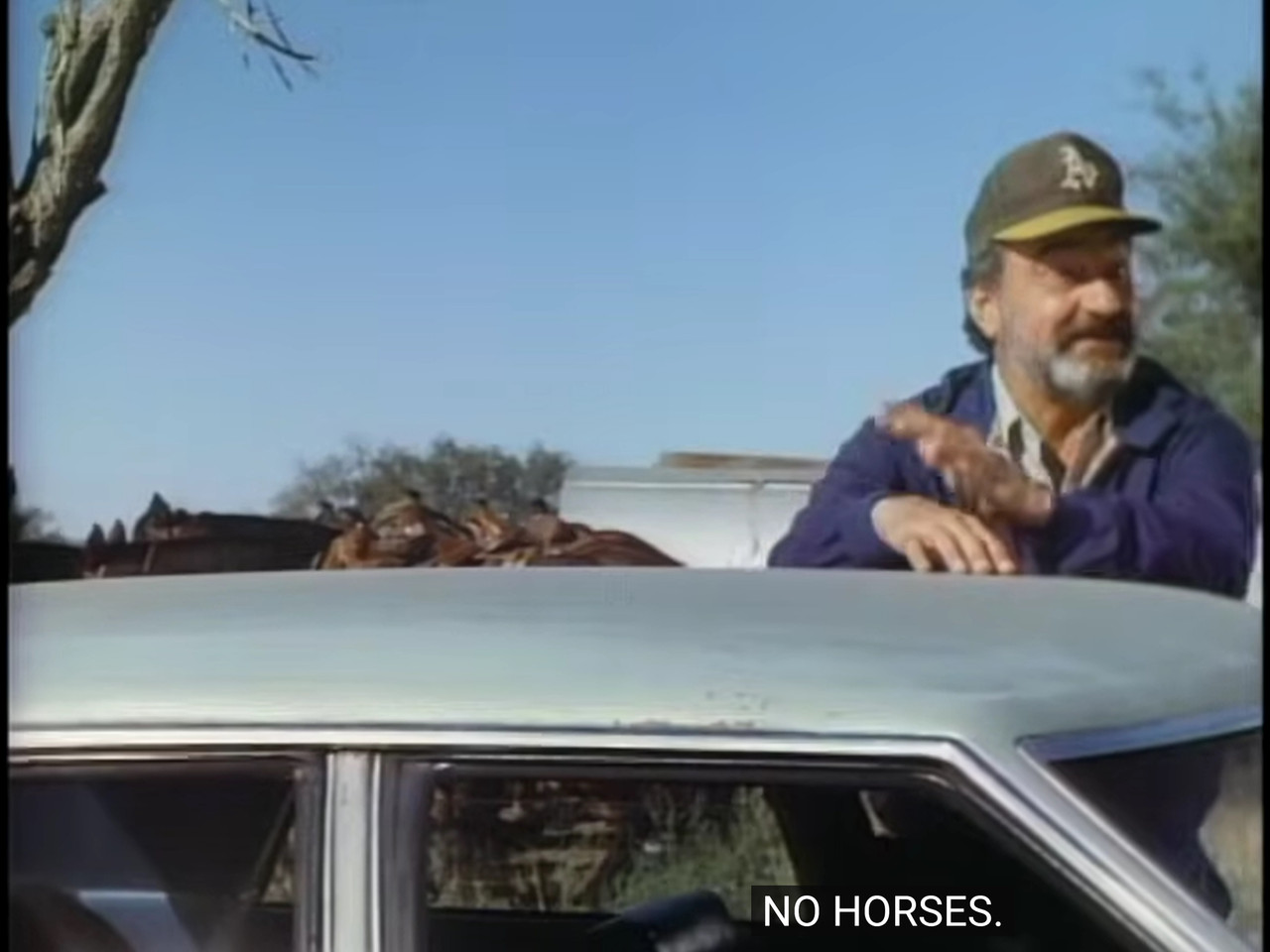
But there might be more to it. In some episodes of the series, Jonathan or Mark jokingly reference the actors’ life by taking distance from it (the episodes with those references are here). For example, in Going Home, Going Home there was a scene in which Mark confessed he disliked farming, although French played a farmer on Little House for many years. Or in Help Wanted: Angel when Jonathan says he’s no director.
So, maybe that’s the case here too. Actually, Mark obnoxiously telling Jonathan that he absolutely does not want to be a cowboy and that he hates horses sounds like a sort of reference: in the 1985 interview in which he talked about Roy Rogers, he also reported that he enjoyed westerns and cowboy adventures; his father had been a wrangler before becoming a stuntman in western productions, and French himself admitted that he grew up watching all kinds of western programs and dreaming of becoming either a western stuntman or a fighter. Of course, acting in westerns is very different from actually living on a ranch, and perhaps French disliked that lifestyle — unlike western actors like Clayton Moore, he never turned himself into a rancher.
Still, Mark’s exaggerated hatred of cowboys and ranch life feels a little overplayed, almost as if he’s jokingly distancing itself from French and his own background.
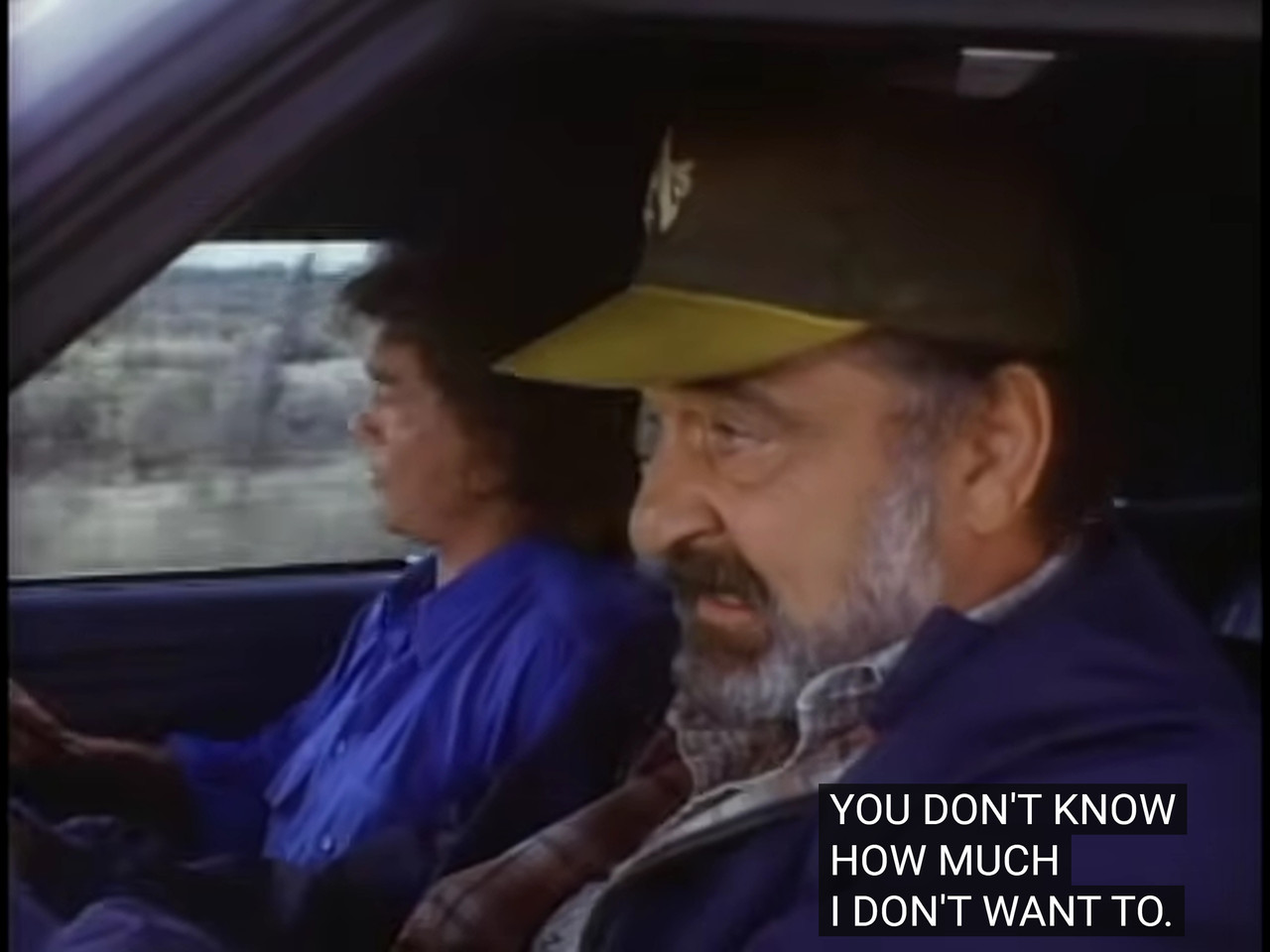
Many an actor is a liar.
Little House actor: this was a western-themed episode, the production brought in several experienced western actors. The grandpa is played by Richard Farnsworth, who was on Gray Fox; his daughter Billie is played by Gail Strickland, who would later become a recurring character in Dr. Quinn, M.D. (a 1990s western about a woman doctor; basically like Little House without farmers.)
But the actors also include one already familiar to Landon from the Little House series, and even before that: one of Billie’s ranch hands is played by Don Collier, who had a long experience around western sets.
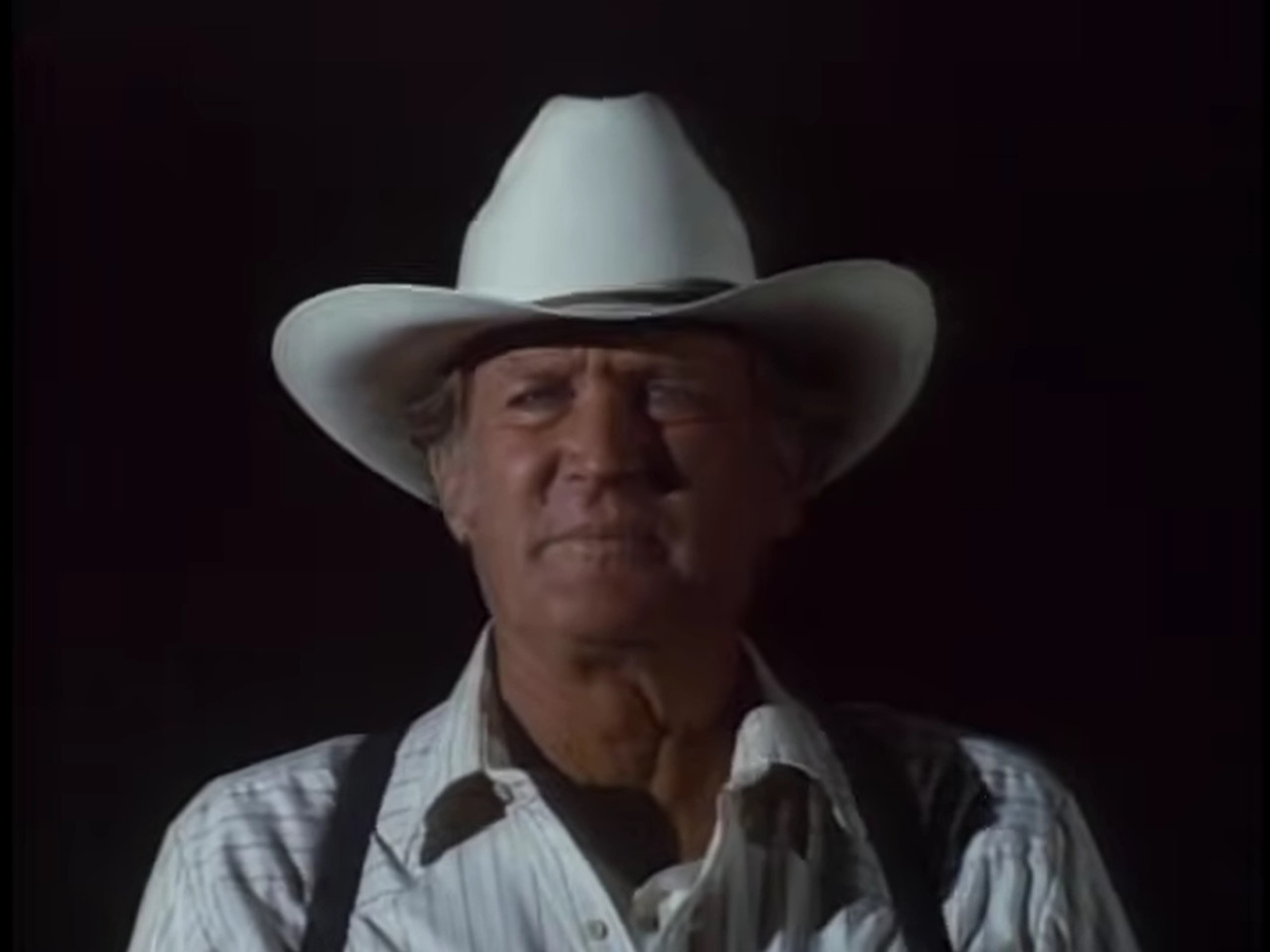
He made five guest appearances on Bonanza from 1962 until 1972, getting the chance to know Landon there— and played a recurring role in The High Chaparral, a late 1960s western series produced by Kent McCray before becoming Landon’s collaborator. (He also produced Highway).

After the end of Bonanza, he saw Landon again on Little House, for which he made two guest appearances. One was in the second season, in the episode about the caboose that mysteriously unhooks to the train and begins a mile-long backward run across flat land while everyone ridiculously insists it is sliding downhill. That episode.

He also got the chance to play with French and being directed by Landon when he later returned to the series eight years later, in the season nine episode with Eddie Quillan as an orangutan’s father — and he played the sheriff planning to execute the animal.
The two most popular Little House episodes, aren’t they.
Besides that series, he also played guest characters in plenty of western shows including Gunsmoke and Death Valley Days, to name some. Curiously, French also appeared on many of those same Western TV series as a guest actor, but they never had the chance to work together before Little House season nine.
Friendly Jonathan: there’s one at the beginning, and a covert one later on. At the beginning of the episode, Mark tells Jonathan to take the job as ranch hand. And Jonathan insists they both have it.
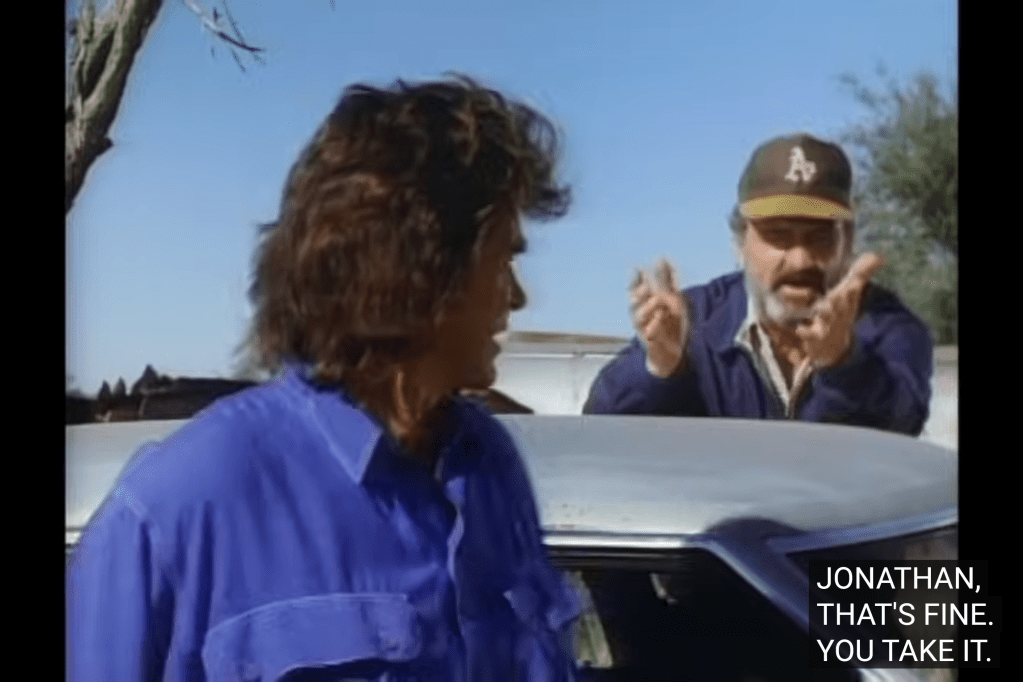
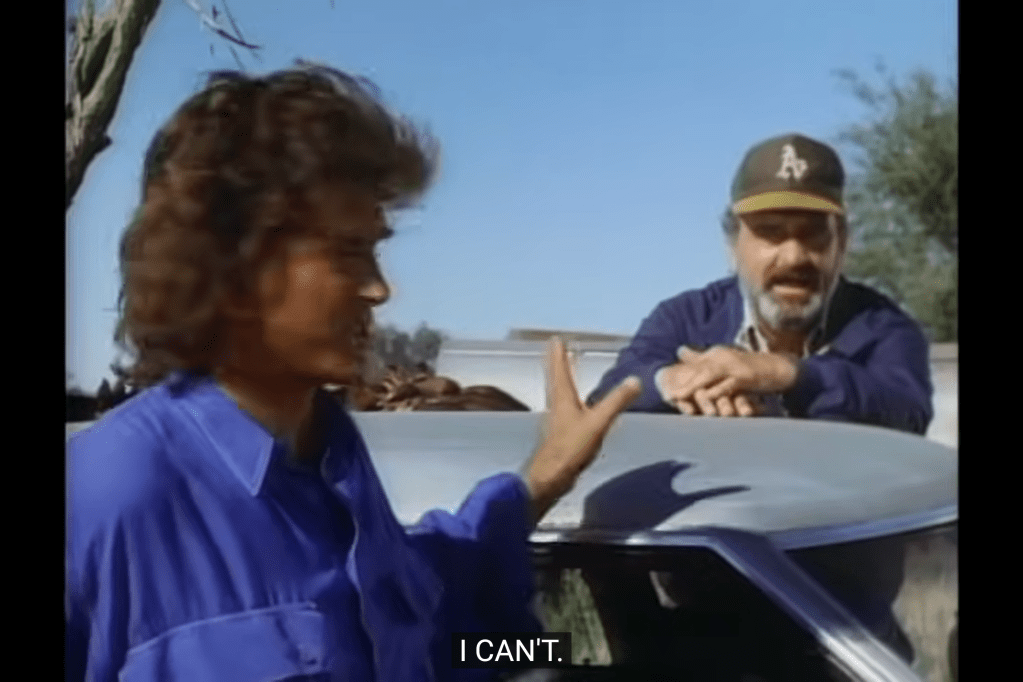
He knows that Mark doesn’t like horses, yet he wants him to work there.
But there’s another friendly Jonathan, in the lack of the Stuff: this was one of the few episodes of the series in which Jonathan never uses his powers. Even though he could have used it to communicate with the wild horses and prevent them from falling into Billie’s trap.
It was revealed in the season one finale that he could speak with horses.
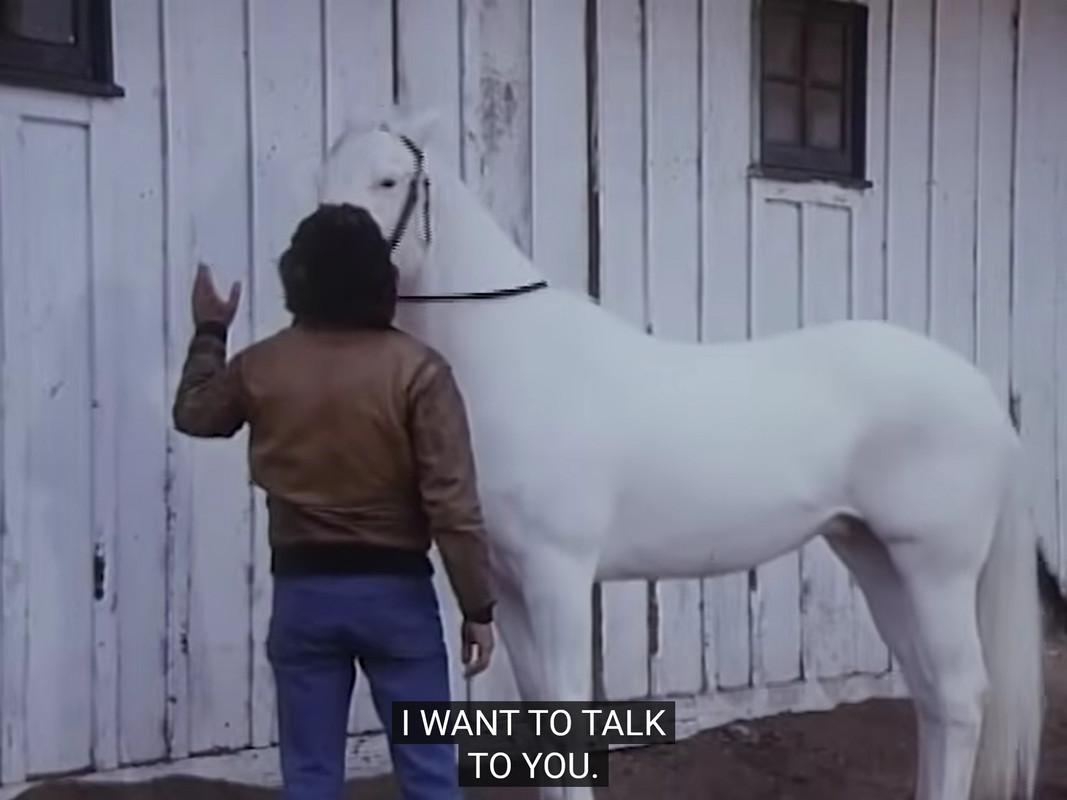
But he doesn’t do that here, and he sends Mark on that crazy rescue mission with Richie instead.
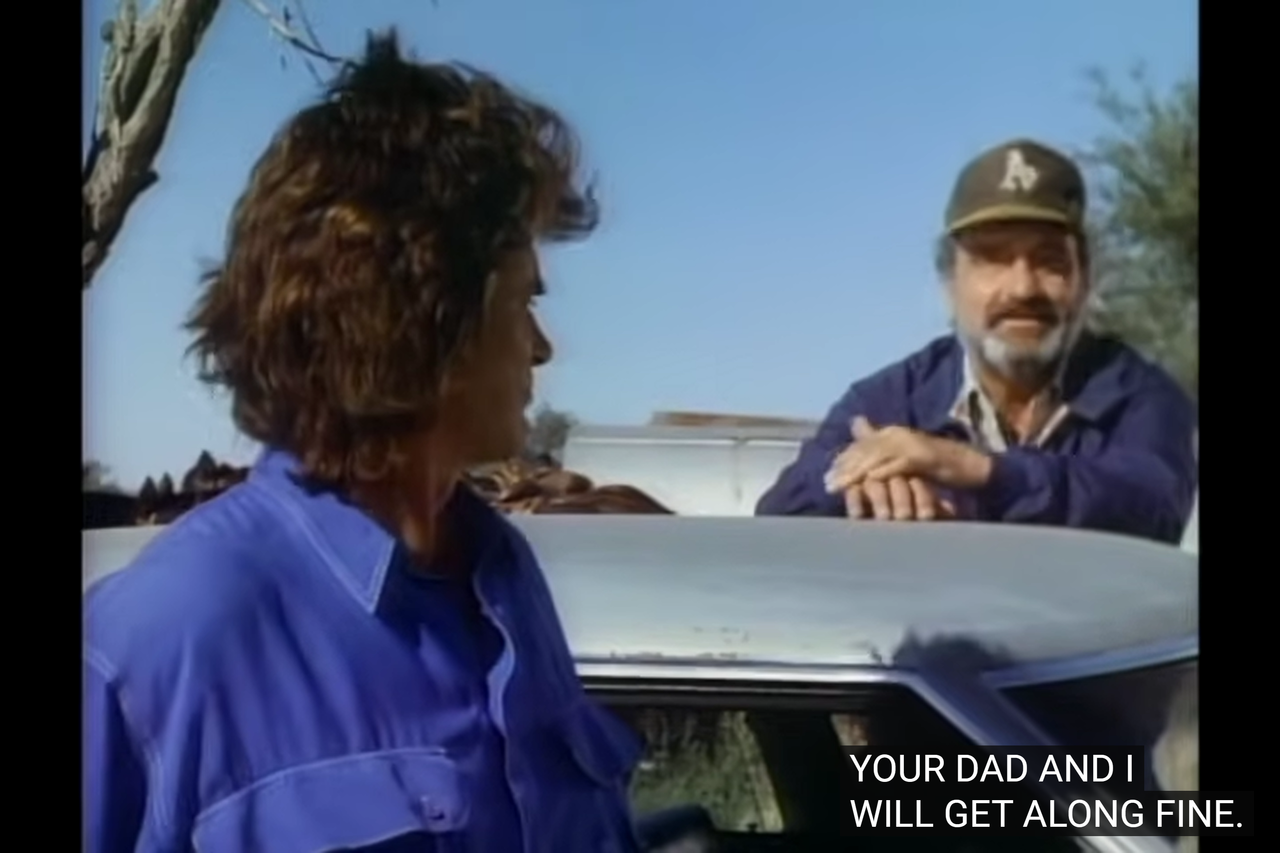
The Job: for the assignment, they work as ranch hands. But they split the duties: Jonathan works as one of Billie’s ranch hands, while Mark serves as her father’s cook. This is one of the few episodes in the series in which they are given different jobs during the same assignment. It is also the second time they have held these kinds of roles: Jonathan had already worked on a ranch in the season one finale, while Mark had worked as a cook in Cindy in season two.
Though it doesn’t last long, and they are both fired after literally two days when they refused to kill the horses.
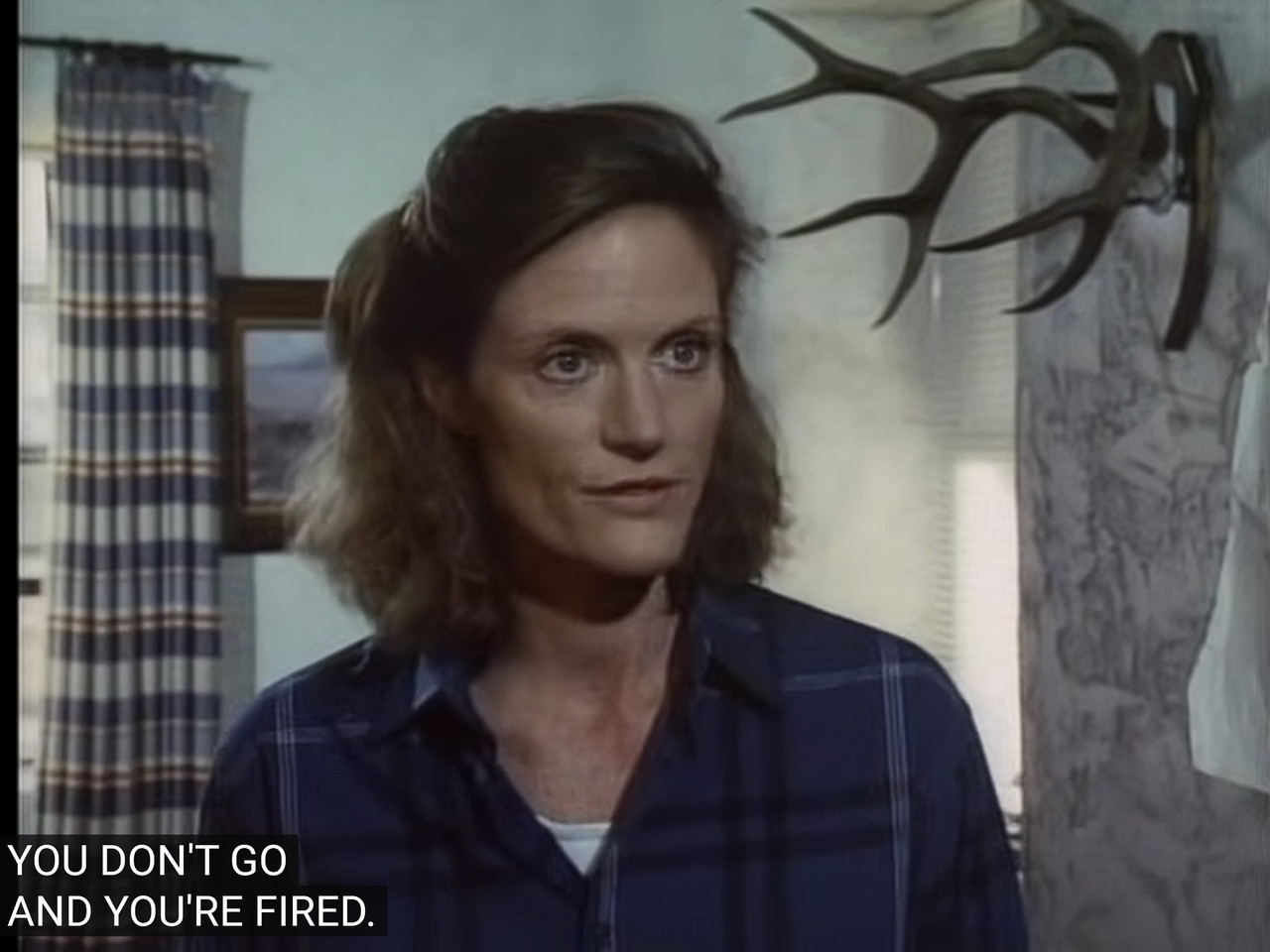
She though she’d have a hold of them after seeing Jonathan begging for the job.
But an angel doesn’t have to work. Though his human friend does.
Ratings: 22 million audience. 41st weekly TV program, 9th TV genre show.
This episode aired in early December and, ratings-wise, it resembled its immediate predecessors: not as strong as the first seasons, but not as disastrous as the Halloween special either. So it seems that the season may now have stabilized around these ratings, and the engrossing drop it experienced during the first three episodes (especially the third) compared to season three may simply have reflected the show settling into its new range.
Now Christmas episodes are usually a period in which the series recovers in the ratings—at least that happened during the second (The Monster) and third seasons (its Christmas Special saved the series from the curse which had persecuted it from November up to that point) though not during season one—so there’s no way to tell whether things will improve again. Or maybe they will get even worse, like they did in season one before it abruptly recovered after Christmas. The upcoming episodes will reveal that.
At least it is no longer as unpredictable as season three, when every episode seemed capable of receiving wildly different ratings and there was practically no way to gauge the show’s popularity from week to week. Then again, perhaps this season will suddenly recover and climb back toward the ratings achieved by its two-part launching episode. That would be something: so far, the ratings are not extremely bad but quite far compared to the rest of the series. It needs to do better if it wanted to stay on air for another year.

Leave a comment