
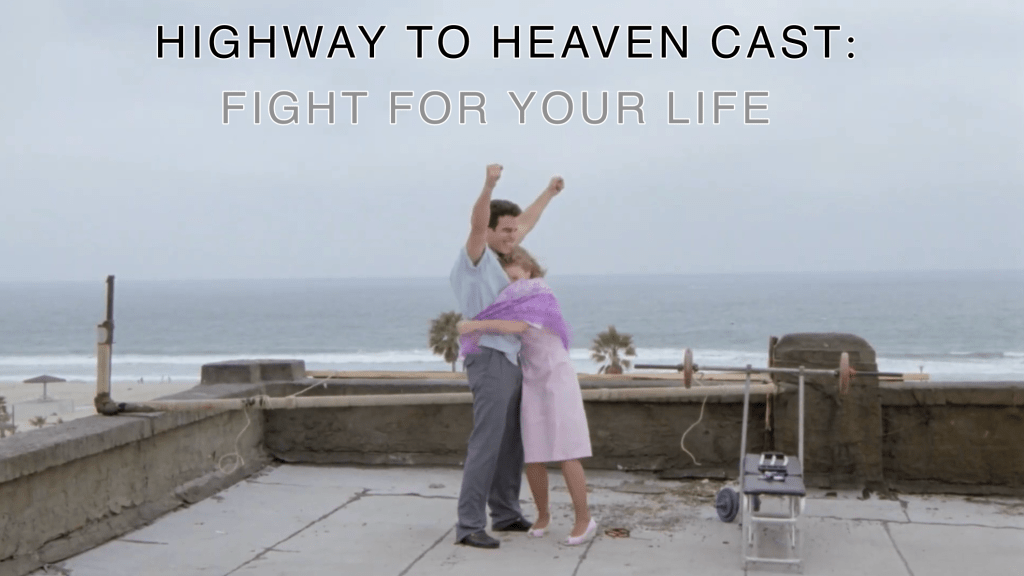
Highway To Heaven Cast: Fight For Your Life
Airdate: 09/30/1987
Directed By: Michael Landon
Welcome to Reseda Country Club.
This episode feels like a sport-themed assignment, reminiscent of an early episode from season one, but with a more serious tone. Most importantly, it’s about boxing. Which makes an exciting episode for Mark—or perhaps for French, or whoever likes this.
Anyway, in case someone was here for a rare glimpse inside the once glorious Reseda Country Club, you’ve come to the right place.
Guide:
- Assignment
- Background
- Characters
- Production and Setting
Glossary:
- Angel Revelation
- Blooper
- The Stuff Powers
- The Job
- Ratings
Complete show available here.
Assignment: Jonathan and Mark are assigned to help a struggling fighter stop his brother’s match-fixing.
In this assignment, Jonathan and Mark are assisting a boxer managed and manipulated by his brother, who rigs his matches at the behest of a local thug.
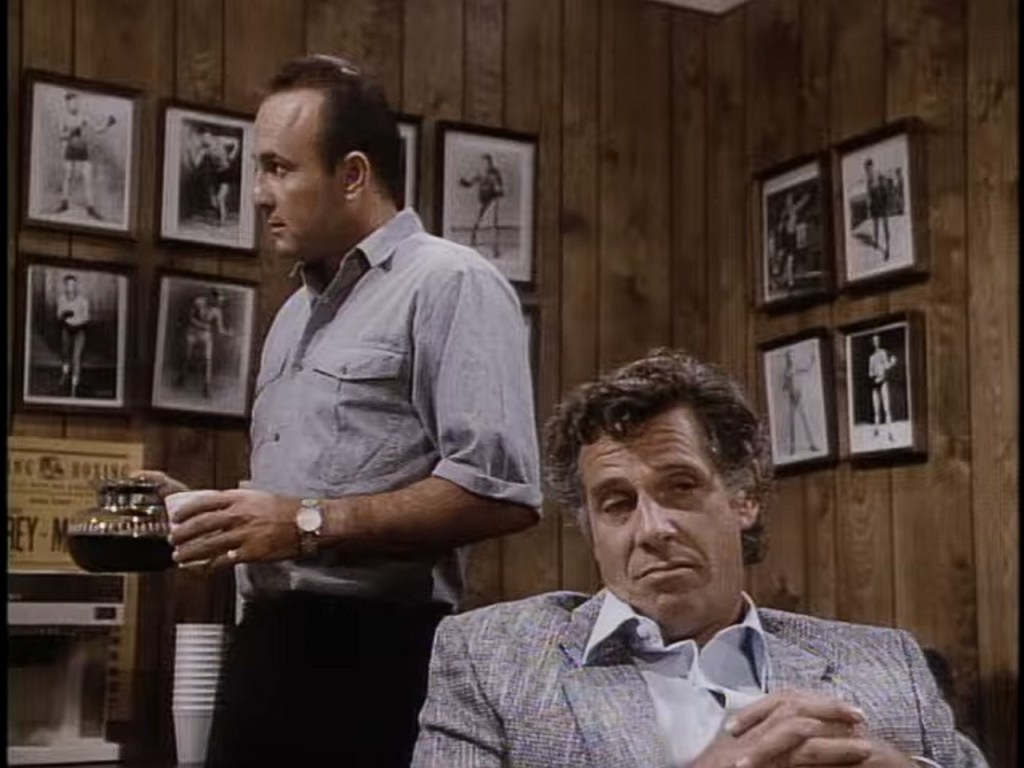
Simultaneously, this boxer Morty takes on the role of trainer for a fellow up-and-coming fighter.
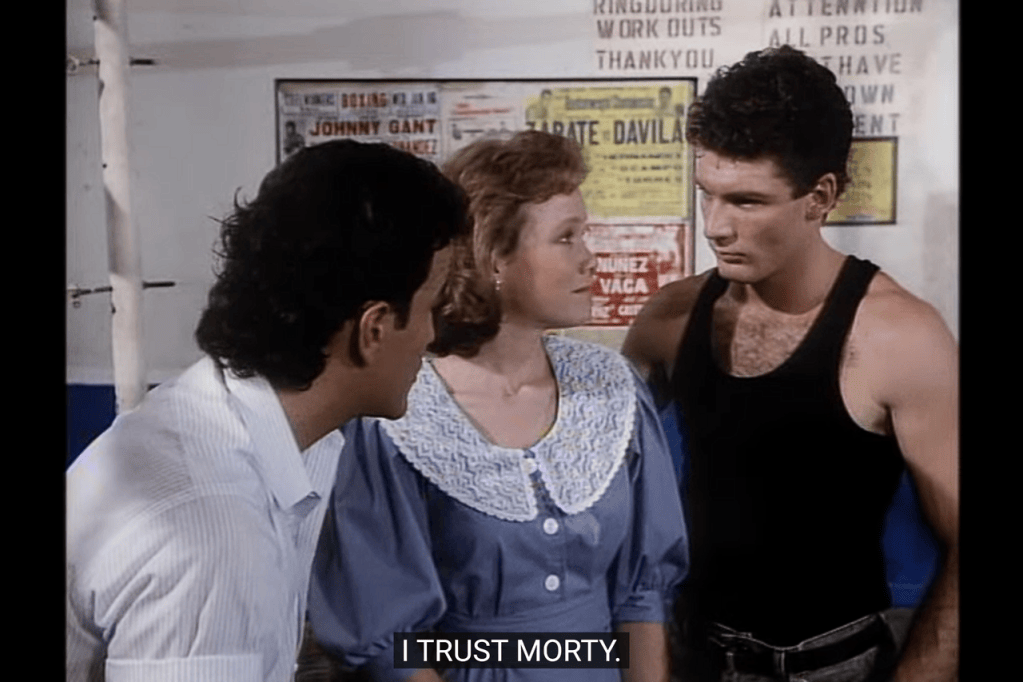
And he falls in love with the young man’s sister in the process.
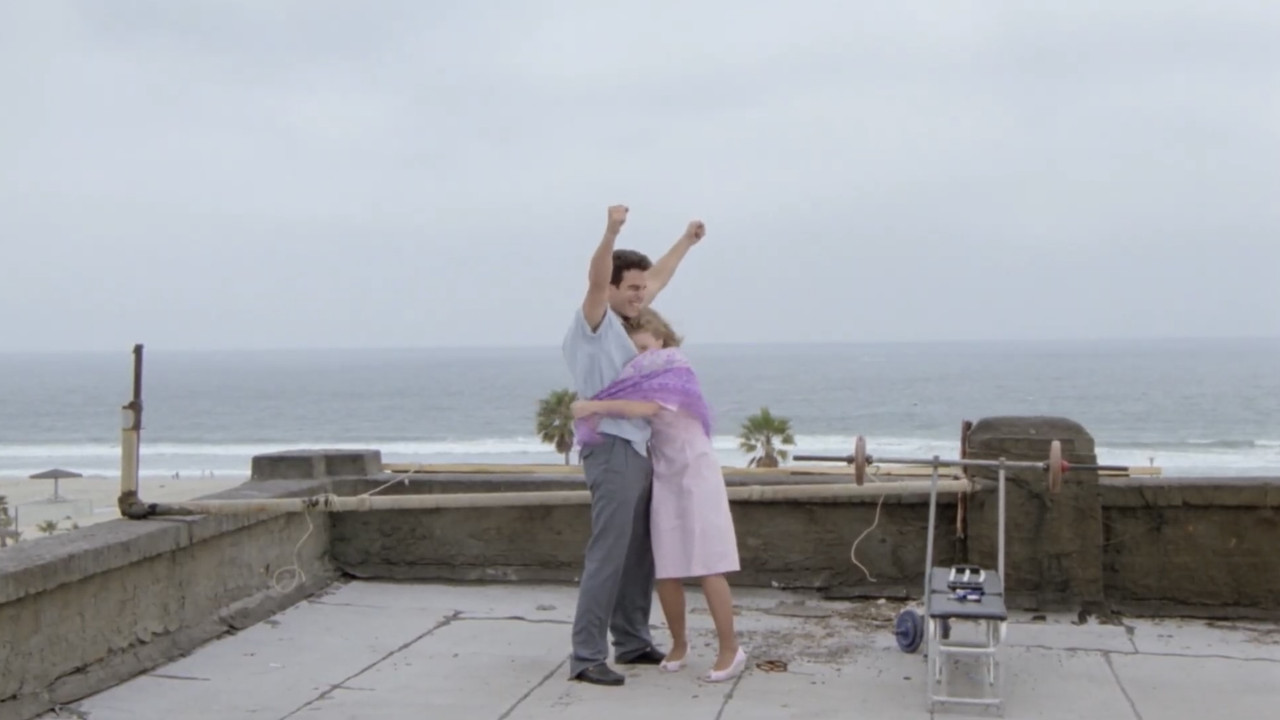
Nothing Jonathan and Mark can’t handle.
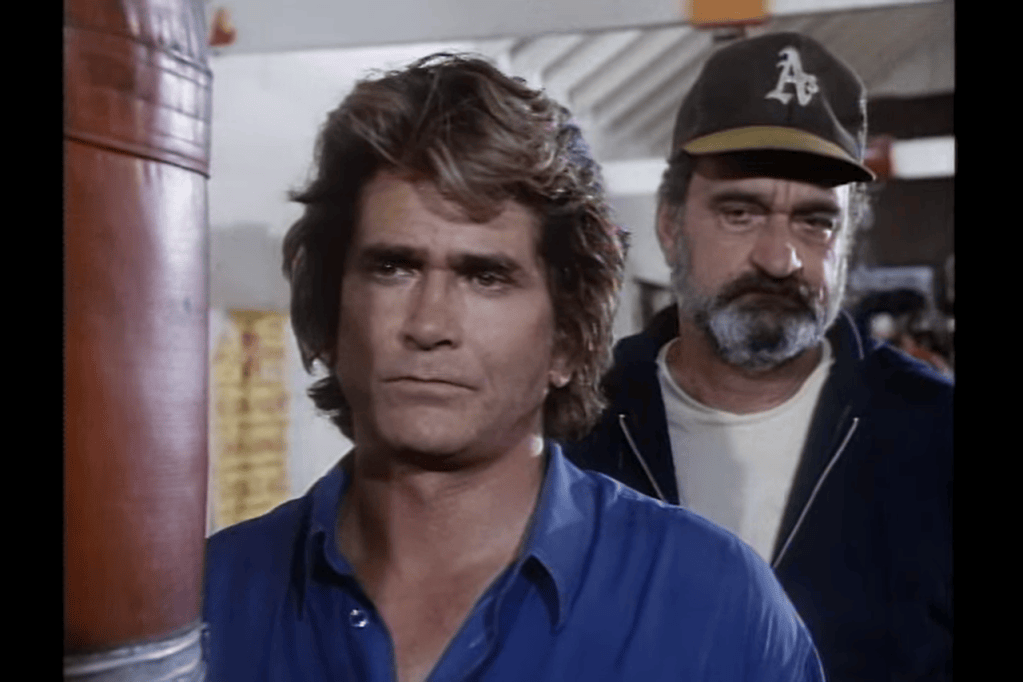
Then, when the boxer’s brother decides to become the young man’s manager too, fixing his matches, that’s where Jonathan and Mark need to work on.
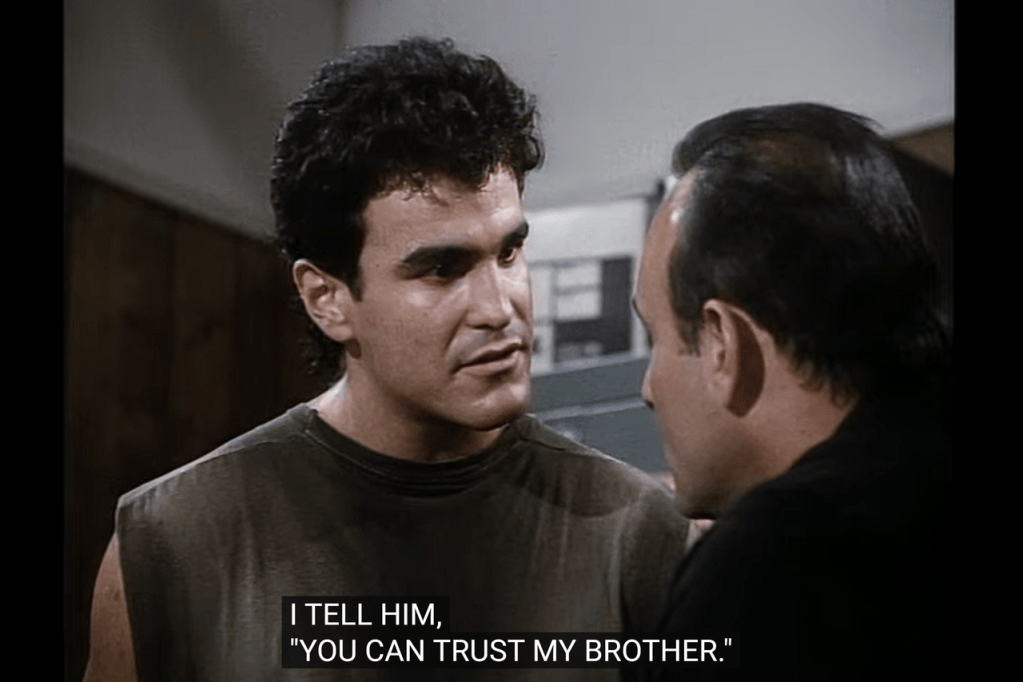
Although they do that by remaining out of the ring, in the background.
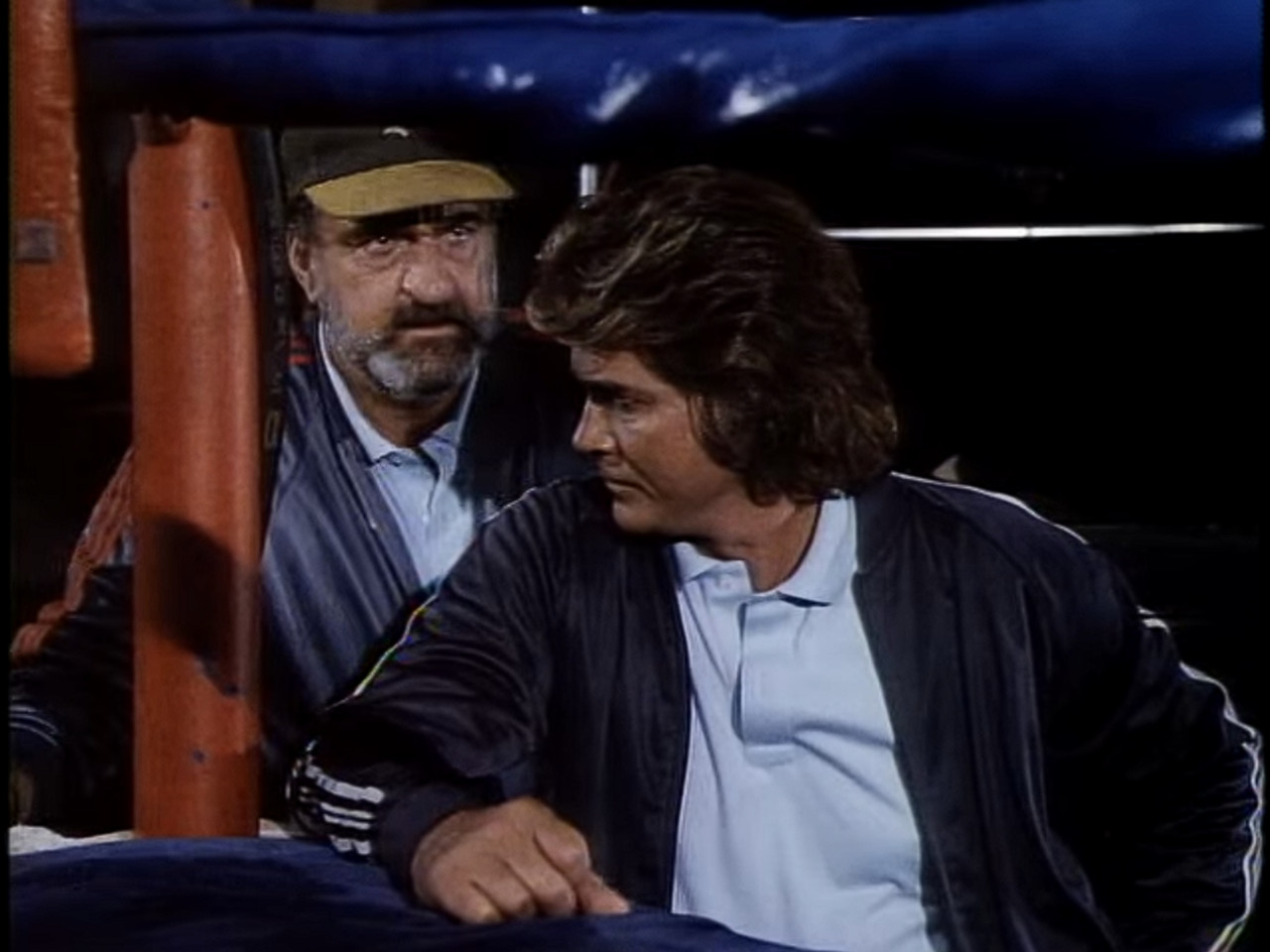
A peculiar aspect of this episode is the perspective from which the assignment is told: as it’s become apparent (it should be, in its fourth season) most episodes of the series are presented either from Jonathan and Mark’s point of view or through a combination of their perspective and that of the people they’re helping—essentially an impartial approach used in nearly every episode in the series.
However, there are some episodes in which the assignment is almost exclusively told from the perspective of its subject, completely excluding that of Jonathan and Mark and sidelining them in the background. That doesn’t necessarily mean that they don’t play an important role in the assignment. Just that they remain behind the subject: they are depicted more as drifters popping out of nowhere, getting into your life and helping you solve your problems, and then disappearing just as mysteriously as they came in. So, they are not the angel and his human friend the audience has grown to know.
This approach is more realistic: to people’s eyes, Jonathan and Mark are essentially strangers who intervene in their life, resolve their problems, and then vanish—sometimes without even revealing who they are—unless they drop an angelic revelation.
This feature also brings other notable implications: the episodes told through the subject’s perspective skip the usual scenes showing Jonathan and Mark driving to the next assignment, discussing relevant (or sometimes remotely relevant, as in Man’s Best Friend) matters related to the assignment, introducing themselves to the person they need to help (or showing Jonathan explaining to Mark what the assignment is all about), securing the job they need for the assignment, and exchanging views or arguing over the best way to handle things. Instead, they jump directly to the moment when they propose their solution to the subject, and there’s no scene of them driving off at the conclusion.
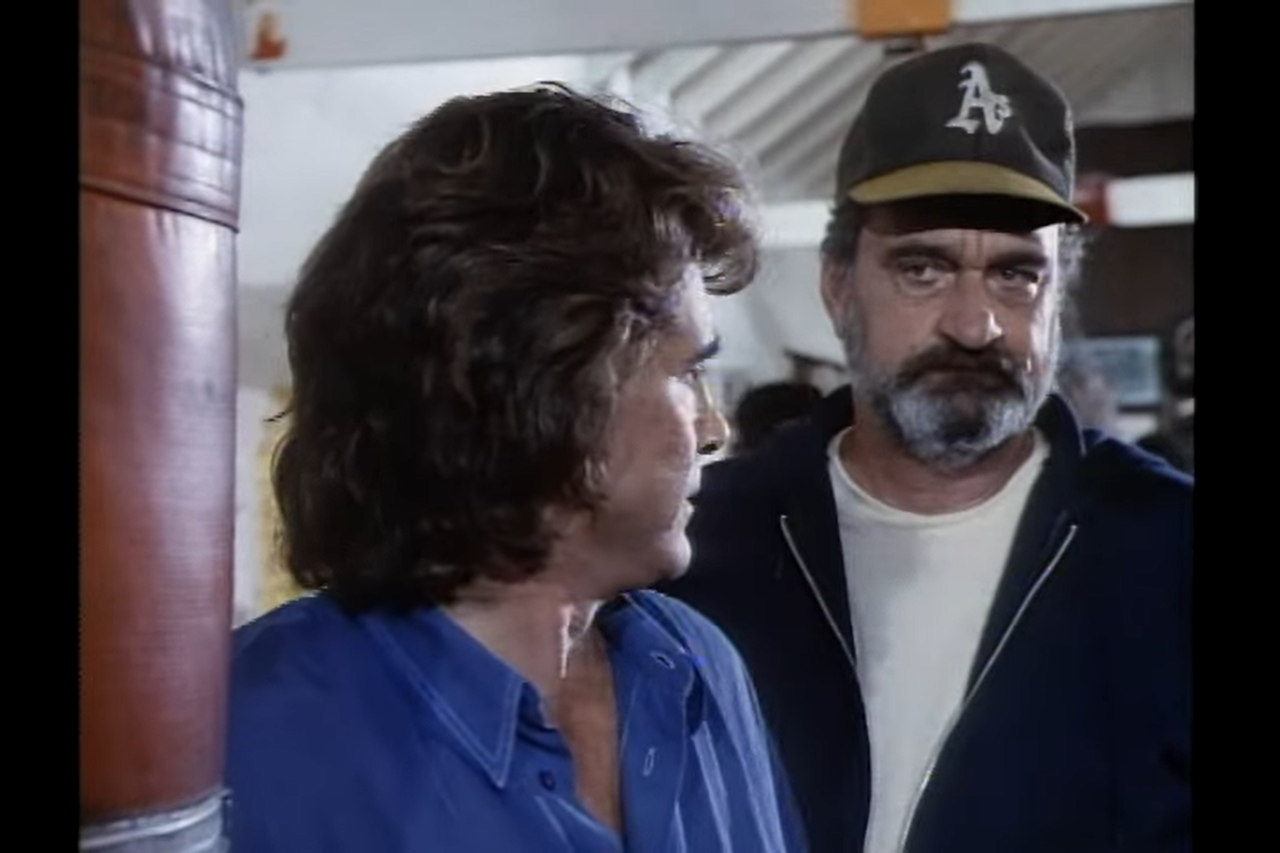
And these episodes feature Jonathan and Mark less prominently, and they have very few lines. (For example, Mark has less than eight lines in this.)
So far, only two episodes have employed this peculiar approach: they are An Investment In Caring in the first season and Basinger’s New York in the third; so, this episode is the third entry in this peculiar list of “outsider” episodes. There are a few of them left (again, it’s very rare).
- Background
Given that the episodes uses this peculiar perspective, there’s no scene explaining how Jonathan and Mark got the job in the first place. Actually, the episode begins with them already working as cut-men for the fighter.
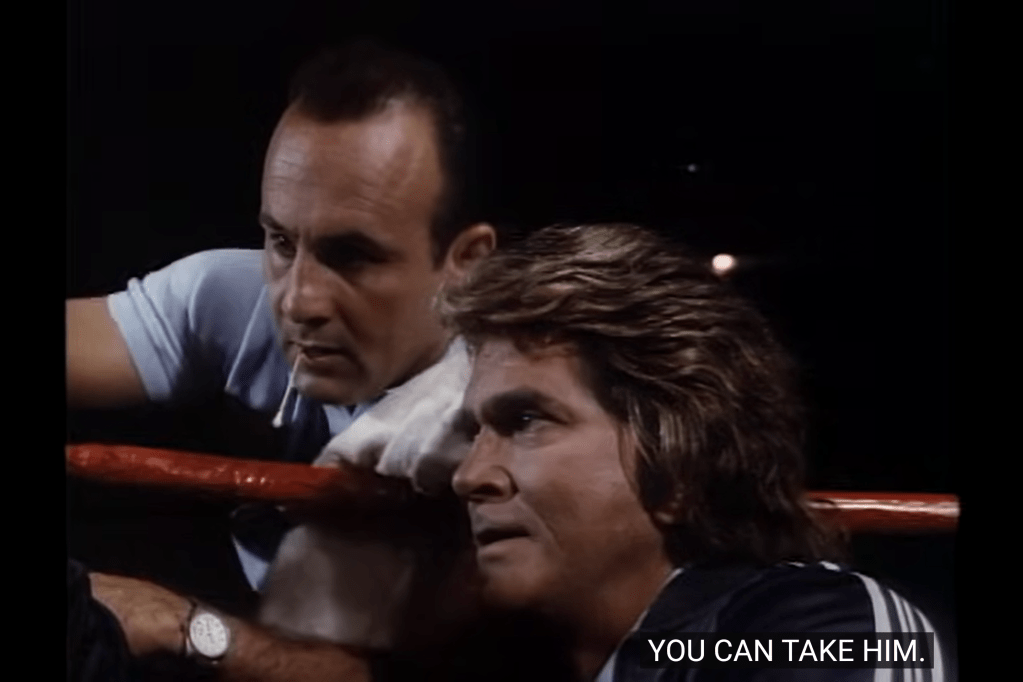
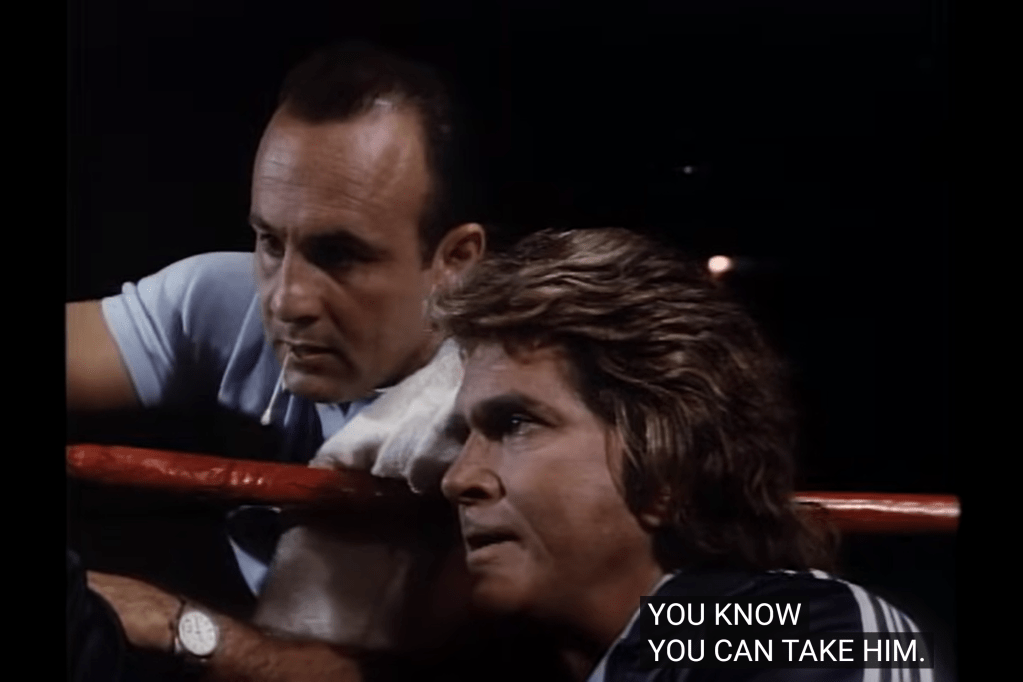
That’s so abrupt.
And then they are hired immediately.
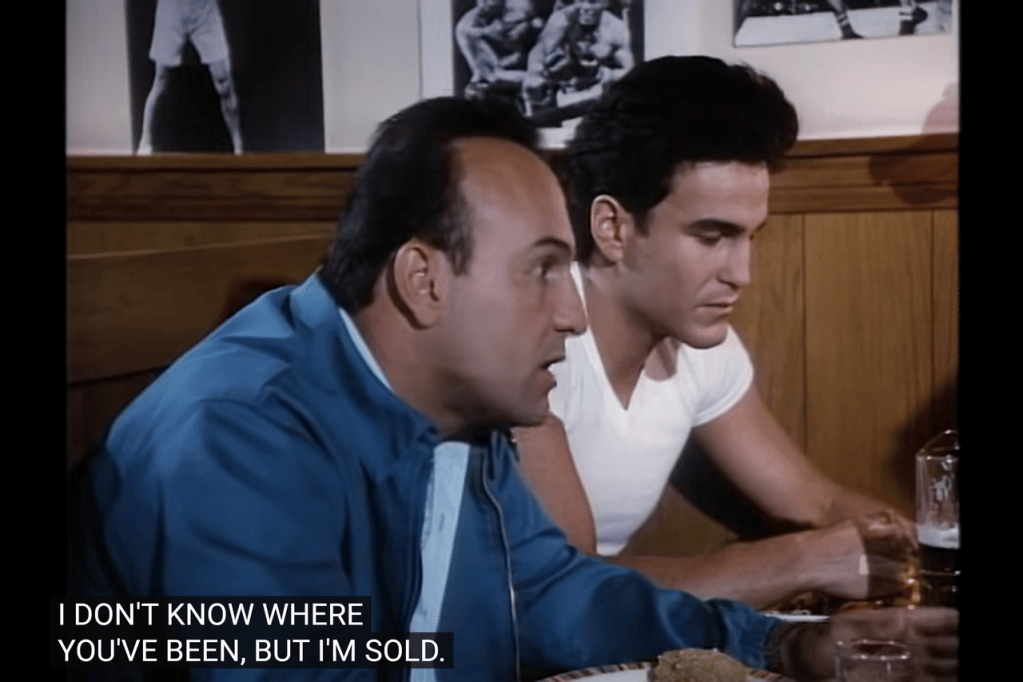
This line is meant to dismiss this matter.
It’s not clear how long the assignment lasts either. Usually, in cases like this, it’s one week to ten days (more about it here). However, this time it’s highly unlikely that it spans only a week: the fighter Morty has time to train his new friend Billy, and it is explained at the end of the episode that Billy has already fought twelve matches. In addition, Morty falls in love with Billy’s sister and even asks her to marry him—something that presumably would take longer than ten days.
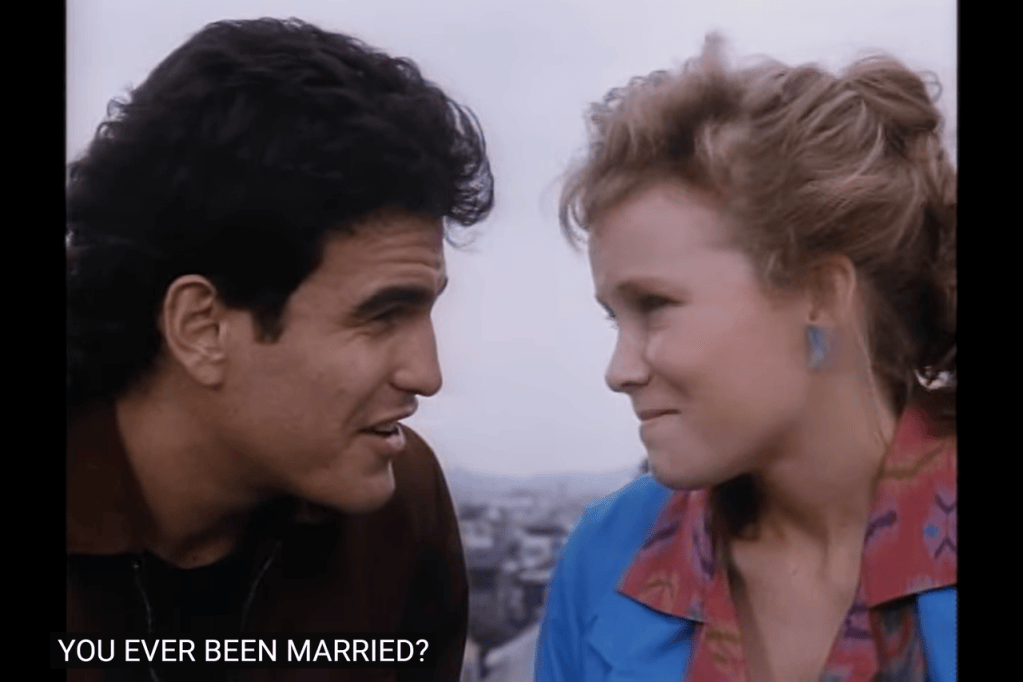
In a two day engagement? Probably never.
Even though it wouldn’t be the first case to be like this.
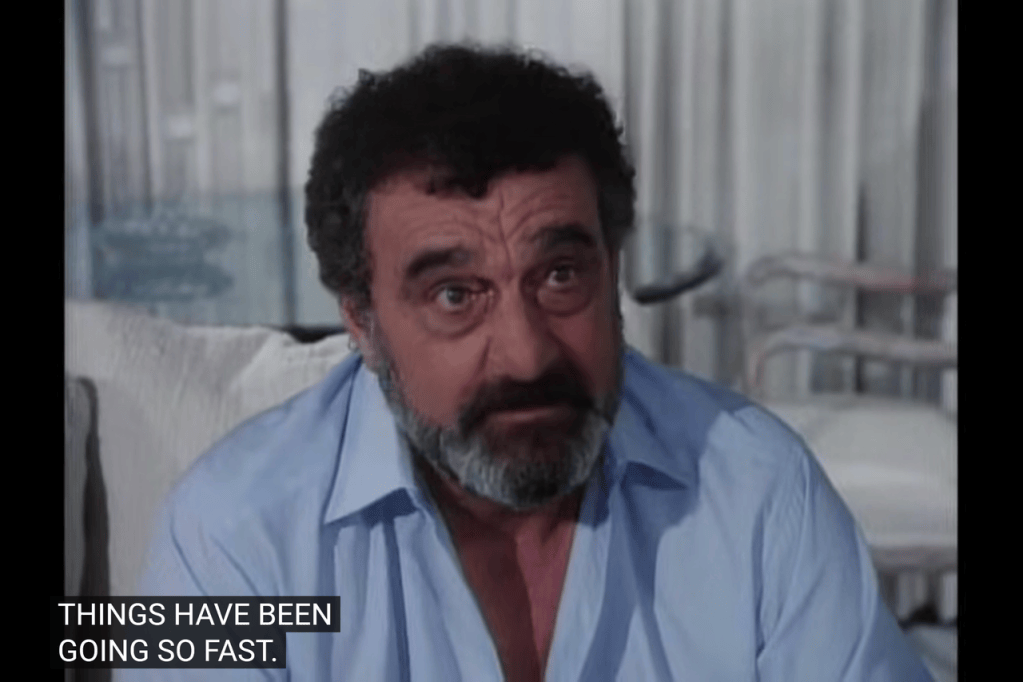
Still, it seems reasonable to assume that the events unfold over several months. If that were the case, then it becomes impossible to ground it in the season (other seasons spanned one year, and some upcoming episodes will already span months).
Also, the episode doesn’t conclude with Jonathan and Mark driving away, partially because there’s no such scene in the episodes told through other people’s perspectives. That makes the background even more complicated to work out.
As for the setting, the assignment unfolds over in Los Angeles, specifically a familiar venue: the matches in the episode took place at the Reseda Country Club, a well-known location at the time.
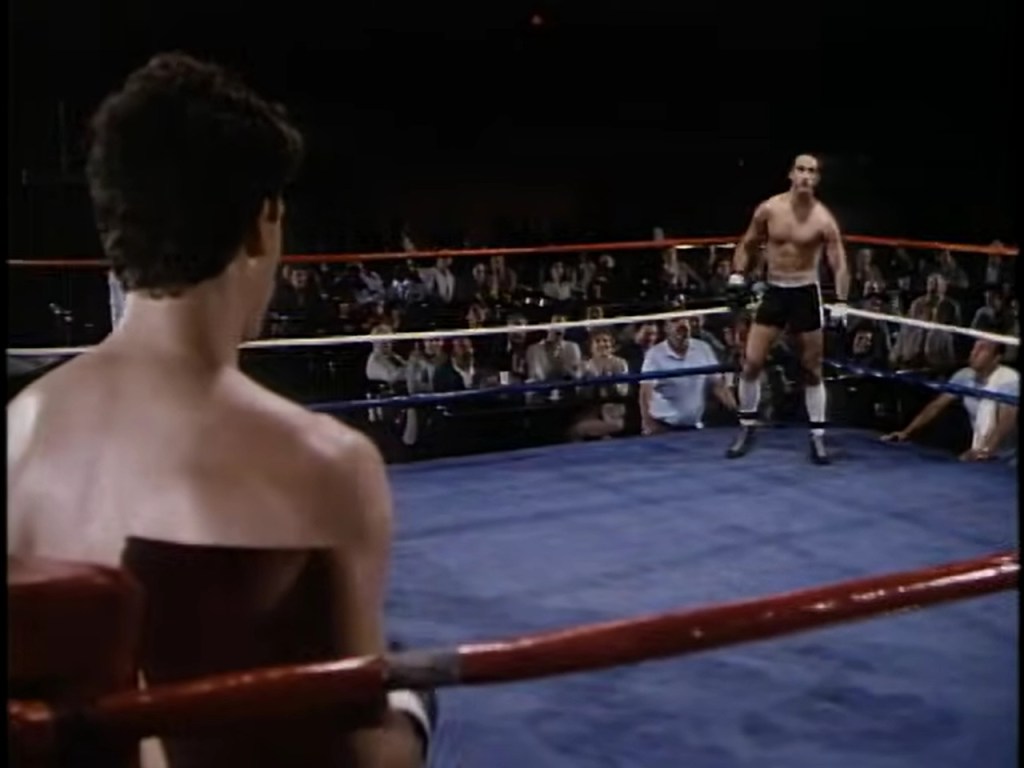
If that looks familiar, it’s the same ring used in the season one episode Return of The Masked Rider, for the boxing match at its conclusion.
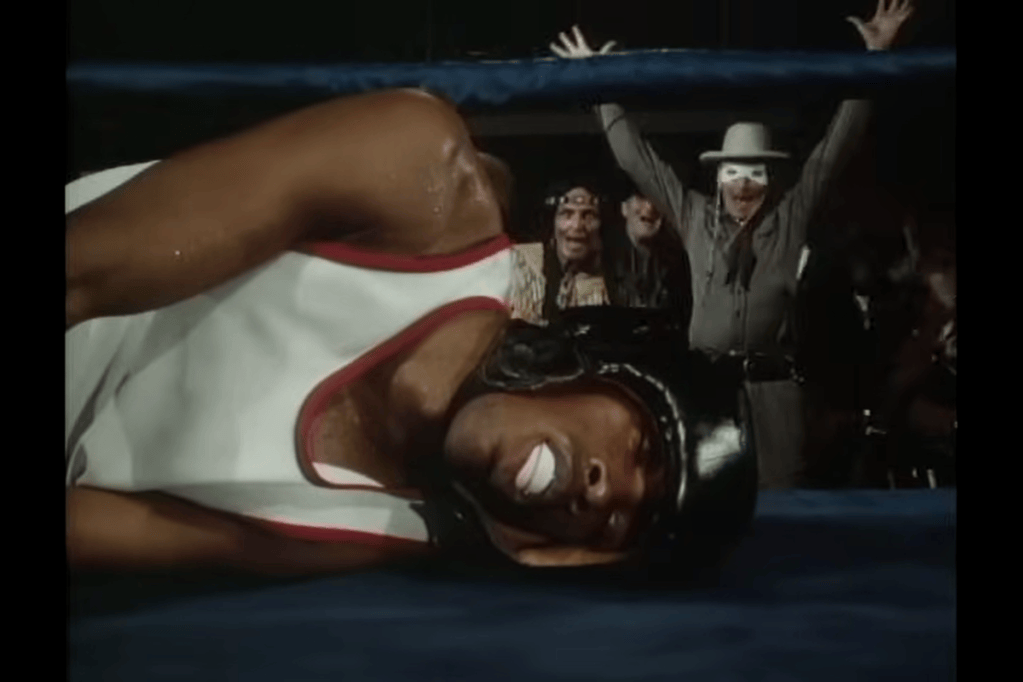
Besides the Reseda country club which was already used in a season one episode (by that time, French had yet to become involved in boxing though), this episode revisits another familiar location. When the characters celebrate Billy and Morty early on.
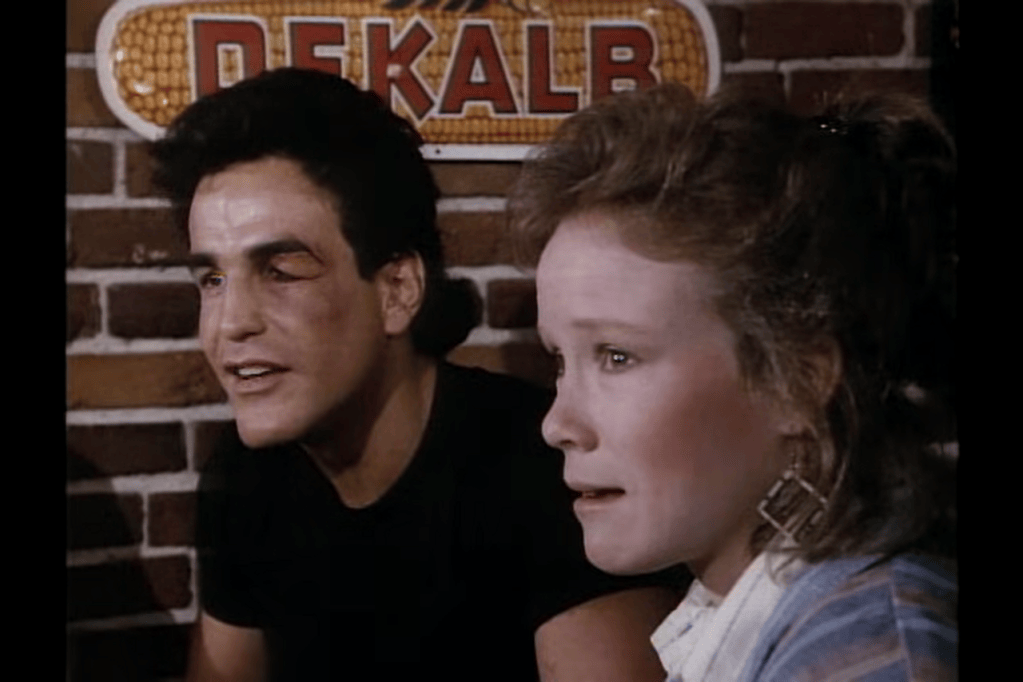
That’s the same place featured in Change of Life in season two, where Mark—then inhabited by a woman—shared a dinner with a colleague.
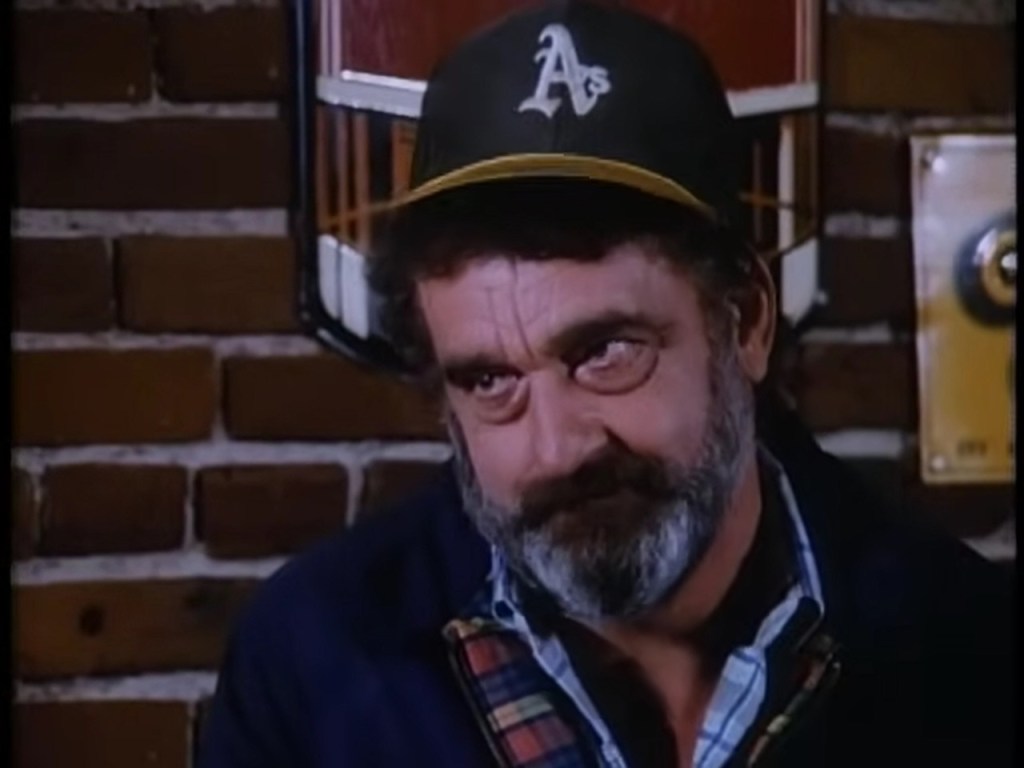
And then a run of bloopers ensued.
- Characters
Given the peculiar perspective of the episode, Jonathan and Mark stay mostly in the background. Usually, when an episode uses that “outsider” approach (it’s told exclusively through the subject of the assignment), it means that there’s no scene in which they get a job (mostly through Jonathan’s references) or one in which they argue over the assignment and propose different approaches to better solve it.
Actually, the only time they do something like that is when they know that Morty’s brother will fix another match for Morty’s friend—but decide they won’t do nothing about it.
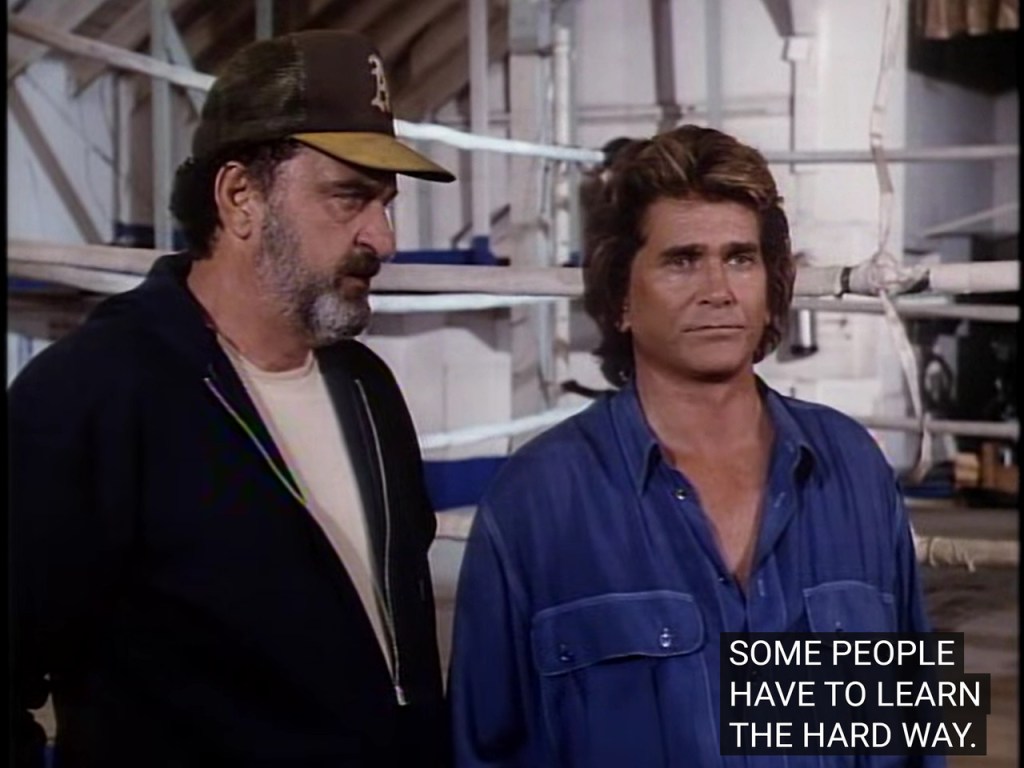
Then what are you two doing here?
However, there’s one moment to point out about Jonathan: at the conclusion of the episode, he boasts his otherworldly strength to beat the thugs who forced Morty’s brother to fix the matches, and explains his “boss” wants them out. And once he’s done, he makes a revelation.
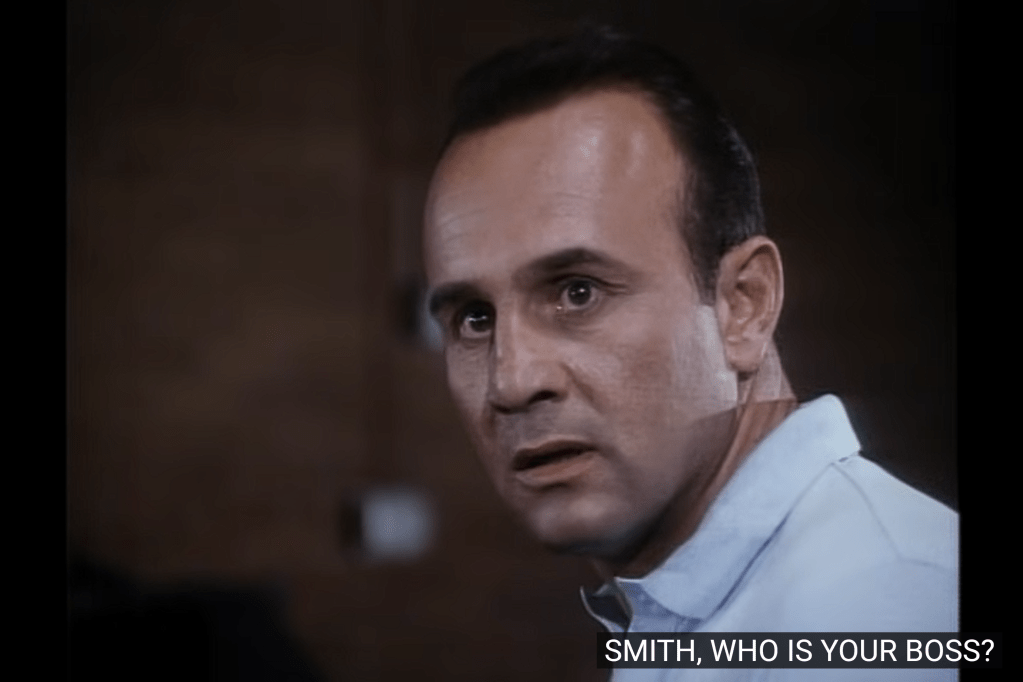
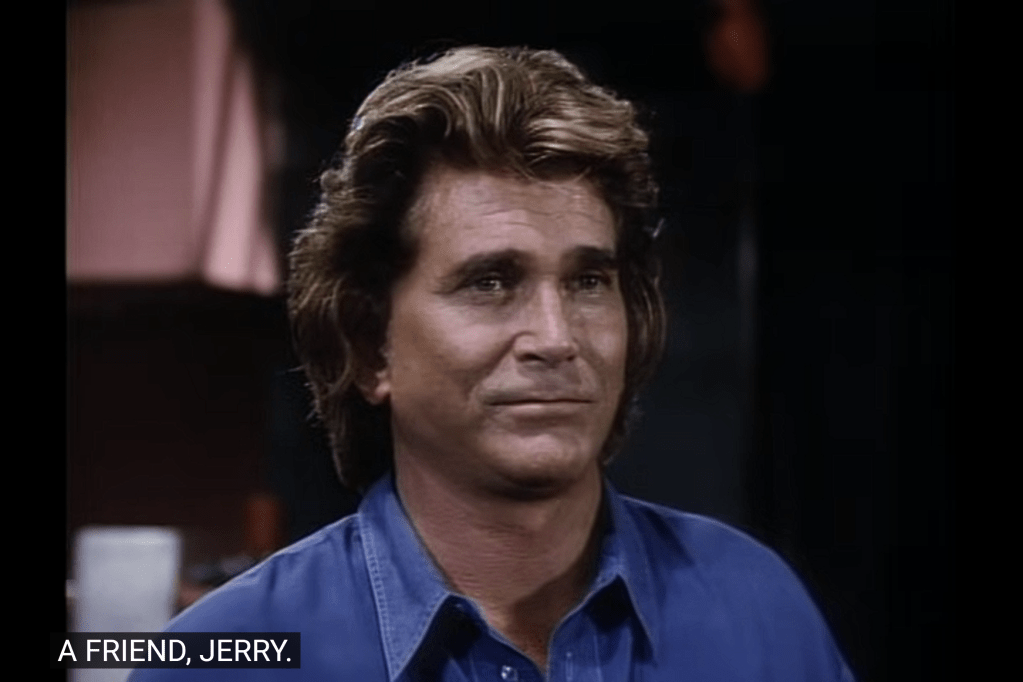
It’s been a long time.
He hasn’t used the word “Friend” to refer to his superior in a long time, season one at least. Then, they replaced it with the “Boss” pseudonym in Catch A Falling Star, and that was it.

- Production and Setting
This episode was written in May by O’Kun, and it was produced in early June, earlier than usual (this season began production earlier because of a planned summer strike which eventually never occurred, more about it at the Production and Setting entry here.)
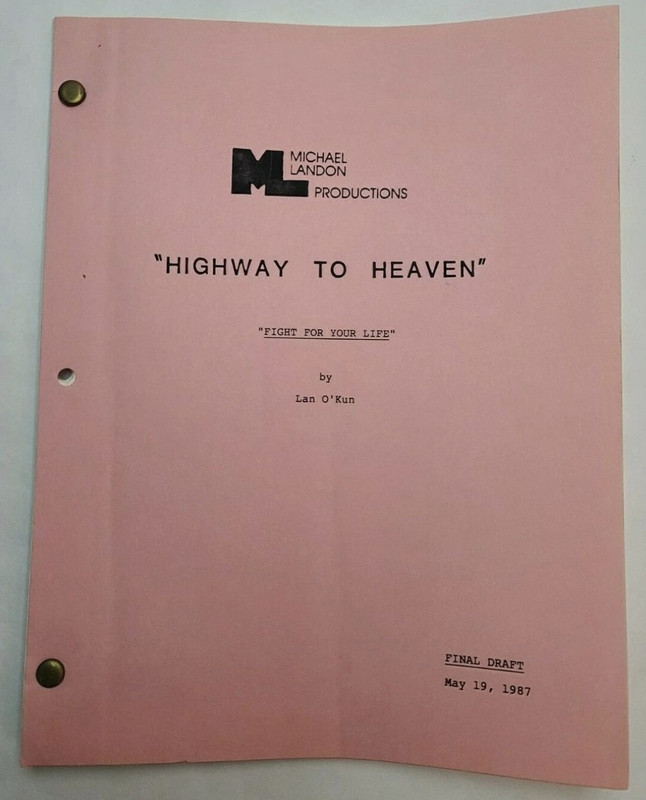
Two curious things: one, it’s the second episode O’Kun wrote using the peculiar approach of removing Jonathan and Mark’s perspective from the assignment (he was behind Basinger’s New York in season three). But that should be no surprise: that man wrote like Highwaymen, so many of the episodes he was behind are peculiar.
The second thing to point out is that the script is marked as “Story No. 94” and the season three finale was numbered as the immediate preceding one. So, it is possible that this script was chronologically the earliest of the season. Unless Gift Of Life wasn’t written as the last episode of the season. In that case, it means this script was originally part of season three, and they recycled it here.
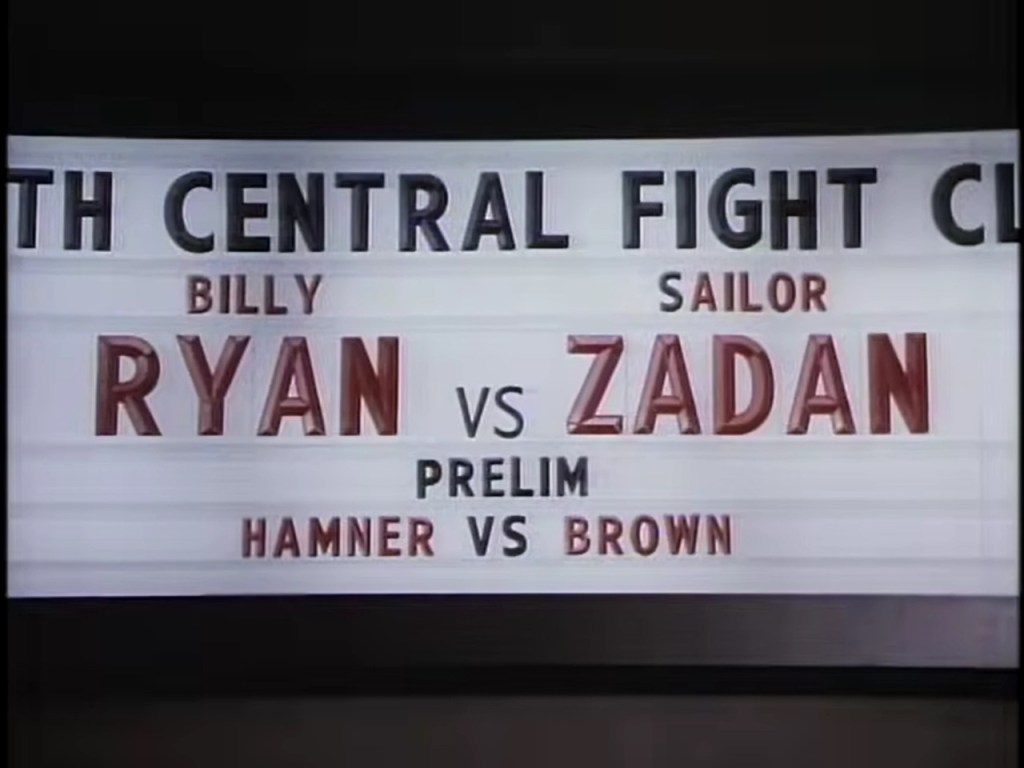
As for the setting, it was shot in Los Angeles: in particular, most of the fights take place at the Reseda Country Club, although they changed the name to “South Central Fight Club” in the episode.
It was already used in a season one episode. Most importantly, it was also a place Landon and French already knew well. As already mentioned here (and in the special), French was deeply into boxing: in a 1985 interview on the L.A. Times, he revealed that he had dreamed as a child of becoming either a stuntman like his father or a boxer, and he used to shadowbox on TV sets. Later, he started training at the Ten Goose Gym, where he became friends with Al Goosen, a former police officer whose son founded the gym to help keep young men off the streets.
In 1985, however, the gym faced foreclosure after Goossen’s sudden death, and French stepped in using his own money to keep it open, eventually turning to promoting for the gym and several of its fighters.
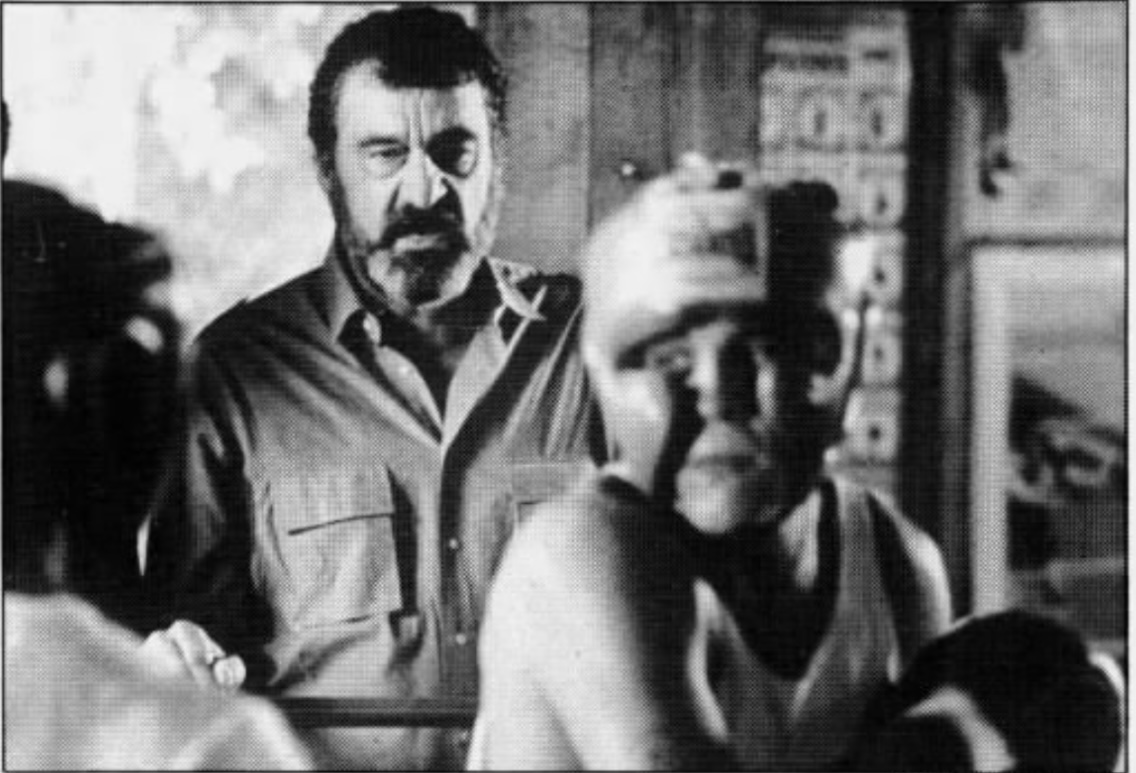
The boxers he promoted at the Ten Goose Boxing included bantamweight contender Frankie Duarte and future middleweight champion Michael Nunn, who would win his title in 1988, while under French and Goosen’s guidance.


Duarte (left) and Nunn (right)
His career started out pretty strongly: in October 1985, he was co-awarded best promoter of the year by the Boxing News Magazine during their annual event taking place in San Diego—contextually, it occurred during Highway Season Two (they were shooting The Smile In The Third Row back then). And that night, Dan Goossen won best manager, and Nunn best boxer.
A couple of quick anecdotes about them fighters: one, this involvement in boxing promoting may also explain why French appeared less frequently in Highway season four compared to the earlier seasons. Maybe he was just becoming too busy with his boxing commitments to dedicate as much time to acting and directing; in fact, by December 1986, he stepped away from directing duties on the series, apparently unable to keep up with the production pace (more about it at the “Production and Setting” entry here).
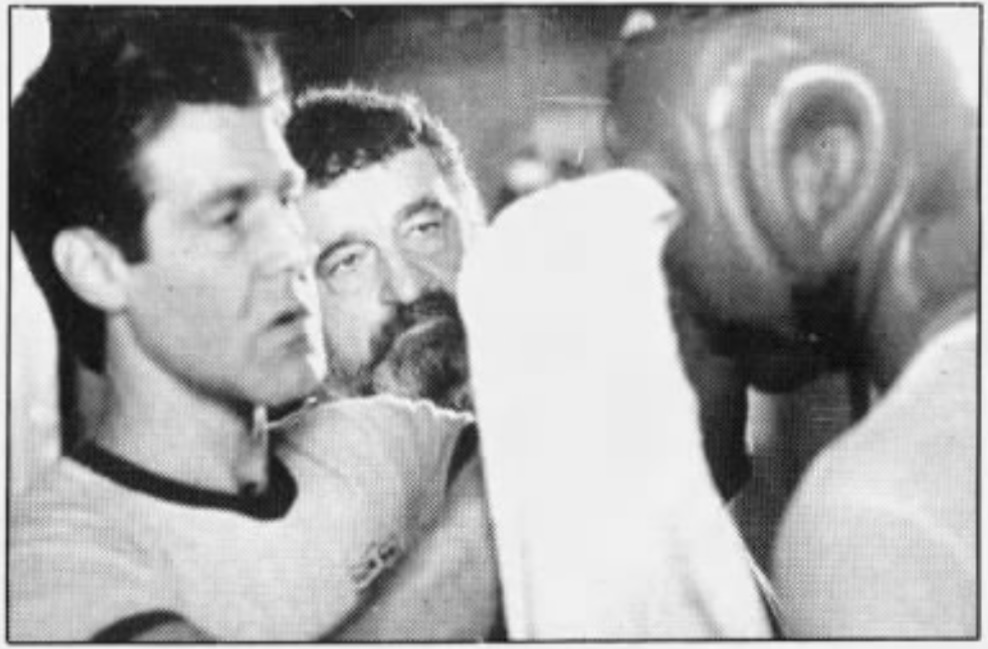
And this commitment as promoter kept him busy the rest of his life: on July 1988, his fighter Nunn won the world title (contextually, it occurred during the hiatus between the conclusion of season four and the beginning of the fifth season.) So, maybe French decided to reduce his involvement as actor and director in this series upon realizing that one of his fighters had a shot for the world title.
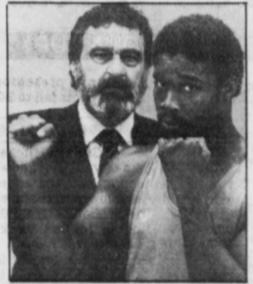
A second anecdote, now about Duarte: in an interview, he opened up and confessed he deeply struggled with drug addictions for much of his early career as a fighter, and then expressively credited French—along with Dan and Joe Goossen—as one of the most important figures during that time in his life, since they never gave up on him and helped him recover and stay clean by giving him a second chance at the Ten Goose Boxing. And French himself seemingly confirmed this being involved with helping Duarte out at the end of the 1985 L.A. Times interview referenced earlier.
That sounds like French applying Mark Gordon’s teachings to his own life as well.
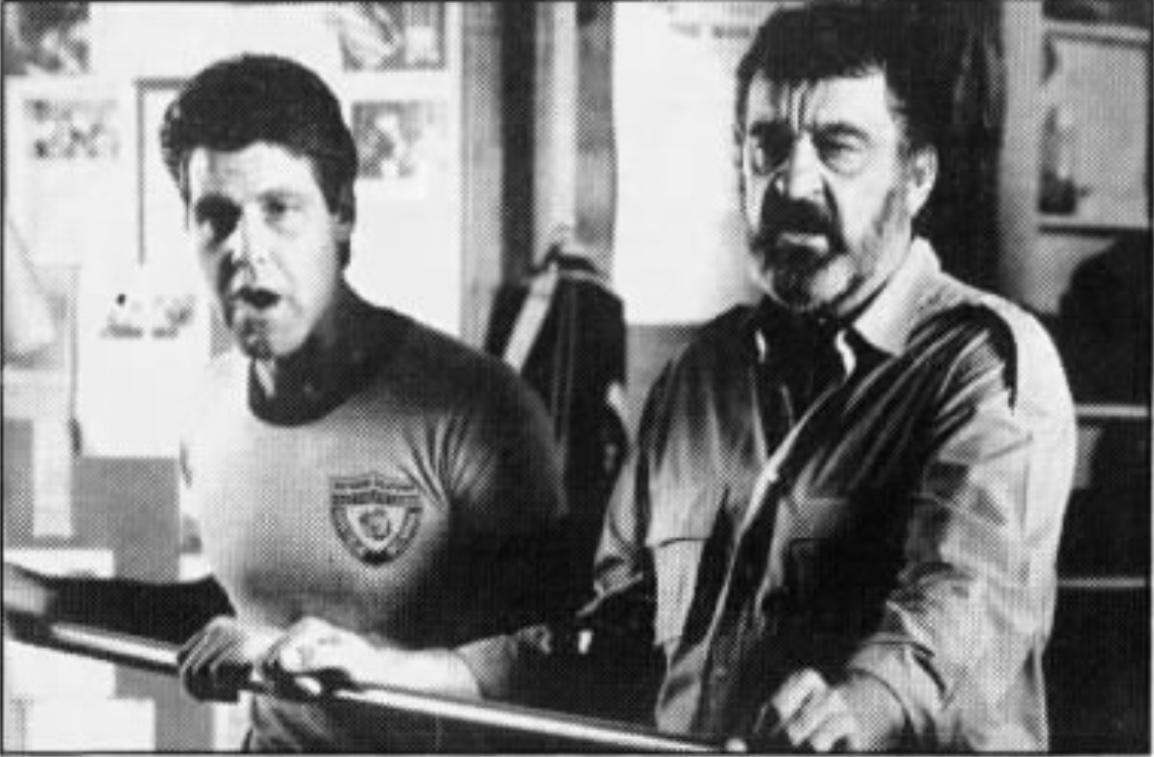
So, what it all boils down to is that French was deeply into boxing, and that explains the reason he looks overly enthusiastic in the episode.
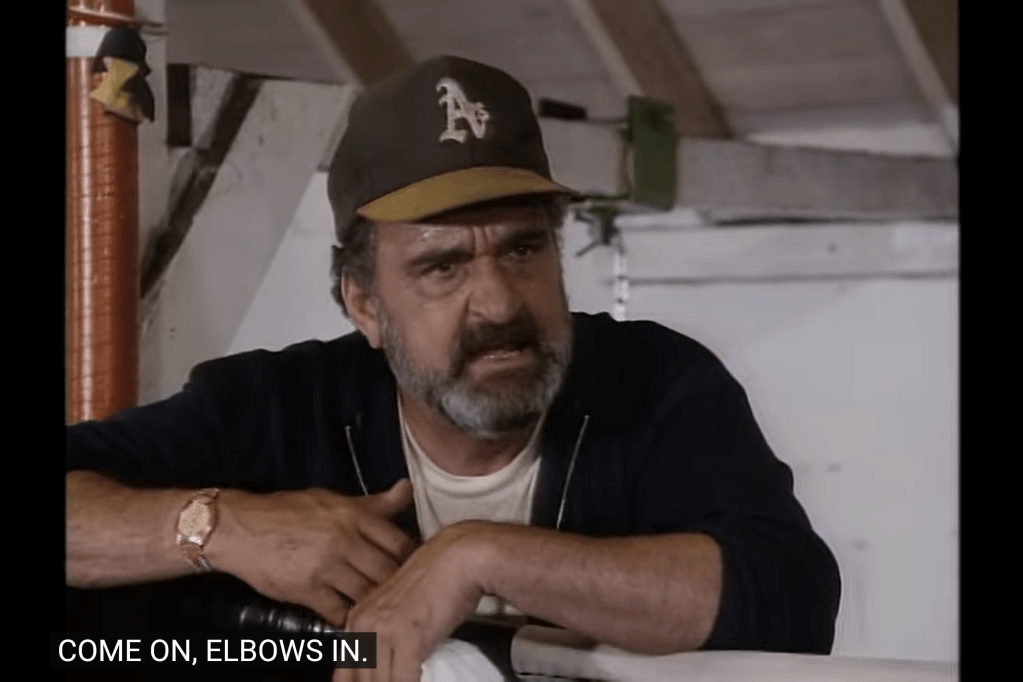
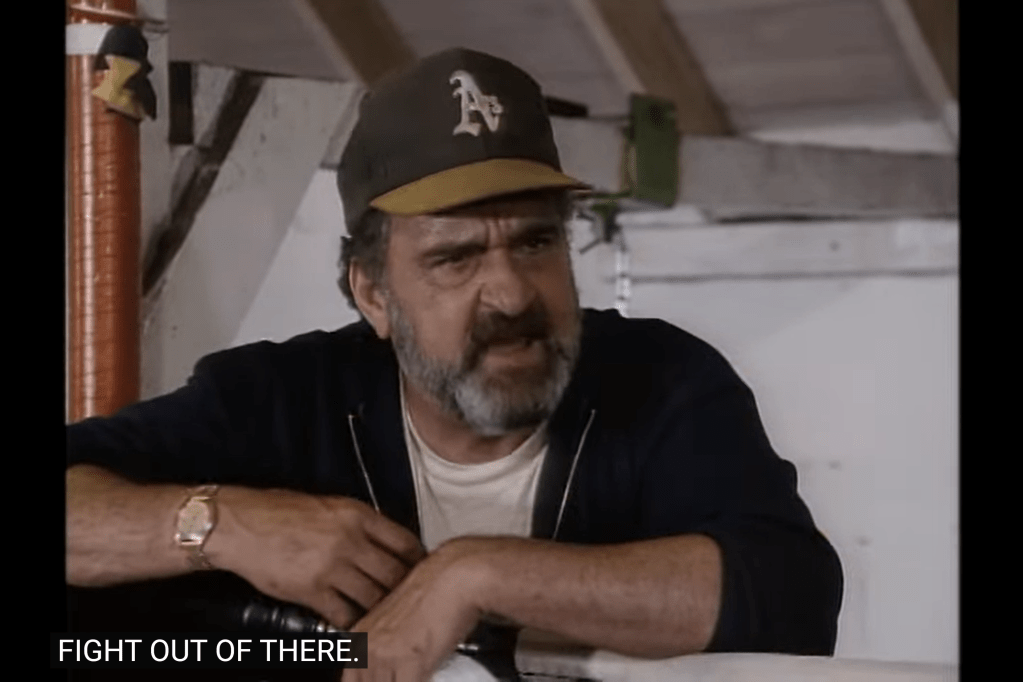
If that ain’t commitment.
Anyway, during his career as promoter, French regularly set cards at the Reseda Country Club, a famous venue in the early 1980s known for its concerts, and later its boxing and prizefighting.
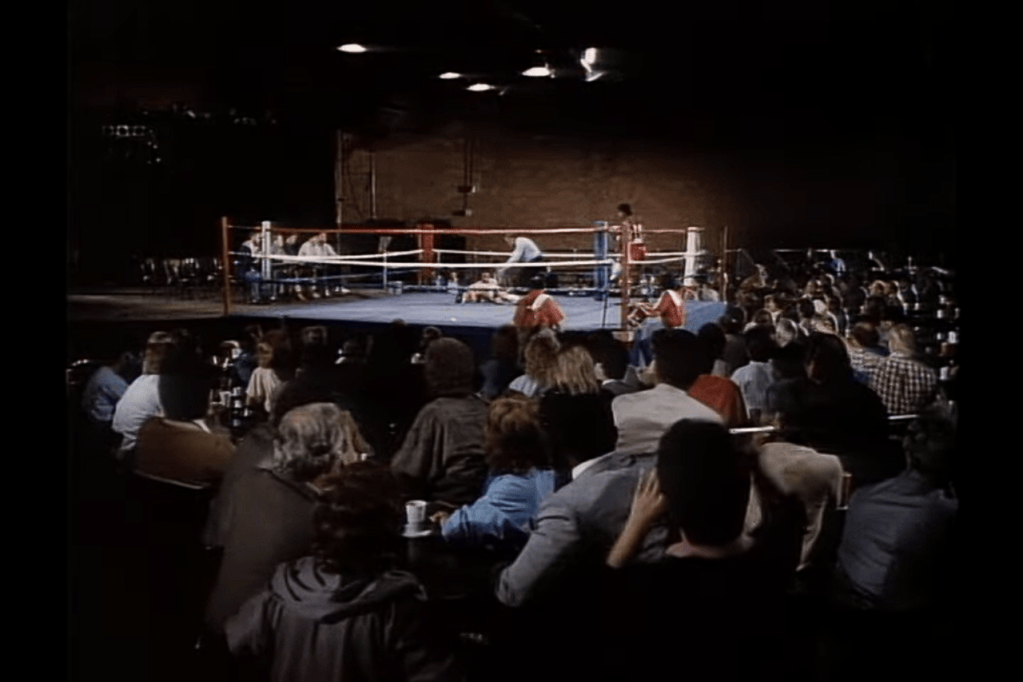
It opened in 1980 replacing a 1950s drugstore, and was originally intended as a venue for music concerts before becoming associated with fight cards. Apparently, by the early 1980s, it was facing hard times because of the “bad crowd”, but the place was revitalized when French regularly scheduled fight cards on Tuesdays, selling-out almost every time (according to a 1985 article on the L.A. Times on boxing promoters, and French is credited for giving Reseda an audience).
But he wasn’t the only one associated with Reseda: in another 1987 article on the L.A. Times chronicling the history of the venue, it’s reported that special boxing events were held on the last Tuesday of each month, and Landon is listed as being part of the crowd. That’s probably what they were busy doing when off the Highway set.
It almost feels like this episode was written to appeal to both.
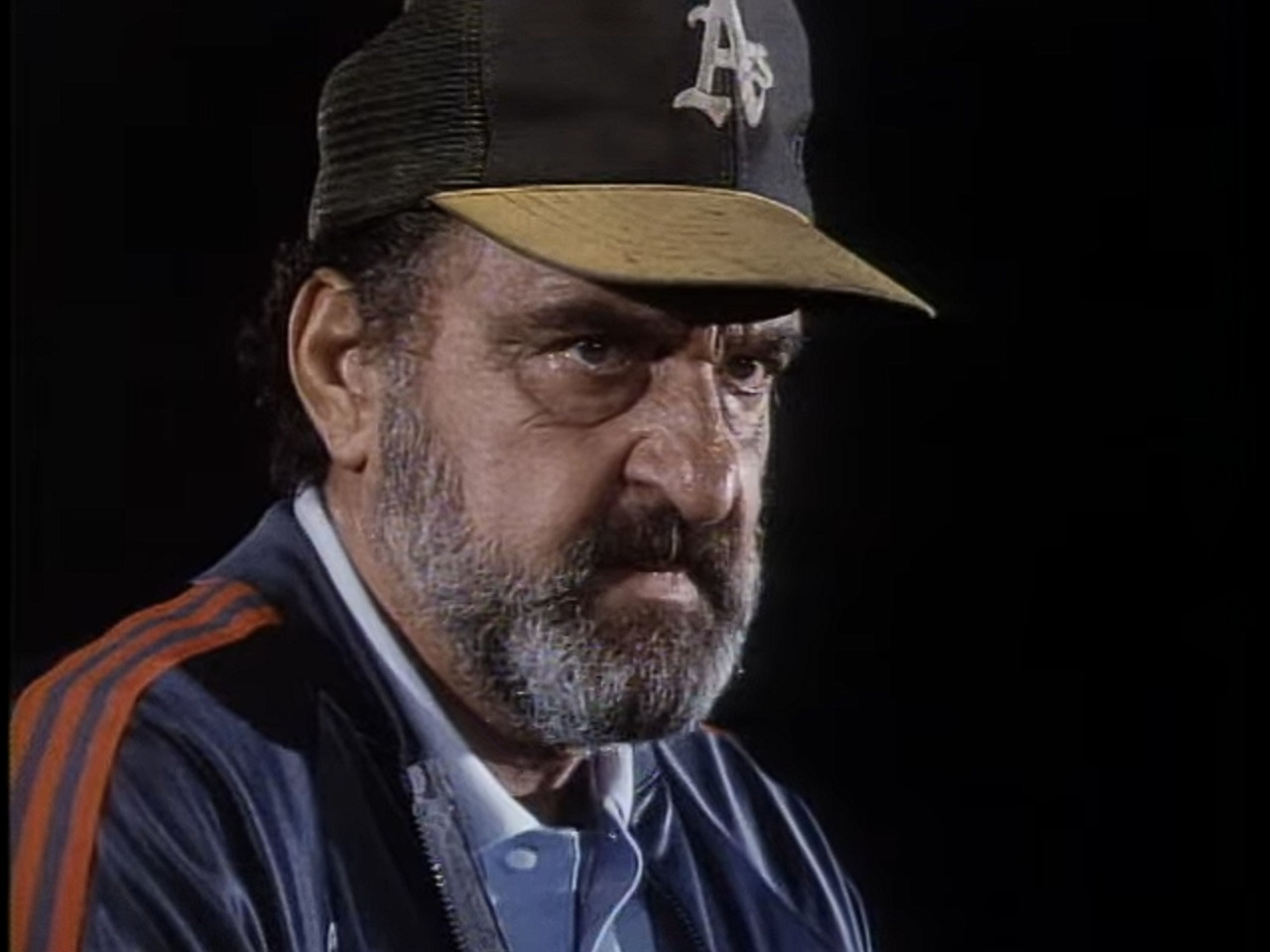
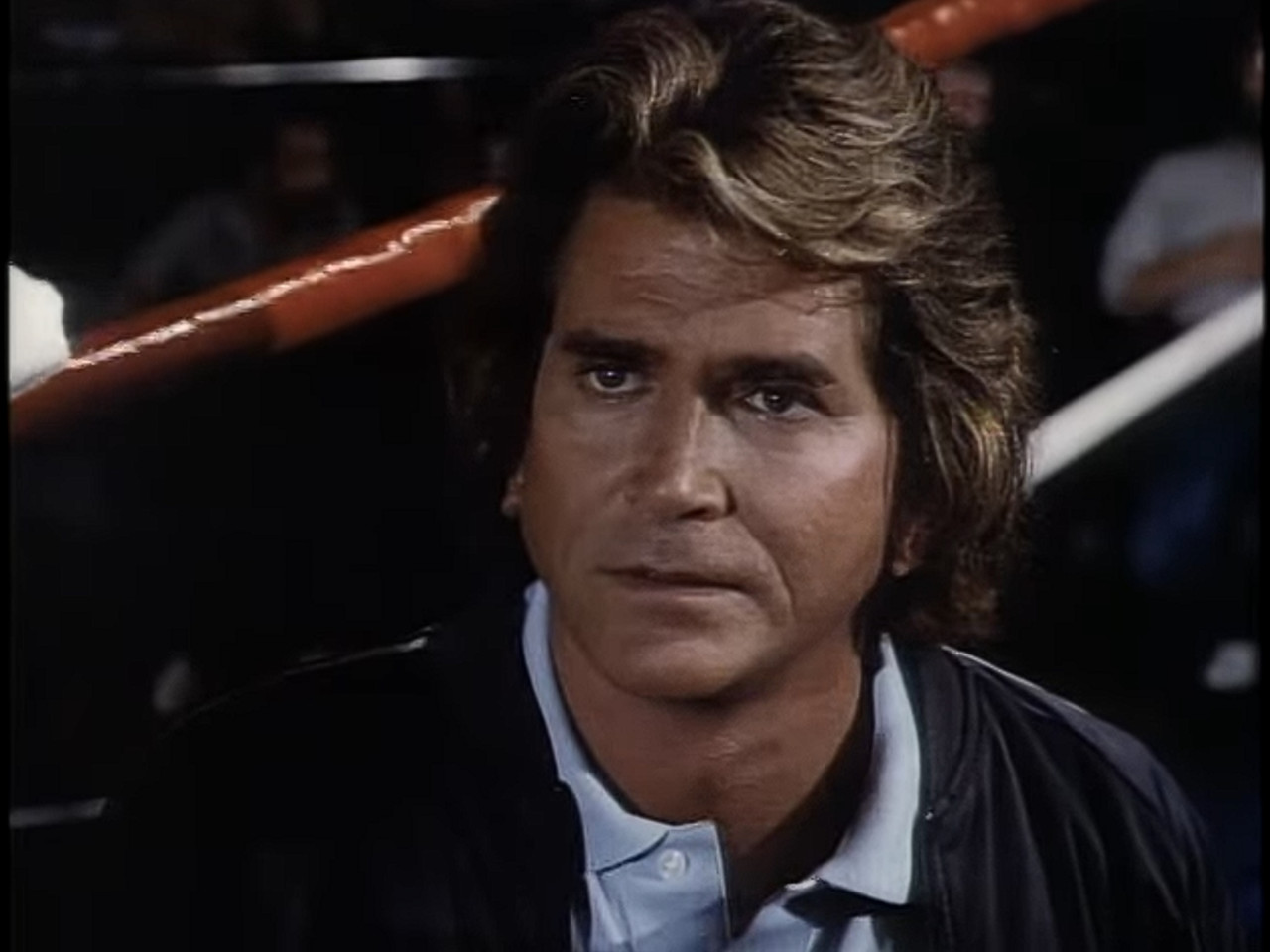
Look how serious they are when it comes to fixing.
And when the characters react with excitement during matches—or anger at the revelation that Morty’s brother is fixing fights—it’s probably unacted.
I mean, they really liked this.
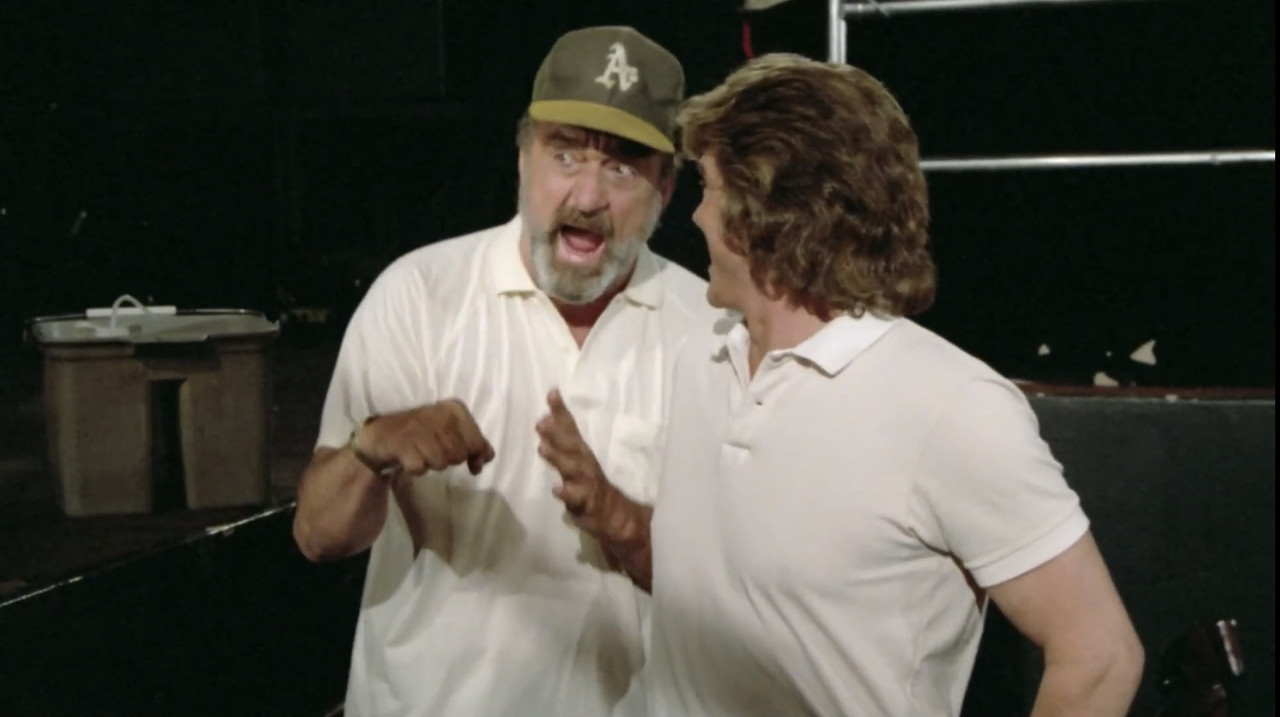
They clearly enjoyed this.
Anyway, the boxing magic in the 1980s was at Reseda, essentially.
However, it didn’t end well: once French passed away in 1989, the club lost much of its popularity (in part due to a revoke in alcohol license, and partly because the boxing wasn’t the same anymore). There were a few attempts to restore its popularity in the late 1990s through more boxing, but none of them lasted long enough to succeed and the building was essentially deserted for years.
Eventually, the place closed down, and in the early 2000s it was replaced by a church.

Anyway, given that large sections of the assignment were actually produced at the club (while still a club), this episode is also a sort of record which allows people to get a rare look inside this club, explore what it was like (especially because there are very few pictures and videos available).
It also gives 1980s Pacific fighters the chance to nostalgically look back at where they started.
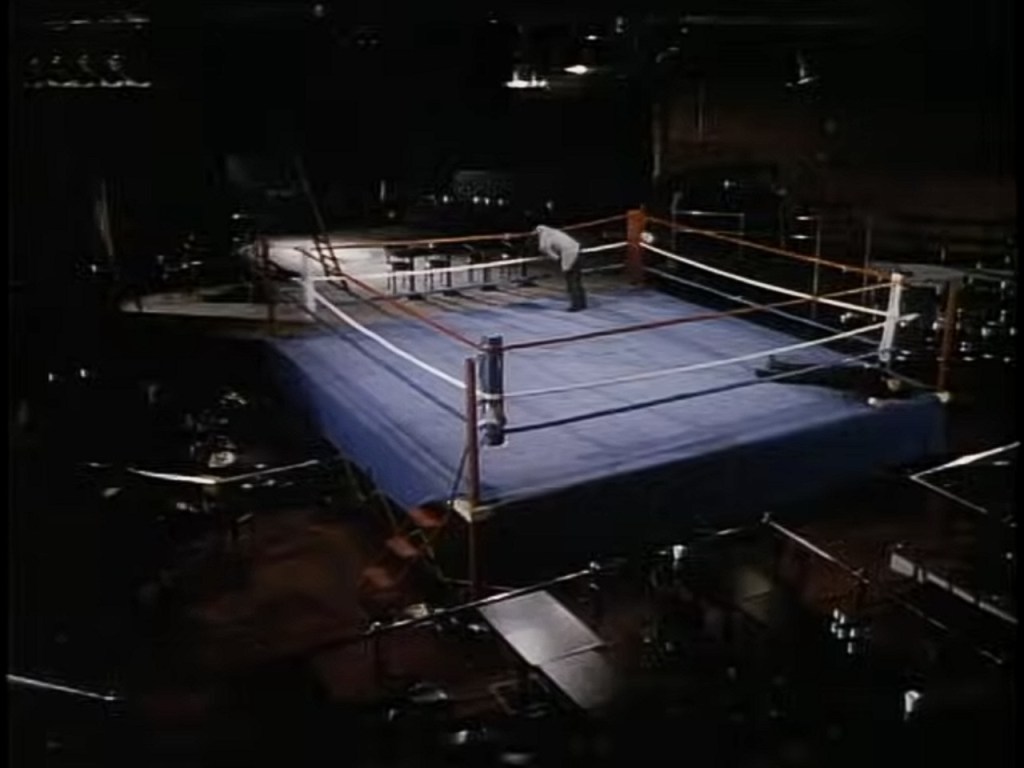
There was another episode in season one partially shot in there—but on that occasion, it was only for a few minutes in the epilogue. This time, it’s almost all of it.
Glossary:
Angel Revelation: there’s no real revelation, but at the end of the episode Jonathan shows off his powers that essentially reveals there’s something off.
Blooper: one during the intense fighting scene compressing months of training, when the headline from a fictional newspaper appears. And to anyone familiar with the series, it’s clear where this thing is getting at.
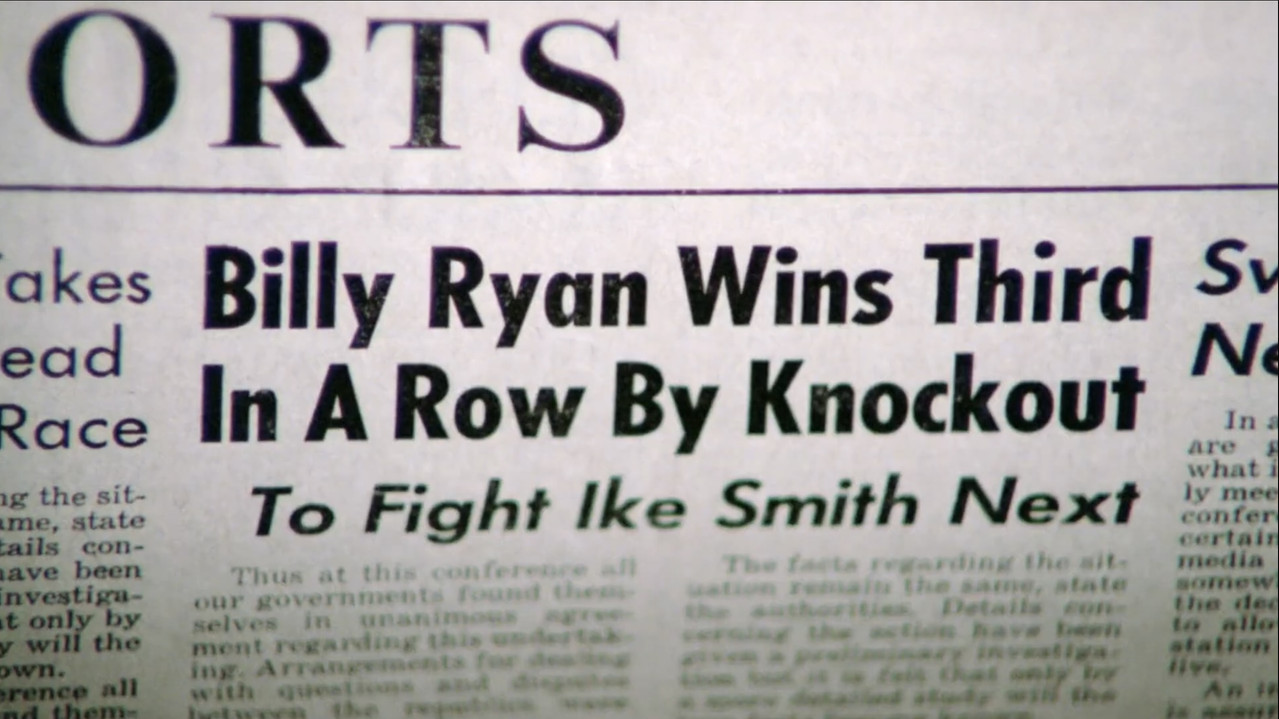
They tried to cut this, but it didn’t work: the text in the paragraph under “Next” is exactly the same as the one in the left under “race”, and that’s apparent because the last words are exactly the same.
But again, this was no new blooper: in season two, they did the same thing when showing the newspaper about baseball, and in season three again (twice).
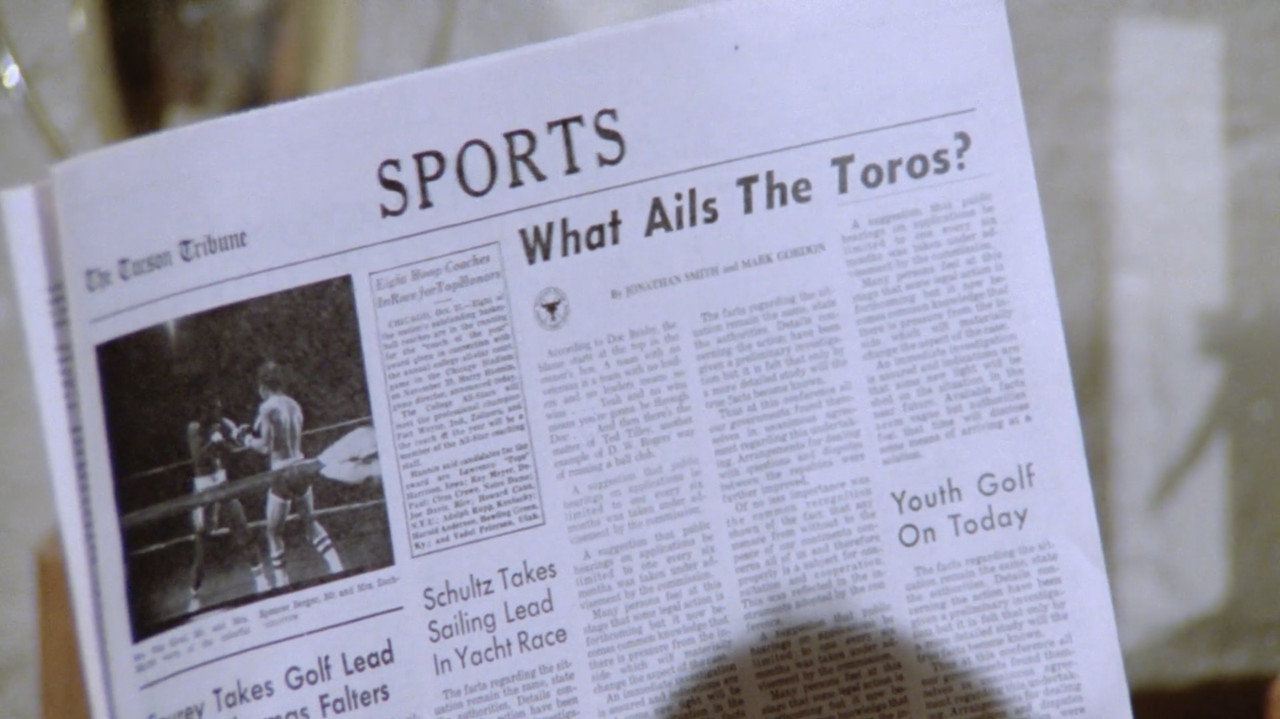
Every time there’s a fictional newspaper, there’s a blooper too.
The Stuff Powers: at the conclusion of the episode, there’s an intense fight scene where Jonathan shows off all his otherworldly strength like never before.
Almost.
Actually, he had already used the strength like that in Plane Death in season one, when he fought off those thugs who had killed Mark’s friend.
But Jonathan goes one step ahead, and does like in that episode: he stops bullets.
One thing is lifting up and tossing a man, but another is catching bullets with bare hand. Now those people will almost certainly believe he’s some sort of angelic being: Jonathan just exposed the existence of angel to teach those guys a lesson.
Actually, that’s not entirely unprecedented: in Catch A Falling Star in season one, he did basically the same thing when he rescued Mark from being robbed by “Junkie”, and caught bullets like he does here.
However, Junkie also admitted he was high.
By contrast, now those thugs are well aware of what’s going on. Supposedly.
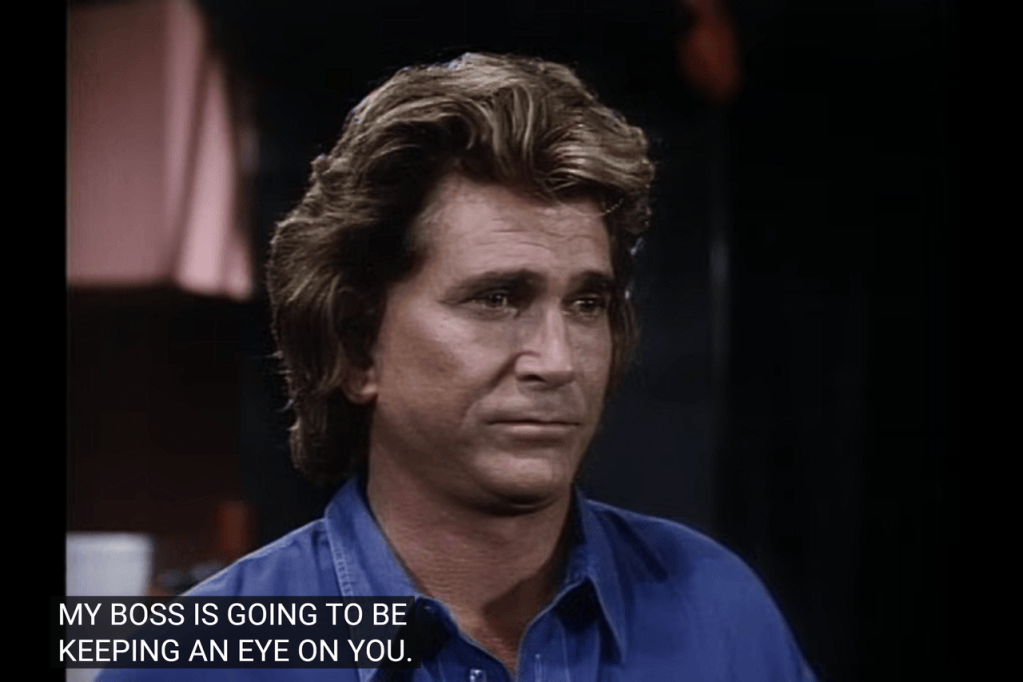
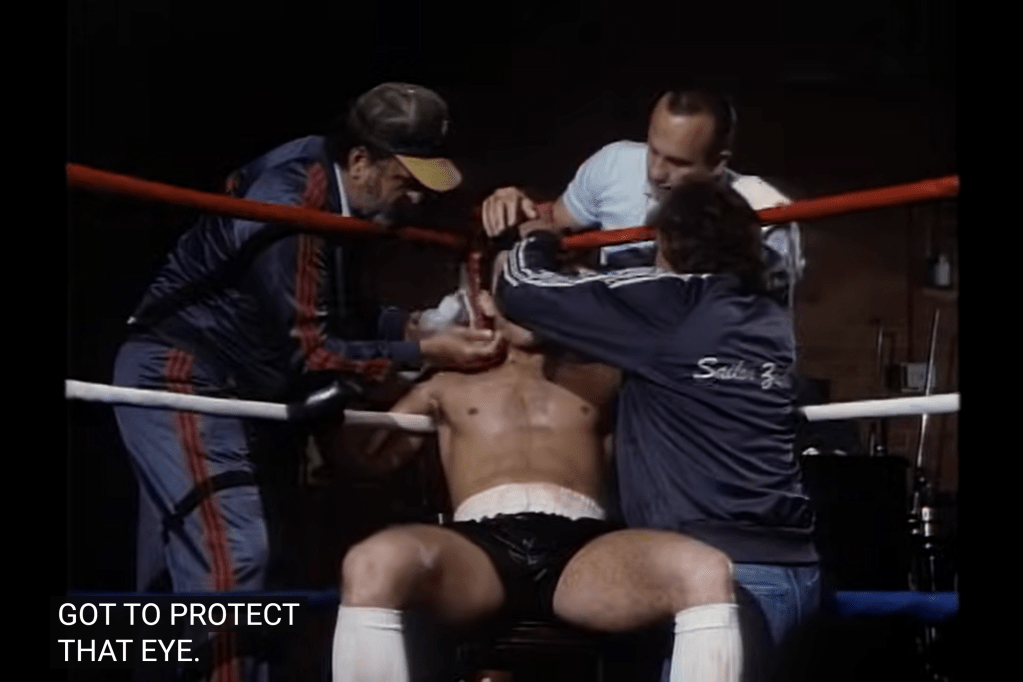
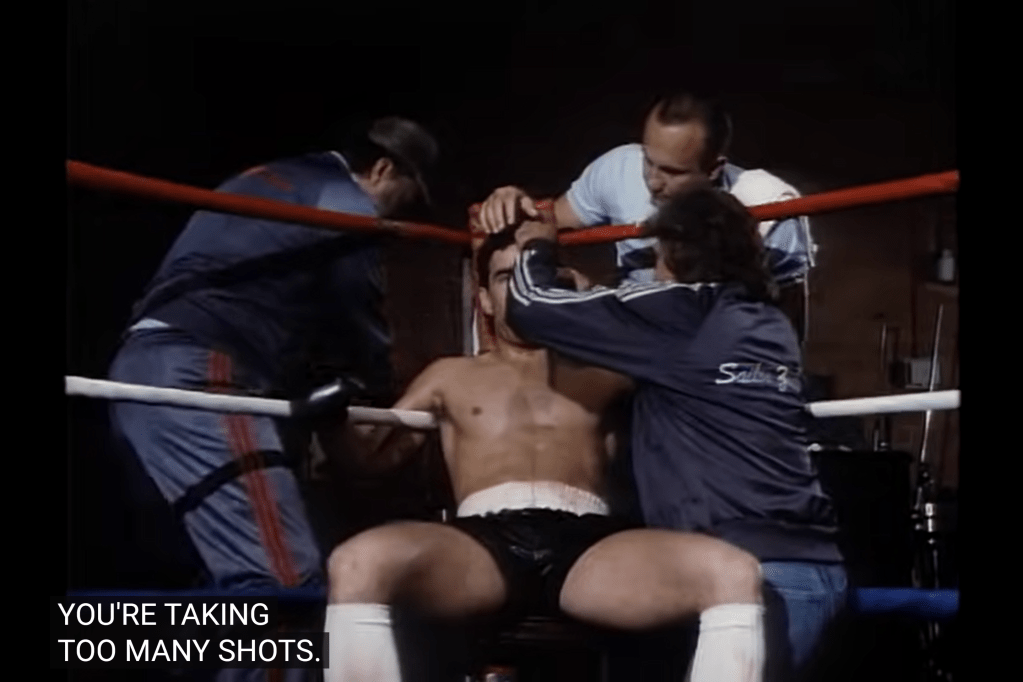
The Job: they are supposed to work as cut-men for Morty. That’s not an new job: actually, it’s exactly the same thing they did in the season one’s episode about boxing. And on that occasion, they got the job out of no reference, just like they do it here.
That’s unusual: in the earliest episodes of the series, Jonathan obtained the job without any reference by just proving he was the best. And then, starting from Catch A Falling Star, they decided to change this rule and Jonathan was supplied with angelic references that enchant any potential employer. And he lent them to Mark too.
And this episode feels like a return to the origin, when Jonathan won the employer without resorting references with the stuff. Even though the way he does that is a mystery: the episode starts when Jonathan and Mark are already by Morty’s corner, and only after that does Morty’s brother go talking to them and confirm their hiring. But there’s no explanation as to when and how precisely Jonathan and Mark found and introduced themselves to Morty in the first place, nor how they got to be by Morty’s side in the first game shown in then episode.
Ratings: 22 million audience. 43rd weekly TV program, 12th TV genre show.
This episode aired in late September 1987, and the ratings were a long shot this time around: generally, the series enjoys its greater popularity in early October (usually in the episodes airing before the World Series) and late January (the episodes after the Christmas Holiday break). However, Man’s Best Friend Part 2 suffered an unexpected loss in ratings compared to part one, and that was not a good lead-up to this. But the season wasn’t doomed by just one episode.
However, the moment ratings came in this week, producers realized the series didn’t get any better. Actually, it’s getting worse: this episode dropped two points compared to its predecessor—which wasn’t very popular either—and became the least-watched episode of the entire series up to that point. It even scored lower than the season three finale, which was the least-watched episode before this. And that one aired in late May, a time when ratings dip in any TV program—so it was partially justified. But this time, it’s different.
That’s definitely problematic and particularly unexpected for many reasons: one, the loss is so big. After Man’s Best Friend, there was no assurance this episode was going to be as successful as the other episodes airing this time of the year in the previous seasons, but certainly it was hard to see this coming—an episode scoring even lower than those in Spring between reruns. And then, because October is usually the most popular month for the series: for example, Bless the Boys in Blue in season two aired two years earlier exactly around the same time as this, and became the most-watched episode of the series by then (it was surpassed multiple times, but still remains the fifth most watched one), while For the Love of Larry in season three aired just one year ago, and was its season’s top-rated episode. Again, those episodes in seasons two and three both enjoyed a stronger lead-up from the episodes airing the preceding weeks. In contrast, this season experienced an abrupt drop in ratings right from the start. But that’s all the more reason producers should now be worried about the season’s trajectory and must determine whether this episode was an isolated underperformance or a sign of a broader, ongoing decline which could potentially continue in this new season. Only the ratings of the next episode will provide a clearer answer.

Leave a comment