
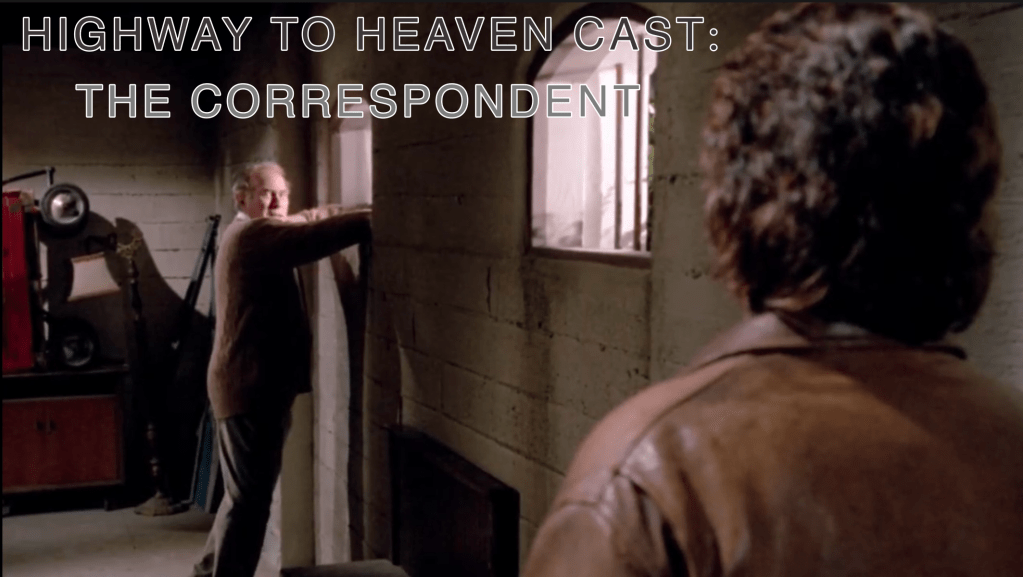
Highway To Heaven Cast: The Correspondent
Airdate: 02/24/1988
Directed By: Michael Landon
It’s time for a peculiar episode. After Jonathan’s emotional spotlight show one week ago, the audience probably expected something lighter this week. But Highway is about to surprise everyone. This is arguably one of the most peculiar episodes in the entire series. It is also a war episode, though not about Vietnam this time. Perhaps the writers realized they had already covered that subject twice in season three and felt that another Vietnam story in season four would have been excessive. They’ll make up in season five, though.
Guide:
- Assignment
- Background
- Characters
- Production and Setting
Glossary:
- Angel Revelation
- Blooper
- Highway Actors
- Friendly Jonathan
- Highway Of Mysteries
- The “Stuff” Powers
- The Job
- Ratings
Complete show available here.
Assignment: Jonathan is assigned to help an imprisoned war correspondent reconcile with his wife in a dream.
Extremely, utterly peculiar. A war correspondent has been imprisoned in a foreign country and is facing execution very soon, apparently.
As he becomes increasingly disillusioned and hopeless, he begins reflecting on his life and all the regrets he carries, by writing them down in a letter to his wife.
Eventually, he closes his eyes and suddenly finds himself back home with his wife—and Jonathan.
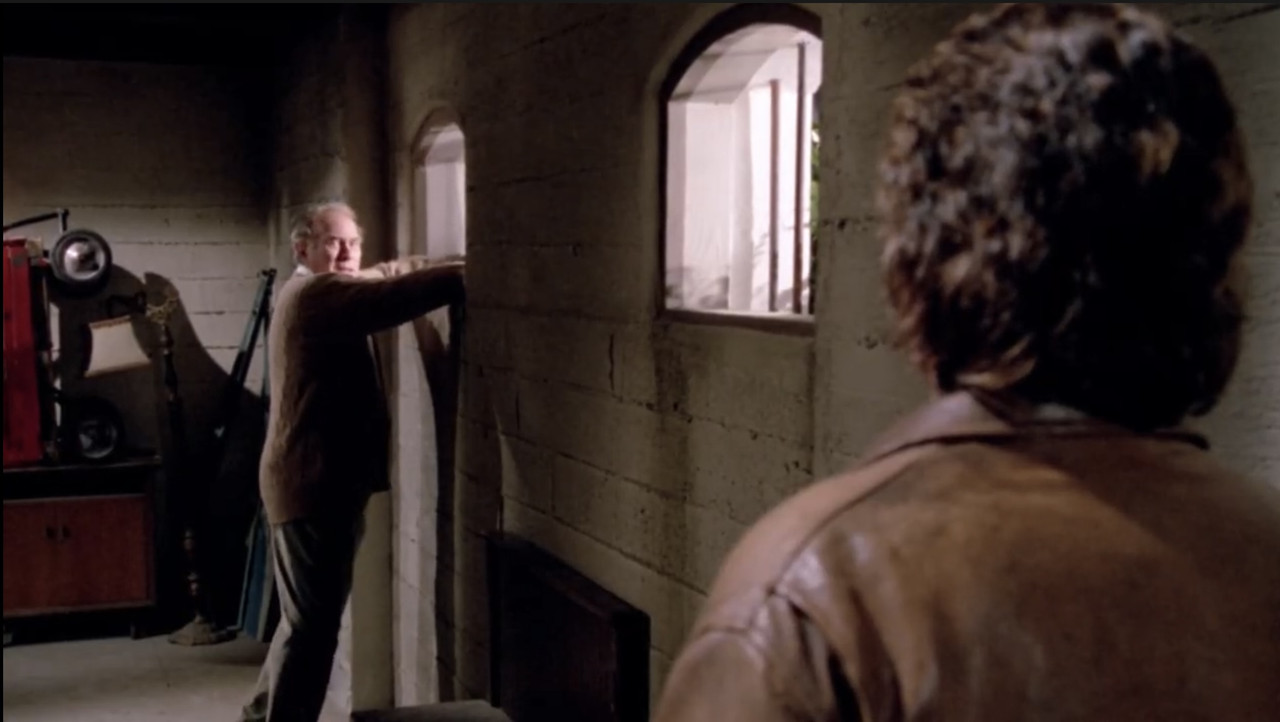
So, there goes some explanation.
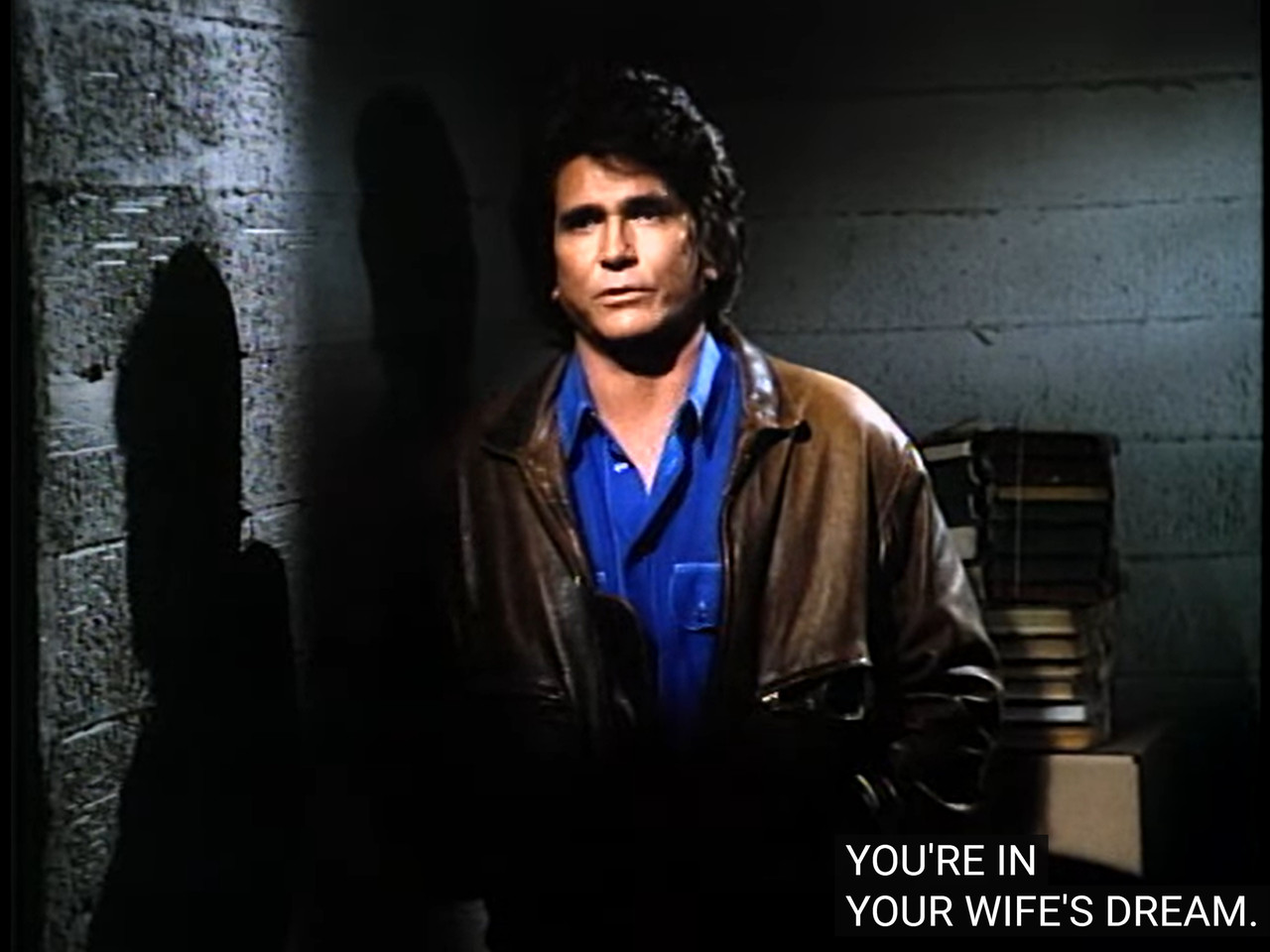
Apparently, Jonathan has entered the dreams of the man’s wife and brought him there as well. Without Mark, though.
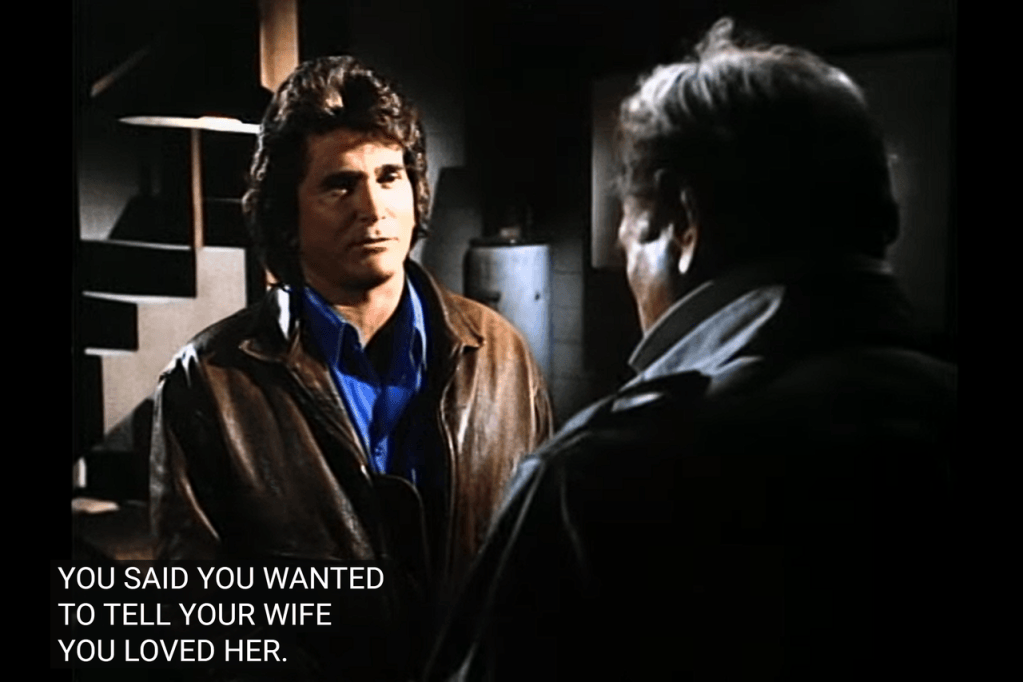
And they are ready to start a journey into a housewife’s mind.
Get ready to learn what a housewife dream of in Landon’s series.
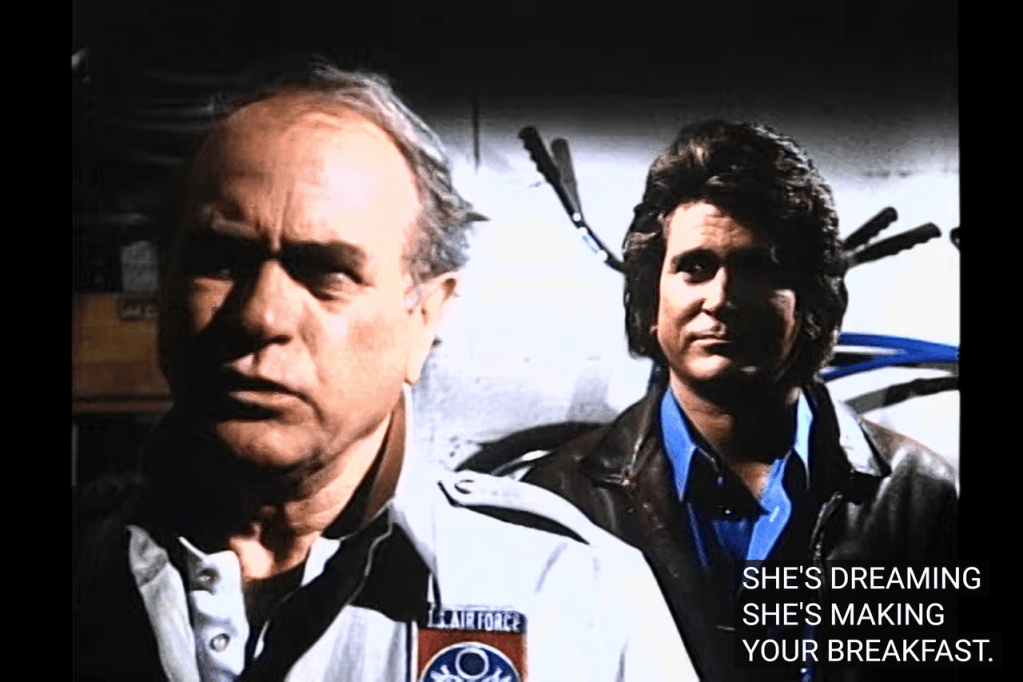
That’s what housewife dreamed of in the 1980s.
That man is slightly confused too.

Like: “Is that everything that woman thinks about?”
Anyway, the assignment is to help this correspondent Hale live within his wife’s dream (or some dream, that’s a mystery) and make peace with his regrets and his wife before it is too late.
There are several things that make this episode incredibly unique. First, it is a Jonathan-only assignment. For the first time in the series, Mark is completely absent from the mission. Actually, he is missing for most of the episode and only returns during the epilogue for just a minute.

There have been several assignments in which Jonathan and Mark’s contributions were uneven: usually, when an assignment was particularly sprawling, Jonathan handled one subject while Mark took on a secondary role (the season one Finale). On some occasions, Jonathan carried out most of the assignment while Mark remained occupied with whatever job they had taken (The Brightest Star and Children’s Children, for example). There have also been episodes in which Mark appeared at the beginning and then vanished until the ending, like Heavy Date, or even episodes in which he never directly interacted with the subject of the assignment—as in The Right Thing in season one The Monster in season two—even though he was there, just in the background.
However, the series had never done anything quite like this before: introducing Mark only at the very end; this episode features him less than any other episode in the entire series.
Another unusual aspect is its opening: much like The Hero, it doesn’t begin with the opening credits followed immediately by the title. Instead, after the introduction, the first few minutes consist of real war footage. And it is remarkably violent, showing children’s corpses and civilians screaming and running as gunfire echoes all around.

This part is unflinching—the most extreme part in the entire series.
It is unclear whether the footage was produced specifically for the episode or taken from an actual news documentary covering a random conflict, which is certainly what it looks like. Either way, it is a wringer. No idea how something like this made it onto network television, in the ‘80s, for a religious TV series.
Perhaps the producers knew the ratings were declining and that few people would be watching, so they decided to experiment throwing in something unprecedentedly wrenching and completely unlike anything the series had ever attempted before. Only after this jarring scene does the title finally appear, as if nothing unusual has happened. It is incredibly strange.
If that weren’t odd enough, adding to the uneasy atmosphere, the entire assignment has literally no musical score—just excepting for a few seconds shortly before each commercial break. As if David Rose took a vacation and was unavailable for this. It’s all greatly unsettling, and feels more like a play.
Even Jonathan’s role is quite peculiar. Based on the premise, the assignment initially resembles Going Home, Going Home from season one, when Jonathan entered Mark’s dream and recreated elements of his past. However, this dream supposedly belongs to the correspondent’s wife, which makes the situation very different. In fact, it feels less like a dream and more like a nightmare, one in which the correspondent is trapped without realizing that he has spent his life neglecting his wife and may no longer have any chance to make amends. In some ways, it does feel like a sort of Our Town, with Jonathan doing the chorus guiding the audience.
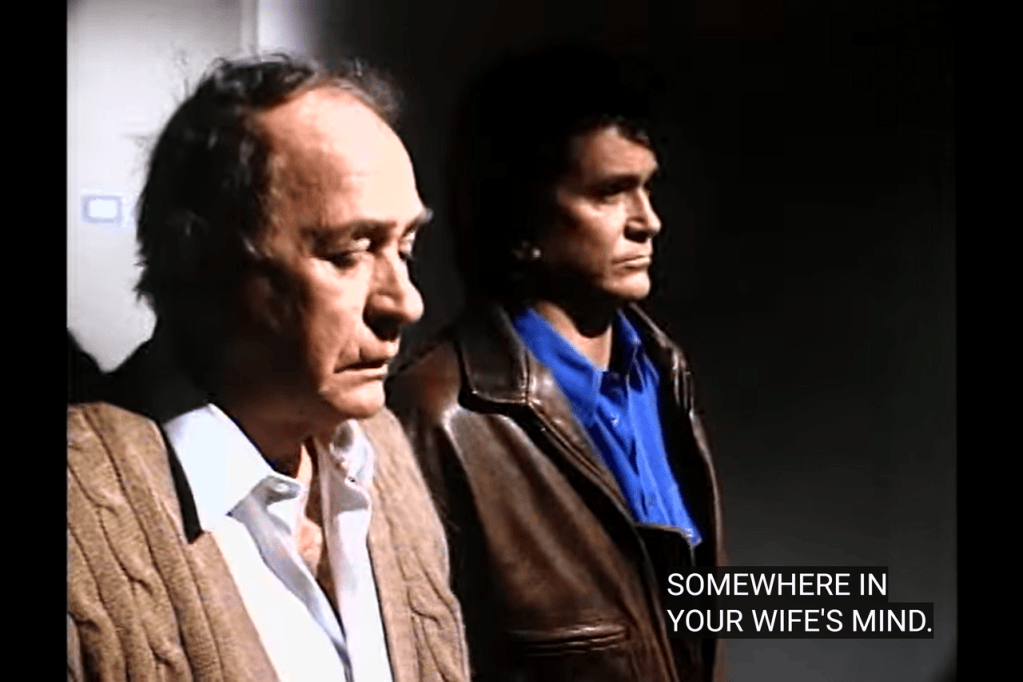
Really, this episode is surreal as hell.
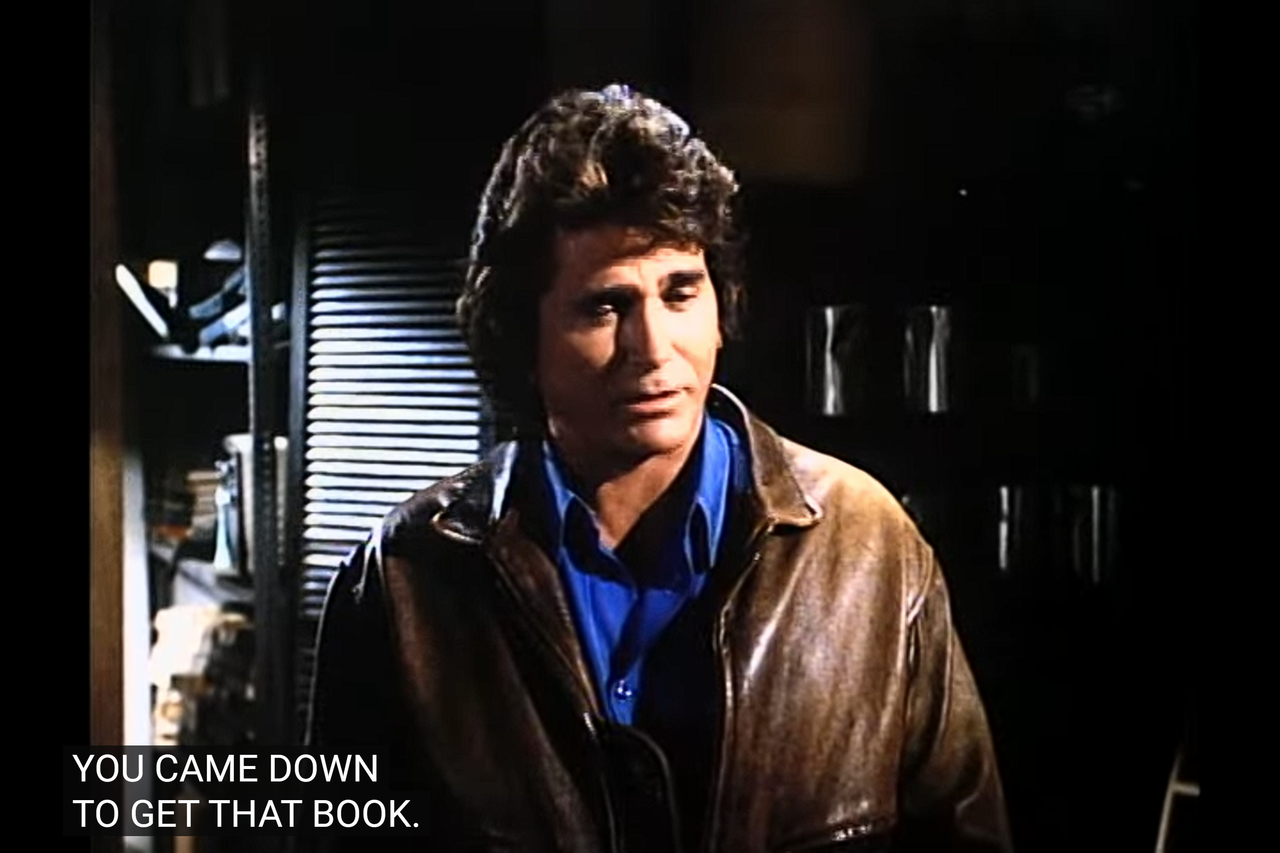
Maybe that’s what the basement stands for.
- Background
The background mechanics completely unclear. Since the setting appears to be a dream, it is assumed that only a single night is passing. Yet because the episode never fully establishes whether this is truly a dream, it could theoretically last much longer than that.
The setting itself is equally mysterious. It’s never specified which conflict the correspondent was covering, only that it is somewhere in South America, or at least that’s implied by the correspondent’s wife.

That raises further questions, since there was no major war taking place there during the mid-1980s, when the episode is set.
It’s all set within a dream (or a nightmare), so the timespan is blurry as well.
- Characters
This is where the episode becomes even stranger. The assignment features Jonathan exclusively and sidelines Mark completely. Not one of those cases where Mark remains in the background or never interacts with the subject of the assignment. He’s just not there.
The episode The Secret in season 2 was a an assignment with Mark exclusively, but at least Jonathan’s absence was justified at the beginning, when he beat some thugs and was called back to Heaven as a result.
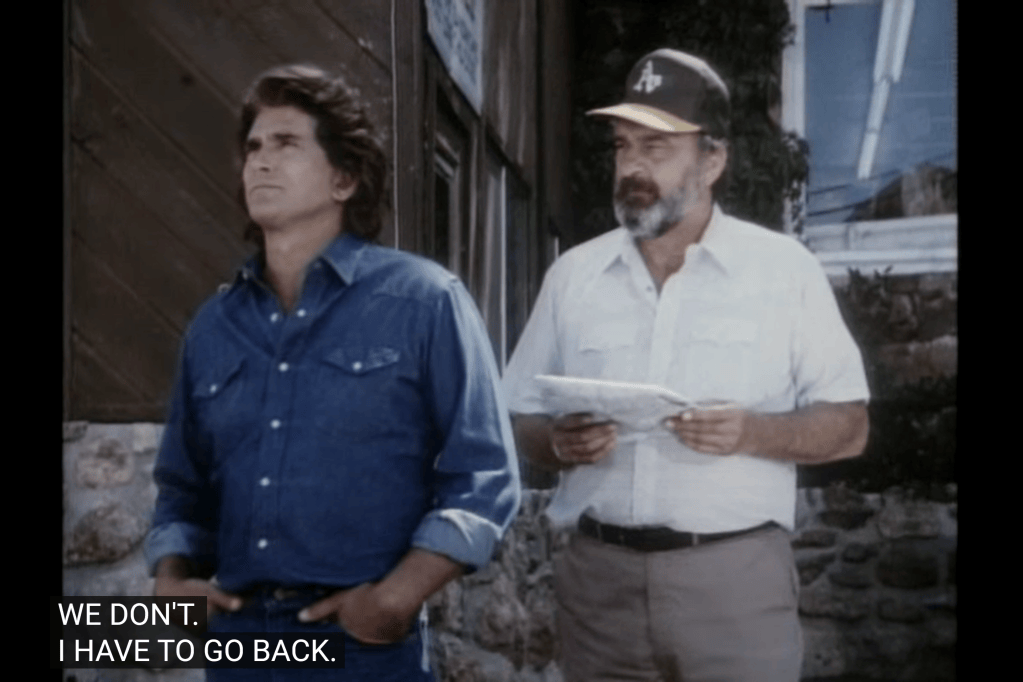
Instead, this episode offers no explanation.
For much of the episode, it’s almost as though something had happened behind the scenes—that perhaps French had clashed with the production, and Landon had written him out like he did in Little House, and now the series will go on as if Jonathan had never had a human companion at all, or by replacing him with another actor (like Merlin Olsen, to name one) pretending nothing had changed and it has always been like this.
Then, at the very conclusion, Mark suddenly reappears.

It turns out that he was just asleep: Jonathan carried out the entire assignment alone, and afterward he merely wakes Mark up. No explanation is given for his absence. No special reason is offered. Jonathan simply startles him awake, and everything immediately returns to normal.
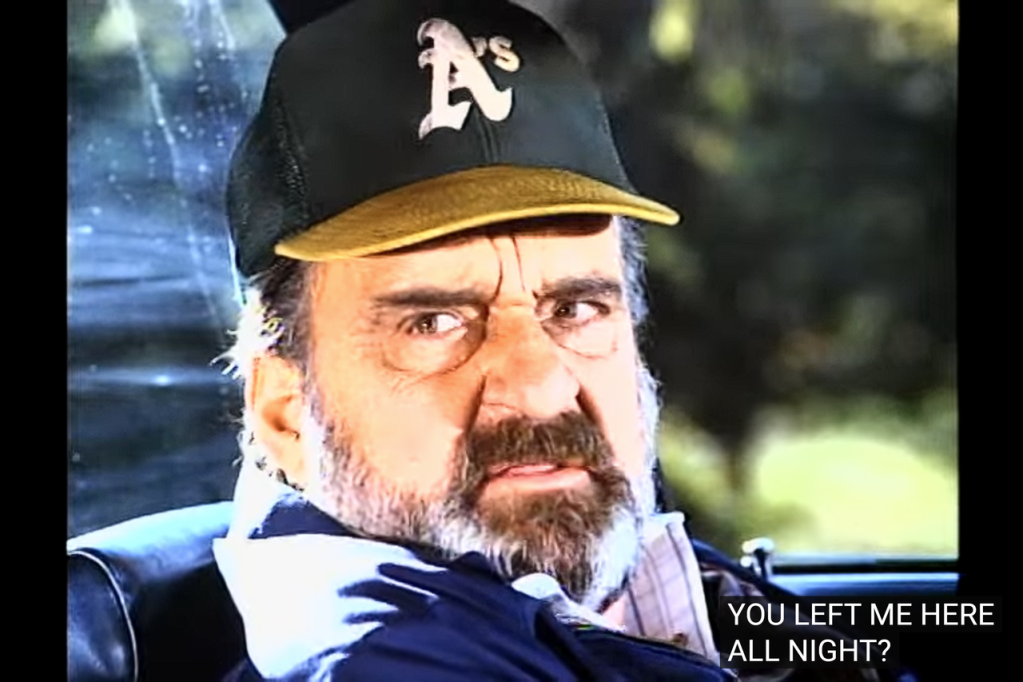
Friendly Jonathan is back, Mark is back, and the series resumes exactly as before.
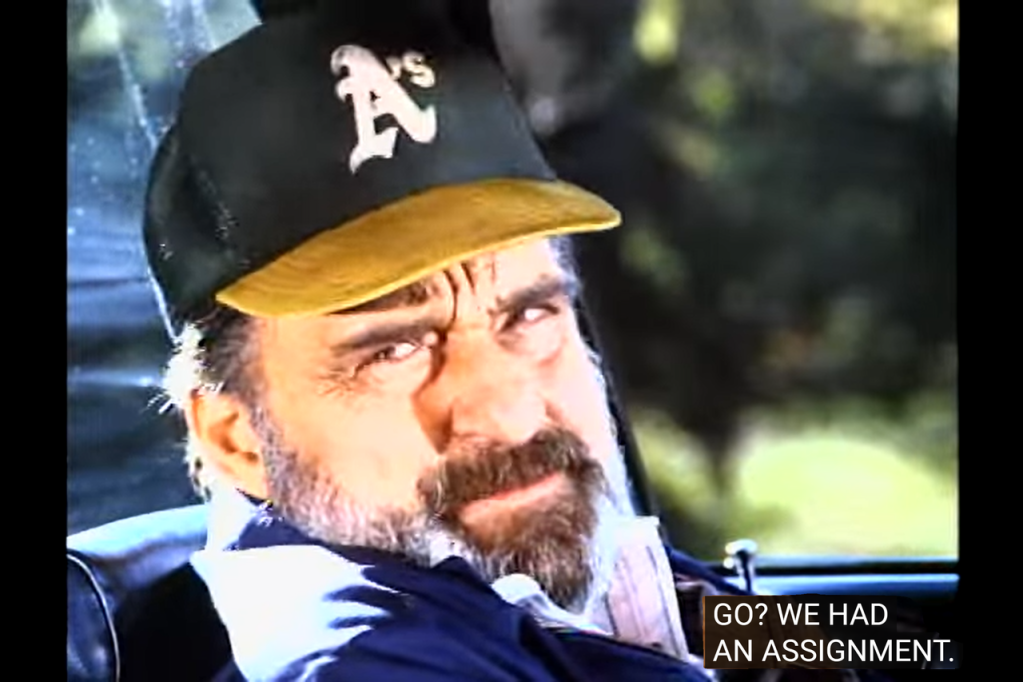
Maybe Jonathan is subtly firing him, that’s why he didn’t bother taking him too.
- Production and Setting
The production date is unclear, although it’s possible to work it out: it took place in January 1988, after Back To Oakland and before the next episode, which began on January 21; concurrently, they also shot the additional part of We Have Forever (which was originally meant to be a single episode), so production must have taken place at some point between January 12 and 20, alongside We Have Forever part two.
Maybe French was absent due to schedule conflicts with his other commitments (keep in mind he was involved in boxing promotion, and 1988 is the year his fighter Michael Nunn won the world title; so maybe he was just too busy to make this and they wrote him out to give him a break).
Also, the script may provide a possible explanation as to the episode’s peculiarity: it was written by Lan O’Kun, the man who writes like Highwaymen. Most of the times, he’s the one behind some of the series’ most unusual episodes: he tried to introduce Mark’s brother in The Smile In The Third Row, excluded Jonathan and Mark’s perspective on the assignment twice so far (the season three Christmas Special and Fight For Your Life) and frequently deploys voice-over, which is used very rarely otherwise.
I mean, he’s the same guy who wanted to give Mark a lost brother just for a single episode. Somebody ought to stop him.

The highwaymen are those writers who only contributed to a single episode in the series: they are worth pointing out for the episode they submitted are often the weirdest ones and usually mess up the established logic of the series. He was part of the series’ recurring staff writers, so he shouldn’t be considered one of the highwaymen, but he fits entirely this category: the episodes he wrote always presents something weird and unique, and problematic.
- The “Stuff”
And things get even more complicated. Jonathan and Hale enter the dream. It’s far from being a new case: other examples of Jonathan playing sandman are the season one Christmas Special and Going Home, Going Home (Season one), then Heaven On Earth and To Bind The Wounds (Season two), Love And Marriage (although he sent Mark alone on that one) A Mother And A Daughter and the Season Three finale (season three), Halloween Special (though that time it may also have been just a nightmare) and the women prison episode in season four. This excludes We Have Forever, in which it remains a mystery (at the end of Part Two, it seemingly turned out to be a dream; more about it at the “Highway Of Mysteries” entry of that episode).
But the way they handled it was unprecedented: for one thing, he left Mark and brought someone else in the dream. Secondly, and most importantly, the person he’s invading the dream of is unaware of it. Even in A Mother And A Daughter he did a similar thing, but that was different: he actively manipulated the dream; actually, in all the prior instances he made people dream of what he wanted them to. By contrast, this time he’s just a spectator: he always knows what’s going to happen, but he can’t do nothing about it.
When Hale demands to change the dream, Jonathan tells him that’s impossible.
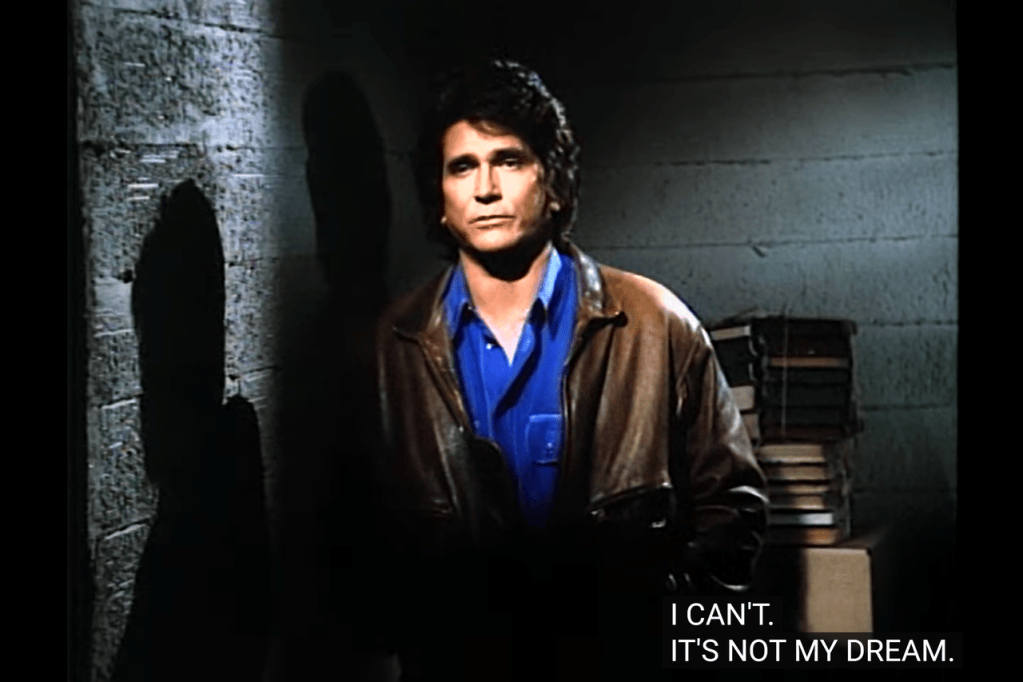
Actually, that’s a big revelation: so far, it’s always been assumed that Jonathan invaded a person’s dream.
However, every time he did that he could also manipulate actively that dream (for instance, he showed Eddy his past and future, he got the daughter to remember her childhood with her mother). But if now he can’t do nothing about it for not being his dream, then it means that there’s something different: it essentially implies that, all the other times he sandman, he didn’t invade those people’s dream; rather, he made them invade his dream—and that’s the reason he could manipulate it.
By contrast, now he’s actually invading someone else’s dream for the first time, so he can’t do nothing.
And there’s more. At some point, Hale is confused by this whole thing.
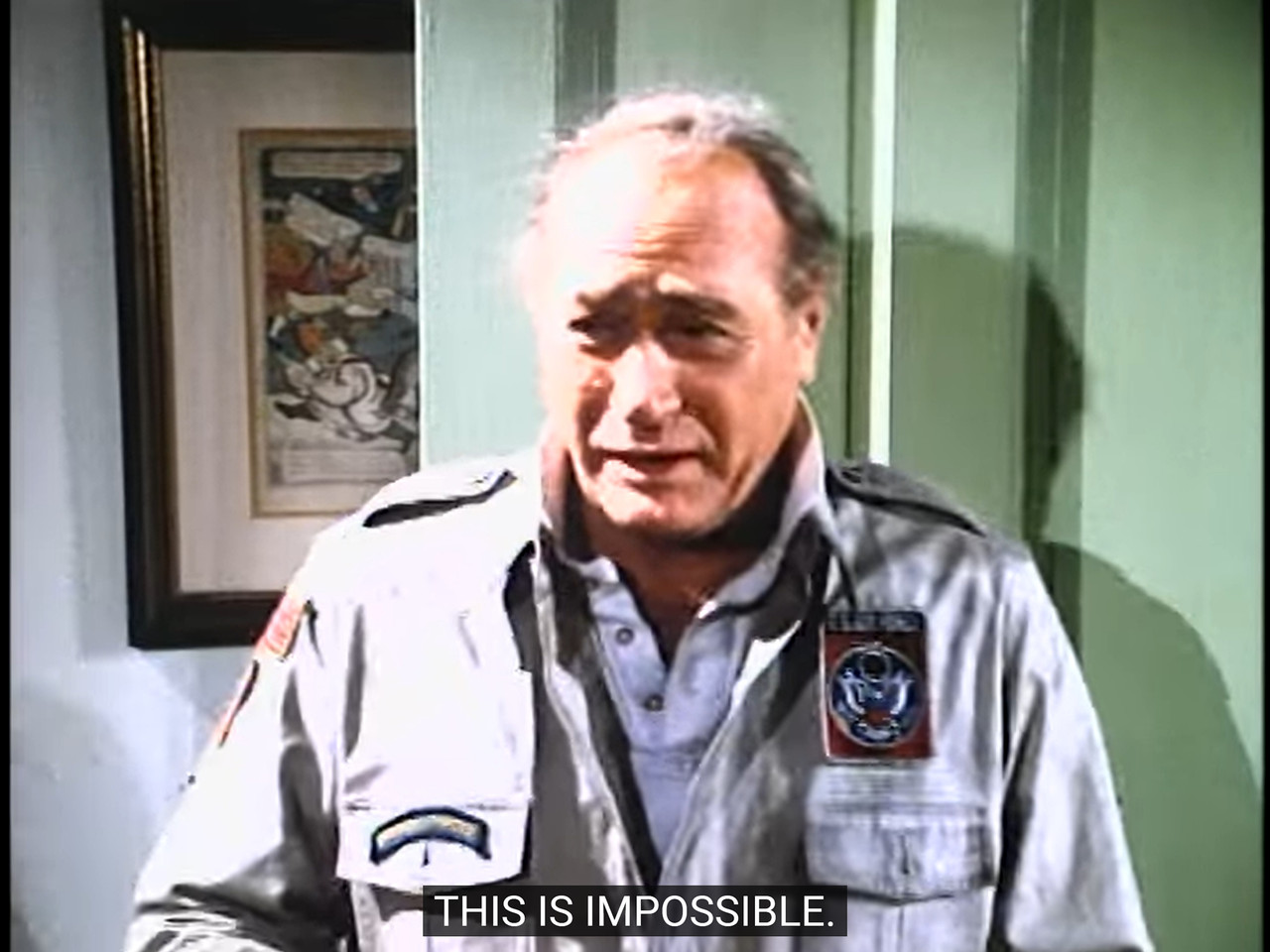
And Jonathan confirms this.
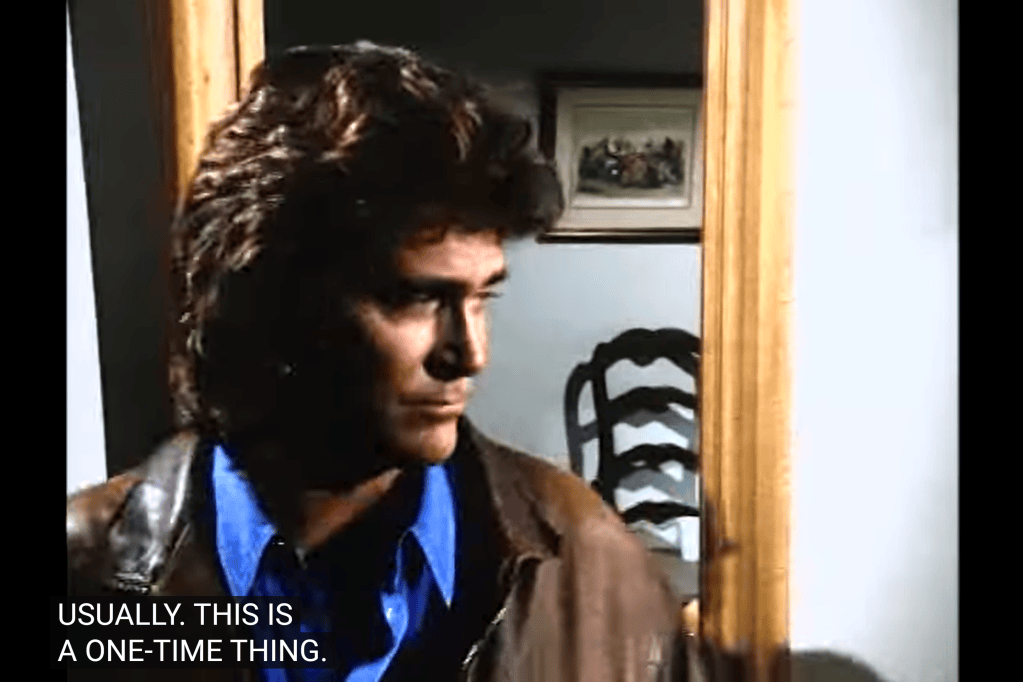
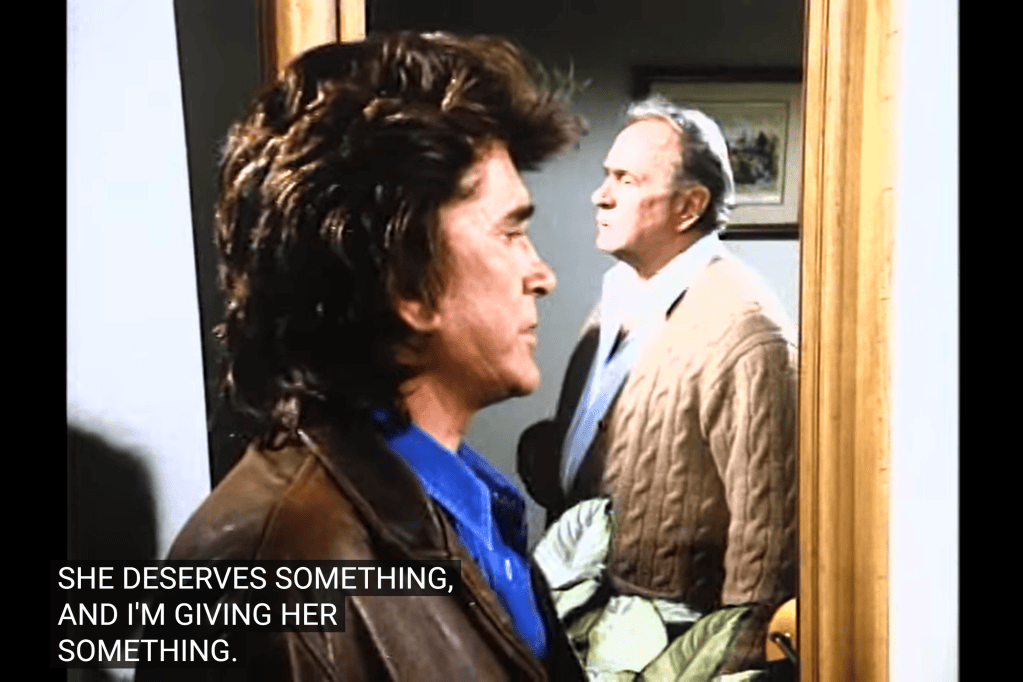
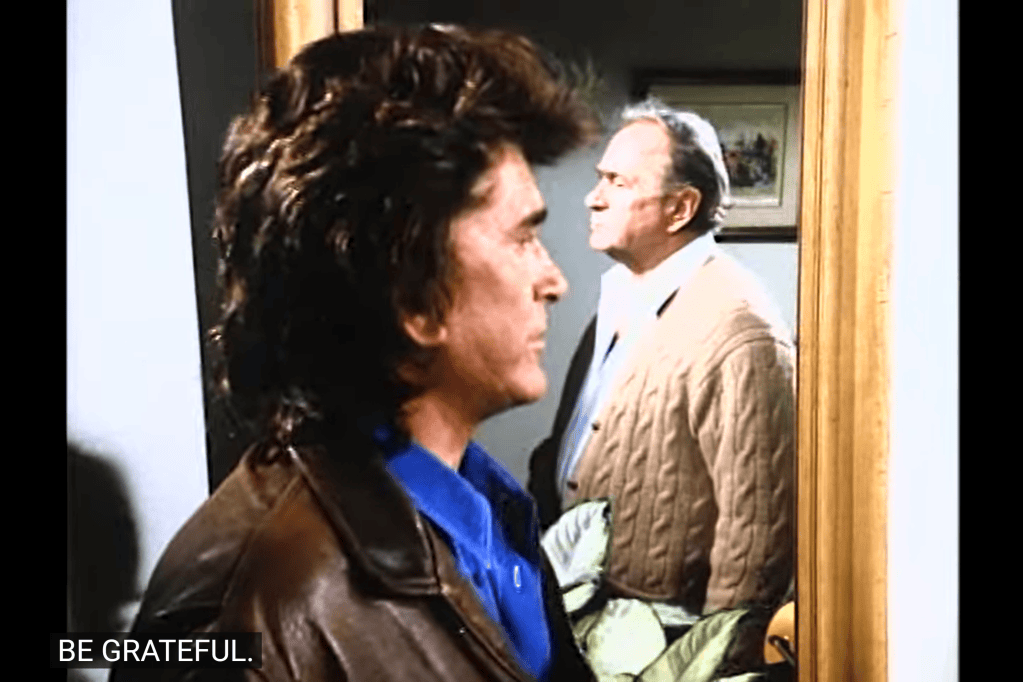
This line has many revelations: one, Jonathan is saying that he’s doing this. So, it’s not his superior’s powers. For example, in Heaven On Earth in season two, Jonathan invaded Mark’s dream but told him that their Boss had to do with it and was behind this. But now Jonathan is saying that he’s doing it with his own probationary angel’s powers.
That really gives him too much power.
Also, when Hale is incredulous of this whole thing, Jonathan is in disbelief.
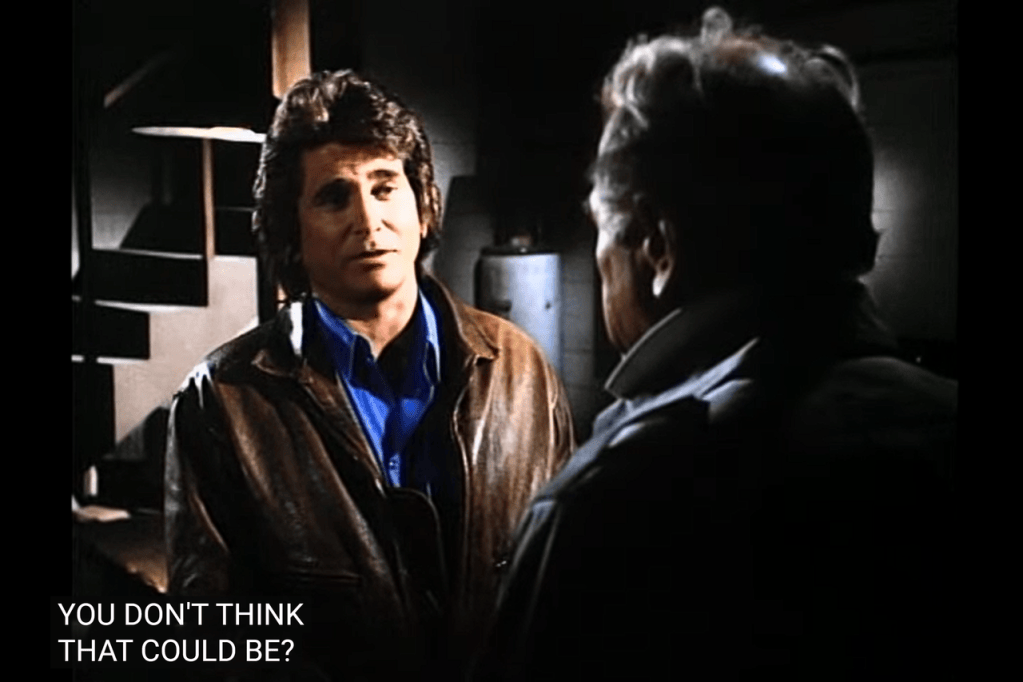
Even Jonathan has admitted it’s a “one-time” thing, of course Hale doesn’t believe him. This question was out of place.
Glossary:
Angel revelation: right at the beginning, Jonathan drops the revelation to Hale in the basement.
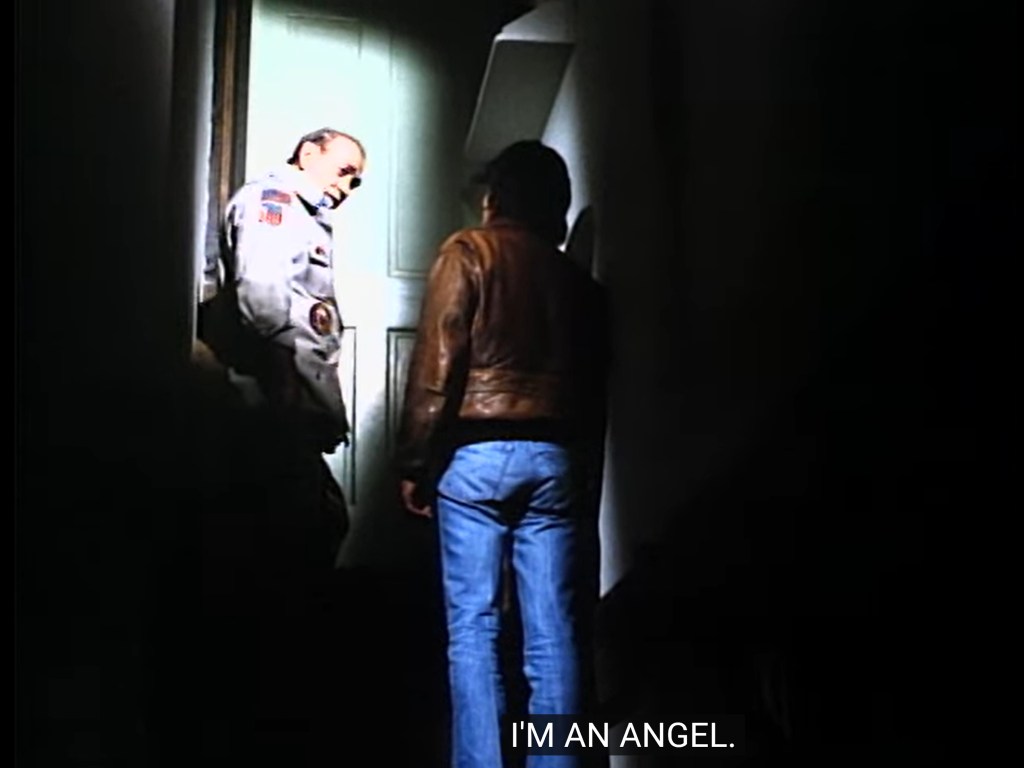
It’s only the third episode this season with an angel revelation (after the Halloween Special and We Have Forever, although that time Jennifer revealed to Jonathan).
Blooper: when Hale’s son is about to go to sleep, he holds his ice cream with his right hand on his chest.
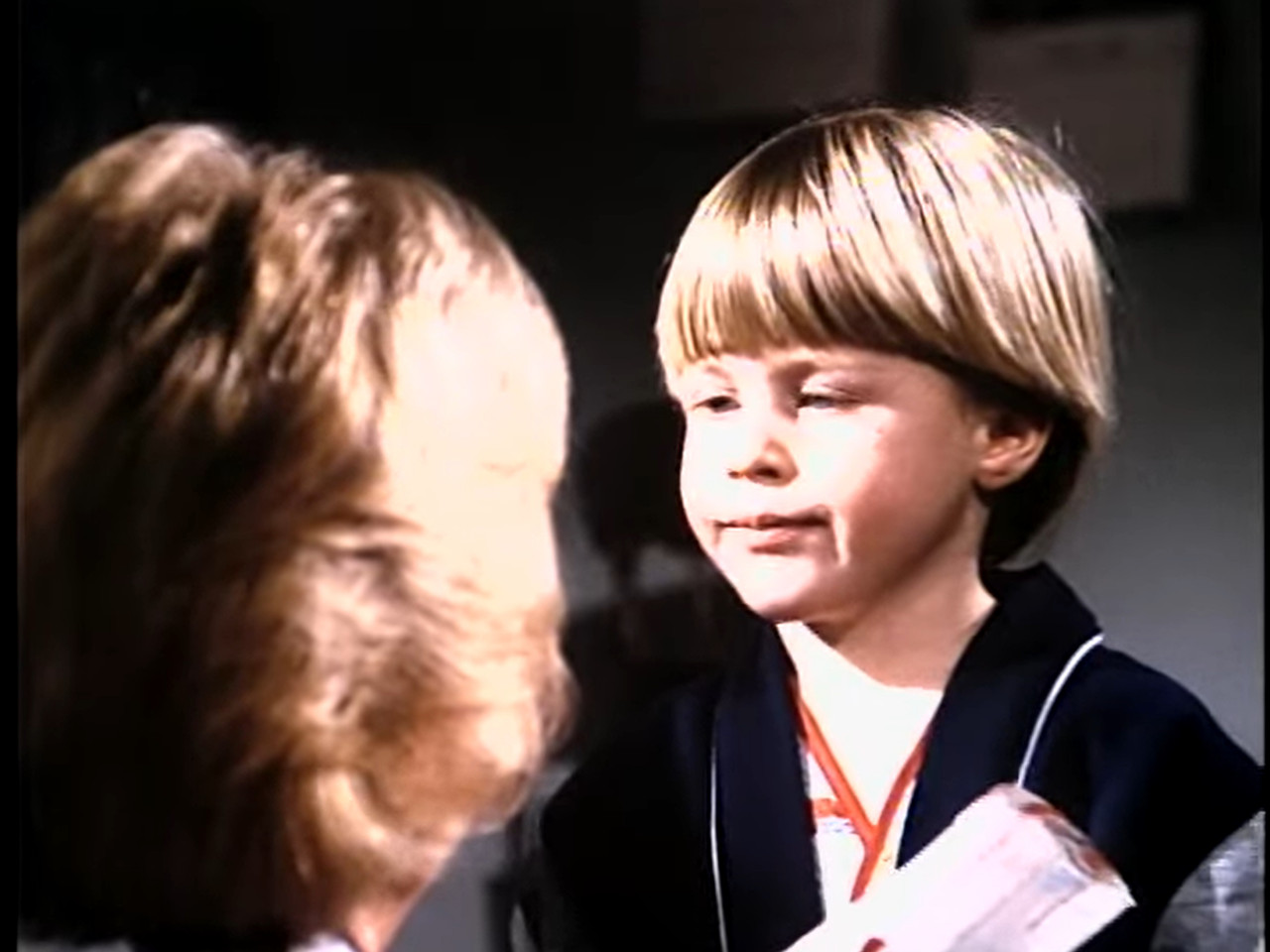
But when he starts out, he holds it down.

Highway Actors: this episode has an old guest actor from season one.

The correspondent’s wife is played by Patricia Smith who had already appeared in A Child Of God, about a dying woman trying to reconcile with her father (the episode which drew from Bonanza).
And she played the mother of that dying woman.

The show seems to enjoy casting her as the loving faithful housewife of stern or emotionally distant husbands. She’s the same woman whose dream is making breakfast for her husband. And her husband is a despondent liar.
Friendly Jonathan: despite Mark being absent most of the time, Jonathan is still very friendly. When he finds Mark in the car, he just wakes him up.
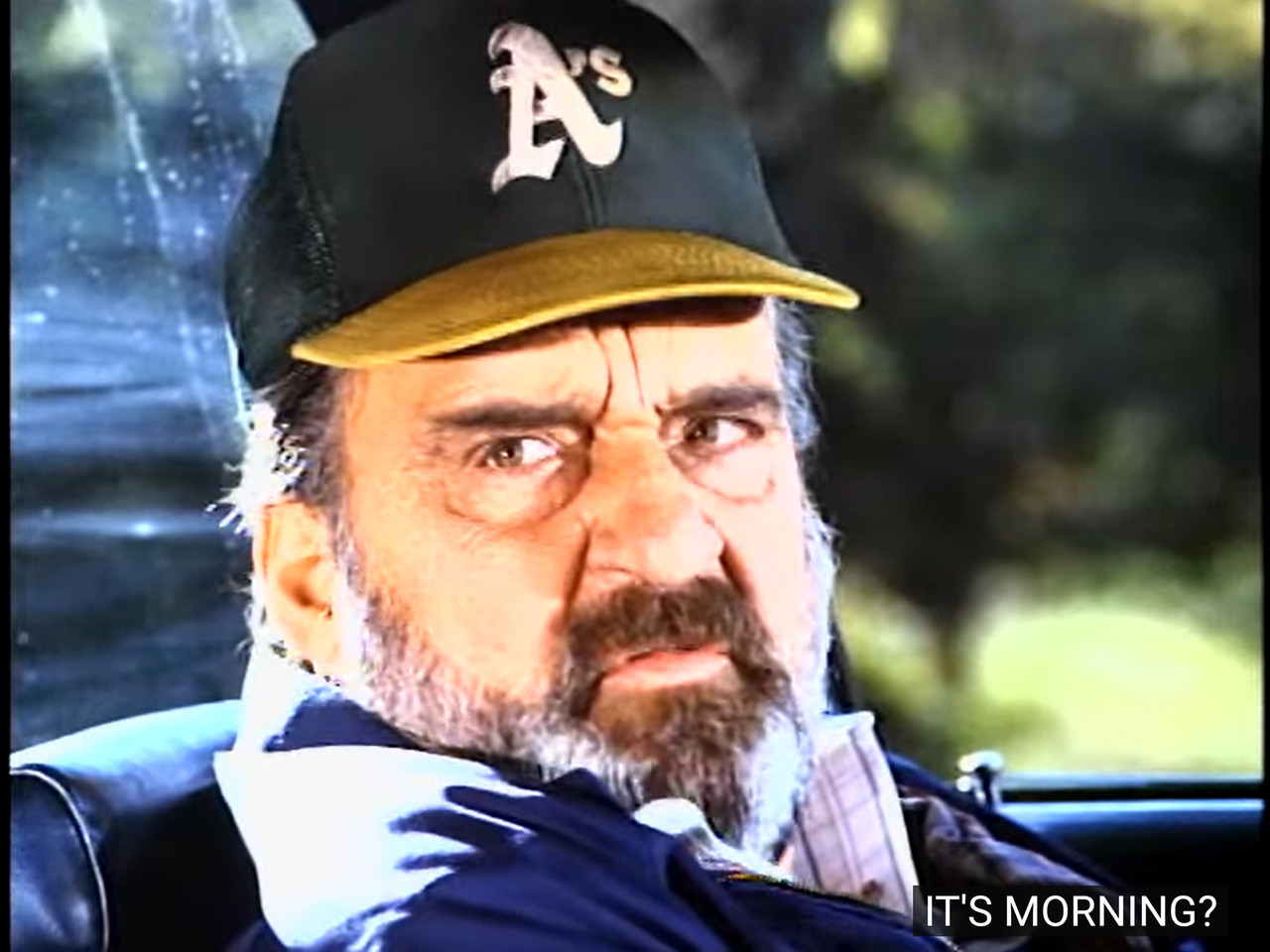
And Mark even reveals that he has been waiting for Jonathan all night.

He’s not.
And there’s more: the moment he wakes up, Jonathan simply tells Mark that the assignment is already completed and that they can move on.

So Mark realizes that Jonathan only called him so he could drive him back home.
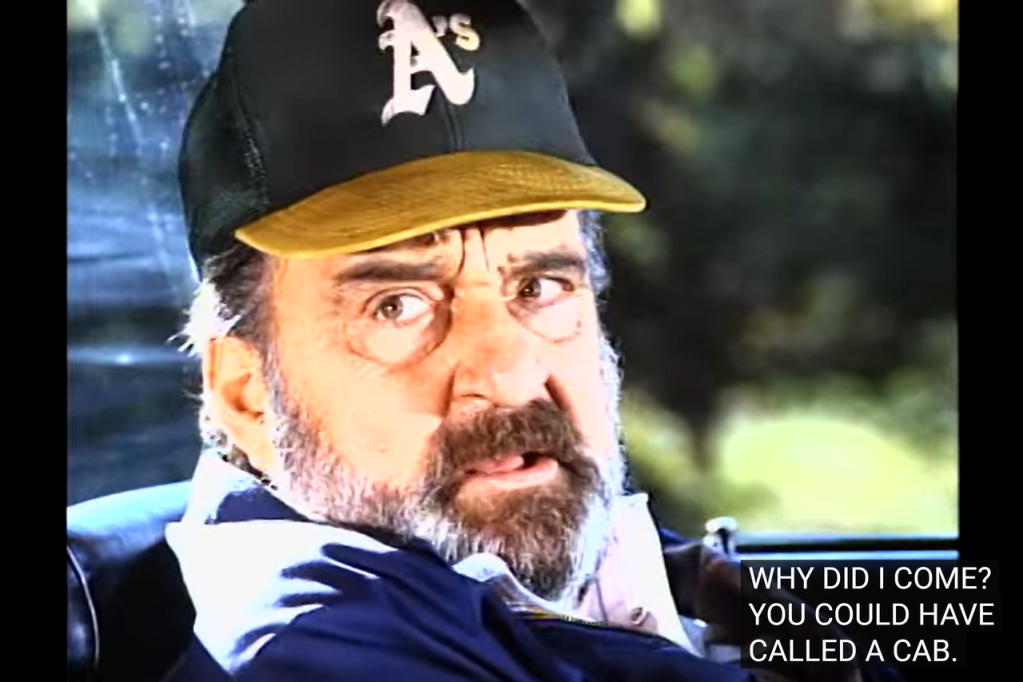
Why didn’t he use the Stuff?
After four seasons, Mark has finally figured out that his friend only uses him as a driver, which is exactly what Nina pointed out back in season three. It’s probably the only good thing about her.
Actually, Jonathan could have used the Stuff to travel quickly, so there is still no real reason for him to make Mark come all the way there. Unless he wanted to be friendly.
After an episode in which they went their own way two months, he probably missed these tricks to his friend.
Highway Of Mysteries: this episode remains a mystery—one of the strangest in the entire series. Possibly more than Birds and even We Have Forever and all the most peculiar episodes. According to Jonathan, the correspondent was removed from his prison cell the moment he entered the dream.
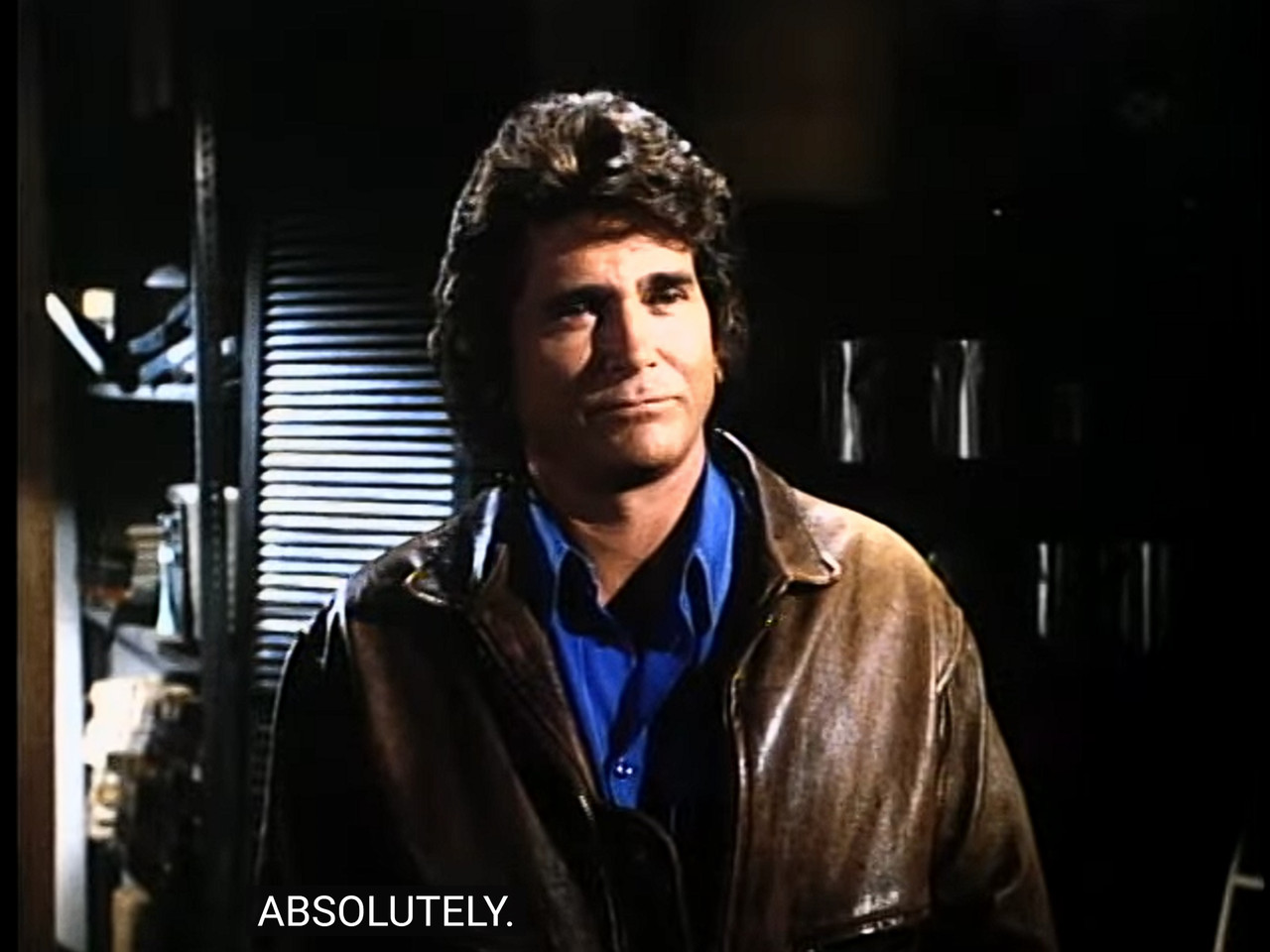
But there’s more: Jonathan even adds that time has stopped for him.
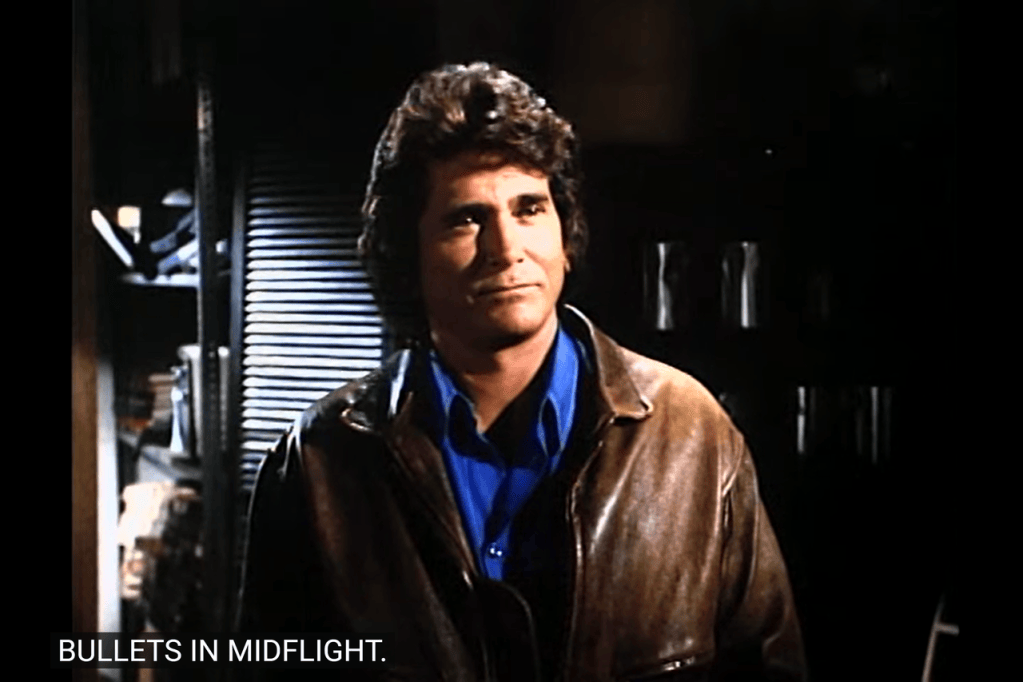
This is an extraordinarily powerful ability, which has too may implications for the rest of the series. I mean, Jonathan is manipulating time. And it’s Jonathan using the Stuff, not his superior’s.
A power like that can allow Jonathan to put an end to all wars.
This was just beyond any logic: he’s capable of invading someone’s dream (as he did on Mark’s many times), but now he’s literally stopping time for the rest of the world. And what exactly does it mean for time to stop: has everything stopped for the correspondent alone, or for the entire world? Since most of the episode takes place within a dream, it becomes impossible to determine the scope of what Jonathan has done. Like, has Mark’s time stopped as well, despite not being part of the dream? Or is time frozen only for Hale? The episode never answers any of these questions.
And then Mark’s role is another unresolved mystery: there’s no explanation as to why this assignment was solved by Jonathan alone. Again, in The Secret it was justified by sending Jonathan to Heaven for using the Stuff against his superior’s order, but now it’s never explained the reason for leaving Mark behind.
It wouldn’t have been the first time Mark would have invaded people’s dream either. Although now this episode seemed to imply that all those times, the other people were entering Jonathan’s dream.
Maybe there’s an unwritten rule stating that Jonathan can only invade one dream with one person at the time.
Or maybe French really couldn’t make it. At least, Mark finally gets a vacation.
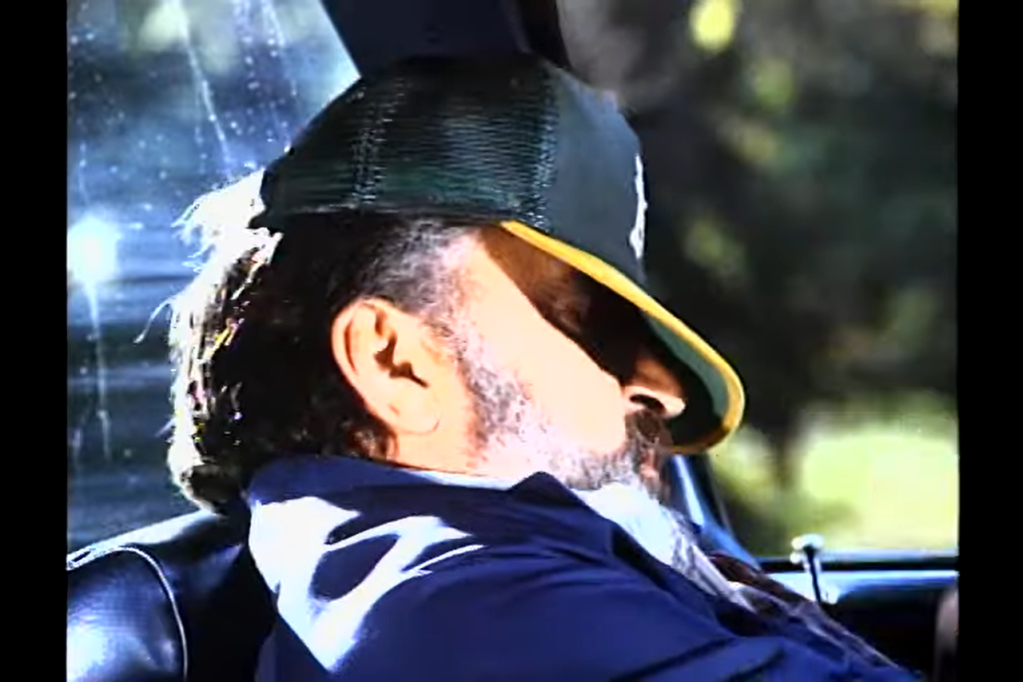
Until Jonathan wakes him up.

Cute, real cute.
Another mystery is about how Jonathan can possibly know everything that is going to happen throughout the episode. Every time something happens, Hale turns to Jonathan who always has an explanation. For instance, he knows where they are every time they go to a different place.
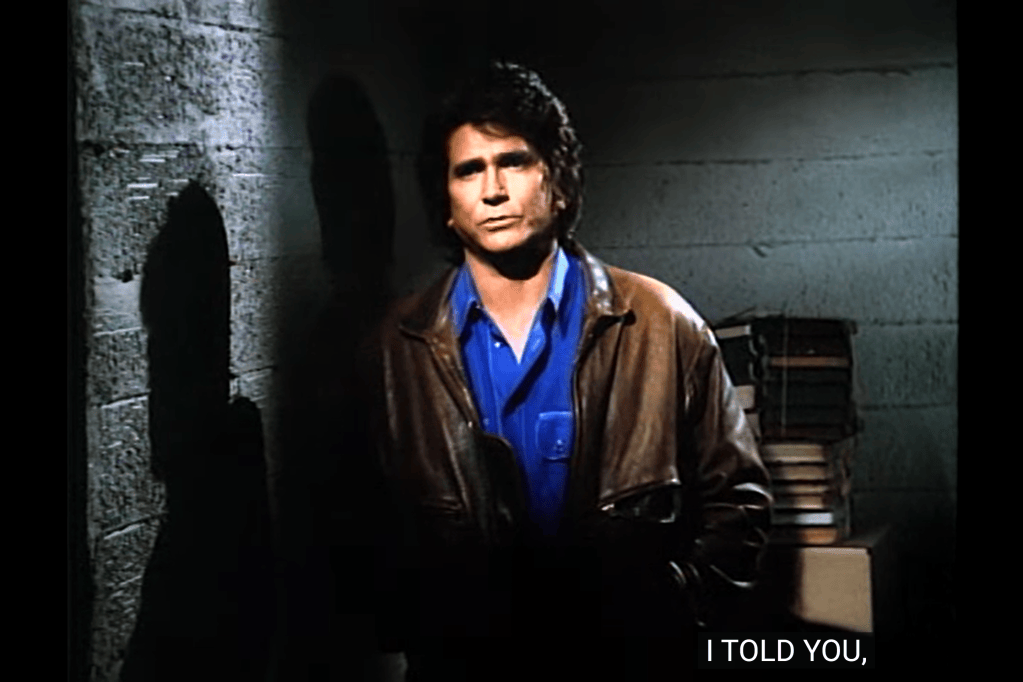
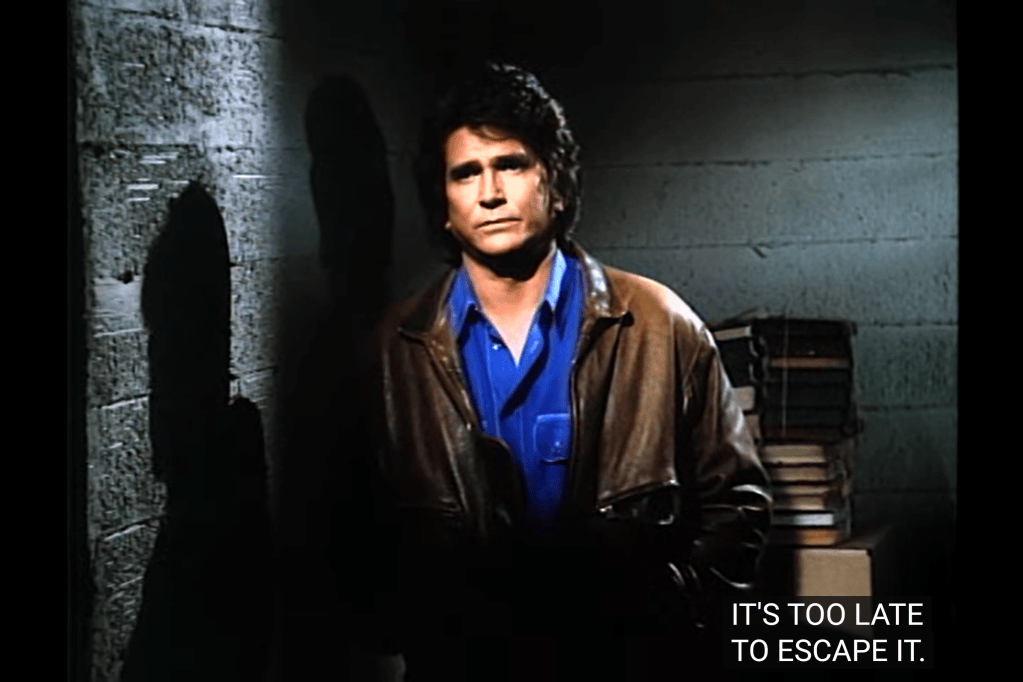
Perhaps his superior told him, but the entire time it feels as though the correspondent is merely being guided by Jonathan.
For example, at the beginning of the episode Jonathan explains that Hale’s wife often feels responsible for Hale accepting the money to go to South America; so Hale tells her that he’ll give the money back, and Jonathan explains what will happen then.

But it’s weird: if he went to South America, then he already knows that he’d go even without the money, there’s no need for Jonathan to tell him how things play out.
If that didn’t sound weird enough, Jonathan doesn’t know everything: for example, he doesn’t know the extent to which Hale and his lover were emotionally involved.
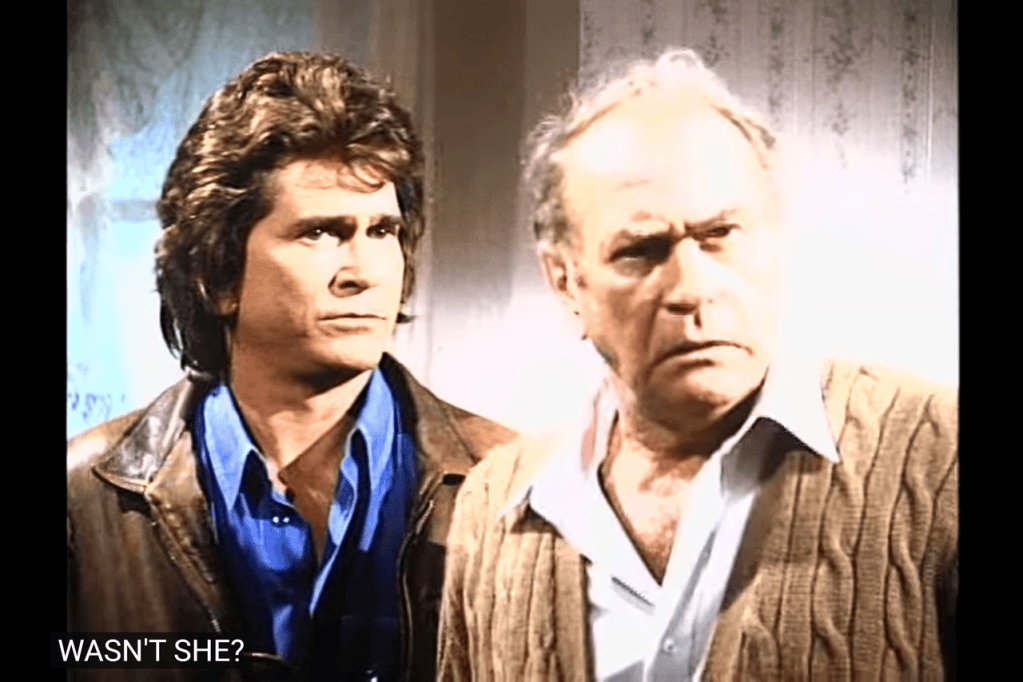
It’s as though he knew what Hale’s wife feels, but he doesn’t know anything about Hale.
Then there’s the conclusion, which is a mystery in its own right: everything begins when Jonathan tells Hale the dream is about to conclude.
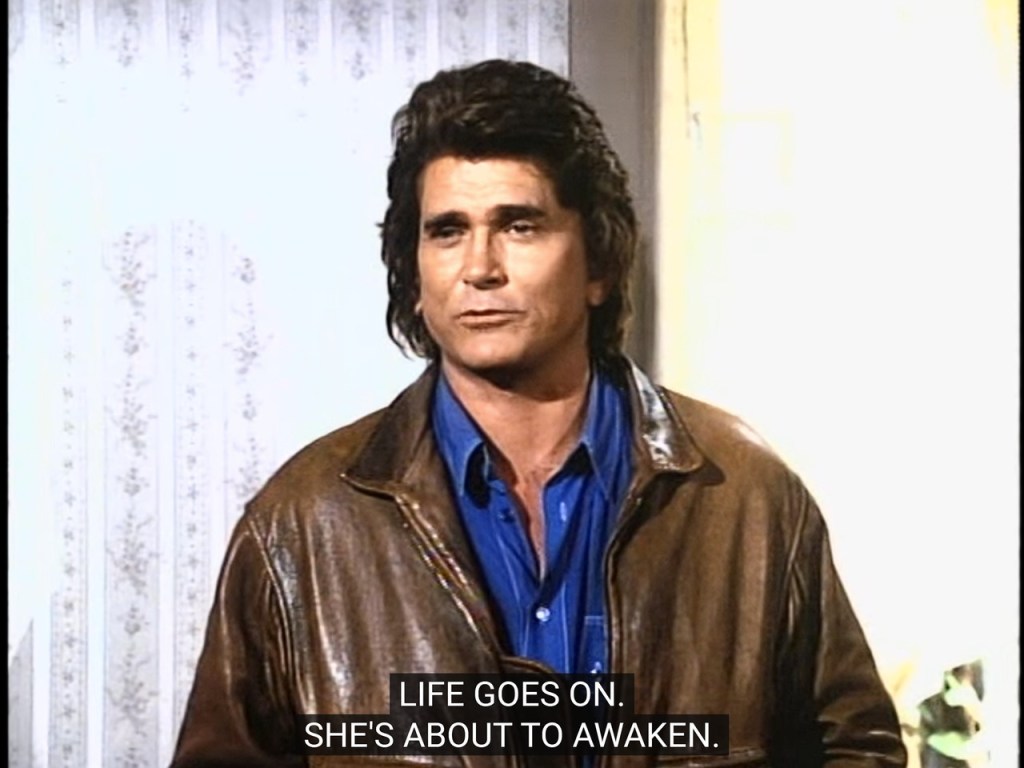
And then Hale knees at his wife’s bedside, and begs to be allowed a little longer there.
This part is already odd because Jonathan previously said that she used to sleep in the studio while her husband was away.
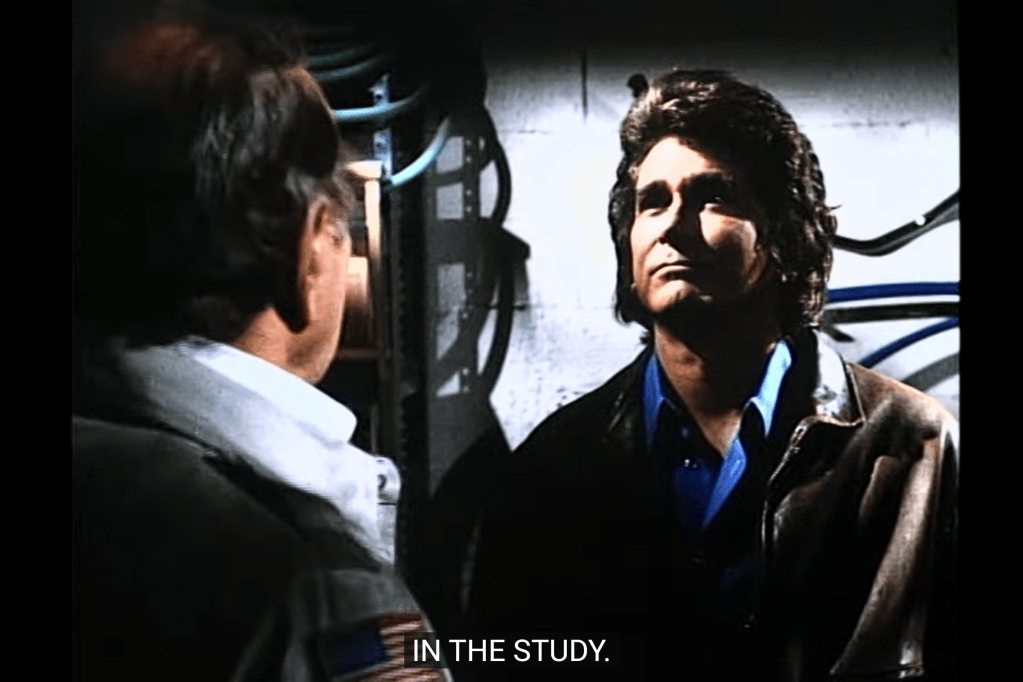
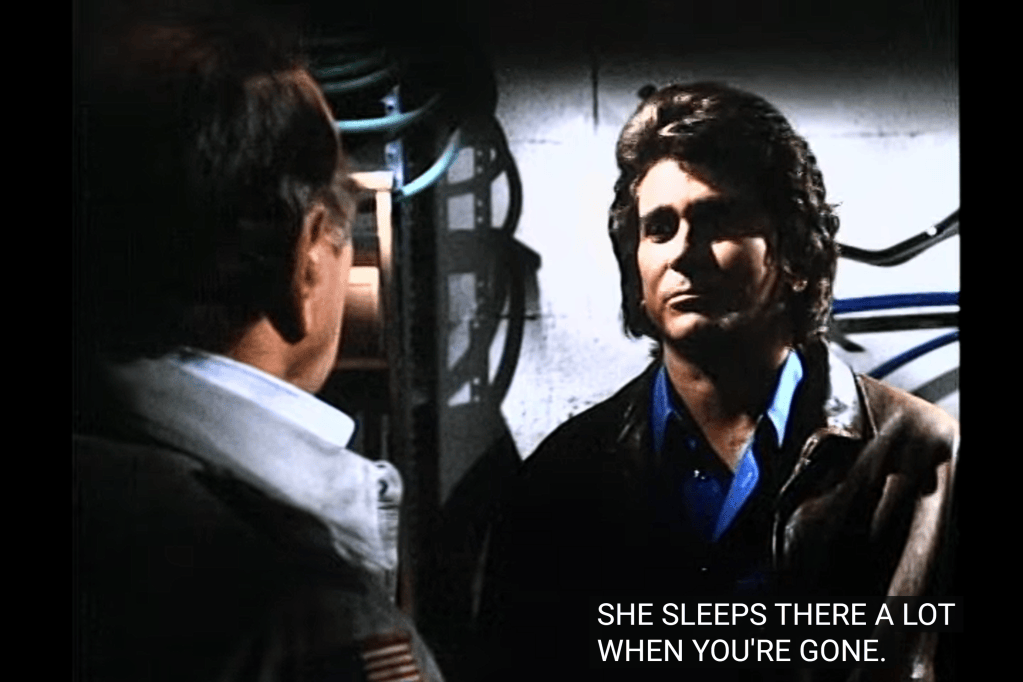
Yet now she is in her own bed.
In any case, the point is that he remains there, begging her to stay asleep.
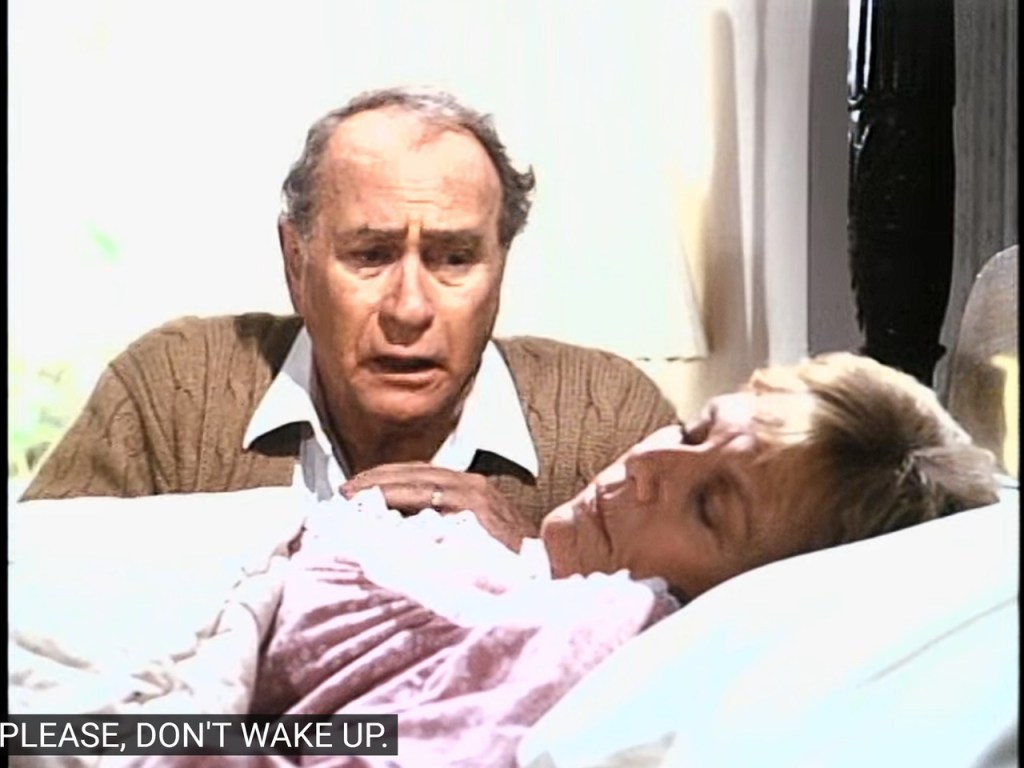
And she wakes up.
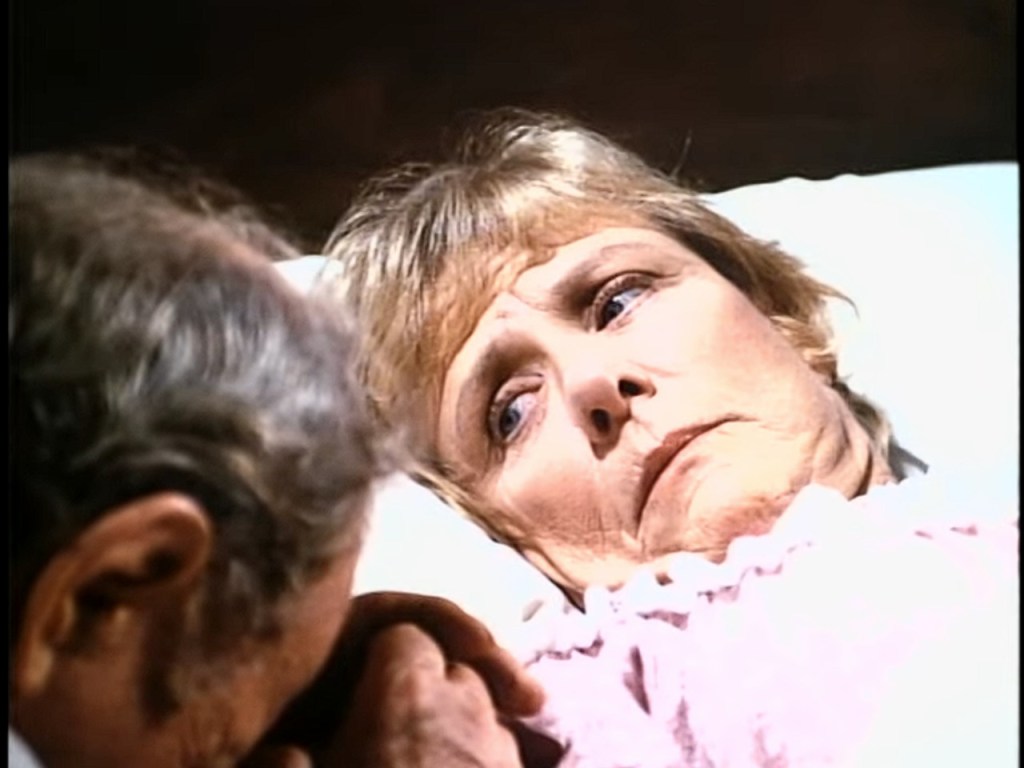
However, he’s not back to the prison.
So he believes that he’s been dreaming the episode, not her.
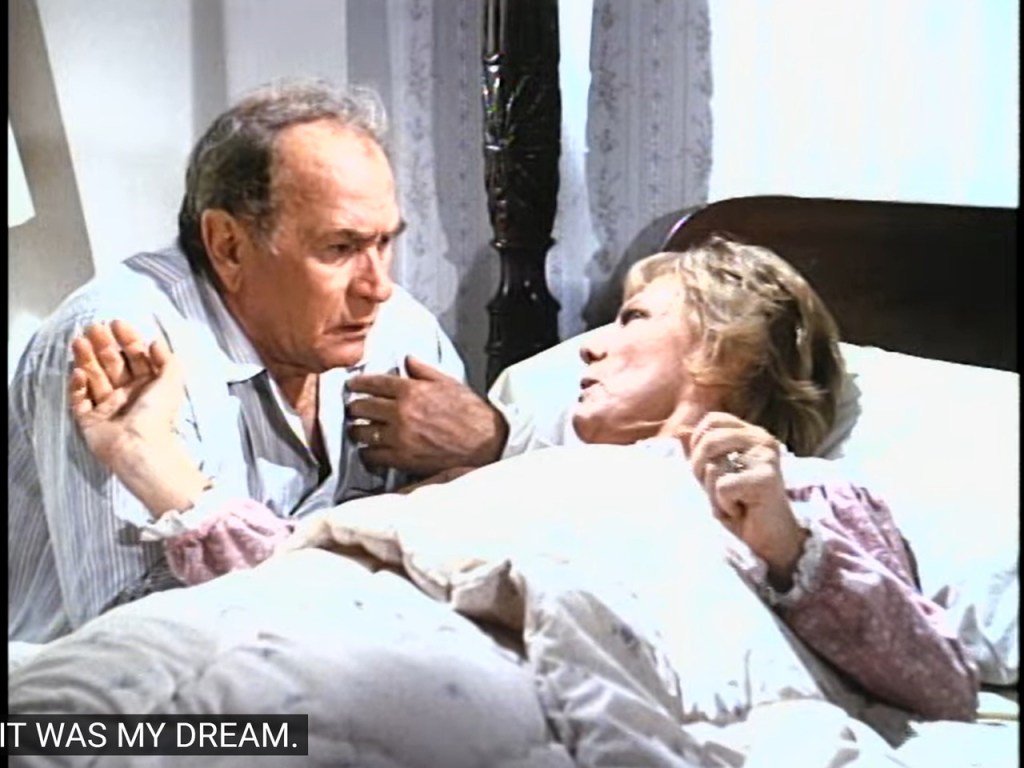
This is never explained, though. The correspondent simply concludes that it was his dream, not his wife’s, and that he never left for the war in the first place.
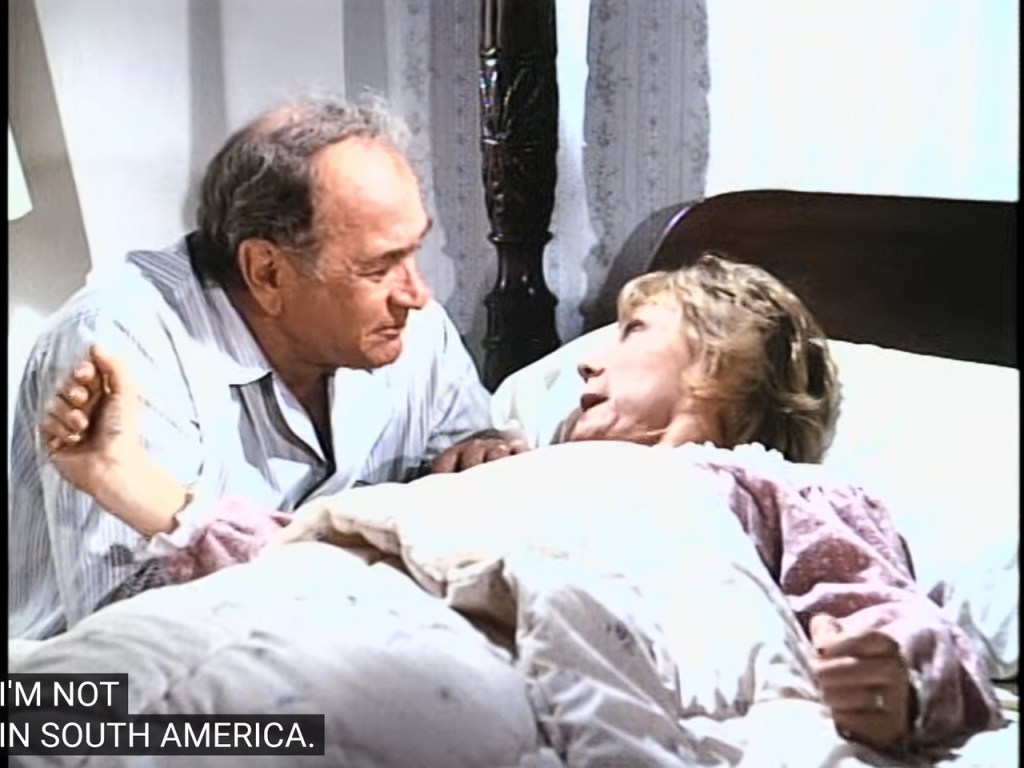
However, this explanation is problematic for several reasons. First, it is merely his assumption and remains unconfirmed within the episode, since Jonathan has already walked away by the time Hale awakens, if that is even what happens. Second, even if Hale is right, that would contradict what Jonathan said earlier.
When he introduced himself, he explicitly stated that it was the woman’s dream.
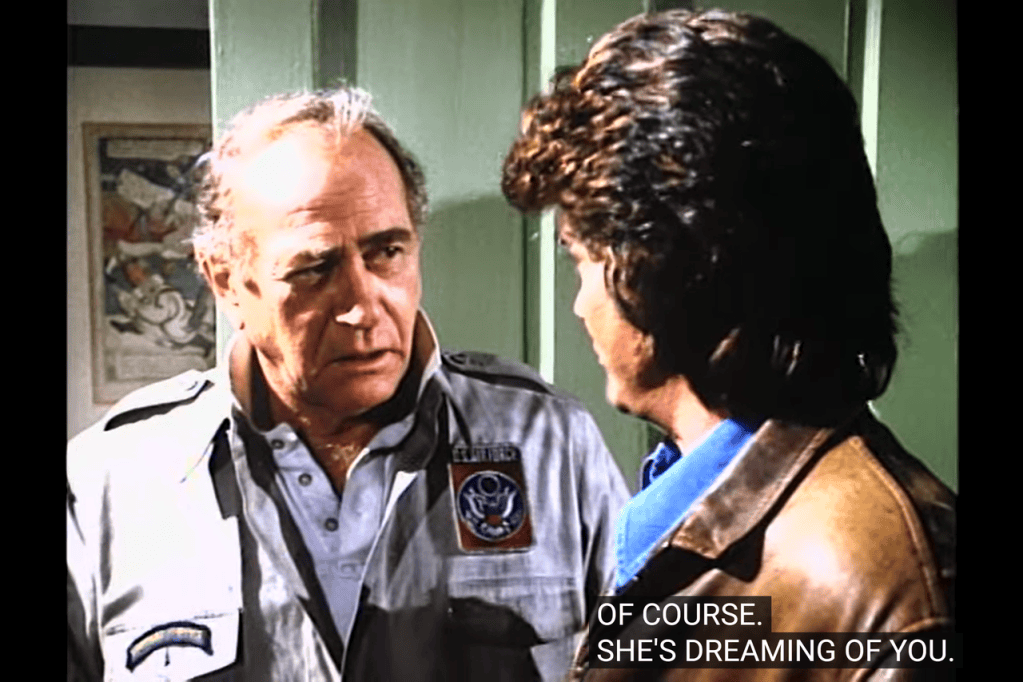
And he repeats it many times after that.

So theatrically put.
He even confirms that Hale’s awake when asked.
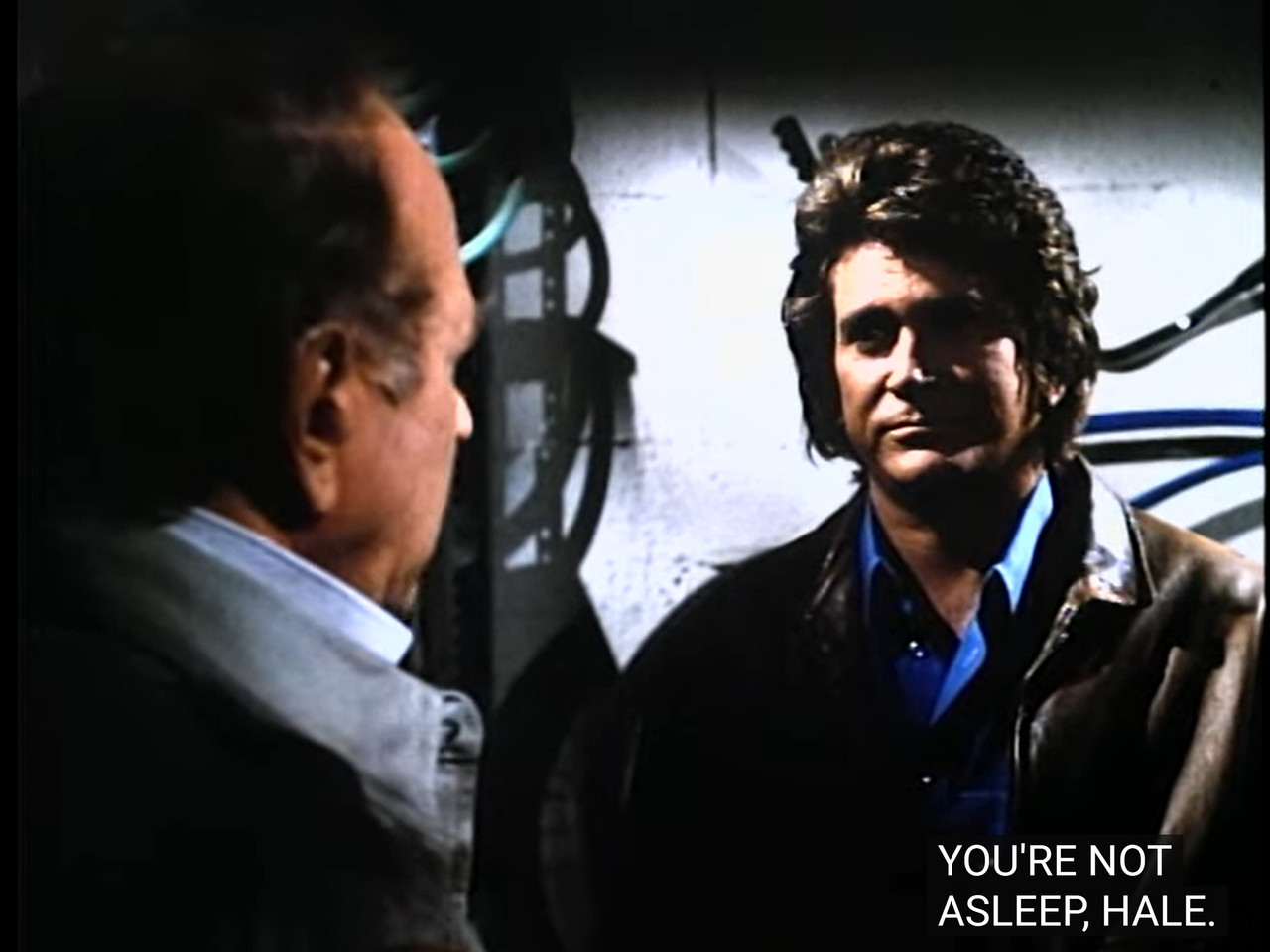
So, if the correspondent’s conclusion is correct, then Jonathan was lying the whole episode. Or maybe he meant that Hale was daydreaming.
Furthermore, it becomes impossible to determine when the dream actually began. Was the prison prologue part of the dream as well? Or did reality somehow become a dream later? Fact is, whoever is dreaming this, it must have all started at some point—even admitting it was Hale’s dream. (For example, when Jonathan invaded Mark’s dream in Going Home, Going Home it all started after Mark suffered a concussion from a car accident). Maybe it started the day before setting off for South America, which means that the prologue (when he was imprisoned) was already a dream.
Perhaps the most plausible way to justify that is that it really began as her dream, but when he was started praying by his wife’s bedside, he obtained a second chance and it somehow became his dream instead. Or he may simply have constructed a weird, remotely plausible rationalization for everything that happened, but it’s incorrect.
Yet even this point is a problem. Whether it was her dream and later became his dream, or whether he’s just trying to find a way to explain this whole thing, it still means that he really was in jail in South America, and then at some point he must have been transported back home. Which means that at some point he’ll be executed all the same.
Otherwise, another explanation is that everything actually happened and involved some form of time travel: he truly went to war, and Jonathan literally altered his past by bringing him back home.
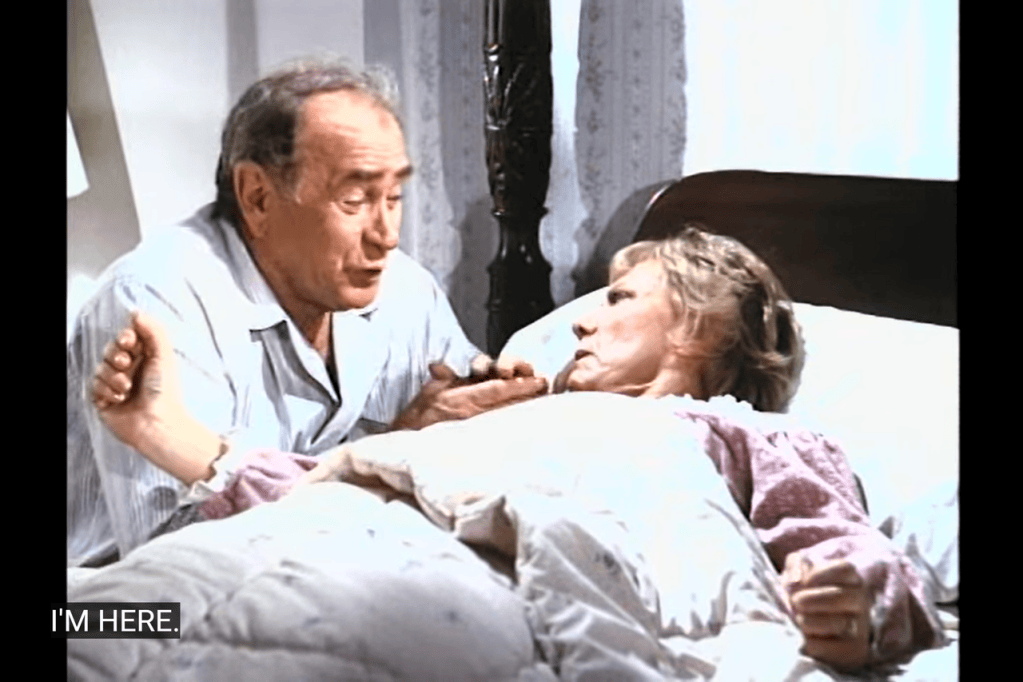
But in that case, there are enormous implications. For example, it would suggest that when Jonathan entered Mark’s dream in the Going Home, Going Home episode, that experience in Mark’s dream may not have been a dream at all but an actual journey into the past. Which means Jonathan can alter people’s past and present.
Again, that would put an end to all wars. There’s no way a probationary angel has that power.
Besides, Jonathan clearly explained that Hale wasn’t asleep and that time has stopped for the world.
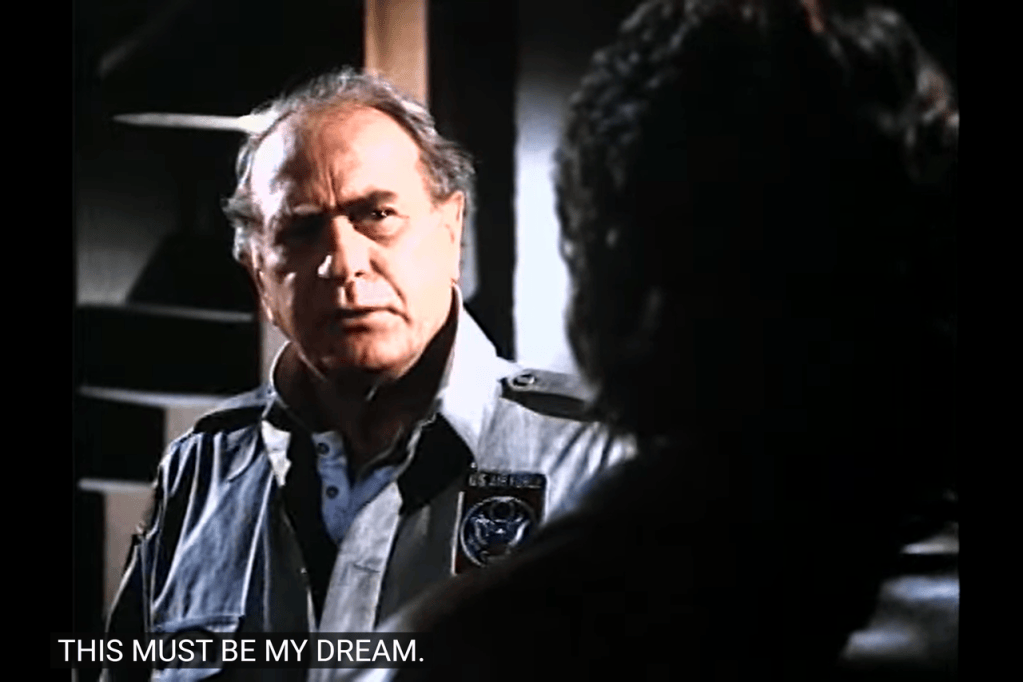
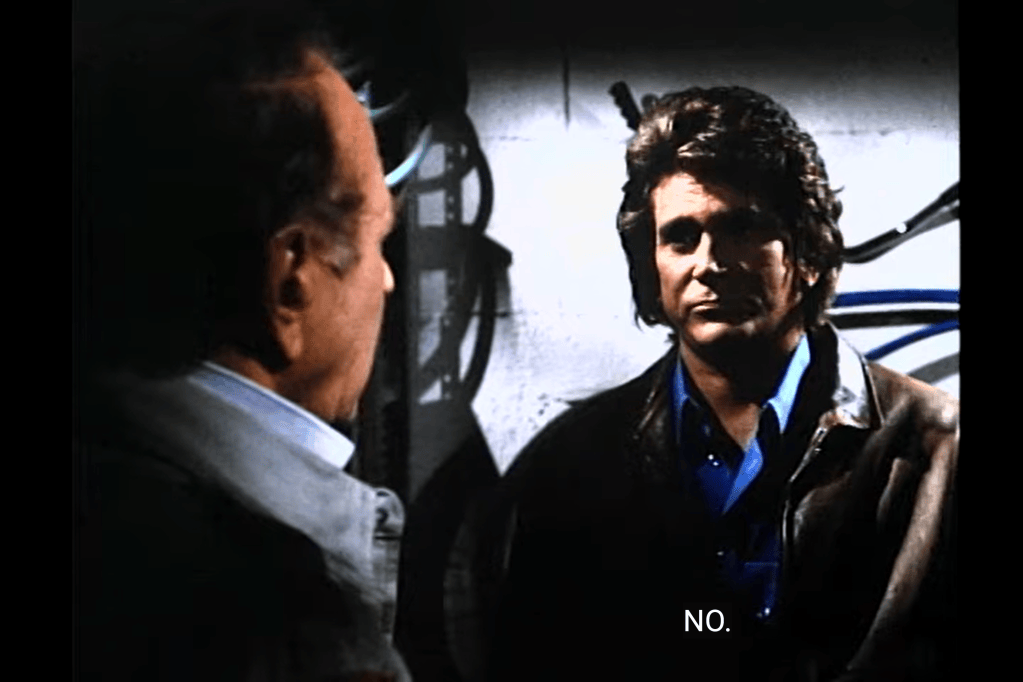
The only way to see it would be that either Jonathan has deceived Hale by telling him those things, or he didn’t know them either. Maybe the dream started as his wife’s, and then when Hale went to her bed it became his dream.
As if the mysteries were not already strange enough, it becomes even more complicated at the conclusion of the episode: Jonathan leaves, awakens Mark in his friendly way, and the episode shows the bars in the correspondent’s basement while an ominous, threatening score of war drums playing in the background.

What the hell was that: the man is still in prison and that Jonathan has trapped him inside a hallucination in which he will spend the rest of eternity, and the moment he returns to reality he will be executed? This episode is a bust.
The odd part is that it wasn’t even in the script: apparently, the episode was supposed to conclude with Jonathan and Mark driving off, without showing the bars in Hale’s basement with a music as though to imply he’s still stuck down there.
And the even most incredible part is that all of this occurs while Mark becomes angry with Jonathan for waking him.
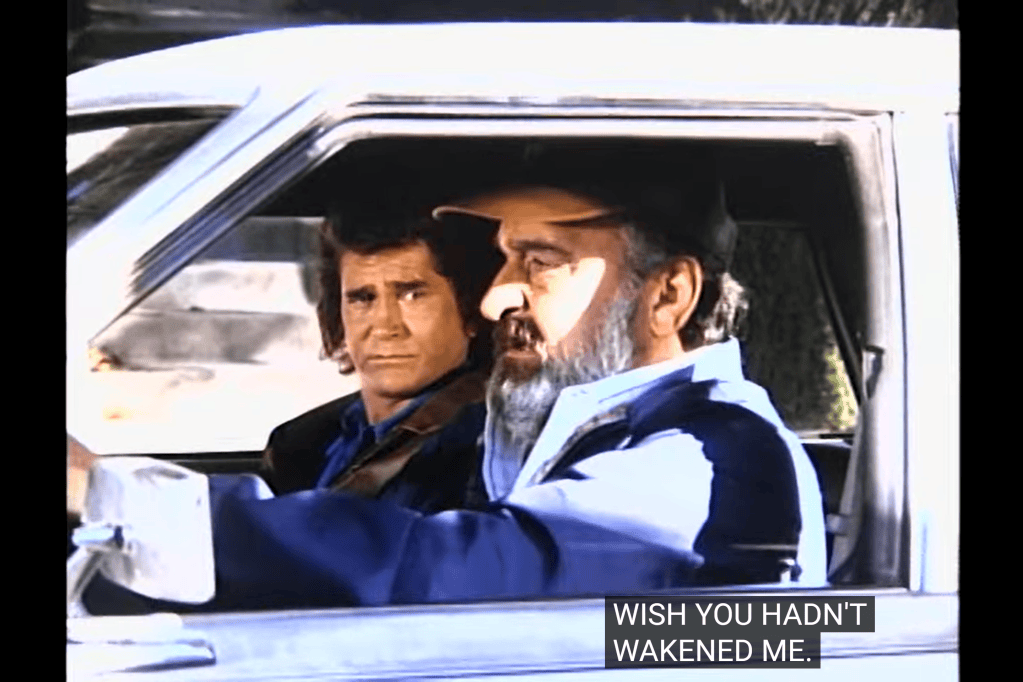

What exactly does that mean? Was it Mark’s dream all along?
So, whose dream it actually is remains a mystery—the correspondent’s, his wife’s, Jonathan’s, or even Mark’s, for that matter. It could be any of them.
Maybe it was Tommy Westphall’s. That’s always the answer to all the dream mysteries.
The “Stuff” Powers: it’s a dream episode. And the most surreal one. Part of this dream is Jonathan being visible to Hale and invisible to anybody else.
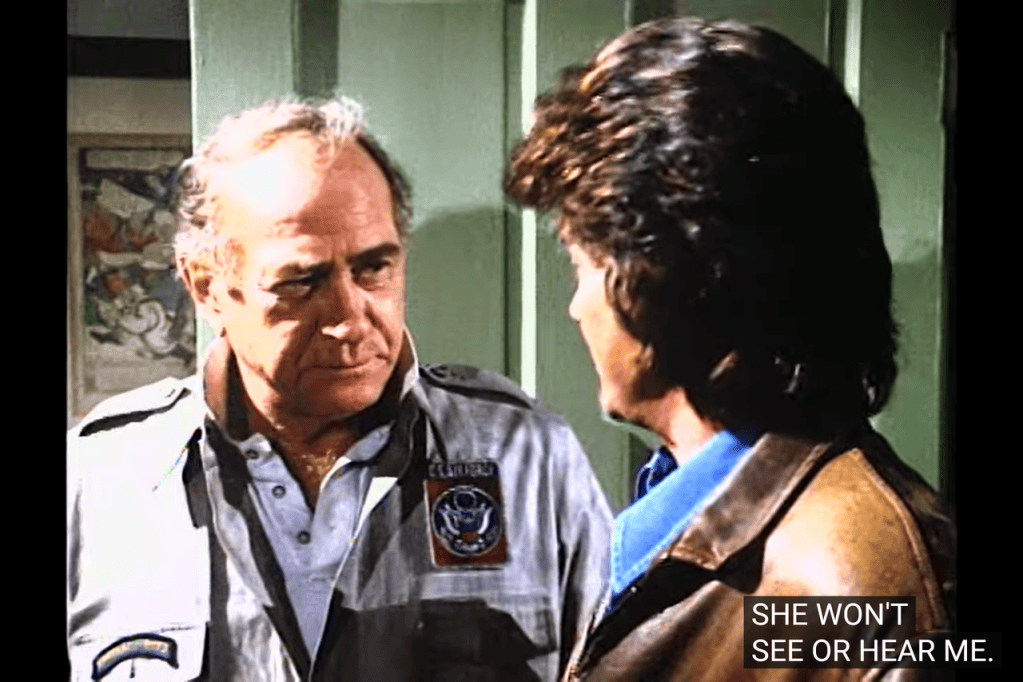
A very weird dream.
And there’s more: when Mark is startled awake, he reveals that he has been waiting for Jonathan all night and that Jonathan had called him and told him to spend the night there. The strange implication is that Jonathan himself was awake. In other episodes where Jonathan and Mark enter someone else’s dream, both of them—or at least Mark—appear to be asleep as well. That is what happens in Love and Marriage, where Mark enters someone’s dream while he is asleep. Here, however, Jonathan seems to be operating from outside the dream entirely, which raises yet another unanswered question.
But now, it seems that Jonathan actually disappeared for the entire night, as he walks out of the house as if nothing happened, apparently having told Mark to wait for him outside.

This would mean that Jonathan was inside the house the whole time.
Usually, when Jonathan and Mark get inside someone’s dream (or take that person inside their dream, at this point is unclear), they are asleep. At least Mark is (Jonathan doesn’t have to). Still, it was implied that they just “materialize” inside that person’s dream, but their body remains asleep someplace else or whatever.
Instead, now Jonathan is walking out of that house. That means he was actually inside the dream.
That, in turn, might suggest that the correspondent was not asleep either—which is exactly what Jonathan told him at the beginning: that he had been taken away from that jail.
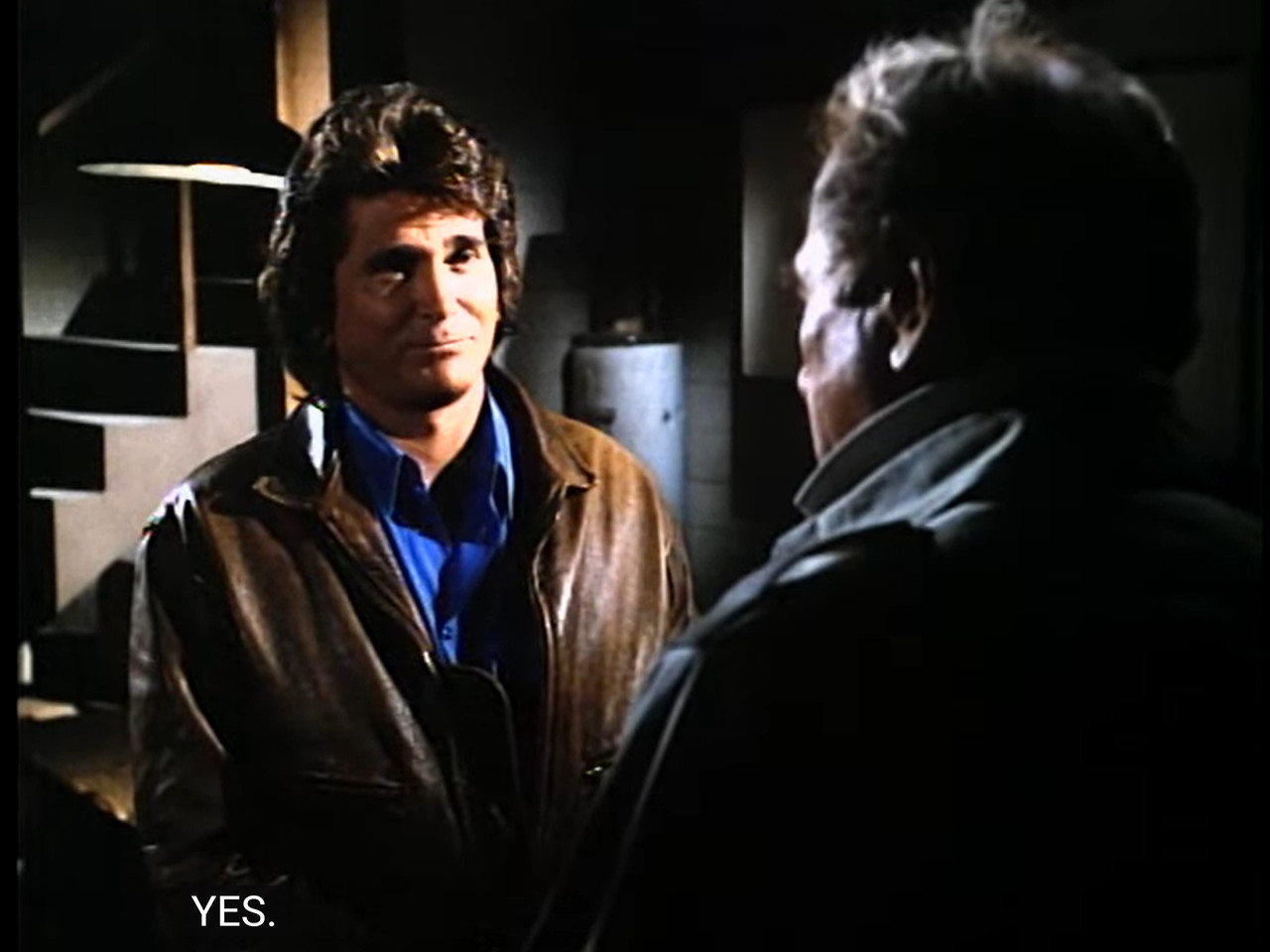
However, if that is the case, then Hale’s conclusion that the dream was his own and not his wife’s is wrong.
Or perhaps Jonathan can actually materialize in other people’s dreams, while Mark can only do so while asleep, because he is not the angel. It’s all very surreal.
The Job: none. Except playing sandman—which is probably what Jonathan would do his whole probation.
Ratings: 24 million audience. 33rd weekly TV program, 4th TV genre show.
This unprecedentedly peculiar episode aired in late February and didn’t score as highly as We Have Forever (either Part one or two), though its ratings remained slightly higher than those of most episodes from the first half of the season. That might be a promising sign for the future. However, it is worth remembering that the television season was approaching its end, and shows airing in late February or March almost always suffer from that. Considering how low some episodes had scored earlier in the season, it will be difficult for the series to maintain these ratings, even if they aren’t particularly strong already. But they could be enough to keep the show going for a while longer.
Perhaps the audience was too awed by that two-part episode and turned away feeling that the series could no longer reach that same emotional impact. (They’d be wrong, though). Or maybe viewers were simply confused by this episode’s promo and decided to skip it. Just like Mark did, for that matter.





Leave a comment